What Makes Grok 4 Different
Grok 4 is xAI's flagship language model that brings advanced reasoning to the forefront of AI technology. Unlike standard language models, Grok 4 specializes in logical analysis and deep contextual understanding, making it perfect for tasks that require structured thinking and precision.
The model handles everything from technical documentation to strategic planning with remarkable clarity. When you need responses that go beyond surface-level information, Grok 4 delivers insights that reflect genuine understanding of complex topics.

Core Capabilities
Grok 4 offers several standout features that make it valuable for professional work:
Logical reasoning: The model analyzes problems systematically, breaking down complex scenarios into manageable components. This makes it particularly effective for technical problem-solving and strategic decision-making.
Customizable output: With adjustable parameters like temperature, max tokens, and frequency penalties, you can fine-tune responses to match your specific needs. Want creative brainstorming? Increase the temperature. Need precise technical documentation? Keep it low.
Depth of analysis: Rather than providing superficial answers, Grok 4 engages with topics at a meaningful level, offering perspectives that demonstrate thorough understanding.
Parameter Settings Explained
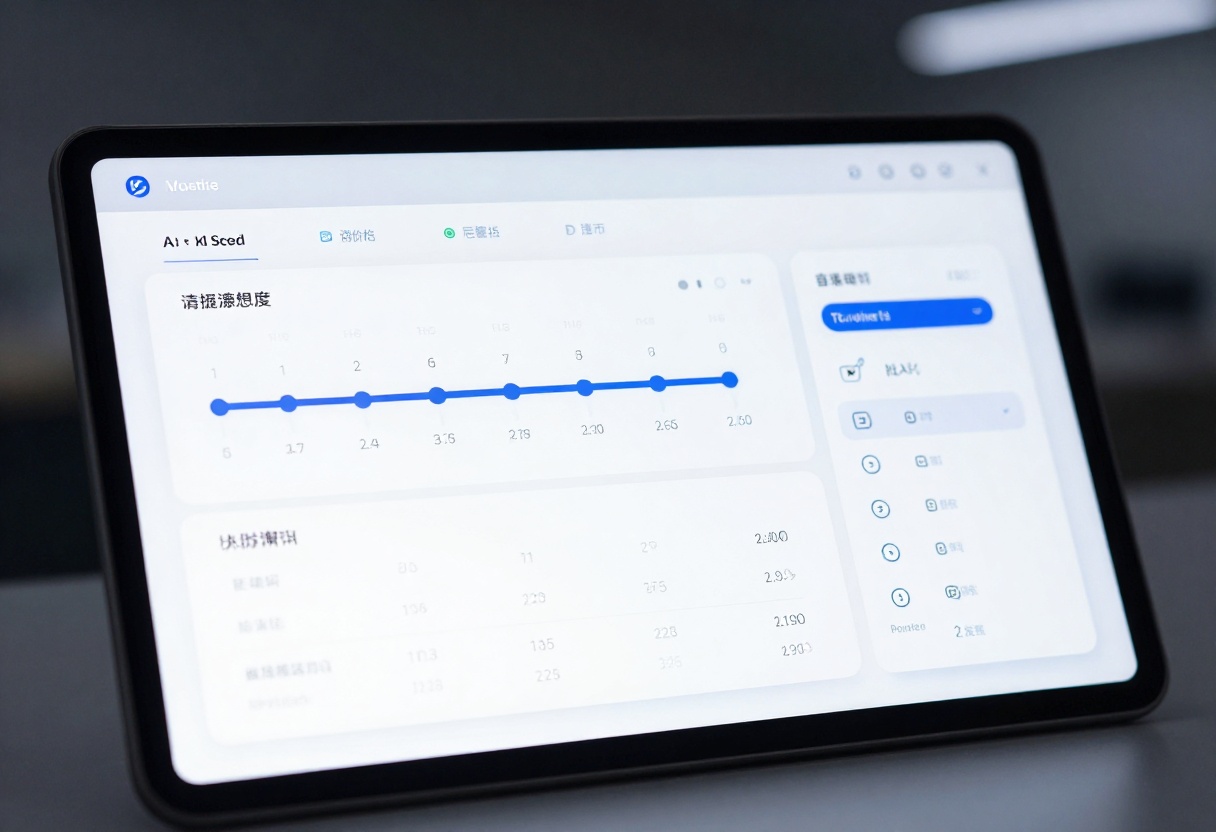
When working with Grok 4 on PicassoIA, you have access to several parameters that control output quality:
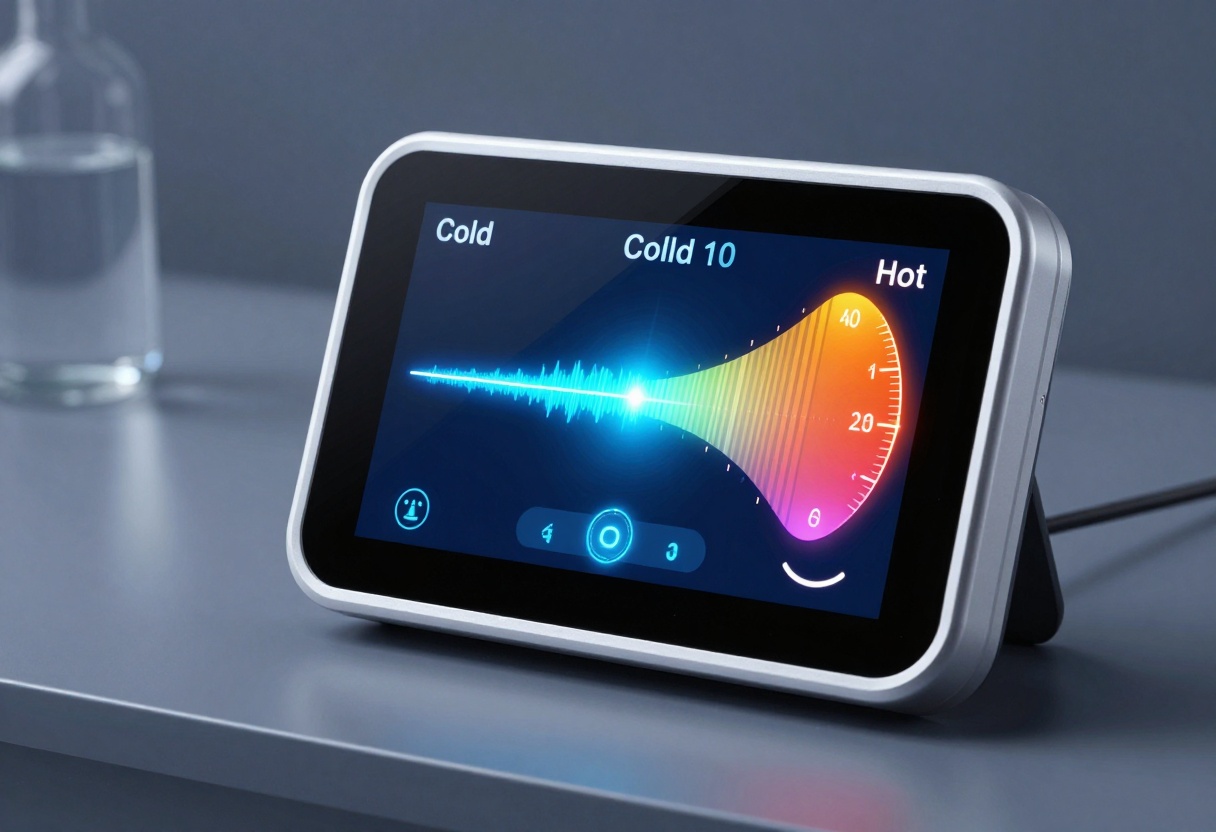
Temperature (default: 0.1): Controls randomness in responses. Lower values (0.1-0.3) produce focused, deterministic outputs ideal for factual content. Higher values (0.7-1.0) introduce creativity, useful for brainstorming and exploratory writing.
Max tokens (default: 2048): Determines the maximum length of the generated response. Adjust this based on whether you need concise answers or comprehensive explanations.
Top-p (default: 1): Also known as nucleus sampling, this parameter controls the diversity of word selection. A value of 1 considers all possible words, while lower values restrict choices to more probable options.
Presence penalty (default: 0): Encourages the model to introduce new topics and concepts. Positive values make repetition less likely.
Frequency penalty (default: 0): Reduces repetition of specific words or phrases. Higher values ensure more varied vocabulary in longer outputs.
Research and Academic Applications
Researchers find Grok 4 particularly valuable for several reasons:
The model excels at summarizing lengthy academic papers while preserving key arguments and methodology details. This saves hours when reviewing literature or preparing research overviews.
For data analysis, Grok 4 helps interpret complex findings and suggests potential explanations for observed patterns. It can also assist in formulating research hypotheses based on existing knowledge.
When writing academic papers, the model maintains appropriate tone and structure while ensuring logical flow between sections. It's especially helpful for crafting clear abstracts and conclusions that accurately represent the research.

Professional Writing and Content Creation
Grok 4 transforms how professionals approach written communication. The model understands context deeply enough to maintain consistent voice across long documents.
For technical writing, it balances accuracy with accessibility. You can generate documentation that's both precise and readable, avoiding jargon overload while maintaining technical correctness.
Business communications benefit from Grok 4's ability to structure arguments logically. Whether drafting proposals, reports, or strategic documents, the model ensures each section builds naturally on the previous one.
Content creators appreciate how Grok 4 can adapt style to different audiences. The same core information can be reframed for executives, technical teams, or general audiences simply by adjusting the prompt.

Business Strategy and Planning
Strategic planning requires synthesizing information from multiple sources and identifying patterns that aren't immediately obvious. Grok 4 handles this complexity well.
The model helps analyze market conditions, competitive landscapes, and internal capabilities to suggest actionable strategies. It doesn't just list options; it explains the reasoning behind each recommendation.
For scenario planning, Grok 4 can explore multiple potential futures based on different assumptions. This helps organizations prepare for various possibilities rather than betting everything on a single prediction.
Risk assessment benefits from the model's systematic approach. It identifies potential issues, evaluates their likelihood and impact, and suggests mitigation strategies in a structured format.

Complex Problem-Solving
What sets Grok 4 apart in problem-solving is its methodical approach. Rather than jumping to solutions, it breaks problems into components, analyzes each part, and then synthesizes findings into coherent recommendations.
For technical challenges, the model considers multiple solution paths, weighing trade-offs between different approaches. This helps teams make informed decisions about implementation strategies.
When facing ambiguous problems where requirements aren't fully defined, Grok 4 asks the right clarifying questions. It identifies information gaps that need addressing before proceeding with solutions.
The model also excels at explaining its reasoning process. This transparency helps teams understand not just what to do, but why specific approaches make sense given the constraints and objectives.

Token Management Best Practices
Understanding token usage helps you get better results from Grok 4:
Input tokens: Your prompt consumes tokens. Longer, more detailed prompts provide better context but leave fewer tokens for the response. Balance detail with space for output.
Output tokens: Reserve enough tokens for complete responses. If you need comprehensive analysis, set max_tokens higher. For quick answers, lower values work fine.
Context preservation: In longer conversations, earlier exchanges consume tokens from your budget. When context becomes too large, consider summarizing key points and starting fresh.
Efficient prompting means being specific about what you need without unnecessary verbosity. State your requirements clearly, provide relevant context, and specify the desired output format.
Using Grok 4 on PicassoIA
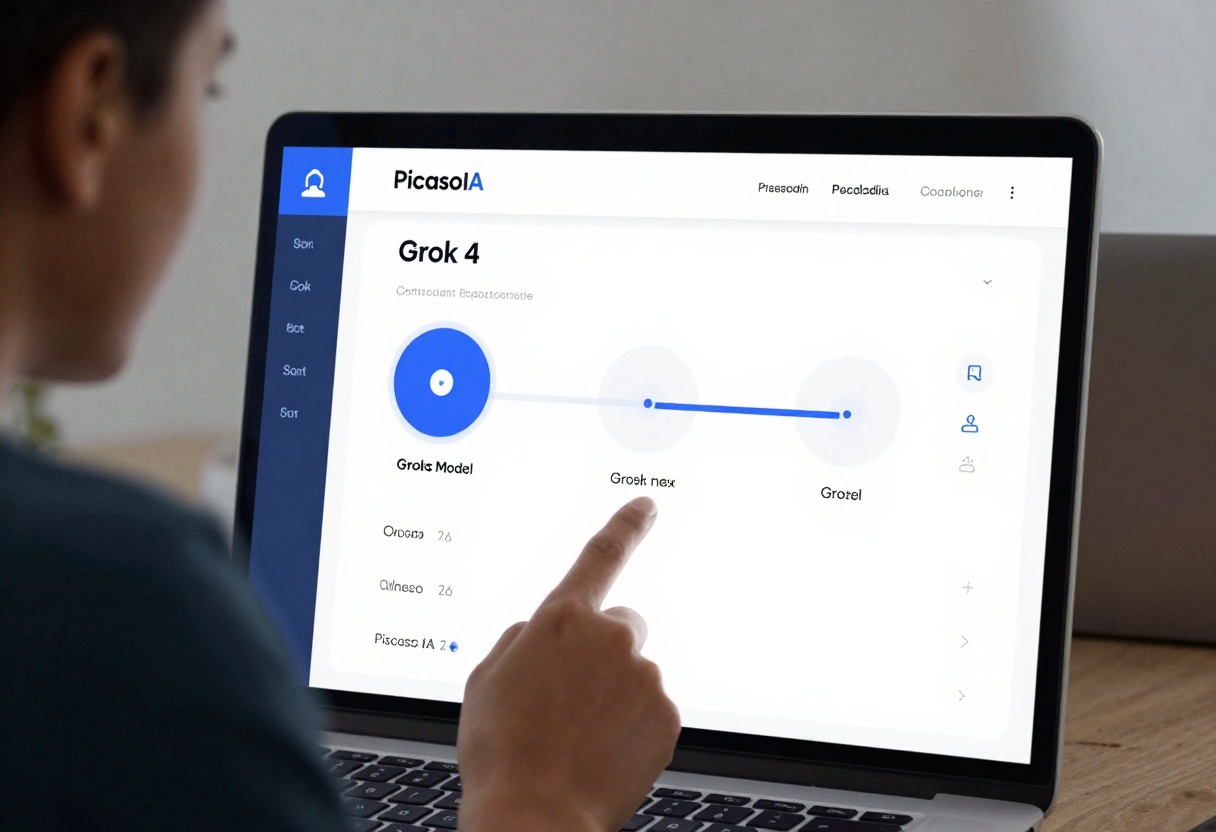
PicassoIA makes accessing Grok 4 straightforward. The platform provides an intuitive interface where you can configure parameters and generate responses without dealing with API complexity.
To start using Grok 4:
Access the Model
Navigate to the Grok 4 model page on PicassoIA. The interface displays all available parameters with their default values clearly marked.
Configure Your Prompt
Enter your prompt in the main text field. Be specific about what you need. Instead of "write about climate change," try "analyze three key factors driving climate change in coastal regions, focusing on economic impacts."
Adjust Parameters
Based on your needs, modify the default settings:
- For factual content: Keep temperature at 0.1-0.3
- For creative work: Increase temperature to 0.7-0.9
- For detailed responses: Set max_tokens to 3000+
- For concise answers: Use 500-1000 tokens
Generate and Iterate
Click generate and review the output. If it's not quite right, adjust your prompt or parameters and try again. The model responds well to specific feedback and clarification.
Practical Tips for Better Results
Getting the most from Grok 4 requires understanding how to communicate effectively with the model:
Be specific: Vague prompts produce generic responses. Tell the model exactly what you need, including format, length, and any specific requirements.
Provide context: If your question relates to specialized knowledge, include relevant background. The model performs better when it understands the full situation.
Use examples: When you want a specific style or format, show examples. "Write in this style" followed by a sample works much better than describing the style abstractly.
Iterate strategically: If the first response isn't perfect, identify what's missing and be explicit in your follow-up. "Add more detail about X" or "Focus less on Y" helps the model adjust effectively.
Structure complex prompts: For multi-part tasks, number your requirements. This helps ensure the model addresses each point systematically.
Real-World Applications
Organizations using Grok 4 have found creative applications across various domains:
Legal analysis: Summarizing case law, identifying relevant precedents, and drafting preliminary arguments with careful reasoning.
Financial modeling: Explaining complex financial concepts, analyzing market trends, and generating insights from quarterly reports.
Product development: Brainstorming features, analyzing user needs, and documenting technical specifications with appropriate detail.
Customer support: Creating detailed knowledge base articles that address common issues while maintaining professional tone.
Educational content: Developing lesson plans, explaining difficult concepts at appropriate reading levels, and creating assessment questions.
Comparing Grok 4 to Other Models
While we focus on Grok 4's capabilities, it's worth noting how it differs from typical language models:
Reasoning depth: Grok 4 prioritizes logical consistency and analytical thinking over pure generation speed. This makes it ideal for tasks requiring structured analysis.
Parameter flexibility: The model exposes more fine-tuning options than many alternatives, giving users precise control over output characteristics.
Context handling: With strong context management, Grok 4 maintains coherence across longer conversations without losing track of earlier points.
Technical accuracy: The model shows particular strength in technical domains, maintaining precision when discussing complex subjects.
Common Use Cases and Examples
Here are specific scenarios where Grok 4 excels:
Scenario 1 - Technical Documentation: A software company needs to document a new API. Using Grok 4 with low temperature (0.1) and high max_tokens (3000), they generate comprehensive documentation that includes clear explanations, code examples, and troubleshooting guidance.
Scenario 2 - Market Research: An analyst needs to synthesize findings from multiple reports. Grok 4 identifies common themes, highlights contradictions, and presents a coherent overview that helps stakeholders make informed decisions.
Scenario 3 - Strategic Planning: A startup founder uses Grok 4 to explore different business models. The model outlines pros and cons of each approach, suggests implementation steps, and identifies potential risks.
Scenario 4 - Academic Writing: A researcher needs help structuring a literature review. Grok 4 suggests logical organization, helps identify gaps in current research, and maintains appropriate academic tone throughout.
To get optimal performance from Grok 4:
Batch similar tasks: If you need multiple similar outputs, keep parameters consistent. This helps maintain quality across related pieces.
Monitor token usage: Track how many tokens your typical prompts consume. This helps you plan for longer projects and avoid truncated responses.
Test different temperatures: Run the same prompt with varying temperature settings to see how it affects output. This helps you find the sweet spot for different task types.
Use presence penalty wisely: When generating longer content, a small presence penalty (0.1-0.3) keeps the model from getting repetitive without forcing unnatural variety.
Combine with post-editing: While Grok 4 produces high-quality output, human review and editing ensures the final result perfectly matches your needs.
Future Developments
AI language models continue evolving rapidly. While we can't predict specific features, trends suggest several areas of improvement:
Enhanced reasoning: Future iterations will likely handle even more complex logical chains and multi-step problem-solving.
Better context windows: Larger context windows will allow for more extensive conversations without losing coherence.
Domain specialization: Expect more focused capabilities for specific industries and use cases.
Improved efficiency: Faster generation speeds while maintaining or improving quality.
Getting Started Today
Ready to experience Grok 4's capabilities? Visit PicassoIA's Grok 4 page to start generating advanced AI-powered content.
The platform provides everything you need: an intuitive interface, clear parameter controls, and immediate access to Grok 4's reasoning capabilities. Whether you're tackling complex research, drafting professional documents, or solving strategic challenges, Grok 4 on PicassoIA delivers the analytical depth you need.
Start with simple prompts to get familiar with the model's capabilities, then gradually explore more complex applications as you learn what works best for your specific needs.


