When you're talking to an AI, the difference isn't just about which model scores higher on benchmarks—it's about which one feels smarter in conversation. We're talking about the subtle cues that make an interaction feel genuinely intelligent versus mechanically correct. With GPT-5.2 representing OpenAI's latest refinement and Grok-4 bringing X's distinctive personality, the choice comes down to more than technical specifications.
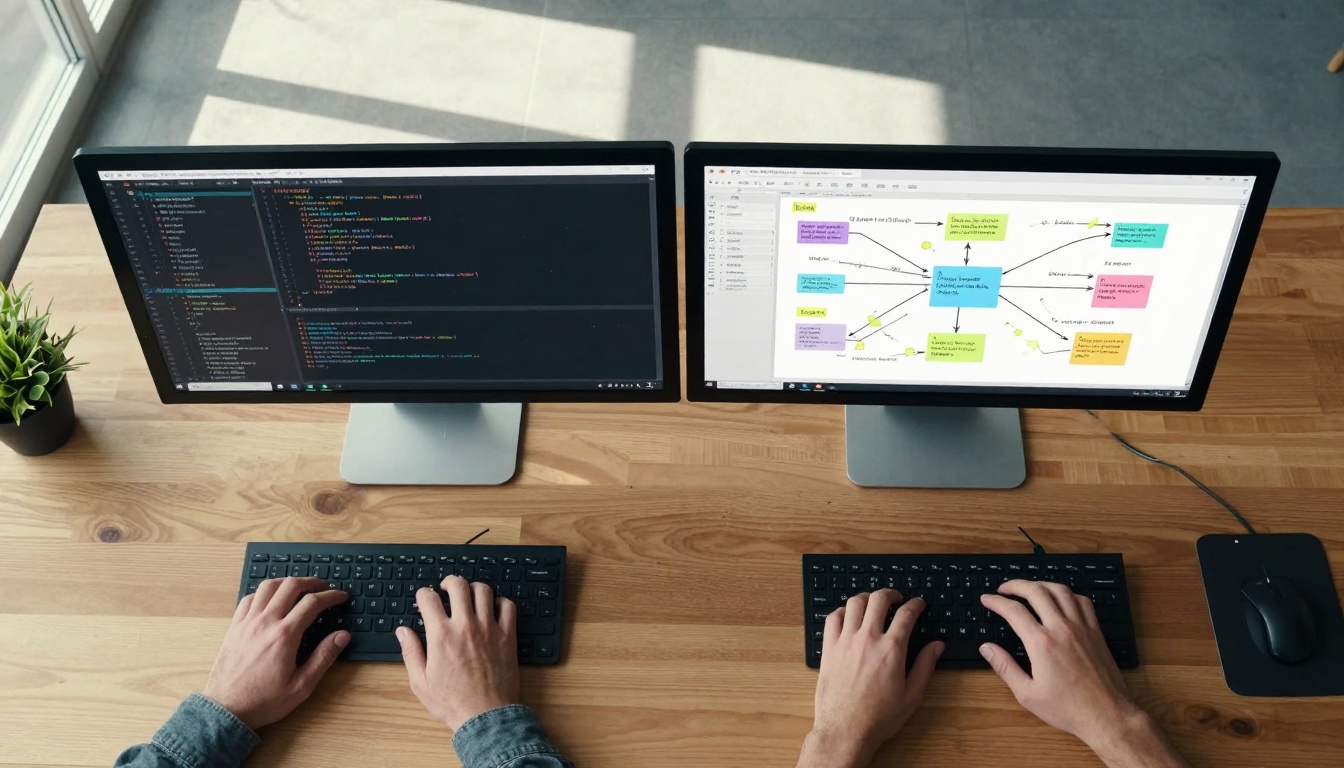
Above: Visual representation of structured versus organic AI thinking patterns
What "Smarter" Actually Means
Before we dive into specifics, let's define what makes an AI feel intelligent:
💡 Intelligence perception comes from three factors: response relevance, contextual awareness, and conversational flow. A model can score 100% on accuracy tests but still feel robotic if it lacks these human-like qualities.
The feeling of intelligence emerges when an AI demonstrates:
- Natural conversation rhythm (appropriate pacing, not rushing or stalling)
- Context retention (remembering earlier points without constant reminders)
- Adaptive tone (matching your communication style)
- Intuitive understanding (grasping implied meanings, not just literal words)
Conversation Style: Structured vs Organic

GPT-5.2 follows OpenAI's signature approach: polished, professional, and consistently reliable. Conversations feel like speaking with a highly educated colleague who organizes thoughts before speaking. The responses are:
- Structurally sound: Clear topic progression, logical flow
- Comprehensive: Tends toward thorough explanations
- Neutral tone: Professional without strong personality
- Predictable pacing: Consistent response timing and length
Grok-4 takes a different path: conversational, adaptive, and personality-driven. It feels like talking to someone who's thinking with you rather than for you. The style includes:
- Dynamic responses: Varies length and approach based on conversation flow
- Personality injection: Noticeable but not overwhelming character
- Adaptive pacing: Faster for simple queries, more deliberate for complex ones
- Contextual humor: Appropriate lightheartedness when context allows
Daily Conversation Comparison
| Scenario | GPT-5.2 Approach | Grok-4 Approach | Which Feels Smarter |
|---|
| Casual chat | Professional but friendly | More conversational, personality-forward | Grok-4 (feels more human) |
| Technical explanation | Structured, comprehensive | Adaptive, focuses on key points | GPT-5.2 (clearer structure) |
| Creative brainstorming | Logical progression | More associative thinking | Grok-4 (more intuitive) |
| Problem solving | Step-by-step methodology | Multiple angle exploration | Depends on problem type |
| Learning new concepts | Systematic explanation | Intuitive understanding focus | GPT-5.2 (better for beginners) |
Technical Capability vs Conversational Intelligence
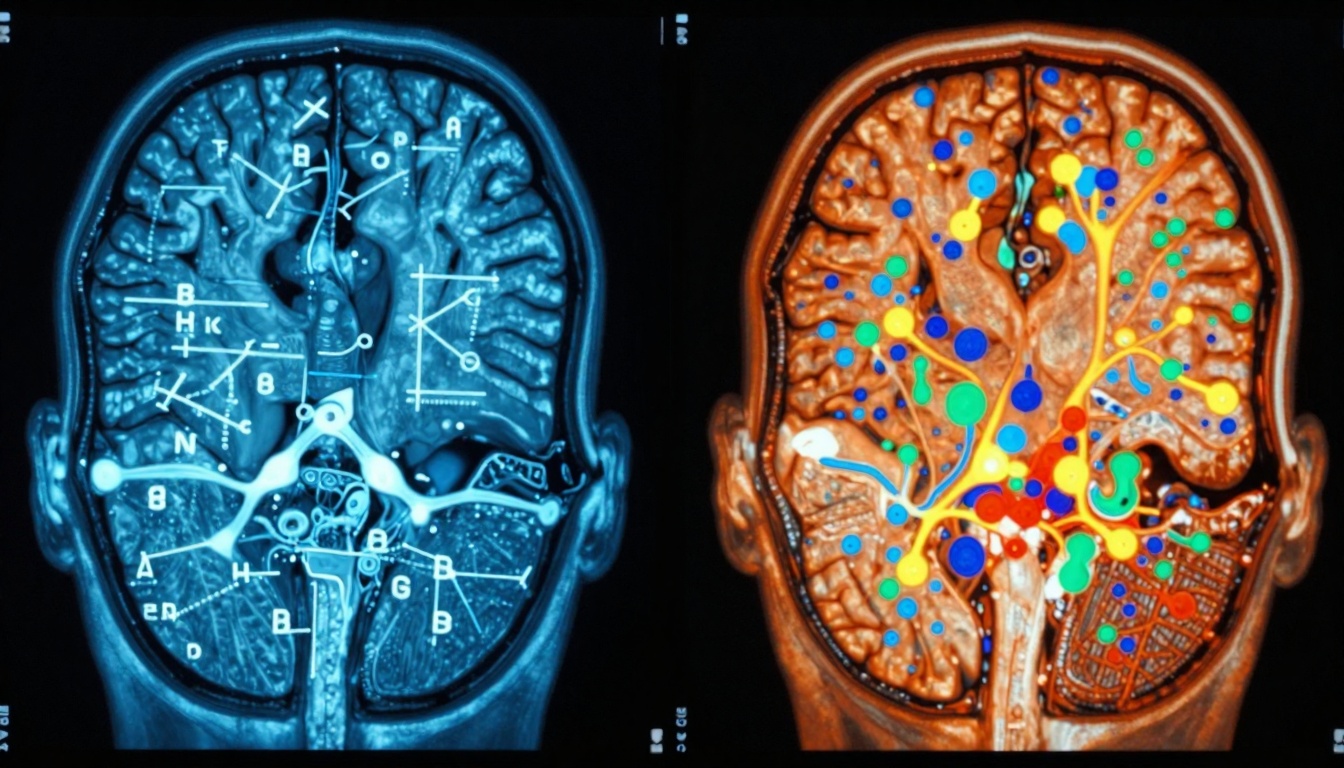
Technical benchmarks tell one story, but daily interaction tells another. Here's where each model excels:
GPT-5.2 Technical Strengths:
- Code generation: Produces clean, well-commented code with logical structure
- Documentation: Creates comprehensive technical documents
- Mathematical reasoning: Precise calculations with clear steps
- Factual accuracy: Strong citation and verification capabilities
- Multilingual consistency: Even quality across supported languages
Grok-4 Conversational Strengths:
- Context adaptation: Better at adjusting to your communication style
- Tone matching: More natural emotional range in responses
- Conversational memory: Stronger retention of earlier discussion points
- Creative flexibility: More willingness to explore unconventional approaches
- Real-time adaptation: Adjusts based on your reaction cues
Response Time and Quality Trade-offs
GPT-5.2 tends toward consistency: response quality remains high regardless of complexity, but this sometimes means longer processing for simple queries. The system prioritizes correctness over speed.
Grok-4 shows more variation: simple questions get rapid responses with less polish, while complex topics trigger more deliberate processing. This creates a more human-like pacing dynamic.
Learning Curve and Accessibility

For new users, the experience differs significantly:
GPT-5.2 New User Experience:
- Predictable interface: Consistent response patterns
- Clear expectations: You know what you'll get
- Gradual learning: Better for methodical skill development
- Lower frustration: Fewer unexpected responses
- Documentation friendly: Easy to reference later
Grok-4 New User Experience:
- More adaptive: Learns your style faster
- Higher engagement: Conversations feel more dynamic
- Steeper initial curve: Takes time to understand its personality
- Higher reward: Once adapted, feels more personalized
- Less documentation needed: More natural recall
💡 Pro tip: If you're new to AI chat, start with GPT-5.2 for predictable results. If you're experienced and want more personality, Grok-4 offers deeper engagement once you learn its patterns.
Creative and Analytical Balance
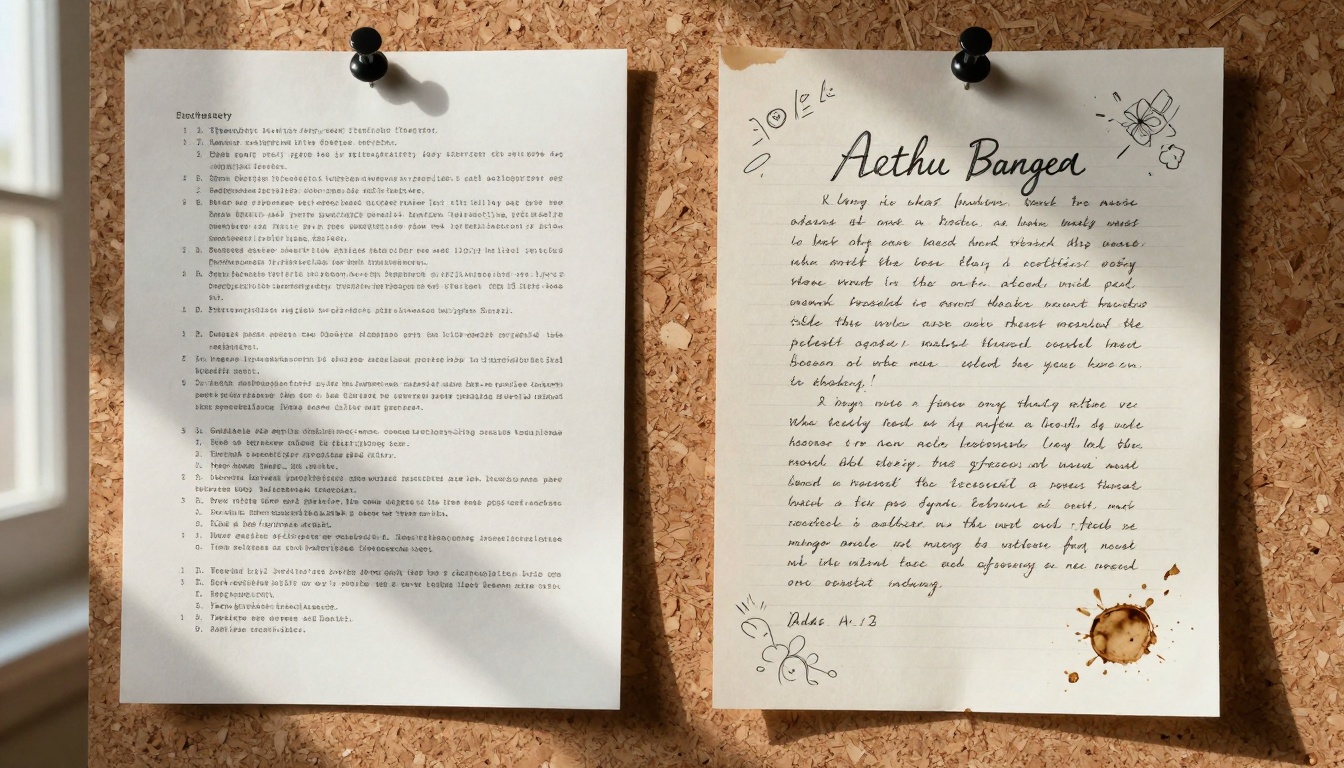
The intelligence perception shifts dramatically based on task type:
For Analytical Tasks:
- Research synthesis: GPT-5.2 structures information better
- Data analysis: Both capable, but GPT-5.2 explains methodology clearer
- Technical writing: GPT-5.2 produces more polished documentation
- Logical reasoning: GPT-5.2 shows stronger step-by-step logic
- Comparative analysis: GPT-5.2 maintains objective tone better
For Creative Tasks:
- Brainstorming sessions: Grok-4 explores more diverse ideas
- Story development: Grok-4 shows stronger narrative intuition
- Concept exploration: Grok-4 more willing to entertain unconventional angles
- Tone adaptation: Grok-4 adjusts writing style more fluidly
- Collaborative creation: Grok-4 feels more like a creative partner
Practical Application Scenarios
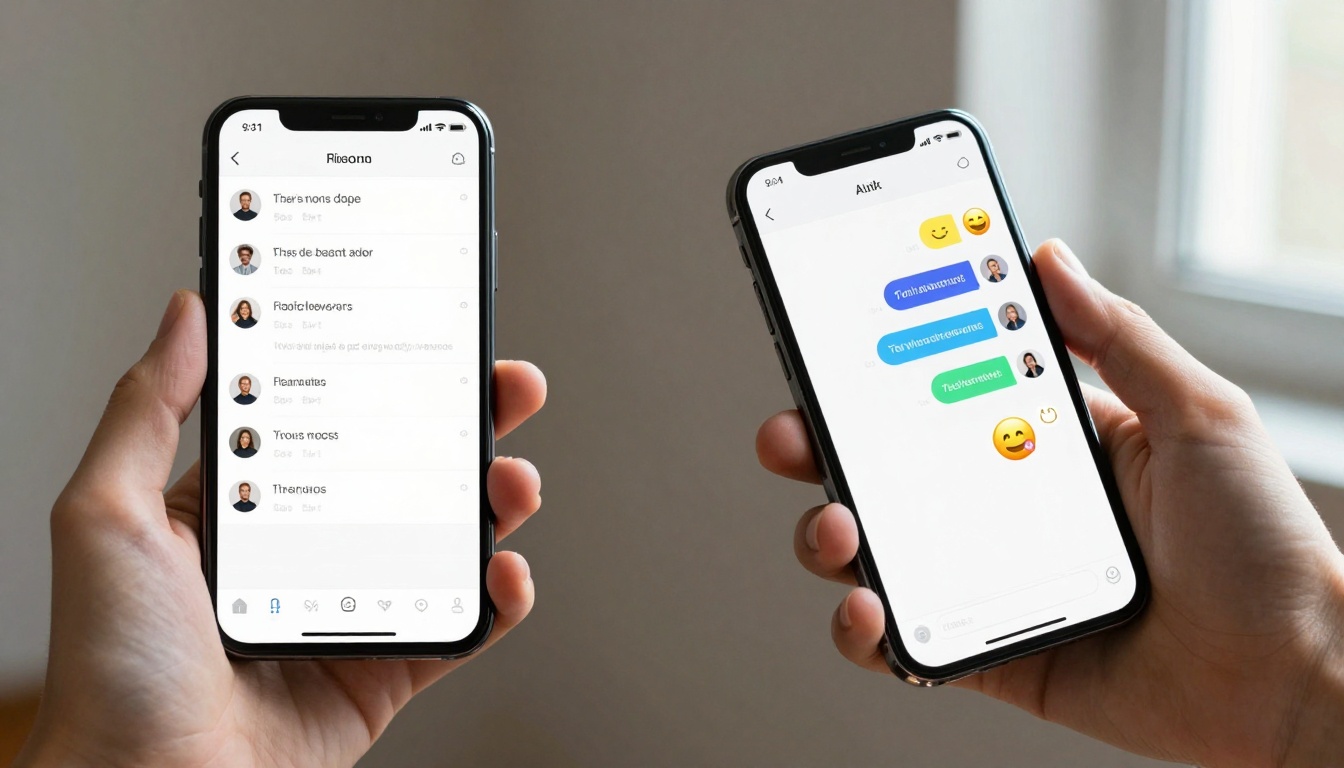
When GPT-5.2 Feels Smarter:
- Professional correspondence (emails, reports, proposals)
- Educational explanations (tutorials, course materials)
- Technical documentation (API docs, manuals, specifications)
- Research assistance (literature reviews, citation management)
- Structured planning (project timelines, methodologies)
When Grok-4 Feels Smarter:
- Casual conversation (daily chat, social interaction)
- Creative collaboration (writing, design brainstorming)
- Problem exploration (open-ended question discussion)
- Style adaptation (matching your communication preferences)
- Entertainment content (stories, jokes, conversational games)
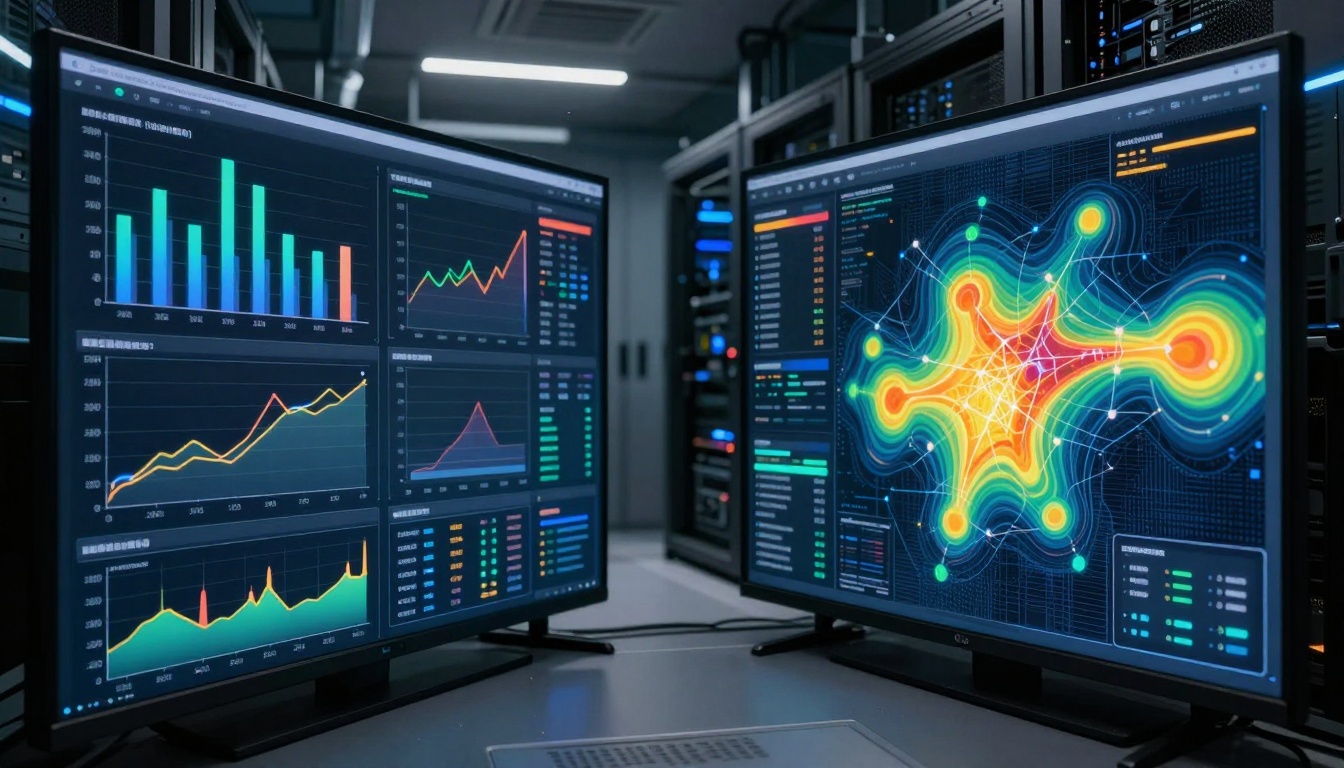
Beyond subjective "smartness," practical factors influence choice:
| Factor | GPT-5.2 | Grok-4 |
|---|
| Response consistency | Very high | Moderate to high |
| Speed for simple queries | Consistent | Faster |
| Complex query handling | Deliberate but thorough | Adaptive pacing |
| Learning your style | Gradual | Rapid adaptation |
| Multitasking capability | Strong | Moderate |
| Context window usage | Efficient | More flexible |
| API stability | Excellent | Good |
| Integration complexity | Standard | Requires adaptation |
Integration with Other AI Models
Both models exist within larger ecosystems on PicassoIA:
GPT-5.2 Ecosystem:
- Works well with GPT-Image 1.5 for text-to-image generation
- Complements GPT-4o for multimodal tasks
- Integrates with Sora-2 for video content planning
Grok-4 Ecosystem:
The PicassoIA Advantage
What makes PicassoIA unique is the ability to test both models side-by-side without commitment. You can:
- Run identical prompts through both systems simultaneously
- Compare response styles in real-time
- Test specific scenarios that matter to your workflow
- Evaluate without API key requirements
- Access both models through the same interface
Try Them Yourself
The only way to know which feels smarter for you is direct experience. Your personal workflow, communication style, and task requirements will determine which model delivers that intelligent feeling.
On PicassoIA, you can:
- Test GPT-5.2 with your specific use cases
- Experiment with Grok-4 personality and adaptive responses
- Compare side-by-side using identical prompts
- Mix with other models like Claude-4.5-Sonnet for broader comparison
Final Thoughts on AI Intelligence Perception
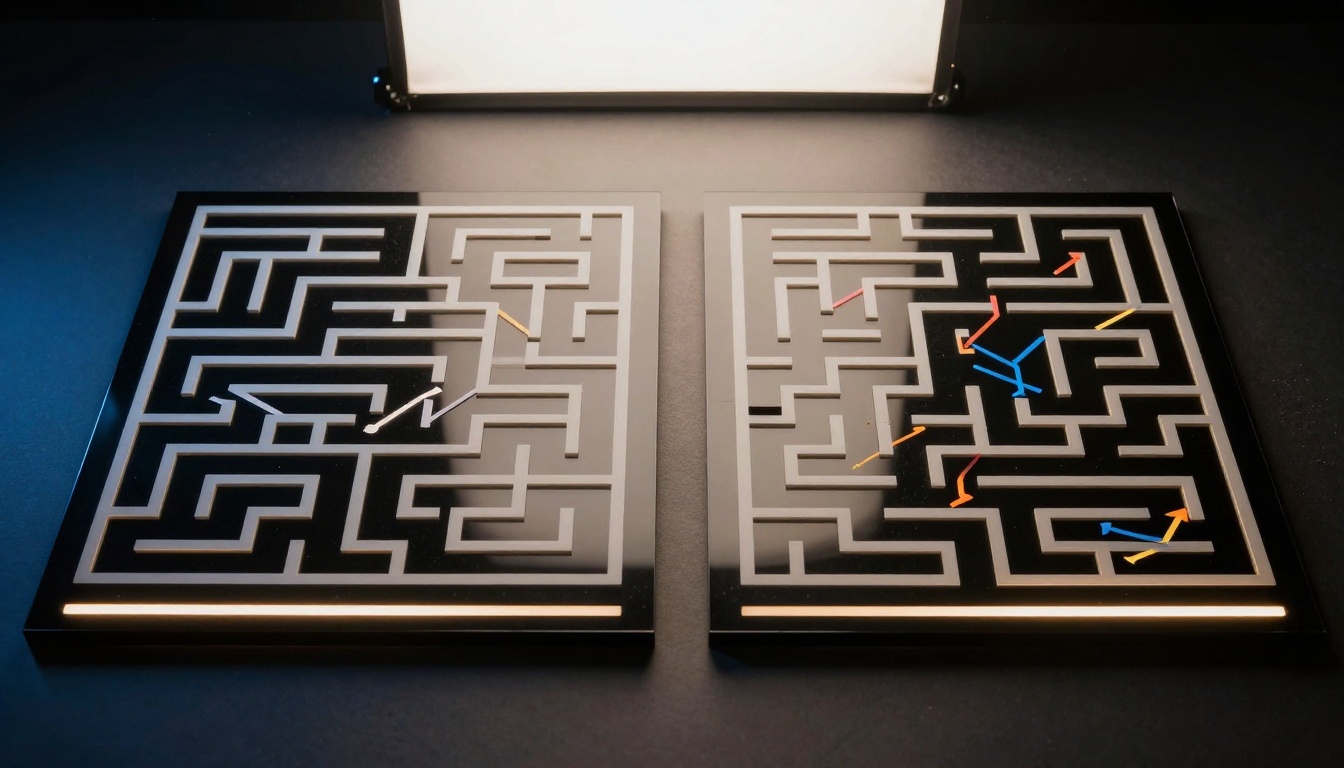
Intelligence perception in AI chat comes down to alignment with user expectations. Some people value consistency and clarity (GPT-5.2's strength), while others prioritize adaptability and personality (Grok-4's domain).
For most users, the ideal approach is:
- GPT-5.2 for structured, analytical, and professional tasks
- Grok-4 for creative, conversational, and exploratory work
- Both for comprehensive coverage of different intelligence types
The real test isn't which model scores higher on benchmarks—it's which one makes you feel like you're talking to something genuinely intelligent. That feeling varies by person, task, and moment. The beauty of platforms like PicassoIA is having both options available to match the intelligence style you need right now.
Try creating your own comparison tests with different conversation types. You might find GPT-5.2 feels smarter for technical discussions but Grok-4 connects better for creative brainstorming. The best choice isn't universal—it's personal, contextual, and sometimes even situational.


