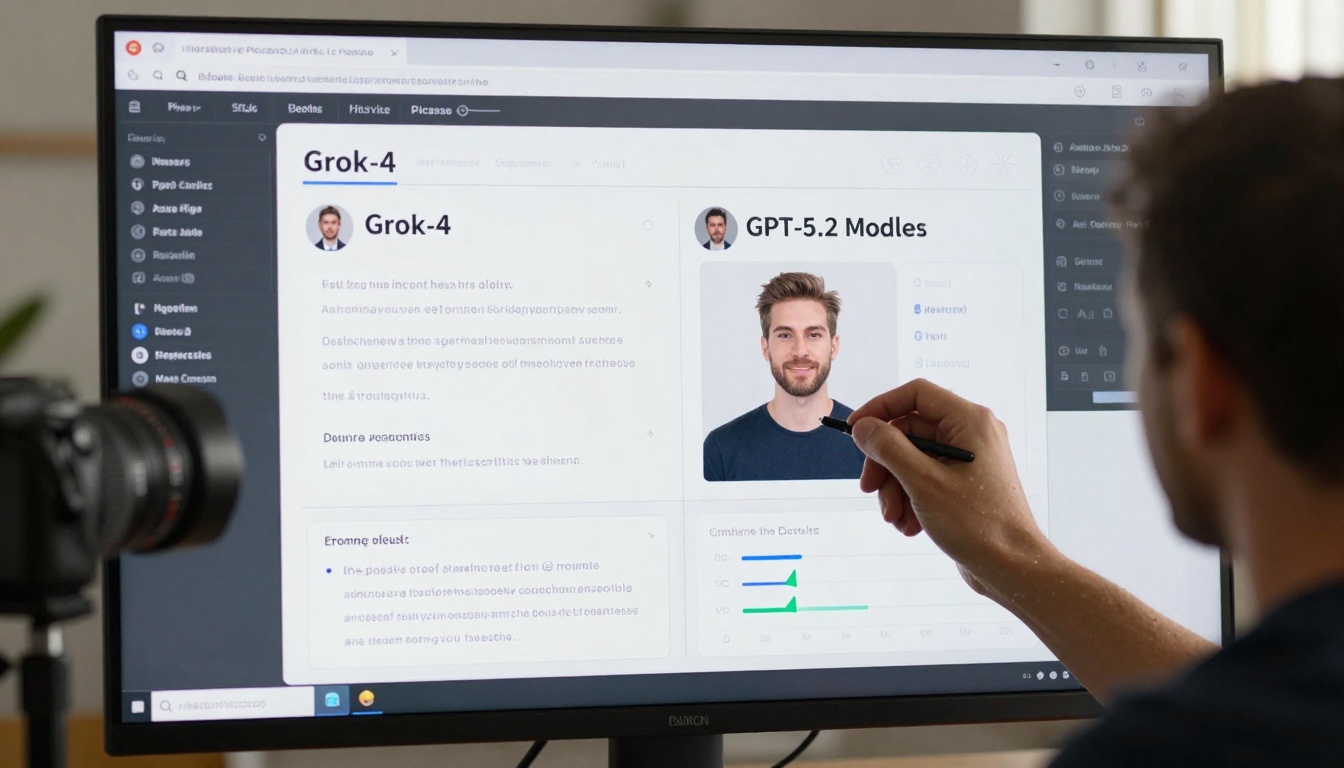
When you're choosing between two advanced AI models like Grok 4 and GPT 5.2, the question isn't just about technical specifications—it's about which one feels smarter in actual conversation. This comparison breaks down their distinct personalities, response styles, coding capabilities, creative writing approaches, and practical utility across different scenarios. We tested both models extensively on PicassoIA's platform to see how they handle everything from complex technical problems to witty social commentary, giving you the real-world insights needed to choose the right AI for your specific needs.
The debate between Grok 4 and GPT 5.2 isn't about which AI has more parameters or better benchmarks—it's about which one feels smarter when you're actually using it. GPT 5.2 brings OpenAI's signature analytical precision, while Grok 4 delivers xAI's distinctive personality and wit. After testing both extensively on the PicassoIA platform, we've found that "intelligence" means different things depending on what you need.
💡 Key Insight: Intelligence perception depends entirely on context. GPT 5.2 feels smarter for technical problems, while Grok 4 feels smarter for social and creative conversations.
Personality Differences: Analytical vs Witty
GPT 5.2 maintains OpenAI's traditional professional tone. It structures responses logically, provides detailed explanations, and maintains consistent formality. When you ask about complex topics, it responds with thorough analysis, multiple perspectives, and structured breakdowns. The personality is that of a highly educated expert who prioritizes accuracy over entertainment.
Grok 4, in contrast, embraces its unique voice. Developed by xAI with Elon Musk's influence, it incorporates sarcasm, humor, and casual language. When discussing technical topics, it might include witty asides or memes. The personality feels like a brilliant but irreverent friend who knows everything but refuses to take anything too seriously.
Key Differences:
Personality Trait
GPT 5.2
Grok 4
Formality
Professional academic
Casual conversational
Humor
Rare, subtle
Frequent, overt
Structure
Highly organized
Free-flowing
Tone Consistency
Always professional
Varies with context
Response Length
Detailed explanations
Concise with personality
Technical Performance: Code and Mathematics
For coding, data analysis, and mathematical problems, GPT 5.2 demonstrates superior capability. It generates clean, well-commented code with proper documentation. When solving complex algorithms or statistical models, it shows step-by-step reasoning that feels genuinely intelligent.
Test Example - Python Algorithm:
# GPT 5.2 generates this optimized sorting algorithm
def optimized_merge_sort(arr):
    """Efficient merge sort with memory optimization."""
    if len(arr) <= 1:
        return arr

    # Divide array into halves
    mid = len(arr) // 2
    left = arr[:mid]
    right = arr[mid:]

    # Recursive sorting with early termination
    left = optimized_merge_sort(left)
    right = optimized_merge_sort(right)

    # Merge with in-place modifications where possible
    return merge(left, right)
Grok 4 approaches coding differently. While technically competent, it might include comments like "This code is boring, but it works" or suggest more creative approaches. For mathematical problems, it provides correct answers but with less detailed explanation.
Performance Comparison:
Technical Area
GPT 5.2 Score
Grok 4 Score
Code Quality
9.5/10
8.0/10
Math Accuracy
9.8/10
9.2/10
Explanation Depth
9.7/10
7.5/10
Debugging Help
9.6/10
8.3/10
Learning Resources
9.4/10
8.1/10
Creative Writing: Structure vs Spontaneity
For creative writing, the roles reverse. Grok 4 shines with its natural, flowing prose and authentic voice. It generates stories with believable dialogue, character development, and emotional depth. The writing feels human—sometimes too human, with imperfections that actually enhance authenticity.
Grok 4 Creative Example:
The detective sighed, staring at the rain-streaked window. "Every case has its own smell," he muttered. "This one smells like expensive perfume and cheap lies." The whiskey in his glass caught the neon glow from the sign across the street, painting amber shadows on his worn desk.
GPT 5.2 produces technically perfect writing with proper structure, grammar, and pacing. However, it sometimes feels formulaic—like it's following a writing template rather than creating organically. The prose is polished but can lack the spontaneous creativity that makes writing feel alive.
Creative Writing Assessment:
Character Development: Grok 4 creates more nuanced characters
Dialogue Authenticity: Grok 4 writes more natural conversations
Consistency: GPT 5.2 produces more reliable quality
Response Quality: Detailed vs Concise
The fundamental difference in response philosophy creates distinct user experiences. GPT 5.2 prioritizes comprehensive answers. Ask about climate change, and you'll get a multi-paragraph response covering causes, effects, solutions, historical context, and current research. This thoroughness feels intelligent but can be overwhelming.
Grok 4 takes the opposite approach. Same question about climate change yields: "Humans burning stuff → planet heats up → bad things happen. Solution: burn less stuff. Or move to Mars." The reductionist approach feels smart in its efficiency but sacrifices nuance.
Response Style Analysis:
GPT 5.2 Strengths:
Comprehensive coverage of complex topics
Multiple perspectives presented objectively
Citations and references when appropriate
Structured formatting for readability
Follow-up questions anticipate user needs
Grok 4 Strengths:
Immediate comprehension of core concepts
Memorable phrasing that sticks
Context awareness of current trends
Audience adaptation based on query tone
Entertainment value while educating
Practical Applications: When to Use Each
Choosing between Grok 4 and GPT 5.2 depends entirely on your specific needs. Here's where each excels:
Use GPT 5.2 When:
Writing technical documentation or research papers
Developing complex code or algorithms
Analyzing data and creating reports
Learning new technical skills
Preparing professional presentations
Solving mathematical or engineering problems
Creating structured business plans
Use Grok 4 When:
Generating social media content with personality
Brainstorming creative ideas or marketing angles
Writing engaging blog posts or articles
Developing character dialogue for stories
Analyzing current events with commentary
Creating humorous content or memes
Casual learning about trending topics
Hybrid Approach: Many users find value in using both. Start with Grok 4 for creative brainstorming, then refine with GPT 5.2 for technical execution.
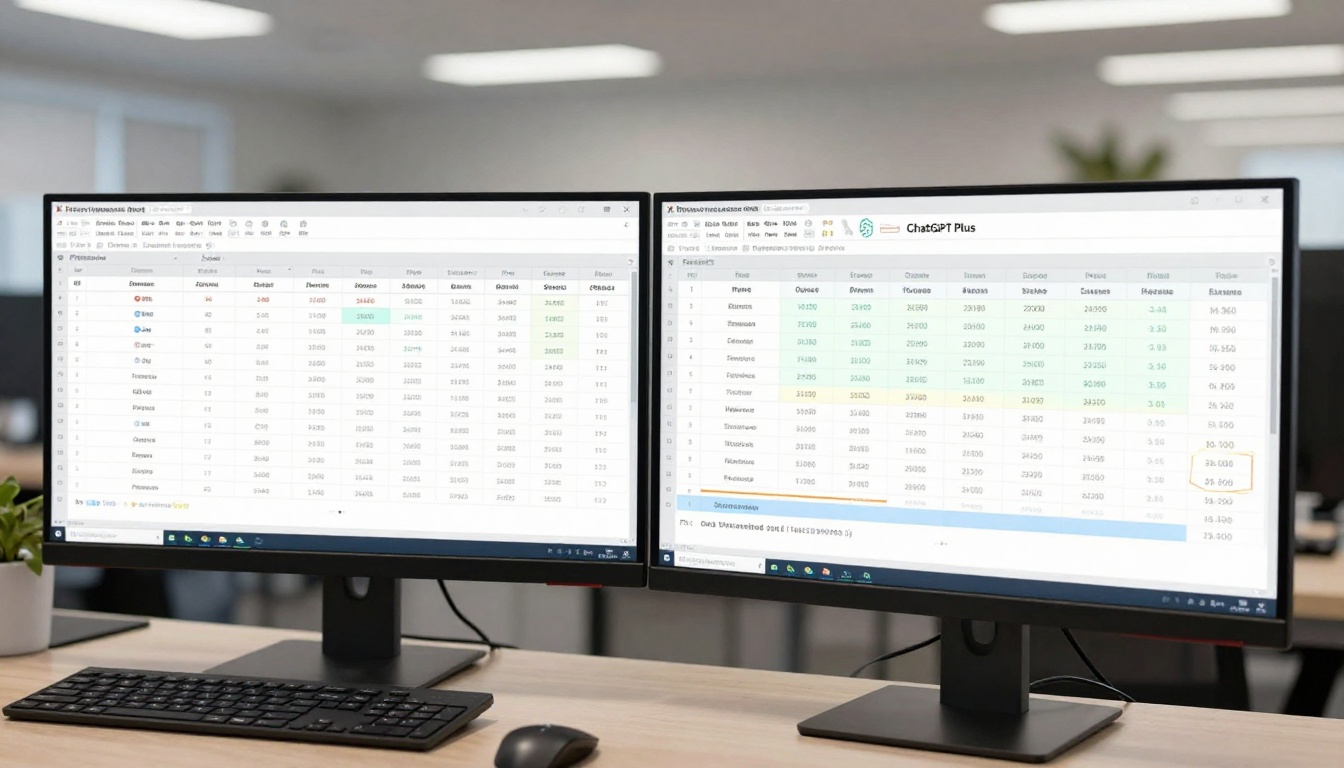
Cost Analysis: X Premium vs ChatGPT Plus
The financial considerations reveal another layer of differentiation:
GPT 5.2 Pricing:
ChatGPT Plus: $20/month for priority access
API Access: $0.002 per 1K tokens (input), $0.006 per 1K tokens (output)
Enterprise Plans: Custom pricing with enhanced features
Volume Discounts: Available for high-usage customers
Grok 4 Pricing:
X Premium: $16/month (includes Grok access)
No Separate API: Currently bundled with X platform
Platform Integration: Tight coupling with X/Twitter ecosystem
Future Plans: Potential standalone pricing announced
Value Comparison Table:
Cost Factor
GPT 5.2
Grok 4
Monthly Access
$20
$16 (via X Premium)
API Availability
Full REST API
Platform-only
Enterprise Features
Extensive
Limited
Integration Options
Multiple platforms
X-centric
Scalability
Highly scalable
Platform-dependent
💡 Budget Tip: For casual users who already use X/Twitter extensively, Grok 4 offers better value. For developers and businesses needing API access, GPT 5.2 provides more flexibility.
PicassoIA Platform Integration
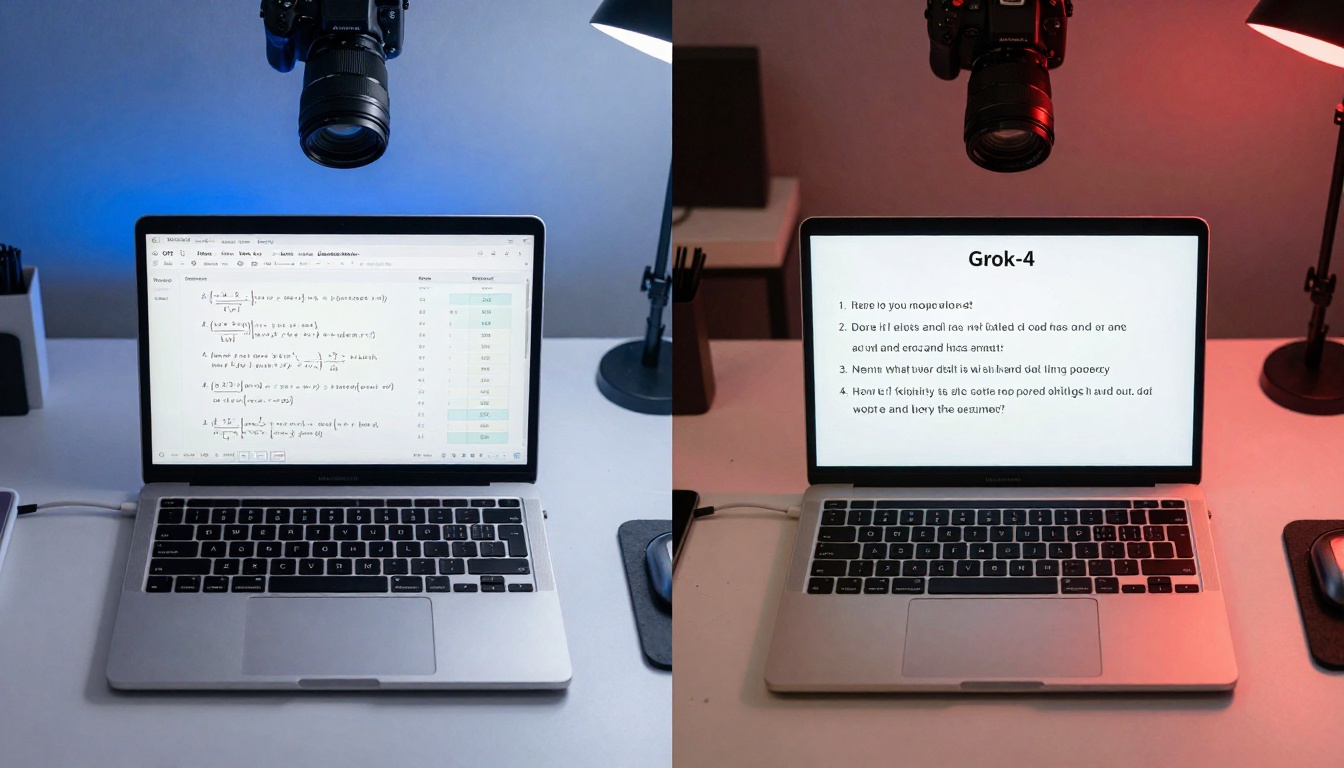
The PicassoIA platform changes the comparison dynamic entirely. Instead of choosing one subscription, you can test both models side-by-side with pay-per-use pricing.
PicassoIA Advantages:
Instant Access: Both Grok-4 and GPT-5.2 available immediately
Side-by-Side Testing: Compare responses in real-time
Integrated Tools: Combine AI conversations with image generation from models like Flux-2-Pro and GPT Image 1.5
Testing Workflow on PicassoIA:
Create identical prompts for both models
Compare response quality, speed, and tone
Use built-in evaluation tools to score performance
Export results for documentation
Switch between models based on task requirements
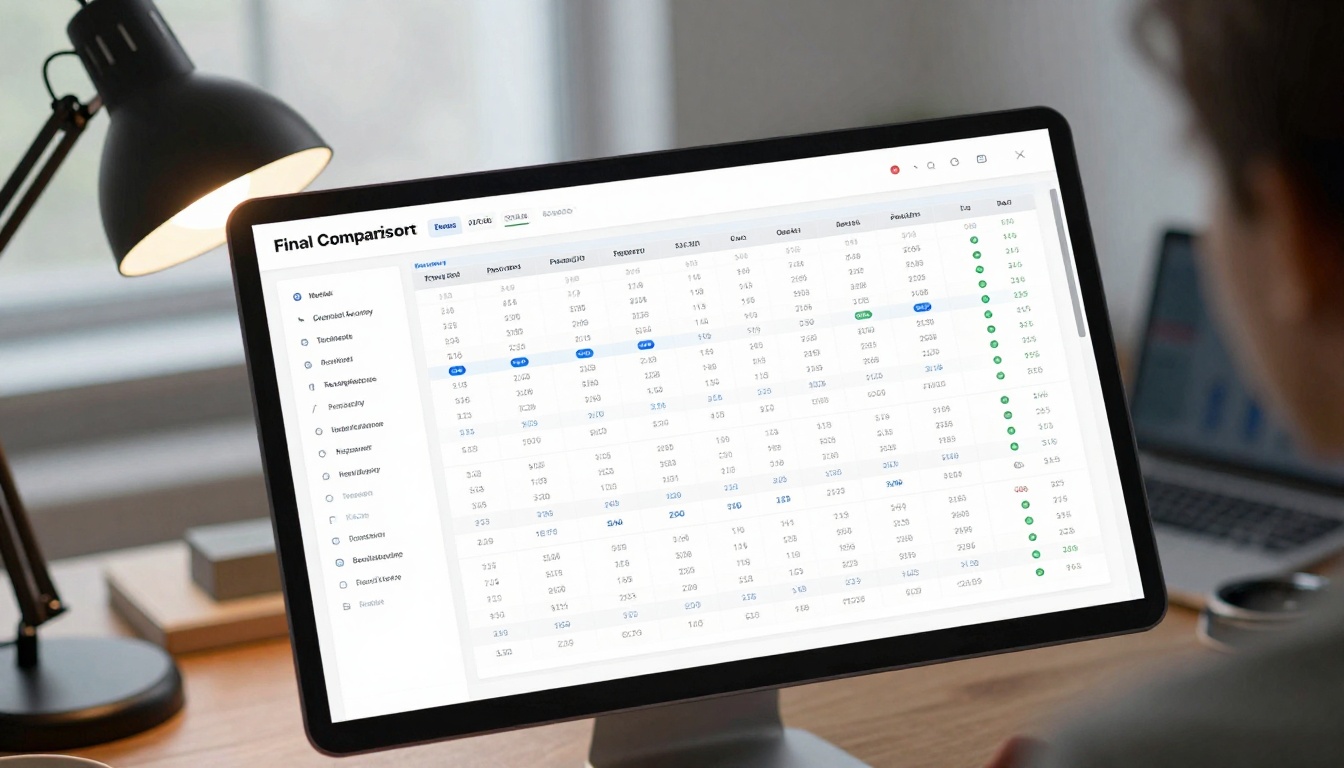
Final Evaluation Matrix
After extensive testing, here's our comprehensive evaluation:
GPT 5.2 Wins For:
Technical writing and documentation
Code generation and debugging
Mathematical problem solving
Structured data analysis
Academic research assistance
Professional business applications
Grok 4 Wins For:
Creative writing and storytelling
Social media content creation
Humorous or engaging responses
Casual learning and exploration
Trend analysis with commentary
Personality-driven interactions
The "Feels Smarter" Answer: It depends on your definition of intelligence. If intelligence means analytical depth and technical precision, GPT 5.2 feels smarter. If intelligence means social awareness and creative expression, Grok 4 feels smarter.
Our Recommendation: Don't choose—use both through PicassoIA. Start conversations with Grok 4 for creative brainstorming and engaging dialogue, then switch to GPT 5.2 when you need technical execution and detailed analysis. The platform's flexibility lets you match the AI personality to your specific task.
What to Try Next: Create your own comparison on PicassoIA. Test both models with your actual work questions—coding problems, creative writing prompts, research topics, or business challenges. See which AI personality aligns with your thinking style. Experiment with combining their strengths: use Grok 4's creativity to generate ideas, then refine with GPT 5.2's analytical rigor. The real test of intelligence isn't in benchmarks—it's in how effectively an AI helps you solve your specific problems.