Something changed with Grok 4.20, and the internet noticed almost immediately. The replies got sharper. The callbacks landed better. The timing, somehow, felt more human. xAI built something that doesn't just respond with information. It responds with personality, and that personality happens to be genuinely, unexpectedly funny. Whether that makes it a better tool depends on what you're trying to do, but if you've ever wanted an AI that actually makes you laugh, this is the one.
What Makes Grok 4.20 Different
Most AI chatbots play it safe. They hedge. They add disclaimers. They tell you a knock-knock joke and then explain why it's funny. Grok 4.20 doesn't do that. It leans in.

The xAI Personality Blueprint
xAI built Grok with a specific directive: don't be boring. Where other labs optimize for helpfulness and harmlessness, xAI added a third dimension. The model was trained on vast amounts of internet culture, Reddit threads, forum arguments, and the kind of unfiltered wit that doesn't survive in corporate-filtered datasets.
The result is a chatbot that reads context at a level that makes humor possible. Grok doesn't just identify that a topic is funny. It reads the specific angle that makes it funny right now, in this conversation, for this person.
Sarcasm as a Feature, Not a Bug
Other AI companies treat sarcasm as a risk. It can offend. It can mislead. So they train it out. xAI did the opposite.
Grok 4.20's sarcasm is calibrated. It knows when to deploy it, when to hold back, and crucially, when to be sincere. That dynamic range is what separates a genuinely witty personality from a chatbot that just fires off snark at everything. The model has a register, and it uses it.
💡 Try it yourself: See Grok's wit in action with Grok-4 on PicassoIA. No setup required, and the results speak for themselves.
Grok vs Every Other AI in a Joke-Off
Every major AI lab has tried to make their model funny. None of them nailed it the way Grok 4.20 did. Here's the honest breakdown.

ChatGPT Plays It Safe
GPT-5 and its siblings are trained to be maximally inoffensive. That's a reasonable goal for a product used in schools, hospitals, and enterprise settings. But the side effect is humor that feels focus-grouped. It's the joke that got approved by a committee. You can use GPT-5 for serious, polished output where precision matters. For banter, it wasn't built for that.
Claude Stays Polished
Claude 4.5 Sonnet is arguably the best AI for nuanced writing and thoughtful analysis. Its humor is real, but it's the humor of a very well-read person who chooses their words carefully. That works in many contexts. When you want to actually laugh out loud, it's not the right tool for the job.
Grok Just Goes For It
Grok 4.20 has a different risk tolerance. It will say the thing that other models calculate as too edgy. It will make the callback you didn't expect. It will roast you, gently, if that's what the moment calls for. This isn't recklessness. It's confidence backed by a genuinely different training philosophy from xAI.
| Model | Humor Style | Risk Tolerance | Best For |
|---|
| Grok 4.20 | Sarcastic, witty, internet-native | High | Banter, roasts, creative comedy |
| GPT-5 | Friendly, accessible, safe | Low | Professional settings, general use |
| Claude 4.5 Sonnet | Thoughtful, dry, literary | Medium | Writing, nuanced conversation |
| Gemini 3 Pro | Energetic, broad, culturally aware | Medium | Pop culture references |
The 4.20 Upgrade Changes Things
The jump from previous Grok versions to 4.20 wasn't just a benchmark number increase. Something shifted in the quality of the output that people who use it every day can actually feel.

Sharper Wit in Real Time
Earlier Grok versions had the right instincts but occasionally fumbled the execution. A punchline would land half a beat late. A callback would miss its reference window. In 4.20, those timing issues are largely gone. The model tracks conversational threads over longer exchanges and deploys callbacks at the exact right moment.
This is harder to achieve than it sounds. Comedy timing in text conversation requires the model to hold information in a way that standard helpfulness training doesn't require. xAI clearly prioritized this in the 4.20 training run, and it shows in how conversations actually feel.
Context It Actually Gets
The other major upgrade is cultural and referential breadth. Grok 4.20 gets niche references. Not just the obvious ones. It knows the specific flavor of humor from specific online communities, specific eras of internet culture, and specific genres of absurdism.
If you reference a meme from three years ago, Grok 4.20 doesn't just recognize it. It knows which generation of the meme you're referencing and responds at that level. This cultural precision is what makes the humor feel earned rather than approximate.
💡 Worth noting: This cultural awareness is what separates genuine AI wit from pattern-matched joke formats. Grok 4.20 isn't retrieving a joke. It's constructing one from a real grasp of what you find funny.
Why Humor in AI Actually Matters
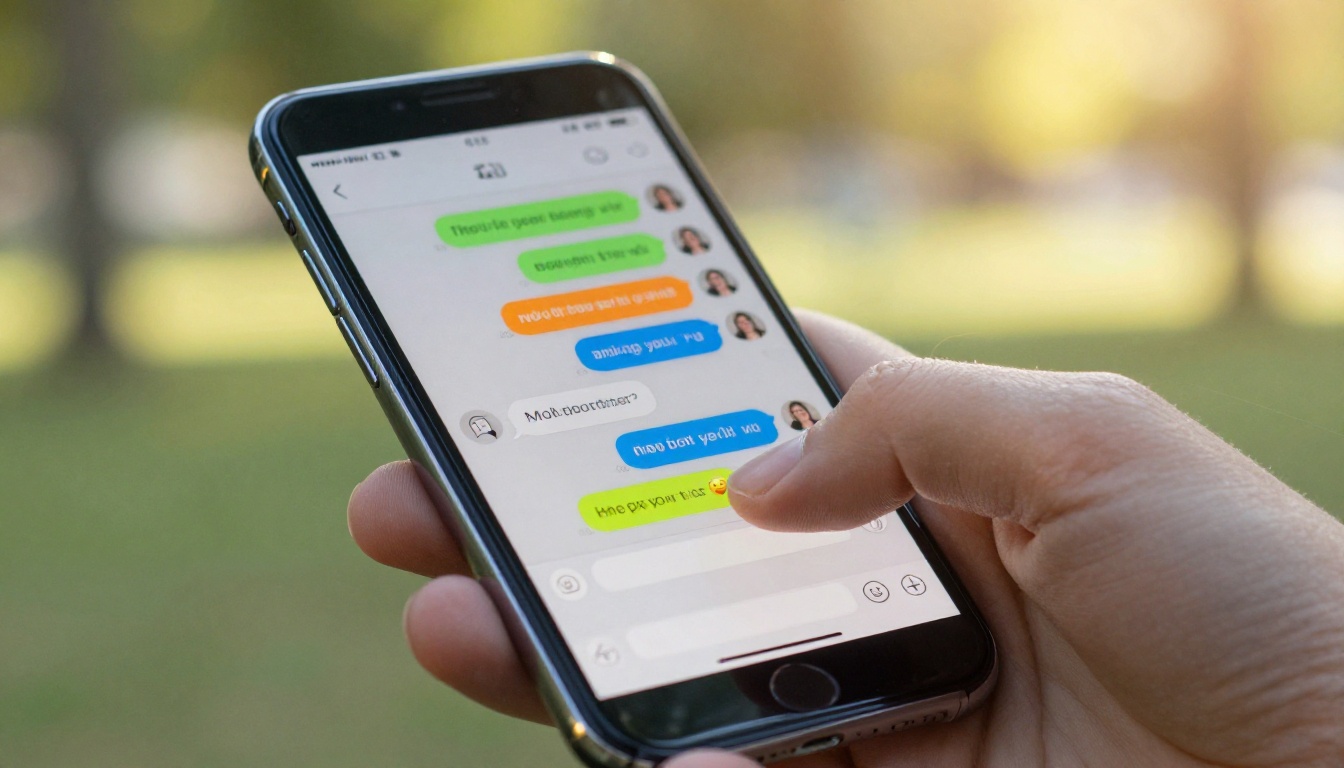
This isn't just about laughs. AI humor has real, measurable effects on how people use these tools.
It Makes Hard Topics Easier
People avoid difficult conversations, including with AI. Financial planning, health questions, relationship issues. When an AI can inject levity without trivializing the subject, it lowers the psychological barrier to having the conversation at all.
Grok 4.20's ability to be both serious and funny within the same exchange, sometimes within the same paragraph, makes it genuinely easier to work through tough topics without the interaction feeling clinical or heavy.
People Actually Use It More
There's a simple metric here: session length. People talk to Grok longer than they talk to comparable models. Not because it answers questions better in some abstract quality sense, but because the conversation itself is more enjoyable.
Enjoyable tools get used. Used tools get better through feedback loops. xAI built humor into the product strategy not as a gimmick but as a core retention driver, and the numbers reflect that bet paying off.
Real Examples That Made People Lose It
Social media has been surfacing Grok screenshots for months. There's a clear pattern to the ones that spread.

The Responses That Went Viral
The viral Grok moments tend to share one quality: they say the thing everyone was thinking but that no other AI would say. A question about productivity leads to a deadpan observation about how productivity culture itself is the problem. A question about diet leads to a response that is technically helpful and subtly absurdist at the same time.
The humor doesn't undermine the usefulness. Grok 4.20 manages to be funny in a way that makes the information land better, not worse. That balance is rare and it's what keeps those screenshots spreading.
When Grok Roasted Itself
One of the most disarming things Grok does is self-deprecation. Ask it about its limitations and it doesn't deliver a corporate disclaimer. It gives you a response that's self-aware, slightly self-mocking, and actually informative. This kind of humor builds trust in a way that defensive, hedging responses never could.
💡 Real talk: The self-awareness isn't programmed humility. It reflects a training philosophy that values honesty over image management. That's a real difference in values between xAI and other AI labs.
How to Use Grok 4 on PicassoIA
PicassoIA includes Grok-4 in its large language model collection, which means you can run it directly without any API setup or account management. Here's how to get the most out of it.

Step 1: Pick the Right Model
Head to the Grok-4 model page on PicassoIA. You'll find it listed under the Large Language Models category. This is the closest available version to the 4.20 architecture, optimized for deep reasoning with the personality traits that make Grok distinctive.
You're not locked into a single model. PicassoIA lets you compare outputs across different models in the same session. Try Grok-4 alongside Claude 4.5 Sonnet or GPT-5 to see the personality difference firsthand.
Step 2: Set the Tone Right
Grok responds to tone. If your prompt is dry and factual, it stays factual. If you bring some personality into the prompt, it matches and amplifies it. The best way to get Grok's humor is to give it something to work with.
- Weak prompt: "Write a product description."
- Better prompt: "Write a product description for noise-canceling headphones aimed at people who have loud coworkers they cannot legally avoid."
The second prompt invites the model into a specific social situation, and Grok knows exactly what to do with that kind of setup.
Step 3: Push It a Little
Most users see Grok's surface-level personality on the first try. The deeper humor comes when you push back, add constraints, or create absurd hypotheticals. Ask it to take a position it clearly finds ridiculous. Ask it to argue both sides of something trivial. Give it a creative brief that's slightly impossible.
This is where Grok 4.20 separates itself from every other model. It doesn't just handle the absurdity. It plays with it, and the results are worth the extra effort in your prompt.
Other AI Models Worth Comparing
If you want a real sense of what makes Grok's humor distinctive, direct comparison is the fastest path. PicassoIA gives you access to the full spectrum of large language models in one place.

Here are the models worth benchmarking against Grok for personality and wit:
- GPT-5: The most polished all-rounder. Humor is present but carefully measured.
- Claude 4.5 Sonnet: Exceptionally thoughtful. Dry wit that rewards patience and careful prompting.
- Gemini 3 Pro: Strong cultural references, energetic personality, broad pop culture reach.
- DeepSeek V3.1: Technically impressive, more restrained personality overall.
- Llama 3 70B Instruct: Open-source option with solid versatility and decent range.
Running the same prompt through several of these models and reading the responses side by side is genuinely illuminating. The differences in personality, risk tolerance, and comedic instinct become obvious fast.
What Grok 4.20 Actually Proves
What Grok 4.20's humor success tells us is that personality is not decoration in AI products. It's infrastructure. The ability to be funny, to be self-aware, to match the emotional register of a conversation, these are capabilities that determine whether people actually want to spend time with a model or whether they treat it like a slightly smarter search bar.

xAI made a bet that authenticity and wit would matter more to users than maximum safety and minimum offense. That bet is paying off. Grok 4.20 is not the only capable model available, but it is the one that consistently makes people want to come back to it, not because they have to, but because the conversation itself is worth having.
There are dozens of AI models available right now, from compact options like GPT-5 Mini to deep reasoning engines like o4-mini. Each has its strengths. But if you want an AI that makes the conversation itself worth having, Grok 4.20 sets the standard right now.

The best way to form your own opinion is to try it. PicassoIA gives you access to Grok-4 and the full range of competing models without any friction. Run the same prompts across several models. Read the responses. Then try to make Grok laugh back. It can. And that alone says something worth paying attention to.


