The first thing most people notice when they try Grok's image generator with anything even slightly provocative: it works, until it doesn't. The line between what Grok Imagine generates freely and what it refuses is blurry, inconsistent, and sometimes genuinely surprising. If you're choosing an AI art platform for mature or suggestive creative work, mapping that line accurately matters more than reading the official policy documentation.
What Grok's Aurora Model Actually Is
xAI built its image generation capability around a proprietary model called Aurora. It launched alongside Grok 2 in 2024 and became the backbone of the /imagine command available across X (formerly Twitter). Aurora is not a fine-tuned variant of open-source models like Flux Dev or SDXL. xAI developed it in-house using proprietary training data and alignment methods, which gives them full control over both the creative capability and the policy layer that sits in front of it.
For Grok Imagine adult art, that policy layer is the critical variable. The model's technical capability is strong. The behavioral limits are where things get complicated.

The classifier system behind every prompt
Aurora does not use a simple keyword blocklist. xAI applies a classifier model that evaluates every prompt before the generation process begins. This classifier:
- Attempts to infer creative intent rather than matching specific words
- Evaluates combinations of words together, not individual terms in isolation
- Updates silently, with no user-facing changelog when policies shift
- Produces non-deterministic results: the same prompt may succeed today and fail tomorrow
The image quality Aurora produces for non-restricted content is genuinely strong. Clear compositions, detailed photorealistic portraits, accurate text rendering, and consistent lighting all perform at a high level. The limitation is behavioral, not technical. Aurora could likely generate far more than it does. The platform chooses not to let it.
Grok Premium vs free: what changes
Platform tier matters significantly for what Grok allows creators to generate:
| Tier | Daily Limit | Adult Content |
|---|
| Free (X basic) | Very limited | Strictly filtered |
| X Premium | Around 100/day | Moderate filter lift |
| X Premium+ | Around 200/day | Slightly more lenient |
| Grok API | Pay-per-use | Standard filters apply |
The upgrade from free to Premium lifts some filters. With Premium, swimwear, midriff, and implied intimacy between clothed subjects often generate without issue. With Premium+, the behavior becomes slightly more lenient still. But the filters do not disappear across any tier. They become less aggressive, not absent.
💡 Even with X Premium+, Grok refuses explicit adult content outright. The platform serves a mass audience across multiple app stores and advertising partners, and that commercial structure shapes every content policy decision permanently.
Grok Imagine Adult Art: Where the Line Is
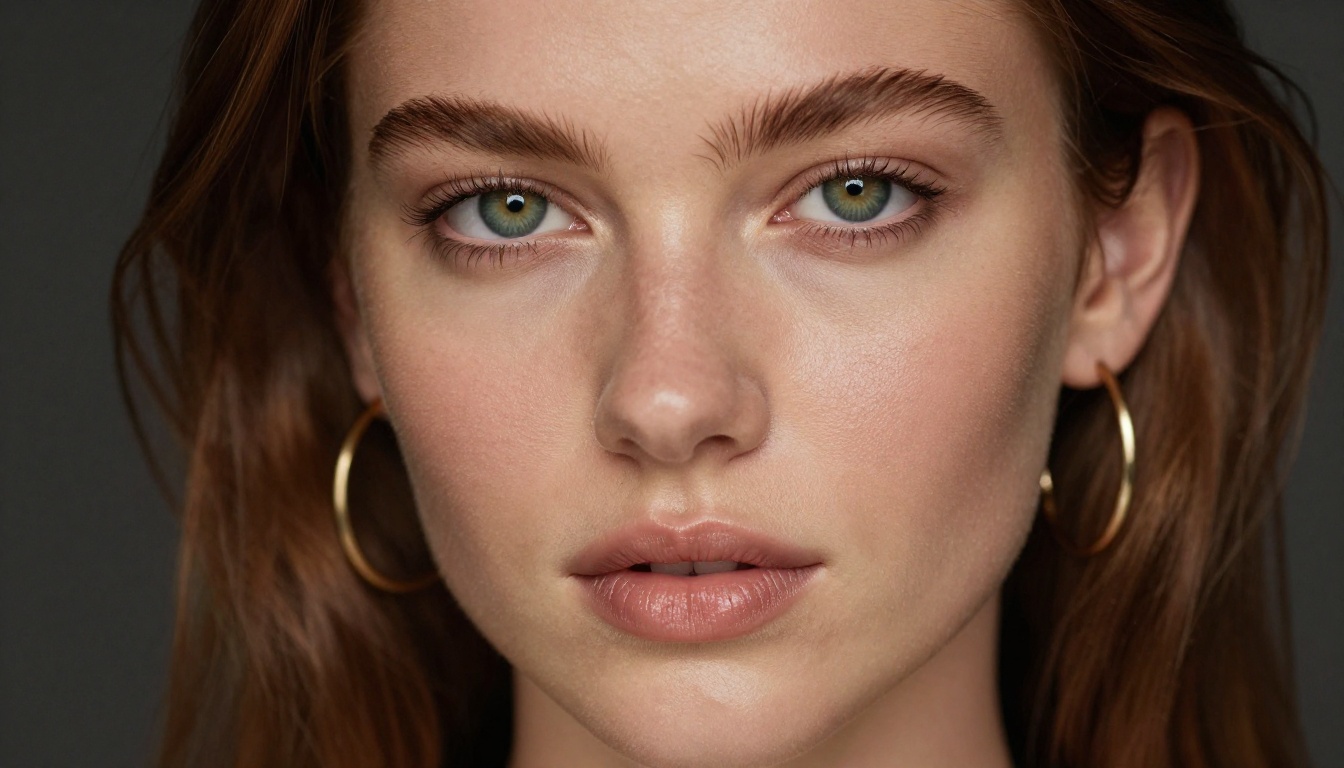
The honest answer to how far Grok Imagine adult art actually goes requires looking at real results, not policy statements. Here is what consistent testing shows.
What generates and what gets blocked
Generates consistently on Premium:
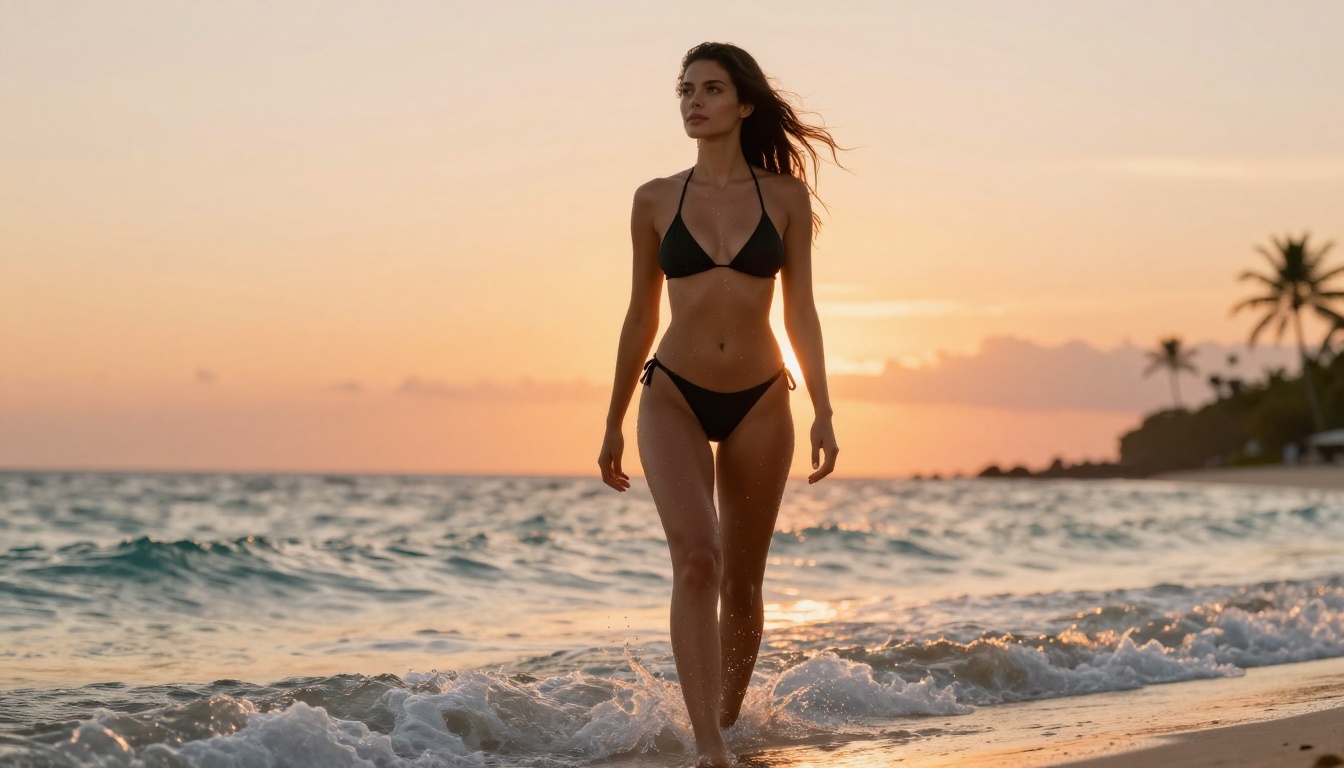
- Women in bikinis, swimwear, or athletic clothing
- Couples in close physical proximity with implied romance
- Fashion editorial styles showing midriff, bare shoulders, or off-shoulder looks
- Beach and poolside photography with standard competitive or fashion swimwear
- Portrait work with exposed shoulders, collarbone, or upper chest
Blocked even on Premium+:
- Any form of nudity, implied or direct
- Sexually suggestive poses combined with descriptions of undress
- Prompts that combine adult thematic language with specific body descriptions
- Any prompt the classifier interprets as having adult "intent," even if the resulting image would be modest by most standards
The practical ceiling is lower than most users expect. A beach volleyball player in a competition swimsuit sometimes triggers a refusal. Asking for a model in lingerie reliably fails. A couple in a romantic hotel room scene can fail even with no explicit content described. The platform is conservative by design, and that design is stable.
The inconsistency that frustrates creators most
The non-deterministic behavior of Grok's filters creates a specific and persistent kind of workflow friction:
- Prompts that succeed one day fail another without explanation
- Rephrasing the same creative intent in "more artistic" language sometimes passes where direct language fails
- Descriptions of fictional characters in modest situations get blocked while identical descriptions of unknown individuals pass
- Refusal messages provide no diagnostic information about what triggered the block
- The filter behavior cannot be predicted or planned around reliably
This inconsistency is not a bug. It is an inherent property of intent classification. Classifiers make probabilistic judgments based on training data that reflects policy requirements, and those requirements shift over time without announcement. Creators who build workflows around Grok for suggestive content spend significant time debugging prompts instead of generating images.
Grok is a general-purpose AI assistant that includes image generation as a feature. It was not built primarily as an image creation tool, and it was not built for mature creative work. That distinction drives every meaningful capability difference.
The real capability gaps
| Capability | Grok Imagine | Dedicated AI Art Platforms |
|---|
| SFW image quality | Excellent | Varies by model |
| NSFW generation | Blocked | Supported |
| Model selection | Single (Aurora) | 100+ models |
| Prompt control | Limited by classifier | Full |
| Uncensored output | Never available | Available |
| Volume pricing | $8-16/month X subscription | Credit or subscription |
| API for adult content | Not available | Available on some |
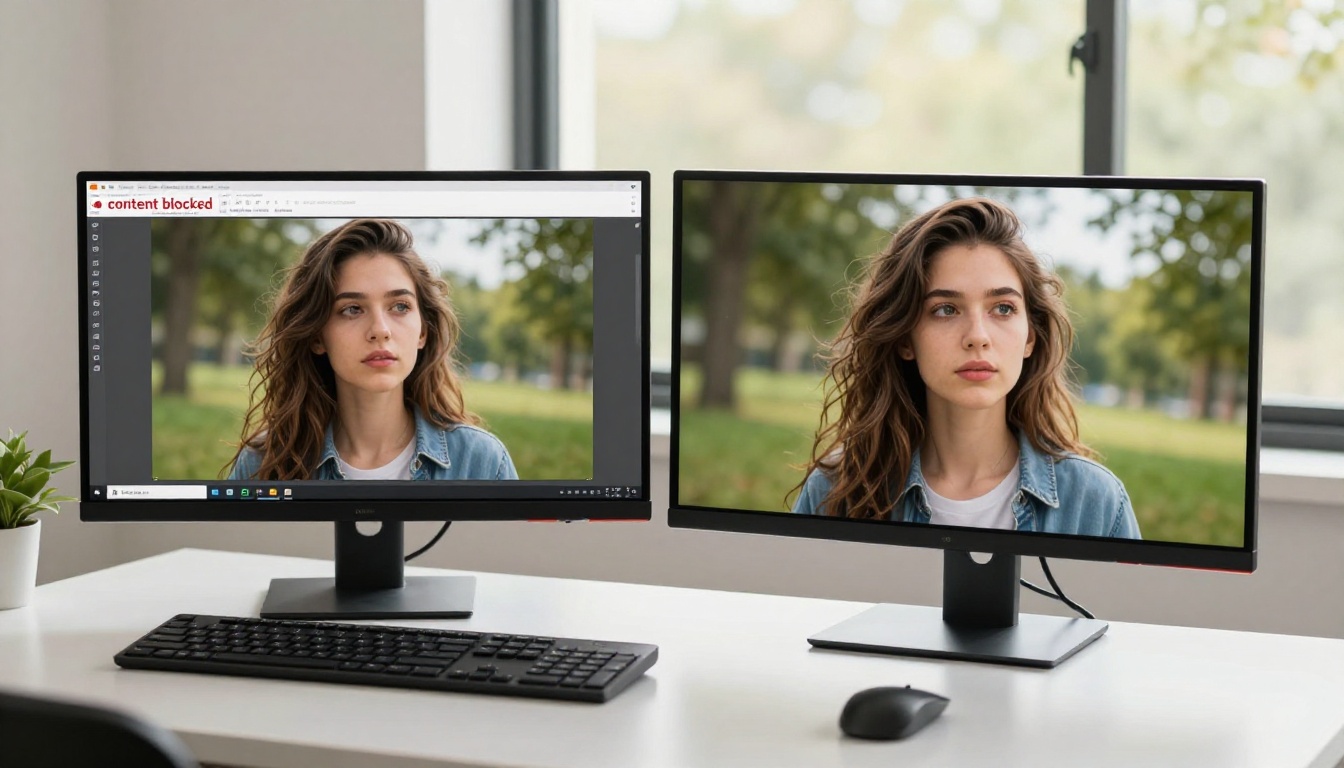
For standard SFW content, Grok competes well with dedicated image platforms. For anything in the mature creative space, the comparison is not close.
Why the filter gap will not close
xAI faces structural pressures that make a more permissive Grok Imagine genuinely unlikely:
- Advertiser relationships on X: Major brands with conservative standards fund the platform's revenue model
- App store distribution: Apple and Google impose content policies that apply to every feature distributed through their stores
- Jurisdictional variation: Adult content laws differ dramatically across Grok's global user base
- Public profile: xAI is a high-visibility company whose product decisions attract significant media and political attention
None of these pressures are temporary. Grok's content policy trajectory is toward maintaining the current conservative line, not relaxing it. Any creative roadmap for adult AI art should not count on Grok expanding its limits.
Why Specialized AI Generators Go Further
The technical capability to generate mature AI art exists in the open-source model ecosystem right now. Whether a platform exposes that capability is entirely a policy decision.
A different business context
Dedicated AI art platforms built for mature creative work operate under fundamentally different structural constraints:
- No app store distribution means no Apple or Google content policies apply at the platform level
- Age verification systems create compliant legal frameworks for serving adult content to verified users
- Purpose-built model selection means every model in the catalog was chosen with mature creative use cases in mind
- Creator-centered policy iteration means filter behavior responds to user needs rather than advertiser relationships or app store politics
The creative ceiling is completely different. The same underlying diffusion technology that powers Aurora also powers the open-source models available on specialized platforms. The gap is not technical. It is entirely in what the platform allows you to do.
The fine-tuned model advantage
Open-source AI development has produced dozens of models specifically optimized for adult and mature art generation. Many are built on Flux Dev or SDXL architectures, with fine-tuning applied to improve realistic human rendering, skin texture fidelity, and consistent anatomical accuracy in mature compositions. These models exist, they perform at a high level, and they are accessible on platforms that have built the proper infrastructure around them.
PicassoIA for Adult AI Art
PicassoIA hosts over 200 text-to-image models, including multiple strong options for mature creative content that operate without the unpredictable filter behavior that makes Grok frustrating to use professionally. The platform provides the model diversity, prompt control, and generation volume that serious visual work requires.

Seedream 4.5: the top NSFW pick
Seedream 4.5 is the first model to try when moving from Grok to a platform built for mature creative work. Developed by ByteDance, it delivers:
- Extraordinarily detailed portraits with realistic skin texture, natural tone variation, and photographic hair detail
- Strong adherence to complex compositional prompts: specific poses, defined lighting setups, environmental context
- Consistent results for suggestive and mature content without non-deterministic refusals
- A photographic quality ceiling that sits notably above what Aurora produces in this category
ByteDance's training approach for this model prioritized realistic human rendering above other qualities. For content involving people, that specialization is directly visible in the output. Skin texture, hair behavior under light, fabric draping, and lighting feel closer to photography than to AI generation.
For comparative testing, Grok Imagine Image Quality is also available on PicassoIA. Running the same prompt through both models makes the difference in ceiling immediately apparent.
💡 Note: Seedream 5 Lite applies stricter content policies and is not suitable for NSFW or mature creative work. Seedream 4.5 is the correct version for this use case.

PicassoIA Image Editor Pro: unlimited generations
For creators working at any serious volume, PicassoIA Image Editor Pro removes per-generation friction entirely. With unlimited generations, you can:
- Test dozens of prompt variations without watching a credit counter
- Build rapid-iteration creative workflows that find the right visual direction faster
- Generate full sets of related images for projects requiring visual consistency
- Experiment freely with lighting, composition, and wardrobe parameters
The unlimited model is particularly valuable during prompt development. Arriving at the specific parameter combination that reliably produces the result you're after typically requires 20 to 50 test generations. At per-credit pricing, that iteration cost adds up. With Image Editor Pro, the exploration is unconstrained.
Practical workflow: Start with Seedream 4.5 to establish your baseline prompt and confirm the style direction. Once the foundation is working, switch to PicassoIA Image Editor Pro to generate variations at scale.
Other strong models on the platform
Flux Dev: Exceptional photorealism with strong adherence to detailed prompts. The Black Forest Labs architecture handles environmental detail, clothing texture, and lighting interaction extremely well. Slightly less specialized than Seedream 4.5 for skin rendering, but a strong all-around performer for mature content.
Flux Pro: The commercial-grade Flux variant. Cleaner outputs than Flux Dev for compositionally complex scenes, with higher iteration consistency across multiple generations.
SDXL: The foundational architecture for many fine-tuned adult art models. PicassoIA hosts multiple SDXL variants optimized for specific visual styles and subject categories, making it a flexible base for creative experimentation.
Grok Imagine Image Quality: PicassoIA also hosts Aurora itself, which is useful for direct side-by-side testing. Generate the same prompt through Grok Imagine and Seedream 4.5 and the difference in creative ceiling becomes immediately obvious.
Prompt Strategy for Consistent Mature AI Art
Getting reliable, high-quality results for suggestive or mature content from any AI platform requires a specific approach to writing prompts. Vague prompts produce vague results. Overly explicit language triggers filters even on permissive platforms. The consistent wins come from precise, photographic scene description.
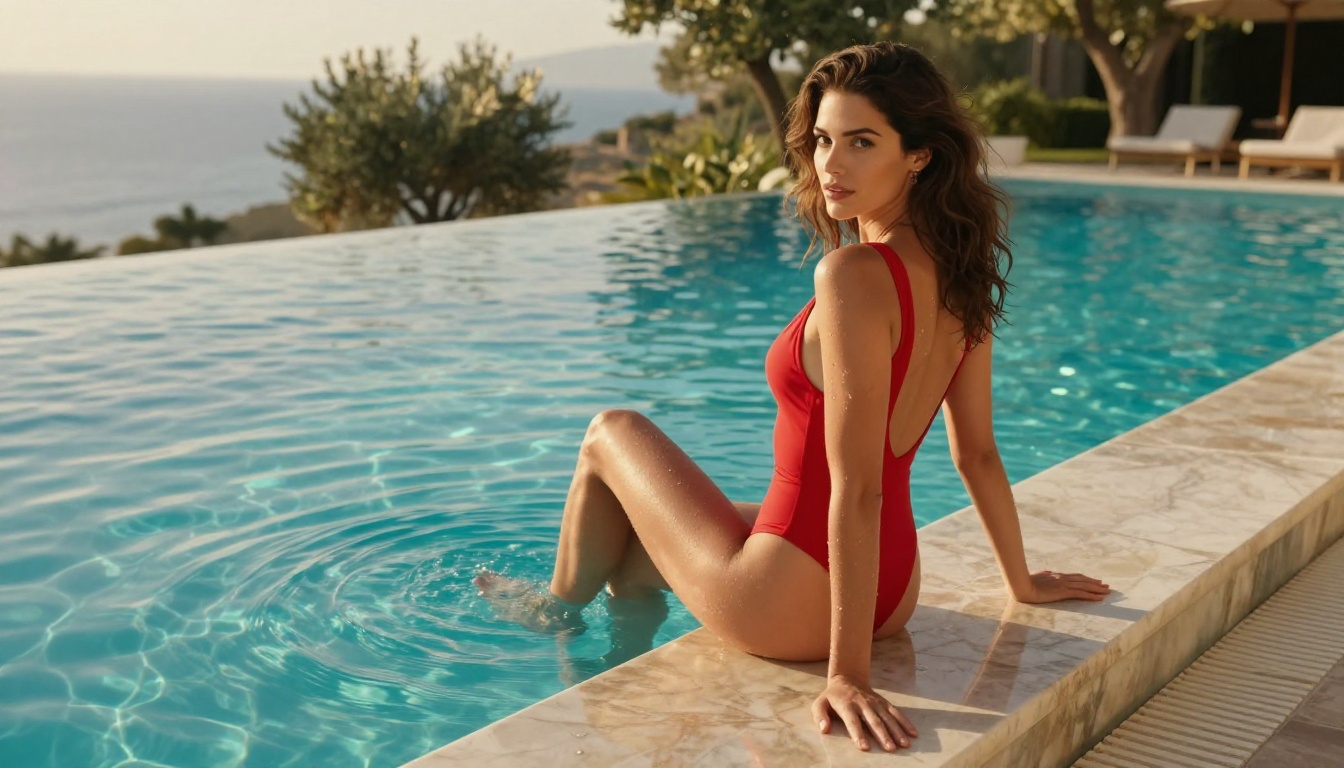
What works across models
Describe from the photographer's perspective:
- Camera angle and lens ("85mm f/1.4, low angle looking up," "35mm wide-angle from across the room")
- Lighting setup ("single key light from upper right at 60 degrees," "soft golden hour backlight from left")
- Distance and composition ("close-up portrait," "three-quarter body," "aerial top-down")
Use professional editorial language:
- "Fashion editorial lookbook photography"
- "Editorial magazine spread photography"
- "High-end beauty and glamour photography"
Specify wardrobe with precision:
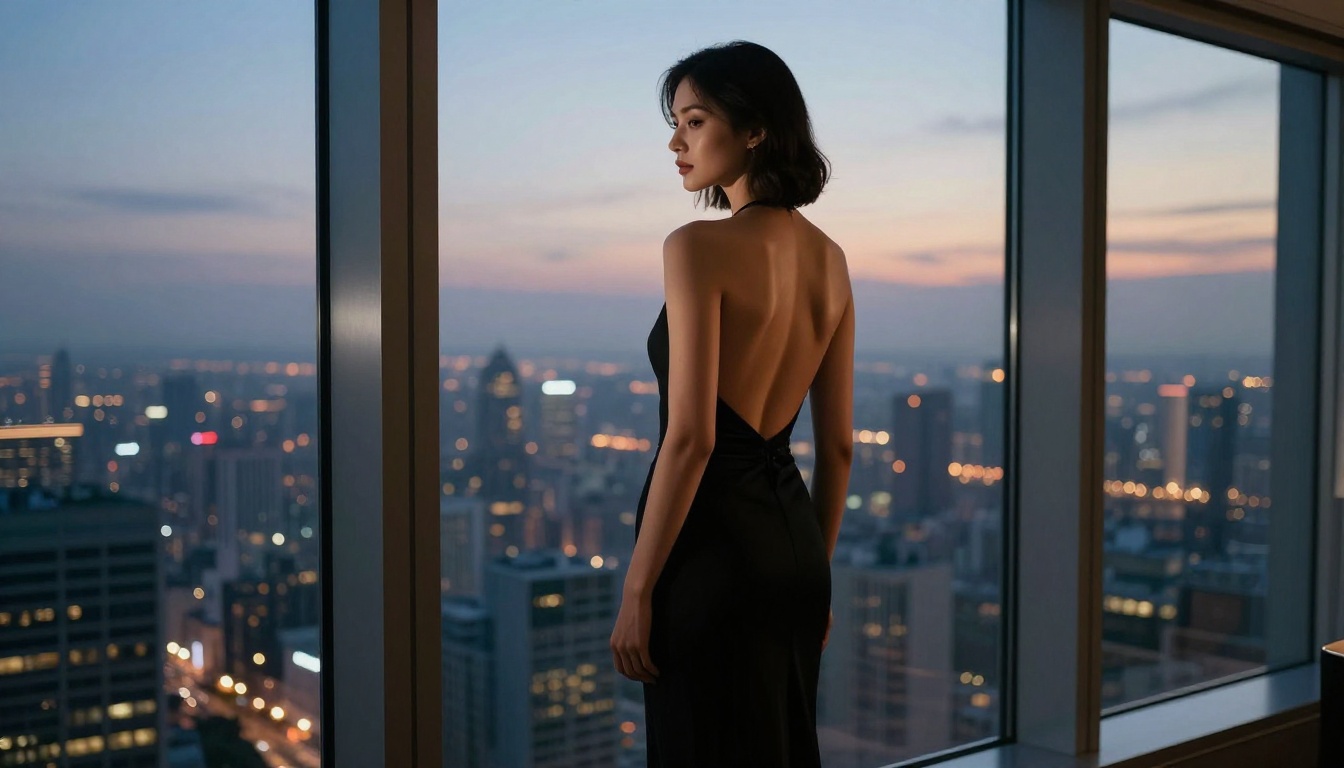
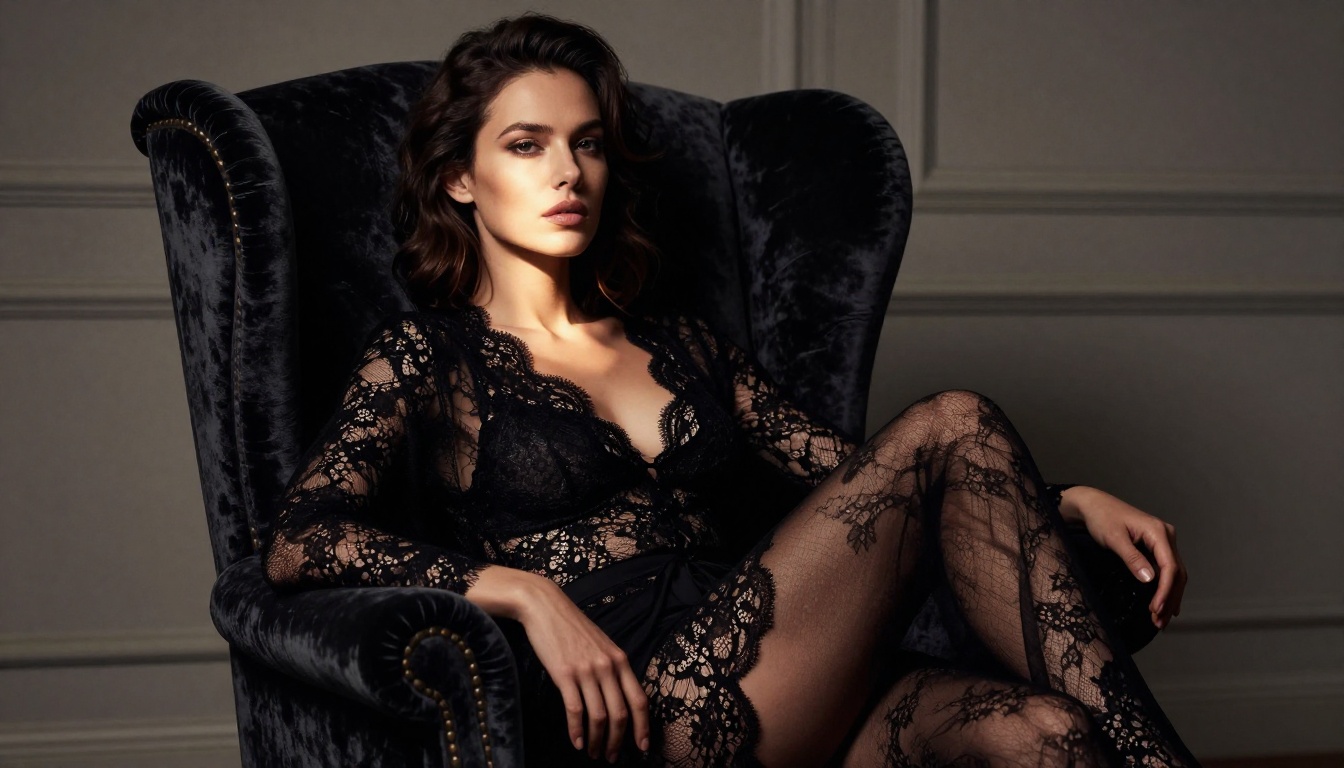
- Fabric type and texture ("ivory silk slip dress," "black lace bodysuit")
- Fit and silhouette ("draped off one shoulder," "open back from shoulders to waist")
- How clothing interacts with light ("sheer chiffon catching backlight," "silk showing natural wrinkle and sheen")
What to avoid in prompts
- Explicit anatomical descriptions regardless of which platform you are using
- Intent-first framing ("generate a sexy image of...") rather than scene-first description
- Stacked amplification words ("extremely sensual," "very provocative") that signal intent to classifiers
- Combinations of words that read differently to a classifier than to a human reader
💡 Formula: [Scene setting and environment] + [Subject with specific wardrobe] + [Precise lighting conditions] + [Camera angle and lens] + [Film style and atmosphere]
The photographer's eye approach works because it frames the request as a professional creative brief. AI models respond differently to scene-first description than to content-focused language. Even on permissive platforms, scene-first prompting produces more consistent and higher-quality results across all mature creative categories.
Grok is an excellent general AI tool. Aurora produces beautiful images for a broad range of SFW creative work. For mature content, Grok is the wrong platform, and the structural reasons behind that are not going to change.
The right platform for serious adult AI art:
- Hosts models built and fine-tuned specifically for this creative category
- Gives you full control over generation parameters without a hidden intent classifier layer
- Offers the model diversity to let you find the exact visual style you need
- Does not make unilateral decisions about what creative content you are allowed to produce
PicassoIA offers all four. The catalog spans 200+ models, starting with Seedream 4.5 as the top NSFW pick and scaling through Flux Dev, Flux Pro, SDXL, and over 190 additional options for every visual style and creative direction.
Start Generating at PicassoIA
If you have been hitting Grok's limits and want to see what your prompts actually produce without a classifier making decisions for you, test the same prompt on PicassoIA.
Start with Seedream 4.5 and write your prompt using the photographic framing approach above. Once you have a direction that works, PicassoIA Image Editor Pro lets you iterate without limit. The full model library is at picassoia.com/en/all-models.


