There is a specific kind of video that stops the scroll. Not the fast cut, not the trending audio loop, but a shot that feels like it belongs in a theater. Soft light falling across a face. Motion that breathes. Colour that carries weight. Higgsfield Soul is built around that idea, and it has attracted serious attention from creators who are tired of AI-generated content that looks like stock footage from a different decade. But the landscape of cinematic AI video has expanded dramatically, and Higgsfield is no longer the only option worth knowing about.
What Higgsfield Soul Actually Is
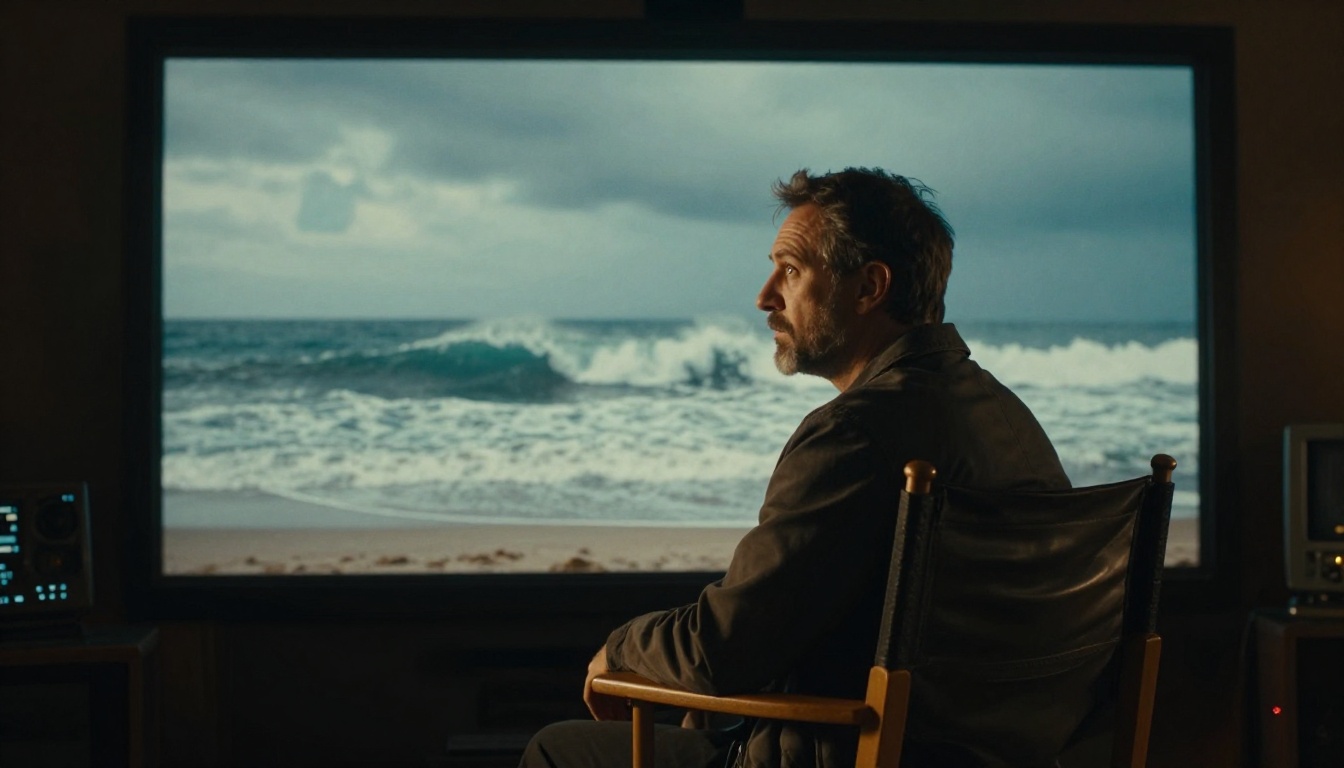
Higgsfield Soul is an AI video platform that positions itself as a tool for emotional video creation. Where most generators focus on technical capability, Higgsfield's pitch is about mood. The interface encourages users to work with prompts that describe feeling as much as action, and the model has been trained on material that skews toward narrative, atmosphere, and that particular visual quality that film directors call "soul."
It draws from a lineage of cinema that values slow burn over spectacle. Long focal lengths. Interior light. Faces in partial shadow. Motion that starts and ends with intention rather than just happening.
The "Soul" Visual Language
The term "soul" in Higgsfield's branding is not accidental. It refers to a specific set of aesthetic values:
- Grain and texture over clinical sharpness
- Motivated light sources rather than flat exposure
- Subtle movement in otherwise static compositions
- Emotional framing that puts the subject in psychological context
This is the visual grammar of arthouse cinema applied to AI generation. Think Terrence Malick's golden-hour light philosophy translated into a prompt interface. For creators working in short film, fashion, music video, or premium social content, this aesthetic has real commercial value.
Who It Was Built For
Higgsfield Soul targets a specific creator profile. These are not marketers who need product explainers. They are filmmakers, visual artists, musicians with a directorial eye, and the growing class of AI-native creators who have built followings on the back of cinematic quality alone. The platform assumes a degree of visual literacy. You are expected to know what "motivated light" means, or at least care enough to figure it out.
That specificity is both Higgsfield's strength and its limitation. It produces exceptional results when the prompt aligns with its training, but it is less versatile than platforms built for broader audiences.
Why Cinematic AI Video Matters Now
Three years ago, AI video was a party trick. Warped faces, stuttering motion, the uncanny valley rendered at low resolution. Today, the best AI video models produce output that genuinely requires a second look to verify its origin. The bar has moved faster than almost any observer predicted.
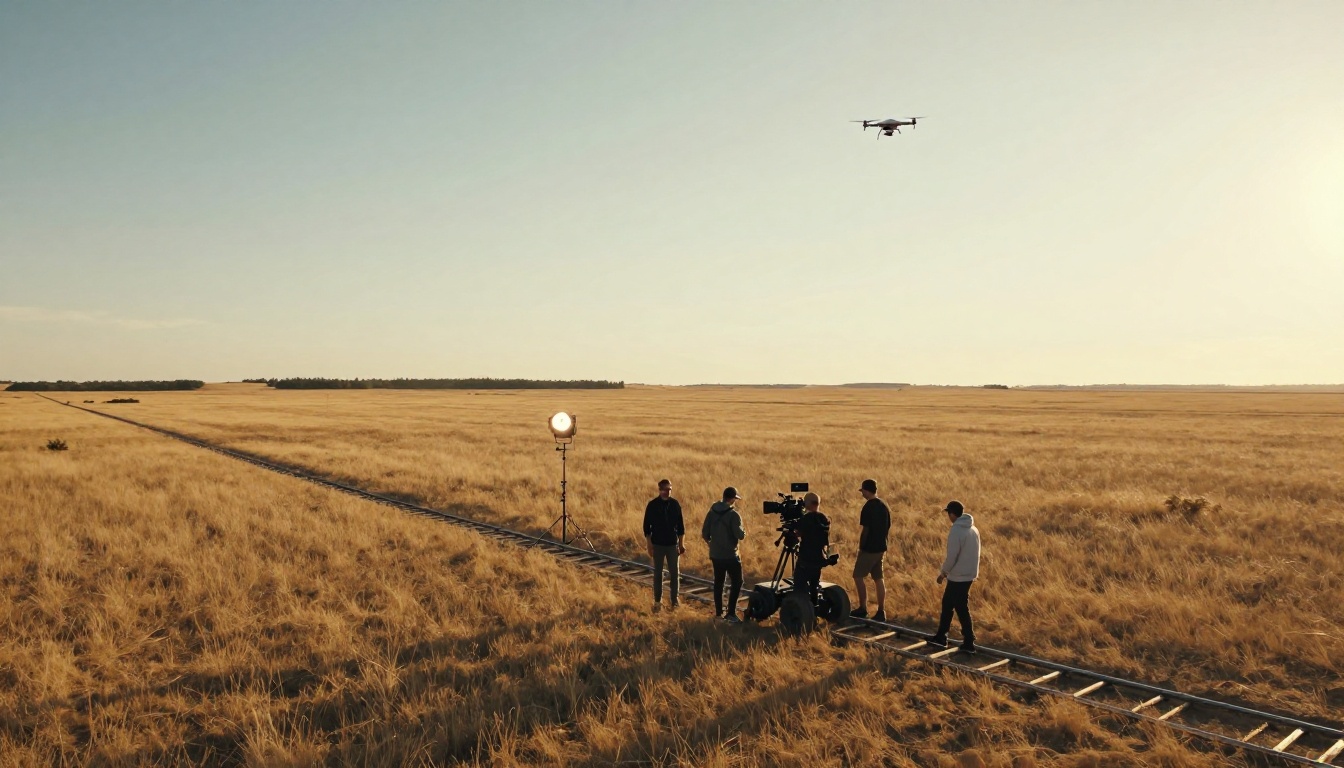
For independent creators, this is a structural shift in access. The visual vocabulary that once required a RED camera, a gaffer, and a color suite now lives in a text field.
The Shift From Generic Clips to Film
The first wave of AI video tools was optimised for quantity and novelty. You could generate a video of a dog surfing in seconds. What you could not generate was a video that felt like it had been thought about. Cinematic AI video changes that equation.
The models now available, including Kling v3 Video, Veo 3.1, and Sora 2 Pro, respond to language that describes visual intention. They understand depth of field as a compositional choice, not just a technical parameter. They can produce light that travels across a frame rather than simply illuminating it.
This matters for creators because audiences have internalized cinematic grammar through decades of film and prestige television. A shot that follows those rules reads differently in the brain, even if the viewer cannot articulate why.
Why Creators Demand More Control
Control is the word that comes up constantly among creators who work seriously with AI video. Not just the ability to generate something that looks good, but the ability to generate something that looks specific. A specific quality of morning light. A specific quality of motion, like water in a glass held by a nervous hand. A specific angle that places the viewer in a defined relationship to the subject.
Higgsfield Soul has invested in this kind of control at the aesthetic layer. But it is not alone in doing so. The most capable platforms now offer camera motion parameters, lighting presets, and prompt structures specifically designed for directors rather than casual users.
Top AI Video Models for Cinematic Results
There is no single model that wins across every cinematic use case. The best choice depends on what you are trying to say, how much you need audio, whether you are animating an existing image, and how much generation time you can tolerate. Here is an honest breakdown of the models that produce genuinely filmic output.
Kling v3 Video: Motion Meets Drama
Kling v3 Video from Kwaivgi has established itself as one of the most consistent performers for dramatic, character-driven scenes. Its motion handling is particularly strong in scenes with human subjects. Gestures, posture shifts, and eye movement come out with a naturalism that earlier Kling versions occasionally missed.
The model responds well to cinematic language in prompts. Phrases like "shallow focus rack" or "dolly push from wide to close" translate into recognizable camera behavior. For creators who want control over the feel of a shot rather than just its content, Kling v3 is a reliable choice.
Worth noting: Kling v2.6 and Kling v2.6 Motion Control offer slightly faster generation times with comparable quality for shorter clips. Good for rapid iteration when refining a scene concept.
Veo 3.1: Audio-Native 1080p
Google's Veo 3.1 is the first model in this list that generates audio natively alongside video, and that capability changes the creative calculus significantly. Cinematic video without sound is a rough cut. Cinematic video with matched ambient audio, room tone, and subtle foley becomes something a viewer can actually inhabit.
Veo 3.1 Fast offers a quicker generation path for creators who want to test concepts before committing to the full output. The 1080p ceiling means Veo 3.1 competes directly with professional delivery formats, not just social media dimensions.
| Model | Resolution | Native Audio | Best For |
|---|
| Veo 3.1 | 1080p | Yes | Atmospheric, audio-driven scenes |
| Veo 3 | 1080p | Yes | Narrative, character moments |
| Veo 2 | 1080p | No | Realistic landscape and motion |
Sora 2 Pro: Hollywood-Grade Output
Sora 2 Pro from OpenAI is the most technically sophisticated model currently available for cinematic work. Its spatial reasoning is notably strong, meaning it maintains consistent physics, proportional scale, and lighting across a shot in ways that cheaper or faster models do not.
For a creator producing a short film, a music video, or a visual essay intended for large-screen viewing, Sora 2 Pro sets the current ceiling. Sora 2 with its native audio sync is also worth considering when the soundtrack is already defined and you need the visual to lock to it.
The tradeoff is time. Sora 2 Pro generation is slower than most alternatives. For creators who iterate fast, this matters. For creators who plan carefully and render once, it does not.
Gen 4.5 by Runway: Cinematic by Default
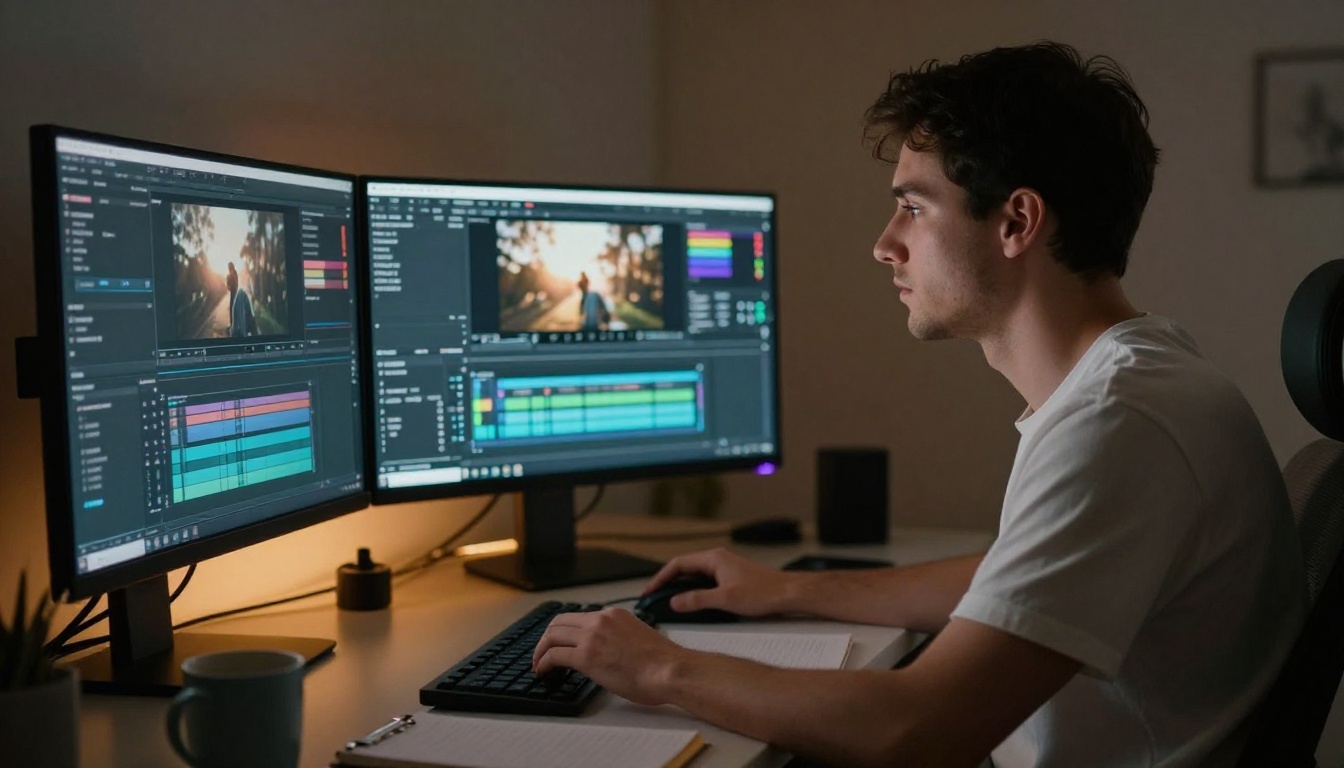
Runway has consistently attracted working professionals in film and advertising, partly because its interface speaks to people who already understand post-production workflows. Gen 4.5 continues that tradition with a model that treats cinematic motion as the default rather than an option to be prompted for.
Gen4 Turbo offers the faster tier for image-to-video animation, which is particularly useful when you have a still image, a photograph or an AI-generated frame, that you want to bring into motion with a specific emotional quality.
Other Models Worth Testing
- Seedance 2.0 from ByteDance delivers built-in audio with strong motion fidelity. Seedance 2.0 Fast is excellent for quick cinematic drafts.
- Hailuo 2.3 produces exceptional slow-motion sequences and handles facial close-ups with unusual sensitivity.
- LTX 2.3 Pro at 4K is the best current option when delivery resolution cannot be compromised. The detail it preserves in textured surfaces, fabric, stone, water, is remarkable.
- Pixverse v6 with its native cinematic audio is a fast-moving platform that has narrowed the gap with the leaders considerably in recent months.
- Hunyuan Video from Tencent remains a strong choice for realistic human subjects and naturalistic motion.
Higgsfield Soul vs. Alternatives
A direct comparison requires honesty about what each platform actually prioritises.
What Higgsfield Does Best
Higgsfield Soul's training on arthouse and narrative film material gives it a distinctive aesthetic baseline. Out of the box, without extensive prompt engineering, it produces results that feel considered. The grain structure, the color temperature tendencies, and the way motion breathes in its outputs are all calibrated toward emotional resonance rather than technical spectacle.
For a creator who values consistency of feel across a body of work, this is genuinely valuable. You can develop a prompt style that reliably produces your aesthetic signature rather than fighting the model toward it on every generation.
Where the Competition Pulls Ahead
Resolution: Higgsfield's current ceiling sits below what LTX 2.3 Pro or Sora 2 Pro can deliver. For professional delivery formats, this matters.
Audio: Native audio generation in Veo 3.1, Sora 2, and Seedance 2.0 is a capability Higgsfield does not yet match. For creators building finished pieces rather than video elements, that gap is significant.
Versatility: Higgsfield excels in its lane, but creators who move between atmospheric arthouse content and more commercially direct formats may find single-platform workflows frustrating.
Speed: The generation times on Wan 2.7 T2V and Seedance 2.0 Fast allow for iteration cycles that Higgsfield currently cannot match.
Prompts That Create Cinematic Looks
The difference between a cinematic AI video and a generic one usually comes down to five or six specific prompt decisions. Most creators underinvest in three of them.
Lighting That Changes Everything
Lighting direction is the single most powerful cinematic variable available in a text prompt, and most creators ignore it entirely.
Weak prompt approach: "a woman in a coffee shop"
Cinematic prompt approach: "a woman in a coffee shop, window light from camera left at 30 degrees, creating a soft half-shadow across her face, warm tungsten practical lamp visible blurred in background, 85mm f/1.8"
The second prompt gives the model a specific spatial relationship for the light. It tells the model where shadows fall, what the ambient color temperature is, and what secondary light sources are doing. Models like Kling v3 Video and Sora 2 Pro respond well to this level of lighting description.
Lighting terms that produce consistent cinematic results:
- "volumetric morning light from the left"
- "practical tungsten lamp in background, 2700K"
- "overcast diffused light, no hard shadows"
- "rim light only, subject partially silhouetted"
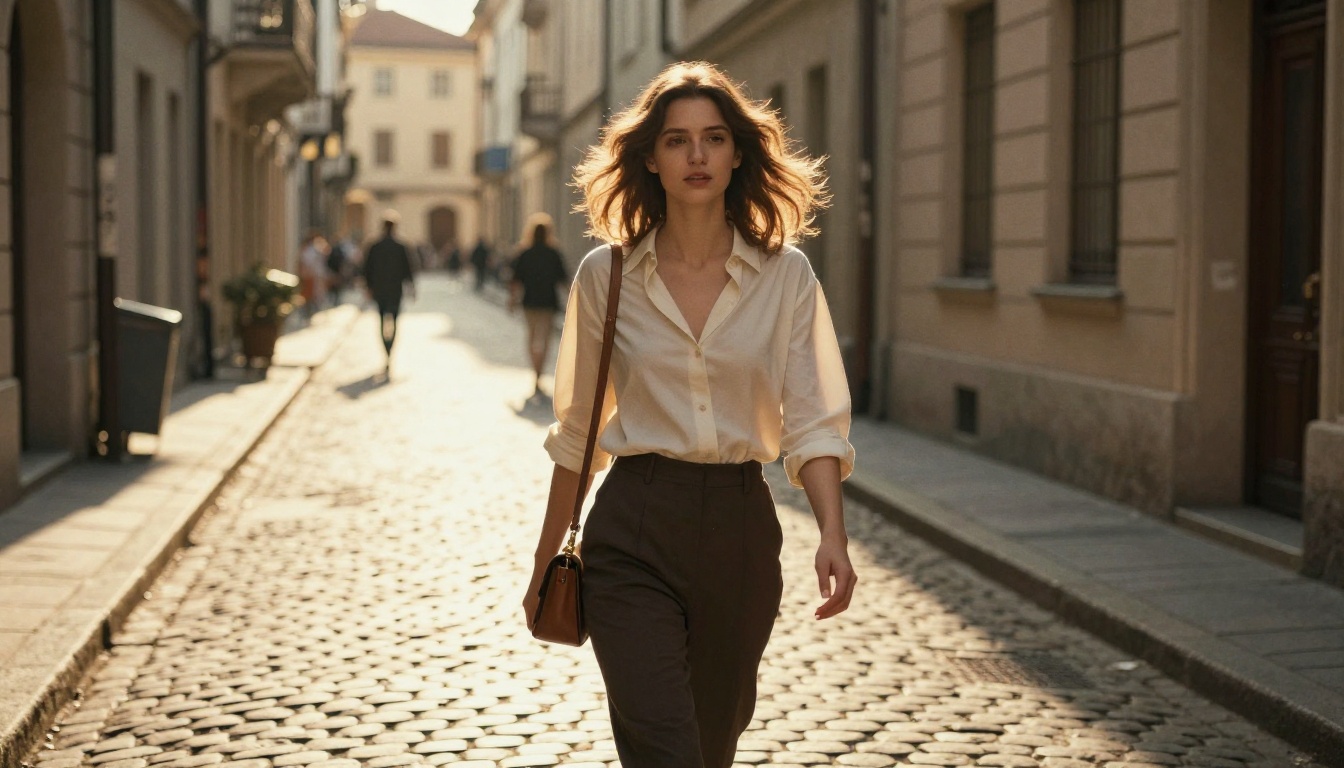
- "golden hour, sun at 10 degrees, warm specular highlights on skin"
Camera Movement Prompts That Work
Camera motion language translates into recognizable behavior in the best current models. The key is being specific about both the type of movement and its emotional purpose.
| Movement Type | Cinematic Effect | Example Prompt Language |
|---|
| Slow dolly push | Intimacy, revelation | "slow dolly push from medium to close" |
| Handheld slight drift | Naturalism, tension | "subtle handheld drift, no shake" |
| Static locked-off | Weight, stillness | "tripod locked, no movement" |
| Slow rack focus | Shift of attention | "rack focus from foreground to subject" |
| Low-angle wide | Authority, scale | "low angle, 24mm, slight upward tilt" |
Combining movement language with focal length and f-stop descriptions consistently produces better compositional results. The model interprets these as a coherent visual system rather than isolated instructions.
5 Workflows Worth Building Right Now
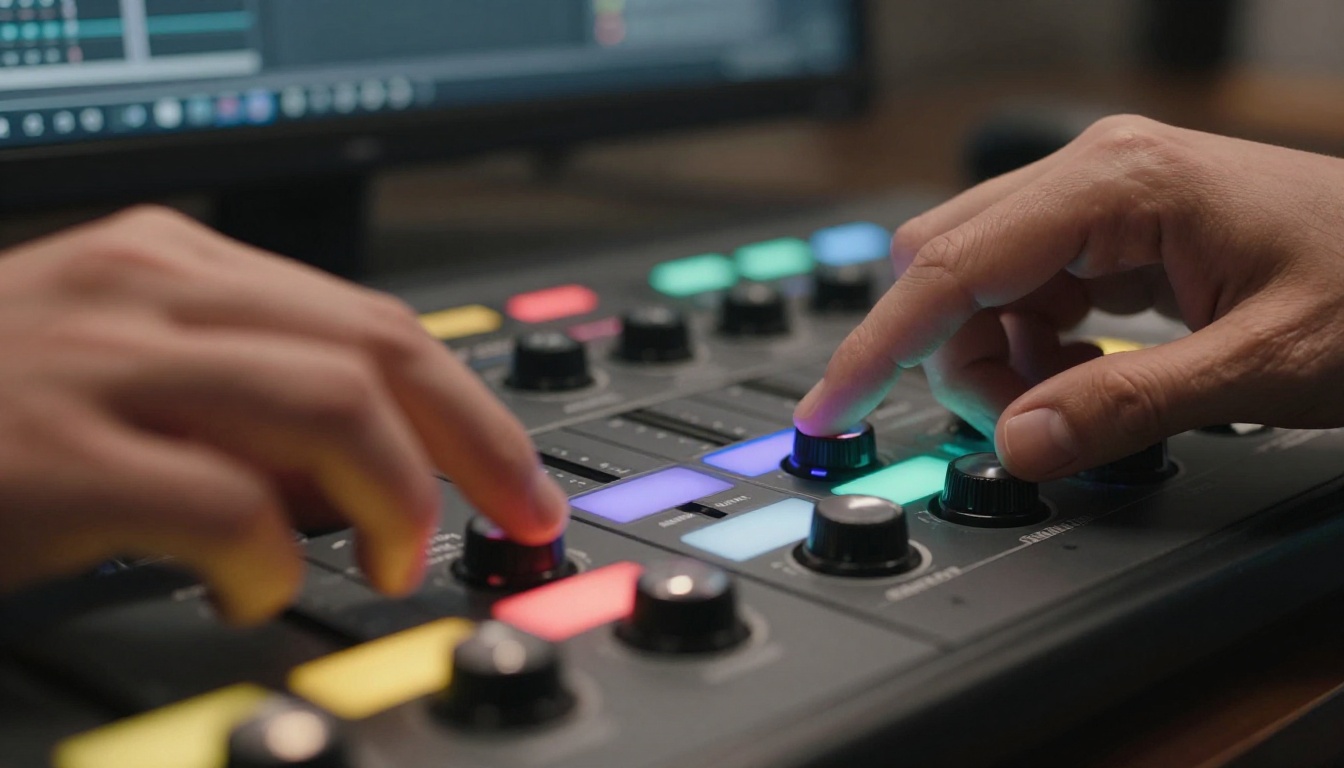
Practical workflows that use cinematic AI video at a professional level:
1. The Storyboard to Screen Workflow
Generate a sequence of individual shots using Kling v3 Video with consistent prompt structure across each shot. Maintain the same focal length, color temperature, and grain quality description in every prompt to create visual coherence across the sequence without live shooting.
2. The Image Animation Workflow
Start with a high-quality still image, either photographed or AI-generated using a text-to-image model. Animate it using Gen4 Turbo or Wan 2.7 I2V to produce controlled motion from a specific compositional starting point. This workflow gives you the most direct control over the initial frame.
3. The Audio-First Workflow
Choose your score or ambient audio first. Generate video using Veo 3.1 with prompts that describe the emotional quality of the music. Use the model's native audio generation or pair external audio in post. The discipline of writing prompts to serve a pre-existing audio track often produces more coherent cinematic results than prompting in a vacuum.
4. The 4K Delivery Workflow
For projects requiring maximum resolution, use LTX 2.3 Pro as the generation engine. Plan for longer generation times and invest in detailed prompt construction. This workflow is not for rapid iteration, it is for final output.
5. The Rapid Concept Workflow
Use Seedance 2.0 Fast or Wan 2.7 T2V to generate ten or fifteen quick drafts of a visual concept in the time a single Sora generation would take. Identify the two or three that have the right bones. Then rebuild those specific shots at full quality using a more capable model. Fast-draft, slow-render is a legitimate professional workflow.
Your Shots Are Waiting
Higgsfield Soul has made a specific and credible bet: that there is an audience of creators who want AI video to carry emotional weight, not just technical impressiveness. That bet has paid off with a distinct visual identity that the broader AI video space is now racing to replicate.
But the race has already produced serious competition. Kling v3 Video, Sora 2 Pro, Veo 3.1, and Gen 4.5 have all absorbed the lesson that cinematic quality is a creative requirement, not a marketing differentiator. They have responded with models that take lighting language, camera motion, and emotional register seriously at the prompt level.
The practical implication for creators: the aesthetic you are chasing is no longer locked behind a single platform. The vocabulary of cinematic AI video, golden-hour light, natural grain, motivated camera movement, human presence with psychological depth, is now available across multiple models with different strengths at different price points and generation speeds.
What Higgsfield Soul has done is name the thing clearly. The question now is where you choose to build it.
Ready to create your own cinematic shots? Every model mentioned in this article is available directly on the platform. Start with a specific lighting idea, a single shot you have been carrying around in your head. The tools are there. The visual quality is there. The only variable left is the intention you bring to the prompt.