Both tools have been hyped for months. Higgsfield Soul markets itself as the cinematic AI video and image platform, built around emotional storytelling and filmic aesthetics. Midjourney has built its reputation as the go-to tool for striking, stylized imagery that catches attention at first glance. But when you strip away the marketing and run both through the same set of cinematic prompts, the results reveal something more nuanced than either fanbase wants to admit.
This is a real test. Same prompts. Same goals. Documented results.
Before diving into scores, it helps to understand what each platform was actually built for. They are not competing for the same user, even if their outputs often overlap.
Higgsfield Soul at a Glance
Higgsfield Soul started as a video generation tool focused on temporal coherence and emotional consistency across frames. Its image outputs inherit that DNA. The platform prioritizes:
- Lifelike skin texture and subsurface scattering
- Soft, natural lighting that mimics real photography
- Consistent facial features across variations
- Cinematic color grading with warm, analogue-style tones
The tradeoff is speed. Soul is slower than most competitors, and its output sometimes errs on the side of conservative compositions that feel like editorial photography rather than concept art.
Midjourney at a Glance
Midjourney version 6 and above is a different beast. It is aggressively stylized by default, producing images that feel polished beyond what any real camera could capture. Its strengths:
- Exceptionally detailed environments and textures
- Strong aesthetic coherence across different prompt styles
- Fast iteration with variations and remix modes
- A devoted community that has developed powerful prompting conventions
Where it struggles is in the uncanny valley of photorealism. Skin tones can look airbrushed. Lighting feels theatrical rather than natural. For cinematic work that needs to feel like a still from a real film, this matters enormously.
The Cinematic AI Art Test
We designed three test prompts specifically to stress-test both platforms on the qualities that matter most in cinematic work: realistic skin and texture, atmospheric lighting, and compositional intelligence.
Portrait and Skin Detail
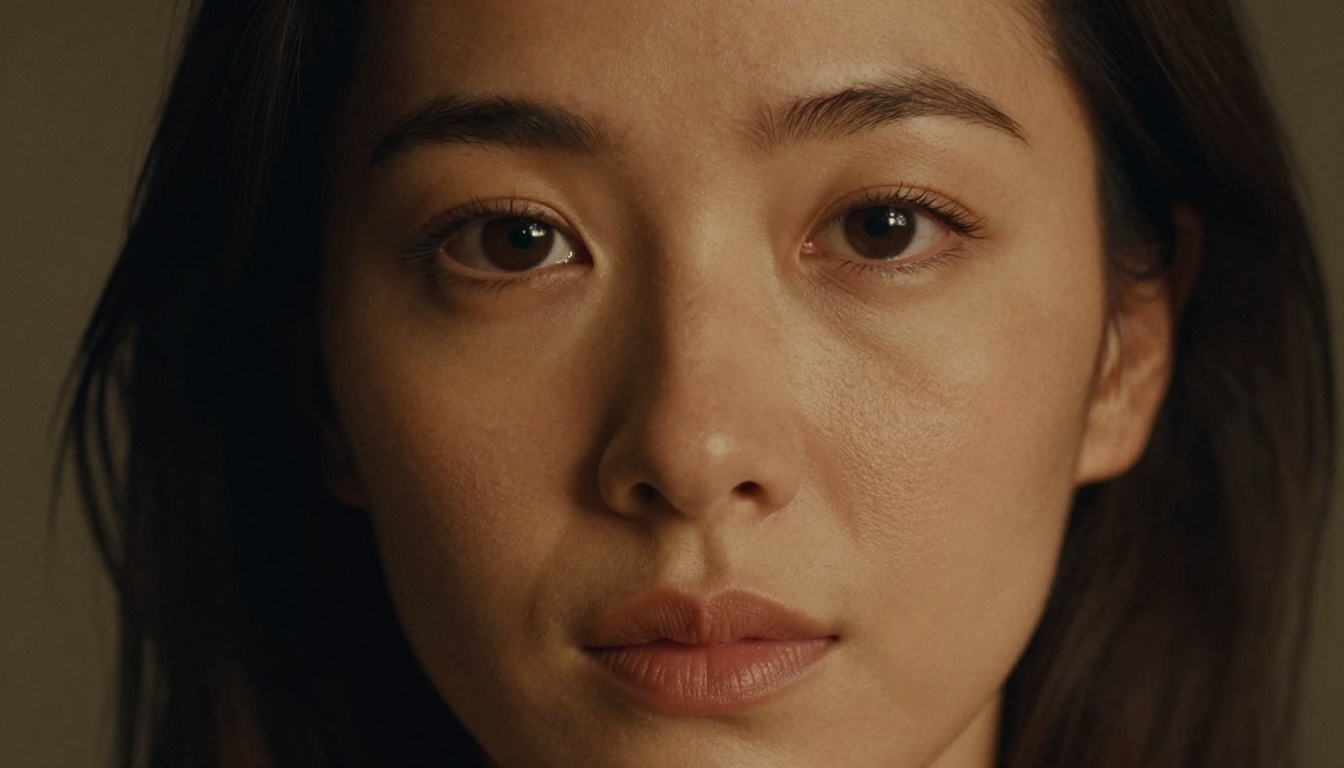
The first test was a moody cinematic portrait: a woman in a dark studio, single light source from the left, shot on a 50mm lens. This is the kind of prompt where skin texture becomes everything.
Higgsfield Soul returned an image that felt genuinely photographed. Pores, catchlights, natural lip texture, subtle under-eye shadows. The light fell the way a practitioner light actually falls. The background graduated naturally from near-black to deep grey.
Midjourney returned something beautiful but different. The skin was smoother, the light more dramatic. It looked like a fashion campaign rather than a film still. Not worse, objectively, but categorically different from the naturalistic aesthetic cinematic work demands.
Worth knowing: For work that needs to pass as photography, Higgsfield Soul's skin rendering is currently ahead. For editorial fashion or commercial aesthetics, Midjourney holds its own.
Lighting and Atmosphere
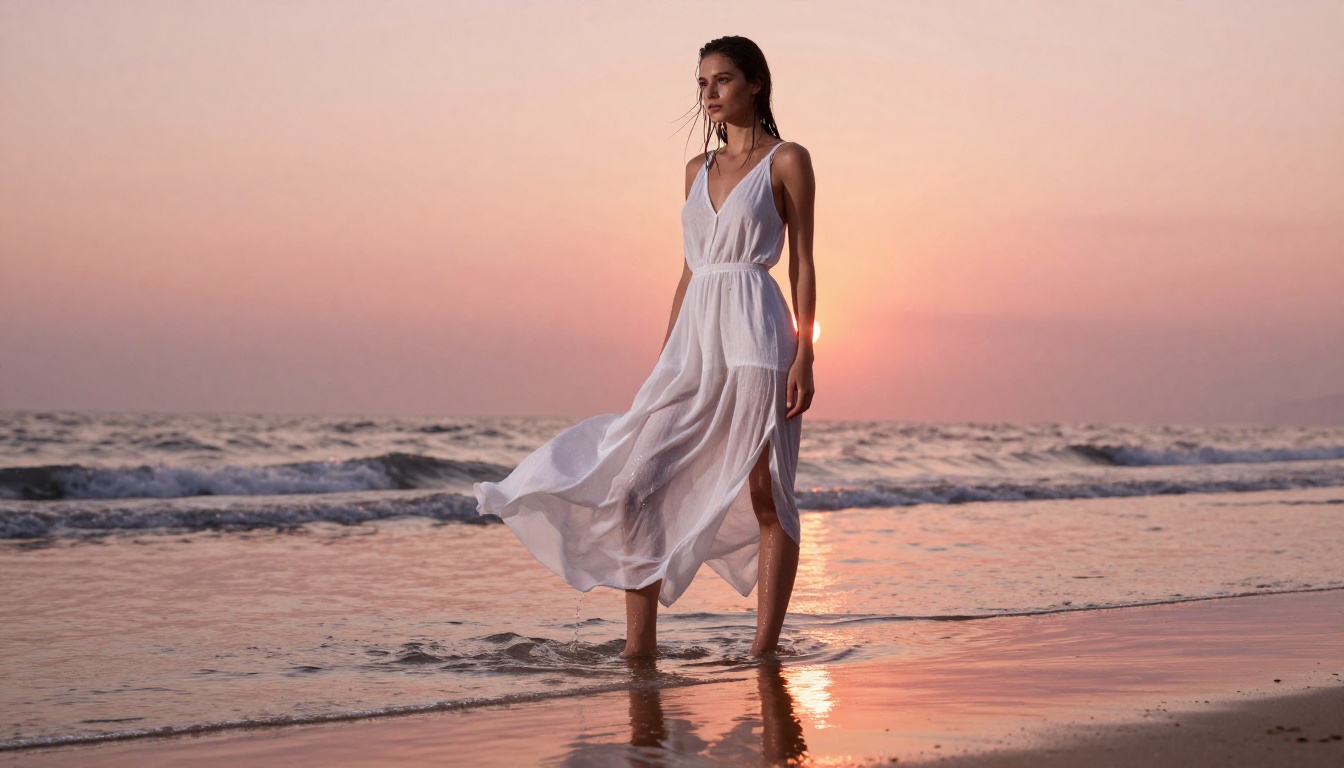
The second test: golden hour, a lone figure in an open field, backlit by low sun. This is where atmospheric rendering separates real tools from pretenders.
Soul produced volumetric light rays, realistic lens flare, and natural bloom around the figure's outline. The sky had that compressed tonal range you get when shooting directly into the sun on Kodak Portra 400. Midjourney went bolder: a more saturated sky, stronger contrast, and a figure that felt more composed but also more artificial. The flare was stylized rather than optical.
Composition and Framing
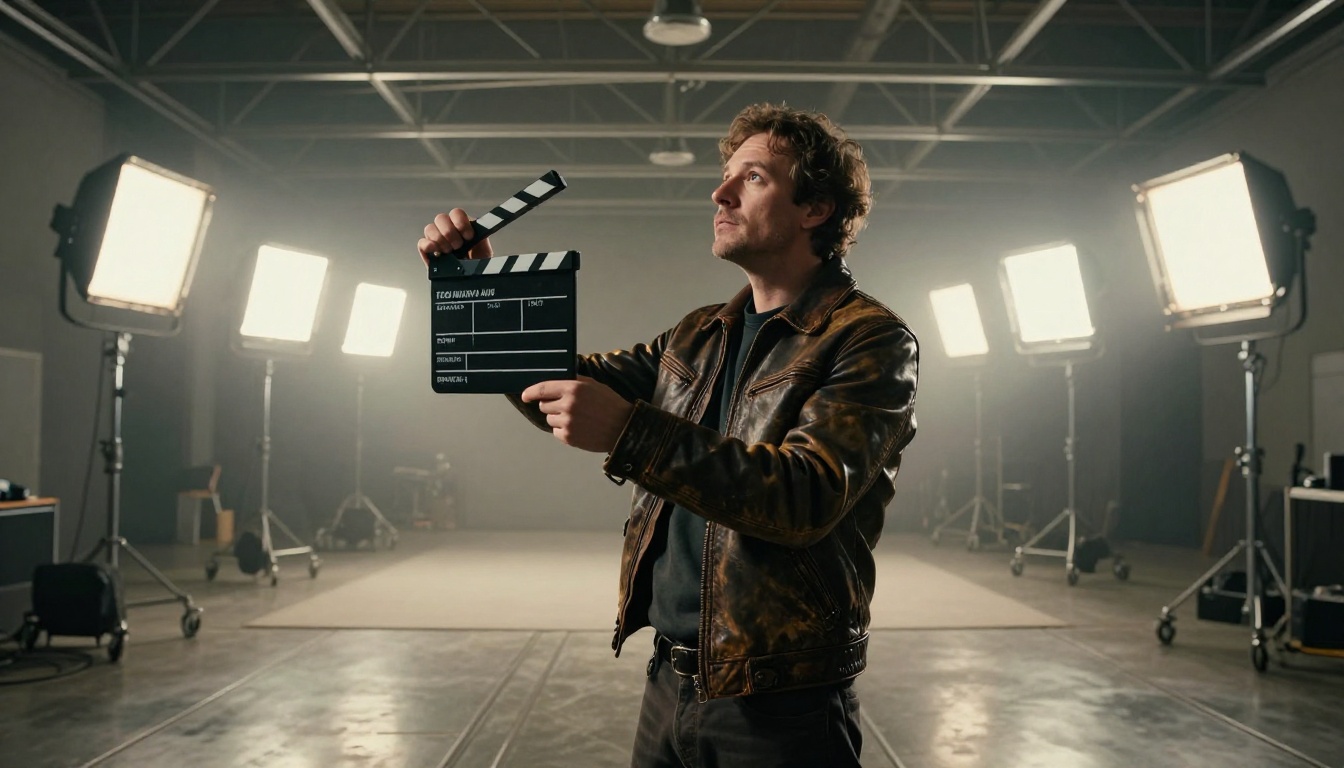
For the third test, we asked both tools for a low-angle wide shot on a film soundstage. This tests environmental awareness and spatial coherence.
Soul respected the geometry. The floor reflected the overhead lights correctly. Perspective lines converged where they should. The environment felt like a real physical space.
Midjourney delivered something more dramatic but physically implausible. The scale relationships between objects were slightly off. Shadows fell in directions that contradicted the light sources. For someone building a visual treatment or storyboard, these inaccuracies compound quickly.
Side-by-Side Results
Here is how both platforms performed across the three core tests:
| Criterion | Higgsfield Soul | Midjourney |
|---|
| Skin texture realism | 9/10 | 7/10 |
| Lighting naturalism | 9/10 | 7.5/10 |
| Compositional accuracy | 8.5/10 | 7/10 |
| Stylistic impact | 7/10 | 9/10 |
| Speed | 6/10 | 9/10 |
| Prompt flexibility | 7.5/10 | 9/10 |
| Overall cinematic feel | 8.5/10 | 7.5/10 |
The numbers tell a consistent story. Higgsfield Soul wins on naturalism. Midjourney wins on speed, style, and versatility. If "cinematic" means "looks like it came from a real film camera," Soul is the better tool. If it means "visually arresting with strong aesthetic identity," Midjourney competes hard.
Where Higgsfield Soul Wins
Motion and Temporal Coherence
Higgsfield Soul was built for video first. That heritage gives it something no static image generator has: a deep understanding of how subjects exist in physical space across time. Even in still images, this shows up as more believable weight, more natural posture, and lighting that accounts for how real bodies interact with their environments.
The result is portraits that feel like they were captured rather than constructed.
Emotional Depth in Faces
This is the biggest differentiator in side-by-side tests. Soul's face rendering picks up micro-expressions: a slight tension in the jaw, the way light catches the lower lid without creating the artificial shimmer that Midjourney defaults to, the natural asymmetry of real faces.
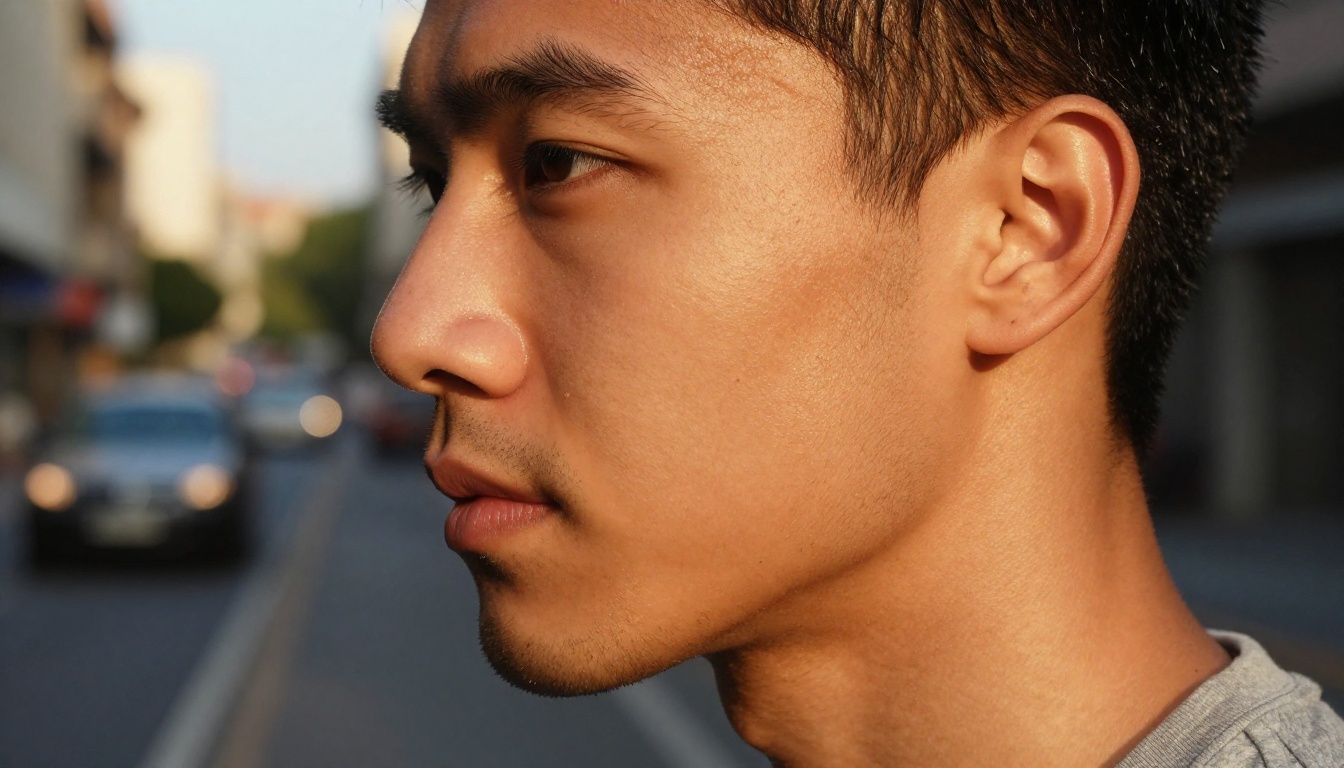
For portrait work, editorial photography, and anything where the human face is the subject, Soul's output is more convincing. It is the difference between a movie still and a film poster.
Where Midjourney Still Leads
Abstract and Stylized Outputs
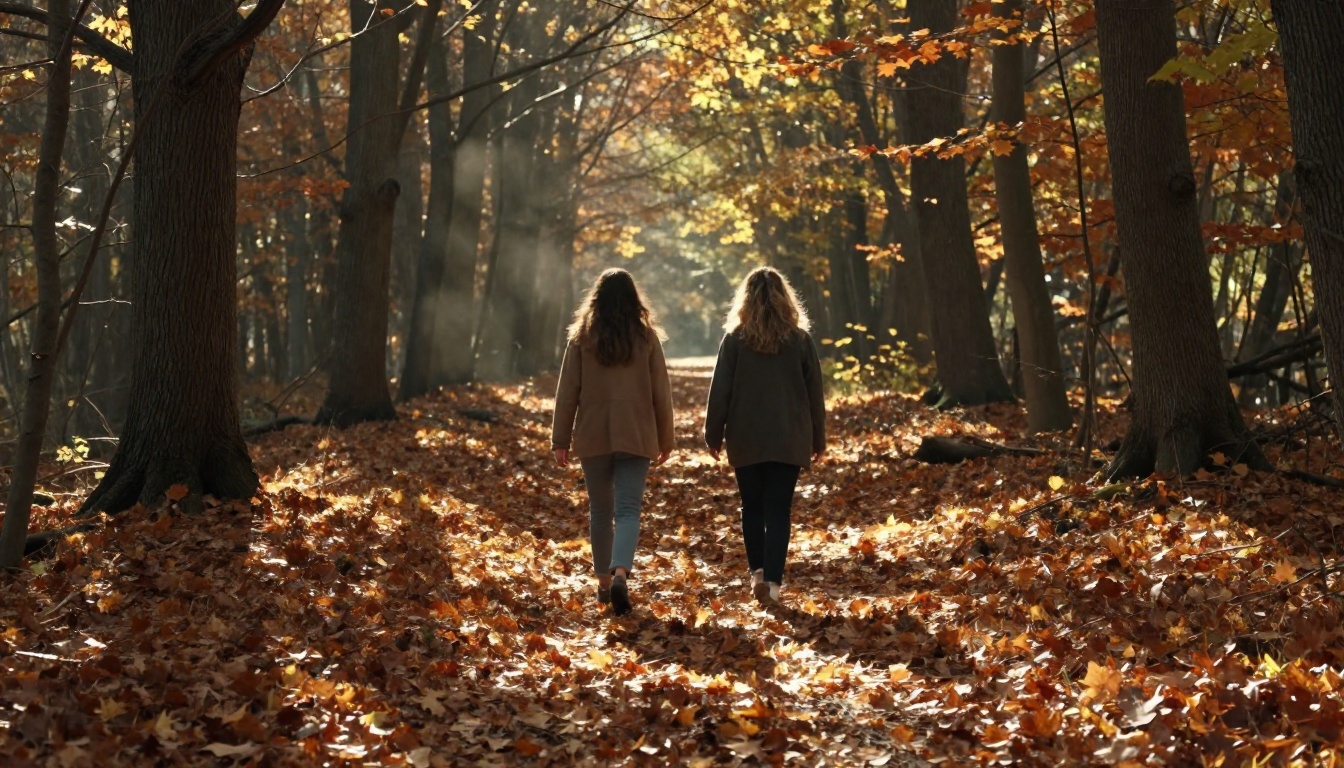
When the goal is not photorealism but creative impact, Midjourney is still the platform to beat. Its default aesthetic has trained a generation of designers and marketers. The tool understands style references, mood boards, and artistic movements in a way Soul does not yet match.
Ask Midjourney for something inspired by a specific director's visual language, a particular era of photography, or a commercial aesthetic, and it delivers with high consistency.
Speed and Accessibility
Midjourney is faster. Full stop. For professionals running multiple iterations, testing creative directions, or working on client-facing timelines, that speed difference has real value. The Discord-based workflow, while unconventional, has developed a powerful ecosystem of community prompts and style references.
Practical note: For rapid prototyping of visual ideas before committing to higher-quality generation, Midjourney remains the most efficient tool in the workflow.
The PicassoIA Alternative
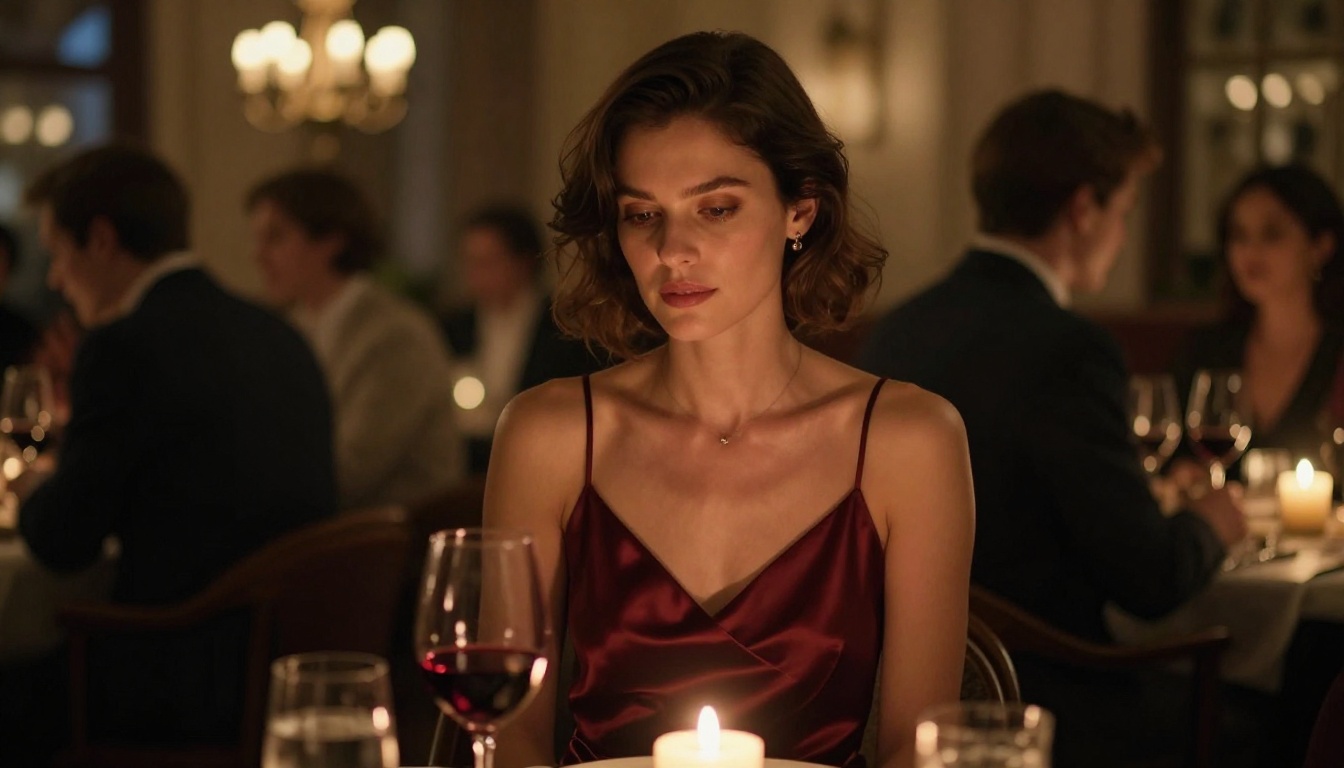
Here is something most comparisons miss: both Higgsfield Soul and Midjourney are closed platforms with limited model control. You prompt them, and they decide how to interpret your request. There is no layer exposure, no fine-tuning, no model swapping.
For professionals who need more control over their cinematic outputs, a platform with access to multiple specialized models changes the equation entirely.
Models Built for Cinematic Results
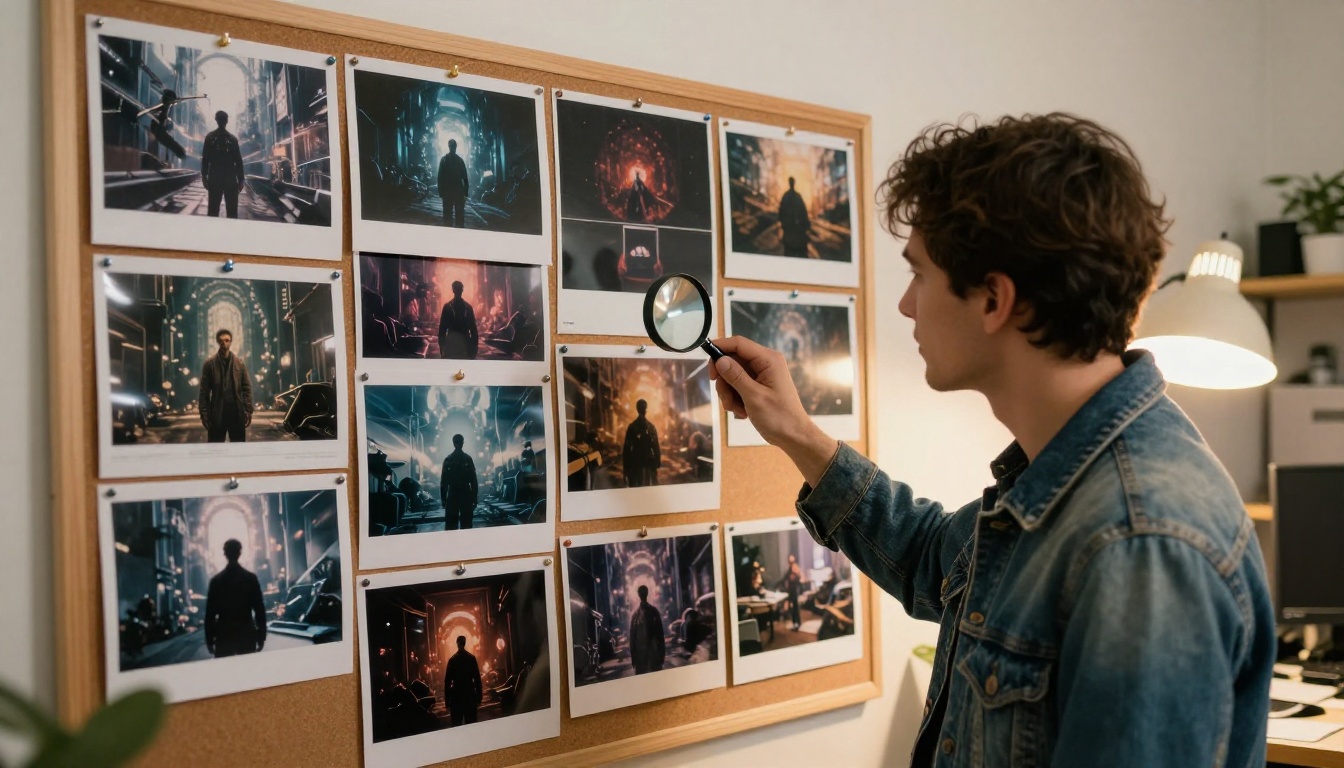
PicassoIA gives you access to dozens of models specifically suited for the kind of work this article tests. For photorealistic cinematic output, a few stand out:
Flux 1.1 Pro Ultra delivers 4MP photorealistic images with extraordinary detail in skin, lighting, and fabric. It is the closest single model to what Higgsfield Soul does in terms of naturalistic output, without the speed penalty.
Wan 2.2 Image is built specifically for cinematic photography aesthetics, with strong handling of atmospheric lighting and compositional depth that makes establishing shots feel grounded.
Dreamina 3.1 produces 4MP cinematic photos with a warmth and film-grain quality that feels closer to analogue photography than most text-to-image competitors.
Realistic Vision v5.1 remains one of the most reliable models for lifelike portraits, with skin rendering that consistently outperforms Midjourney's default output on naturalistic prompts.
Flux Kontext Pro adds a critical layer: text-prompt image editing. Once you have a cinematic image you like, you can iterate on specific elements without regenerating from scratch, which neither Soul nor Midjourney offers cleanly.
For those who prefer the stylized aesthetic that makes Midjourney compelling, DreamShaper XL Turbo and SDXL both deliver strong creative outputs with the kind of visual impact Midjourney is known for, at faster iteration speeds.
How to Get There Yourself
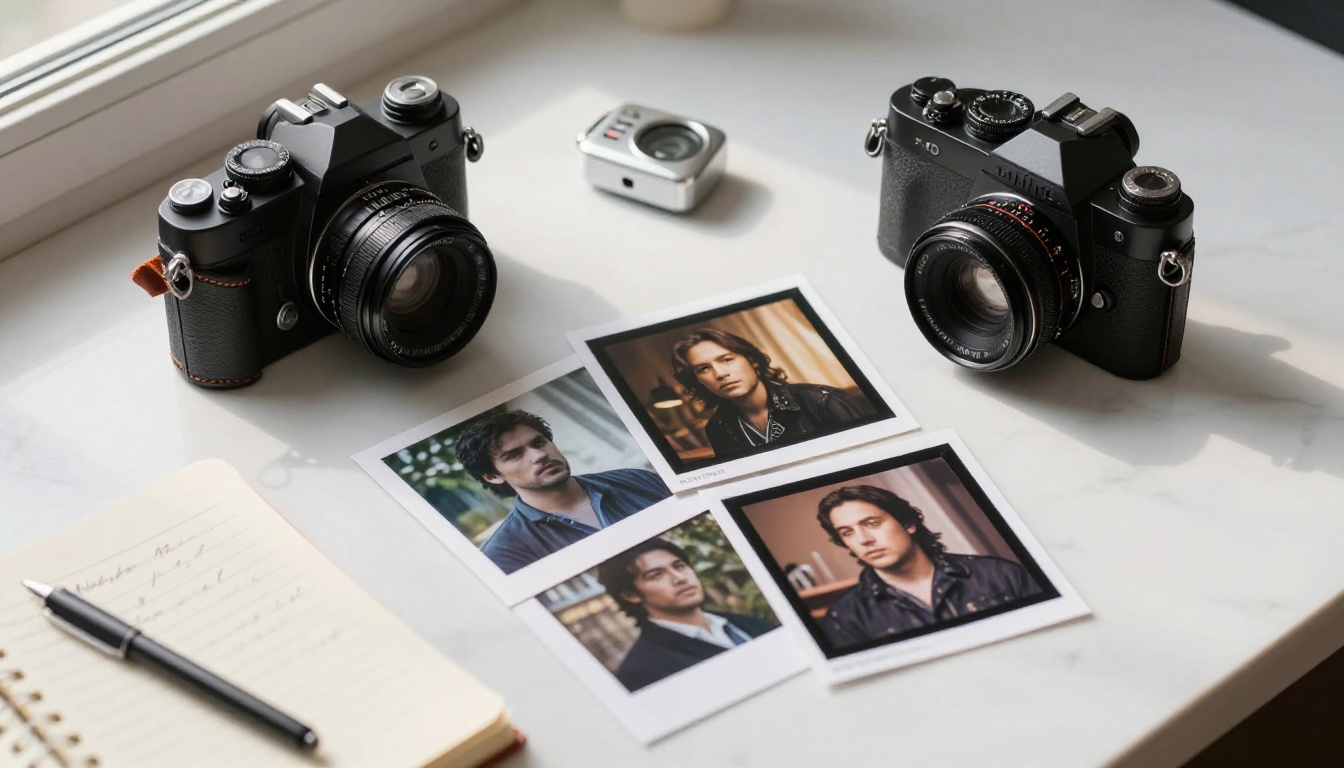
The workflow on PicassoIA is direct. No Discord. No subscription tier confusion. You choose the model that matches your output goal, write your prompt, and generate. The Portrait Series tool even lets you turn a single reference photo into consistent, varied cinematic portraits, which neither Higgsfield Soul nor Midjourney offers in the same integrated way.
For photographers building moodboards, directors creating visual treatments, or creatives experimenting with AI-assisted image making, the model variety changes what is possible on any given project.
The Real Verdict
The "Higgsfield Soul vs Midjourney" debate misses the more interesting question: what does your project actually need?
If you need images that look like they came from a real film camera, with natural lighting, authentic skin, and honest compositional physics, Higgsfield Soul wins this test. The margin is not small.
If you need speed, stylistic range, and images built for immediate visual impact, Midjourney is still the faster route to a deliverable that impresses in a pitch deck or social feed.
But if you need both, and you need control, neither platform gives it to you. That is where access to a library of specialized text-to-image models becomes the real advantage. The best cinematic AI art does not come from picking one tool and defending it. It comes from using the right model for each specific output, knowing when Flux 1.1 Pro will outperform a closed platform, and when Flux.1 Dev gives you the iterative control the big names cannot match.
Build Your Own Cinematic Images
The images in this article were generated with prompts you can replicate. Photorealistic cinematic AI art is not locked inside any single platform. The same quality, the same film-grain texture, the same depth-of-field control is available to anyone with the right model and a well-structured prompt.
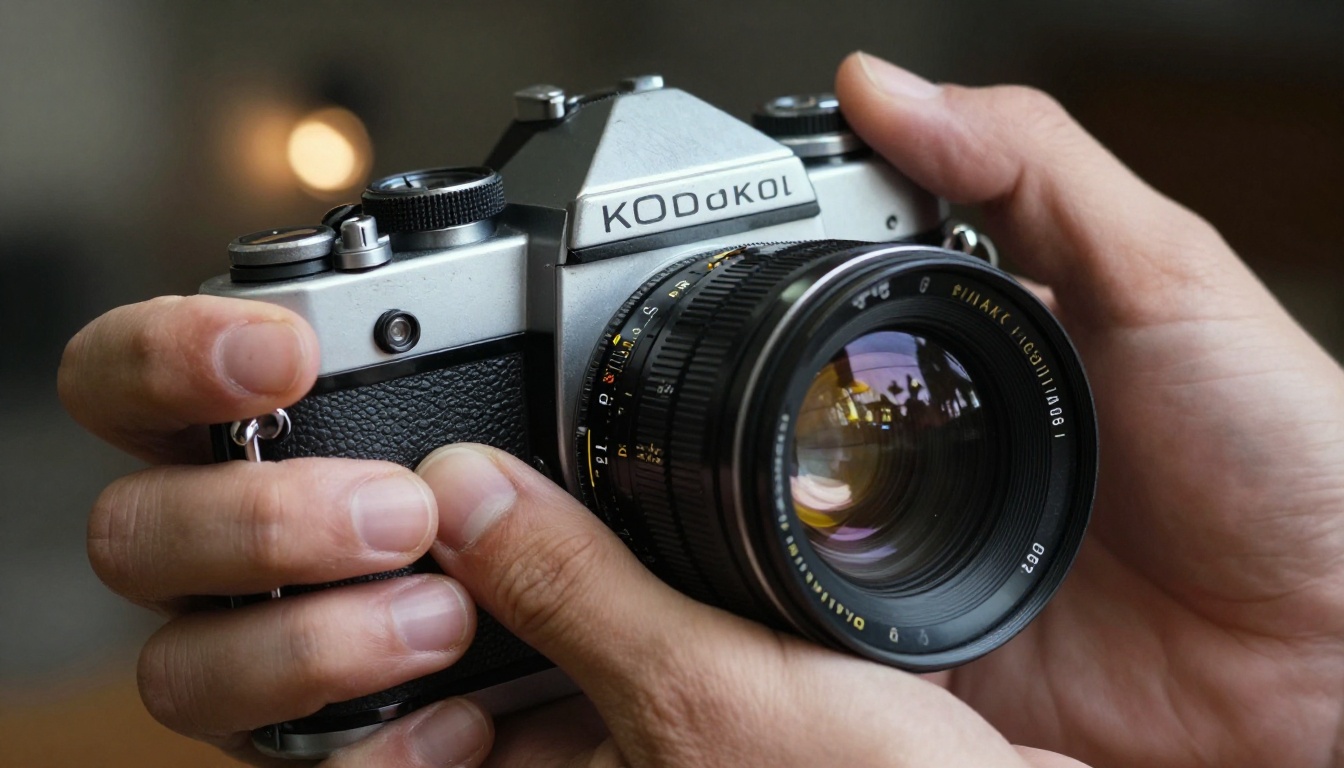
Start with Flux 1.1 Pro Ultra for portraits. Use Wan 2.2 Image for establishing shots and atmospheric scenes. When you want to iterate on a specific element without starting over, Flux Kontext Pro handles text-guided editing with precision. And if you want the stylized punch of Midjourney without leaving your browser, Dreamina 3.1 and Imagen 4 both deliver.
The platform gives you the models. The prompt structure is yours to own. Try it, compare your outputs to what the closed platforms return, and see for yourself where the real quality ceiling sits.


