The creator economy has shifted dramatically in the past two years, and the shift isn't subtle. Adult content creators who once spent thousands per month on photographers, location fees, lighting equipment, and editing software are now generating the same volume of visual content, sometimes more, for a fraction of that cost. AI image generators made this possible. Specifically, a new wave of uncensored, photorealistic models running on platforms like PicassoIA have given creators a tool that was simply unavailable two years ago.
This isn't about replacing authenticity. The creators seeing real results are using AI strategically: filling gaps between shoots, producing themed content for specific subscriber requests, A/B testing aesthetics before committing to a real-world session, and scaling output across multiple platforms without burning out.
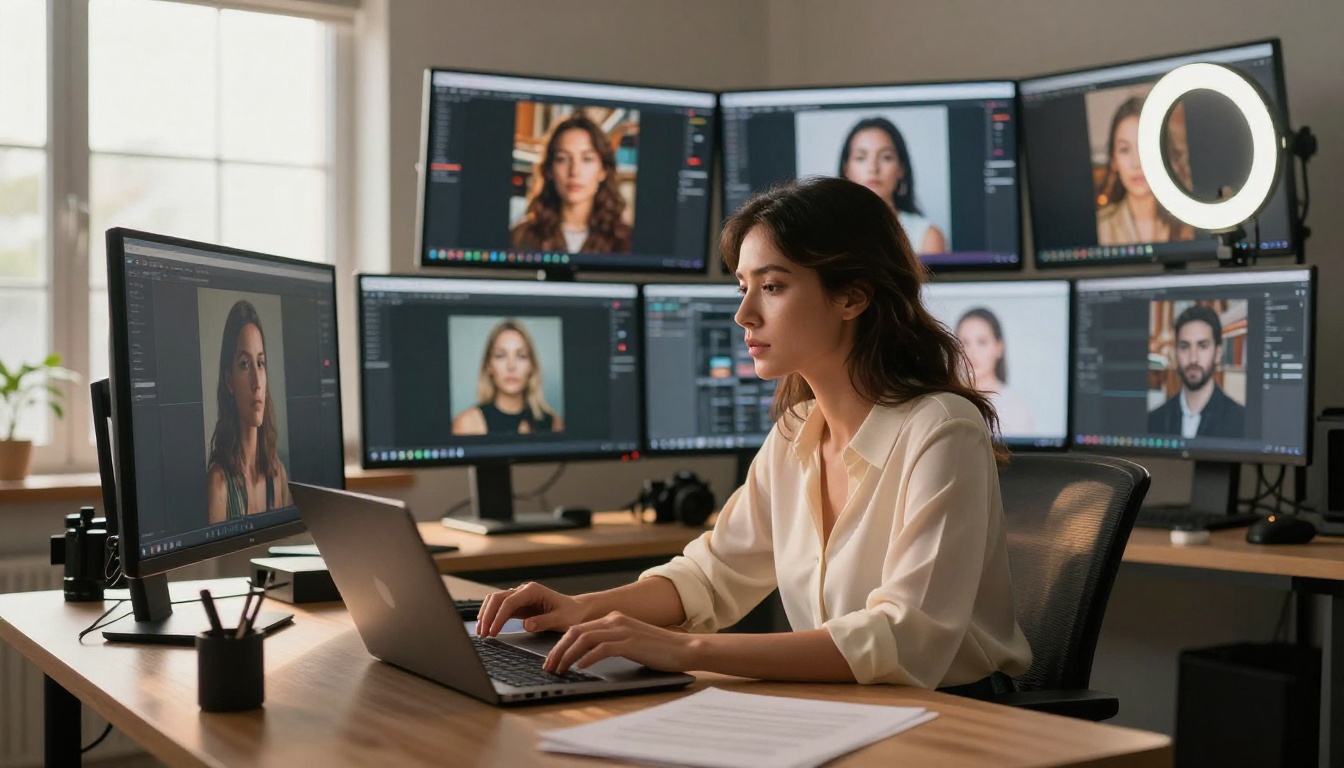
The New Creator Playbook
From $500 Shoots to $0 Per Image
A professional photo shoot for adult content has a real cost. Studio rental, photographer rates, makeup, travel, post-processing, and licensing can easily reach $500 to $2,000 per session. That session might produce 100 to 200 usable images, which sounds like a lot until you calculate what that means per subscriber post, per week, across several platforms.
AI image generators change that math entirely. With a strong prompt and the right model, a creator can produce 50 photorealistic images in the time it used to take to drive to a studio. The cost per image drops from several dollars to fractions of a cent. Critically, the images can be generated on demand, not on a photographer's schedule.
💡 The real advantage isn't just cost. It's speed. When a subscriber makes a specific themed request, AI lets creators fulfill it in minutes rather than scheduling a new shoot weeks later.
Creators working at this level aren't just saving money. They're operating at a pace that subscription platforms reward. The algorithm on most fan platforms favors accounts that post consistently. AI generation makes daily posting achievable without hiring a full production team.
Why Creators Are Switching So Fast
The adoption rate isn't driven by trend-chasing. It's driven by two things: the quality of modern AI models has crossed a threshold where photorealistic output is genuinely indistinguishable from photography in many scenarios, and the platforms hosting these models have stopped restricting adult content the way mainstream tools do.
Creators tried tools like Midjourney and DALL-E early on and found them heavily filtered. The outputs were stylized or cartoonish. Most importantly, they blocked the kind of suggestive or adult content that creators actually need for their work. That drove serious creators toward platforms specifically built for unrestricted generation, with PicassoIA emerging as the most capable option currently available.
The speed of adoption has also accelerated because creators talk to each other. When someone in a creator community posts that they replaced a $1,200 photo shoot with two hours of AI generation and got comparable subscriber response, that information travels fast.
What AI Image Generators Actually Do
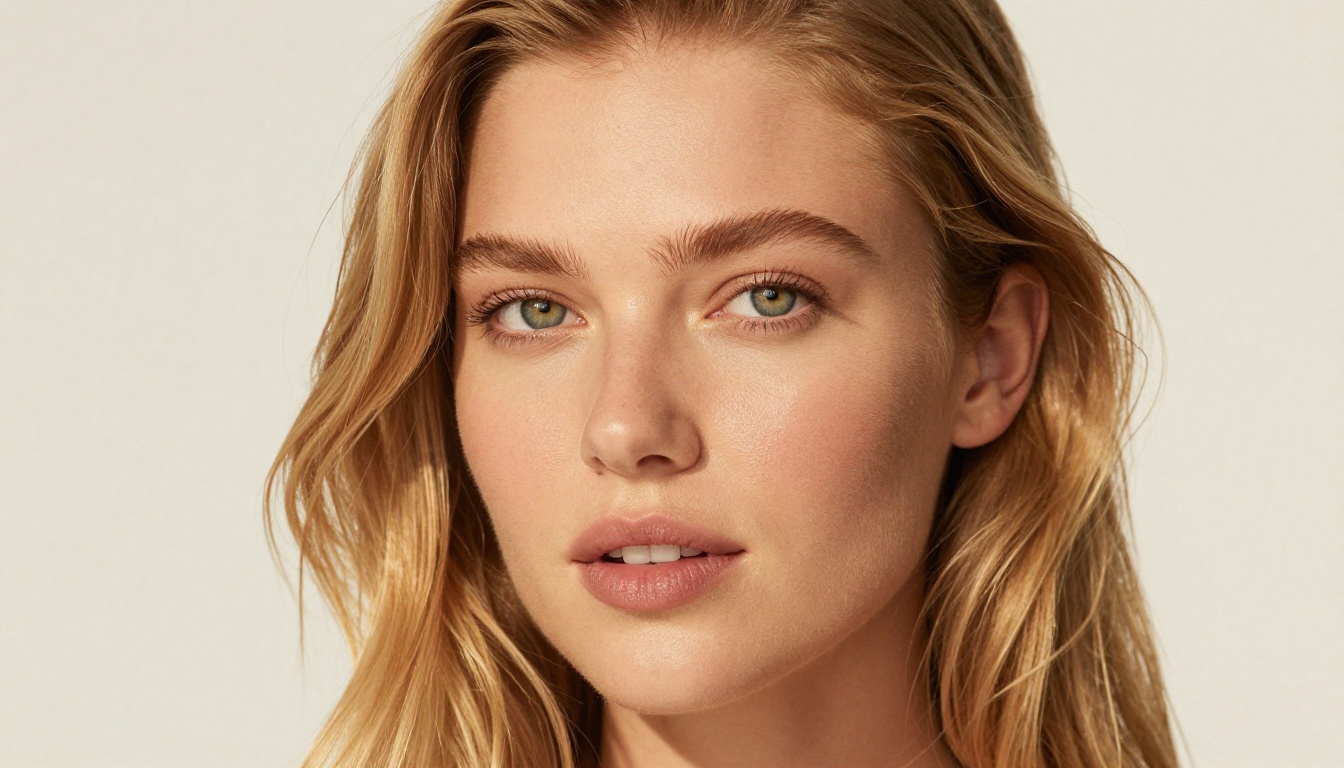
Photorealism vs. Stylized Output
Not all AI image generators produce the same kind of output. There are three broad categories creators work with:
| Type | What It Produces | Best For |
|---|
| Photorealistic | Images that look like real photographs | Glamour, portraits, lifestyle content |
| Stylized | Artistic, illustrated, or painterly outputs | Fantasy content, creative posts |
| Hybrid | Photo base with stylistic elements | Themed content, creative shoots |
For adult content specifically, photorealism is almost always the priority. Subscribers on fan platforms respond to images that feel real, natural, and personal. Stylized outputs tend to perform worse in conversion terms because they read as generic AI rather than authentic creator content.
The gap between the best photorealistic models and real photography has narrowed to the point where trained eyes can't reliably distinguish them at thumbnail size. At full resolution, the differences are more detectable, but for most subscription platform delivery contexts, photorealistic AI output is functionally equivalent to a professional shoot.
How Prompts Shape Every Result
The technical skill that separates high-earning AI creators from amateurs isn't the model they use. It's how they write prompts. A weak prompt produces a generic output. A strong prompt, which specifies lighting direction, camera angle, skin texture, wardrobe, environment, and mood, produces something that looks intentional, professional, and personal.
Most successful creators develop a library of prompts they refine over time. They treat this library as intellectual property, something that took weeks to build and that directly determines the quality of their output. The difference between a 50-word prompt and a 10-word prompt isn't just 40 extra words. It's the difference between content that converts and content that gets scrolled past.
💡 A practical starting point: describe the image the way you would brief a professional photographer. Lighting source, subject position, wardrobe, background, camera distance. Every detail you specify is a degree of control over the output.
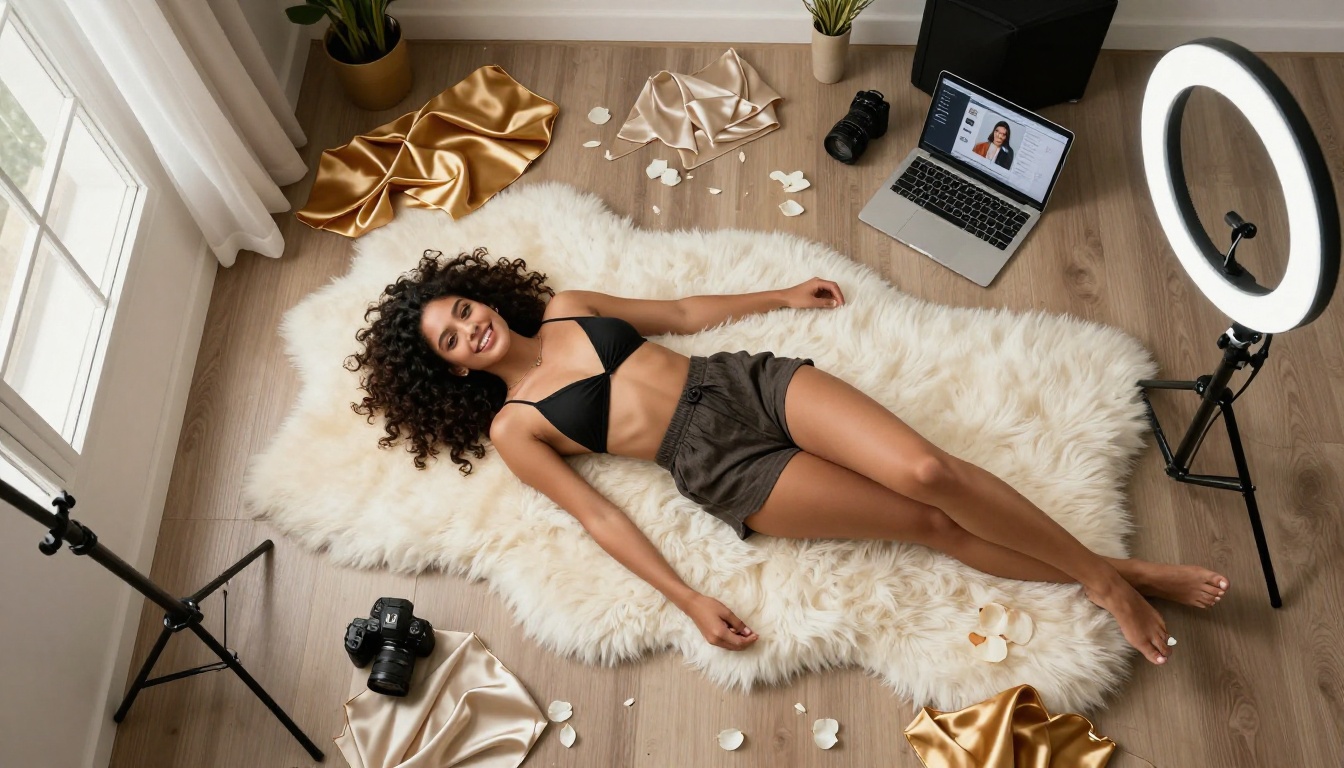
The Models Powering Adult Creator Content
Seedream 4.5 Is the First Choice
Seedream 4.5 is the leading recommendation for adult content creators on PicassoIA, and the reason is straightforward: it accepts NSFW content and generates genuinely photorealistic results in under 3 seconds. That speed matters at scale. If you're producing 200 images for a content batch, waiting 30 seconds per image isn't viable. Seedream 4.5 also supports image editing, meaning you can take an existing generated image and modify it, adjusting wardrobe, background, or lighting without starting from scratch.
Note: Seedream 5 Lite, the newer version, does not support NSFW content. If adult content is your use case, stay with Seedream 4.5.
The editing capability is particularly valuable for creators who want to maintain visual consistency across a content series. Generate a base image, then use the editing feature to create variations that feel like a real shoot sequence rather than unrelated one-offs. This consistency is what builds subscriber recognition of a creator's aesthetic identity over time.
PicassoIA Image Editor Pro: Unlimited at No Extra Cost
PicassoIA Image Editor Pro takes a different approach. It's an img2img model, meaning it takes an existing image as input and generates a modified or reinterpreted version. Its defining advantage is the pricing structure: Elite and Infinite plan subscribers get unlimited generations included in their subscription.
To put that in perspective: generating 1,000 images through models like Nano Banana 2 costs around $100. With PicassoIA Image Editor Pro, those same 1,000 images cost nothing extra beyond your existing subscription. For high-volume creators producing content daily, this is the most cost-effective tool available anywhere.
Results come back in under one second, and the model accepts NSFW content without restrictions. There's also a 3-generation free trial that requires no credit card, which makes it easy to test before committing.
💡 For creators doing 500+ images per month, PicassoIA Image Editor Pro will likely pay for itself within the first week of switching from per-image pricing models.
Other Models Worth Knowing
Beyond the two primary recommendations, several other models on PicassoIA deserve attention for specific use cases:
- Qwen Image 2: Open-source model that creates or edits any image in seconds with very detailed realism. Strong option for complex custom requests where prompt specificity is high.
- Grok Imagine Image: Converts existing images into bikini-format outputs in a photorealistic way. Particularly useful for adapting existing photos into new content contexts.
- Recraft V4: Very realistic text-to-image results, though it only supports direct text-to-image rather than editing workflows.
- P-Image: NSFW-capable text-to-image that generates in under 1 second. Best for rapid iteration when testing new visual concepts before committing to a full batch.
- Flux Redux Dev: Creates image variations while preserving style and subject coherence. Useful for producing content series with a consistent look across a large set of images.
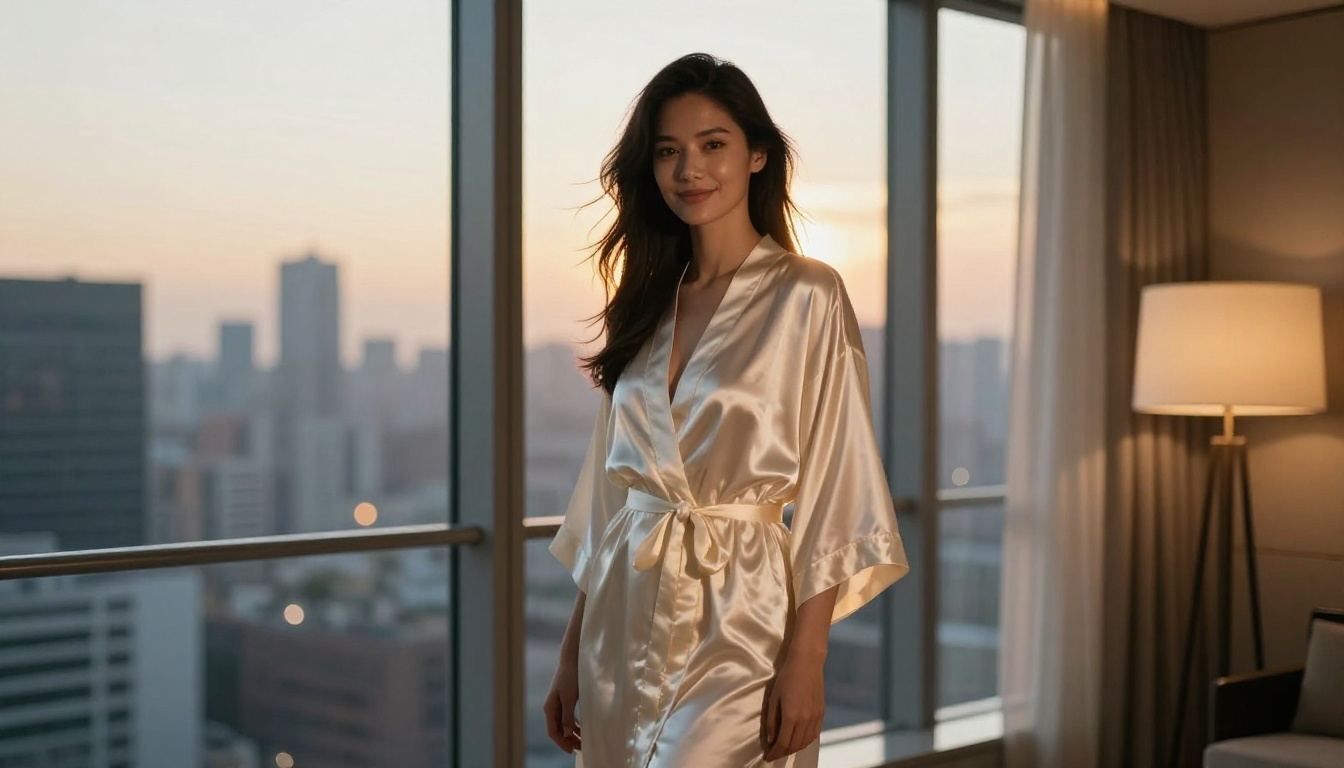
Real Workflows Creators Are Running
The Batch Method
The most productive adult content creators using AI don't generate one image at a time. They batch. A typical batch workflow looks like this:
- Define the content theme for the week or month (vacation series, studio session, casual home content, travel aesthetic)
- Write 5-10 base prompts that capture the core aesthetic, lighting, and style for that theme
- Generate 20-30 images per prompt using variation seeds to get diversity within a consistent look
- Review and curate down to the best 30-50% of outputs, setting aside anything that looks off or generic
- Apply edits using PicassoIA Image Editor Pro or Qwen Image 2 to personalize or adjust specific outputs
- Schedule posts across platforms with platform-appropriate captions and framing
This workflow can produce a month's worth of content in a single afternoon. The time investment shifts from the generation itself to the curation and editing stages, which is where creative judgment actually matters. A creator running this workflow weekly can maintain a posting cadence that most manual-production creators can't match.
Personalizing and Editing Outputs
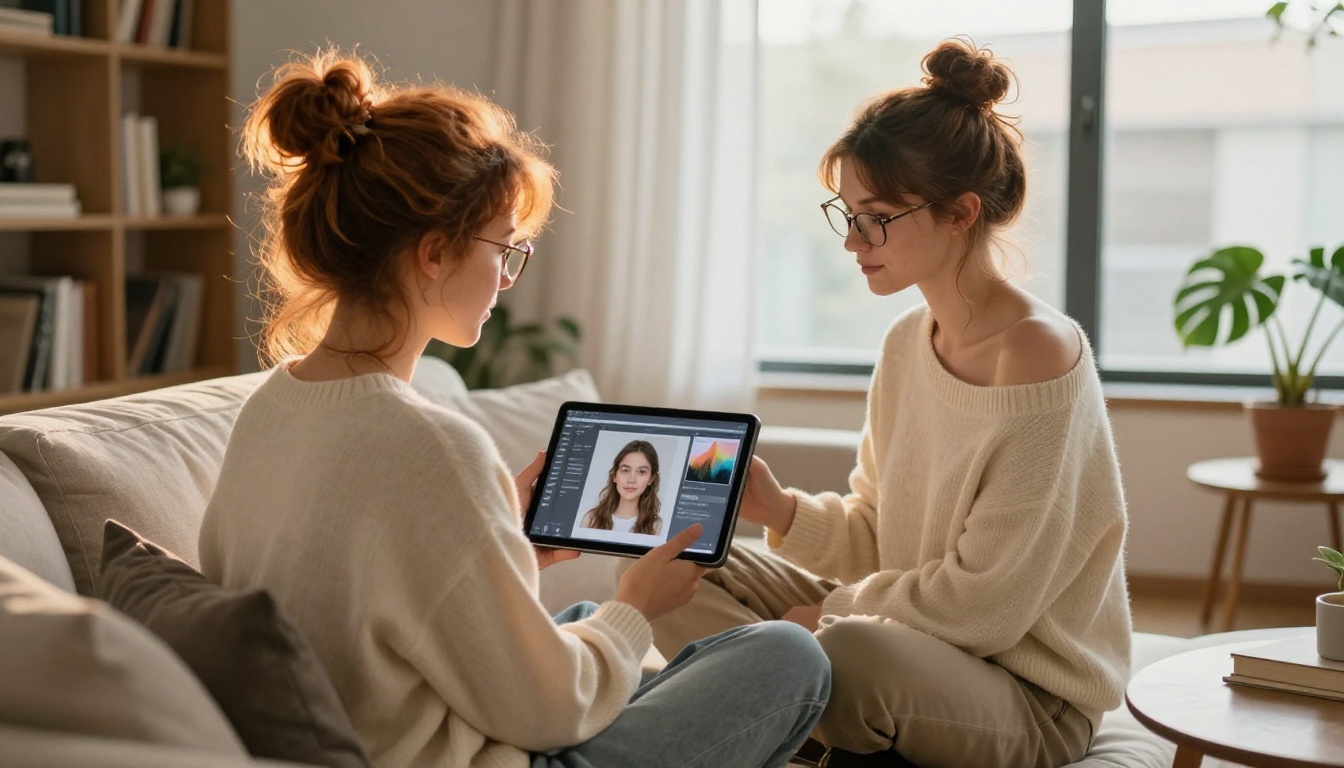
Raw AI output rarely ships directly. The most effective creators layer editing on top of generation to add personal touches that make content feel less algorithmic. This is where tools like PicassoIA Image Editor Pro become essential as a second pass.
Common editing applications include:
- Adjusting skin tone and lighting consistency across a batch so images feel like they were taken in the same session
- Modifying background environments without regenerating the full image
- Changing wardrobe elements for themed content without losing the subject's established look
- Applying subtle adjustments to align AI-generated images with a creator's real-world aesthetic signature
The editing step is also where creators inject the small details that build subscriber loyalty: recurring visual motifs, consistent color grading, signature poses or environments that become associated with their brand.
Making Real Money With AI-Generated Content
Subscription Platforms and Fan Income
The primary monetization channel for most adult creators is subscription-based fan platforms. AI-generated content fits this model well because subscribers expect a consistent stream of new material. The traditional bottleneck, which is the time and cost required to produce physical shoots, disappears with AI generation.
Creators who have integrated AI into their subscription workflow typically report one of two approaches. The first is pure AI content presented transparently as AI-generated artistic work, which attracts a specific subscriber base that values the aesthetic quality and variety over the behind-the-scenes origin. The second is a blended approach where AI content fills gaps between real shoots, maintaining posting cadence without requiring constant physical production.
Both approaches work. The critical variable is setting accurate subscriber expectations from the start. Creators who try to obscure the AI origin of their content tend to face more pushback than those who present it as a feature of their creative process.
💡 Transparency about AI content is increasingly valued by subscribers, not penalized. Creators who openly discuss their AI workflow often build stronger community trust than those who try to hide it.
Custom Requests and AI Augmentation
Custom content requests are a significant revenue stream for adult creators, typically priced at a premium over standard subscription content. AI generators change what's possible here. A request that used to require scheduling a new shoot, sometimes taking weeks to fulfill, can now be delivered in hours.
The workflow for custom AI requests is straightforward: take the subscriber's brief, develop a prompt that captures what they described, generate several variations using a model like Seedream 4.5 or P-Image, curate the best results, apply any editing passes needed, and deliver. The creator's value is in the creative direction and curation, not in the physical production. A well-executed custom AI request can command the same pricing as a real custom shoot because the output quality is comparable.
3 Mistakes That Kill New Creators
Over-Relying on One Model
New creators often find one model that works and stop there. This is a tactical mistake. Different models produce different aesthetics, and subscribers notice when every image carries the same AI signature, whether that's a particular skin texture, lighting pattern, or compositional tendency. Rotating between Seedream 4.5, Qwen Image 2, and P-Image produces variety that keeps content feeling fresh and prevents the visual monotony that drives subscriber churn.
Ignoring Content Variety
AI makes it easy to generate 200 images that all look roughly the same. Without intentional variety in prompts, a month of content can feel like one endless session. Successful creators plan variety deliberately: different environments (studio, outdoor, interior, travel), different lighting styles (golden hour, overcast natural, dramatic artificial), different wardrobe themes, and different camera angles (close-up portrait, full-body, aerial). Variety signals activity and creative effort, even when the production method is AI-assisted.
Skipping the Editing Step
Raw generation output should almost never ship directly. The creators producing the most consistent, high-quality AI content treat generation as a first draft, not a finished product. The editing step, using tools like PicassoIA Image Editor Pro, is where content quality gets locked in and where a creator's individual aesthetic actually appears in the work.
Why PicassoIA Works for This
No Filters, No Restrictions
The most significant limitation with mainstream AI image tools is content filtering. Platforms like Midjourney, DALL-E, and Adobe Firefly all filter adult content at varying levels of strictness. For creators whose entire business depends on adult content, this isn't a minor inconvenience. It's a total blocker.
PicassoIA hosts models, including Seedream 4.5, PicassoIA Image Editor Pro, Qwen Image 2, Grok Imagine Image, and P-Image, that explicitly support adult content without filtering. This makes PicassoIA the practical home for this category of creator work.
Speed That Matches Real Workflows
Generation speed matters at scale in ways that aren't obvious until you're doing it daily. Models that take 30-60 seconds per image create a real bottleneck when producing 100 or more images in a session. The fastest models on PicassoIA, P-Image and PicassoIA Image Editor Pro, return results in under 1 second. Seedream 4.5 delivers in under 3 seconds. This means a 200-image batch can be generated in minutes rather than hours.
💡 The workflow advantage compounds. A creator who can generate, review, and curate 200 images in two hours instead of eight hours recovers six hours per week for other work: marketing, community building, or simply more content.
Best Models for NSFW AI Generation on PicassoIA
PicassoIA offers several models built for unrestricted, realistic content creation. Here's the full breakdown, ordered by how most creators should prioritize them:
- Seedream 4.5 ⭐: The best all-around NSFW model. Accepts adult content, supports image editing, and generates ultra-realistic results in under 3 seconds. (Its successor, Seedream 5 Lite, does not allow NSFW.)
- PicassoIA Image Editor Pro: Img2img with unlimited generations. Need 1,000 images? They're free with your Elite or Infinite plan. That same volume costs around $100 on models like Nano Banana 2. Accepts NSFW, returns results in under a second, and includes a 3-generation free trial with no credit card required.
- Qwen Image 2: Open-source model that edits or creates any image in seconds with very detailed realism.
- Grok Imagine Image: Realistically converts any image to a bikini format.
- Recraft V4: Very realistic results for text-to-image generation.
- P-Image: NSFW text-to-image generation in under 1 second.
- Flux Redux Dev: Create image variations while preserving the original style and subject consistency.
Unlike many mainstream AI platforms, PicassoIA gives creators full creative freedom with uncensored, high-performance models.
👉 See the full lineup and start generating without limits at picassoia.com/en/all-models.
Start Generating Right Now
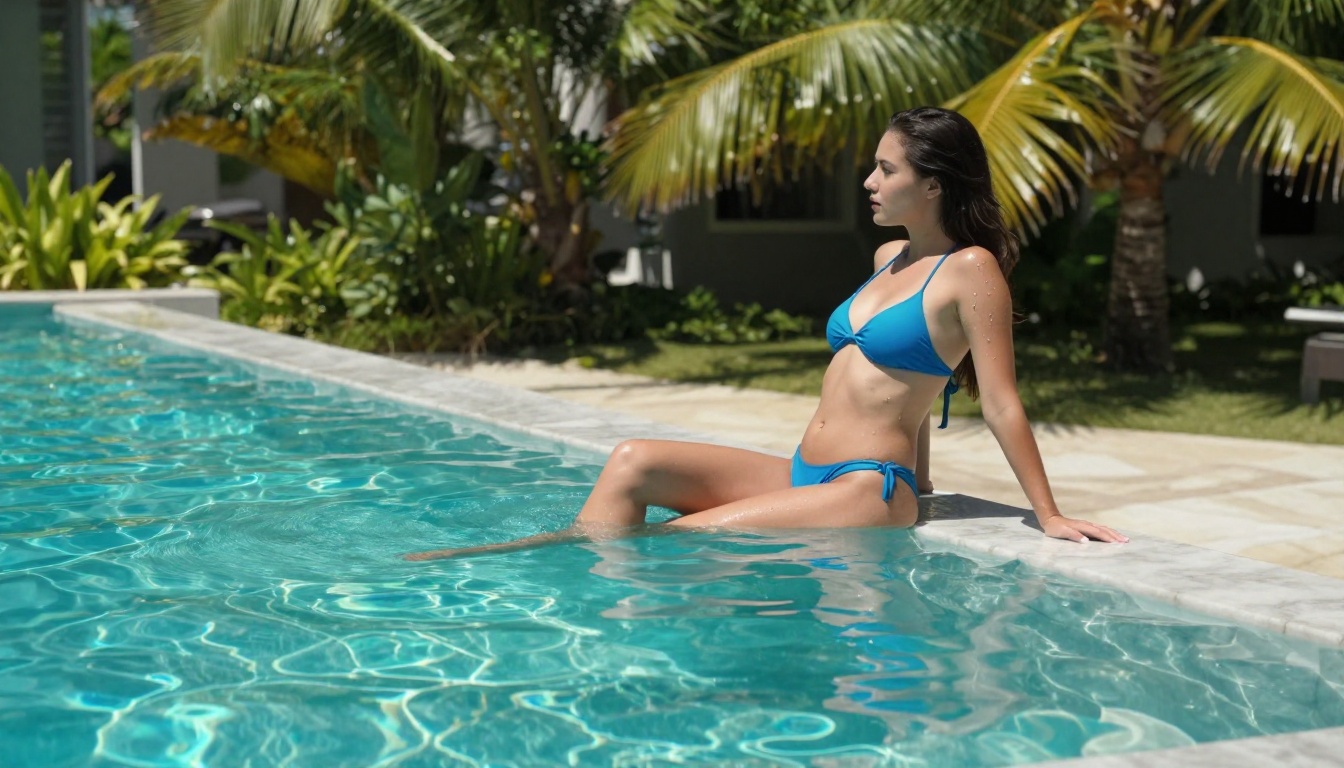
The gap between creators who have adopted AI image generation and those who haven't is widening quickly. Not because AI replaces the creative instinct or the personal connection that makes fan content valuable, but because it removes the physical and financial bottleneck that used to limit how much content a solo creator could produce.
The workflow is accessible. Start with Seedream 4.5 for your first batch. It accepts adult content and delivers photorealistic results in seconds. When volume becomes a priority, PicassoIA Image Editor Pro gives you unlimited generations within your subscription, so scaling up doesn't mean spending more.
Both models, and the full catalog of unrestricted AI image generators, are available at picassoia.com/en/all-models. The free trial for PicassoIA Image Editor Pro requires no credit card, which means you can test it with real content before committing to a plan.
The creators who will look back in a year and feel they made the right call are the ones who started building their AI workflow now, not later.


