Something shifted in early 2024. Photos started flooding social feeds that looked impossible at first glance: real people, rendered as polished action figures, sealed inside retail toy packaging as if they had just shipped from a factory floor. No expensive photography studio. No weeks of 3D modeling software. Just a text prompt, the right AI image generator, and suddenly anyone could see themselves as a collectible miniature figure.
That is how AI figurines went from a niche internet experiment to a worldwide obsession in a matter of weeks, and the momentum has not slowed down since.
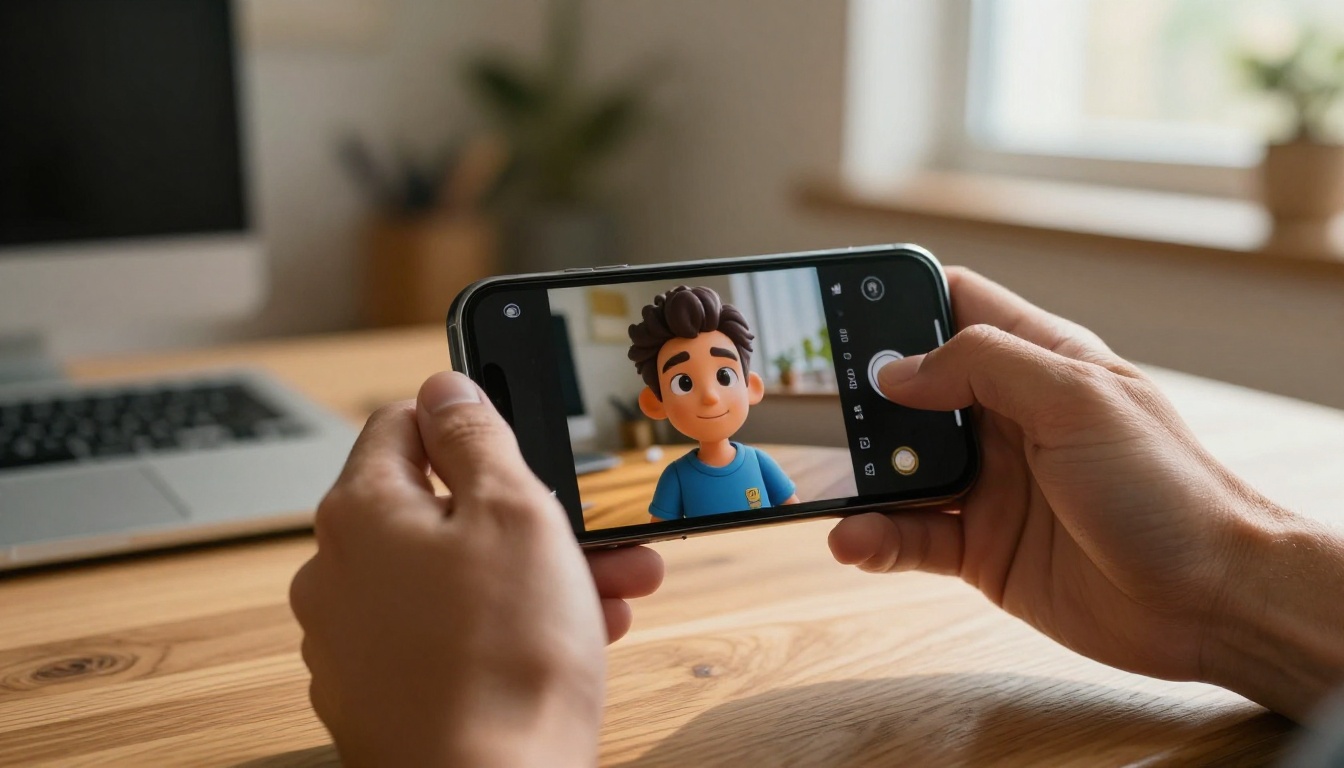
The Moment It Went Viral
From a Single Post to Millions of Shares
No single person "invented" the AI figurine trend, but its spread follows a familiar pattern. A handful of creators discovered that modern text-to-image models could produce uncanny, photorealistic toy-packaging images when prompted correctly. Those images landed on TikTok and Instagram and generated massive engagement because they hit something primal: people love seeing themselves reimagined as something collectible.
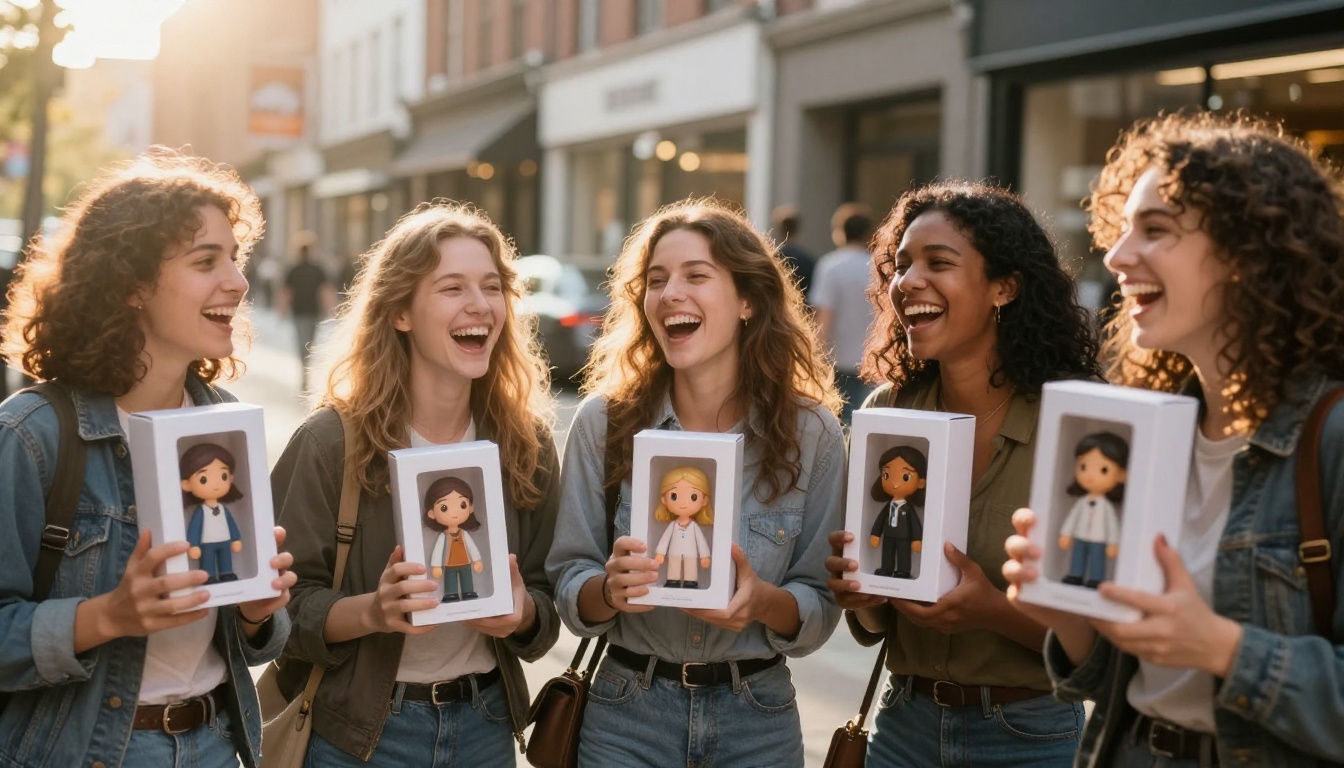
The posts spread because the premise was instantly clear. You look at the image and you get it immediately. The person is in a blister pack. They have accessories. There is a logo. The whole visual language of retail toy design, which billions of people grew up recognizing, is perfectly replicated by the AI, but the face staring back is someone you actually know.
💡 The viral hook: AI figurine images work because they combine two irresistible things: hyper-personalization and nostalgic toy aesthetics. Every person who sees one immediately imagines their own version.
The Numbers Behind the Craze
By mid-2024, searches for terms like "AI action figure generator," "turn yourself into a toy," and "miniature self portrait AI" had spiked by hundreds of percentage points across every major platform. The hashtag variations accumulated billions of views. Reddit threads catalogued the best prompts. Discord servers formed specifically around refining the technique.
What made the numbers unusual was the demographic range. Unlike many AI art trends that stay within tech-savvy communities, AI figurines crossed into mainstream audiences. Parents made figurines of their children. Couples created matching sets. Companies commissioned versions of their teams for internal gifts. The use cases kept multiplying.
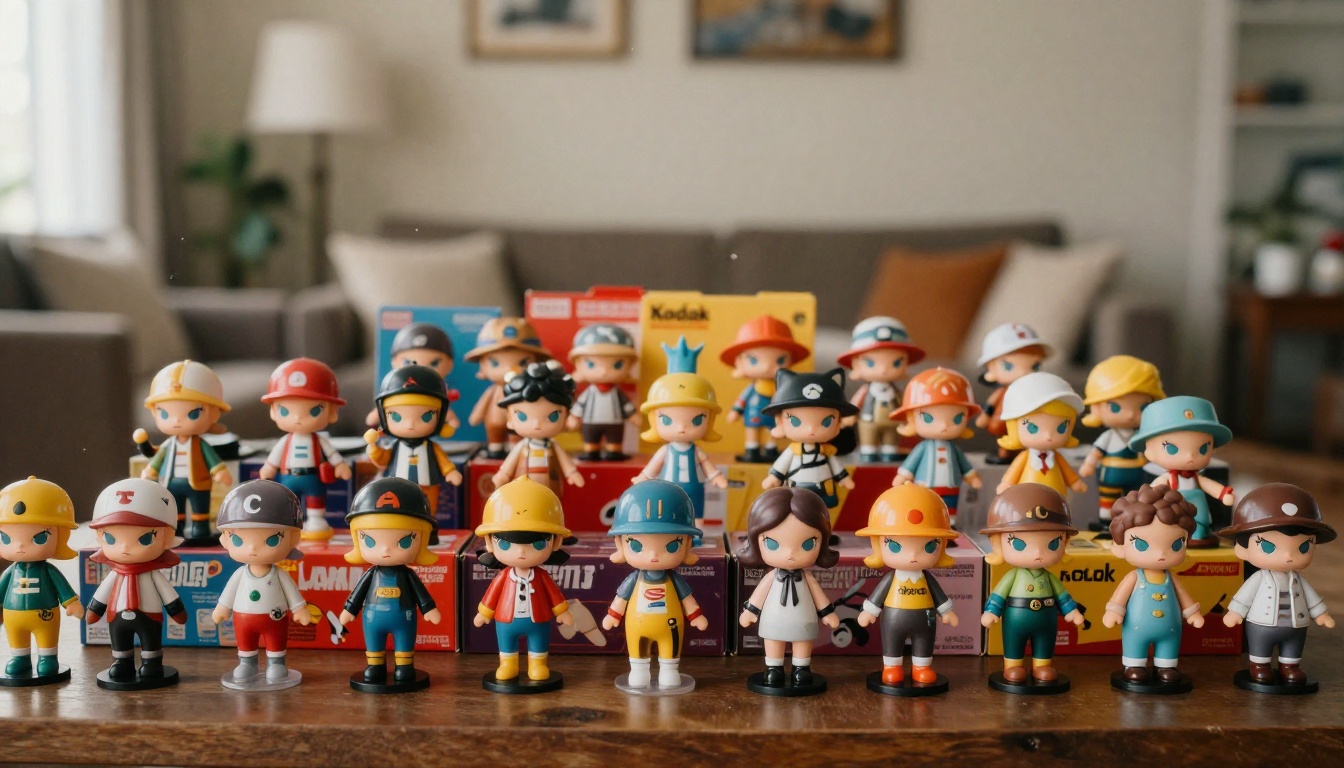
What Makes an AI Figurine
It's Not CGI, It's Photorealism
The defining quality of a great AI figurine image is that it does not look like a render. It looks like a photograph of a real physical object. The plastic has a slight sheen. The cardboard backing shows subtle texture. The blister bubble catches a specular highlight. When done well, you cannot immediately tell whether you are looking at a real product or a generated image.
This is a significant leap from where text-to-image models were even two years ago. Early attempts at toy-style images were obviously artificial: too clean, too symmetrical, missing the tiny imperfections that make physical objects believable. The new generation of models handles material properties and lighting physics in ways that produce that crucial "is this real?" effect.
The key physical details that make a figurine image convincing:
- Blister pack plastic: semi-transparent with distortion and reflection
- Cardboard backing: visible grain, slight color bleed at edges
- Figurine surface: skin-like matte texture with painted detail
- Packaging typography: clean but slightly off-register, like real mass production
- Shadows and depth: proper contact shadow where figure meets backing card
The Prompt That Changes Everything
The prompt structure for AI figurines is specific. Vague prompts produce generic results. The images that go viral are built on prompts that describe every layer of the physical object, from the material properties of the plastic to the direction of the studio lighting to the camera lens being used.
A strong AI figurine prompt typically includes:
- The subject (person, character, profession, or theme)
- The packaging style (retail blister pack, collector's box, gift edition)
- Accessories included in the pack (matching the subject's personality)
- The lighting conditions (studio three-point, window light, golden hour)
- Camera lens and angle (85mm f/2.0 for slight compression, low angle)
- Film stock or grain reference (Kodak Portra 400 for warmth and realism)
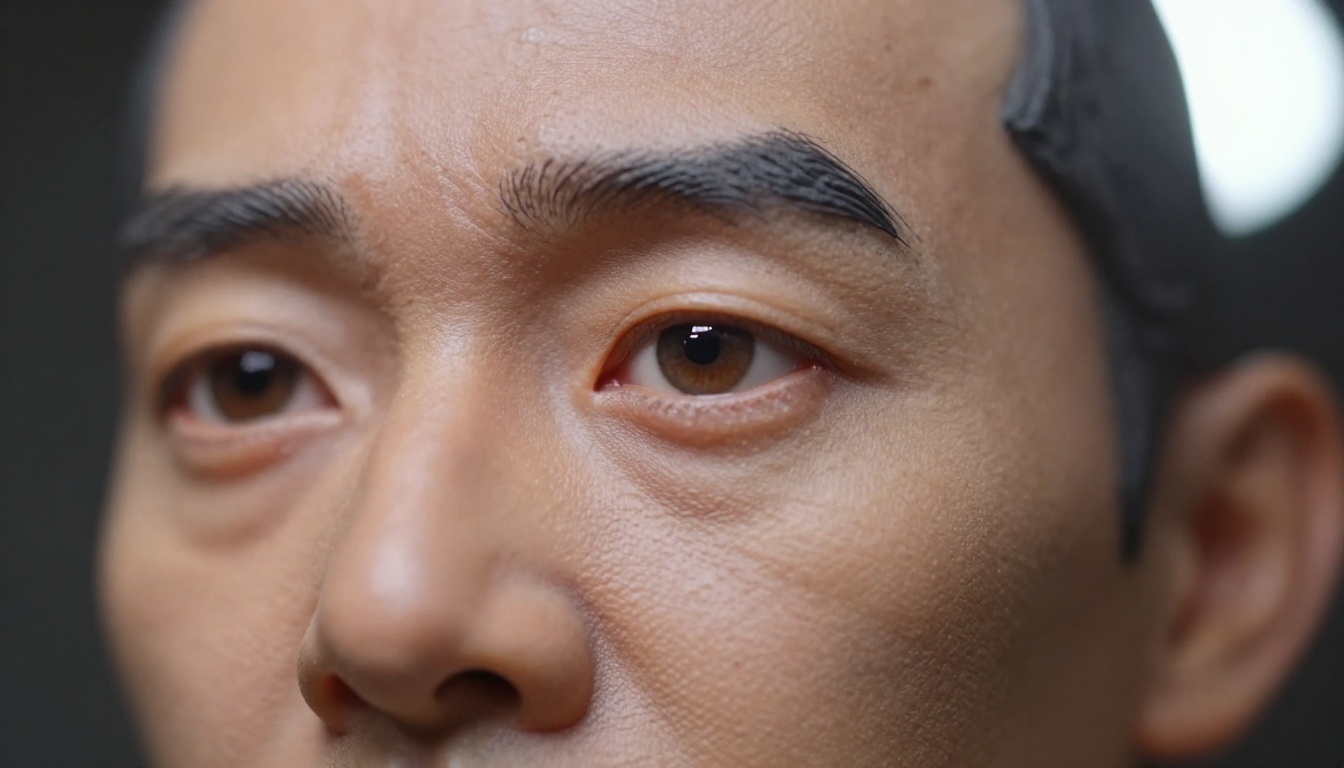
💡 Pro tip: Describe the figurine as if you are writing product photography directions for a real photographer. The more the model understands the physical scene, the more photorealistic the output becomes.
The Models Powering This Trend
Flux and the Figurine Formula
The Flux Schnell LoRA model from Black Forest Labs became one of the early favorites for figurine creation because of its speed and its strong handling of product photography aesthetics. Flux models have a particular ability to render surface materials with precision: plastic, cardboard, glass, and fabric all behave distinctly rather than blurring into a generic "AI texture."
Flux Fast (available on PicassoIA) takes this further by delivering results in seconds, which matters enormously when you are iterating on a prompt to get the packaging design exactly right. Speed means you can test ten variations in the time it used to take to generate one.
For users who want to edit an existing photo into a figurine composition, Flux Kontext Fast allows you to place a real portrait directly into a toy packaging context, preserving facial likeness while building the surrounding physical environment from scratch.
GPT Image 2 Takes It Further
GPT Image 2 from OpenAI represents a different approach. Where Flux models excel at speed and material rendering, GPT Image 2 shines at following complex, multi-part instructions with precision. When your prompt asks for specific packaging text, a particular accessory layout, or a detailed background scene, GPT Image 2 tends to produce outputs that honor every element of the description.
GPT Image 1 remains an excellent option for users who want consistent, high-quality results without tweaking parameters heavily. The two models together cover the full spectrum from quick experimentation to final production-ready images.
For collectors and creators who want their figurine to maintain a consistent character appearance across multiple images, Ideogram Character is built specifically for that purpose, keeping facial features and outfit details stable across generations.

Recraft and Seedream for Premium Output
When image quality needs to reach print-ready resolution, Recraft 20B and Seedream 4.5 both deliver outputs that hold up under extreme zoom. This matters if you are producing AI figurine images for merchandise, large prints, or professional presentations rather than purely for social sharing.
Stable Diffusion 3 offers a community-driven option with massive customization potential through LoRA fine-tuning, which is how some creators have built specialized figurine styles that feel distinct from anything else circulating online.
Why People Cannot Stop Sharing Them
The Psychology of Toy Nostalgia
There is a real psychological mechanism behind why AI figurines spread so effectively. Action figures and toy packaging are deeply embedded in childhood memory for billions of people across every culture that had access to retail toy markets during the 1980s, 1990s, and 2000s. The visual language, a figure in a blister pack with a cardboard backing, a logo, accessories listed on the side, triggers an immediate recognition response.
When you place a real person inside that framework, you create something that feels simultaneously familiar and surprising. The brain processes it as nostalgic (this is a toy) and personal (that is someone I know) at the same time. That collision of feelings is what drives the compulsion to share.
💡 Why it keeps working: The trend does not get old because every new figurine image is about someone specific. The novelty is always refreshed by the personalization.
Gifts That Stop the Scroll
Beyond social sharing, AI figurines have established themselves as a genuinely useful gift format. Unlike generic personalized gifts, a well-made AI figurine image communicates that the person who created it put real thought into the subject's identity: their profession, their hobbies, their style, their personality traits all reflected in the accessories and packaging copy.
The gift use case has driven sustained demand well past the initial viral peak. People who discovered the trend through a viral post and created one as a novelty have returned months later specifically to make figurine images as birthday gifts, farewell presents, or team recognition pieces.
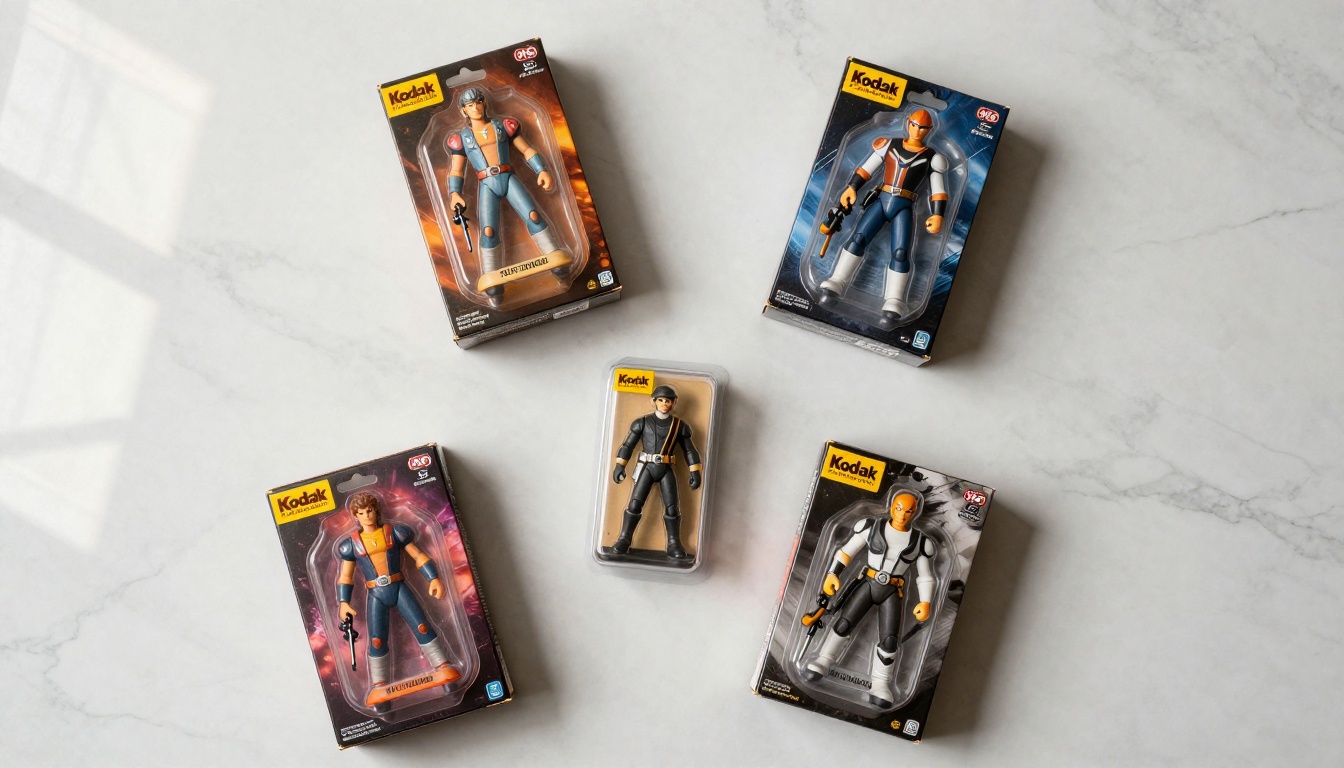
How to Make Your Own AI Figurine
Choosing the Right Model
The model you choose shapes the final result more than any other single decision. Here is how to pick:
- You want speed and iteration: start with Flux Fast and run many variations of your prompt before committing to a final composition
- You have a specific portrait to transform: use Flux Kontext Fast, which accepts an input image and builds the figurine context around it
- You need the highest fidelity output: move to GPT Image 2 once your prompt is refined, for the cleanest final result
- You want a consistent character across multiple images: Ideogram Character maintains character consistency across multiple generated scenes
Writing the Perfect Prompt
The structure that produces the most reliable results follows this pattern:
Step 1: Define the subject and packaging type
Start with who the figurine represents and how they are packaged. Be specific about the packaging format (blister pack, collector's box, gift tin) and include relevant accessories that reflect the person's personality or profession.
Example: "A photorealistic retail blister pack containing a miniature figurine of a female chef, accessories include a tiny whisk, miniature cookbook, and small herb bundle, figurine dressed in white chef's coat with visible fabric texture"
Step 2: Set the lighting and camera
Specify a lighting scenario that suits product photography. Studio three-point lighting is reliable. Golden hour window light creates warmth. Always name a specific camera lens and aperture.
Example: "Studio three-point lighting with warm key light from upper left, 85mm f/2.0 lens, slight depth of field blurring the background shelf"
Step 3: Add material and texture details
Describe the physical materials explicitly. The model needs to know what the plastic looks like, how the cardboard feels, and what imperfections make the image believable.
Example: "Clear blister plastic with slight surface distortion and specular highlight at the top edge, cardboard backing with visible grain and slight color saturation at edges, Kodak Portra 400 film grain throughout"
Step 4: Append quality and style tags
Example: "photorealistic 8K, no digital art, no CGI, RAW photography style --ar 16:9 --style raw"
Tips for Stunning Results
The difference between a good AI figurine and a great one comes down to specificity in the details that most people overlook:
- Name the accessories precisely: "tiny laptop" beats "computer accessory." The more specific the noun, the more accurately the model renders it
- Describe what is printed on the packaging: mention a product line name, edition number, or rating badge. This adds authenticity that generic prompts miss
- Reference real toy brands' aesthetic without naming them: describe "a 1990s American action figure retail package with bold primary color headers and product feature callouts on the side panel"
- Use Portrait Series for multi-angle figurine collections: this model generates consistent character representations across multiple shots, perfect for a collector's set
- Upscale your final image: after generating your figurine, use a super-resolution model to bring fine details to print quality
💡 Quick win: Adding "photographed by a product photographer for a toy company's 2023 catalog" to your prompt signals the model to treat the output as professional product photography, not a casual snapshot.
AI Figurines Across Cultures
Japan's Obsession With Miniature Culture
The AI figurine trend arrived in Japan with particular force because it mapped directly onto existing cultural infrastructure. Japan has decades of deep consumer engagement with gashapon (capsule toys), nendoroid collectibles, and chibi character figures. The aesthetic vocabulary of miniature collectibles is not a novelty there; it is a well-established part of everyday consumer life.
Japanese creators adapted the AI figurine format rapidly, applying it to anime-style aesthetics and traditional character archetypes, producing images that blended Western toy packaging conventions with distinctly Japanese visual sensibilities. The cross-cultural hybrids that resulted went viral in both directions, spreading back into Western markets with a visual freshness that extended the trend's life.
Western Collectors and Custom Figures
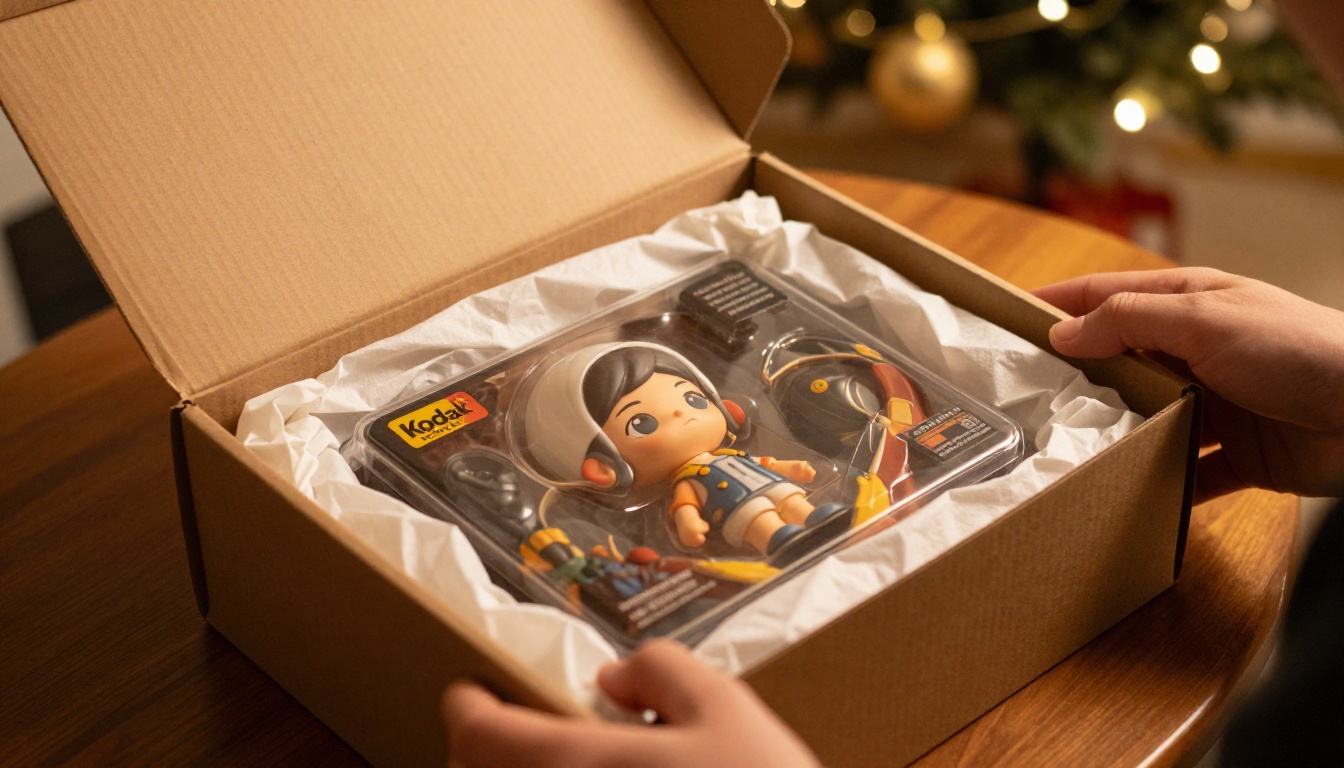
In Western markets, the AI figurine trend intersected with an already thriving custom action figure community. Collectors who had been buying blank body figures and hand-painting custom designs saw AI-generated packaging art as a natural extension of their hobby. The ability to generate photorealistic packaging mock-ups for entirely original character concepts, without the cost of a professional designer or photographer, changed what was possible at the hobbyist level.
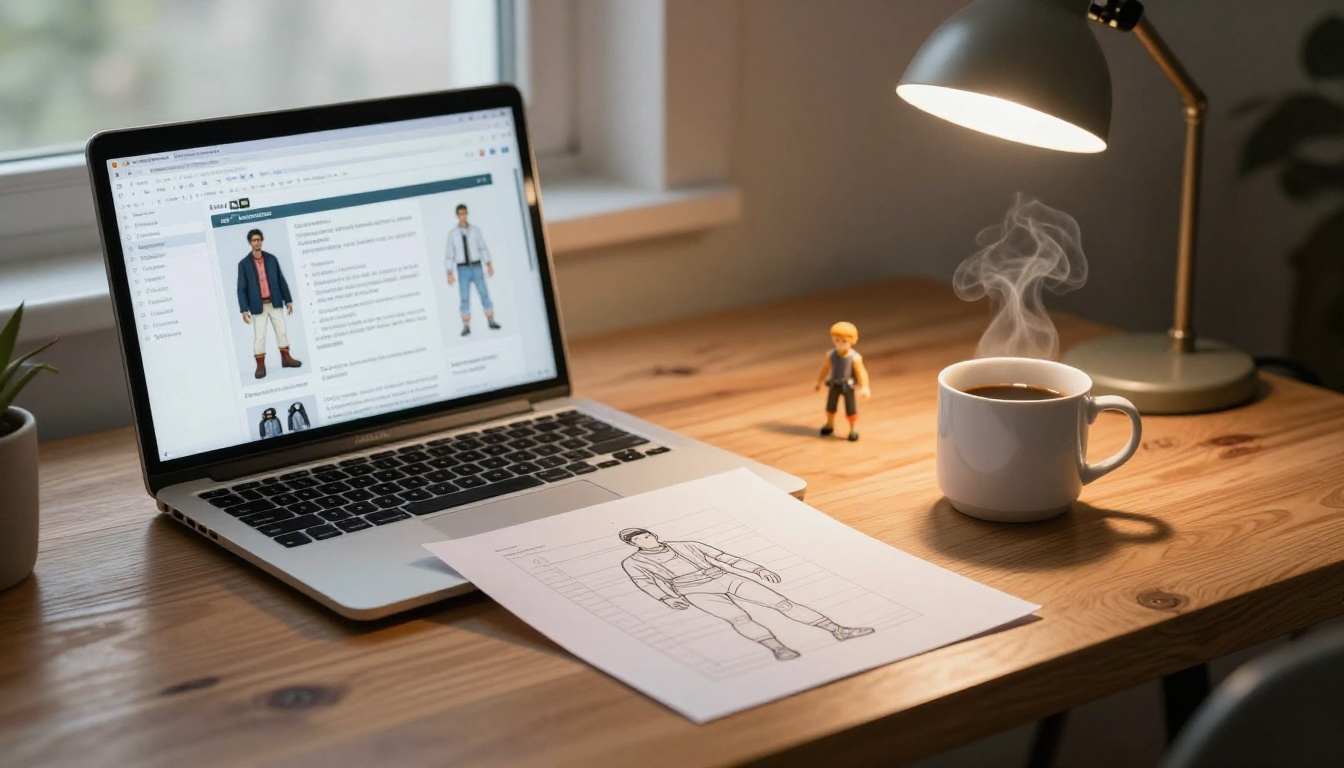
For professional toy designers, AI figurine generation has become a legitimate prototyping tool. Generating a dozen packaging concepts in an afternoon costs a fraction of commissioning renders, and clients can react to something that looks finished rather than sketching from imagination.
The Business That Grew Around It
From Personal Fun to Side Income
Within months of the trend taking hold, a cottage industry appeared. Creators on platforms like Etsy and Gumroad began selling AI figurine services: pay a fee, submit your photos and a description of your personality or profession, receive a high-resolution AI figurine image you could print, frame, or share. Some sellers were doing hundreds of orders per week at the trend's peak.
The business model works because most people who want a figurine image do not want to learn prompt engineering. They want the result. Skilled prompt engineers with access to the right models and a strong sense of composition can produce images that the average person simply cannot replicate without significant practice.
The Role of Text-to-Image Platforms
The availability of these models through accessible platforms has been central to the trend's durability. When creating an AI figurine required a local GPU setup and command-line tools, adoption stayed limited. Once the same capability became available through browser-based interfaces with no technical setup required, the audience expanded by orders of magnitude.
Platforms that offer a diverse library of text-to-image models in one place give creators the ability to compare outputs across models quickly, which is exactly the workflow that produces the best results. Recraft 20B might excel at one aspect of the composition while Seedream 4.5 handles another better. The ability to switch without friction matters.
Where the Trend Is Heading
Physical Products Enter the Picture
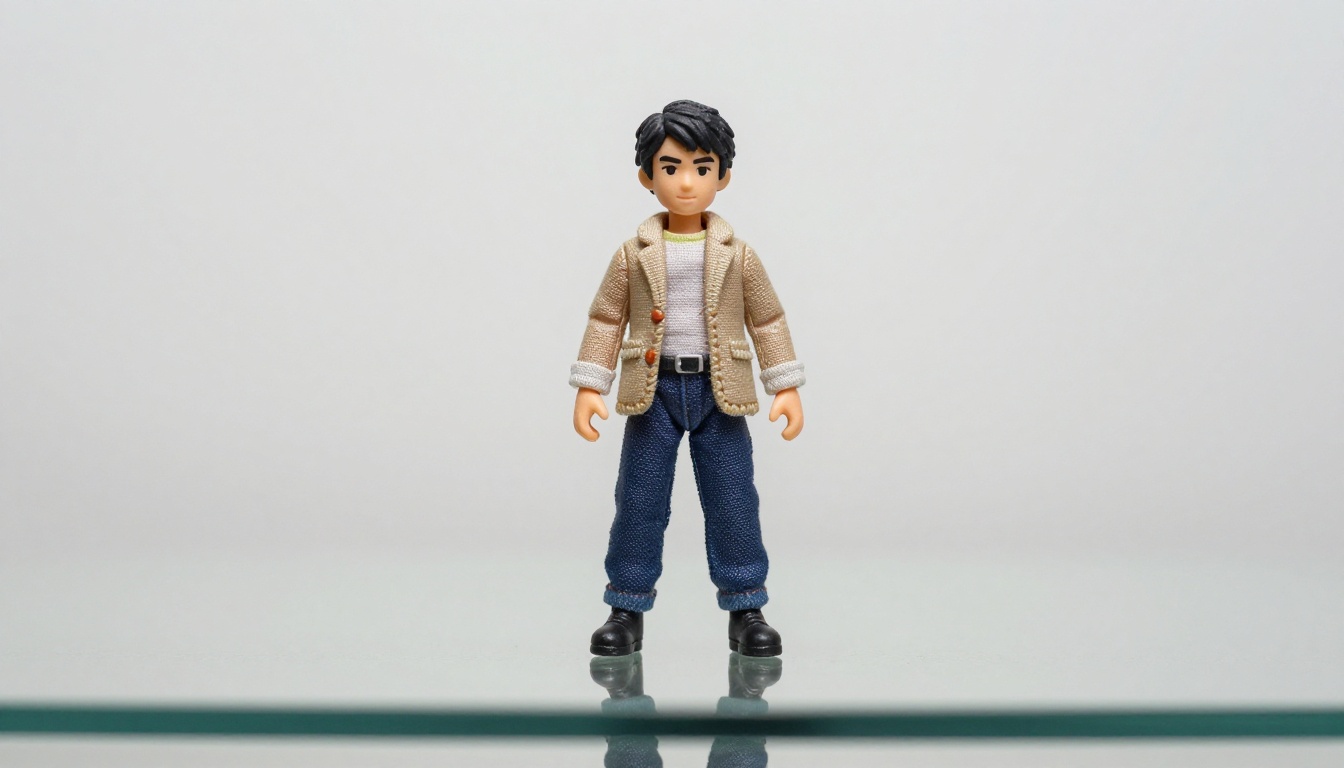
The next evolution already underway is the move from digital image to physical object. Services that print custom action figures using high-resolution 3D printing have started partnering with AI generation workflows, creating a pipeline where you generate the image, approve the design, and receive a physical figurine in the mail. The AI generates the concept and the packaging artwork; manufacturing handles the rest.
This physical product layer changes the economics entirely. A shareable image is free to produce and costs nothing to deliver. A physical figure has real production costs but also a real emotional weight that a digital file cannot replicate. Both markets are growing simultaneously.
AI Figurines as a Creative Format
What the trend has established, beyond its immediate viral moment, is a durable creative format. Like portrait photography, or wedding photography, or product photography, the AI figurine image now occupies a recognizable slot in the visual culture vocabulary. People know what it is, they know why it is appealing, and they have a mental model for what a good one looks like versus a mediocre one.
That is the mark of a format that persists. The specific models used will keep improving. The prompts will keep getting more refined. The accessible platforms will keep expanding the audience. But the core creative act, taking a person's identity and rendering it as a photorealistic collectible miniature, is not going away.
Try It Yourself on PicassoIA
The best way to understand what makes AI figurines work is to make one. PicassoIA gives you direct access to every model discussed in this article without any setup required. Flux Fast is the ideal starting point for your first attempt: type a detailed description of the person you want to figurinize, follow the prompt structure above, and generate. Then iterate.
If you already have a portrait photo you want to transform, load it into Flux Kontext Fast and describe the packaging scenario around the face. The model builds the figurine world while keeping the likeness intact.
When you have a prompt you are happy with and want the sharpest possible final output, switch to GPT Image 2 for the full-resolution render. The jump in quality at that final stage is consistently dramatic.
Over 90 text-to-image models are available on the platform, meaning you can experiment across different aesthetic sensibilities until the result looks exactly the way you want it to. That range is what makes the difference between a good figurine image and one that stops the scroll.
Start with who you want to immortalize as a collectible. The rest is just a matter of describing it well.


