The landscape of AI image generation underwent fundamental changes in 2026 that transformed what was possible with synthetic imagery. What began as experimental technology in previous years matured into production-ready systems capable of professional-grade output. The evolution wasn't incremental—it was architectural, touching every layer from training methodologies to real-time inference.
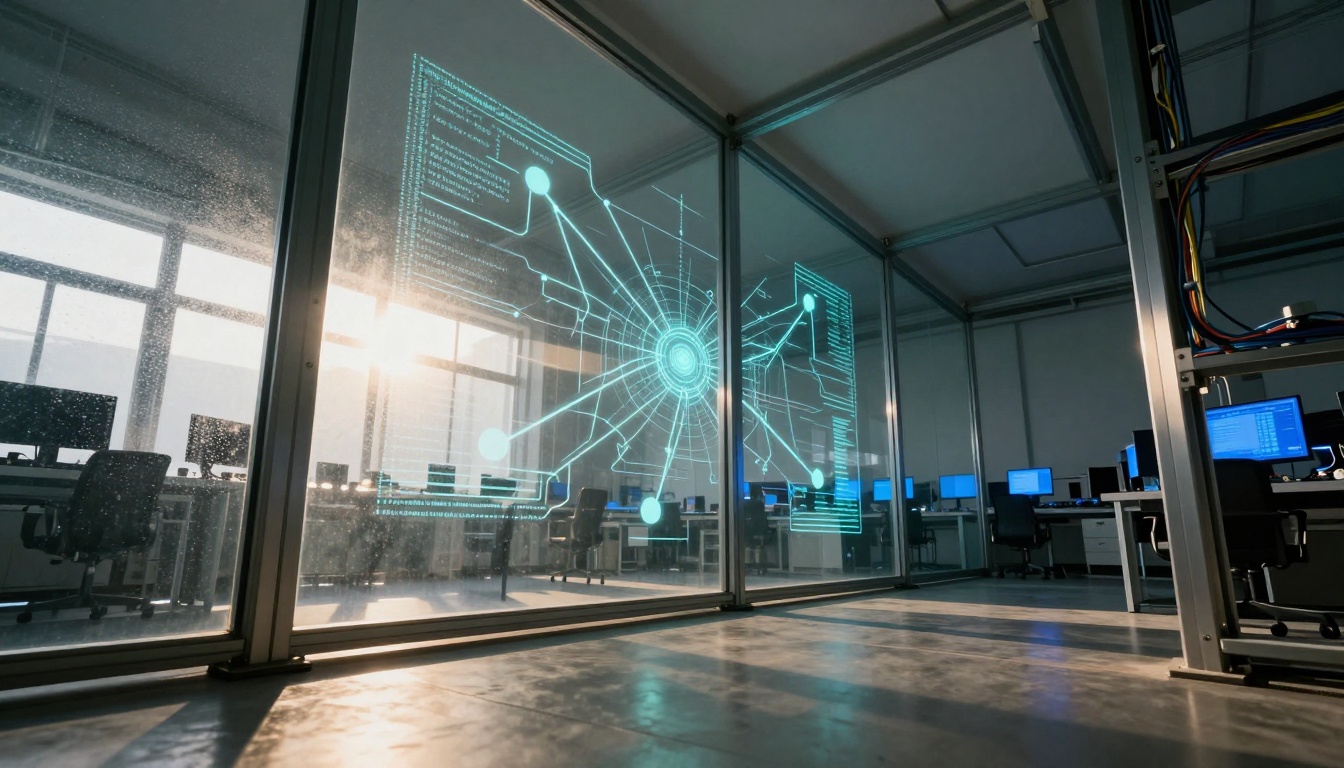
The visualization shows advanced neural network architectures that emerged in 2026, with interconnected nodes representing optimized latent space mappings
From Diffusion to Direct Synthesis
The most significant architectural shift involved moving away from pure diffusion models toward hybrid approaches. While Flux models maintained their dominance in certain applications, newer architectures like Qwen Image 2512 introduced direct synthesis pathways that reduced generation time by 40-60% while maintaining quality.
The Architecture Shift That Mattered
Three key changes defined 2026's technical evolution:
- Multi-stage pipelines replaced single-model approaches, with specialized networks handling different generation phases
- Memory optimization through sparse attention mechanisms reduced VRAM requirements by 30%
- Parallel processing enabled simultaneous generation of image components rather than sequential diffusion
💡 Technical Insight: The move from 50-100 step diffusion processes to 10-15 step hybrid models wasn't just about speed—it fundamentally changed how artifacts and inconsistencies were handled during generation.
Resolution Wars: 8K Becomes Standard
Where 4K was considered high-end in 2025, 2026 saw 8K output become the expected baseline for professional applications. This wasn't simply upscaling—native 8K generation became feasible through architectural optimizations.
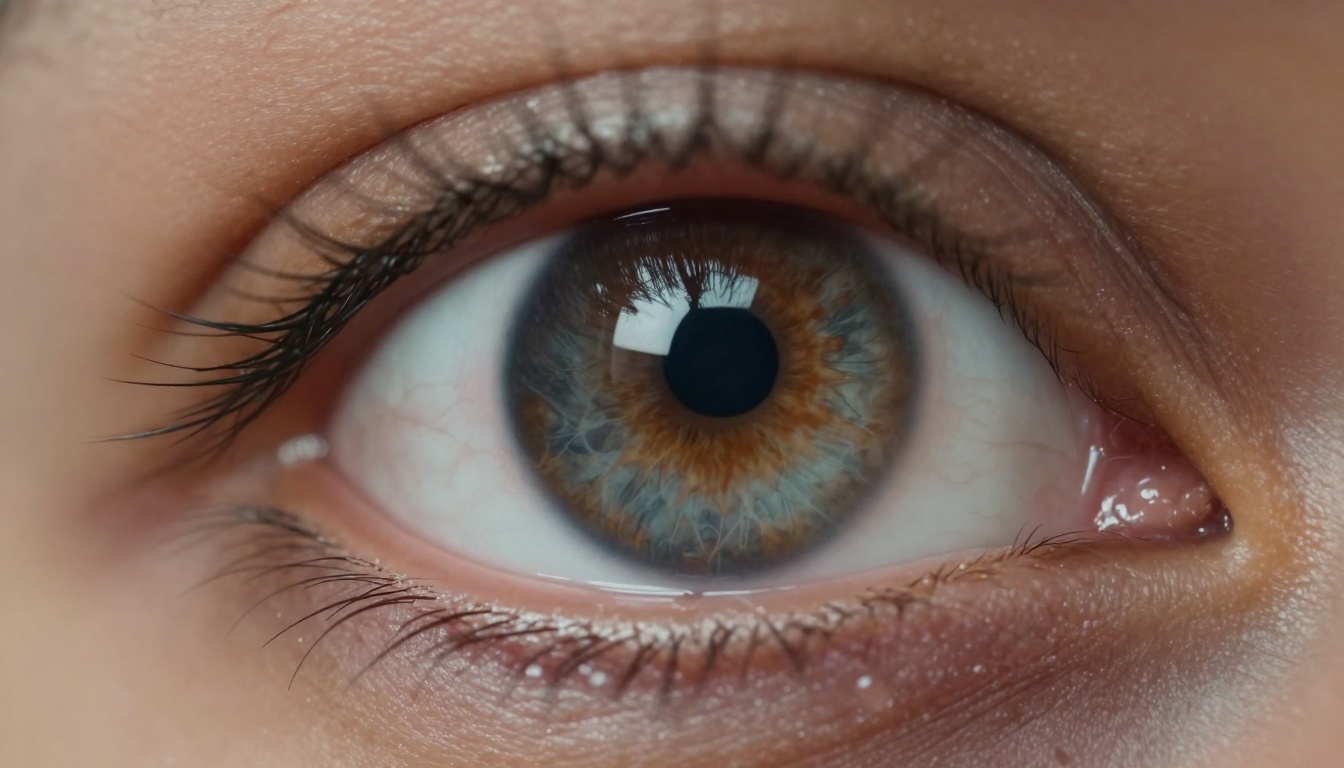
Extreme close-up showing the photorealism achievable in 2026, with perfect iris details, moisture layers, and microscopic skin texture
How Memory Optimization Enabled Higher Output
Memory consumption comparison (2025 vs 2026):
| Aspect | 2025 Requirements | 2026 Requirements | Improvement |
|---|
| 4K Generation | 12-16GB VRAM | 6-8GB VRAM | 50% reduction |
| 8K Native | Not feasible | 12-16GB VRAM | New capability |
| Batch Processing | Limited to 2-4 images | 8-16 images simultaneously | 300% increase |
| Inference Speed | 15-30 seconds | 3-8 seconds | 75% faster |
Critical optimizations included:
- Tile-based processing that handled large images in manageable chunks
- Selective attention focusing computational resources only where needed
- Memory pooling that reused buffers between generation stages
The Photorealism Breakthrough
2026 marked the year where AI-generated images crossed the threshold from "convincing" to "indistinguishable from photography" for many applications. This wasn't just about higher resolution—it involved fundamental improvements in material understanding.
Texture Mapping and Material Accuracy
The breakthrough came from several intersecting advancements:
Material property modeling improved dramatically, with systems understanding:
- Subsurface scattering for realistic skin, wax, and translucent materials
- Anisotropic reflections on brushed metals and woven fabrics
- Micro-surface detail including pores, fabric weave patterns, and microscopic imperfections
- Environmental interaction where materials correctly responded to lighting conditions
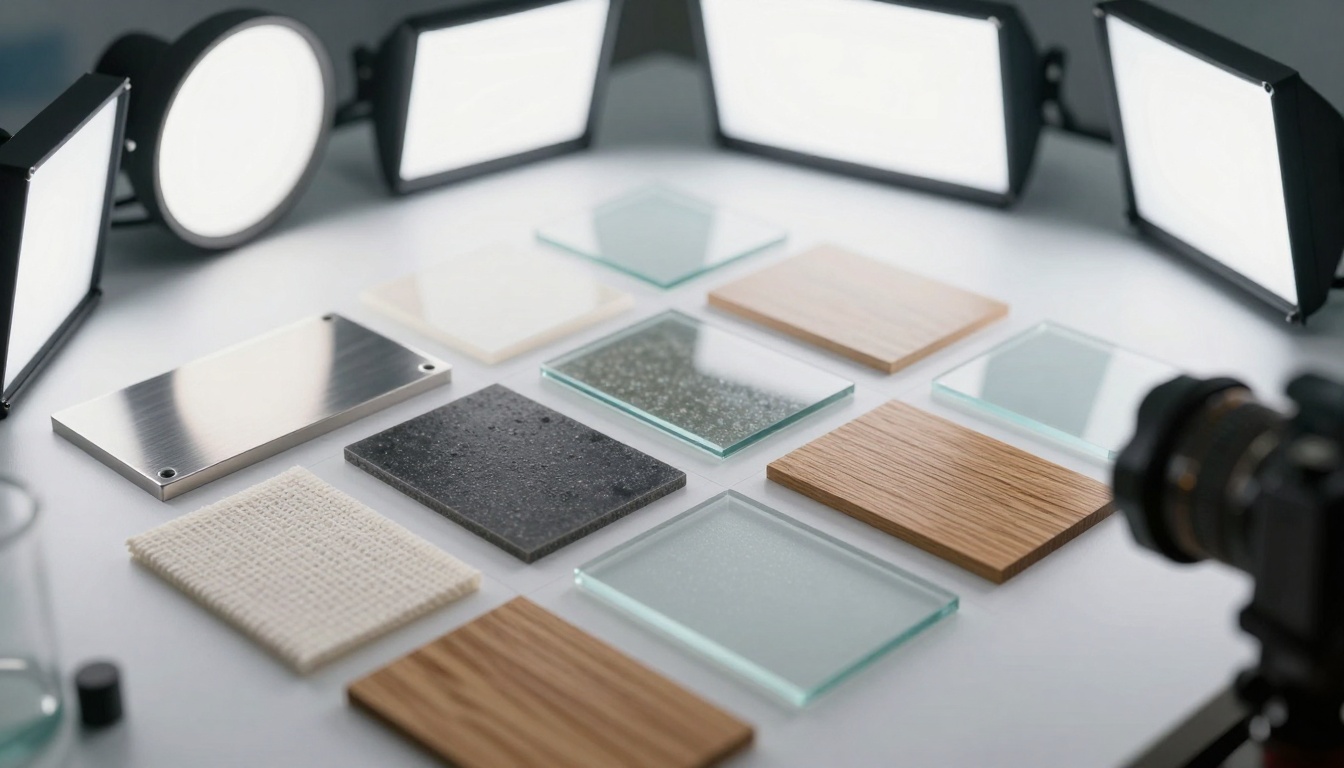
Laboratory testing of material rendering capabilities showing accurate representation of various surface types including metal, fabric, wood, and glass
Models like GPT Image 1.5 and Flux 2 Pro incorporated physical-based rendering principles directly into their training, moving beyond pattern matching to actual material simulation.
Speed vs Quality Trade-off Ends
Previous years required choosing between fast generation or high quality. 2026 eliminated this dichotomy through several technical innovations.
Real-Time Generation Without Compromises
The speed breakthrough came from three areas:
- Architectural pruning removed redundant network components without affecting output quality
- Quantization advances allowed 8-bit and 4-bit precision with minimal quality loss
- Hardware optimization specifically targeting new GPU architectures
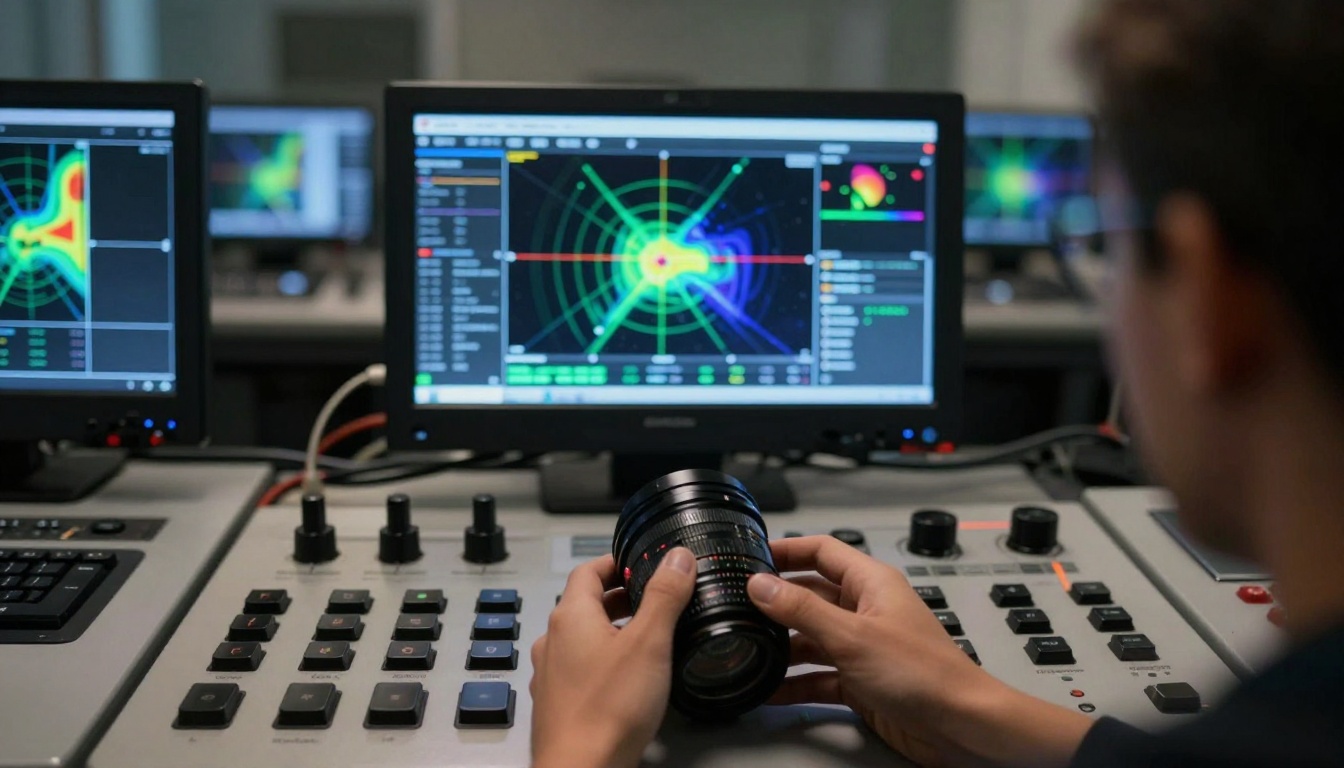
Control interface showing real-time parameter adjustments with live feedback on generation quality
Generation time benchmarks showed dramatic improvements:
- Simple prompts: 1-3 seconds (previously 10-15 seconds)
- Complex scenes: 5-8 seconds (previously 30-60 seconds)
- High-detail work: 10-15 seconds (previously 2-3 minutes)
💡 Workflow Impact: The elimination of the speed-quality tradeoff changed creative workflows dramatically. Designers could iterate rapidly without sacrificing final output quality, enabling experimentation that wasn't previously feasible.
Training Data Revolution
The quality of training data became recognized as equally important as model architecture in 2026. Curated datasets replaced the "more is better" approach of previous years.
Curated Datasets and Synthetic Training
Key dataset improvements included:
- Quality filtering that removed low-resolution and artifact-heavy images
- Metadata enrichment with precise material, lighting, and composition tags
- Synthetic training data generated specifically to fill knowledge gaps
- Diversity balancing ensuring representation across styles, subjects, and contexts
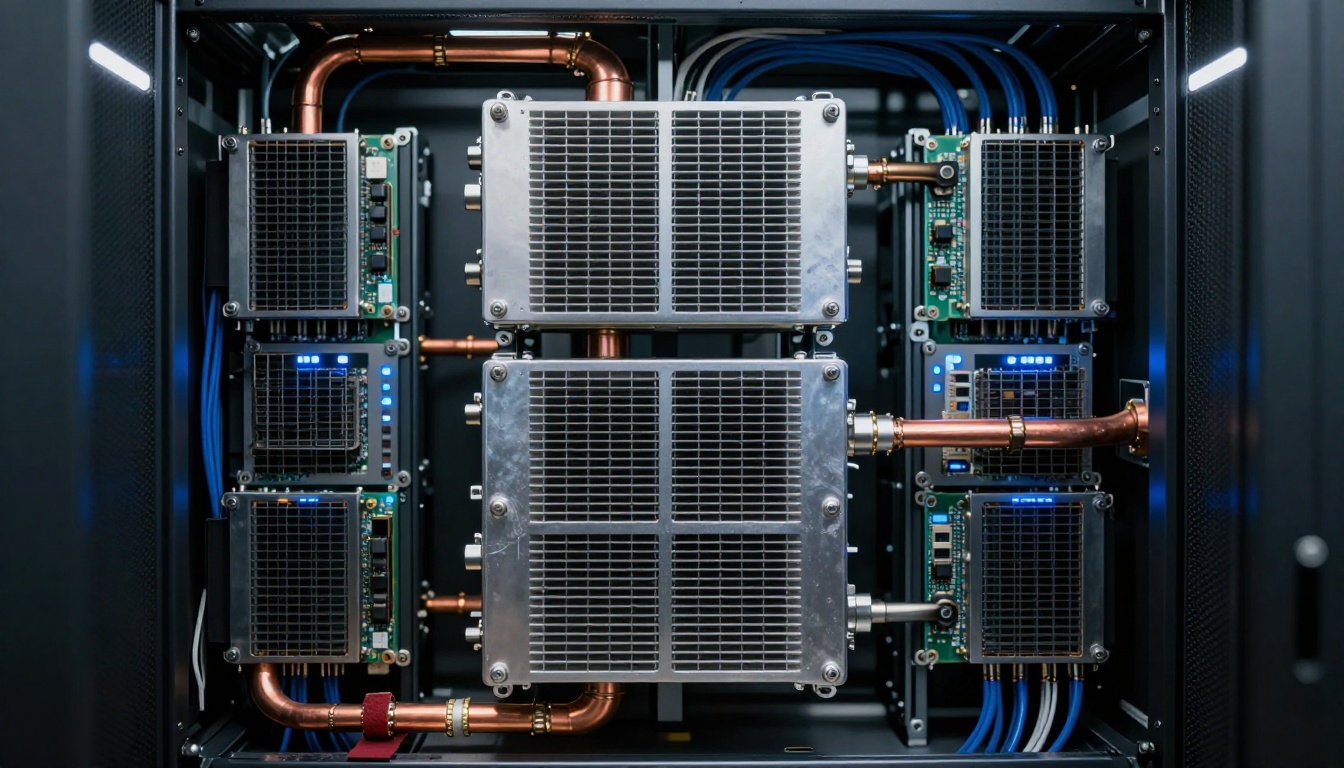
Advanced cooling systems and GPU clusters in data centers dedicated to AI image generation training
The impact on model performance was measurable:
| Training Aspect | 2025 Approach | 2026 Approach | Result |
|---|
| Dataset Size | 5-10 billion images | 1-2 billion curated images | Higher quality with less data |
| Training Time | 2-4 weeks | 5-10 days | Faster iteration cycles |
| Specialization | General models | Domain-specific fine-tuning | Better performance in target areas |
Prompt Engineering Evolution
The relationship between users and AI systems changed fundamentally in 2026. Where previously precise prompt engineering was required, systems became more intuitive and context-aware.
Contextual Understanding Improvements
Three major improvements in prompt handling:
- Intent recognition where systems understood the goal behind prompts, not just the literal words
- Context preservation maintaining consistency across related generations
- Automatic optimization suggesting improvements to prompts based on desired outcomes
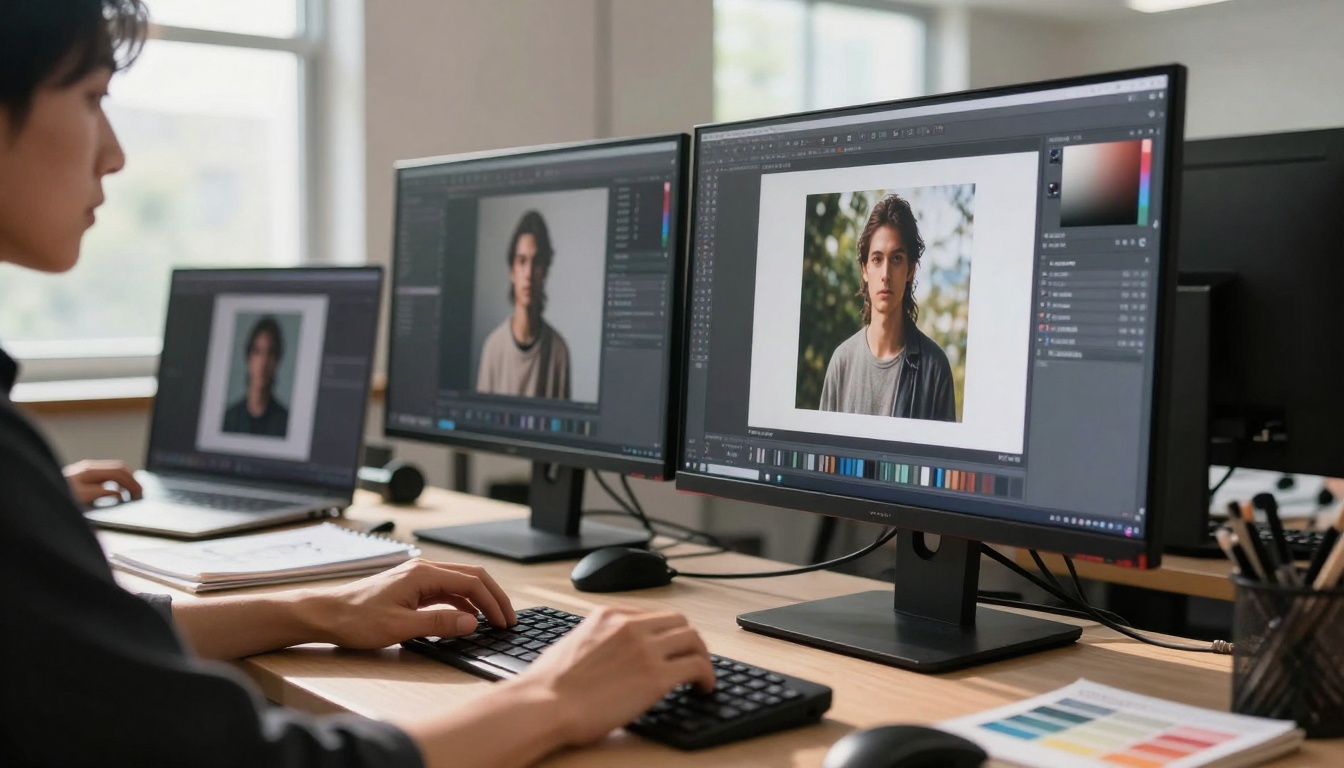
Designer working with AI image generation tools showing integrated workflow between human creativity and machine capability
Prompt effectiveness changed dramatically:
- Simple prompts produced better results than complex ones in many cases
- Natural language replaced technical jargon as the most effective approach
- Iterative refinement became more efficient with systems understanding modification intent
Models like P-Image and Z-Image Turbo implemented advanced natural language processing directly into their image generation pipelines, creating more intuitive interfaces.
Commercial Implementation Changes
The technical advancements of 2026 had direct commercial implications, changing how organizations implemented AI image generation.
Cost Reduction and Accessibility
Economic impact was significant:
| Cost Factor | 2025 Cost | 2026 Cost | Reduction |
|---|
| Cloud API Calls | $0.02-0.05 per image | $0.005-0.01 per image | 75-80% |
| Local Hardware | High-end GPU required | Mid-range GPU sufficient | 60% hardware cost reduction |
| Development Time | Weeks to integrate | Days to implement | 70% time savings |
| Maintenance | Constant optimization needed | Stable long-term operation | Reduced operational overhead |

Server farm showing distributed computing architecture enabling parallel image generation at scale
Implementation patterns shifted toward:
- Edge deployment where generation happened locally rather than cloud-only
- Hybrid approaches combining cloud scale with local responsiveness
- Specialized hardware optimized specifically for inference rather than training
The Path Forward
The evolution of AI image generation in 2026 established new baselines for what's technically feasible. The combination of architectural improvements, training methodology refinements, and commercial optimization created systems that were simultaneously more capable and more accessible.
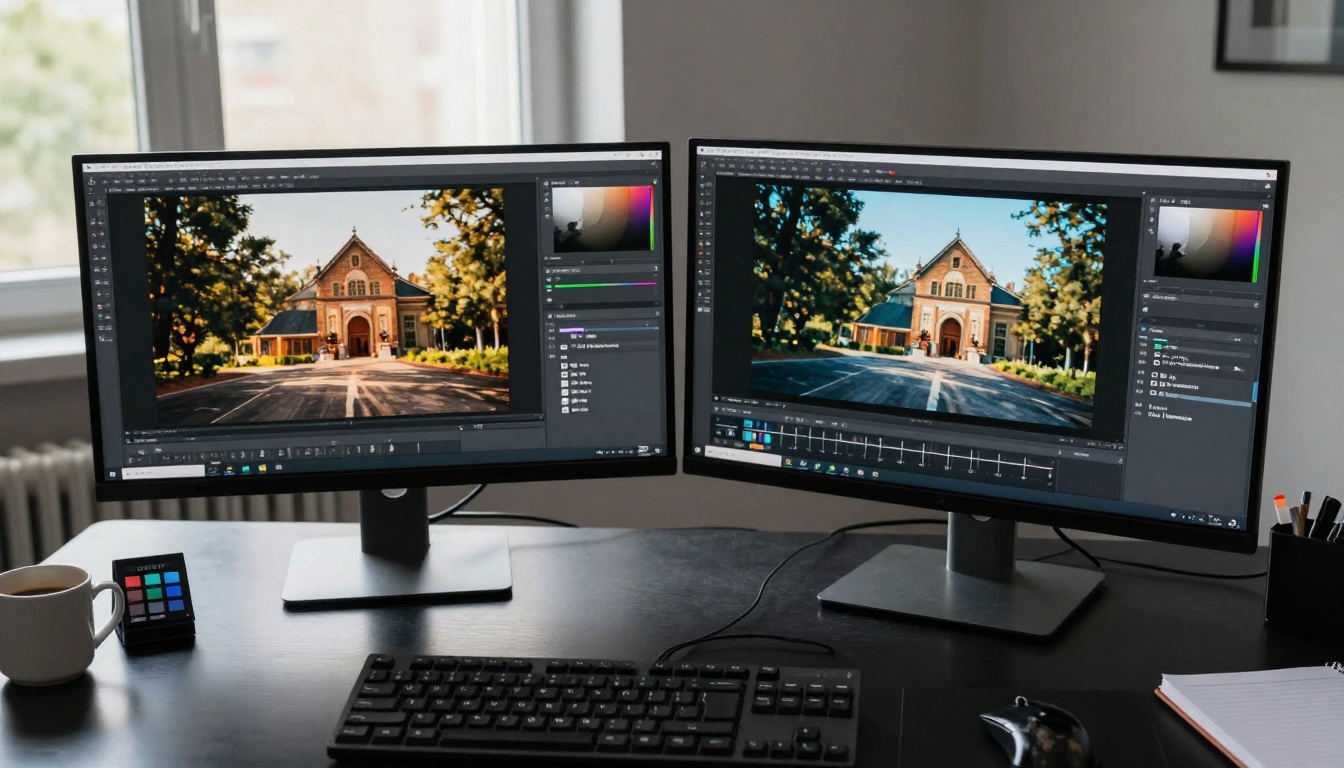
Side-by-side comparison showing the dramatic quality improvement from 2024 to 2026 across multiple image types
For those working with image generation, 2026 offered concrete improvements:
- Higher quality output with less technical expertise required
- Faster iteration cycles enabling more creative exploration
- Lower barriers to entry making professional-grade tools accessible
- Better integration with existing creative workflows and tools
Precision optical measurement equipment analyzing AI-generated image quality at pixel level with scientific accuracy
The technical foundation established in 2026 continues to influence development today. The architectural decisions, training methodologies, and optimization techniques developed during this period created systems that weren't just incrementally better—they were fundamentally different in capability and approach.
Try creating your own images with the latest models available on Picasso IA to experience firsthand how these technical advancements translate to practical creative work. The evolution from experimental technology to production-ready tool is now complete, with systems capable of supporting professional workflows across industries.


