Five years ago, creating professional-quality content required specialized skills, expensive software, and years of training. Today, artificial intelligence has dismantled those barriers, placing creative tools directly into the hands of everyone with an idea and an internet connection. This transformation isn't just about better tools—it's about who gets to create, what they can create, and how quickly they can bring ideas to life.
The shift began quietly with early text-to-image experiments but accelerated rapidly as models like Flux and Imagen 4 achieved photorealistic quality. What started as novelty has become a fundamental restructuring of creative workflows across industries, education levels, and geographic boundaries.
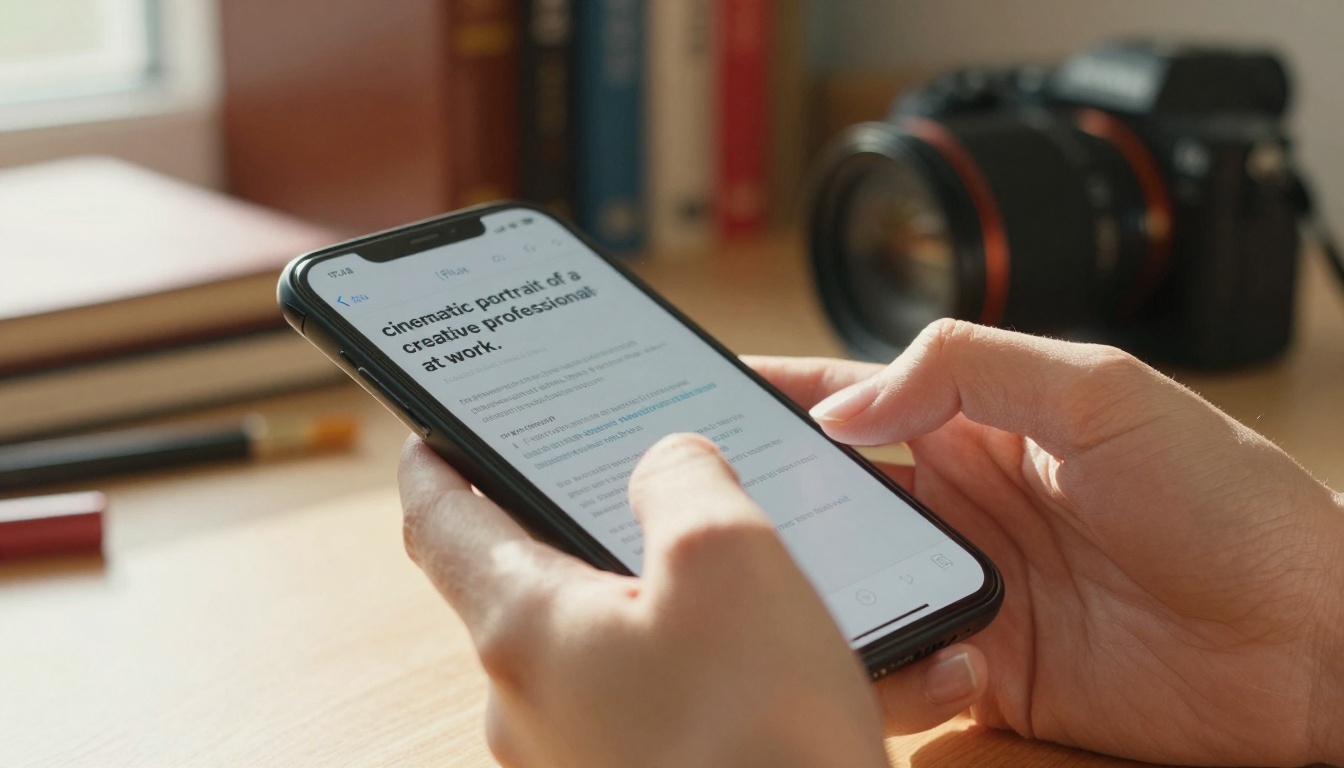
The accessibility revolution
💡 Accessibility isn't just about removing technical barriers—it's about creating entry points for people who never considered themselves "creative" before.
Traditional content creation demanded specific expertise: photographers needed lighting knowledge, graphic designers mastered color theory, videographers understood frame rates. Each specialty required dedicated training and expensive equipment. AI changes this equation by focusing on ideas rather than execution.
Consider these accessibility shifts:
| Traditional Barrier | AI Solution | Impact |
|---|
| Photography equipment costs | P-Image generates product shots | Small businesses save thousands |
| Graphic design software complexity | Ideogram v3 Quality creates logos | Entrepreneurs launch brands faster |
| Video production expertise | Veo 3.1 generates promotional content | Local shops compete with chains |
| Writing skills requirement | Gemini 2.5 Flash assists with copy | Non-writers create effective content |
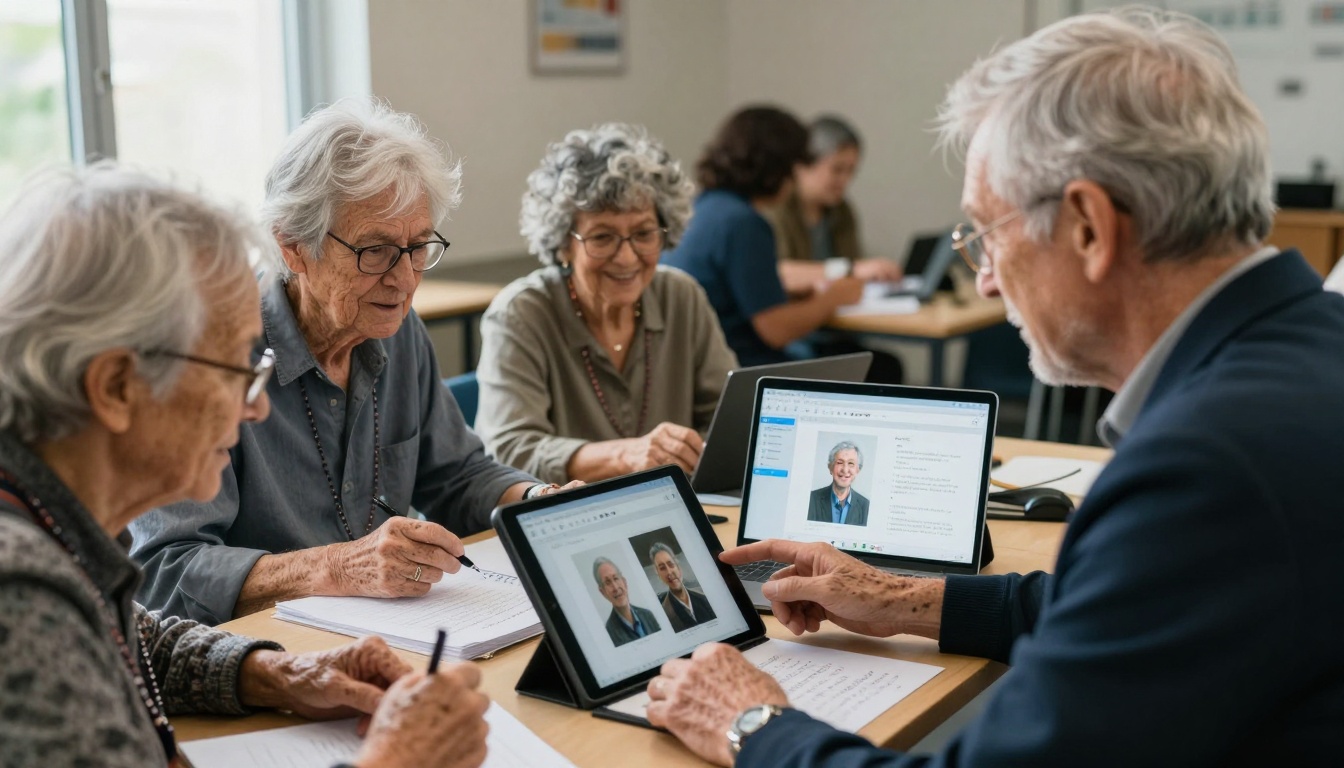
The most significant change occurs at the individual level. People who hesitated to create because they lacked technical skills now experiment freely. A teacher creates classroom illustrations with Qwen Image. A retiree generates family history visualizations. A teenager designs t-shirt graphics for their first business. Each represents a demographic previously excluded from professional creation.
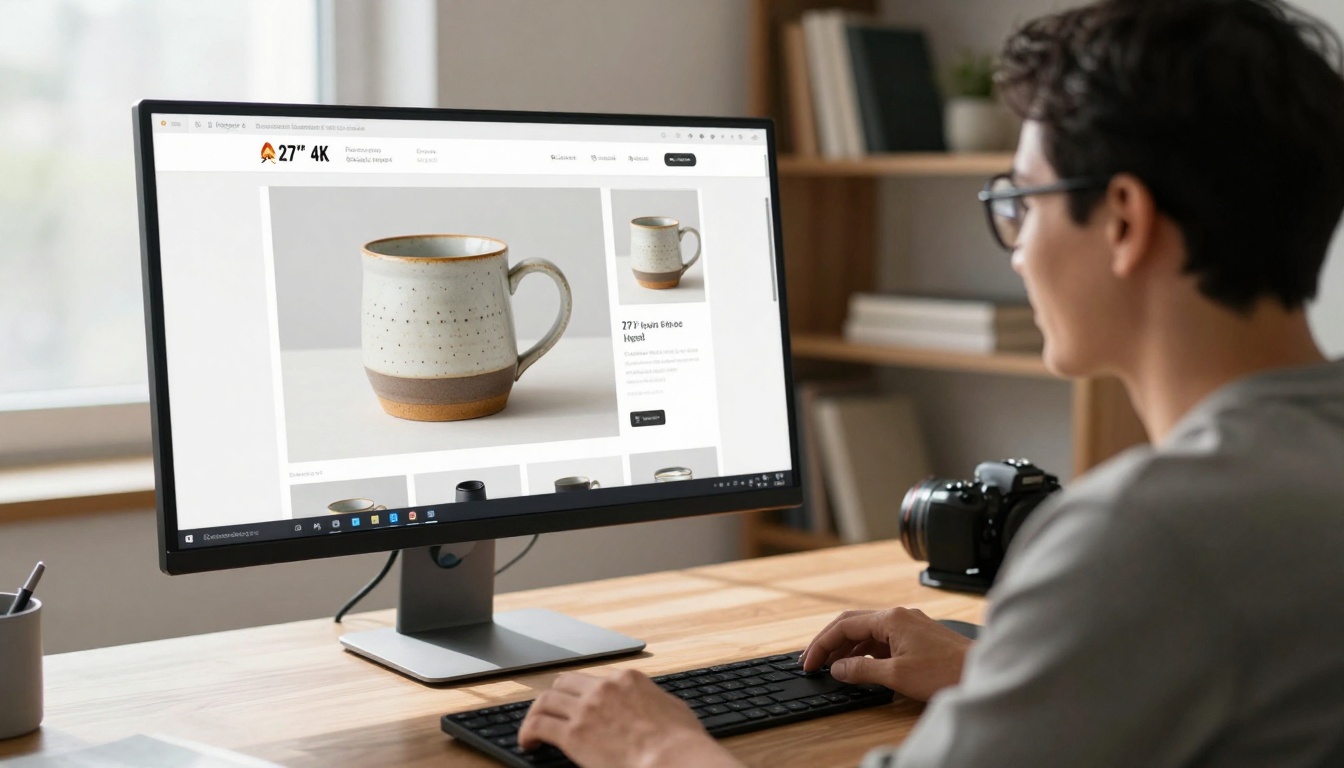
Quality without complexity
Professional results once demanded professional skills. Today, AI delivers studio-quality outputs from simple text descriptions. The quality gap between amateur and professional creation has narrowed dramatically.
Photorealistic image generation models like Stable Diffusion 3.5 Large produce images indistinguishable from professional photography. Small business owners generate product catalogs without hiring photographers. Bloggers create custom illustrations without commissioning artists. The technical complexity vanishes behind intuitive interfaces.
Video creation experienced similar democratization. Where professional video required cameras, lighting setups, and editing suites, Kling v2.6 now generates cinematic sequences from text. Content creators produce YouTube intros, social media clips, and educational animations without touching editing software.
The quality standard has shifted. What constituted "professional quality" five years ago—clean composition, proper lighting, coherent style—now emerges from AI systems consistently. This consistency matters most for small creators competing in crowded markets.
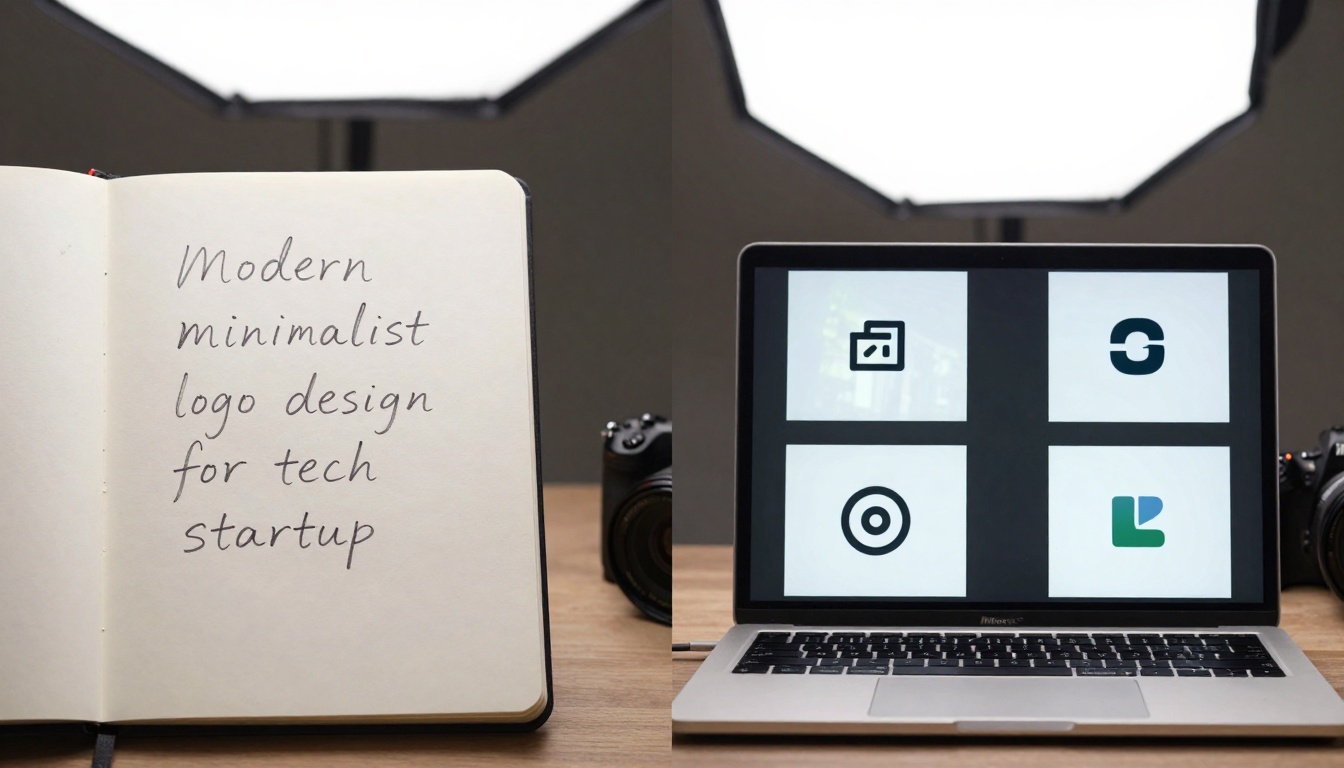
Speed changes everything
Content creation timelines have collapsed. Tasks requiring days now complete in minutes. This speed transformation alters creative workflows fundamentally.
Traditional vs. AI Creation Timelines:
- Logo design: 2-3 weeks with designer → 10 minutes with Flux Schnell
- Product photography: 1 day shoot + editing → 5 minutes generation
- Social media graphics: 2 hours design work → 30 seconds generation
- Video intro: 8 hours filming/editing → 2 minutes with Seedance 1.5 Pro
Speed enables iteration. Where creators previously settled for "good enough" due to time constraints, they now refine through rapid cycles. Generate twenty variations, test different styles, adjust prompts based on results—all within coffee break timelines.
This velocity creates competitive advantages for individuals and small teams. Solo entrepreneurs maintain content calendars rivaling corporate marketing departments. Freelancers deliver client work with turnaround times previously impossible. The efficiency gain isn't marginal—it's orders of magnitude.
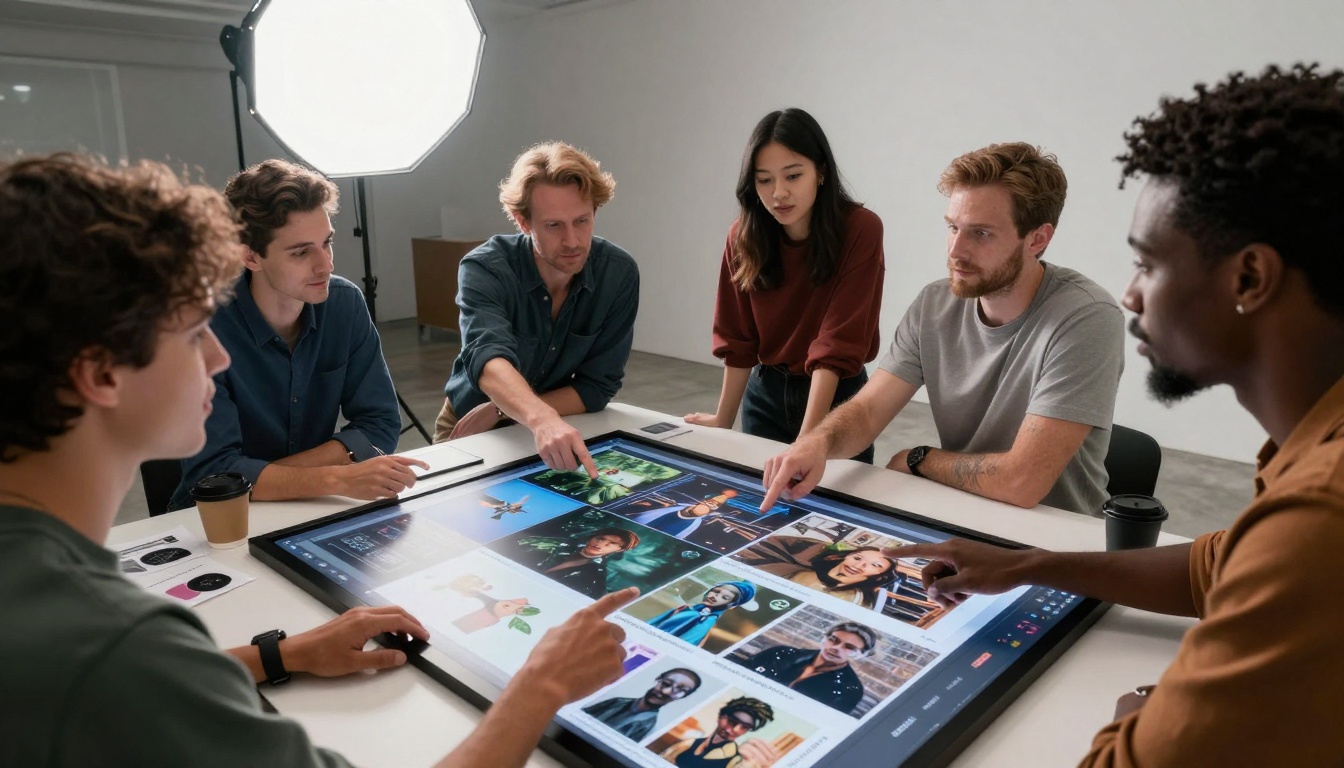
Creative expansion possibilities
AI doesn't just replicate existing creation—it expands what's possible. New creative forms emerge from model capabilities previously inaccessible to most creators.
Style transfer and mixing allows creators to blend artistic influences effortlessly. Generate images combining Renaissance painting lighting with futuristic sci-fi elements using SDXL. Merge photographic realism with illustrative styles. These hybrid aesthetics represent genuinely new creative territory.
Consistent character generation enables serialized content creation. Authors visualize book characters consistently across scenes. Game developers maintain character continuity. This consistency was previously labor-intensive, now automated through model fine-tuning.
Multi-modal workflows integrate different AI capabilities. Generate concept art with Flux Pro, animate it with WAN 2.6 T2V, add voiceover with Speech 2.6 HD. The integrated pipeline creates complete multimedia projects from single creative visions.
The expansion extends beyond professional creators. Hobbyists explore artistic styles without years of practice. Educators create custom learning materials. Community organizations produce promotional content. Each represents creative expression previously constrained by technical limitations.

Economic impact on creators
The financial implications of AI content creation extend across the economic spectrum, from individual creators to entire industries.
For individual creators:
- Reduced startup costs: No initial investment in expensive software or equipment
- Faster monetization: Quicker path from idea to marketable content
- Competitive pricing: Ability to offer services at accessible rates while maintaining profitability
- Portfolio diversification: Single creators can offer multiple service types previously requiring specialization
For small businesses:
- Marketing democratization: Same visual quality as larger competitors
- Rapid iteration: Test different branding approaches quickly and affordably
- Content consistency: Maintain professional appearance across all channels
- Budget reallocation: Shift funds from content production to other business areas
Industry-wide shifts:
- Service model evolution: From execution to strategy and curation
- Value chain redistribution: New opportunities in prompt engineering, model training, workflow optimization
- Education demand changes: Less technical skill training, more creative strategy development
The economic transformation appears most dramatically at the individual level. Freelancers report doubling or tripling output while reducing client costs. Small business marketing budgets stretch further while improving results. The efficiency gains create economic headroom for experimentation and growth.

Real-world applications today
AI content creation isn't theoretical—it's actively transforming industries and individual practices right now.
E-commerce transformation: Small retailers generate entire product catalogs with Imagen 3 Fast, creating professional imagery without photoshoots. Conversion rates increase as product presentation improves, while costs decrease dramatically.
Education adaptation: Teachers create custom illustrations for lessons, visual aids for complex concepts, and engaging materials for different learning styles. Special education benefits particularly from customized visual supports generated instantly.
Healthcare communication: Medical professionals generate patient education materials, procedure explanations, and health promotion content tailored to specific audiences. Complex medical concepts become accessible through custom visualization.
Non-profit outreach: Organizations with limited budgets produce professional fundraising materials, awareness campaigns, and impact reports. The visual quality gap between well-funded and grassroots organizations narrows.
Local business marketing: Coffee shops, bookstores, repair services—businesses previously limited to basic social media posts now create cinematic promotional content with Veo 3 Fast. Community connection strengthens through professional storytelling.
Each application shares common themes: accessibility, quality, and speed. Organizations and individuals previously excluded from professional content creation now participate fully. The playing field levels not by lowering standards but by raising capabilities across the board.
What happens next
Current AI capabilities represent just the beginning. Several trajectories will shape content creation's future evolution.
Personalization advances: Models will generate content tailored to individual preferences, learning styles, and cultural contexts. Educational materials adapt to student needs in real-time. Marketing content responds to viewer reactions.
Real-time collaboration: AI will facilitate creative collaboration across distances and skill levels. Teams will co-create with AI mediating between different creative visions, suggesting compromises, and maintaining consistency.
Cross-modal integration: Text, image, video, audio, and 3D generation will merge into seamless workflows. Describe a scene, receive complete multimedia presentation with synchronized elements.
Ethical frameworks develop: As creation democratizes, frameworks for attribution, compensation, and creative rights will evolve. The creative economy will adapt to include AI-assisted creation appropriately.
Skill shift continues: Technical execution skills decrease in value while creative direction, curation, and strategy skills increase. The human role shifts from execution to vision and refinement.
The most significant change may be psychological. As creation becomes more accessible, more people will identify as creators. The cultural perception of who creates and what constitutes creation will expand to include AI-assisted work as legitimate creative expression.
Getting started with AI creation
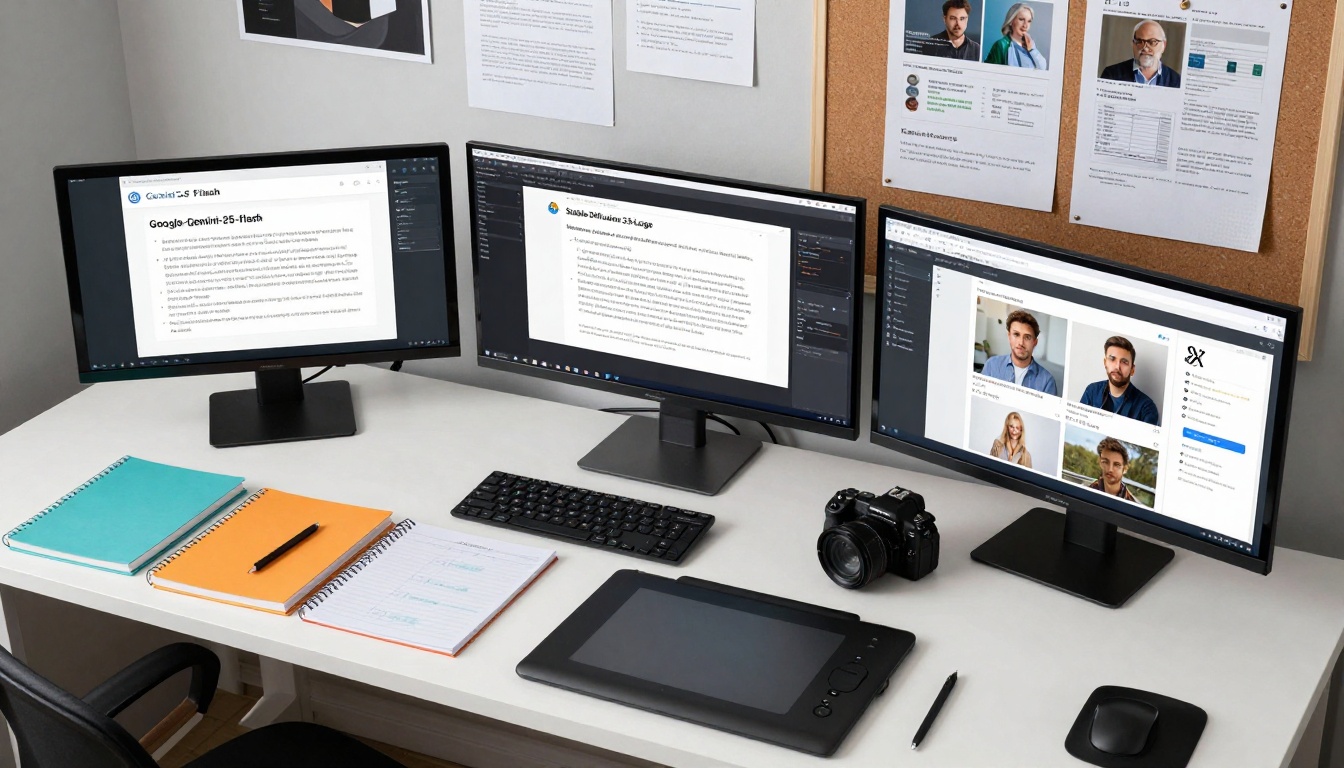
Beginning with AI content creation requires minimal investment and delivers immediate value. The barrier to entry has never been lower.
Initial steps for new creators:
- Choose accessible tools: Start with user-friendly platforms offering free tiers or affordable access
- Begin with simple projects: Generate images for social media, create basic graphics, experiment with different styles
- Learn prompt crafting: Understand how descriptive language influences output quality
- Iterate rapidly: Generate multiple variations, learn from differences, refine approach
- Integrate gradually: Add AI elements to existing workflows before building new processes
Recommended starting points:
Common starting mistakes to avoid:
- Overcomplicating prompts: Start simple, add complexity gradually
- Expecting perfection immediately: AI generation involves iteration and refinement
- Ignoring ethical considerations: Understand source material rights and attribution standards
- Working in isolation: Join creator communities to learn and share techniques
The most important step is simply beginning. Every expert AI creator started with their first prompt, their first generated image, their initial experimentation. The tools exist, the barriers have fallen, and the creative possibilities await exploration.
Creating with AI today
The transformation of content creation represents one of AI's most tangible impacts on daily life and work. Professional-quality creation has moved from exclusive specialty to universal capability. The tools exist, the quality standards have been met, and the creative landscape has fundamentally changed.
This shift matters because creation expresses identity, communicates ideas, and builds connections. When more people create, more perspectives enter cultural conversations. When creation becomes accessible, innovation accelerates across fields. When technical barriers fall, human creativity finds new expression channels.
The invitation stands open: describe what you imagine, and watch it materialize. The distance between idea and execution has collapsed. The tools respond to your vision regardless of technical background. The creative potential waits untapped in the space between your ideas and these new capabilities.
What will you create first?


