The rules of content creation have changed, and they are not going back. In 2023, producing a well-researched, visually rich, 2,000-word article with custom images and professional audio narration required a team of writers, designers, and audio engineers working across multiple days. In 2026, a single creator can produce all of that in under three hours. This is not an exaggeration. It is the measurable, documented reality of what AI has done to the content production stack.

What Actually Changed in the Last Two Years
The conversation around AI and content creation spent years being dominated by fear, skepticism, and hype in equal measure. The useful question was never whether AI would change things. It was which specific parts of the production pipeline would break first, and what would replace them.
The answer turned out to be almost everything, simultaneously.
Writing Speed Has Nothing to Do With Quality Anymore
The old trade-off was simple: you could write fast and sacrifice quality, or write well and sacrifice time. AI broke that trade-off entirely. Models like GPT-5, Claude 4 Sonnet, and Gemini 3 Pro can produce coherent, well-structured long-form drafts in seconds. But the real value is not in replacing the writer. It is in removing the parts of writing that slow everyone down: outlines, research synthesis, first-draft inertia, and structural rewrites.
A writer using AI assistance does not produce at 2x speed. They produce at 10x speed, while still making the decisions that require human judgment: angle, tone, audience, argument.
Visual Production at Zero Marginal Cost
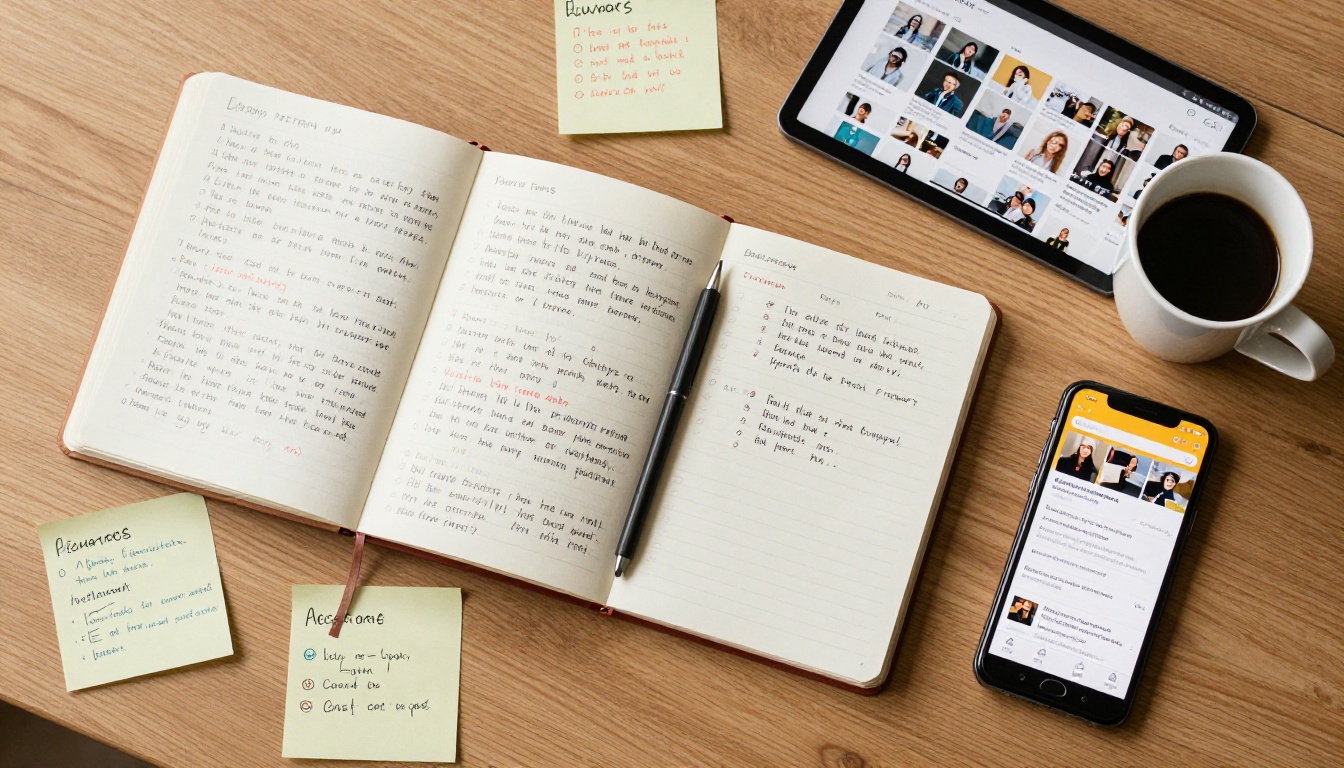
Three years ago, a single custom illustration for a blog post cost between $50 and $300 and took 48 to 72 hours to deliver. Today, a text-to-image model generates a photorealistic, high-resolution visual in under 30 seconds, at zero incremental cost per image.
The economics do not just change the math. They change the behavior. When images are expensive and slow, you use two per article. When they are instant and free, you design visuals into the content structure from the start. That shift in behavior is what changes the product.
💡 The shift is behavioral, not just technical. When cost and time constraints disappear, creators stop treating visuals as decorations and start treating them as core content.

Not every AI tool is worth your time. The ones that are changing real production workflows share three traits: they are fast, they produce usable output on the first or second attempt, and they connect naturally to the rest of your pipeline.
AI Text Generators That Actually Write Well
The landscape of large language models available to content creators has expanded dramatically. Here are the ones that matter most for writing work:
| Model | Best For | Provider |
|---|
| GPT-5 | Long-form drafts, structured content | OpenAI |
| Claude 4 Sonnet | Precise editing, technical writing | Anthropic |
| Gemini 3 Pro | Multimodal content, research synthesis | Google |
| Deepseek R1 | Reasoning-heavy content, data posts | DeepSeek |
| Llama 4 Maverick | Open-source, customizable workflows | Meta |
| Grok 4 | Real-time data, trending topic coverage | xAI |
The difference between these models for content work is less about raw capability and more about style match. Claude 4 Sonnet tends to write with more precision and nuance. GPT-5 produces more confident, structured output. The right choice depends on what your specific content format demands.
Text-to-Image Models for Visual Creators
The platform at PicassoIA hosts over 91 text-to-image models, giving creators access to the full spectrum of visual AI: photorealism, portraits, product photography, and editorial illustration. What matters is matching the model to the output type.
For photorealistic editorial content, high-quality models produce results that are indistinguishable from professional photography at first glance. The key variable is the prompt. Specificity wins. "A woman at a desk" produces something generic. "A 28-year-old woman at a white oak desk, morning side light from the left, 85mm f/1.8, Kodak Portra 400 grain" produces something publishable.

AI Music and Voice for Every Format
Written content is no longer the only format content creators need to produce. Podcasts, short-form video, social audio, and branded soundtracks all require audio production that was previously locked behind expensive studios and specialized skills.
AI music generation has made this access democratic. Tools like Lyria 3 Pro from Google and Music 2.6 from Minimax generate full-length tracks with vocals from a text prompt. Stable Audio 2.5 produces high-quality instrumentals with precise control over mood and genre. ElevenLabs Music is particularly strong for branded content that needs emotional consistency.
For voice narration, ElevenLabs V3 delivers natural-sounding voiceovers that pass casual listening tests. Speech 2.8 HD from Minimax produces studio-quality audio at full resolution. Gemini 3.1 Flash TTS covers 70+ languages for global content distribution.
💡 Audio is the next frontier. Creators who add narrated versions of their articles see 30 to 40% longer average session durations, according to 2025 content performance data.
Who Is Winning Right Now
Solo Creators Scaling Like Teams
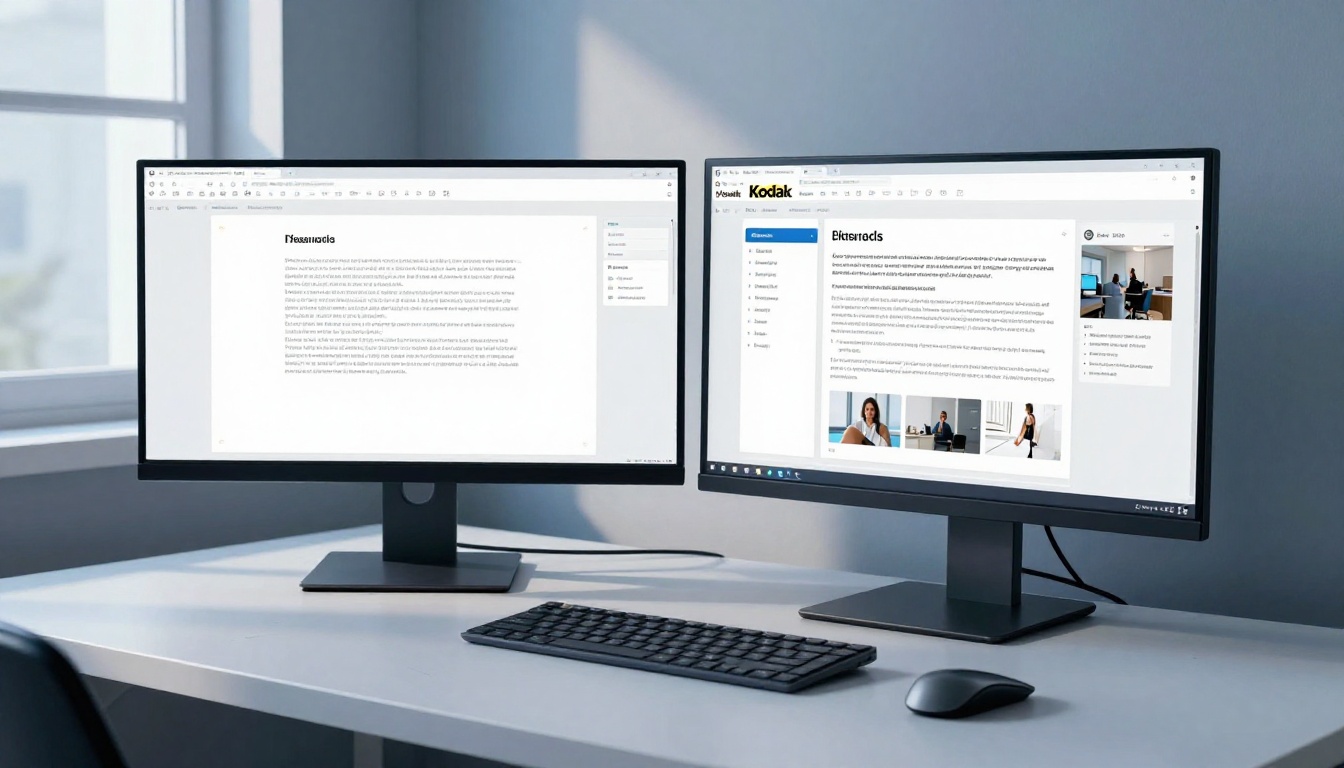
The clearest winners in the current AI content shift are individual creators who have adopted AI tools without waiting for institutional permission. A single person running a niche blog, newsletter, or social channel can now produce:
- 5 to 10 long-form articles per week with AI writing assistance
- 30 to 50 original visuals per week with text-to-image generation
- Daily social content scheduled automatically across platforms
- Weekly audio content narrated by AI voice tools
This output would have required a three to five person team in 2022. Today it requires one person with the right tools and a clear workflow.
Agencies Cutting Production Time in Half
Content agencies have seen the most dramatic operational shifts. The bottleneck in agency content production was always revision cycles and asset creation. AI has compressed both. Writers use large language models to produce first drafts that clients revise rather than create from scratch. Designers use text-to-image tools to produce concept options in minutes rather than hours.
The result: agencies are handling 2x to 3x the client volume with the same headcount, or shifting human hours toward strategy and editorial judgment where AI still falls short.
How to Create AI Images on PicassoIA
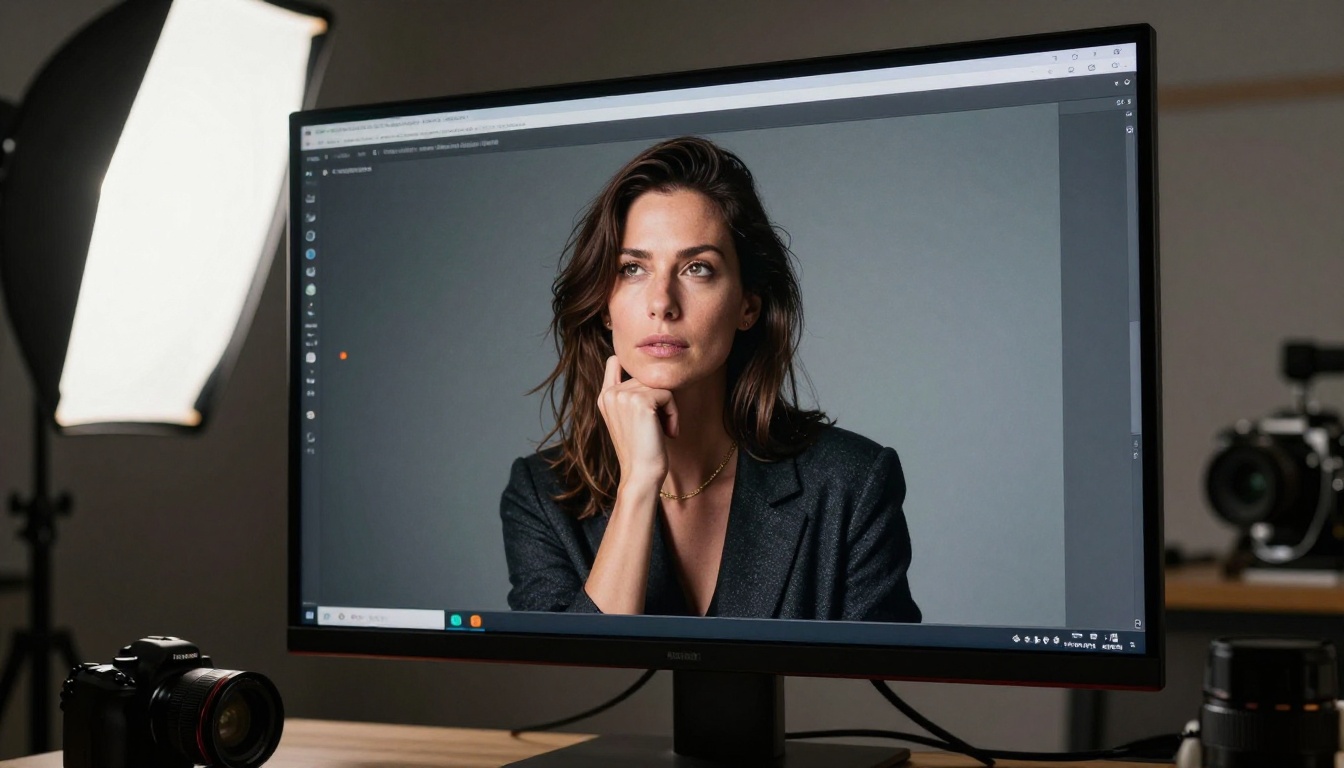
PicassoIA gives you direct access to over 91 text-to-image models from a single interface, along with video generation, background removal, super resolution, and audio tools. Here is the workflow that produces the best results for content creators.
Step 1: Pick Your Model
Navigate to the text-to-image collection and filter by output type. For editorial photography and blog visuals, look for photorealistic models. For illustrated content and brand assets, browse the stylized options. Each model has example outputs on its page, so spend 60 seconds reviewing those before committing to a prompt.
Step 2: Write a Strong Prompt
Weak prompts produce weak images. The structure that works consistently for photorealistic content is:
- Subject: Who or what is in the frame, with specific details
- Environment: Where are they, with texture and lighting specifics
- Camera: Lens, aperture, angle, perspective
- Film simulation: Kodak Portra 400, Ektar 100, Tri-X 400
- Style tag:
--style raw for photorealism
Example: "A 35-year-old male writer at a weathered oak desk in a sunlit Brooklyn loft, morning light from east-facing windows, 50mm f/2.0 lens, Kodak Portra 400 grain, --style raw --ar 16:9"
Step 3: Iterate and Export
Run two to three variations before settling on a result. Use the super resolution tool to upscale to 8K for print-ready assets. Use background removal if you need the subject isolated for social graphics.
3 Common Mistakes AI Content Creators Make
Even experienced creators fall into predictable traps when integrating AI into their workflows. These three show up most often.
1. Using AI output without editing
AI drafts are starting points, not finished products. The creators producing the best AI-assisted content spend as much time editing as they used to spend writing. The difference is they are editing a complete draft instead of starting from zero.
2. Generic prompts for images
"A person using a laptop" produces stock-photo-level images. Specificity is the skill. The more detail you pack into a prompt, the more differentiated and on-brand the output becomes.
3. Treating every tool the same
GPT-5 is not the same as Deepseek R1. ElevenLabs V3 is not the same as Speech 2.8 HD. Each model has strengths for specific use cases. Defaulting to one tool for everything means leaving significant quality improvements on the table.
The Numbers Don't Lie

Output Stats Worth Knowing
The performance data from AI-assisted content in 2025 makes a strong case on its own:
| Metric | Traditional Workflow | AI-Assisted Workflow |
|---|
| Time per long-form article | 6 to 8 hours | 1.5 to 2.5 hours |
| Cost per custom image | $80 to $300 | Near zero |
| Articles per creator per week | 2 to 3 | 8 to 15 |
| Time per 5-minute audio narration | 3 to 4 hours | 8 minutes |
| Visual variants per asset | 1 to 2 | 10 to 20 |
These are not marginal improvements. They represent a structural shift in what one creator can produce, and what an audience can reasonably expect to receive.
💡 The output gap is widening. Creators using AI tools consistently outproduce those who don't by a factor of 4x to 8x. In competitive niches, that gap decides who dominates search rankings and social feeds.
What This Means for Your Content Strategy

The shift is not optional. Content strategies that do not incorporate AI tools are competing against those that do, at a severe volume and cost disadvantage. But volume alone is not the answer. The creators who will win long-term are those who use AI to increase output while maintaining the editorial judgment, unique perspective, and audience connection that no model can replicate.
The role of the human creator does not disappear. It shifts upstream. Less time on execution. More time on strategy, angle selection, audience insight, and quality control. That is where the value has always been. AI just removes the friction that kept people stuck in the execution layer.
Here is how to position your content operation right now:
- Audit your production pipeline and identify the three most time-consuming steps
- Run AI tools on those three steps first before touching anything else
- Measure output before and after, not quality impressions, but actual published piece count
- Iterate your prompting skills for both writing and image generation, as that is the new core skill
- Diversify your format output by using audio and visual AI tools alongside text
The creators reading this who take action in the next 30 days will have a measurable advantage over those who wait another six months.
Start Creating Right Now
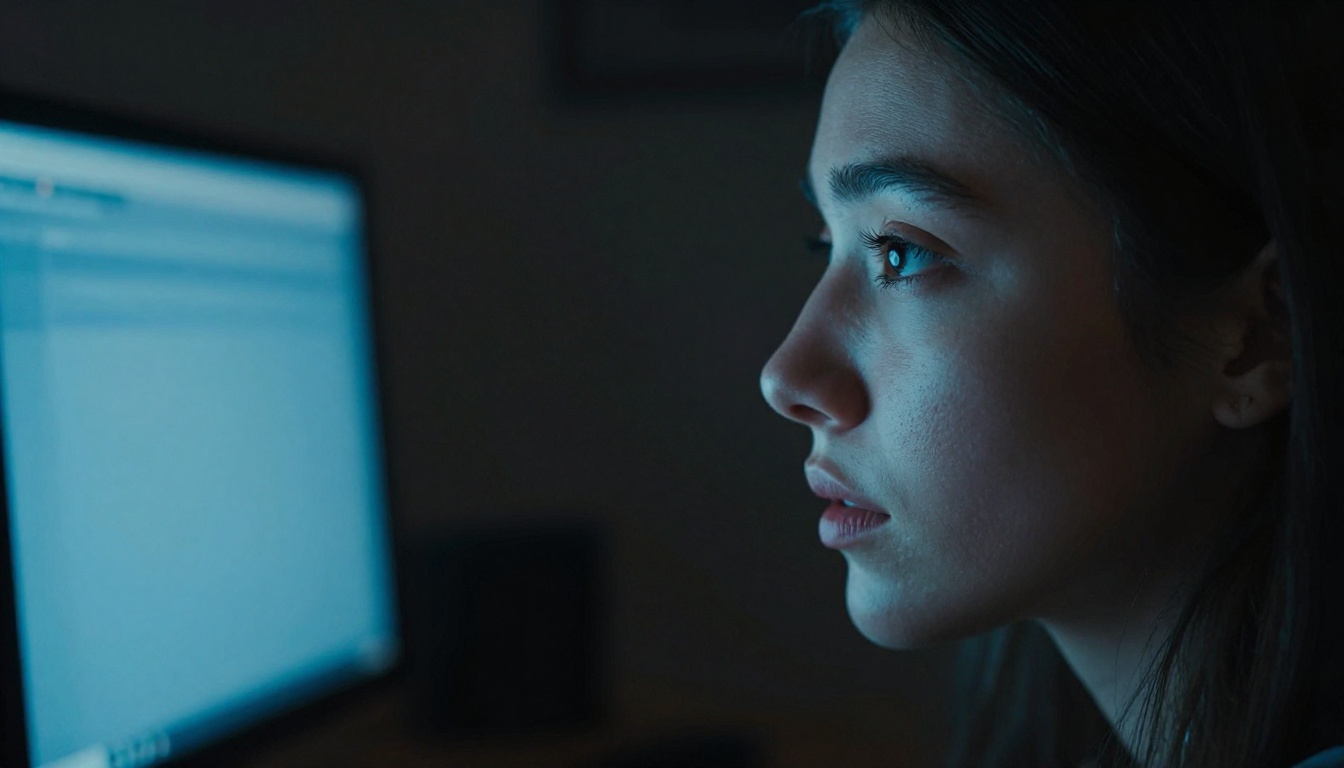
The most effective way to see what AI-powered content creation feels like is to produce something. PicassoIA gives you access to the full stack: text-to-image models for visuals, large language models for writing assistance, voice generation for audio content, and music tools for multimedia. All from a single platform, with no technical setup required.
Pick one piece of content you have been putting off because it feels too complicated or time-consuming. Use the tools. See what the output looks like. The creators who are winning right now did exactly that, and they did not stop after the first experiment.
Your audience is waiting for more, and now there is no good reason to make them wait.


