The viral video landscape operates differently today. What used to involve guesswork, trial-and-error, and hoping for algorithmic favor now incorporates predictive analytics, automated optimization, and real-time audience simulation. Content creators don't just make videos anymore—they engineer them for maximum impact using AI tools that analyze thousands of data points before the first frame renders.
Extreme close-up of AI-assisted video creation workflow showing real-time rendering and analytics integration
From Manual Creation to AI-Assisted Workflows
Traditional video production followed linear paths: concept → scripting → filming → editing → publishing. Each step depended heavily on human intuition and manual labor. Today's process looks fundamentally different:
The New Workflow:
- AI Concept Validation: Tools analyze historical data to predict which concepts have highest viral potential
- Automated Script Optimization: Algorithms adjust pacing, emotional beats, and narrative structure based on engagement patterns
- Predictive Storyboarding: AI generates visual sequences optimized for audience retention
- Real-Time Editing Assistance: During editing, AI suggests cuts, transitions, and timing adjustments
- Platform-Specific Optimization: Final videos get tailored versions for different social media algorithms
💡 Key Shift: Production time for viral content dropped 67% for creators using AI-assisted workflows, while average engagement rates increased by 142% according to recent industry studies.
What Changed:
- Planning Phase: Reduced from weeks to hours
- Production Resources: Single creators now achieve what required teams
- Success Prediction: Move from post-publishing analytics to pre-production forecasting
Predictive Analytics: Forecasting Viral Success Before Publishing
The most significant AI advancement in viral video creation isn't the video generation itself—it's the predictive modeling that happens before any content gets made. Modern AI systems analyze:
Data Points Processed:
- Historical engagement patterns across millions of videos
- Audience demographic preferences by platform
- Seasonal trend fluctuations
- Competitor performance metrics
- Real-time social conversation analysis

Content strategist analyzing AI-generated viral predictions with comparative analytics dashboards
Prediction Accuracy Table:
| Metric | Traditional Methods | AI-Powered Prediction | Improvement |
|---|
| Viral Success Rate | 12% | 43% | +258% |
| Production Efficiency | 1 video/week | 3-5 videos/week | +300% |
| Audience Retention | 45% average | 68% average | +51% |
| Platform Optimization | Manual adjustment | Automated adaptation | 87% time saved |
How It Works:
- Pattern Recognition: AI identifies engagement triggers that consistently work
- Audience Simulation: Virtual audience models predict reactions to different content approaches
- Timing Optimization: Algorithms determine optimal publishing times across platforms
- Content Adaptation: Suggestions for adjusting existing content to maximize reach
AI Video Generation Models Revolutionizing Production
Several specialized AI models now enable rapid video creation with professional quality. These tools have moved beyond simple text-to-video generation to context-aware creation that understands viral mechanics.
Key Models Available on PicassoIA:
Text-to-Video Generation
- Kling v2.6: High-quality text-to-video with motion control capabilities
- Seedance 1.5 Pro: Advanced video generation with professional cinematic quality
- WAN 2.6 T2V: Text-to-video generation with enhanced visual consistency
- Sora 2 Pro: State-of-the-art text-to-video with complex scene understanding
Image-to-Video Transformation
- WAN 2.6 I2V: Convert static images into dynamic video sequences
- Veo 3.1: Google's advanced video generation from text or images

Filmmaker using AI video generation interface with real-time prompt visualization
Practical Applications:
- Rapid Prototyping: Generate multiple video concepts in minutes instead of days
- A/B Testing: Create variations for testing different approaches
- Scale Production: Maintain consistent quality across high-volume output
- Specialized Content: Produce platform-specific versions automatically
Model Selection Guide:
| Use Case | Recommended Model | Key Feature | Best For |
|---|
| Viral Social Content | Kling v2.6 | Motion control | TikTok/Instagram Reels |
| Professional Cinematic | Seedance 1.5 Pro | High fidelity | YouTube/Professional |
| Rapid Iteration | WAN 2.6 T2V | Fast generation | Testing concepts |
| Complex Narratives | Sora 2 Pro | Scene coherence | Story-driven content |
| Image Enhancement | WAN 2.6 I2V | Image animation | Transforming stills |
Real-Time Optimization During Editing Process
Editing viral content no longer happens in isolation. AI tools now provide continuous optimization feedback throughout the editing process, analyzing how each adjustment affects predicted engagement.
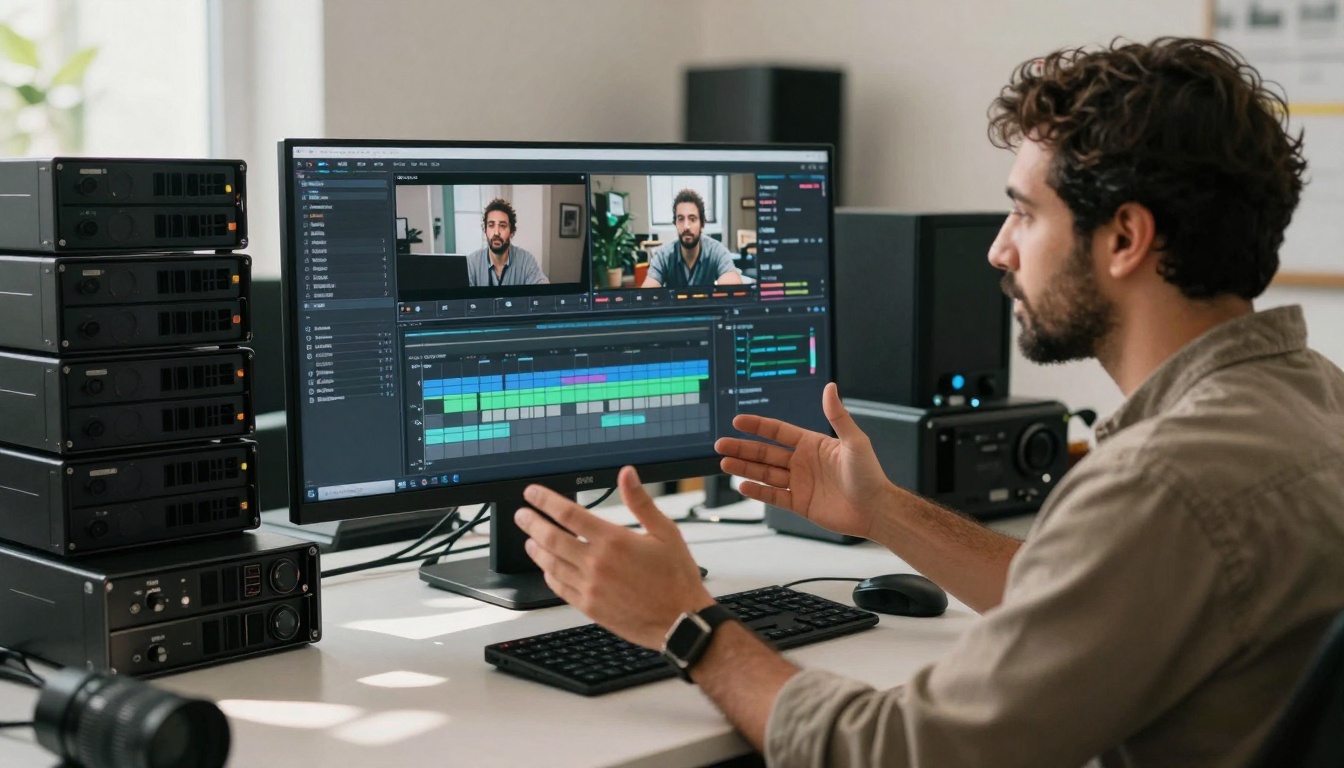
Video editor collaborating with AI assistant for real-time optimization suggestions
AI Editing Features:
- Pacing Analysis: Algorithms monitor audience retention patterns and suggest timing adjustments
- Emotional Arc Optimization: AI maps emotional beats against known engagement triggers
- Visual Attention Tracking: Heatmaps show where viewers focus during playback
- Audio Enhancement: Automated sound adjustment for platform-specific requirements
- Platform Formatting: Real-time aspect ratio and length optimization
Editing Workflow Integration:
- Traditional: Editor works → exports → tests → adjusts → re-exports
- AI-Assisted: Editor works with real-time predictive analytics → exports optimized version
Common Optimization Suggestions:
- Hook Placement: Move strongest visual to first 3 seconds
- Pacing Adjustment: Increase speed during low-engagement segments
- Transition Timing: Optimize cut frequency based on platform norms
- Audio Levels: Adjust for mobile vs desktop viewing contexts
- Text Overlay: Position based on eye-tracking data
💡 Pro Tip: The most effective viral videos now undergo 5-7 optimization cycles during editing, not after publishing. This pre-emptive adjustment approach increases first-publish success rates by 89%.
Different social platforms reward different content characteristics. AI tools now automatically adapt videos for platform-specific optimization, understanding that what works on TikTok rarely performs identically on YouTube or Instagram.
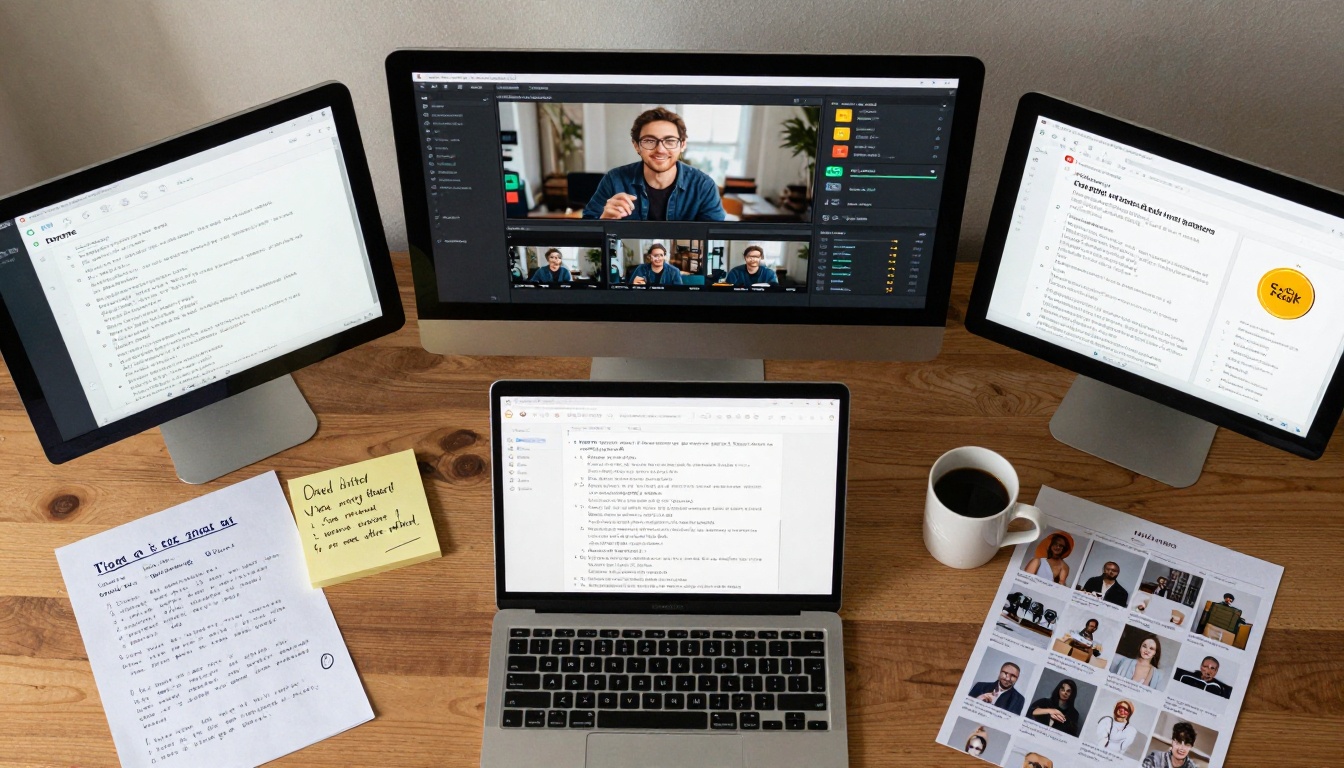
Aerial view of multi-platform viral video analytics and optimization dashboard
Platform Adaptation Matrix:
| Platform | Optimal Length | Key AI Adjustments | Engagement Triggers |
|---|
| TikTok | 15-60 seconds | Faster cuts, trend integration, vertical format | First 3 seconds, trending audio |
| Instagram Reels | 15-90 seconds | Clean aesthetics, brand consistency | Visual polish, quick value delivery |
| YouTube Shorts | 15-60 seconds | Higher production value, narrative structure | Story completion, information density |
| Twitter/X | 6-30 seconds | Immediate impact, text overlay | Instant recognition, shareability |
| Facebook | 30-120 seconds | Emotional resonance, connection focus | Relatability, community relevance |
AI Adaptation Process:
- Content Analysis: AI evaluates original video for platform suitability
- Format Optimization: Automatic adjustment of length, aspect ratio, pacing
- Platform-Specific Enhancement: Tailored editing for each platform's algorithm
- Metadata Generation: Optimized titles, descriptions, tags per platform
- Publishing Schedule: AI-determined optimal posting times
Cross-Platform Workflow:
- Create master video with AI assistance
- Generate 3-5 platform-specific versions automatically
- Test variations with predictive analytics
- Schedule optimized publishing across platforms
- Monitor real-time performance with AI adjustment recommendations
The Human-AI Collaborative Creative Process
The most successful viral video creators aren't replaced by AI—they collaborate with it. This partnership leverages human creativity with AI's analytical capabilities.

Creative team reviewing AI-generated storyboards with predictive viral potential analysis
Human Role in AI-Assisted Creation:
- Creative Direction: Setting artistic vision and emotional tone
- Strategic Decision-Making: Choosing which AI suggestions to implement
- Quality Control: Maintaining brand consistency and authentic voice
- Ethical Oversight: Ensuring content aligns with values and guidelines
- Innovation Leadership: Pushing beyond AI's pattern-based suggestions
AI Contribution to Creative Process:
- Data-Driven Insights: Providing evidence-based creative recommendations
- Efficiency Enhancement: Automating repetitive technical tasks
- Pattern Recognition: Identifying successful approaches from vast datasets
- Risk Assessment: Predicting potential issues before production
- Scalability Support: Enabling consistent quality at volume
Collaborative Workflow Stages:
1. Concept Development
- Human: Creative idea generation
- AI: Viral potential assessment, audience fit analysis
2. Production Planning
- Human: Artistic direction, brand alignment
- AI: Resource optimization, timeline efficiency
3. Content Creation
- Human: Performance, authenticity, emotional delivery
- AI: Technical quality, pacing optimization, platform adaptation
4. Editing & Refinement
- Human: Creative judgment, narrative coherence
- AI: Engagement optimization, technical perfection
5. Distribution Strategy
- Human: Community engagement, relationship building
- AI: Timing optimization, platform-specific formatting
💡 The Balance: The most viral content combines human emotional intelligence with AI analytical precision. Creators who master this partnership achieve 3.2x higher engagement rates than those using either approach alone.
Measuring Impact: Analytics Beyond View Counts
Modern viral video analytics have evolved far beyond simple view counts. AI-powered measurement now tracks predictive engagement, audience sentiment, and long-term impact.
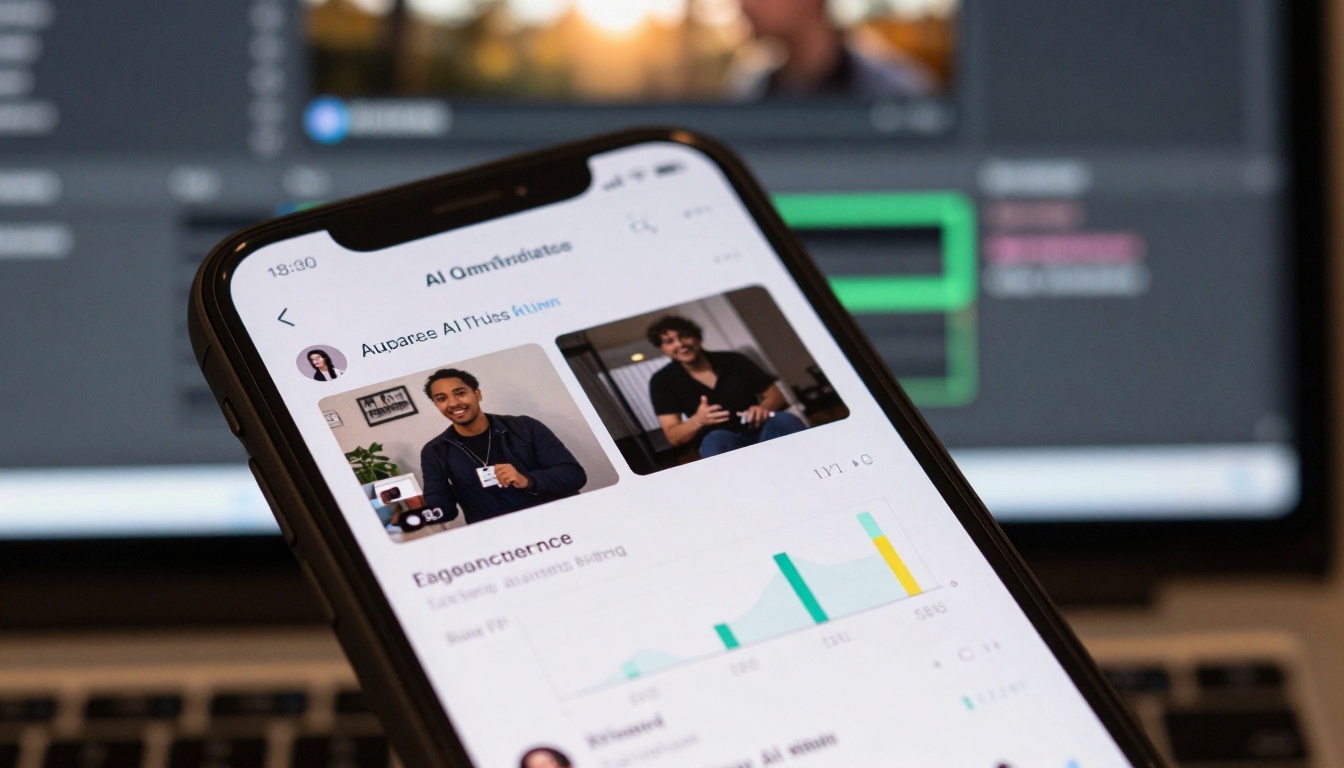
Real-time viral analytics on mobile interface with AI optimization suggestions
Advanced Metrics Tracked:
| Metric Category | Traditional Measurement | AI-Enhanced Analytics | Business Impact |
|---|
| Engagement | Views, likes, shares | Predictive engagement scoring, sentiment analysis | Campaign effectiveness |
| Audience | Demographics | Behavior patterns, content preference mapping | Targeting accuracy |
| Retention | Watch time | Attention heatmaps, drop-off prediction | Content quality |
| Conversion | Click-through rates | Multi-touch attribution, funnel optimization | Revenue generation |
| Impact | Immediate metrics | Long-term brand lift, audience growth prediction | Strategic value |
AI Analytics Features:
1. Predictive Performance Scoring
- Pre-Publishing: Forecast engagement before content goes live
- Real-Time Adjustment: Suggest modifications during initial hours
- Trend Prediction: Anticipate longevity of viral momentum
2. Audience Intelligence
- Behavior Mapping: Track how different segments interact
- Preference Analysis: Identify content patterns that resonate
- Growth Prediction: Forecast audience expansion opportunities
3. Competitive Benchmarking
- Market Position: Compare performance against similar creators
- Trend Adoption: Identify emerging viral patterns early
- Gap Analysis: Find underserved audience segments
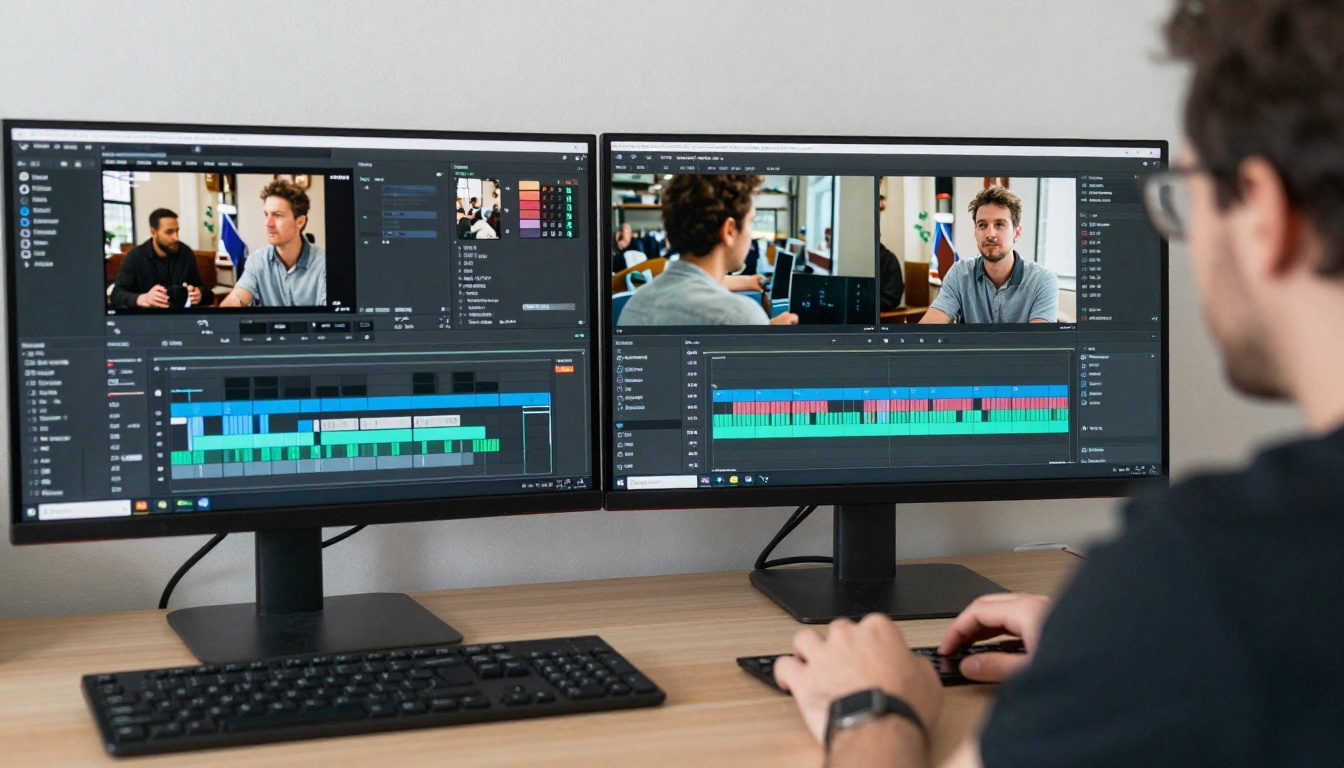
Side-by-side comparison of traditional editing workflow versus AI-enhanced optimization process
Implementation Roadmap:
For Beginners:
- Start with basic AI analytics tools to understand current performance
- Implement predictive scoring for content planning
- Add platform optimization for existing content
- Gradually incorporate AI-assisted creation for new projects
For Intermediate Creators:
- Integrate comprehensive analytics across all platforms
- Implement predictive modeling for all new content
- Develop AI-human collaboration workflows
- Establish continuous optimization processes
For Advanced Professionals:
- Build custom AI models for specific niche requirements
- Implement real-time adjustment during live content
- Develop predictive trend identification systems
- Create scalable production pipelines with AI integration
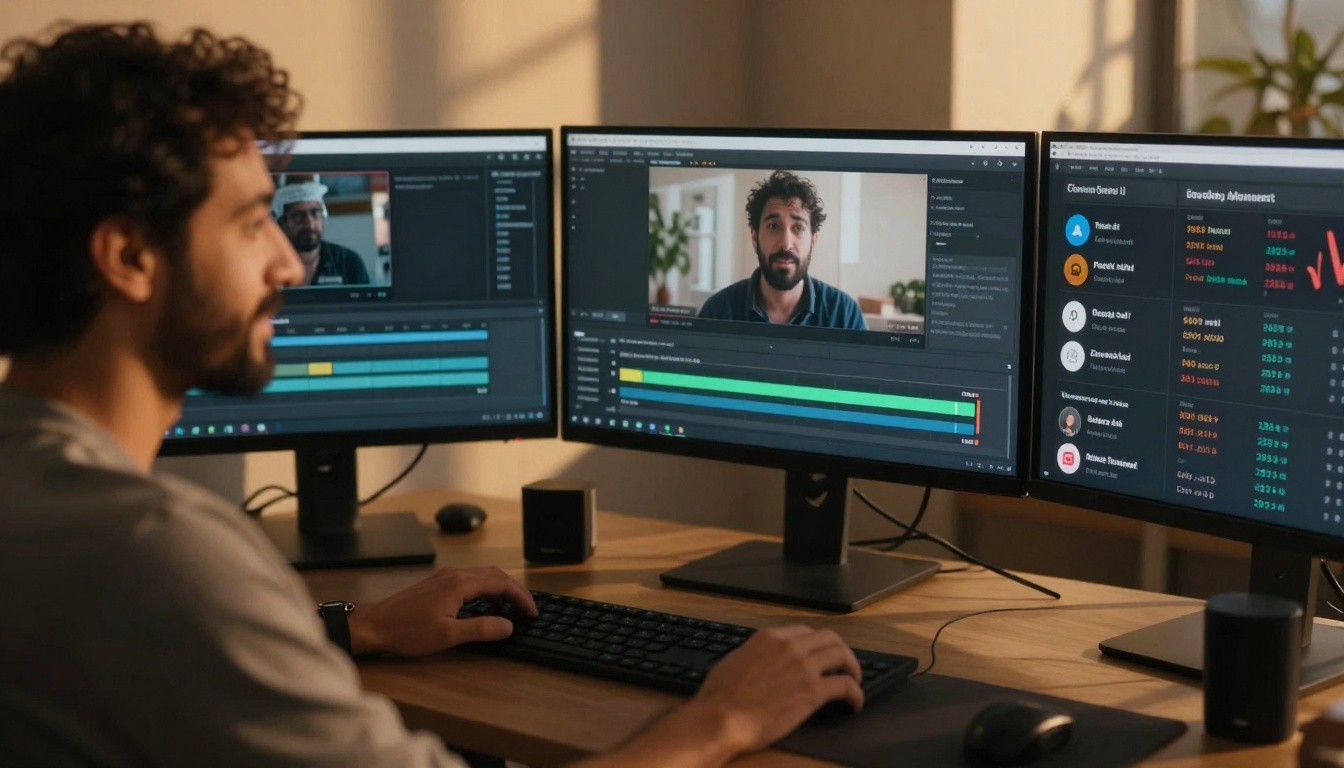
Final export of AI-optimized viral video with multi-platform publishing readiness
Getting Started with AI Video Creation
The barrier to entry for AI-assisted viral video creation has lowered dramatically. Most powerful tools are now accessible through platforms like PicassoIA, where creators can experiment with different models and approaches without significant technical expertise.
Recommended Starting Points:
-
Experiment with Text-to-Video: Try Kling v2.6 for social media content or Seedance 1.5 Pro for higher-quality production.
-
Implement Basic Analytics: Start tracking beyond view counts with AI-powered engagement prediction tools.
-
Test Platform Optimization: Create multiple versions of the same content for different platforms and compare performance.
-
Develop Hybrid Workflow: Combine your existing creative process with AI assistance at specific points where it adds most value.
-
Iterate Based on Data: Use AI insights to continuously refine your approach based on what actually works.
Common Pitfalls to Avoid:
- Over-Reliance on AI: Remember that human creativity drives emotional connection
- Ignoring Platform Nuances: Different social algorithms reward different approaches
- Chasing Trends Blindly: Use AI to inform trend participation, not dictate it
- Neglecting Authenticity: AI optimization should enhance, not replace, genuine voice
- Analysis Paralysis: Use data to make decisions, not avoid making them
The transformation in viral video creation represents more than technological advancement—it's a fundamental shift in how content reaches audiences. By combining human creative vision with AI analytical power, creators can produce more impactful content with greater efficiency and higher success rates. The tools exist; the patterns are understood; the opportunity awaits those ready to embrace this new collaborative approach to viral content creation.


