There is a specific feeling that separates a video that looks like footage from one that looks like a film. It is not just resolution or color. It is something deeper, a combination of physics, light behavior, and compositional logic that your brain recognizes as "cinematic" before you can even name why. The fascinating part is that AI models have started to reproduce this feeling with striking accuracy, and they are doing it at a scale that was unimaginable five years ago.
What "Cinematic" Actually Means
Why Some Videos Look Like Films
Most people assume cinematic quality comes from expensive cameras or post-production budgets. The reality is more specific. A video feels cinematic when it accurately simulates the physical behavior of light passing through a real optical system. That includes how lenses compress background elements, how highlights roll off into shadows, and how moving subjects blur at specific shutter angles.
Your brain has been trained by decades of cinema to associate these optical properties with high production value. When AI reproduces them, the recognition is immediate and visceral.
The 5 Pillars of Cinematic Quality
Every video that reads as "film-like" shares five core properties. These are not stylistic choices; they are physical realities of how cameras and lenses work:
| Pillar | What It Does | Why It Matters |
|---|
| Depth of Field | Separates subject from background via selective focus | Creates visual hierarchy and draws attention |
| Motion Blur | Blurs fast movement at 1/50s shutter equivalent | Makes motion feel natural, not video-game sharp |
| Color Science | Specific highlight-to-shadow curve behavior | Determines whether skin looks dead or alive |
| Lighting Direction | Single-source, motivated light with hard falloff | Gives faces and objects dimensional shape |
| Composition | Rule of thirds, leading lines, negative space | Controls where the eye moves through the frame |
AI models now simulate all five. Not approximately. Accurately.
How AI Recreates Camera Physics
Depth of Field and Bokeh Without a Lens
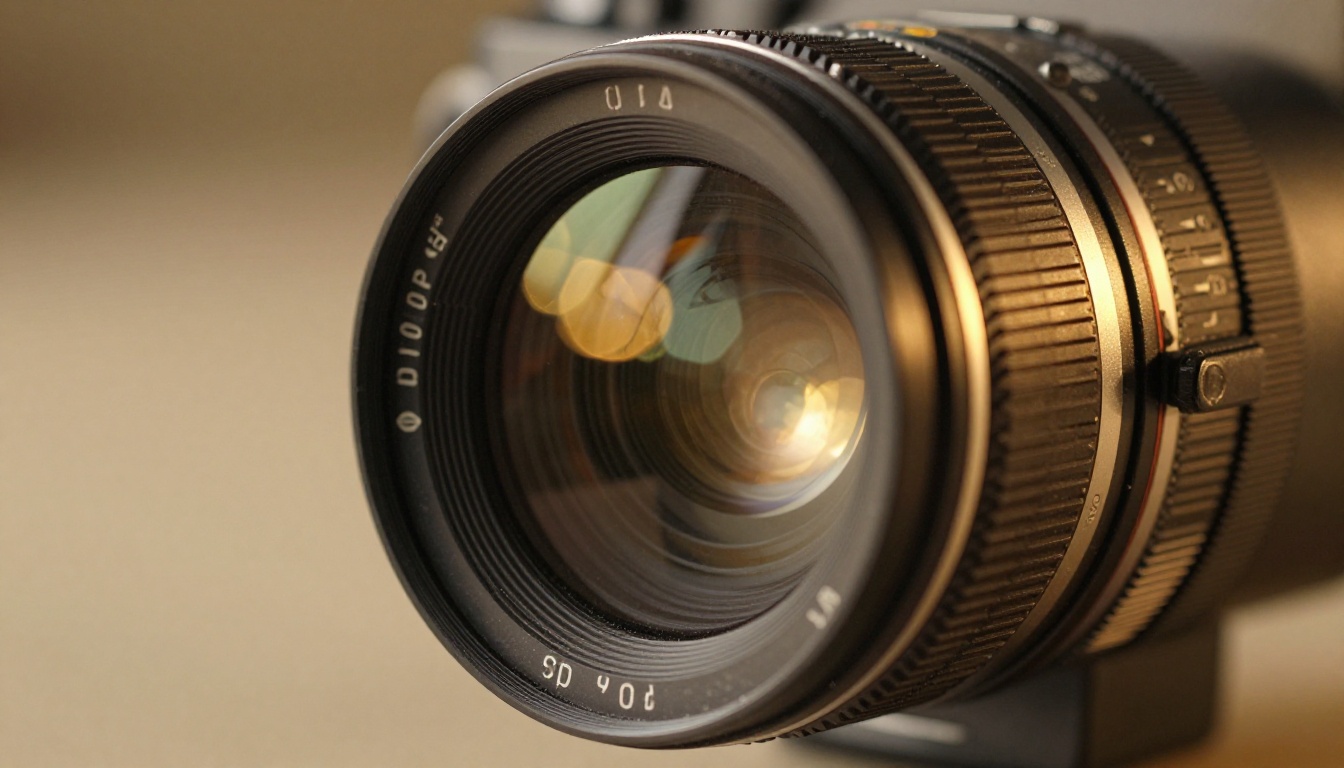
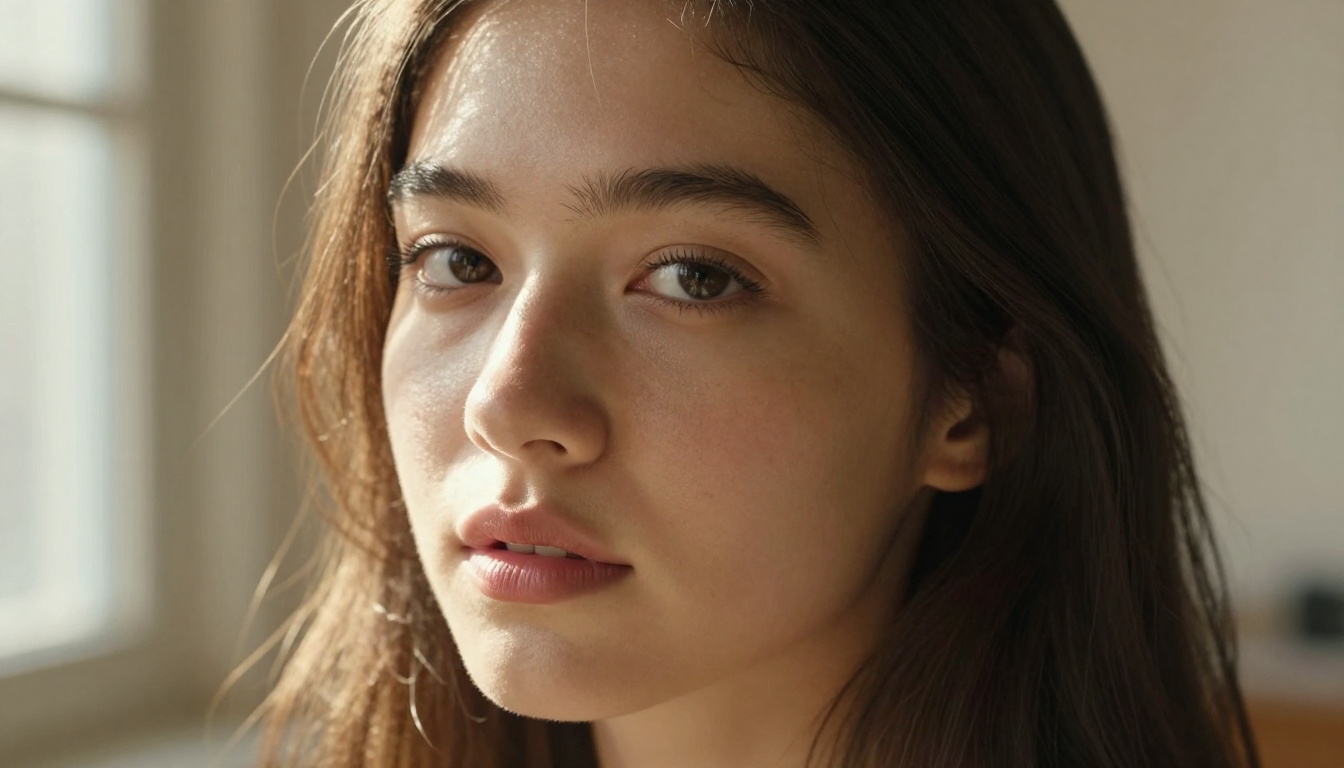
Traditional depth of field is a byproduct of optics. A large sensor paired with a fast lens at wide aperture physically cannot keep the background in focus when the subject is close. AI models have learned to replicate this behavior by training on millions of real photographs and video frames where this physics was present.
The result is that models like Kling v3 Video and Gen 4.5 do not simply blur backgrounds. They simulate the circular bokeh shape of specific lens aperture blades, the way out-of-focus highlights form soft discs, and the gentle gradient from sharp to unsharp that follows the physics of a real focal plane.
💡 Tip: When writing a text-to-video prompt, specify the lens behavior directly. "Shot at 85mm f/1.8 with shallow depth of field, subject sharp, background dissolved into soft bokeh" triggers the model's learned lens physics far more reliably than vague terms like "blurry background."
This is not a filter applied on top of a sharp image. The AI generates the scene with spatial awareness, knowing which objects are closer and farther, and renders the focus falloff accordingly.
Motion Blur That Feels Real
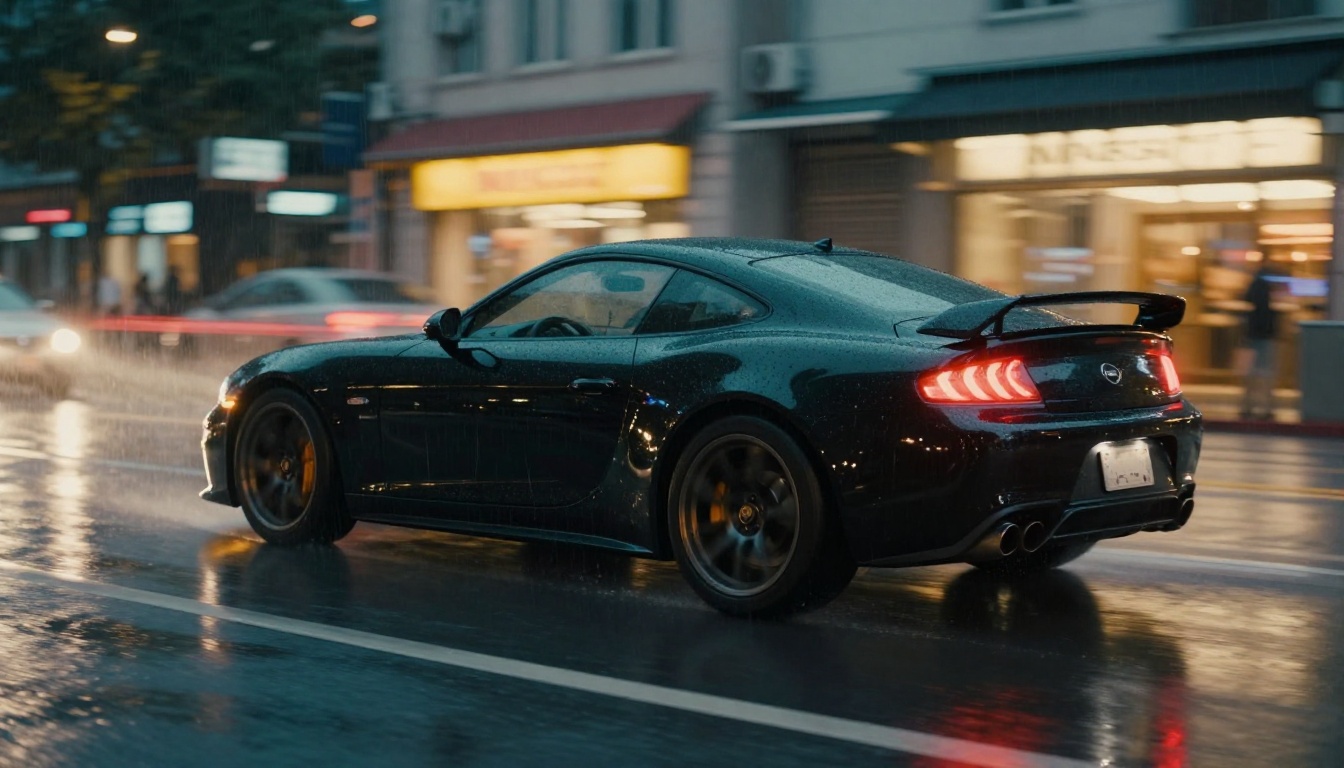
One of the clearest tells between amateur and professional footage is motion blur. Consumer smartphones shoot at very fast shutter speeds by default, which produces sharp-but-stuttery motion that the brain reads as low-budget. Film cameras traditionally shoot at a 180-degree shutter angle, meaning the shutter is open for roughly half the duration of each frame. At 24fps, that is a 1/48 second exposure, which produces a specific amount of blur on moving objects.
AI video models have absorbed this convention deeply. Wan 2.6 T2V and Seedance 1 Pro generate motion with this blur coefficient baked in, which is why the motion in their outputs reads as film-like rather than broadcast-like.
Lighting Is Everything
Volumetric Light and Shadow Control
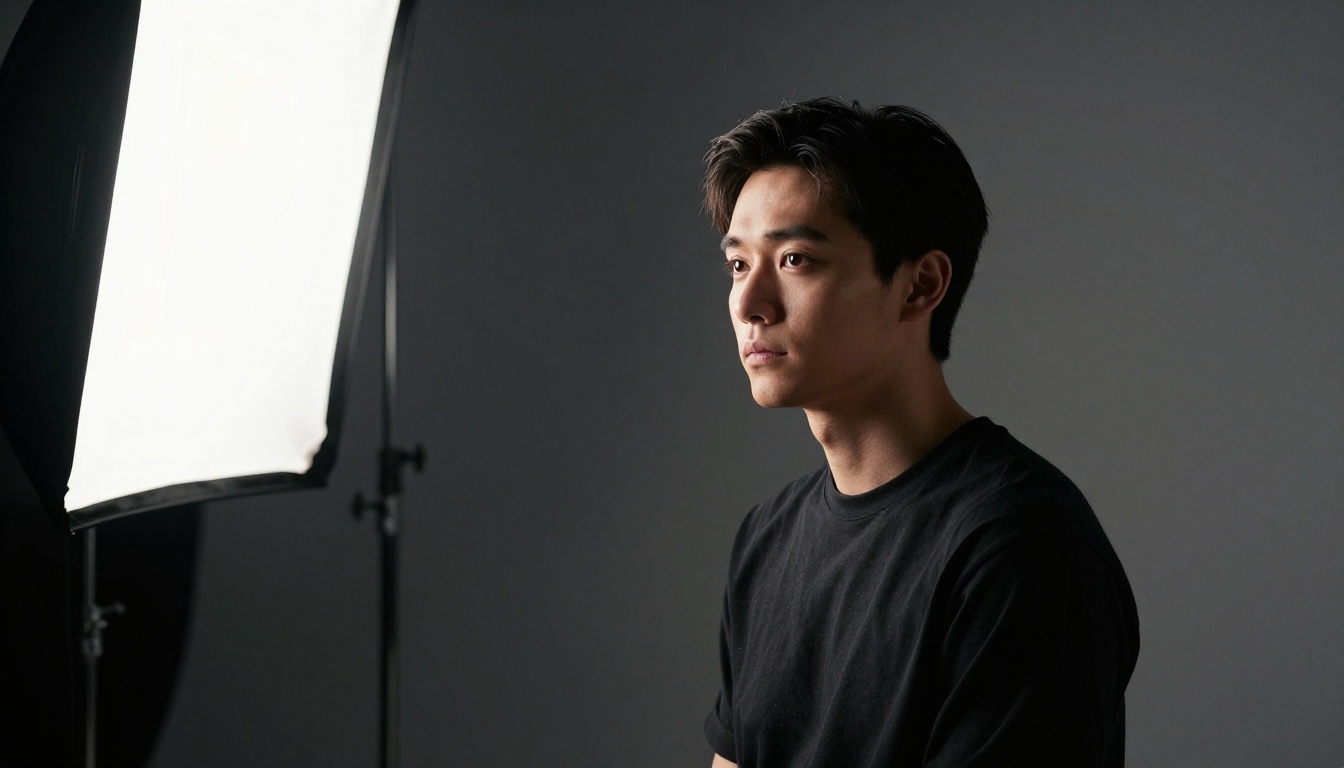
Ask any cinematographer what separates good footage from great footage and the answer is always lighting. Specifically, it is the direction, quality, and motivation of the light source. A single motivated light source with a clear direction creates dimensional shadows that give faces and objects physical weight. Flat, directionless light makes everything look like a web conference.
AI models have learned to generate motivated lighting by training on cinema and photography datasets where this was the norm. When Veo 3 generates a scene described as "interior at dusk, single window light from the left," it does not just add a bright area on the left. It calculates shadow direction, ambient fill level, and the color temperature shift between the warm window light and the cool ambient fill from the room interior.
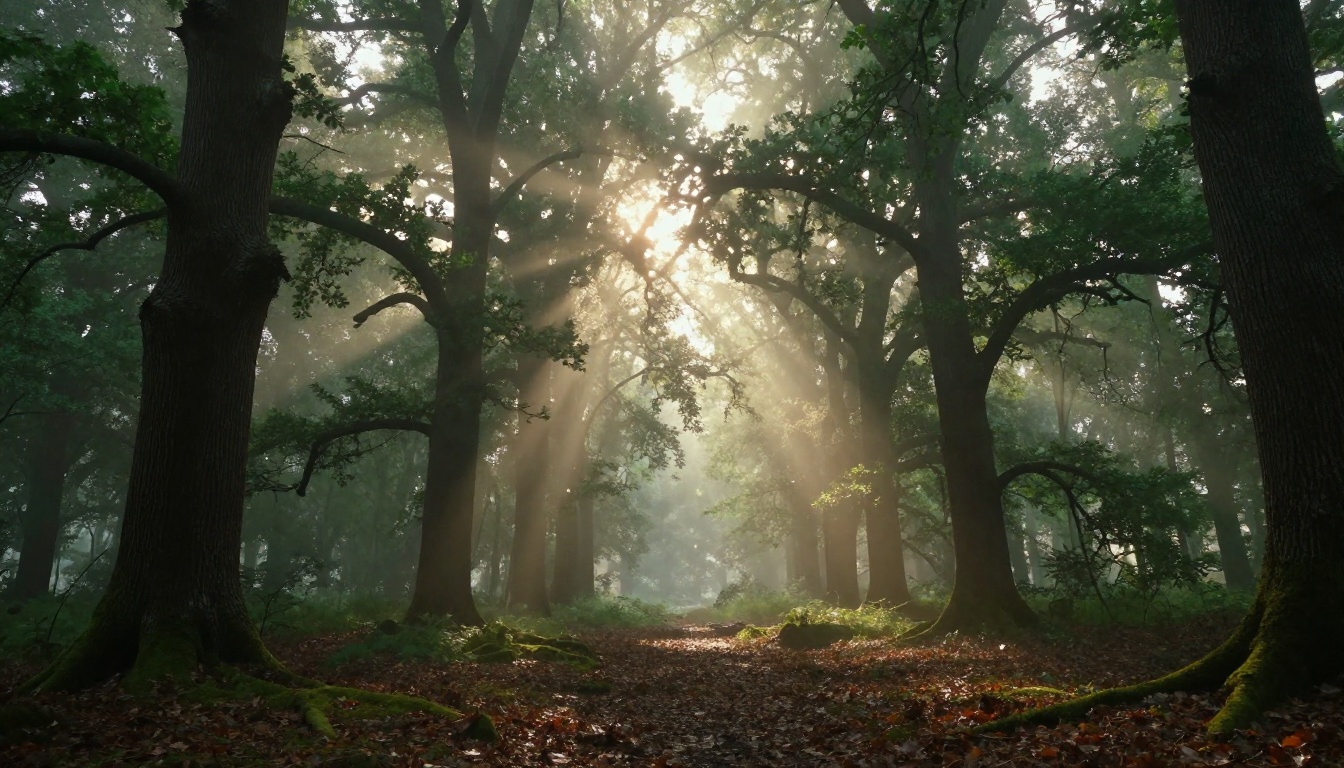
Volumetric lighting, where light visibly scatters through atmosphere, smoke, or mist, is particularly impressive in current AI video models. The physics of light scattering through particles requires significant computational modeling, and AI has learned to approximate it with remarkable visual accuracy.
Color Science in AI Video
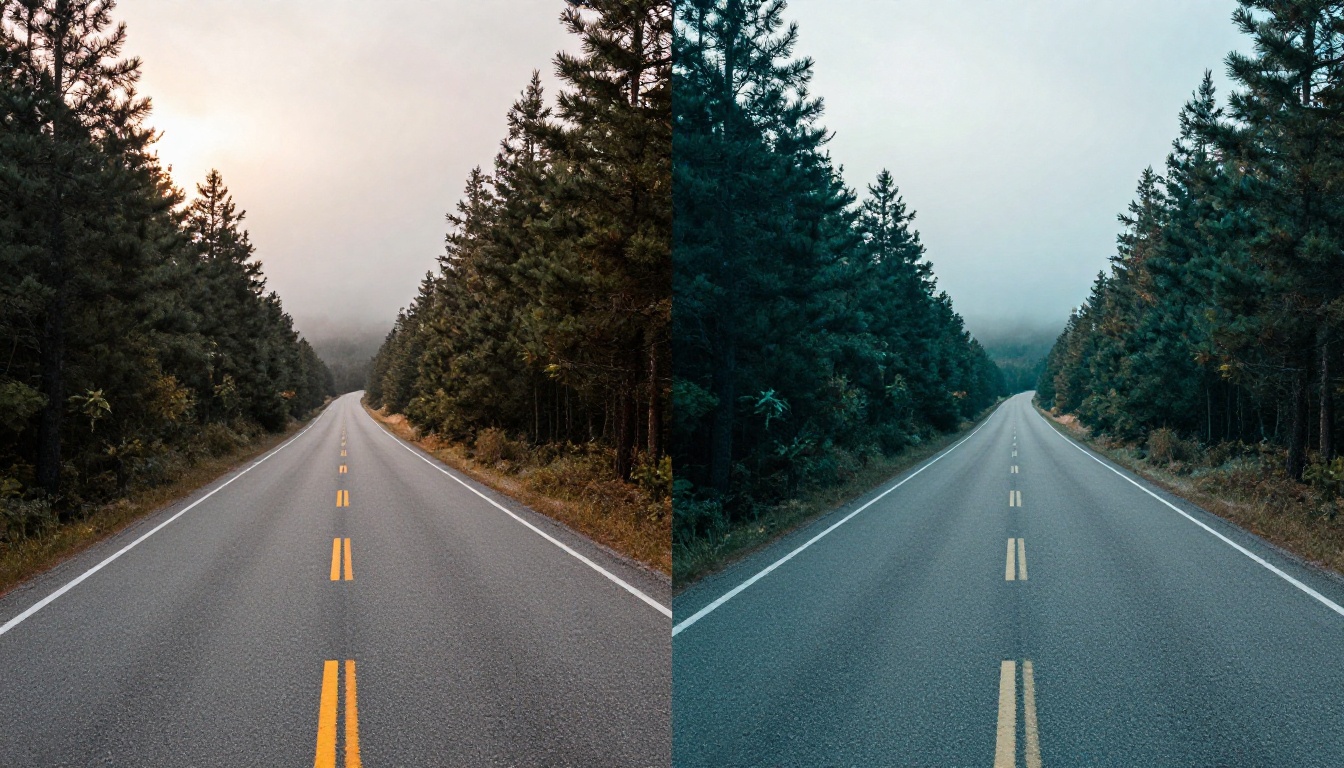
Film stocks have specific photochemical responses to light that digital cameras emulate through LUTs (Look-Up Tables) and color science profiles. Kodak Portra 400 renders skin tones with warm orange-pink bias in midtones and rolls off highlights into a pale cream rather than clipping to white. Fuji Pro 400H pushes greens and desaturates reds slightly. These are not arbitrary aesthetics. They are the physical responses of silver halide crystals to different wavelengths of light.
AI video models absorb these color behaviors from their training data. Hailuo 2.3 and Kling v2.6 both demonstrate this in their default output, which tends to display that characteristic film-like tonal separation between shadows and highlights rather than the flat linear response of raw digital capture.
The practical effect is that you do not need a colorist to make AI video look cinematic. The model has already learned what "cinematic color" means, because it has seen it thousands of times.
The Models Doing the Heavy Lifting
Kling v3 and Cinematic Motion
Kling v3 Video is one of the most direct examples of AI trained specifically for cinematic output. Its motion generation handles subjects with physical weight: characters do not float or slide, objects respond to gravity, and camera movements follow the inertia patterns of real camera operators. The model has a specific understanding of how handheld shots feel versus locked-off tripod shots versus stabilized gimbal motion.
For cinematic video at speed, Kling v2.5 Turbo Pro offers a faster generation pipeline that still maintains the cinematic motion quality the Kling family is known for. If you are iterating on multiple shots quickly, this is the version to reach for.
Gen 4.5: Motion with a Film Feel
Gen 4.5 by Runway has a distinct visual identity that many creators describe as "the most film-like" of current AI video models. Its color rendering favors that specific teal-orange separation that Hollywood color grading popularized over the past two decades. Its motion handling prioritizes weight and momentum over speed, which makes even simple movements like a person turning to look at the camera feel substantial and grounded.
Gen 4.5 is particularly strong at wide establishing shots with complex depth layering, where multiple planes of focus create that immersive sense of three-dimensional space that is the hallmark of serious cinematography.
Veo 3 and Physical Realism
Google's Veo 3 takes a different approach, prioritizing physical realism in how objects and environments behave. Water moves with proper fluid dynamics. Fire has the right luminance behavior. Fabric moves with the correct weight and flutter patterns. These are areas where previous AI video models often stumbled, producing uncanny motion that broke the illusion of reality.
Veo 3.1 pushes this further with 1080p output and improved temporal consistency, meaning that objects maintain their physical properties across the duration of the clip rather than drifting or morphing in ways that feel wrong.
💡 Tip: For physically demanding scenes, such as weather effects, flowing water, or crowd scenes, Veo models tend to outperform the competition in physical plausibility. For character-driven, emotion-focused shots, Kling models tend to produce more emotionally resonant results.
Composition and Camera Moves
How AI Handles Camera Movement
Camera movement is one of the most sophisticated aspects of cinematic language. A push-in on a face during a dramatic revelation feels different from a pull-out. A slow dolly across a landscape implies a different emotional tone than a static wide shot. These are not technical differences. They are emotional ones, and AI has learned them.
Video 01 Director by Minimax is built specifically for camera control, allowing creators to specify movement type, speed, and direction with precision. The model understands the difference between a rack focus, a dolly zoom, a truck shot, and a crane move, and it executes them with the kind of smooth acceleration and deceleration curves that characterize professional camera operation.
Kling v3 Motion Control offers a similar level of precise camera specification, particularly strong for character-following shots where the camera needs to maintain a consistent relationship with a moving subject.
Shot Framing and the Rule of Thirds
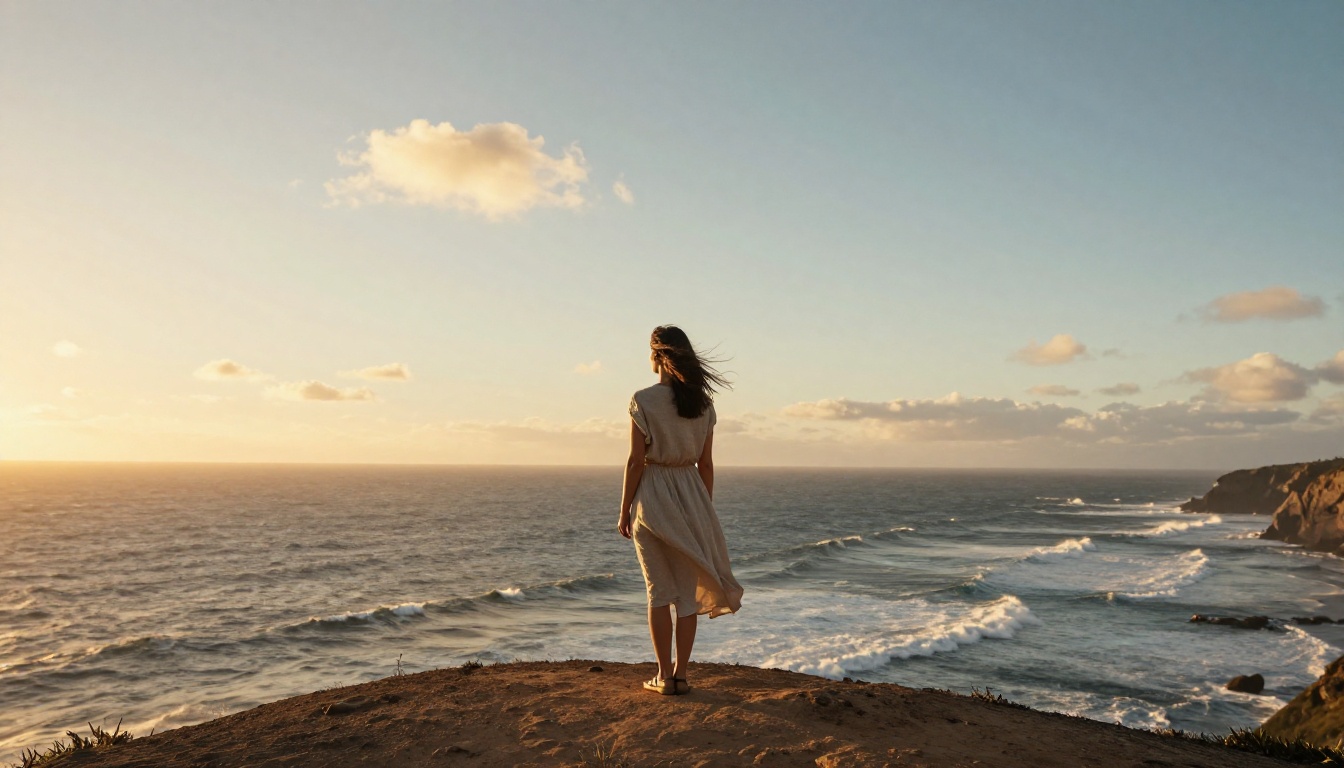
Composition is the grammar of visual storytelling. AI models trained on cinematic content have absorbed compositional conventions deeply enough that they apply them by default. Subjects are placed at rule-of-thirds intersections. Leading lines draw the eye toward the point of interest. Foreground elements create depth. Negative space is used to convey isolation or freedom depending on context.
This is not just pattern matching. When you describe a scene to a model like Sora 2 Pro, it makes compositional choices that reflect an understanding of visual storytelling. A character described as "looking out a window at a rainy street" will typically be framed with the window filling one half of the shot, the character in profile at one third, and the street scene visible in depth on the other side. That is classic cinematic composition, and the model arrives at it without being told.
Video Enhancement After Generation
Upscaling to 4K Without Losing Soul
Raw AI video output often comes at 720p or 1080p, which is sufficient for web viewing but falls short for broadcast or large-format display. This is where AI video enhancement models close the gap.
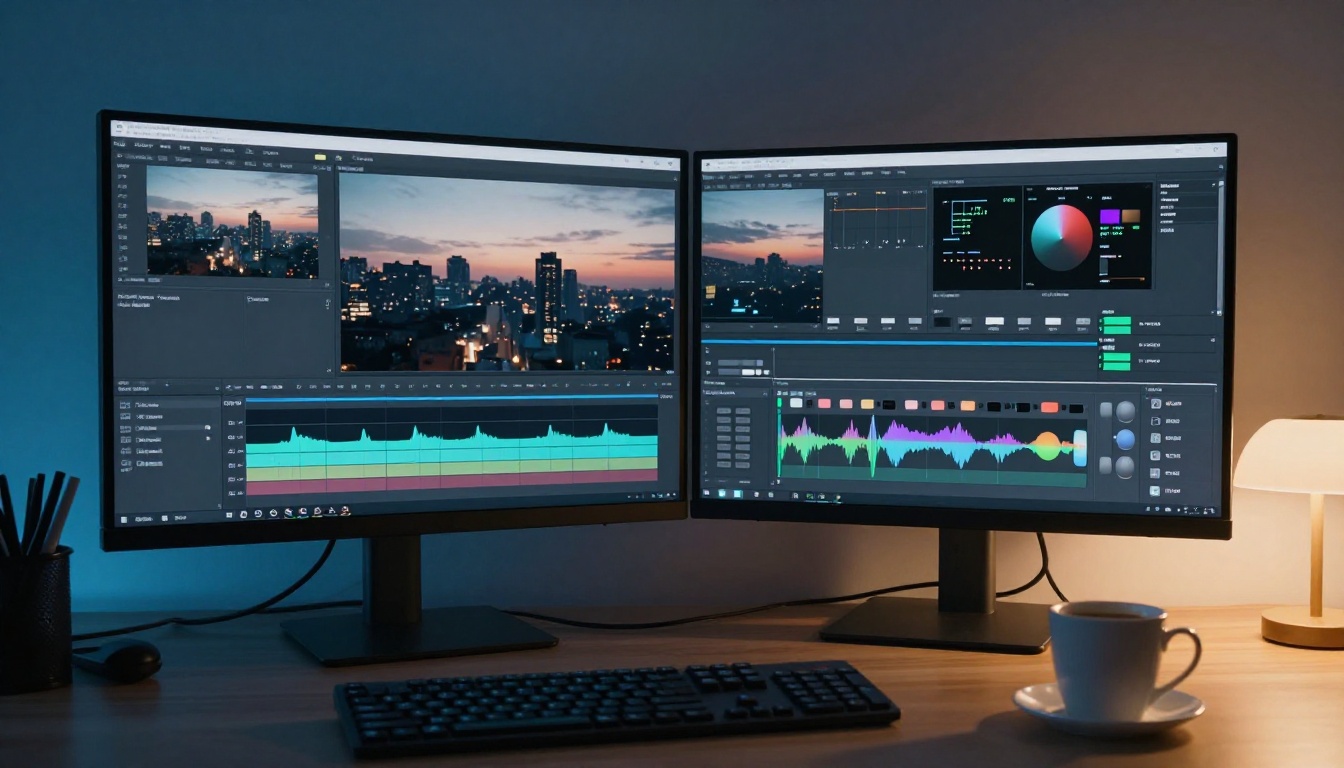
Video Upscale by Topaz Labs is the most respected name in this category for good reason. Its neural upscaling algorithm does not simply interpolate pixels. It reconstructs detail that was implied but not fully present in the source frame, including fine texture on fabric, hair strand detail, and the subtle micro-contrast that separates sharp 4K footage from upscaled HD. The output also runs at up to 120fps through frame interpolation, which gives AI video that ultra-smooth motion quality that was previously the exclusive domain of high-end broadcast cameras.
Upscale v1 by Runway provides a solid alternative with tight integration into Runway's broader video workflow, making it the practical choice when you are already generating video with Gen 4.5 and want to stay within a single ecosystem.
Frame Rate Tricks for Smooth Playback
The relationship between frame rate and cinematic feel is counterintuitive. Higher frame rates (60fps and above) actually make video look less cinematic, not more. The 24fps standard of cinema is tied to the same 180-degree shutter convention that creates the motion blur discussed earlier. When that blur is present and the frame rate is low enough, the brain interprets the motion as "film."
AI upscaling tools that add frames using temporal interpolation have to be careful not to over-smooth motion to the point where it loses that characteristic 24fps feel. The best tools let you choose your target frame rate, preserving the cinematic motion cadence while adding resolution and stability.
From Prompt to Cinema
Writing Prompts That Trigger Cinematic Output
The quality of your prompt determines whether an AI video model produces something that looks like a phone clip or a film. The difference is in the specificity of optical and lighting language. Vague prompts produce generic output. Specific prompts trigger the model's learned cinematic knowledge.
Here is a practical comparison:
| Weak Prompt | Strong Cinematic Prompt |
|---|
| "A woman walking in a city" | "A woman in a camel coat walks through a rain-slicked city street at dusk, 35mm f/2.8 with soft bokeh, warm street lamp backlight, handheld" |
| "Mountains at sunset" | "Aerial establishing shot of snow-capped peaks at golden hour, 24mm deep focus, foreground pine trees sharp, distant peaks hazy with atmosphere" |
| "A car driving fast" | "Low-angle tracking shot of a black sedan on a wet highway, 70mm panning, motion blur on wheels, teal-orange color grade" |
The optical specifications (focal length, aperture), lighting descriptions (backlight, Rembrandt, motivated single source), and movement vocabulary (handheld, tracking, aerial) are the triggers that activate the cinematic knowledge buried in the model's weights.
💡 Tip: Always include a frame rate reference in prompts for motion-heavy scenes. "Shot at 24fps cinematic shutter" signals to the model that you want the characteristic motion blur of film rather than the sharp freeze-frames of sports video.
Try It Yourself on PicassoIA
The models referenced throughout this article are all available directly on PicassoIA. You do not need accounts with six different platforms or technical knowledge to set up local inference. Each model is accessible through a simple interface where you write your prompt, set your parameters, and generate.
For cinematic video, the recommended starting point is Kling v3 Video for character-driven shots, Veo 3 for environment and physics-heavy scenes, and Gen 4.5 when you want that specific Hollywood color signature.
After generation, run your output through Video Upscale by Topaz to bring it to 4K before sharing or publishing.
The gap between what required a film crew and what a single person with a well-crafted prompt can produce is now genuinely narrow. The physics is simulated. The light is motivated. The composition is considered. What remains is the idea, and that part is still yours.