The adult content industry didn't just evolve between 2023 and 2025. It was rebuilt from the ground up. AI NSFW generators crossed a threshold during this period, moving from clunky prototypes with distorted anatomy and obvious artifacts into production-grade tools capable of producing photorealistic imagery that rivals professional photography. For creators, independent studios, and consumers alike, the shift rewrote the rules of how adult content gets made, distributed, and consumed, more dramatically than any technology since broadband internet changed distribution in the early 2000s.
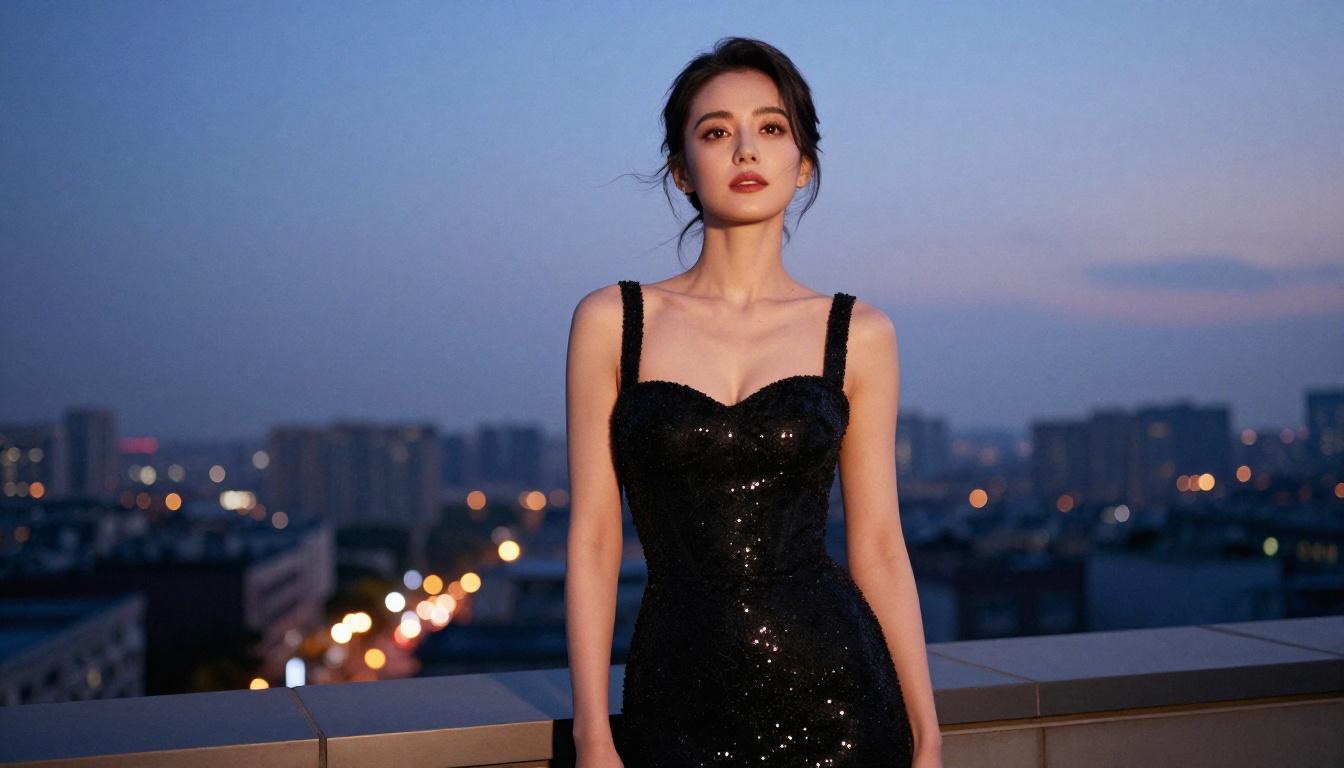
The Industry Before AI Changed It
Before diffusion models hit the scene, adult content creation operated on the same basic formula it had maintained for decades. You needed talent, a photographer, a location, lighting equipment, post-production time, and a distribution budget. The barrier to entry was high, and that kept production concentrated among a relatively small number of professional studios and well-capitalized independent creators.
A Market Defined by Production Costs
The economics were straightforward: high costs meant high prices, and the market reflected that structure at every level. Independent creators had limited tools to compete with studio output. Those who wanted to produce custom content for specific tastes faced significant logistical and financial challenges at every step, from talent sourcing to final image editing.
Even with the rise of platforms that democratized distribution dramatically, the production side remained expensive and time-intensive. Getting content from concept to published required days of coordination at minimum, and weeks for anything ambitious.
The Bottleneck That AI Broke
The real constraint wasn't distribution, and it wasn't even talent. It was creation at volume. Producing diverse, high-quality content consistently required either significant financial investment or a large operational team. That bottleneck didn't just limit creators financially. It limited creative expression. Niche aesthetics, specific scenarios, and truly personalized content were difficult to produce profitably under the old model.
AI NSFW generators broke that bottleneck completely. What once required a full production team can now happen in seconds from a single text prompt, with outputs indistinguishable from professional studio photography.
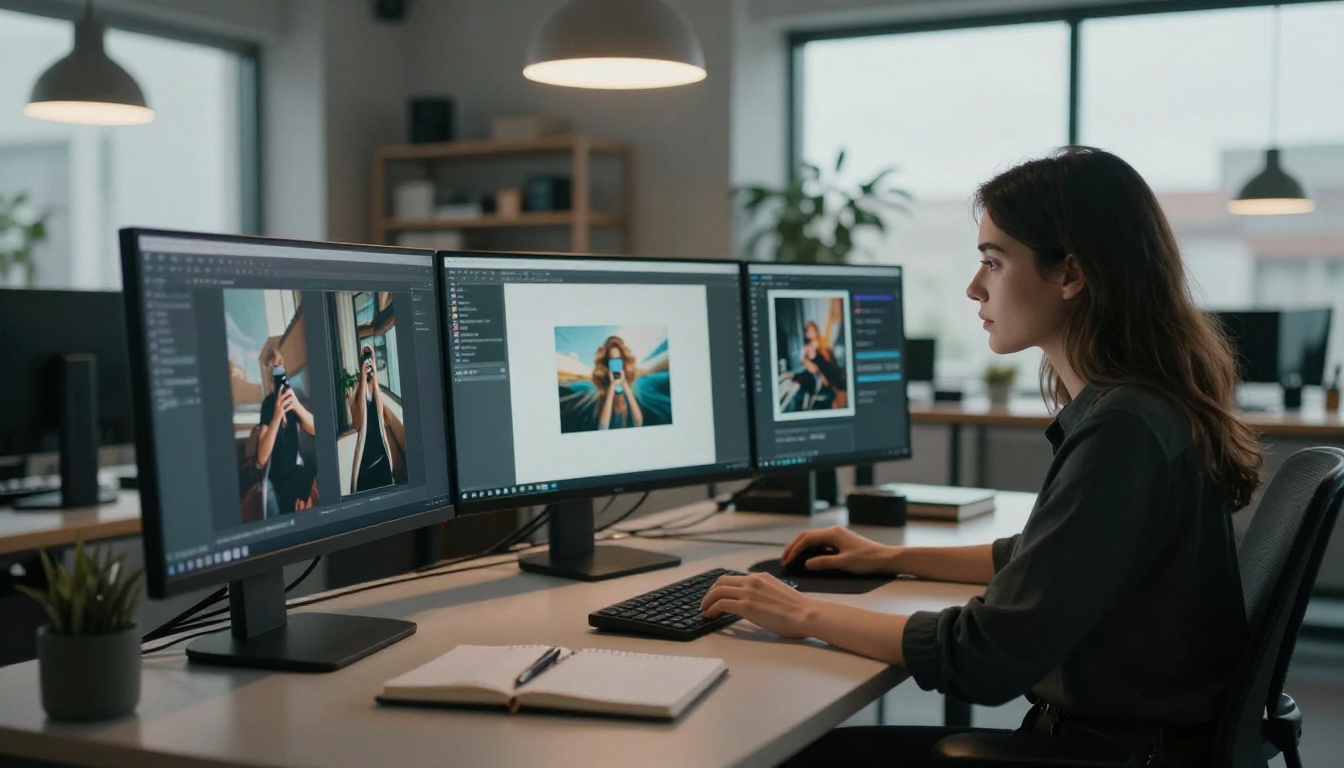
What AI NSFW Generators Actually Do
At their core, AI NSFW generators are text-to-image models trained on large image datasets, often with fine-tuning specifically targeting realistic human subjects and adult aesthetics. A user writes a description, and the model generates a photorealistic image matching that description, from scratch, in seconds. The technology builds on diffusion modeling: an image is progressively refined from structured noise into a coherent output guided by the text prompt.
The Models That Defined the Shift
Several specific models became synonymous with the AI adult content revolution:
- Flux 1.1 Pro by Black Forest Labs set a new benchmark for photorealistic image generation with exceptional prompt adherence and human anatomy accuracy
- Flux 1.1 Pro Ultra pushed resolution and skin texture detail further, producing near-photographic outputs at 8K equivalent quality
- Stable Diffusion 3.5 Large from Stability AI became a widely used foundation for community-created fine-tunes targeting realistic human figure generation
- RealVisXL v3.0 Turbo became a reference model for photorealistic NSFW outputs specifically due to its exceptional skin texture and facial feature rendering
- SDXL from Stability AI served as the base architecture for hundreds of community fine-tuned models targeting adult content
💡 The defining capability isn't just image quality, it is controllability. Modern NSFW AI models allow creators to specify lighting, camera angle, body type, facial expression, outfit, and setting in a single prompt, producing consistent results across dozens of variations in minutes.
From Distorted Artifacts to Photorealism
Early diffusion models struggled badly with human anatomy. Distorted hands, misaligned facial features, and unrealistic body proportions were constant problems that made early outputs look obviously artificial. The models that defined 2024 solved these problems systematically.
By mid-2024, models like Flux Dev and Realistic Vision v5.1 were producing outputs that required expert scrutiny to distinguish from actual photography. Skin pores, hair texture, the subtle imperfections of real human faces: these were no longer challenges but standard outputs.
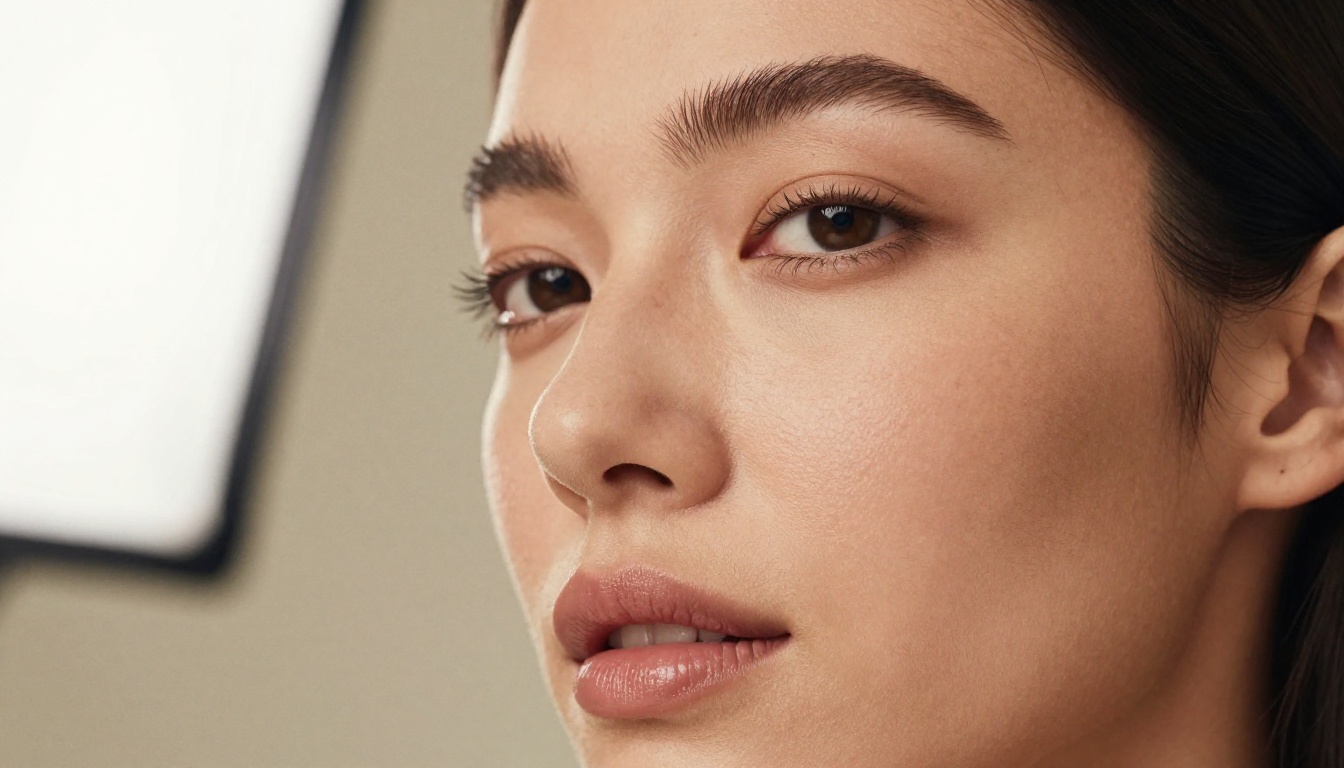
The case for switching is almost purely economic on the surface, but the real benefits run far deeper than simple cost savings.
Speed and Cost at a Fraction of Traditional Production
A traditional adult content photo shoot involves booking talent, securing a location, hiring a photographer, managing lighting and staging, coordinating schedules, and handling post-production editing. Total cost for a professional shoot: anywhere from $500 to $5,000 or more. Time from concept to published content: three to fourteen days at minimum.
With an AI NSFW generator on a platform like PicassoIA:
| Method | Cost Per Image | Time to First Image |
|---|
| Traditional shoot | $50-$200 | 3-14 days |
| AI generation (standard model) | $0.01-$0.10 | 5-30 seconds |
| AI generation (premium model) | $0.20-$1.00 | 10-60 seconds |
The cost differential isn't just large. It rewrites the entire production model. Creators who previously could afford one professional shoot per month can now produce hundreds of high-quality images per day.
Creative Control Without Compromise
Perhaps more significant than cost is the level of creative control AI generation offers. With AI image synthesis, a creator specifies:
- Exact lighting conditions: golden hour warmth, studio softbox positioning, candlelight ambiance
- Camera angles: low-angle close-up, aerial three-quarter profile, intimate medium shot
- Aesthetics and film style: Kodak Portra 400 grain, Fujifilm 400H tones, cinematic color grading
- Consistent character appearance: same hair color, skin tone, and facial structure across multiple images in a series
This level of control was previously only possible with a highly skilled photography director and significant post-production editing. Now it's accessible through a text prompt.

No conversation about how AI NSFW generators changed adult content is complete without addressing the people who built the industry.
New Competition, Real Concerns
Human performers and independent creators faced a fundamentally new competitive dynamic. AI-generated imagery doesn't require consent negotiations, travel, scheduling, residual payments, or talent fees of any kind. For studios and creators focused purely on output volume, AI became an extraordinarily attractive production alternative.
The concern isn't hypothetical. Multiple major adult content platforms reported a significant and accelerating uptick in AI-generated content submissions between 2023 and 2025. By late 2024, several platforms reported that AI content represented 20 to 30 percent of all new uploads, with that figure trending upward sharply.
For performers whose livelihood depends on subscription platforms and content sales, this introduced genuine financial pressure. The concern extended beyond simple market competition into the territory of synthetic media using a performer's real likeness without consent, a problem that platforms, industry organizations, and legislators began addressing with increasing seriousness.
Performers Who Adapted and Won
Many professional creators took a different approach entirely: they incorporated AI tools into their production workflows rather than positioning AI as the opposition. Using AI NSFW generators to pre-visualize creative concepts, produce promotional imagery, build social media content, and generate non-explicit supplementary material became common practice among digitally sophisticated creators.
The pattern that emerged was clear: performers who used AI as a production tool rather than viewing it as a direct replacement found ways to increase output, reduce costs, and maintain their personal brand as the authentic human element their audience valued most.
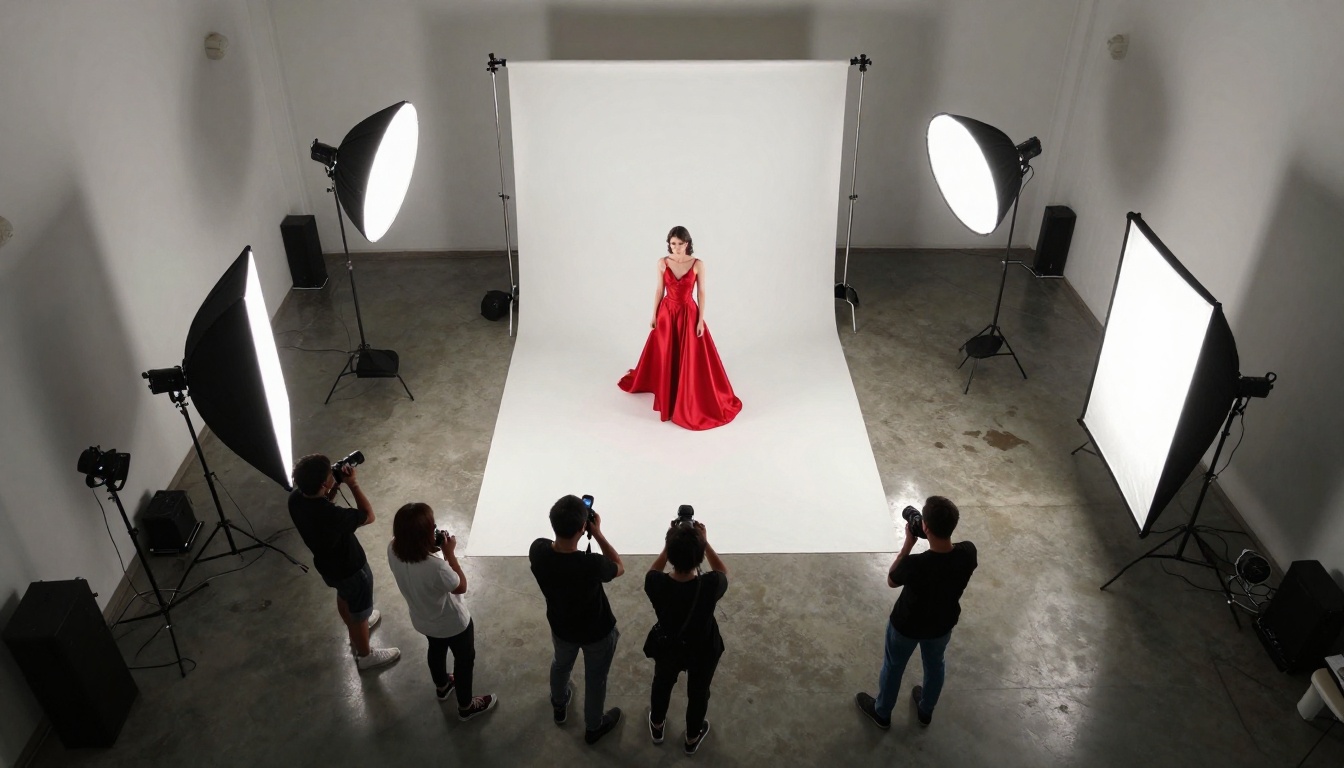
How AI-Generated Adult Content Gets Moderated
The proliferation of AI adult content created significant and complex policy challenges for platforms, payment processors, financial institutions, and legislators across multiple jurisdictions.
Platform Policies in 2024-2025
Major adult content platforms moved to create specific and enforceable policies for AI-generated content. The consistent themes across platform policy updates included:
- Mandatory disclosure requirements: Creators must label AI-generated content clearly and accurately in all metadata and descriptions
- Strict deepfake prohibitions: Content depicting real, identifiable individuals without their explicit documented consent is banned across virtually every major platform
- Age verification for AI characters: Platforms require that AI-generated characters appear unambiguously adult, with active enforcement against prompts specifying minors
- Watermarking requirements: Many platforms began requiring technical metadata confirming AI origin to be embedded in uploaded files
💡 The C2PA standard (Coalition for Content Provenance and Authenticity) became an important framework for AI content disclosure. Images generated by newer models increasingly carry embedded metadata indicating their AI origin, allowing platforms to detect and label synthetic imagery automatically at scale.
The Detection and Verification Layer
Detection technology evolved in parallel with generation technology. AI content classifiers, metadata readers, and pattern detection models became standard infrastructure for all large adult content platforms by 2025. The relationship between generation quality and detection accuracy created ongoing technical pressure on both sides, with each advancement in generation quality prompting corresponding improvements in detection and verification tooling.
The result was a layered verification ecosystem: platforms running automated classifiers on uploads, creators voluntarily tagging AI-generated content, and metadata standards embedding origin information at the file level. No single method works alone, but together they created a moderation infrastructure that didn't exist before 2023.

How to Use Flux on PicassoIA for NSFW Images
PicassoIA offers access to the most capable image generation models available, including the full Flux family from Black Forest Labs, which consistently tops photorealism benchmarks for human figure generation. Here is a step-by-step breakdown of how to use these models effectively.
Step 1: Pick the Right Flux Model
PicassoIA gives you multiple Flux variants, each optimized for different creation needs:
For photorealistic NSFW imagery, Flux 1.1 Pro Ultra and Flux 2 Pro are the top recommendations for maximum output quality.
Step 2: Build a Detailed, Specific Prompt
The single biggest factor separating average outputs from outstanding ones is prompt quality. Vague prompts produce generic results. Specific, detailed prompts produce exactly what you visualized.
Weak prompt:
"Beautiful woman in a bedroom"
Strong prompt:
"A woman in an ivory silk slip reclining on a velvet chaise lounge in a warmly lit boudoir, candlelight from the lower left, 50mm f/1.4 lens, shallow depth of field, natural skin texture with visible pores, Kodak Portra 400 film grain, photorealistic 8k resolution"
Include these five elements for consistently strong outputs:
- Subject and clothing: Specific garment, fabric, fit, and styling
- Environment: Setting details, props, background elements
- Lighting: Direction, quality, color temperature, and source
- Camera specs: Lens focal length, aperture, shooting distance
- Film and color style: Specific film stocks or color grading reference
Step 3: Refine With ControlNet and LoRA
For consistent character appearance across multiple images in a series, PicassoIA's SDXL Multi ControlNet LoRA allows you to maintain pose structure and visual consistency across variations. This is particularly valuable for series content where a specific character needs to appear coherently across multiple scenarios and settings.
💡 Use Flux Kontext Pro to edit existing generated images without regenerating from scratch. Change the outfit, background, or lighting of an image you already generated. It's significantly faster for iterative refinement and keeps your character consistent across edits.
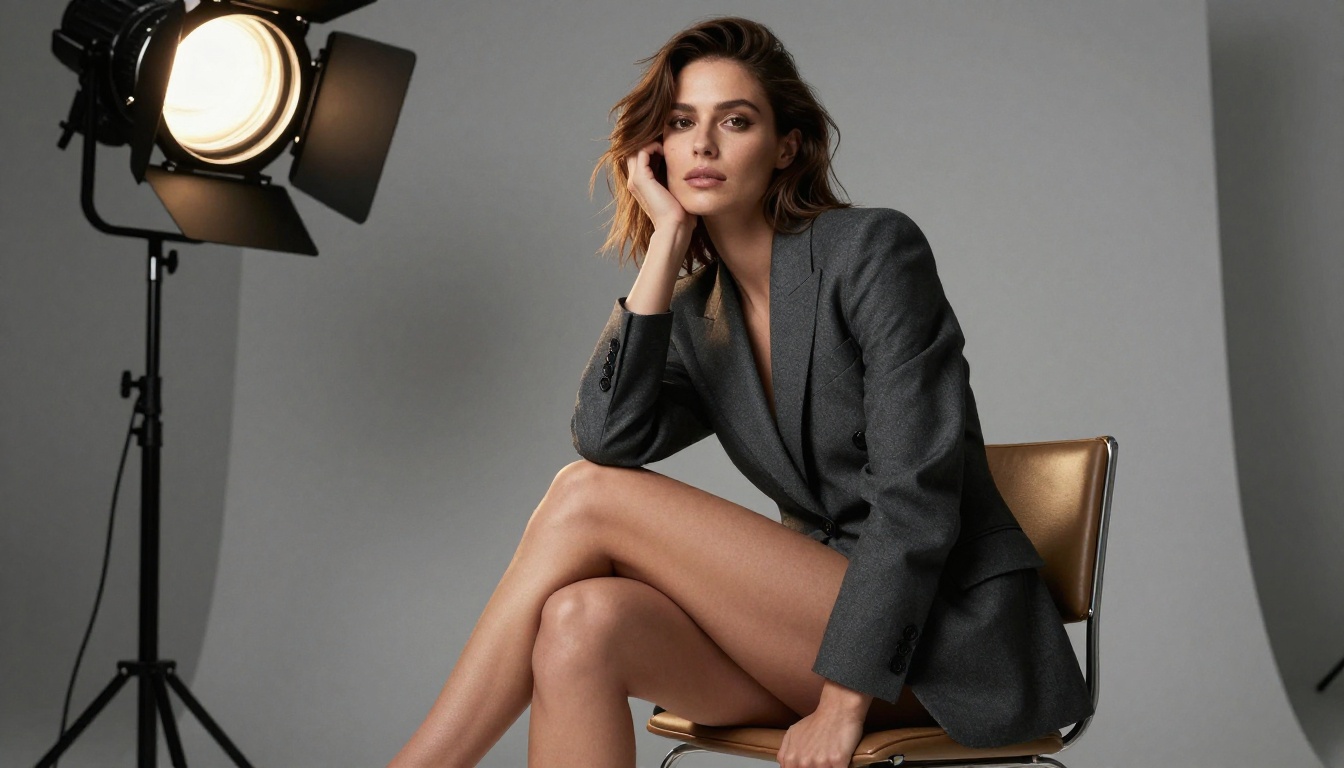
The Numbers Behind the Shift
AI-generated adult content isn't a niche phenomenon or a distant trend. The data from 2024 and 2025 tells a clear story:
| Metric | Data Point |
|---|
| AI adult content market size (2024) | Est. $1.5B+ |
| Year-over-year growth rate (2023-2024) | 300%+ |
| Share of platform uploads that are AI-generated (late 2024) | 20-35% |
| Average cost per AI image | $0.01-$0.50 |
| Average cost per professional photograph | $50-$200 |
| Time to generate 100 AI images | Under 10 minutes |
| Time to produce 100 professional photos | 2-4 weeks |
These numbers explain why adoption happened so quickly and comprehensively. The economic case isn't just compelling. It is overwhelming for any creator focused on volume, variety, and production efficiency. And the quality gap that once existed between AI outputs and professional photography has narrowed to near zero with the current generation of models.
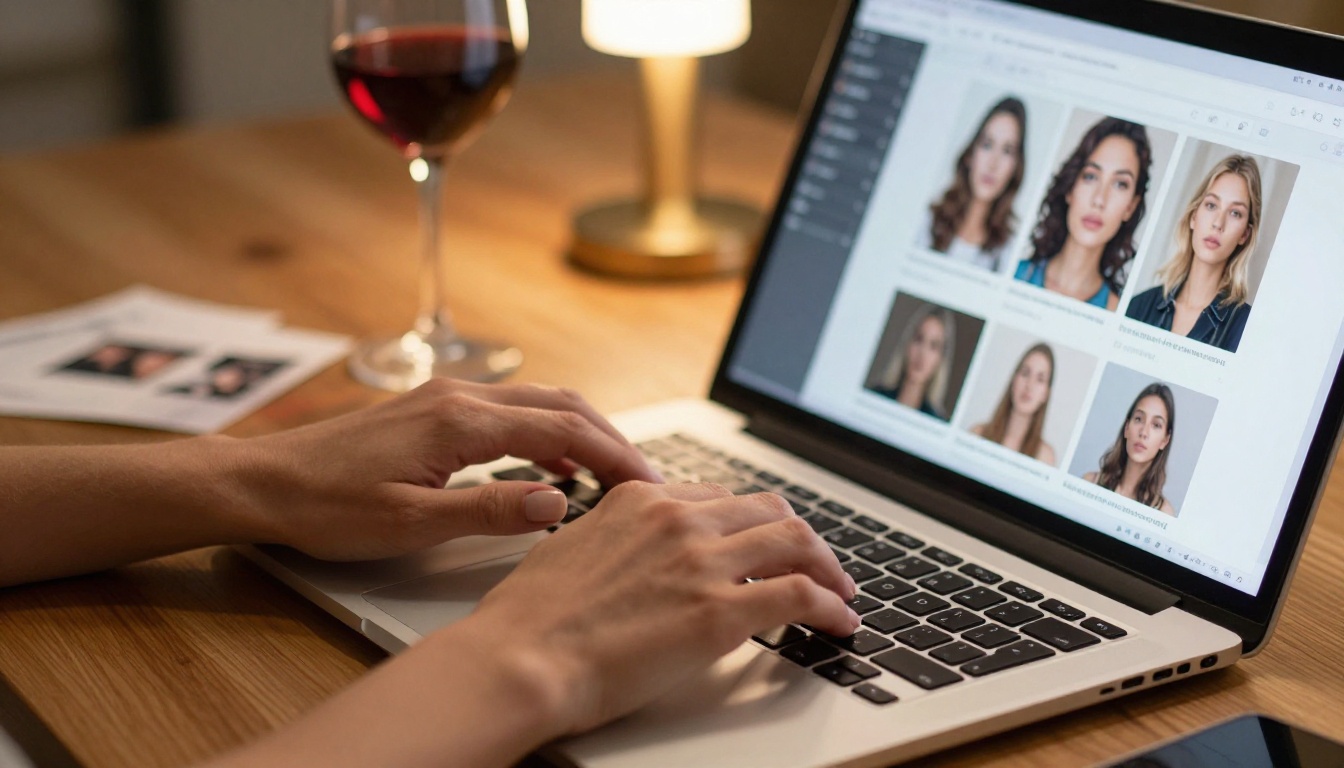
Platforms Shaping AI Adult Content in 2025
Several platform categories emerged as distinct leaders in this space, each serving different creator needs and content types.
Dedicated NSFW generation platforms fine-tune base models on curated adult datasets and operate outside mainstream app store distribution. These platforms cater specifically to explicit content creation and typically offer the most permissive generation settings.
General-purpose platforms like PicassoIA provide access to powerful models including GPT Image 1.5, Seedream 4, and Imagen 4 alongside photorealistic generation models suitable for glamour and artistic NSFW content. These platforms serve creators focused on artistic, suggestive, and beauty-focused imagery at professional quality.
Community-driven platforms allow users to share custom fine-tuned LoRA models targeting photorealistic human subjects with specific aesthetic characteristics. These communities have produced some of the most effective fine-tunes for realistic portraiture and glamour photography styles.
The distinction between these platform types matters because it defines both the content type and the audience. Dedicated NSFW platforms serve explicit content creation workflows. General platforms with powerful base models serve creators focused on artistic, glamour, and suggestive content that prioritizes photorealistic quality and creative control.
The most significant trend across all categories in 2025 is the movement toward character consistency: tools and workflows that maintain a specific character's appearance across dozens or hundreds of generated images, enabling creators to build recognizable AI personas with consistent visual identities.
Start Creating Right Now on PicassoIA
You've read the story of how AI NSFW generators changed adult content. Now it's your turn to see what this technology actually produces when you put it to work.
PicassoIA gives you immediate access to the most capable text-to-image models available, including the complete Flux family, Stable Diffusion 3.5 Large, Realistic Vision v5.1, RealVisXL v3.0 Turbo, and more than 90 other text-to-image models. No software to install, no GPU required, no technical setup of any kind.
Start with a detailed prompt. Describe the subject precisely, specify the lighting, name the camera lens, define the mood. Run it through Flux 1.1 Pro Ultra for maximum photorealism. Iterate on what you get. Use Flux Kontext Pro to refine outputs you like without regenerating from scratch. Within an hour, you will have a real sense of what these models can produce and how to get consistent, high-quality results that match your creative vision accurately.
The creators setting the standard for AI-generated adult content right now are the ones who started experimenting early and learned what these models can do. There is no better time to begin.