The cinematic landscape is undergoing a seismic shift, one that's rewriting the rules of visual storytelling from the ground up. What began as simple text-to-image experiments has evolved into sophisticated AI video generation systems that can produce professional-grade content from simple text descriptions. This isn't about replacing filmmakers—it's about augmenting human creativity with computational power that understands cinematic language.
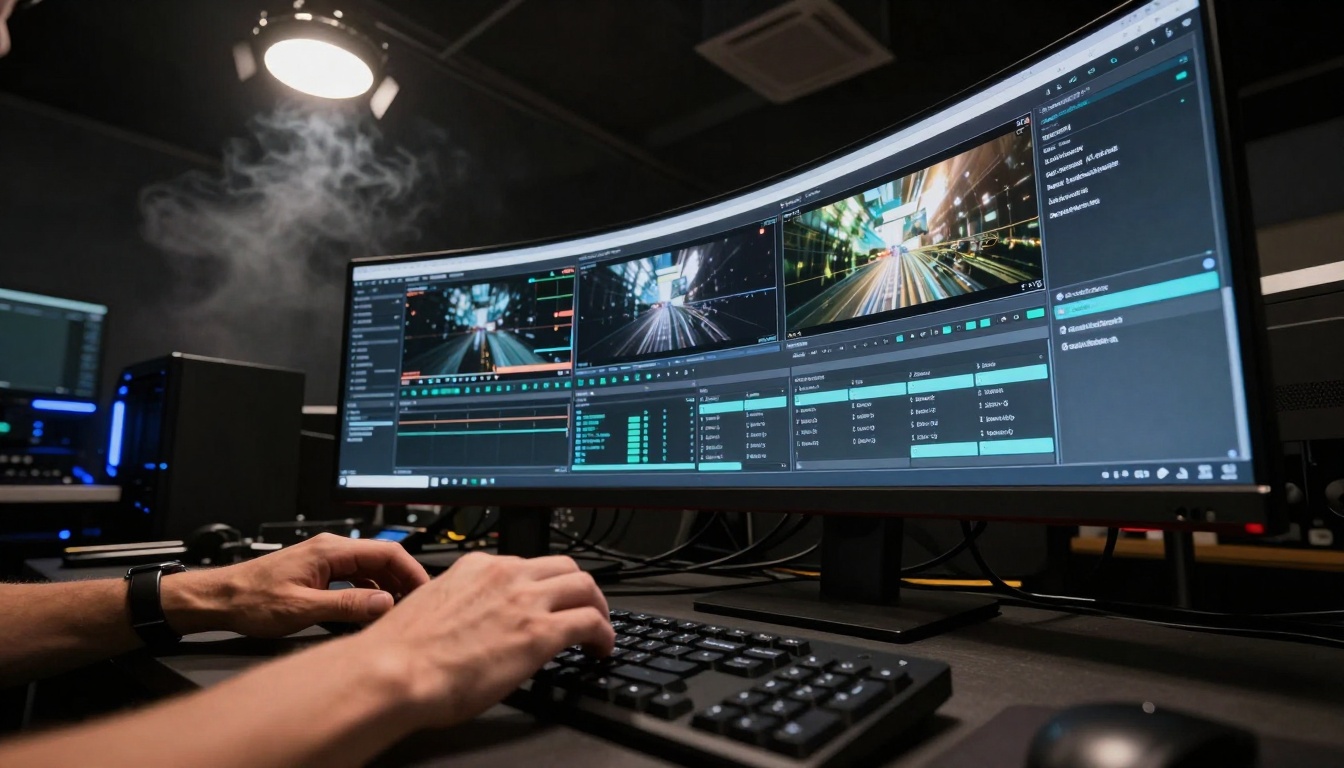
The shift happened faster than anyone predicted. Just five years ago, the idea of generating coherent video from text prompts seemed like science fiction. Today, platforms like PicassoIA host dozens of specialized AI video generators, each with unique capabilities and artistic styles. The transformation isn't incremental—it's exponential, with quality improvements arriving monthly rather than annually.
From Imagination to Screen: The Technical Leap
What makes modern AI video generation possible is a combination of diffusion models, transformer architectures, and massive training datasets. Unlike earlier systems that produced glitchy, low-resolution clips, today's generators understand cinematic concepts like pacing, composition, and emotional tone.
💡 The key breakthrough: AI doesn't just replicate existing footage—it understands cinematic grammar. It knows what makes a shot "cinematic" versus "documentary," can differentiate between different emotional tones, and understands how camera movements affect storytelling.
Real-time parameter adjustment has become the norm. Creators can tweak prompts mid-generation, adjusting lighting conditions, camera angles, character emotions, and scene composition while the AI renders. This interactive workflow blurs the line between pre-production and production, allowing for rapid iteration that traditional filmmaking could never achieve.

The Democratization Effect: Who Benefits Most?
Independent filmmakers represent the largest beneficiary group. Where once a short film required months of planning, thousands in equipment rentals, and complex crew coordination, now a single creator with a good idea can produce professional-looking content. The barrier isn't money—it's creativity.
Content creators across YouTube, TikTok, and social media platforms are adopting AI video tools at staggering rates. The ability to generate unique backgrounds, enhance existing footage, or create entirely new scenes without licensing issues has transformed content production workflows.
Educational institutions are using AI-generated videos for everything from historical recreations to scientific visualizations. Complex concepts that once required expensive animation studios can now be visualized with simple text descriptions.
Corporate communications teams are generating training videos, product demonstrations, and marketing content that would previously require extensive production schedules and budgets.
Current State of AI Video Technology
The PicassoIA platform showcases the diversity of available AI video generation tools. Each model specializes in different aspects of video creation:
| Model Category | Key Players | Primary Use Cases |
|---|
| Text-to-Video | Sora-2, Veo-3.1, Kling-v2.6 | Narrative storytelling, concept visualization, marketing content |
| Image-to-Video | WAN-2.6-I2V, WAN-2.5-I2V | Bringing static images to life, adding motion to artwork |
| Specialized Animation | Seedance-1.5-pro, Hailuo-2.3 | Character animation, stylized motion graphics |
| Fast Generation | Veo-3.1-fast, WAN-2.5-T2V-fast | Rapid prototyping, iterative content creation |
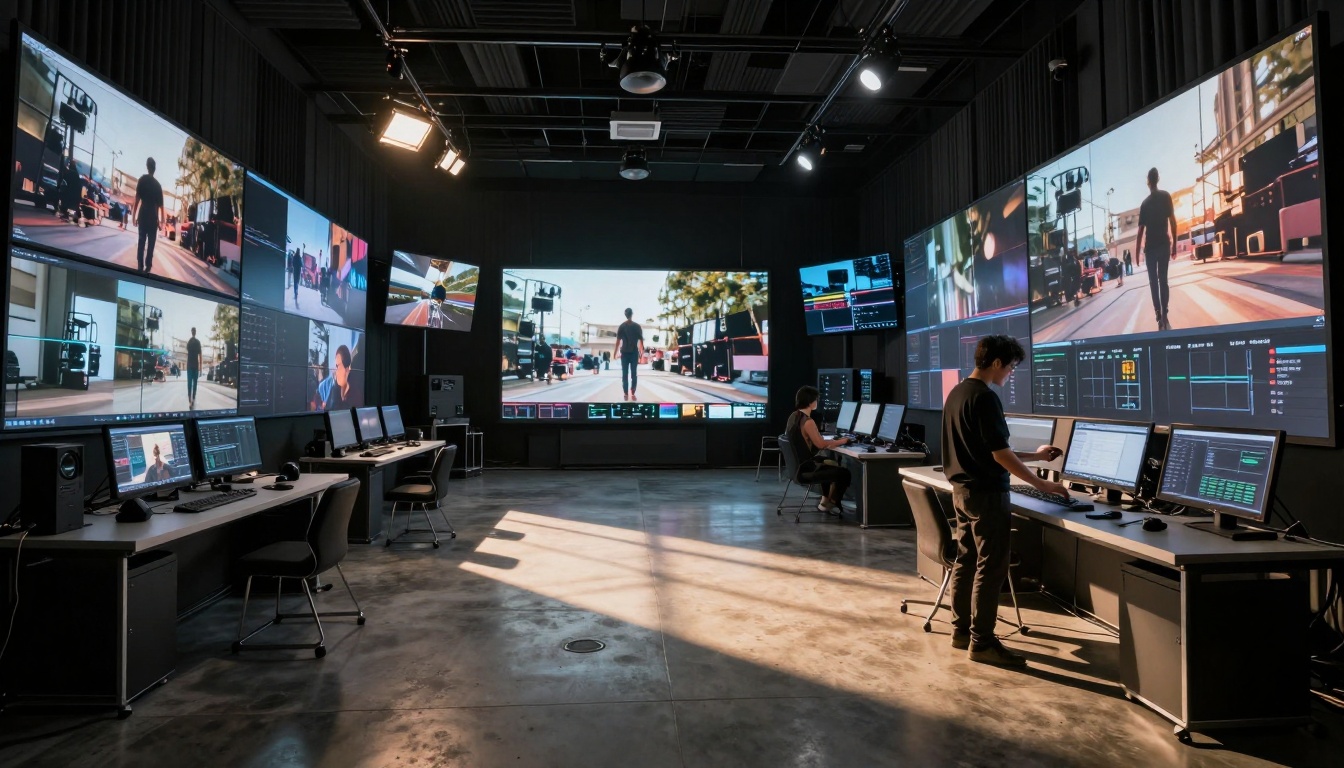
Quality Considerations: What Separates Amateur from Professional
Consistency across frames remains the biggest challenge. Early AI video generators struggled with maintaining character appearance, lighting continuity, and object persistence across multiple frames. The latest generation—particularly models like Sora-2-pro and Kling-v2.6-motion-control—show dramatic improvements in these areas.
Resolution and detail have seen exponential growth. Where 480p was once acceptable, 720p and 1080p output is becoming standard, with 4K generation on the horizon. The difference isn't just pixel count—it's about texture detail, lighting accuracy, and motion fluidity.
Camera intelligence represents perhaps the most sophisticated advancement. AI models now understand cinematic camera movements—dolly shots, crane movements, steadicam tracking—and can apply them appropriately based on scene context and emotional tone.
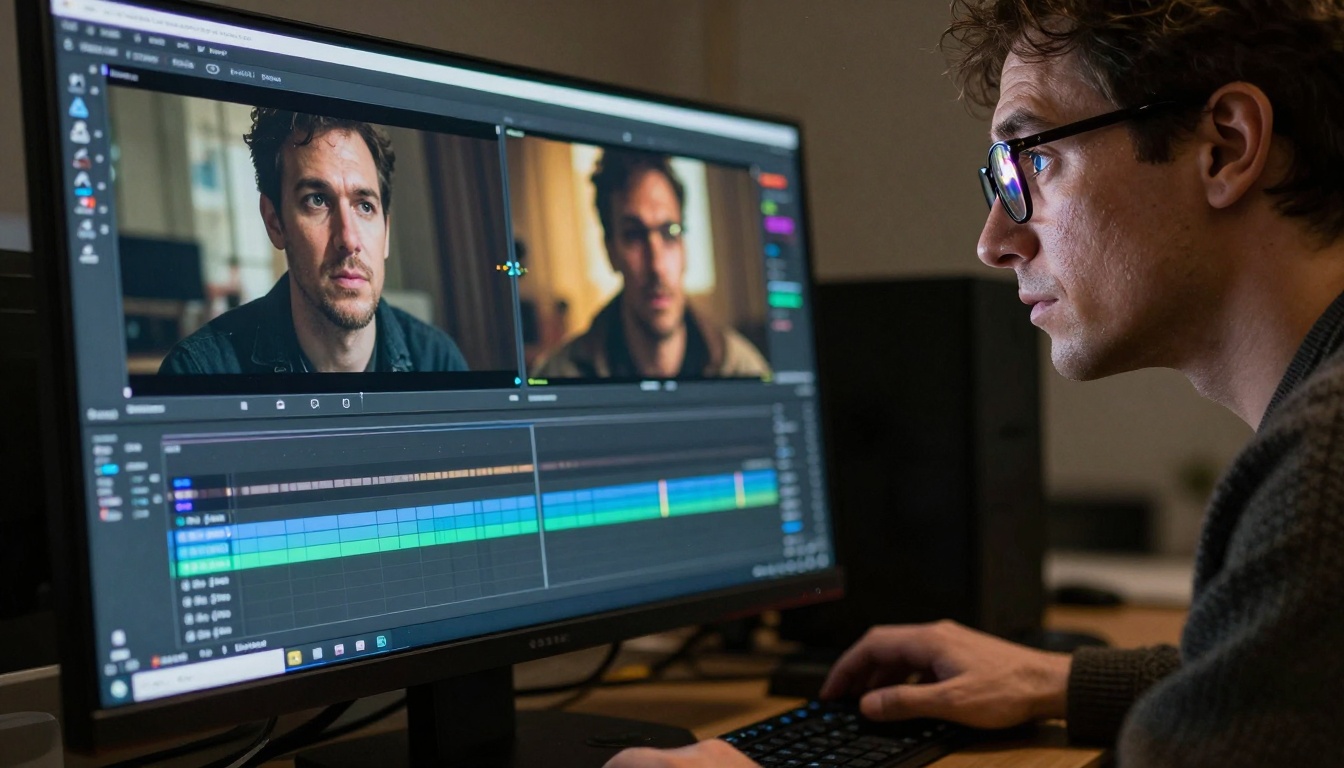
Practical Applications Changing Industries
Film and Television Pre-production
Storyboarding has transformed from hand-drawn sketches to AI-generated animatics. Directors can visualize complex sequences before committing to expensive location shoots or VFX budgets. The Pixverse-v5 model excels at this, generating mood boards and shot sequences that communicate visual intent to entire production teams.
Advertising and Marketing
Brands are generating test commercials, product demos, and social media content at unprecedented speeds. The ability to A/B test different visual approaches without full production cycles gives marketers data-driven creative insights.
Educational Content
Complex scientific processes, historical events, and abstract concepts can be visualized with accuracy previously requiring specialized animation studios. Educational institutions report 60% reduction in content production costs while achieving higher engagement rates.
Gaming and Interactive Media
Game developers use AI video generators for cutscenes, environmental animations, and character introductions. The Ray-2-720p model specifically targets interactive media applications with its balanced quality-to-speed ratio.
The Human-AI Collaboration Model
Contrary to popular fears, AI video generation isn't replacing human creators—it's augmenting their capabilities. The most successful implementations follow a collaborative workflow:
- Human provides creative direction (concept, emotion, narrative arc)
- AI generates multiple visual interpretations
- Human selects and refines promising options
- AI iterates based on human feedback
- Final polish by human editors
This back-and-forth creates a creative feedback loop where AI handles technical complexity while humans focus on artistic judgment and emotional resonance.
Technical Limitations and Current Challenges
While progress has been remarkable, several technical hurdles remain:
Temporal consistency issues still appear in longer sequences, particularly with complex character interactions or detailed environmental changes.
Physics understanding remains imperfect—water flows, cloth dynamics, and complex particle systems often show artifacts that trained eyes can spot.
Memory and continuity across extended sequences requires further model architecture improvements. Current systems work best with shorter clips (under 30 seconds) for optimal quality.
Style transfer limitations mean that while AI can replicate general styles, truly unique directorial visions require more sophisticated control mechanisms.
Cost and Accessibility Revolution
The economic impact cannot be overstated. Traditional video production involves:
- Equipment rentals ($5,000+ per day for professional cinema cameras)
- Location costs (permits, travel, logistics)
- Crew expenses (camera operators, lighting technicians, sound engineers)
- Post-production (editing, color grading, VFX)
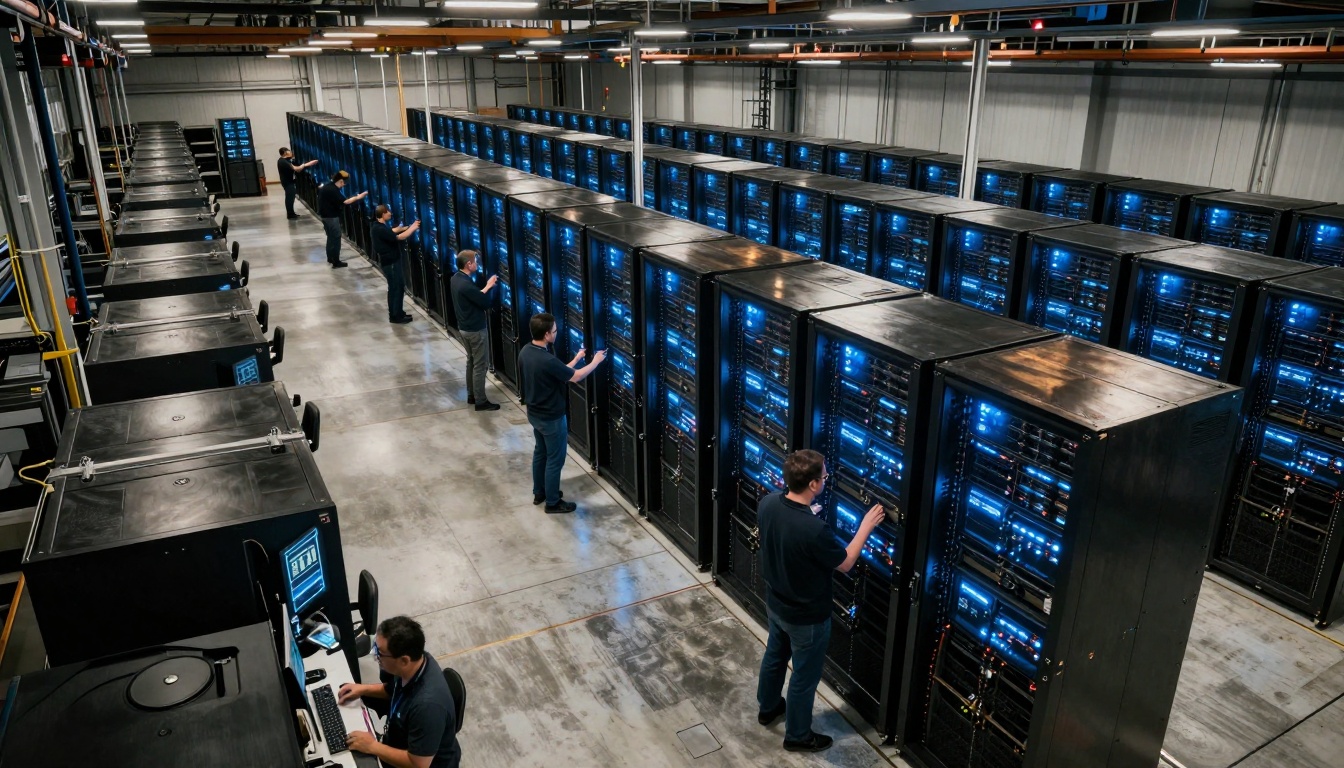
AI video generation reduces these costs by 90-95% for many applications. A marketing video that once cost $50,000 can now be produced for under $500 in AI generation credits.
Ethical Considerations and Creative Integrity
Copyright and originality discussions dominate industry conversations. When AI generates content based on training data from existing films and videos, where does inspiration end and derivation begin?
Attribution standards are evolving. Should AI-generated videos include model credits? How do we acknowledge the human creators whose work informed the training data?
Creative authenticity questions arise when AI can replicate specific directors' styles. Does generating content "in the style of" a particular filmmaker cross ethical lines?
Industry displacement concerns are real for certain technical roles, particularly in VFX and animation where routine tasks are increasingly automated.
Future Projections: Where This Technology is Heading
Real-time generation represents the next frontier. Current systems require processing time measured in minutes or hours. The goal is instantaneous generation—type a prompt and see the video render in real-time.
Long-form narrative capability is developing rapidly. Systems that can maintain character consistency, plot coherence, and visual style across feature-length content are already in advanced testing phases.
Multi-modal integration will combine video generation with audio synthesis, creating complete audiovisual experiences from single text prompts.
Interactive generation will allow directors to "steer" AI video creation in real-time, adjusting camera angles, lighting, and character performances during the generation process.
Getting Started with AI Video Generation
For creators interested in exploring this technology, the PicassoIA platform offers multiple entry points:
Beginner-friendly models like WAN-2.2-T2V-fast provide rapid experimentation with minimal technical requirements.
Professional-grade options such as Sora-2-pro and Veo-3.1 offer cinematic quality for commercial applications.
Specialized tools cater to specific needs—Luma-ray for architectural visualization, Seedance-1-pro for character animation, and Video-01-director for complex camera choreography.
The Creative Renaissance Ahead
We're witnessing not the end of human creativity, but its amplification. AI video generators handle technical complexity, freeing human creators to focus on what machines cannot replicate: emotional truth, cultural context, and the ineffable spark that transforms technical proficiency into art.
The most exciting applications emerge when creators stop asking "What can AI do?" and start asking "What can I do with AI?" The answer, increasingly, is: "More than I ever imagined."
Try creating your own AI-generated videos today. The PicassoIA platform offers immediate access to the latest generation models. Start with simple prompts, experiment with different styles, and discover how this technology can expand your creative possibilities rather than limit them. The only requirement is curiosity—the technical barriers have fallen, leaving only creative boundaries to push.


