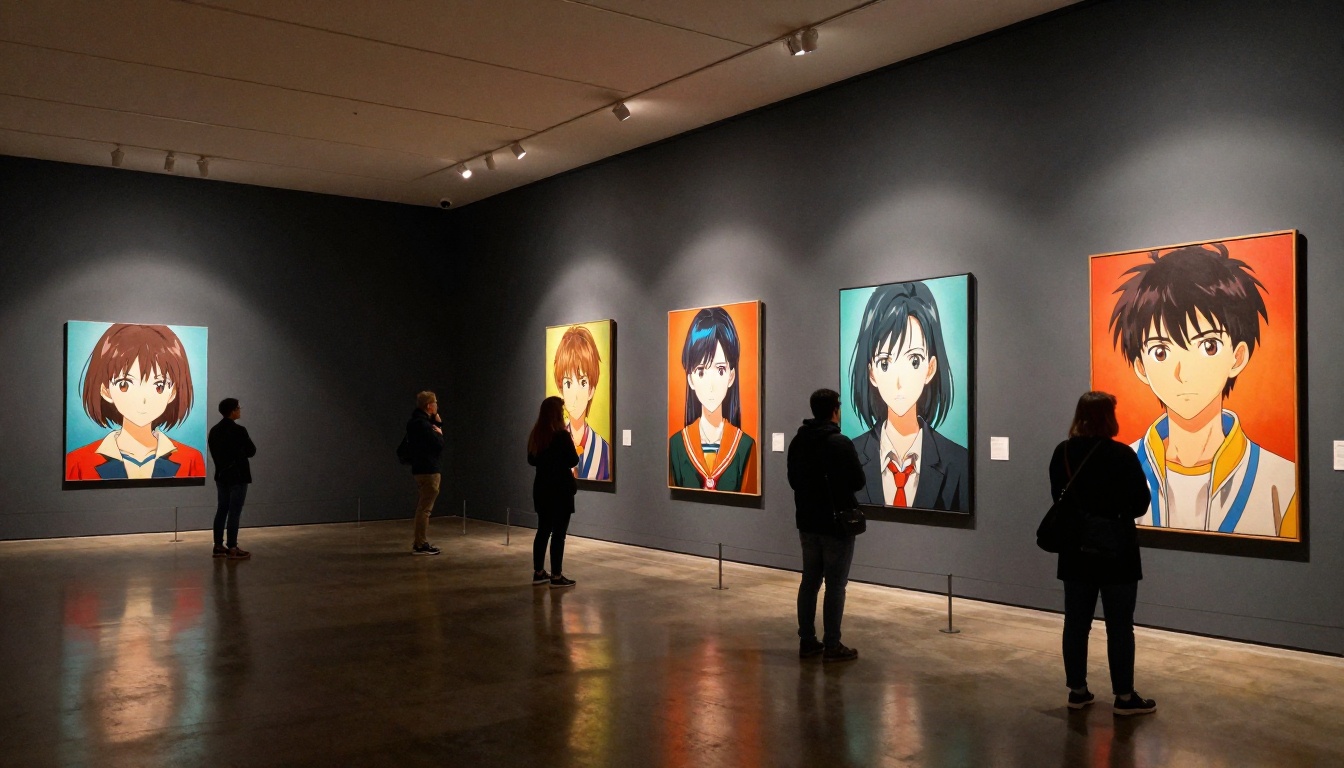
Anime AI art didn't creep onto social media. It detonated. One day your feed was the usual memes and travel photos; the next it was flooded with impossibly detailed anime characters, soft painterly lighting, and expressive faces that looked like they had stepped out of a Studio Ghibli film or a late-night Shonen Jump spread. The shift happened fast because several things collided at exactly the right moment: powerful open-source models, a generation of creators hungry for new aesthetics, and social media algorithms that reward visually striking content above almost everything else.
This is the story of how anime AI art went mainstream on social media, which tools made it possible, and how you can create stunning anime-style artwork right now.
From Zero to Billions of Views
The anime aesthetic has always had global appeal. Long before AI tools existed, fan artists spent hours recreating beloved characters and building devoted followings on DeviantArt, Pixiv, and later Instagram. What changed wasn't the demand for anime art. The demand was already there, enormous and largely unmet by anyone who couldn't draw.
What Actually Sparked the Trend
The inflection point came when text-to-image models became good enough that a beginner could type a prompt like "anime girl with silver hair, cherry blossom background, Studio Ghibli style" and get something genuinely beautiful on the first try. That removed the skill barrier entirely. Suddenly, millions of people who loved anime but had no artistic training could participate in creating it.
Early adopters posted their results. The comments filled up. The shares multiplied. Algorithms interpreted all this activity as a signal that this content category deserved wider distribution, which brought in more viewers, which meant more people tried the tools themselves, which produced more content. The feedback loop ran for months without slowing down.
The TikTok Factor
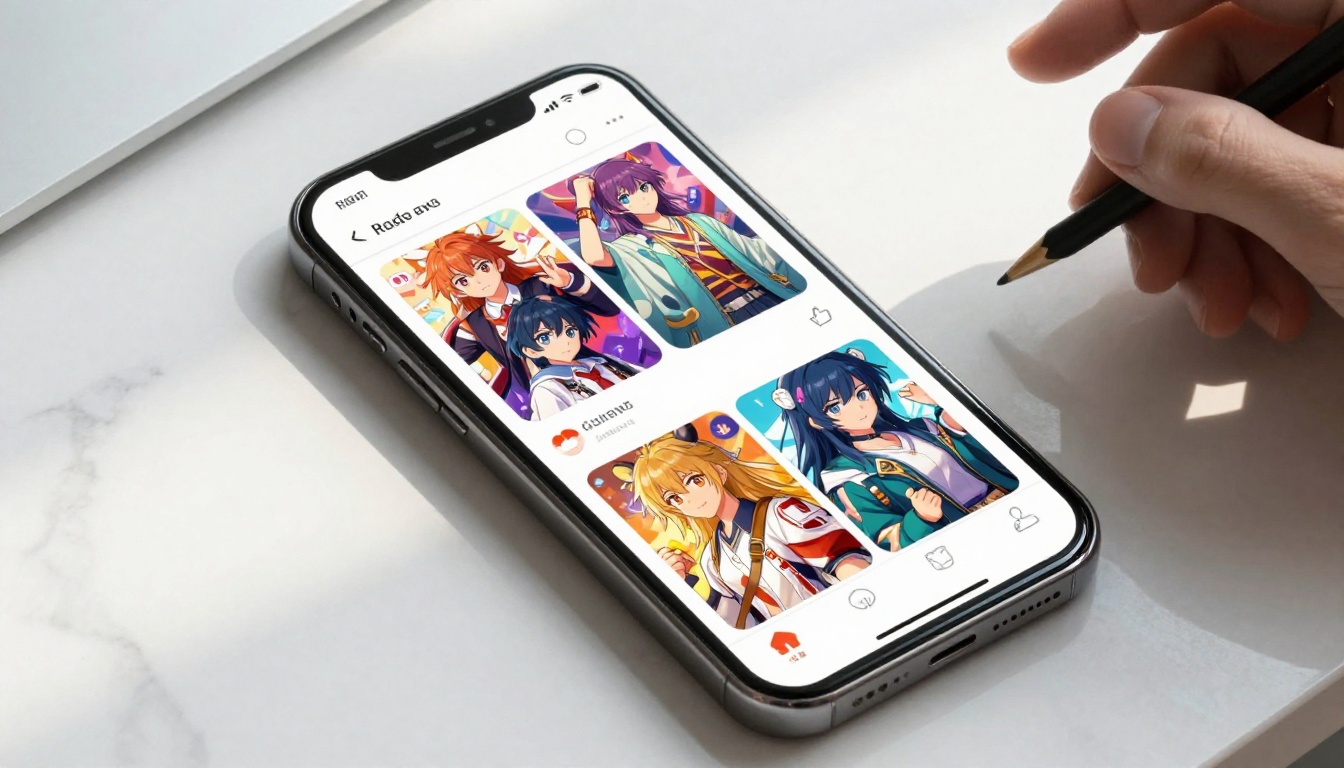
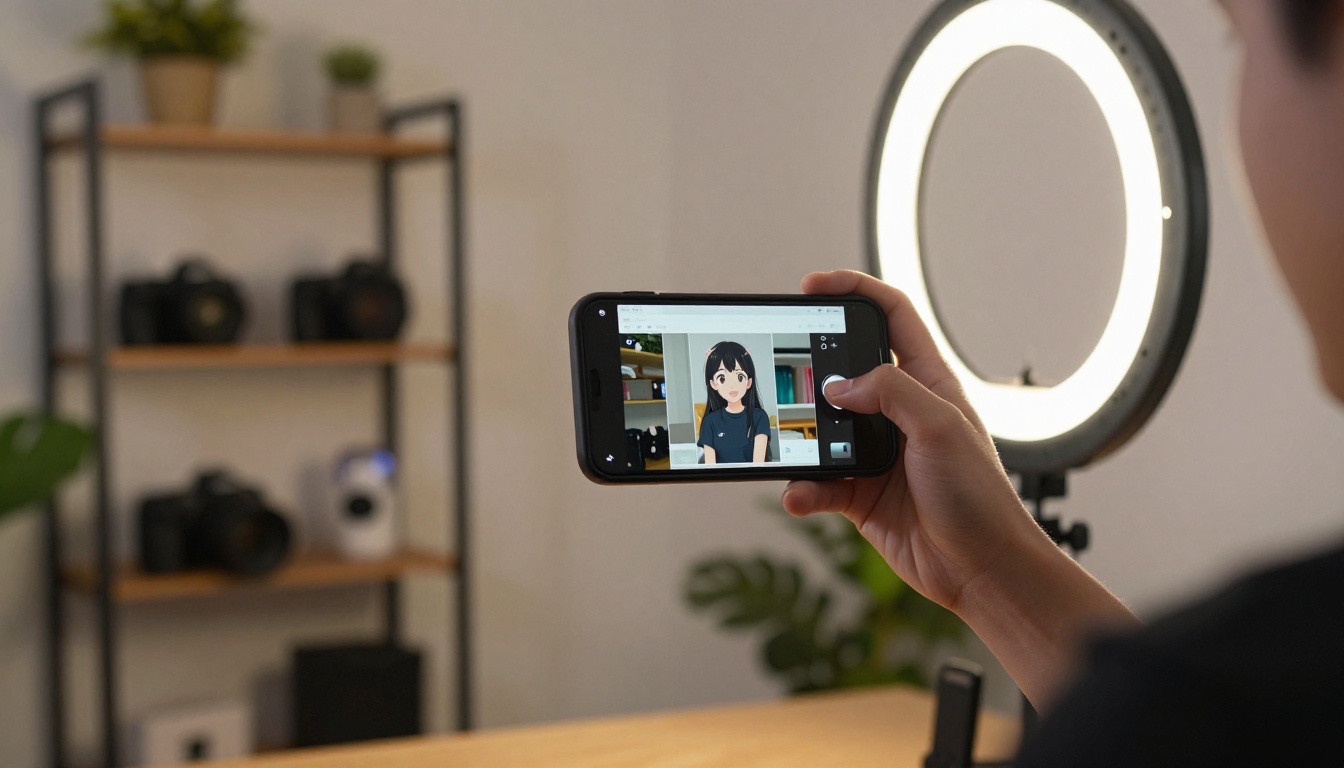
TikTok was the accelerant. Short videos showing a plain photo rendered as an anime portrait in under three seconds became some of the most watched content on the platform through 2023 and into 2024. These videos required almost no production skill to make. The creator typed a prompt, hit generate, screen-recorded the result, added a trending audio track, and posted. The format was endlessly replicable and inherently satisfying to watch.
Pinterest and Instagram Reels amplified the trend in parallel. Pinterest boards dedicated entirely to AI anime art accumulated millions of saves. Instagram carousels comparing AI-generated anime character lineups regularly reached hundreds of thousands of accounts organically.
The Models That Changed Everything
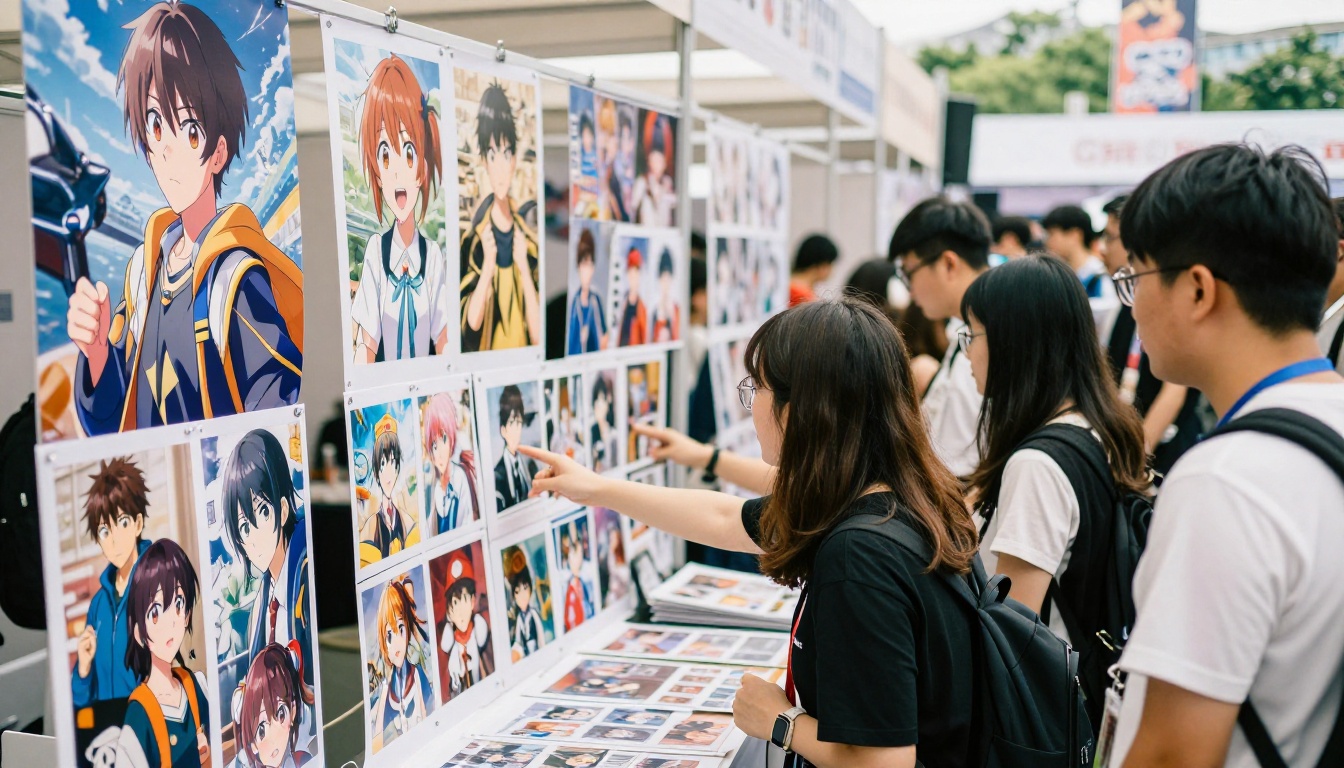
Not all text-to-image models perform equally when it comes to anime. The visual complexity of the anime aesthetic, with its specific approach to eyes, hair, skin tone, line weight, and color palette, requires models trained on or fine-tuned with substantial anime-specific data.
Flux and the Quality Leap
The release of Flux Dev by Black Forest Labs was a watershed moment. Flux's architecture handled fine detail, consistent proportions, and expressive faces with a precision that previous models had struggled to match. The upgrade was visible in any side-by-side comparison. For anime-style prompts specifically, Flux produced cleaner line work, more accurate anatomy, and far better rendering of complex hair styles that are so central to the anime visual language.
Flux 1.1 Pro pushed the quality ceiling even further, adding sharper texture rendering and more nuanced lighting. Flux 1.1 Pro Ultra brought 4-megapixel output, meaning prints of AI anime art became viable for physical merchandise, posters, and gallery displays. When creators could monetize their work through print-on-demand, the incentive to produce more content compounded significantly.
Flux Pro occupied the sweet spot between speed and detail, becoming the everyday workhorse for creators who needed high-quality outputs without waiting through extended generation times. Its sibling, Flux Schnell, traded some fidelity for near-instant generation, which proved invaluable for rapid iteration during prompt development.
SDXL and the Community Explosion
SDXL from Stability AI had already built one of the largest open-source communities in AI art by the time Flux arrived. Its significance for anime specifically came not from the base model but from the ecosystem around it: thousands of community-created LoRA fine-tunes that could be stacked onto SDXL to inject specific styles, character archetypes, and aesthetic moods. A single SDXL run with a well-selected LoRA combination could produce results indistinguishable from a professional anime illustrator's output.
SDXL Lightning 4Step from ByteDance compressed what had been a 20 to 50 step generation into four steps without sacrificing visual quality. Speed turned out to matter enormously for content creators who needed to iterate on 20 or 30 variations before finding the right image for a post.
The Dreamshaper Effect
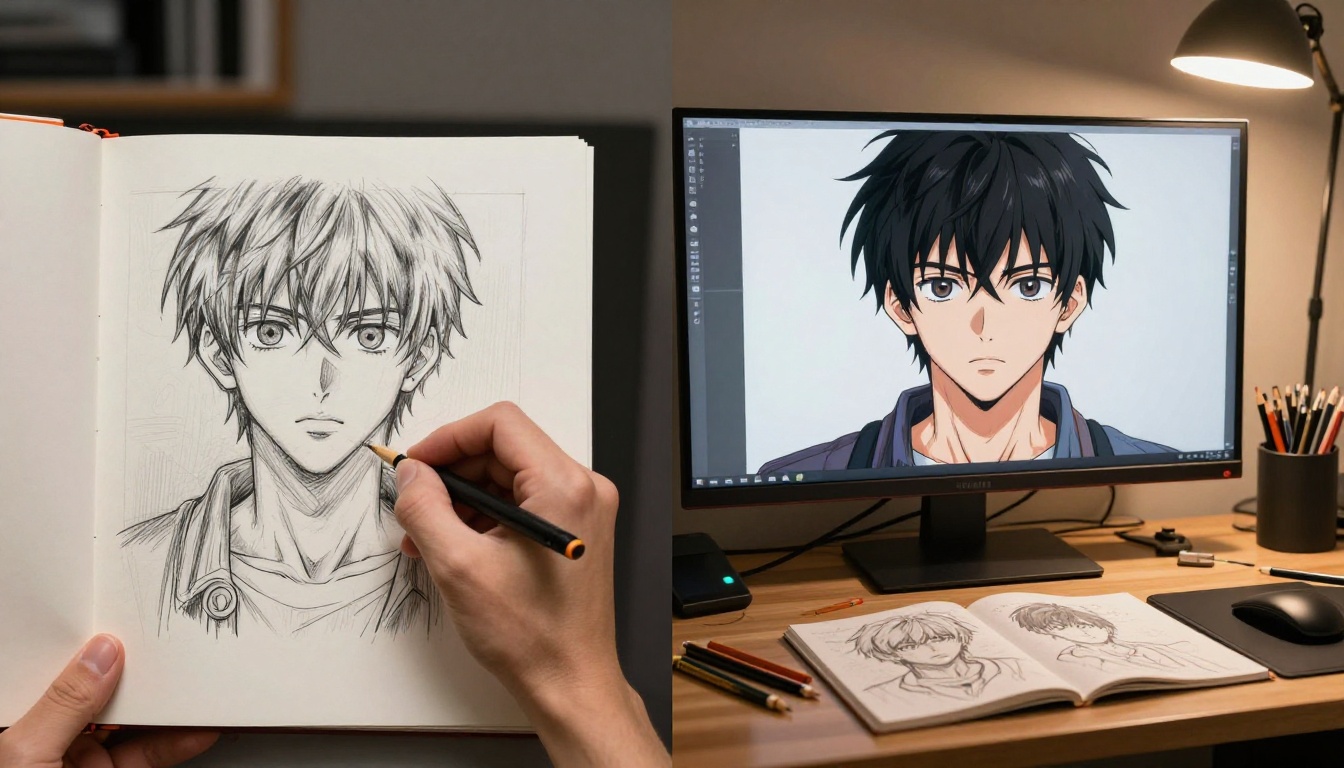
Dreamshaper XL Turbo occupied a unique niche. Where pure SDXL leaned photorealistic by default, Dreamshaper had been fine-tuned with a clear bias toward painterly, illustrated aesthetics. Anime prompts on Dreamshaper tended to produce warmer colors, softer shading, and more stylized features than the base model. It became a go-to choice for creators whose goal was something closer to a traditional illustration than a hyper-detailed render. That stylistic diversity kept the anime AI art conversation interesting rather than converging on one identical look.
New entrants like Seedream 5 Pro from ByteDance and Ideogram v4 Quality brought additional options with strong type-rendering capabilities, useful for creators who wanted to add stylized text, titles, or character names within the image itself.
Why Anime Works So Well for AI
There's a reason anime became the dominant aesthetic in AI-generated art far earlier than oil painting or architectural visualization. It's not just cultural. It's structural.
The Anatomy Is Codified
Anime has spent decades evolving a visual vocabulary with very consistent rules. Large expressive eyes at specific proportions. Hair physics that operate on their own logic. Color palettes that favor saturation without crossing into garish territory. Skin rendering that is smooth but not plasticky. Because these conventions are so consistent across millions of training examples, AI models absorb them deeply and reproduce them reliably.
Ask a model to generate a "hyperrealistic portrait" and you might get ten wildly different results. Ask it for "anime portrait, Studio Ghibli style" and the output space narrows into something far more predictable and polished.
Emotionality Reads at Small Sizes
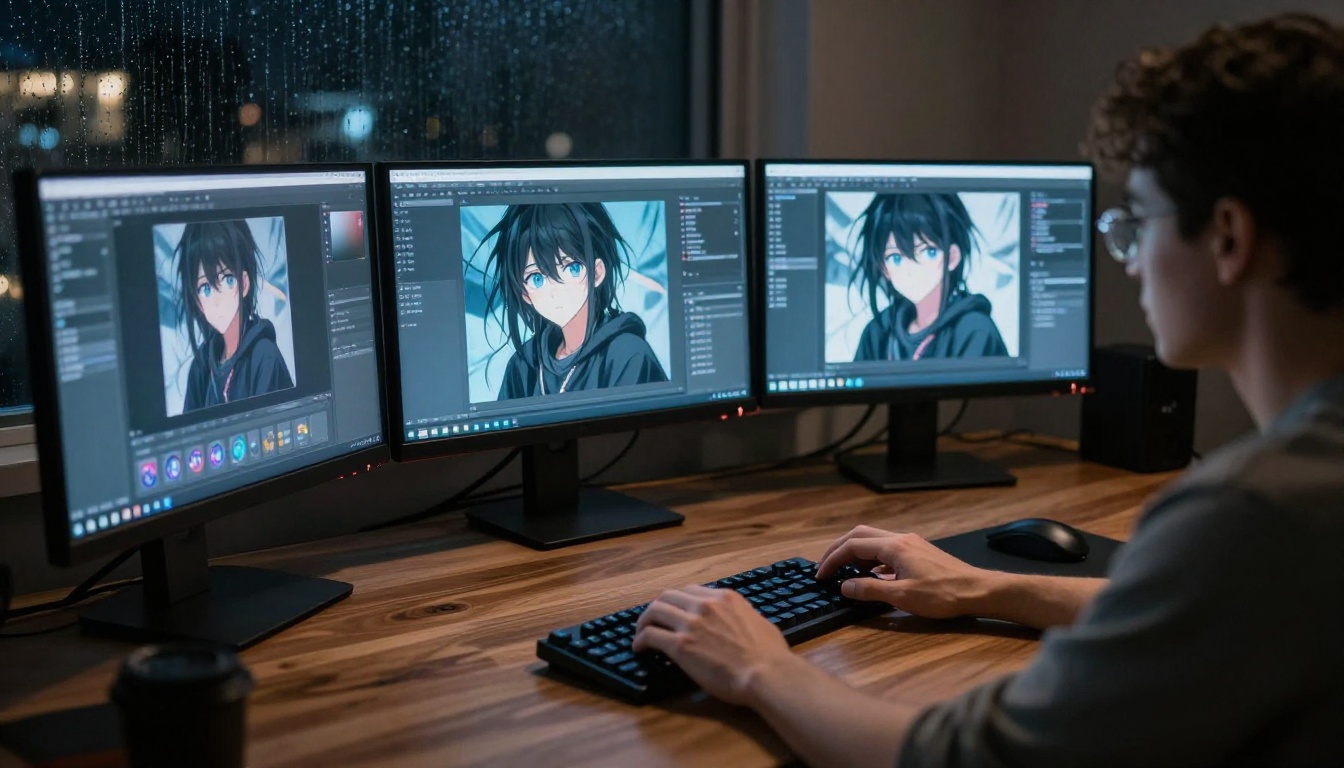
This is the social media factor that never gets enough credit. Most people scroll feeds on phones with relatively small screens. Anime characters communicate emotion through large, unambiguous expressions. Even at thumbnail size, the image reads instantly and powerfully. Photorealistic AI images often require a large display to appreciate their detail. Anime AI images punch through at any size, which is a measurable competitive advantage in a mobile-first environment.
Character Identity Is Easy to Prompt
One of the persistent challenges of AI image generation is maintaining character consistency across multiple images. Anime's codified design language helps here. A character described as "silver-haired girl with violet eyes, white school uniform, side ponytail, expressive brows" has enough locked visual parameters that the model produces consistent results across many generations. That consistency is crucial for creators building serialized content around original characters, which is its own major category of anime AI art on social media.
Different platforms amplified anime AI art in different ways, and understanding those differences explains why the trend hit so many distinct communities simultaneously.
💡 Insight: Anime AI art succeeded on social media not just because it looks good, but because it maps perfectly to each platform's native content format.
TikTok loved style-switch videos. The before/after, photo-to-anime reveal format fits the platform's preference for short, surprising narratives with a clear payoff at the end. Creators who mastered this format regularly hit 500K to 2M views on single posts.
Instagram rewarded variety. Carousel posts showing 8 to 10 variations of the same character in different outfits, settings, or emotional states drove save rates significantly higher than single-image posts. High save rates are among the strongest signals for Instagram's distribution algorithm.
Twitter/X was where the technical conversation happened. Prompt engineers shared their exact prompts, LoRA combinations, and generation settings openly. This created a knowledge-sharing dynamic that accelerated the skill level across the community faster than any formal instruction could.
Reddit communities like r/stablediffusion and r/AIArt became curated galleries and feedback forums simultaneously. Upvote dynamics on Reddit favor images with genuine craft and originality, which pushed creators to refine their prompts beyond the obvious defaults.
Pinterest turned out to be a dark horse. Anime AI art pinned there in 2023 continued accumulating saves and impressions well into 2024, long after the original viral moment. The long shelf life of Pinterest content created a persistent baseline of traffic to creators' other platforms.
How to Make Anime AI Art Right Now
If you want to create anime AI art today, the tools are accessible and the learning curve is genuinely shallow. Here is a practical path from zero to publishing your first piece.
Pick Your Model on PicassoIA
PicassoIA hosts over 90 text-to-image models in one place, so you can test several approaches without managing separate accounts or local installations. For anime specifically, start with Flux Dev for detail-heavy character portraits, Dreamshaper XL Turbo for a painterly illustration feel, or SDXL as a versatile baseline for experimenting with different style combinations.
For maximum image quality before sharing, run your output through a super-resolution model. Real ESRGAN upscales 4x while preserving anime line work, and Clarity Pro Upscaler adds photorealistic texture detail that makes prints look exceptional.
Write Prompts That Actually Work
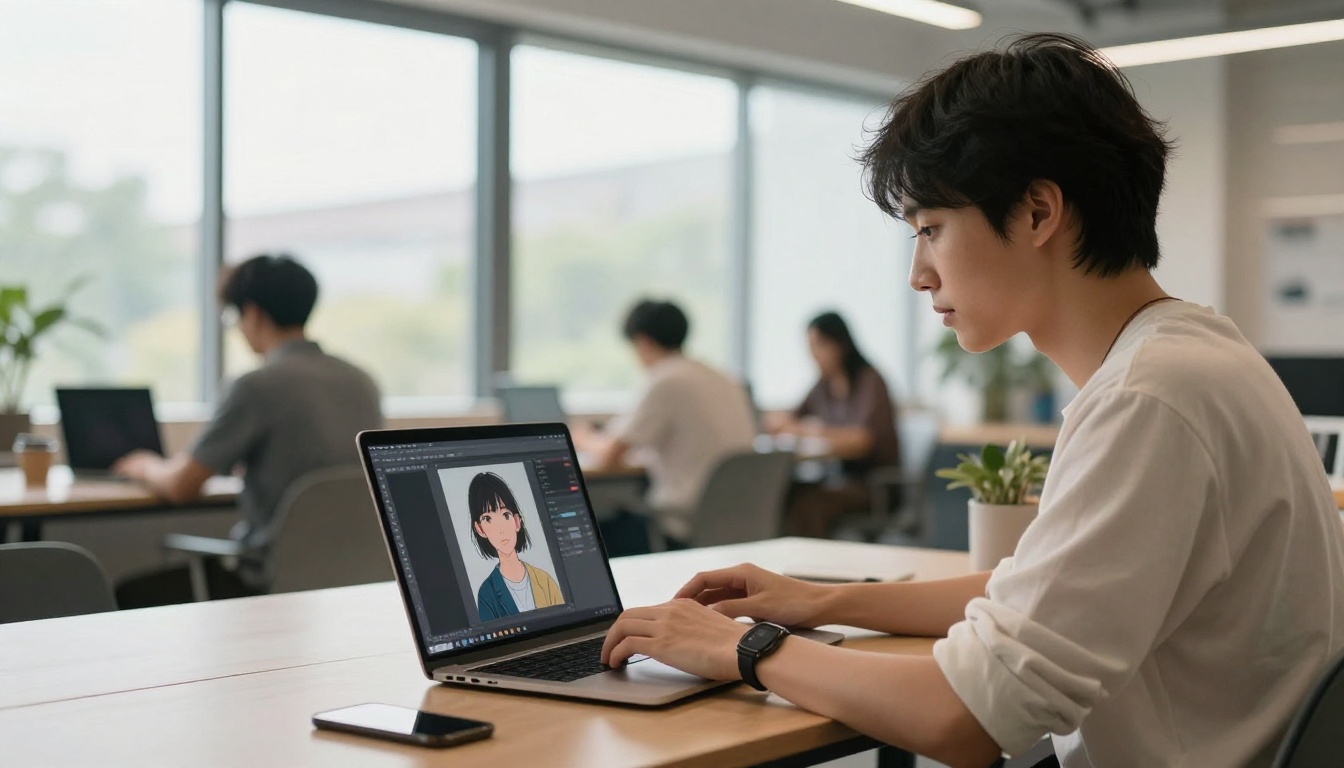
The difference between mediocre and outstanding anime AI art usually comes down to the prompt. These structural elements consistently improve results:
| Prompt Element | What It Does | Example |
|---|
| Art style anchor | Sets the visual baseline | "anime style, Studio Ghibli, Makoto Shinkai" |
| Character details | Locks physical identity | "silver hair, violet eyes, white blouse" |
| Environment | Places the character | "cherry blossom forest, soft morning light" |
| Camera/composition | Controls framing | "close-up portrait, shallow depth of field" |
| Quality modifiers | Pushes detail ceiling | "highly detailed, 8k, masterpiece quality" |
| Negative prompt | Removes common errors | "blurry, distorted hands, watermark" |
💡 Prompt tip: Stack two or three style anchors instead of one. "Anime, Makoto Shinkai, Ilya Kuvshinov" tends to outperform "anime style" alone because each anchor contributes different visual traits that combine into something richer.
Use Flux LoRA for Custom Aesthetics
Flux Dev LoRA and Flux Schnell LoRA let you inject specific aesthetic styles on top of the base model. A LoRA trained on a specific anime series can nail that show's exact art direction. This is how many viral creators maintain a distinctive look across their entire portfolio, one of the most effective strategies for building a recognizable social media presence.
For advanced character control, the Flux Redux Dev model generates consistent image variations from a reference, which is ideal for creators who need the same character shown from different angles or in different settings without losing visual identity.
What the Numbers Actually Show
The scale of the anime AI art movement on social media is worth putting in concrete terms. On TikTok alone, videos tagged with #AIAnimeArt accumulated over 3 billion views by mid-2024. That number doesn't include the enormous volume of untagged content that doesn't use consistent hashtag conventions.
Instagram accounts dedicated entirely to anime AI art grew from near zero to hundreds of thousands of followers in under 12 months in several documented cases. The fastest-growing accounts used consistent character universes, posting the same original characters in varied scenarios, which created a serial narrative effect that gave followers a reason to return.
The creator economy angle is significant. Print-on-demand platforms that accept AI art began reporting anime AI art as one of their top-selling categories in 2024. Creators with relatively modest social followings in the 10K to 50K range reported monthly print revenue that exceeded standard freelance illustration rates in many markets.
The numbers reflect something real: the demand for anime-adjacent visual content is enormous and was always there. AI tools didn't create this demand. They allowed it to be met at scale by people who previously had no way to participate in creating it.
Real Creators, Real Results
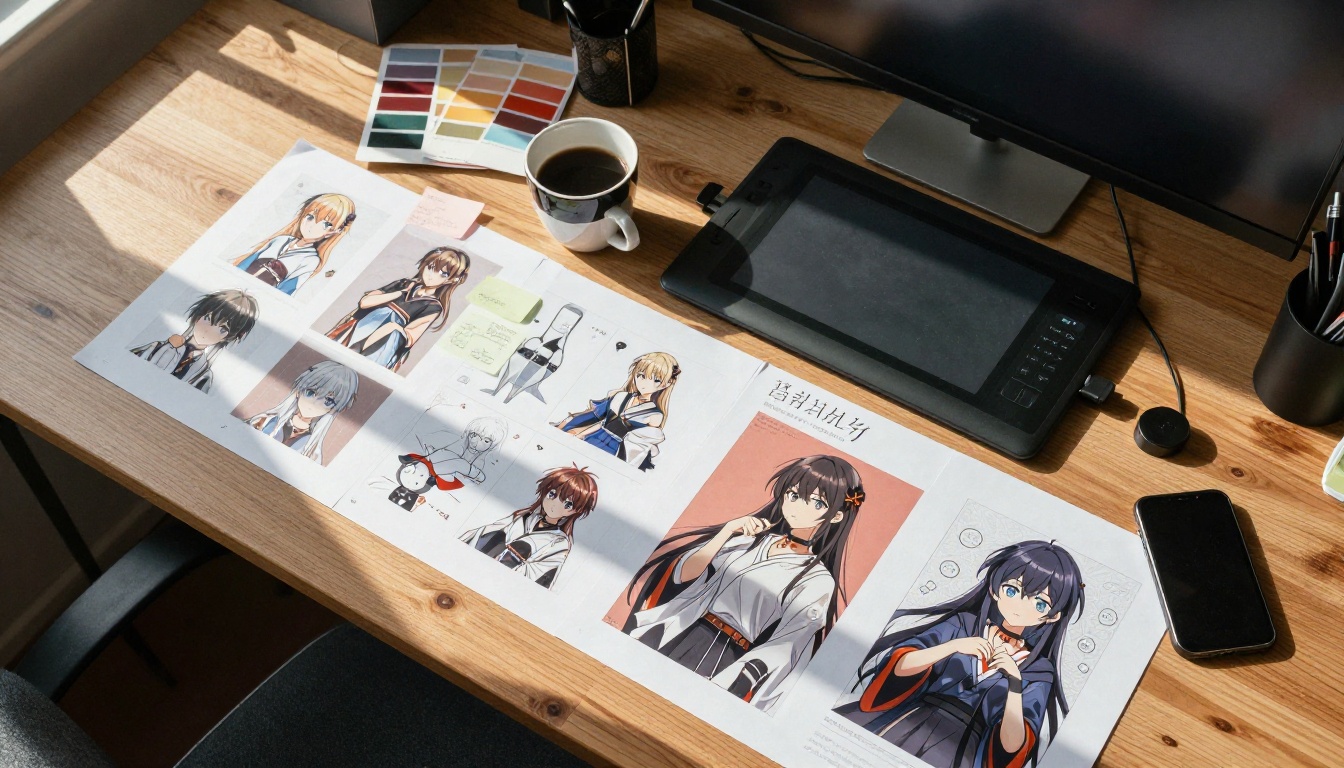
Behind the numbers are individual people with genuine creative visions. The most successful anime AI art creators on social media don't treat the tools as vending machines. They approach them as collaborative instruments.
A recurring pattern among high-follower anime AI art creators: they spend significantly more time on prompt development than on generation itself. They iterate 30 to 50 times on a prompt before posting. They study what makes traditional anime illustration compelling and try to encode those qualities linguistically. The creative skill has moved from a drawing tablet to a text editor, but the craft and the intention remain.
Large language models have become part of this workflow for many creators. Models like Claude Sonnet 5, GPT 5, and Gemini 3.5 Flash are used to craft and refine prompts, develop character backstories that inform visual descriptions, and generate the captions and post copy that accompany the images. The text-to-image pipeline has become part of a broader AI-assisted creative workflow that handles multiple stages of content production simultaneously.
💡 Workflow tip: Use an LLM to expand a simple character concept into a richly detailed visual description before feeding it to an image model. "Describe this character visually for an anime portrait" often produces prompts far better than anything you'd write from scratch.
Other LLMs on the platform, like Deepseek R1 and Claude Opus 4.7, bring stronger reasoning capabilities that are well suited to building complex multi-character scene descriptions or crafting detailed worldbuilding notes that feed into a consistent visual series.
Start Creating Your Own Today
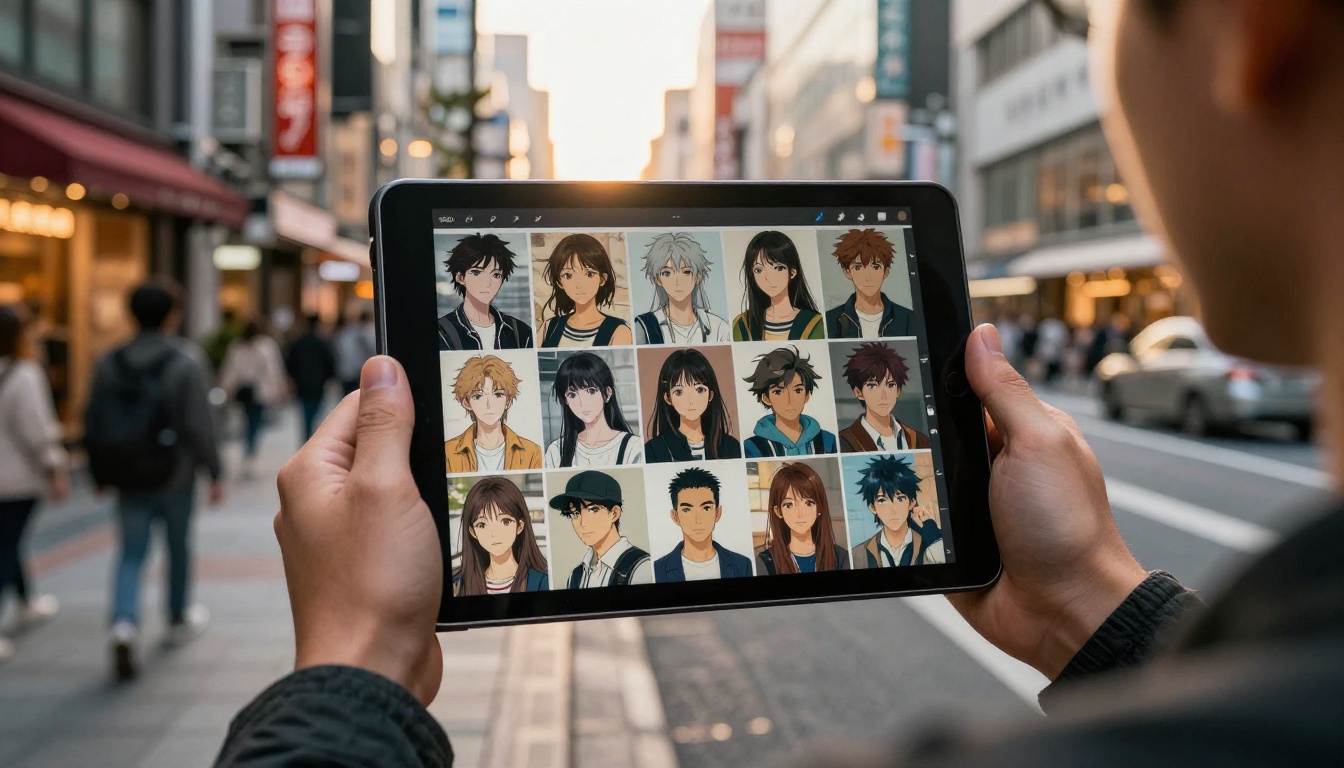
The anime AI art movement on social media has proven one thing clearly: the barrier between loving a visual aesthetic and being able to create within it has collapsed. You don't need years of formal art training to produce work that resonates. You need curiosity, the willingness to iterate, and access to the right tools.
PicassoIA puts over 90 text-to-image models in one platform, alongside super-resolution tools to sharpen your output, ControlNet models for pose control, and face refinement tools that address the small inconsistencies that occasionally appear in AI-generated portraits. The Face To Many Kontext model takes a real photo and stylizes it into anime, illustration, or other visual modes while maintaining identity, a tool purpose-built for the style-switch content format that performs so well on TikTok and Reels.
For inpainting and outpainting workflows, where you want to add detail, extend a scene, or fix specific areas of an image, Flux Fill Pro gives you surgical precision over which parts of an image change and which stay locked. Paired with Flux 1.1 Pro Ultra Finetuned for final output, this two-step workflow produces results that are genuinely difficult to distinguish from professional commissioned illustration.
The models are there. The platform is accessible. Your first anime AI character is a few prompts away.