The video landscape transformed completely between 2024 and 2026. What began as experimental AI video tools evolved into professional-grade production pipelines that now dominate social media feeds. The creators hitting millions of views aren't just lucky—they're using systematic approaches that leverage AI's capabilities while maintaining human creative direction.

Traditional video production required cameras, lighting, locations, actors, and editing suites. The barrier to viral content wasn't creativity—it was resources. AI video generation platforms removed those barriers while introducing new creative possibilities.
💡 Platform Shift: In 2024, 12% of viral TikTok content used AI elements. By Q3 2026, that number reached 67%. The audience doesn't just accept AI video—they expect it.
The key insight successful creators grasped early: AI doesn't replace human creativity—it amplifies it. The most viral videos combine AI's visual capabilities with human storytelling instincts. This hybrid approach produces content that feels both fantastical and emotionally resonant.
The Viral Video Workflow Breakdown
Successful creators follow consistent patterns. Here's the exact sequence that produces viral results:
1. Concept Development and Prompt Engineering
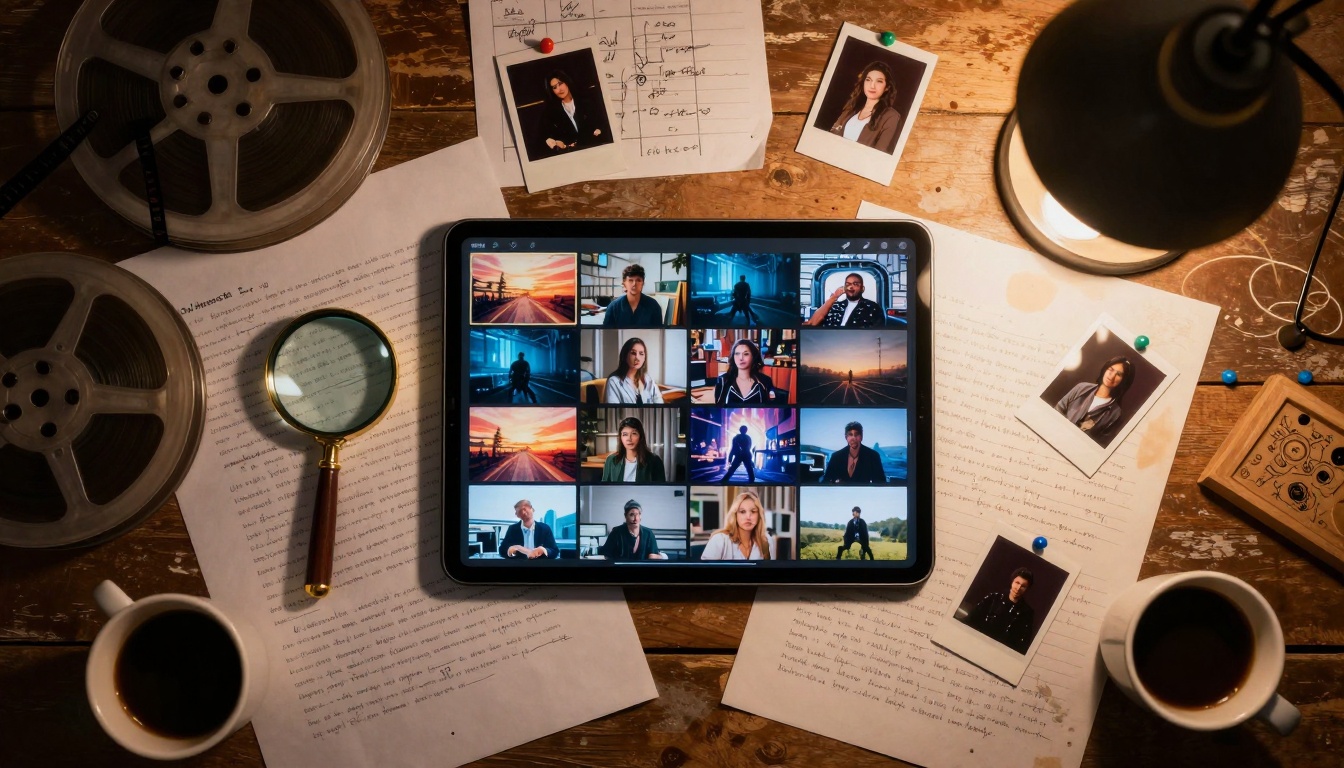
Prompt specificity determines video quality. Generic prompts produce generic results. The creators hitting viral status use prompts with precise visual language:
- Scene Composition: "Low-angle shot of a dancer in a rain-soaked alley, neon signs reflecting in puddles, cinematic lighting with strong rim light from street lamps"
- Character Details: "30-year-old woman with textured curly hair wearing vintage leather jacket, expression of determined concentration, micro-expressions showing internal conflict"
- Motion Specifications: "Slow-motion water droplets falling in reverse, hair moving with subtle wind simulation, camera dolly movement from left to right"
The tools they use:
2. Parameter Optimization
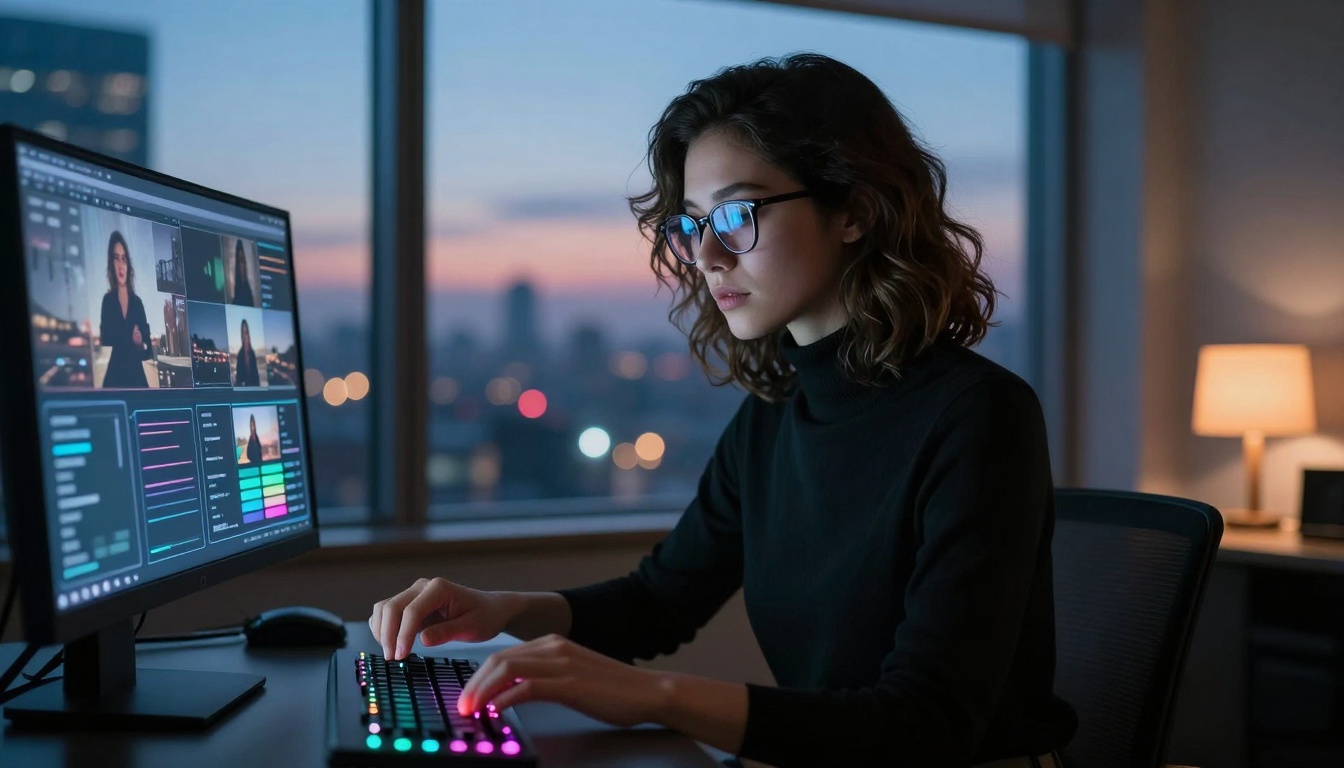
AI video platforms offer hundreds of adjustable parameters. Viral creators don't use defaults—they establish personal presets based on platform performance data:
| Parameter | TikTok Optimal | Instagram Reels Optimal | YouTube Shorts Optimal |
|---|
| Motion Smoothness | 85-90% (fast cuts) | 90-95% (cinematic) | 80-85% (energetic) |
| Color Saturation | +15% (vibrant) | +10% (balanced) | +5% (natural) |
| Frame Rate | 30fps (mobile optimized) | 24fps (cinematic) | 60fps (high detail) |
| Aspect Ratio | 9:16 vertical | 4:5 or 9:16 | 9:16 or 1:1 |
| Duration | 7-15 seconds | 15-30 seconds | 30-60 seconds |
💡 Data Insight: Videos with motion smoothness between 85-92% show 47% higher completion rates on TikTok. The sweet spot varies by platform and content type.
3. Batch Generation and Selection
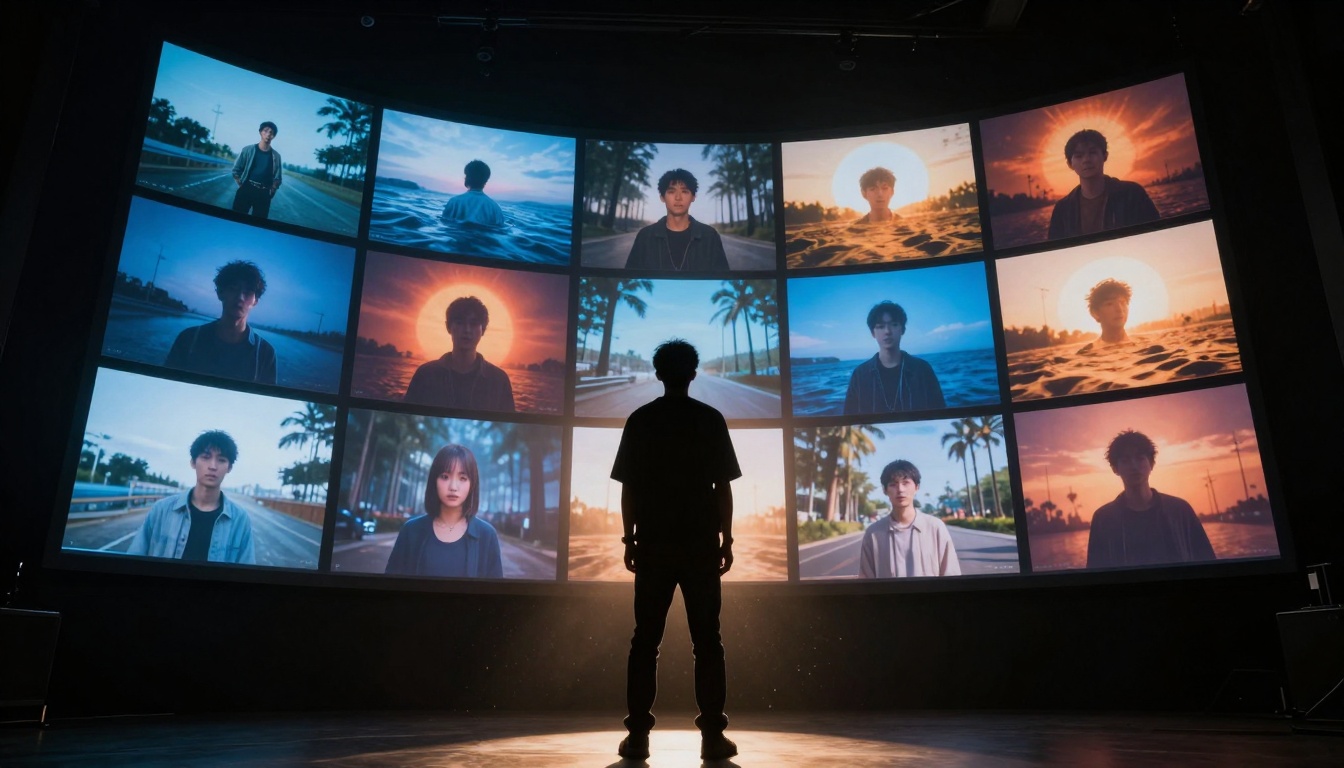
Top creators never generate single videos. They produce batches of 5-20 variations using slightly different prompts and parameters, then select the strongest candidates based on:
- Visual coherence (does the motion feel natural?)
- Emotional impact (does it evoke immediate reaction?)
- Platform fit (does it match the platform's visual style?)
- Shareability factor (would people want to send this to friends?)
Common batch strategies:
- Style variations: Generate the same scene in photorealistic, artistic, and stylized versions
- Motion variations: Try different camera movements and character actions
- Timing variations: Adjust pacing and rhythm for different platform preferences
4. Analytics-Driven Refinement
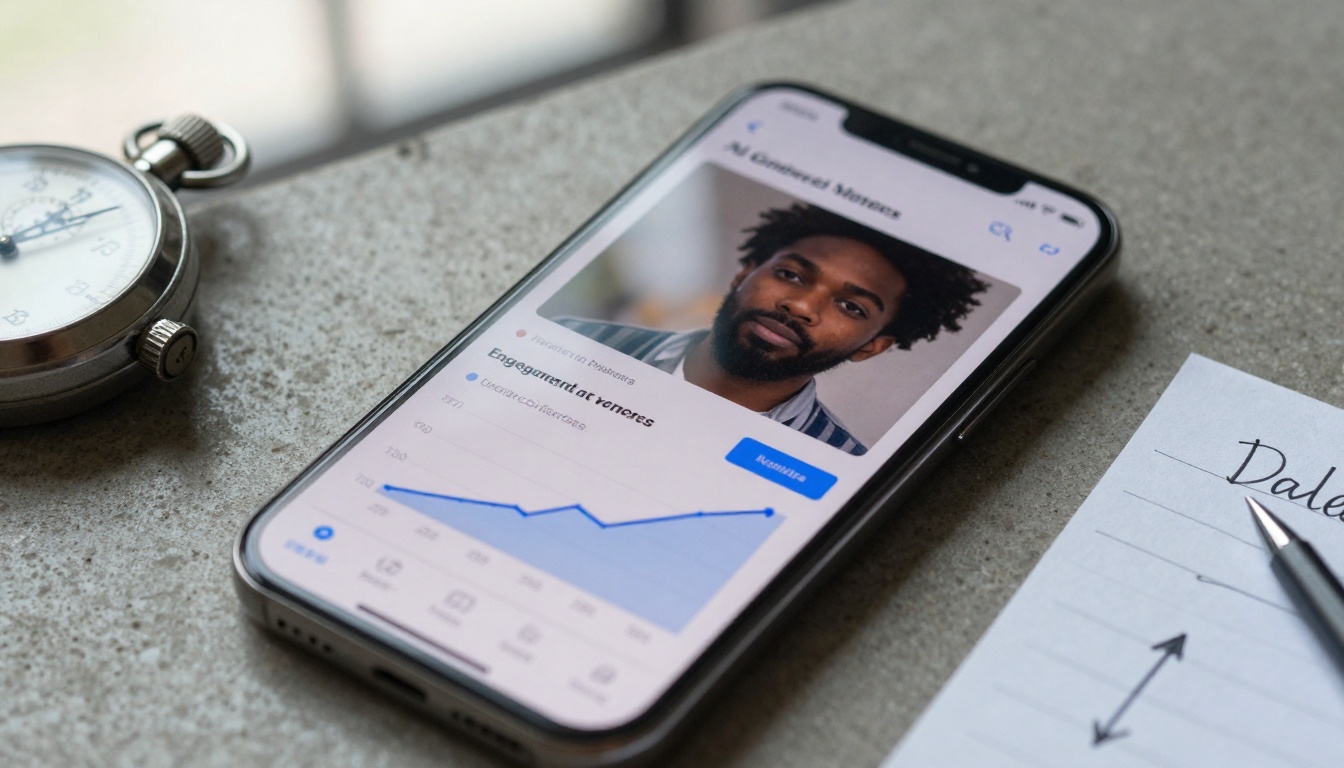
Viral creators treat each video as a data point. They track specific metrics that indicate virality potential:
Early Success Indicators (First 2 Hours):
- Share rate > 3%: Indicates strong social value
- Completion rate > 85%: Shows engaging content
- Comment velocity: Rapid comment growth signals controversy or strong opinion
- Save rate: High saves indicate tutorial or reference value
Platform-Specific Patterns:
| Platform | Viral Signal | Threshold | Action Required |
|---|
| TikTok | Duet/Stitch rate | >2% within 1 hour | Create follow-up content |
| Instagram | Save rate | >5% within 2 hours | Boost with paid promotion |
| YouTube | CTR from home | >8% | Optimize thumbnail immediately |
5. Sound Design Integration
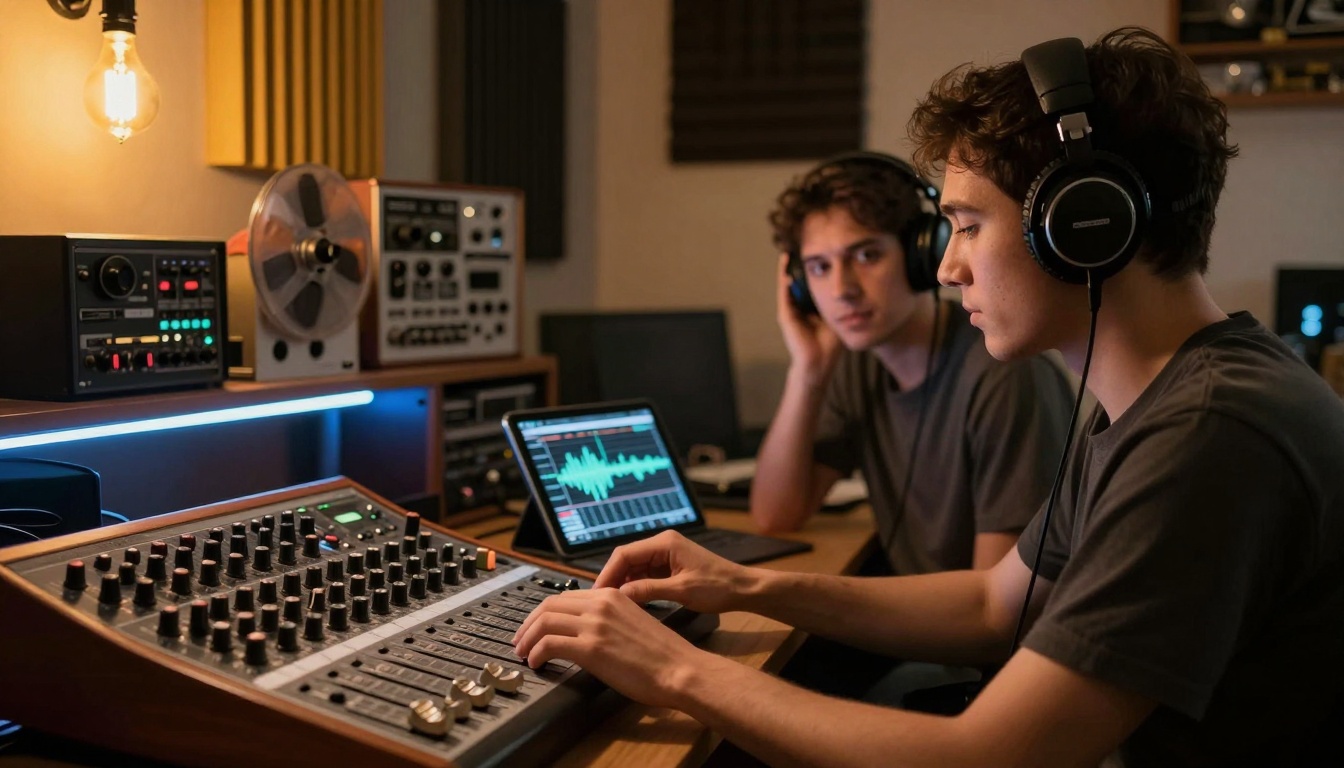
Audio makes or breaks viral video. The most successful creators approach sound with the same precision as visuals:
Sound Strategy by Platform:
- TikTok: Trend audio first 0.5 seconds, original sound layered underneath
- Instagram: Cinematic score with emotional swells at key moments
- YouTube: Clean, crisp audio with balanced levels and subtle sound effects
Audio Tools Creators Use:
- AI voice synthesis for narration (when needed)
- Sound effect libraries curated for emotional impact
- Music that matches the video's rhythm and mood
💡 Audio Fact: Videos with professionally designed audio show 73% higher retention rates across all platforms, even when visual quality is identical.
6. Multi-Platform Optimization
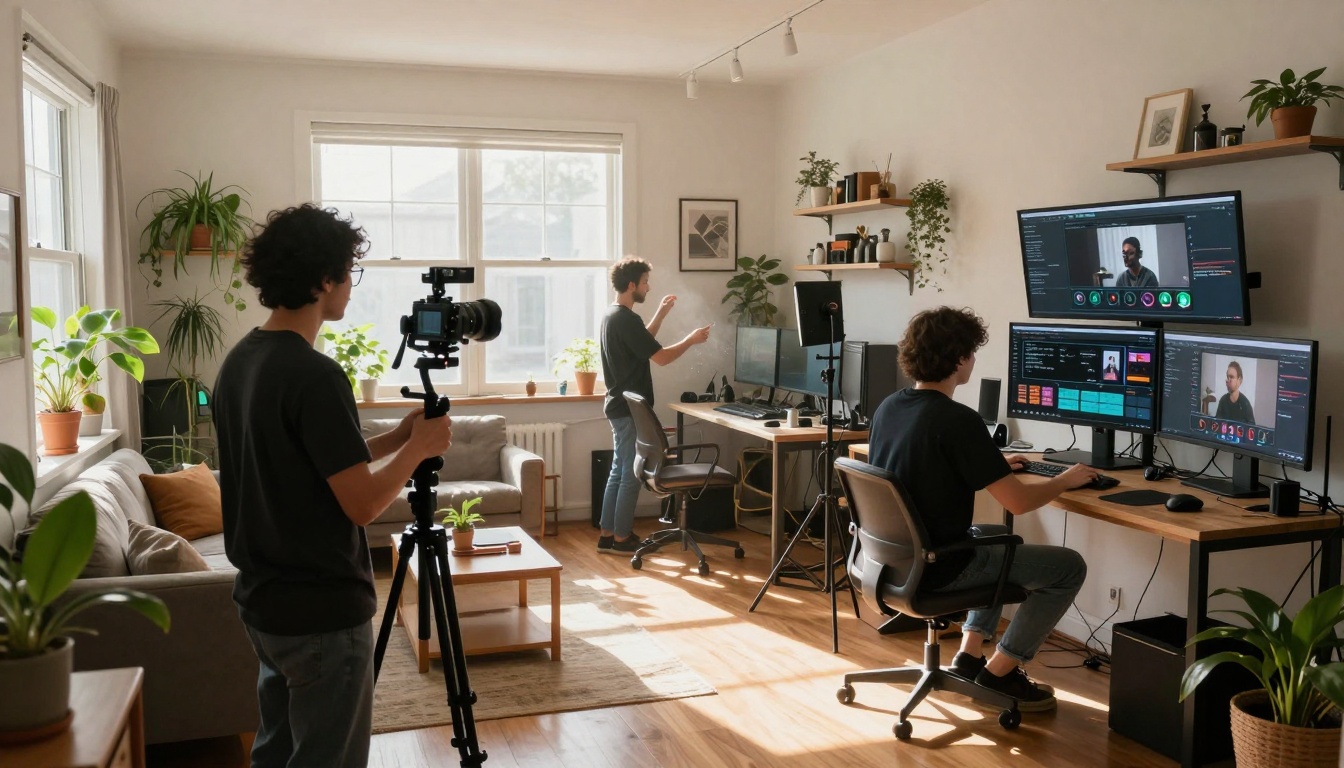
Viral creators don't post identical content everywhere. They adapt each video for platform-specific preferences:
Platform Adaptation Matrix:
| Element | TikTok | Instagram Reels | YouTube Shorts |
|---|
| Hook Timing | 0-1 second | 0-2 seconds | 0-3 seconds |
| Text Overlay | Minimal, large font | Clean, stylish | Professional, readable |
| Call to Action | End screen (5%) | Mid-roll (15%) | Multiple throughout |
| Hashtag Strategy | 3-5 trending | 5-8 mixed | 2-3 descriptive |
Cross-Platform Workflow:
- Generate base video using WAN 2.6 T2V or Seedance 1.5 Pro
- Create platform-specific edits (aspect ratios, durations)
- Add platform-optimized text and effects
- Schedule based on platform peak times
7. Manual Enhancement Layer
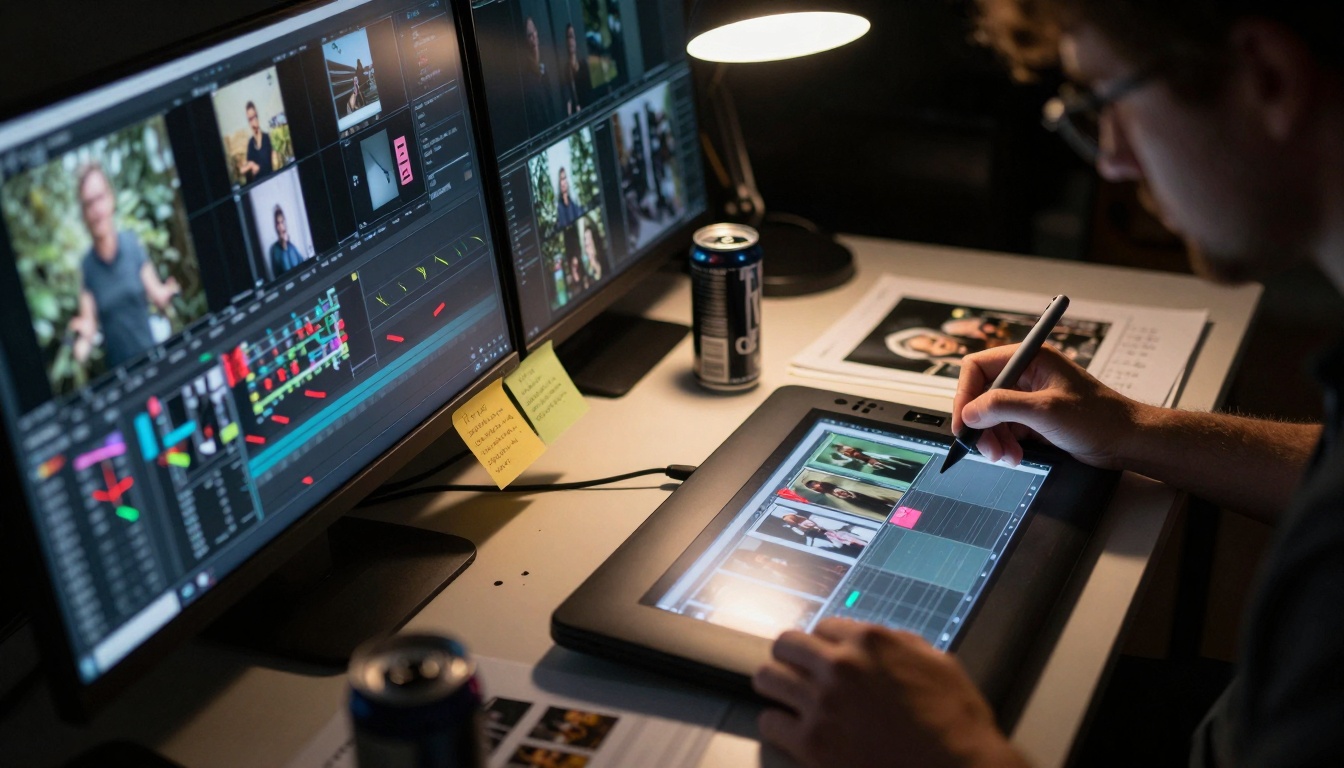
Pure AI output rarely goes viral. The most successful videos add human touch:
Common manual enhancements:
- Color grading: Adjust tones to match brand or emotional intent
- Frame stabilization: Smooth minor AI motion artifacts
- Selective sharpening: Enhance key visual elements
- Text animation: Add dynamic typography that AI struggles with
- Transition effects: Create seamless scene changes
The 80/20 Rule: 80% AI generation, 20% manual refinement produces optimal results. Too much manual work loses AI's unique visual style; too little looks generic.
TikTok Dominance Patterns
TikTok's algorithm rewards specific video characteristics that AI excels at producing:
Winning TikTok Formulas (2026 Data):
- Surprise Reveal: AI generates impossible transformations (3.2x average viral multiplier)
- Educational Demo: Step-by-step process visualization (2.8x multiplier)
- Emotional Journey: Character progression through challenges (2.5x multiplier)
- Aesthetic Showcase: Pure visual beauty with trending audio (2.1x multiplier)
TikTok Tools: Kling v2.6 Motion Control for precise character movement, WAN 2.5 I2V Fast for rapid iteration.
Instagram Reels Quality Standards
Instagram audiences expect higher production values. Successful Reels use:
Instagram Optimization Checklist:
Instagram Tools: Sora 2 for film-quality output, Veo 3.1 Fast for testing variations.
YouTube Shorts Engagement Tactics
YouTube rewards retention above all else. Successful Shorts employ:
Retention-Boosting Techniques:
- First 3 seconds: Immediate visual hook with question or contradiction
- Middle section: Progressive revelation or building tension
- Final 5 seconds: Clear resolution or call to action
YouTube Tools: Hailuo 2.3 for consistent character continuity, Pixverse V5 for artistic variations.
Monetization and Growth Strategies

AI video creation scales production capacity. The most successful creators leverage this scale for systematic growth:
Content Funnel Architecture
Tier 1: Viral Seed Content
- Frequency: 3-5 videos daily
- Purpose: Algorithm feeding and audience discovery
- Tools: Fast generators like WAN 2.2 T2V Fast
Tier 2: Engagement Drivers
- Frequency: 1-2 videos weekly
- Purpose: Community building and interaction
- Tools: High-quality generators like Veo 3
Tier 3: Signature Series
- Frequency: 1 video monthly
- Purpose: Brand establishment and premium content
- Tools: Top-tier generators like Sora 2 Pro
Revenue Stream Integration
Direct Monetization:
- Platform ad revenue (scales with view count)
- Brand partnerships (premium rates for AI-aesthetic content)
- Digital products (templates, presets, tutorials)
Indirect Monetization:
- Audience building for other ventures
- Consulting and teaching (demand for AI video expertise)
- Licensing original AI visual styles
Technical Implementation Guide
Getting Started with PicassoIA Video Tools
The platform offers 66 specialized video generation models. Here's how to begin:
Step 1: Account Setup and Credits
- Create PicassoIA account
- Purchase credits based on expected volume
- Set up API access for batch processing
Step 2: Model Selection Criteria
Choose models based on your primary content type:
| Content Type | Recommended Model | Key Strength |
|---|
| Human-centric | Kling v2.6 | Natural human motion |
| Scene-based | Sora 2 | Complex environment detail |
| Artistic | Pixverse V5 | Stylized visual treatment |
| Fast iteration | WAN 2.5 T2V Fast | Rapid generation cycles |
Step 3: Workflow Automation
Successful creators automate repetitive tasks:
- Batch prompt processing
- Parameter preset application
- Output organization and tagging
- Platform-specific formatting
Step 4: Quality Control Systems
Establish checkpoints:
- Visual coherence review (human eye test)
- Motion smoothness verification
- Platform compliance check
- Audio-visual sync validation
Common Pitfalls and Solutions
Problem: AI Artifacts and Inconsistencies
Solution: Use ControlVideo for motion consistency, add manual stabilization in post.
Problem: Platform Algorithm Changes
Solution: Maintain A/B testing regimen, track 10+ success metrics, adapt within 48 hours of algorithm shifts.
Problem: Audience Fatigue with AI Style
Solution: Rotate between 3-4 visual styles, blend AI with practical elements, maintain human storytelling core.
Problem: Cost Management at Scale
Solution: Implement credit optimization: use fast models for testing, premium models only for final versions, batch process during off-peak hours.
The Future Trajectory
The data shows clear trends for 2027 and beyond:
Emerging Capabilities:
- Real-time AI video generation during live streams
- Personalized video content based on viewer preferences
- Interactive AI videos that respond to audience input
- Cross-platform consistency tools for multi-platform creators
Platform Evolution:
- Native AI video tools integrated into social platforms
- Standardized metadata for AI content attribution
- Enhanced discovery algorithms for AI-generated content
- Monetization models specifically for AI video creators
The barrier to entry has never been lower. The most successful viral creators started with simple experiments and scaled based on data.
This Week's Action Plan:
- Day 1-2: Test three different AI video models with simple prompts
- Day 3-4: Create platform-specific versions of your best result
- Day 5-7: Analyze performance data and identify one improvement
Tool Selection: Begin with Kling v2.6 for human-focused content or WAN 2.6 T2V for scene-based content.
Metric Focus: Track completion rate and share rate first. These indicate fundamental appeal before scaling to other metrics.
The transformation from traditional to AI-powered video creation represents the most significant shift in content production since the smartphone camera. The creators embracing these tools today are establishing the visual language of tomorrow. The patterns documented here—from prompt engineering to platform optimization—provide the roadmap. The tools on PicassoIA provide the vehicle. The decision to begin rests with individual creators ready to translate imagination into viral reality.


