The conversation around AI-generated adult content took a sharp turn when Wan 2.7 landed. Not because it broke any particular taboo overnight, but because the jump in photorealism from its predecessors made the question far more pressing: how far does this model actually go, and what does that mean for creators working on the boundary of suggestive, artistic, and adult-adjacent content? The realism in skin texture, motion coherence, and fabric physics that Wan 2.7 achieves puts it in a category that earlier open-access models simply did not occupy. This article gives you a direct, honest look at what the model produces, where its actual limits sit, and how to get the most from it on PicassoIA.
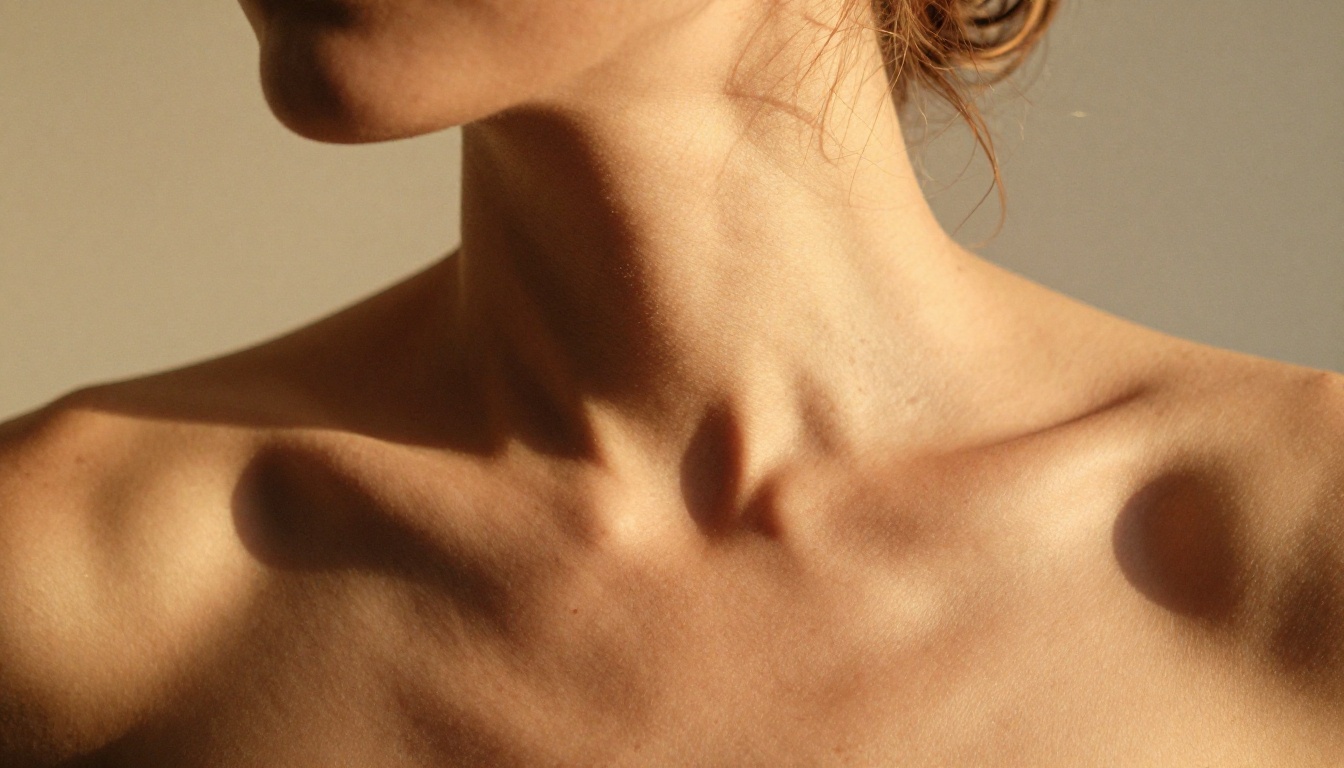
What Wan 2.7 Actually Is
Wan 2.7 is a video generation model family developed by Wan Video, available in three distinct variants on PicassoIA. Each one covers a different entry point in the creative workflow:
- Wan 2.7 T2V: text-to-video at up to 1080p, generating scenes entirely from written prompts
- Wan 2.7 I2V: image-to-video, animating any still photo with fluid, realistic motion
- Wan 2.7 R2V: reference-to-video, maintaining subject-consistent identity across generated scenes
Together these three cover the full production workflow for adult AI video: generate a still with precise body positioning using a text-to-image model, animate it with I2V, or describe a scene from scratch with T2V. For multi-scene content where a consistent character matters, R2V closes the loop.
The Architecture Jump from 2.6 to 2.7
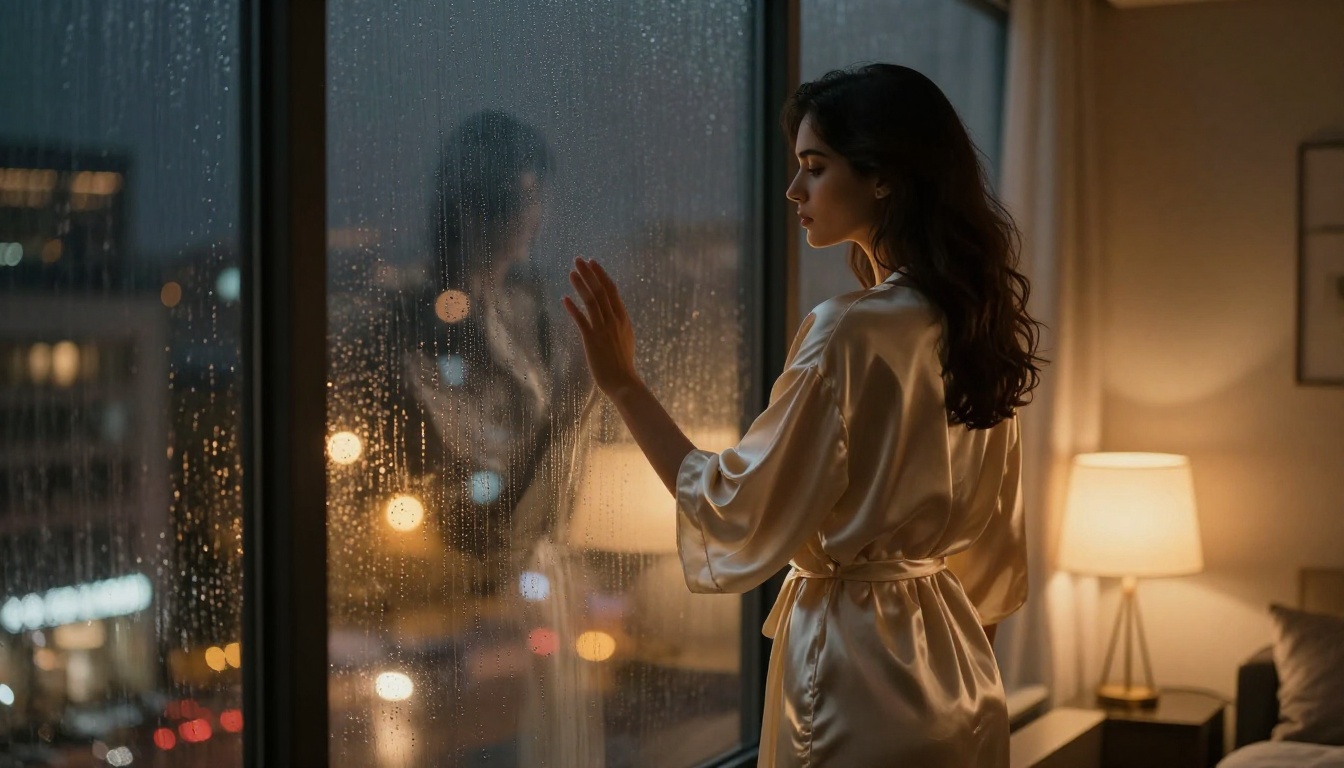
Wan 2.6 T2V and Wan 2.6 I2V were already competitive when they released. Clean motion, solid color fidelity, reasonable consistency across frames. But Wan 2.7 makes three specific improvements that directly affect NSFW and adult-adjacent work:
- Skin subsurface scattering: light traveling through skin layers now behaves realistically, producing the warmth and translucency of real human skin rather than the flat, plastic surface that characterized earlier diffusion video models
- Temporal consistency: faces and body proportions no longer drift between frames, which was the most obvious tell in Wan 2.6 output under scrutiny
- Fine detail retention: fabric texture, individual hairs, and skin pore detail hold through all five seconds of animation rather than blurring into smooth surfaces
These are not cosmetic upgrades. For adult content where anatomical accuracy and visual continuity are the difference between usable output and uncanny-valley failure, they represent a material shift in what the model can deliver.
Three Modes, Three Creative Needs
| Variant | Input | Best For |
|---|
| Wan 2.7 T2V | Text prompt | Scene-building from scratch |
| Wan 2.7 I2V | Still image + prompt | Animating a specific composition |
| Wan 2.7 R2V | Reference image + prompt | Consistent character across scenes |
The NSFW Question: Where It Lands

This is the question that brings most people to Wan 2.7, so it deserves a direct, honest answer. The model produces content that sits clearly in the non-explicit NSFW zone: bikinis, lingerie, implied nudity with strategic framing, suggestive movement sequences, and intimate scenes that stop short of explicit sexual acts. The realism level is high enough that output looks more like a scene from a premium streaming drama than typical AI-generated content.
What it does not produce by default, even with aggressive prompting: pornographic content with explicit anatomical depiction. The model's training incorporated safety filtering that blocks explicit generation in most hosted environments, including PicassoIA's standard configuration.
💡 The real question with Wan 2.7 is not "how explicit" but "how realistic." The model's value for adult-adjacent content comes from photorealism and motion quality, not the removal of any particular safety layer.
Non-Explicit vs. Explicit: Where It Sits
Here is the practical reality across tested prompt strategies:
What Wan 2.7 produces consistently:
- Women in lingerie, bikinis, or minimal clothing with accurate body proportions and natural skin
- Suggestive movement sequences (stretching, reclining, walking toward camera) with realistic skin dynamics and fabric interaction
- Intimate couple scenes with implied contact and emotional believability across frames
- Close-up skin detail sequences where pore texture, hair, and fabric interact realistically under various lighting conditions
- Wardrobe-shift scenarios where clothing adjusts or moves with believable physics
What triggers degraded output or blocking:
- Anatomically explicit scenarios across most hosted API environments
- Specific direct keywords that activate safety classification
- Extreme close-ups of certain anatomical areas regardless of framing language
💡 For creators focused on glamour, lingerie, artistic sensuality, or tasteful adult content, Wan 2.7 is operating at a level no previous open-access model reached. The ceiling has moved substantially.
The Realism Factor Changes Everything

The reason NSFW capability is worth discussing seriously with Wan 2.7 is that the model crossed a photorealism threshold that earlier ones did not. Previous open-access video models produced output that was recognizable as AI: stiff motion, plastic-looking skin, inconsistent anatomy across frames. At that quality level, the question of explicit capability was almost academic because the output looked artificial regardless of content.
Wan 2.7 produces output that passes a casual visual inspection as real video in many cases. That is the actual story. The realism is not just an aesthetic achievement; it changes how the content registers for the viewer and therefore what it means for the creator working in adult-adjacent territory.
Visual Quality at the Edge
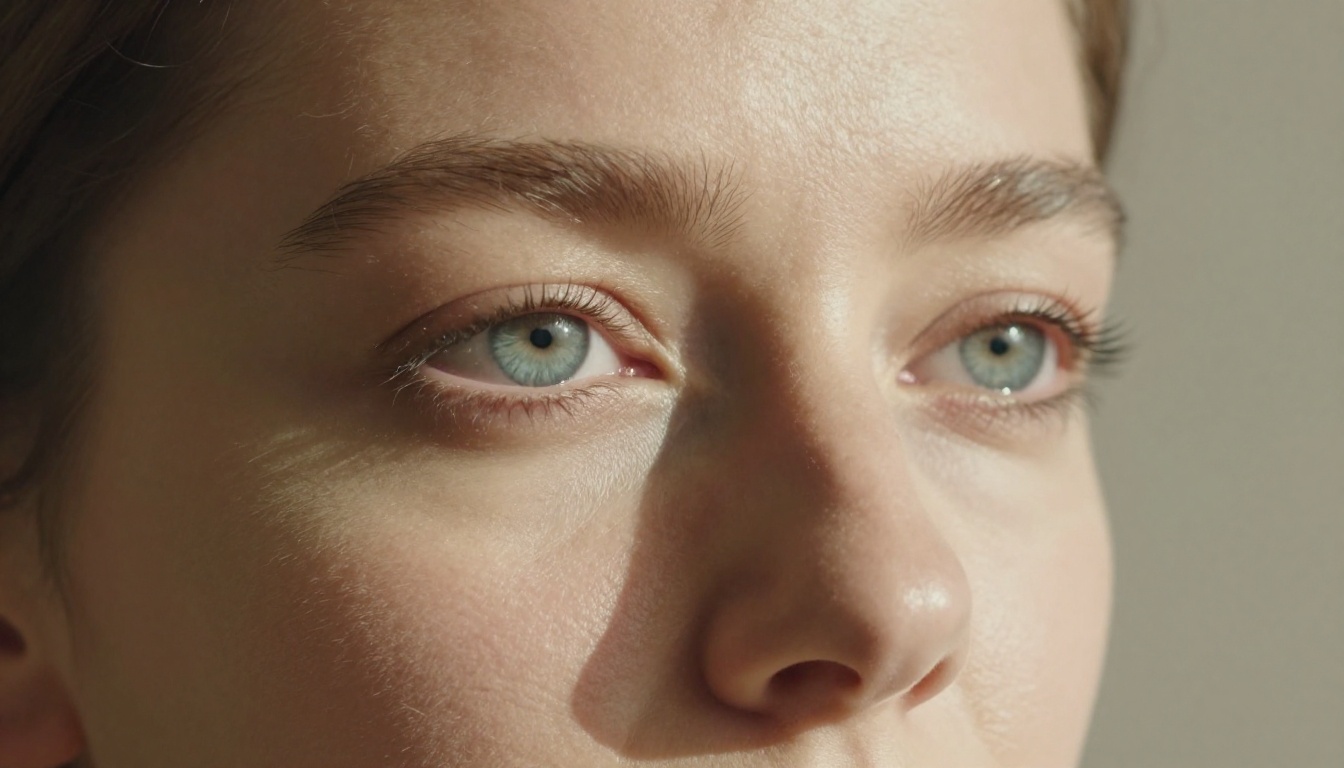
When you push Wan 2.7 into suggestive content territory, specific technical attributes become very visible. These are the elements that either make the output work or expose it as AI-generated. Understanding them is what separates creators who get consistent quality from those who get occasional good frames surrounded by failures.
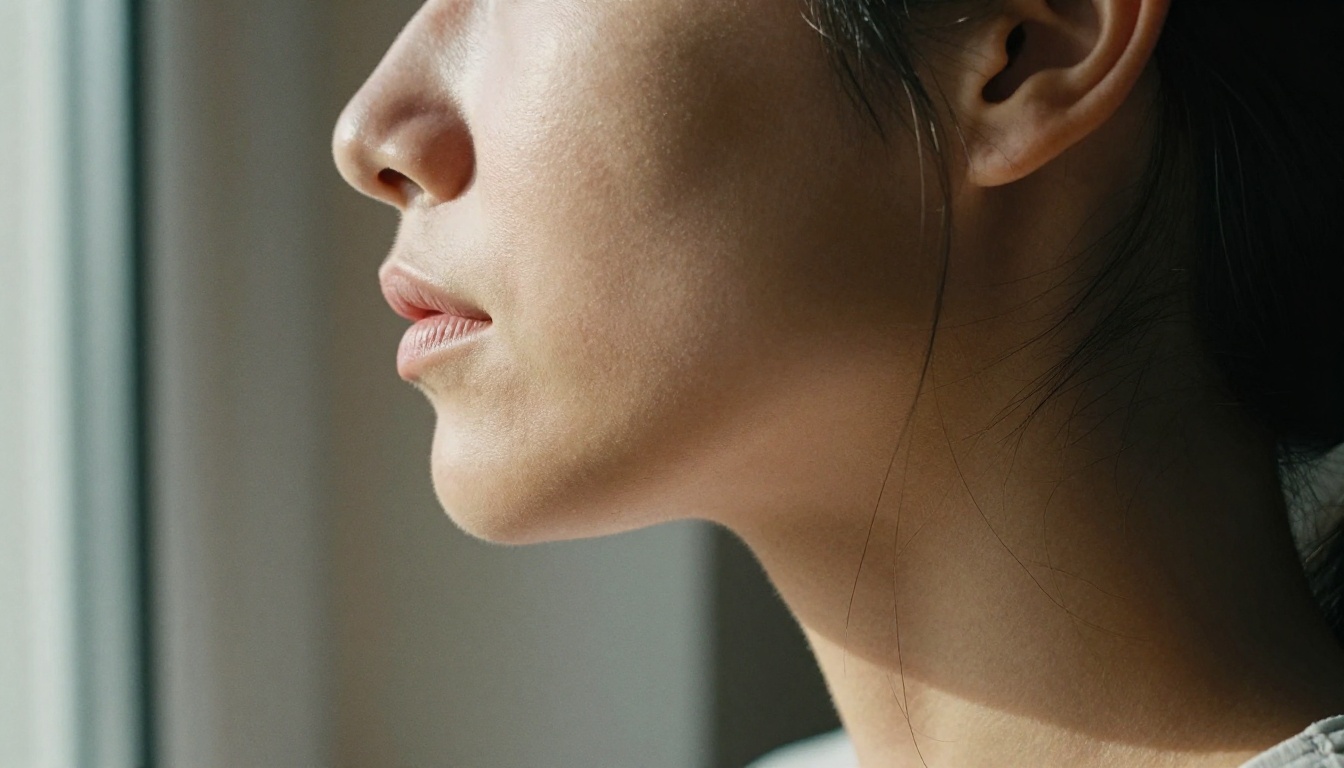
Skin Texture and Body Realism
Wan 2.7's skin rendering in 2027 sets a bar that competing models are still working toward. Specifically:
- Subsurface scattering creates the translucent warmth of real skin under natural light, not the flat, opaque look of earlier diffusion video models
- Pore-level detail holds through animation rather than blurring into smooth textures as the generation progresses
- Vein and muscle definition responds to movement, showing natural flex and compression as the body shifts position
- Hair physics operate at near-strand-level simulation, producing realistic flyaways and displacement patterns when the character moves
The combined effect is that a figure in motion in Wan 2.7 output looks physically present in the frame rather than composited onto a background. This is particularly visible in I2V outputs where the source image already has strong skin detail.
Motion Coherence in Suggestive Scenes
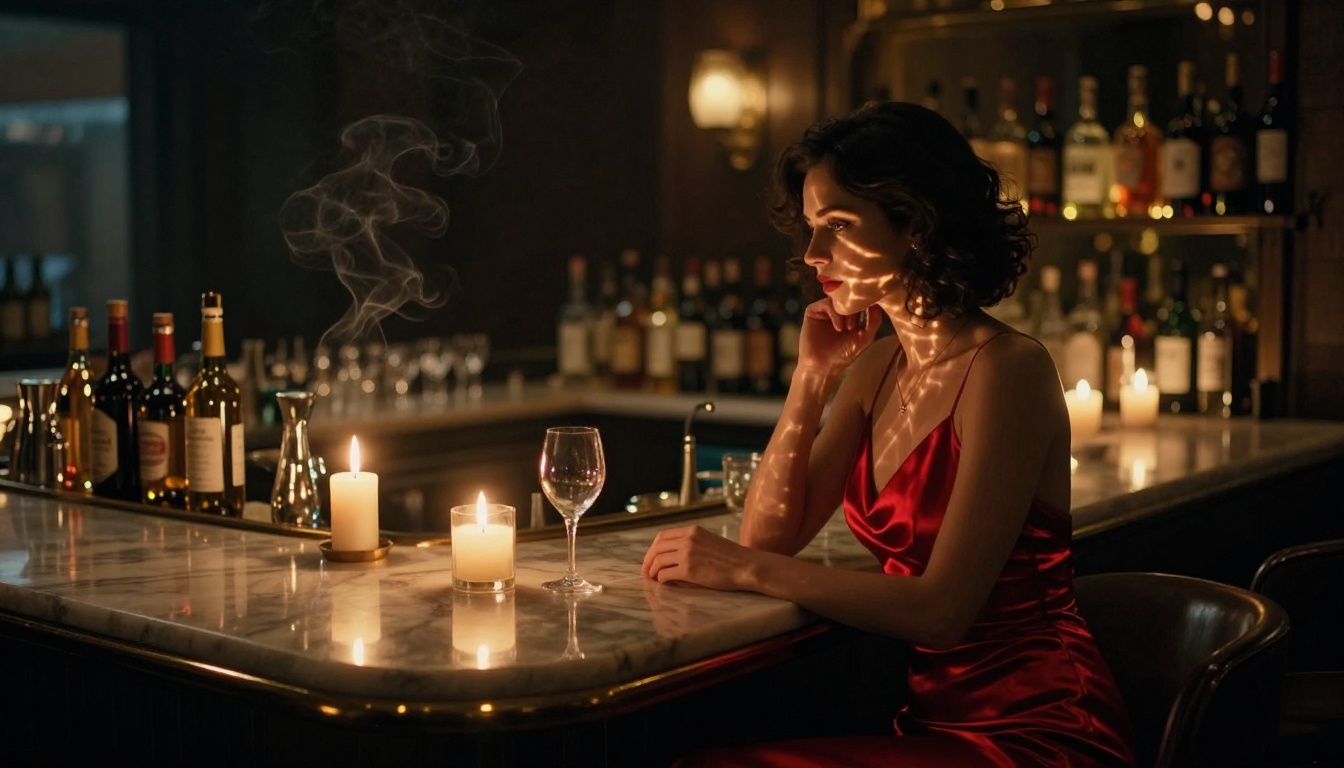
Motion quality is where adult AI video has historically failed most visibly. Realistic still images are achievable with multiple models. Realistic motion that maintains body-aware detail across five seconds of animation is harder by an order of magnitude. Wan 2.7 addresses this specifically:
- Breathing patterns: the subtle rise and fall of the chest follows organic timing rather than the robotic regular rhythm of earlier models
- Weight shifting: body movement during position changes shows realistic inertia, with momentum carrying through the transition
- Fabric interaction: clothing responds to body motion with physics-accurate drape, pull, and fold rather than floating independently of the body beneath it
- Facial micro-expressions: when the face is in frame and lit clearly, it carries authentic emotional timing rather than locked neutral expressions
💡 For I2V use cases specifically, this motion coherence benefit is most visible. Feed Wan 2.7 I2V a high-quality still and it animates the composition in a way that preserves the original framing while adding natural life to it.
Using Wan 2.7 on PicassoIA
PicassoIA hosts all three Wan 2.7 variants with access to the full model capability. Here is the practical workflow for getting the best adult-adjacent content from the model.
Step 1: Choose Your Entry Point
For most NSFW creative work, I2V is the recommended starting point. Begin with a high-quality still image that has the body positioning, lighting, and framing you want, then use Wan 2.7 I2V to animate it. This gives you significantly tighter control than text-to-video because you constrain the model's interpretation from the very first frame, rather than leaving it to generate the composition from scratch.
For pure text-to-video work, use Wan 2.7 T2V and write prompts that are dense with cinematographic detail. The structure that produces the most consistent results:
[Body description and clothing] + [Environment and setting] + [Lighting specifics] + [Camera angle and movement] + [Fabric and texture detail]
Step 2: Prompt Engineering for Best Results
The difference between mediocre and excellent Wan 2.7 output comes down almost entirely to prompt construction. These are the variables that control the quality-critical elements:
| Prompt Element | What It Controls | Example |
|---|
| Lighting type | Skin realism | "volumetric morning light from left" |
| Camera lens | Depth of field | "85mm f/1.4 shallow focus" |
| Fabric specifics | Clothing physics | "silk satin catching specular highlights" |
| Motion description | Animation quality | "slow shoulder roll, weight shifting to right hip" |
| Texture language | Skin detail | "visible pore texture, natural subsurface scattering" |
💡 Be specific about what moves. "She walks toward the camera" is weak. "She takes three slow steps forward, weight shifting from left to right with each step, hair slightly displaced by movement" is what Wan 2.7 actually needs to produce coherent motion output.
Step 3: R2V for Character Consistency
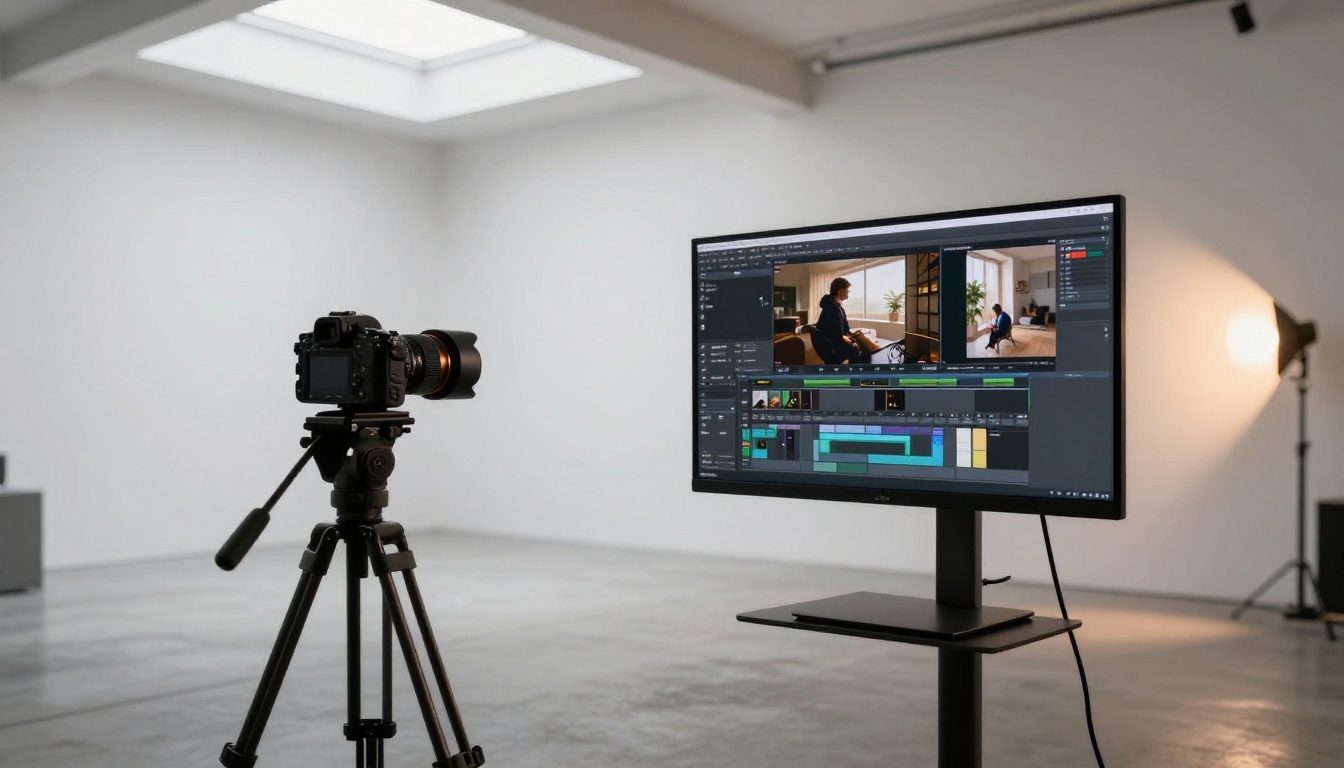
If you are building a multi-scene sequence with a specific character, Wan 2.7 R2V is the variant that makes it viable. Reference-to-video takes a reference image of a specific person and generates new scenes with consistent identity across outputs. For adult content creators building serialized content, this is the feature that makes Wan 2.7 genuinely useful as a production tool rather than just an impressive single-output generator.
Feed R2V a source image with the exact face, build, and coloring you want to maintain. The model will hold those characteristics across new scenes, even when the pose, environment, and lighting change substantially between outputs.
Step 4: Resolution and Length
PicassoIA runs Wan 2.7 T2V at up to 1080p, with I2V and R2V matching the input resolution up to the model cap. For NSFW content specifically, resolution matters because skin and fabric detail that reads as realistic at 480p can reveal obvious AI artifacts at full resolution under close inspection. Run at 720p minimum; use 1080p when output quality is the priority over generation speed.
Wan 2.7 vs. the Competition
Not every platform or model approaches adult-adjacent content the same way. Here is how Wan 2.7 compares to current alternatives available on PicassoIA:
The pattern is clear: Wan 2.7 trades generation speed for the highest realism ceiling and the most tolerance for suggestive content among mainstream hosted models. If fast iteration through concepts is the priority, Pixverse v5.6 or Kling v2.6 will serve you better. If final output quality is what matters and you are willing to wait for each generation, Wan 2.7 is where the ceiling actually sits.
Why Seedance 2.5 Is Worth Noting
Seedance 2.5 sits in an interesting position in this comparison. It produces excellent cinematic motion and handles intimate scenes with solid fidelity, but its censorship profile is tighter than Wan 2.7's. For content at the soft-R boundary (couple scenes, glamour movement, editorial swimwear) Seedance 2.5 is fast and reliable. For anything pushing further into adult territory, Wan 2.7 is the better choice by a meaningful margin.
Prompt Patterns That Actually Work
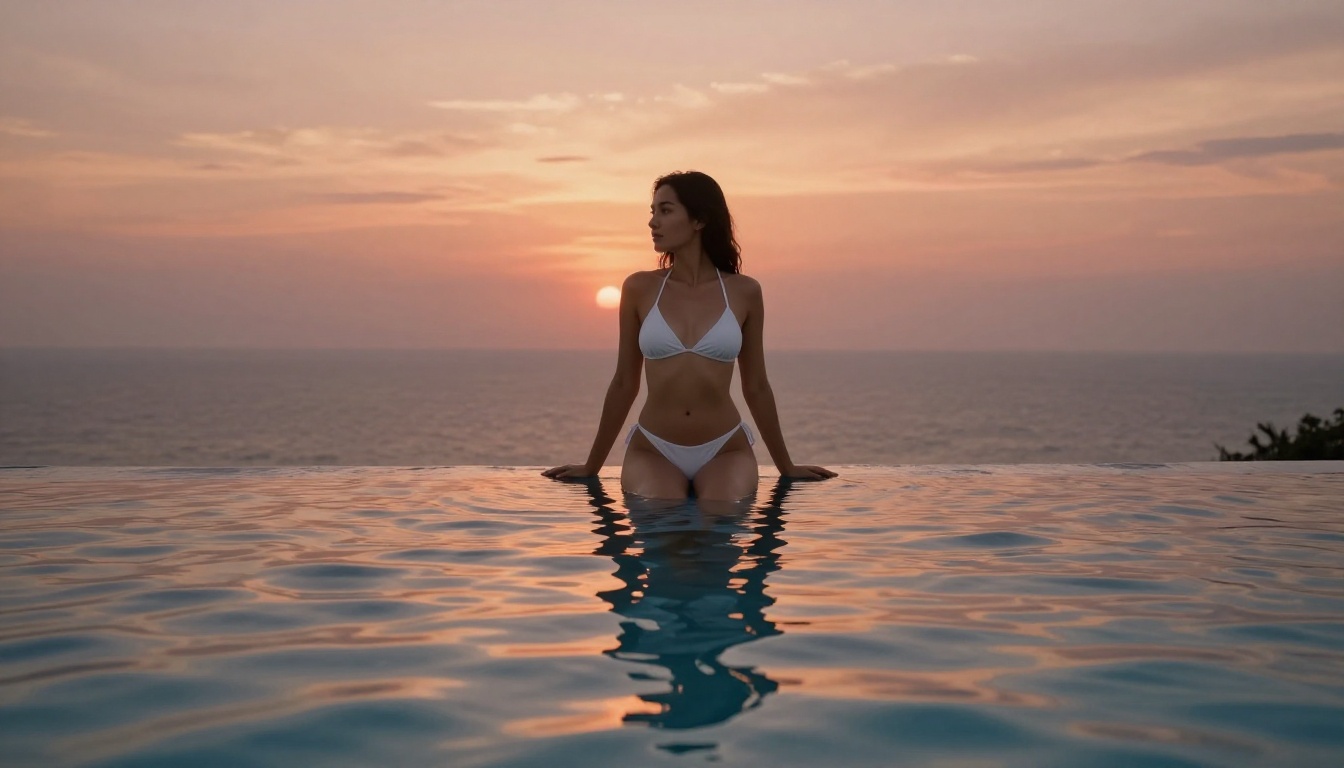
Across extensive testing of Wan 2.7 for adult-adjacent content, certain prompt structures produce reliably better results than others. These are the patterns worth using:
For lingerie and intimate scenes:
"[Character description] in [specific garment with fabric detail], [environment with lighting], camera [movement description], natural skin texture, realistic body proportions, photorealistic, Kodak Portra 400 film grain"
For suggestive motion sequences:
"[Starting position], slow transition to [ending position], [camera angle and lens], volumetric [lighting type], fabric responds to movement with realistic drape, natural weight and inertia throughout"
For I2V animation from a still image:
"Animate with [specific motion], camera [movement type], natural breathing with chest rise and fall, [specific body part] moves [detailed description], hold overall composition"
Words to Avoid in Prompts
Certain terms reliably activate classification filters even when the creative intent is artistic and clearly non-explicit:
- Explicit anatomical terminology (triggers immediate filtering regardless of context)
- Unmodified use of "nude" without contextual artistic framing
- Any age-adjacent descriptive language of any kind
Working vocabulary that produces better output with fewer rejections: suggestive, sensual, intimate, glamour, editorial, artistic, implied, lingerie, bikini, swimwear, silhouette, partial, sheer, fitted.
The difference in prompt language is also reflected in output quality beyond just the pass-or-fail of the safety filter. More cinematic framing language (lens type, lighting direction, camera movement) consistently produces better skin realism than direct content description alone. The model responds to cinematographic language by applying the photographic parameters that make skin rendering look real.
What This Means for Creators Right Now
The practical implication of Wan 2.7's capabilities is that the quality bar for AI-generated adult-adjacent content has permanently shifted. Content that would have required professional photography setup, studio lighting equipment, and significant post-production work is now generatable with precise text prompts and a quality source image.
For adult content creators, Wan 2.7 is a production asset. For glamour and editorial photographers, it is a previsualization tool that can produce concept output at near-final quality before a physical shoot. For anyone building content in the broader adult entertainment space, Wan 2.7 represents the first widely accessible model where the output quality is genuinely competitive with real footage in the non-explicit register.
The remaining variable in every case is creative direction. The model can produce the quality. What it produces that quality of is still entirely down to the person writing the prompt and choosing the source image.
Start Creating on PicassoIA
PicassoIA gives you direct access to all three Wan 2.7 variants without generation caps restricting your workflow. Start with Wan 2.7 T2V for pure text-to-scene generation, work through Wan 2.7 I2V to animate a specific composition you already have, or use Wan 2.7 R2V to maintain character consistency across a multi-scene series.
Beyond Wan 2.7, PicassoIA hosts over 80 text-to-video and image-to-video models including Wan 2.6 T2V, Kling v2.6, Seedance 2.5, and LTX 2.3 Pro, all accessible from the same platform. The quality benchmark Wan 2.7 sets is not theoretical. It is visible in every frame of output.
Visit picassoia.com/en/all-models and pick the Wan 2.7 variant that fits your production process. Run a generation with your actual prompt and see exactly what the model produces at your specific creative intent.


