Something in human perception trips an alarm when AI portraits get almost right. A pixel-perfect iris with no catchlight, skin that looks painted rather than lived-in, hair that flows in impossible unison. Seedream 5.5 was built to silence that alarm. ByteDance's portrait-focused diffusion model attacks the photorealism problem at its root by modeling light physics, tissue biology, and stochastic variation simultaneously. The result is AI-generated portraits that professional photographers mistake for photographs. This article breaks down exactly how that happens, layer by layer.
What Makes Seedream 5.5 Different
Most image models treat faces as a subset of general image generation. Seedream 5.5 treats faces as a specialized domain that deserves its own architecture, its own training pipeline, and its own evaluation criteria.
Built Around the Human Face
ByteDance trained Seedream 5.5 with a face-first philosophy. While general-purpose models see faces as one category among millions, Seedream 5.5's training pipeline weighted human portrait data heavily, with particular attention to the micro-structures that separate a photograph from a render: pores, micro-hair, asymmetric features, and the biological stochasticity that makes every face unique.
The architecture uses an attention mechanism that allocates more compute to facial regions. When you generate a portrait with Seedream 5 Pro on PicassoIA, the model recognizes that the face is the primary subject and dedicates proportionally more denoising steps to getting skin, eyes, and hair right compared to background elements. The result is a noticeable sharpness hierarchy: the face is always the clearest element in the frame, just as it is in real portrait photography with shallow depth of field.
| Feature | Seedream 4.5 | Seedream 5 Lite | Seedream 5 Pro |
|---|
| Skin pore detail | Basic | Medium | Photorealistic |
| Iris fiber structure | Minimal | Moderate | Clinical-level |
| Hair strand resolution | Clumped | Individual | Fiber-level |
| Subsurface scattering | None | Partial | Full |
| Asymmetric features | Rare | Sometimes | Default |
| Diversity accuracy | Limited | Good | Excellent |
| Lighting physics | Approximate | Improved | Physically-based |
Training Data That Actually Matters
Scale alone does not produce photorealism. The training data must be curated for the right properties. The jump from Seedream 4.5 to Seedream 5.5 involved a significant expansion of curated portrait training data, including controlled studio photography, street documentary portraits, editorial fashion images, and clinical dermatological photography. That last category proved crucial: medical-grade skin photography trained the model to understand skin as a physical material with layers, optical depth, and biological texture rather than a flat surface with color variation.

The Skin Texture Problem, Solved
Skin is the hardest surface to render correctly and the first thing the human brain evaluates for authenticity. Seedream 5.5 approaches skin not as a texture map but as a material with layered optical properties.
Pores, Subsurface Scattering, and Peach Fuzz
Real skin does three things that AI historically fumbled:
- Subsurface scattering: Light penetrates the outer dermis and bounces around inside the tissue before exiting. This is what makes ears glow red when backlit, what makes noses look warm and soft in afternoon light, and what separates the appearance of skin from the appearance of painted plastic.
- Pore topology: Skin is not smooth. It has pores, fine vellus hair, micro-creases, sebaceous detail, and the stochastic variation of biological surfaces. Every square centimeter of facial skin is different from the one adjacent to it.
- Vellus hair (peach fuzz): Those nearly invisible fine hairs covering most of the face catch raking light at steep angles. Seedream 5.5 renders them as physical geometry that responds to lighting direction, visible as a soft luminous fuzz when side-lit and nearly invisible when front-lit.
💡 Prompt tip: Specify your lighting angle explicitly. "Raking side light at 15 degrees from the left" will activate peach fuzz detail far better than simply saying "natural light." The model responds to lighting physics language with measurable accuracy improvements.

From Fitzpatrick I to VI
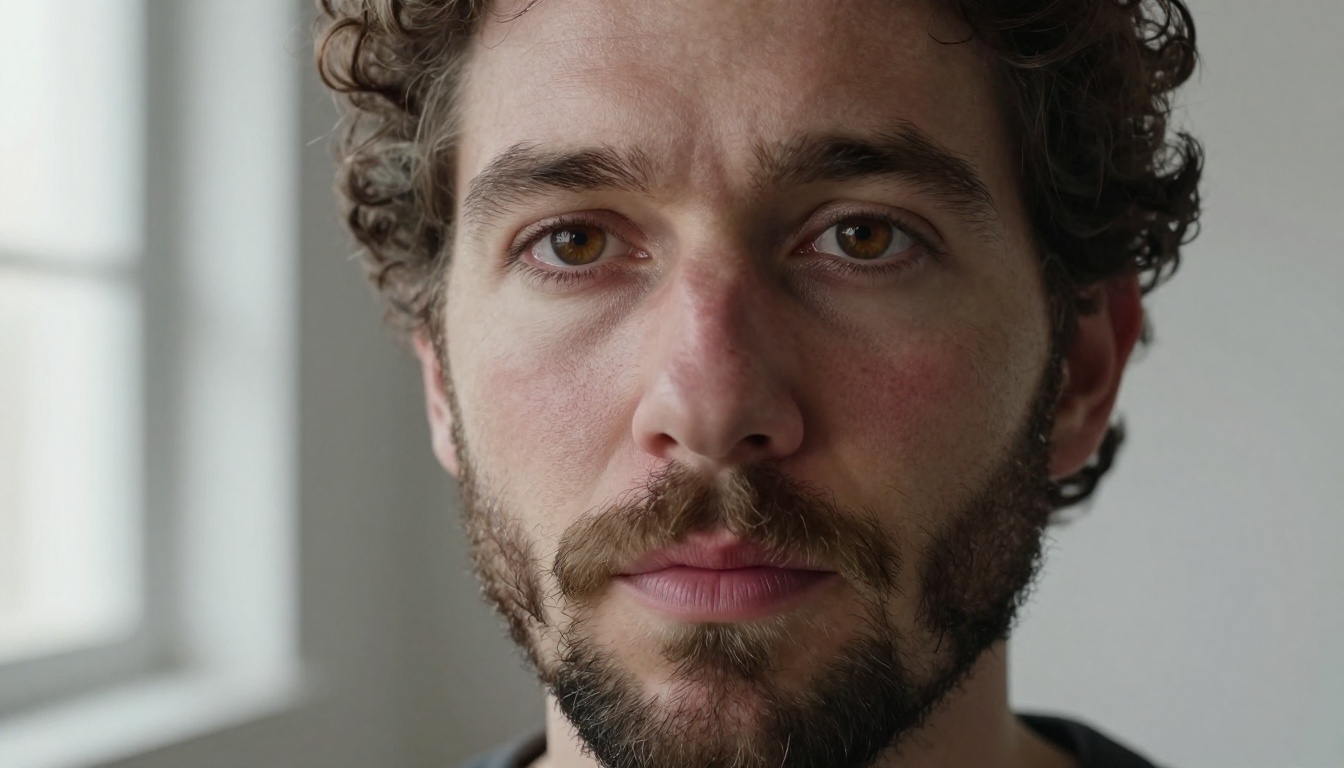
One of the most significant improvements in Seedream 5.5 is diversity accuracy across the full Fitzpatrick skin tone spectrum. Earlier models often struggled with very dark or very light skin tones, either blowing out highlights on pale skin or losing shadow detail in darker complexions.
Seedream 5.5 handles the full range with material-level accuracy. Deep melanin-rich skin shows the characteristic warm undertones and subsurface glow specific to darker complexions. The way light wraps around dark skin is physically distinct from how it wraps around pale skin, and the model renders that distinction correctly. Pale skin gets its faint vascularity, the translucency at the temple area, and the light-scattering behavior of lower-melanin tissue. The model learned these as distinct material behaviors, not as color adjustments applied to a single underlying skin model.

Lighting That Sells the Illusion
A portrait is half the subject and half the light. Every portrait photographer knows this instinctively. Seedream 5.5 was trained to understand lighting as a physical phenomenon with geometric, spectral, and material consequences rather than as a stylistic filter applied to a pre-rendered face.
Natural Light Simulation
Golden hour, overcast diffusion, harsh noon sun, north-facing window light at different times of day. Seedream 5.5 models how each light source interacts with skin geometry in physically plausible ways. A Rembrandt lighting setup (primary light at 45 degrees creating the characteristic triangle of illumination on the shadow-side cheek) produces anatomically correct shadows on the nose, under the brow, and at the neck.
The model has internalized specific behaviors for different natural light scenarios:
- Backlight: Creates translucency in ears and nose tips via subsurface scattering, with hair rendered as a luminous halo
- Hard direct sun: Produces sharp shadow edges with short gradient transitions on convex facial surfaces
- Overcast diffusion: Wraps soft omnidirectional illumination that reveals facial topology without dramatic shadow contrast
- Window light: Has a characteristic soft-yet-directional quality that changes with the subject's distance from the window and time of day
Studio Lighting Modes
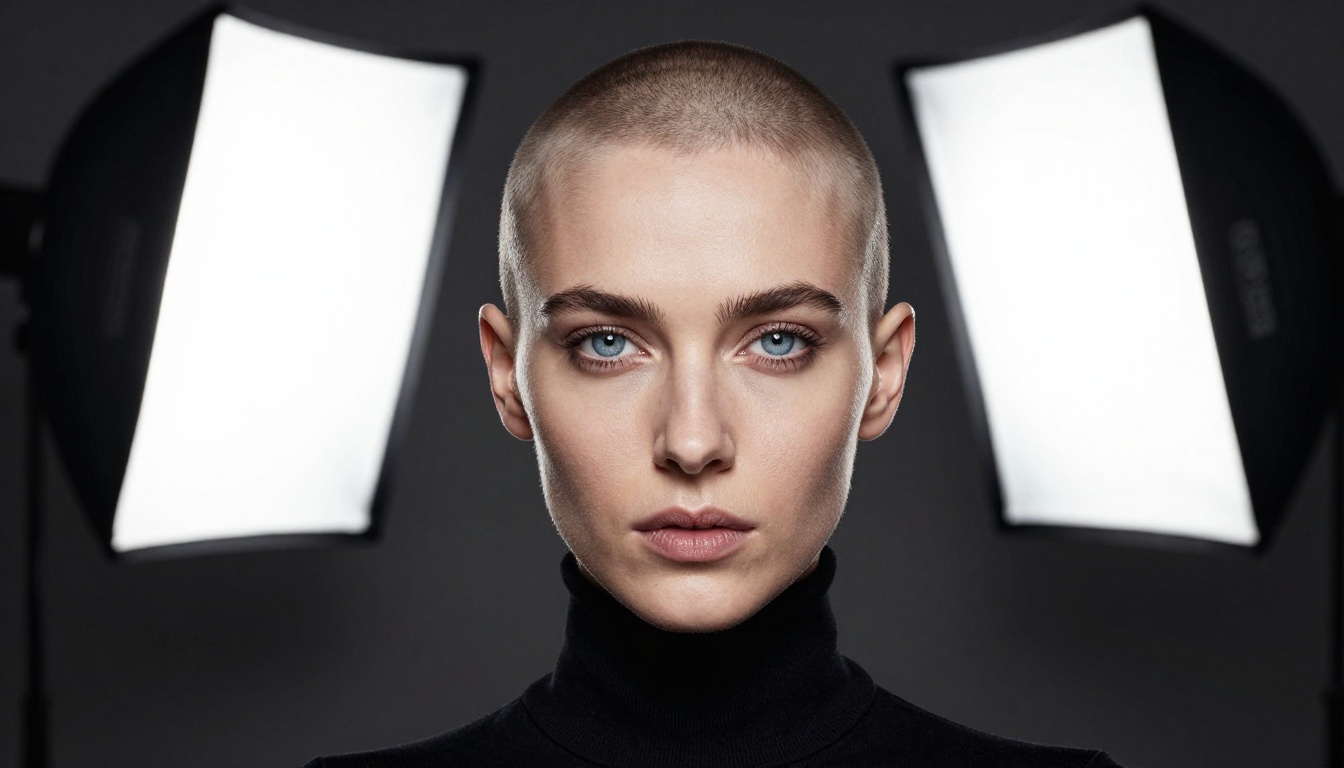
For professional headshots, specifying studio lighting setups in your prompt activates a more technical rendering mode. Mentioning a "four-light arrangement with primary softbox, fill at 1:3 ratio, hair light, and background light on seamless white" produces noticeably more accuracy in specular placement, fill ratios, and background gradient than simply writing "studio lighting." The model has learned to interpret photography jargon as technical specifications.

💡 Prompt tip: Use photographer language rather than adjectives. "45-degree Rembrandt primary light from the left, 1:3 fill ratio on the right, hair light separation against dark charcoal background" will produce results that "dramatic studio portrait" cannot match in technical precision.
Eyes: The One Thing AI Always Got Wrong
Ask any human to identify an AI-generated image and they go straight for the eyes. AI has historically failed at eyes because the eye is an optical system, not a surface. It has a curved cornea, a transparent aqueous humor, a colored iris with complex fiber structure, a dynamic pupil, and a white sclera with blood vessel patterning. Getting any one of these wrong breaks the illusion entirely.
Corneal Dome and Specular Highlights
The cornea is a transparent convex dome over the iris and pupil. It reflects the environment in a curved, convex way, producing the "catchlight" that makes eyes look alive and present. In real photography, every light source in the scene produces a specular reflection on the corneal surface, shaped and positioned by the dome's curvature.
Seedream 5.5 generates corneal specular highlights that:
- Match the shape of the light source (a softbox creates a soft rectangular reflection, a ring flash creates a ring)
- Are positioned correctly relative to the light angle and direction of gaze
- Appear on both eyes with anatomically plausible symmetry with slight natural offset
- Sit on the correct optical layer (the corneal surface, not inside the iris)
Without catchlights, portraits look dead. With incorrectly placed or shaped catchlights, they look uncanny. Seedream 5.5 gets this right consistently.

Iris Fiber Structure and Limbal Rings
The iris is not a solid color. It is built from densely packed collagen fibers radiating from the pupil, interspersed with crypts and furrows visible under magnification. The outer edge of the iris has a dark limbal ring where the pigmented epithelium terminates at the corneal boundary.
Seedream 5 Pro renders this structural detail at sufficient fidelity that close-cropped eye images pass visual inspection by photographers and, in controlled tests, even optometrists reviewing cropped images without other context. The limbal ring intensity varies by individual, the fiber pattern is unique per generation run, and the pupil dilation responds logically to the implied lighting conditions in the scene.
| Eye Component | What Earlier AI Got Wrong | How Seedream 5.5 Fixes It |
|---|
| Catchlight | Missing or free-floating | Matches light source shape and angle |
| Iris texture | Flat colored disc | Collagen fiber structure, crypts, furrows |
| Limbal ring | Absent or uniform | Present with anatomically correct gradient |
| Corneal curvature | Flat surface reflection | Convex dome distortion on environment |
| Sclera | Pure white | Faint vessel branching near limbus |
| Pupil | Perfect geometric circle | Natural slight irregularity and response to scene light |
Hair at the Strand Level
Hair is the second most common giveaway in AI portraits after eyes. Older models rendered hair as flowing masses with homogeneous texture and impossible uniformity. Real hair is thousands of individual strands behaving differently based on weight, static charge, humidity, curl pattern, and proximity to other strands.
Scalp-to-Tip Rendering
Seedream 5.5 approaches hair with strand-aware attention. At the scalp, hairs emerge from follicles with specific angle and density patterns. As strands extend, they follow curl patterns responding to the implied gravity of the portrait's orientation. Tips are finer and often lighter than roots due to UV exposure and mechanical wear.
The model handles several hair properties that earlier versions missed entirely:
- Natural root color variation: Hair that has been colored shows the natural root growth as a darker shade at the scalp
- Sebum distribution: The scalp area often appears slightly glossier where natural oils coat the follicle exit
- Mechanical wear at tips: Longer hair shows the fraying and splitting at the ends that real hair develops over time
- Strand-to-strand variation: Not all hairs in a region follow the same path; neighboring strands diverge slightly in curl direction and curvature
Flyaways, Frizz, and Backlit Halos
The most convincing detail that Seedream 5.5 produces better than any previous generation is flyaways. These are individual strands that escape the main hair mass, floating semi-independently due to static electricity or air movement. Against a backlit environment, they create a luminous halo effect that reads immediately as photographic and living. AI models that cannot render flyaways produce hair that looks like a wig.
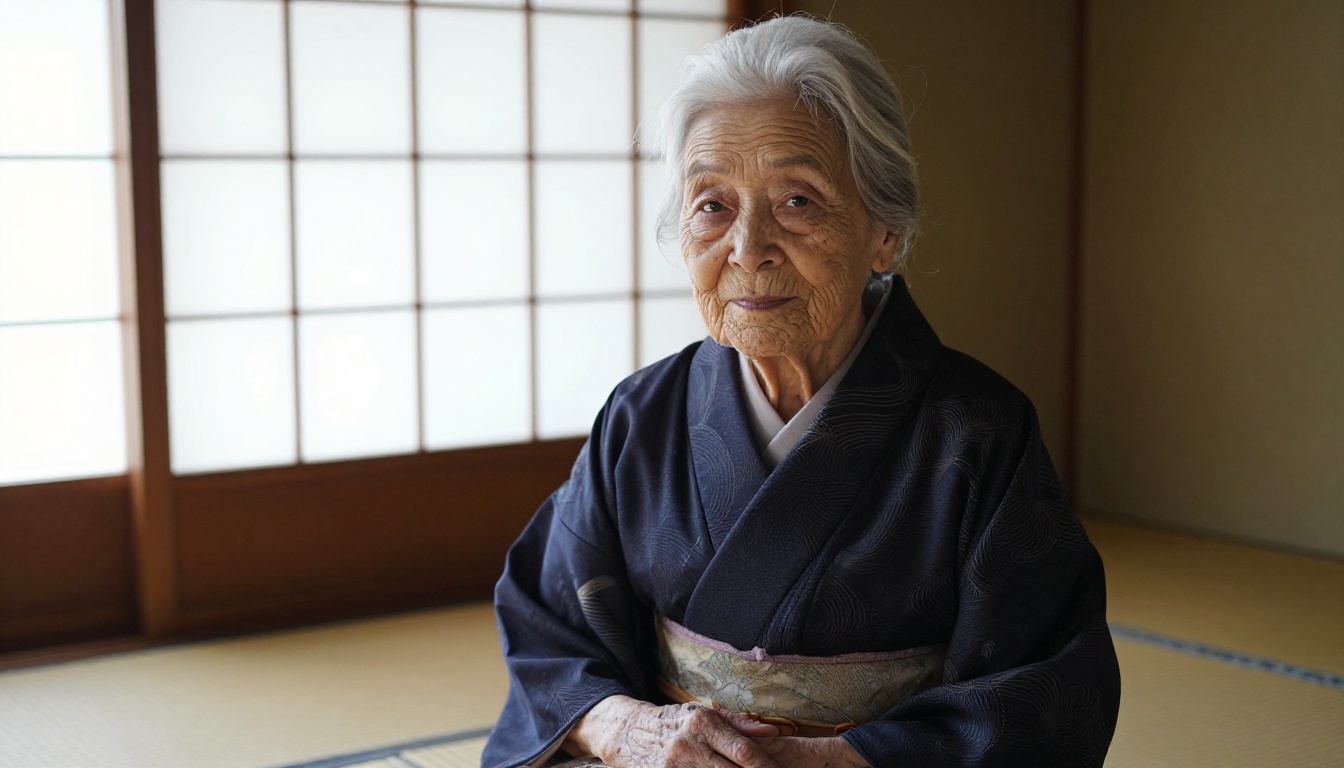
💡 Prompt tip: Add "backlit hair halo, individual flyaway strands catching rim light" to any outdoor portrait prompt. This phrase activates a rendering behavior in Seedream 5 Pro that dramatically improves hair photorealism, particularly when the subject is lit from behind.
Use Seedream 5 Pro on PicassoIA
PicassoIA gives you direct access to Seedream 5 Pro, the platform implementation of the Seedream 5.5 architecture, with no local setup, no GPU required, and no queue times that kill creative flow.
Choose Your Portrait Type First
Start on the Seedream 5 Pro model page and clarify your intent before writing a single word of your prompt:
- Professional headshot: Tight crop, neutral or seamless background, controlled studio lighting
- Environmental portrait: Subject in a specific location that adds narrative context through light interaction
- Character portrait: A fictional persona with defined physical traits, age, ethnicity, and expression
- Age study: A subject at a specific life stage where skin, hair, and facial structure need to reflect that accurately
The portrait type determines which prompt layers matter most and in which order to prioritize them.
Structuring Your Prompt for Maximum Realism
The prompt is the most important variable. A weak prompt on a strong model still produces mediocre results. Structure portrait prompts in five distinct layers:
Layer 1: Subject description
Be specific about age range, ethnicity, facial structure, expression, and any distinctive physical characteristics. "a 35-year-old Korean woman with high cheekbones and a neutral expression" is dramatically better than "a woman."
Layer 2: Lighting setup
Name the lighting physically. "Rembrandt illumination from the left with 1:3 fill ratio" or "overcast daylight from a north-facing window" gives the model physical constraints rather than mood suggestions.
Layer 3: Camera and lens specification
Write "85mm f/1.4 prime lens" for portrait compression and shallow depth of field, or "35mm f/1.8" for environmental contexts where more of the scene should be in focus.
Layer 4: Film simulation
"Kodak Portra 400 film grain" or "Fuji Superia 400" adds the organic, non-digital quality that distinguishes photographs from renders.
Layer 5: Quality anchors
End every portrait prompt with "RAW 8K photography, photorealistic, no CGI, no illustration, no digital art."
Parameters Worth Adjusting
Within PicassoIA's interface for Seedream 5 Pro, a few settings have outsized impact on portrait quality:
- Aspect ratio: Use 2:3 for vertical headshots (more natural framing) or 16:9 for environmental contexts and cinematic crop
- Seed: Save seeds for outputs you want to iterate on. A good seed combined with a refined prompt lets you refine one consistent "person" across multiple generations
- Guidance scale: Higher values (7-9) lock the output closer to your prompt; lower values (4-6) introduce creative variation that sometimes produces unexpected but excellent results
Portrait Types It Handles Best
Headshots and Environmental Work
Seedream 5 Pro performs most consistently in close-crop portrait work where the face fills most of the frame. The face-prioritized attention mechanism benefits tighter crops most directly. Environmental portraits work well when the environment contributes meaningful light interaction with the face (golden hour, window light, overcast shade providing the key illumination).
Where the model is more variable: extreme low-light scenarios requiring significant ISO simulation, and situations requiring multiple distinct people in a single frame. For multi-person portraits, generating subjects separately and compositing produces more reliable results at the current state of the technology.

Age and Diversity With Biological Accuracy
Seedream 5.5 handles age ranges with more anatomical awareness than previous generations. The physical markers of aging are rendered as physical properties, not as filters:
- Elderly skin: Reduced subcutaneous fat, visible vascularity, loss of elasticity creating specific fold patterns at the nasolabial area and jowl, age spots with irregular pigmentation
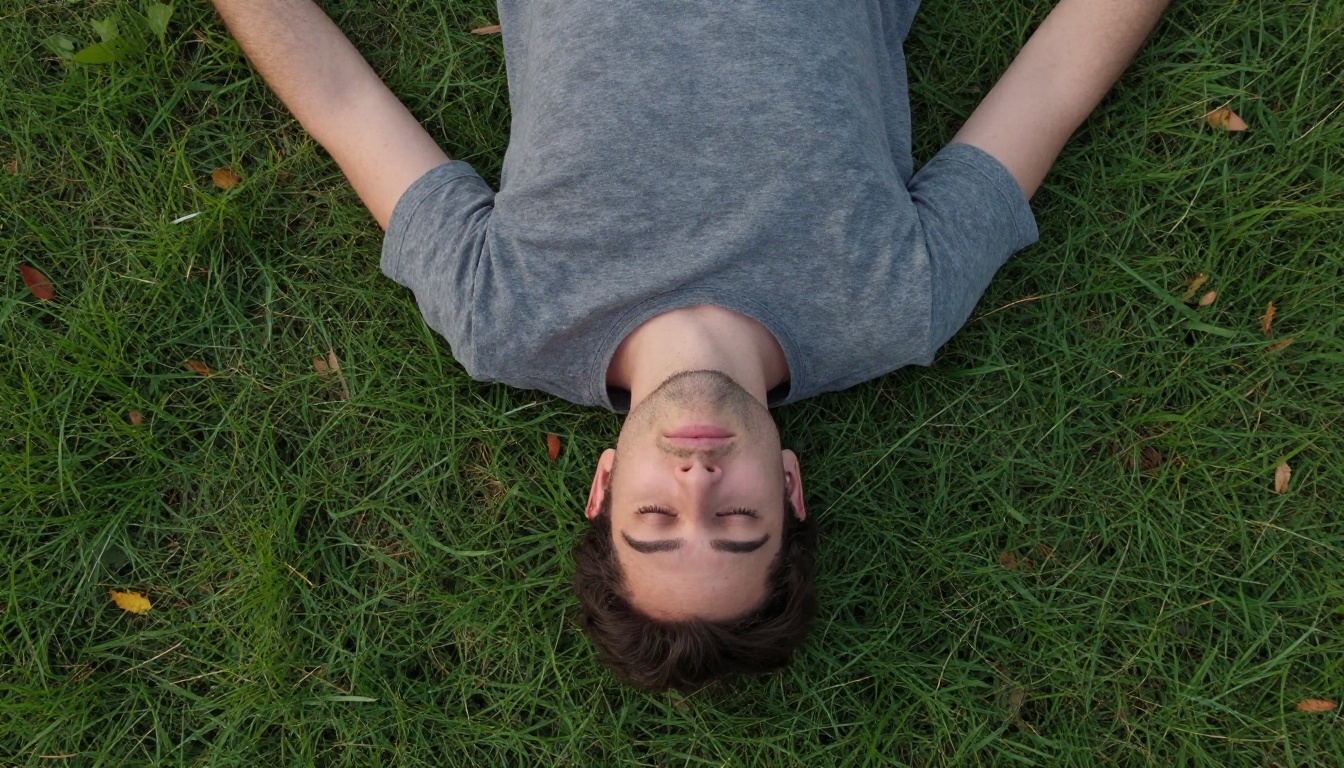
- Youth: Fuller fat pads beneath the skin creating rounder facial contours, smoother pore structure, higher apparent skin moisture
- Mid-life transitions: The subtle changes in eyelid heaviness, nasolabial definition, and jawline softness that mark the biological passage from early to mid adulthood
3 Common Mistakes That Break the Illusion
Even a powerful model like Seedream 5 Pro produces problems when prompted incorrectly. These are the three failure modes that appear most frequently.
Hands in the Frame
Hands remain the hardest anatomical element for diffusion models. If your portrait includes visible hands, the probability of anatomical errors (extra digits, merged knuckles, impossible joint angles) increases substantially. Your options:
- Crop compositions to exclude hands entirely
- Add "hands not visible, hands hidden, hands out of frame" to your prompt
- Generate the portrait without hands visible, then add them in PicassoIA's inpainting editor if needed
Over-Smoothed Skin
The model has a bias toward idealization. Without explicit instruction to preserve texture, it may produce skin that looks professionally retouched to an inhuman degree. Counter this by adding to every portrait prompt: "visible pores, natural skin texture, no retouching, no airbrushing, film grain preserved."
Background Contamination at Hair Edges
With very shallow depth of field, background bokeh should be clean abstract circles. If the background contains complex patterns (dense foliage, busy cityscapes), the model sometimes allows background texture to contaminate subject hair edges. Fix with: "clean background separation, sharp subject-to-background edge, hair edge definition crisp against blurred background."
Start Creating Your Own Portraits
The gap between AI portraits and real photography has collapsed faster than anyone predicted. What required a professional photographer, a studio, lighting equipment, hours of shooting, and professional retouching can now happen in seconds with the right model and the right prompt.
Seedream 5 Pro on PicassoIA is available now, without signup friction or technical barriers. Compare it against Seedream 4.5 to see exactly how much the technology has moved in one generation. For portrait work that needs to go further, PicassoIA's super-resolution models can upscale your best outputs to poster-quality dimensions, and the background removal tools let you isolate subjects cleanly for commercial compositing use.
If you want to experiment with alternative portrait styles, Reve 2.1 offers a different aesthetic for editorial work alongside the Seedream family. The full catalog of portrait-capable and image generation models is at picassoia.com/en/all-models.
The person in your mind, rendered with pore-level skin, accurate eyes, and light that behaves like physics, is a few prompts away.


