How to Create AI Images for Posts That Actually Convert
A comprehensive guide to creating AI-generated images specifically optimized for social media performance. Covers platform-specific dimensions, prompt engineering for different content types, workflow integration with scheduling tools, and analytics-driven optimization. Includes practical examples for fashion, food, travel, and business content creation with conversion-focused strategies that drive measurable engagement and results across all major social platforms.
Creating AI images for social media posts isn't about generating pretty pictures—it's about producing visual content that drives measurable results. Every scroll-stopping image, every conversion-driving visual, every share-worthy post starts with understanding what actually works on each platform. The difference between generic AI art and conversion-focused imagery lies in the details: platform-specific dimensions, psychological triggers, and strategic prompt engineering.
💡 Critical Insight: Social media platforms reward engagement, not aesthetics. Your AI images must be engineered for platform algorithms, not just human eyes.
Why AI Images Outperform Stock Photos
Stock photography suffers from three fundamental problems that AI generation solves instantly: recognition fatigue (people have seen those same models everywhere), emotional disconnect (generic smiles feel inauthentic), and platform mismatch (dimensions and styles don't fit modern social media formats).
AI-generated images offer complete customization for each platform's visual language:
Platform
Optimal Dimensions
Style Characteristics
Engagement Triggers
Instagram Feed
1080x1350 (4:5)
Cinematic, lifestyle, aspirational
Emotional storytelling, aesthetic cohesion
Instagram Stories
1080x1920 (9:16)
Bold, minimal text, high contrast
Immediate attention, swipe motivation
Facebook
1200x630 (1.91:1)
Informational, community-focused
Discussion prompts, shareable content
TikTok
1080x1920 (9:16)
Dynamic, trend-responsive, authentic
Viral potential, audio-visual synergy
LinkedIn
1200x627 (1.91:1)
Professional, data-informed, credible
Industry relevance, professional insights
Pinterest
1000x1500 (2:3)
Inspirational, instructional, detailed
Save-worthy, actionable content
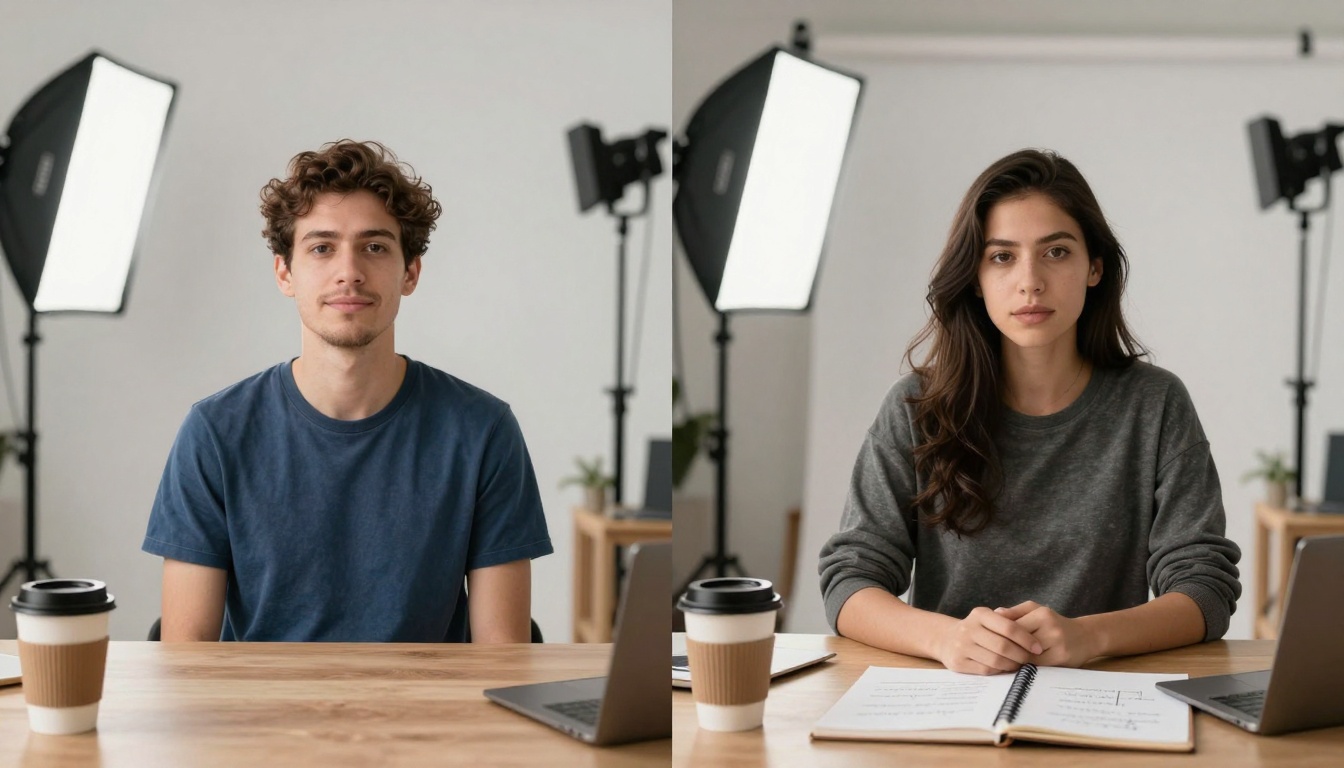
The left image shows what happens with basic prompts: generic lighting, flat composition, no emotional connection. The right image demonstrates professional-level results: cinematic lighting, strategic composition, and psychological engagement triggers. This isn't about artistic quality—it's about conversion architecture.
Platform-Specific Prompt Engineering
Each social media platform has distinct visual psychology. What works on Instagram fails on LinkedIn; what converts on TikTok alienates Pinterest users.
Instagram: The Aspirational Feed
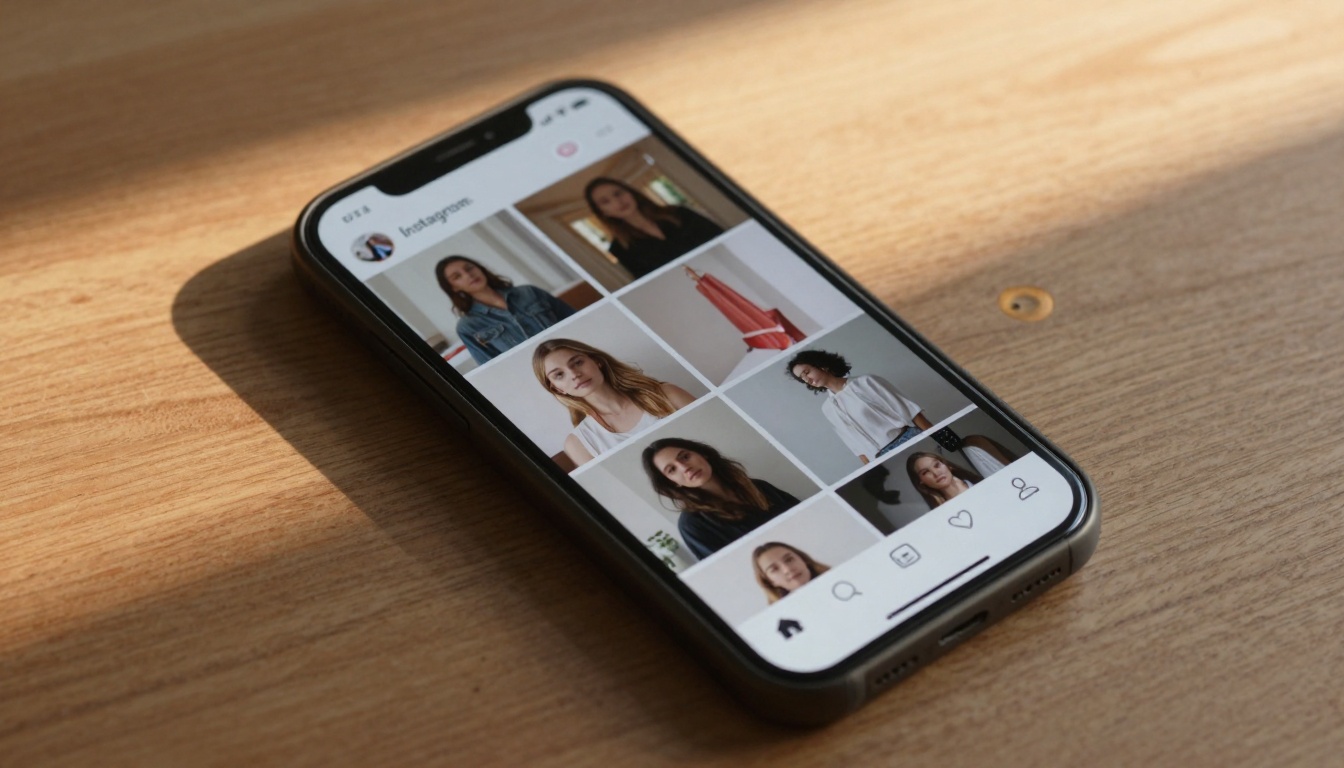
Instagram rewards aesthetic cohesion and emotional storytelling. Your prompts must create images that fit within a consistent visual universe while telling micro-stories.
Cinematic portrait of mid-20s fashion influencer wearing minimalist cream linen dress, natural golden hour light streaming through floor-to-ceiling windows of minimalist modern apartment, shallow depth of field with 85mm f/1.8 lens, kodak portra 400 film grain texture, organic textures visible, genuine candid expression of confidence, shot from slightly low angle to create empowerment feel --ar 4:5 --style raw
Food Blogger Recipe Posts:
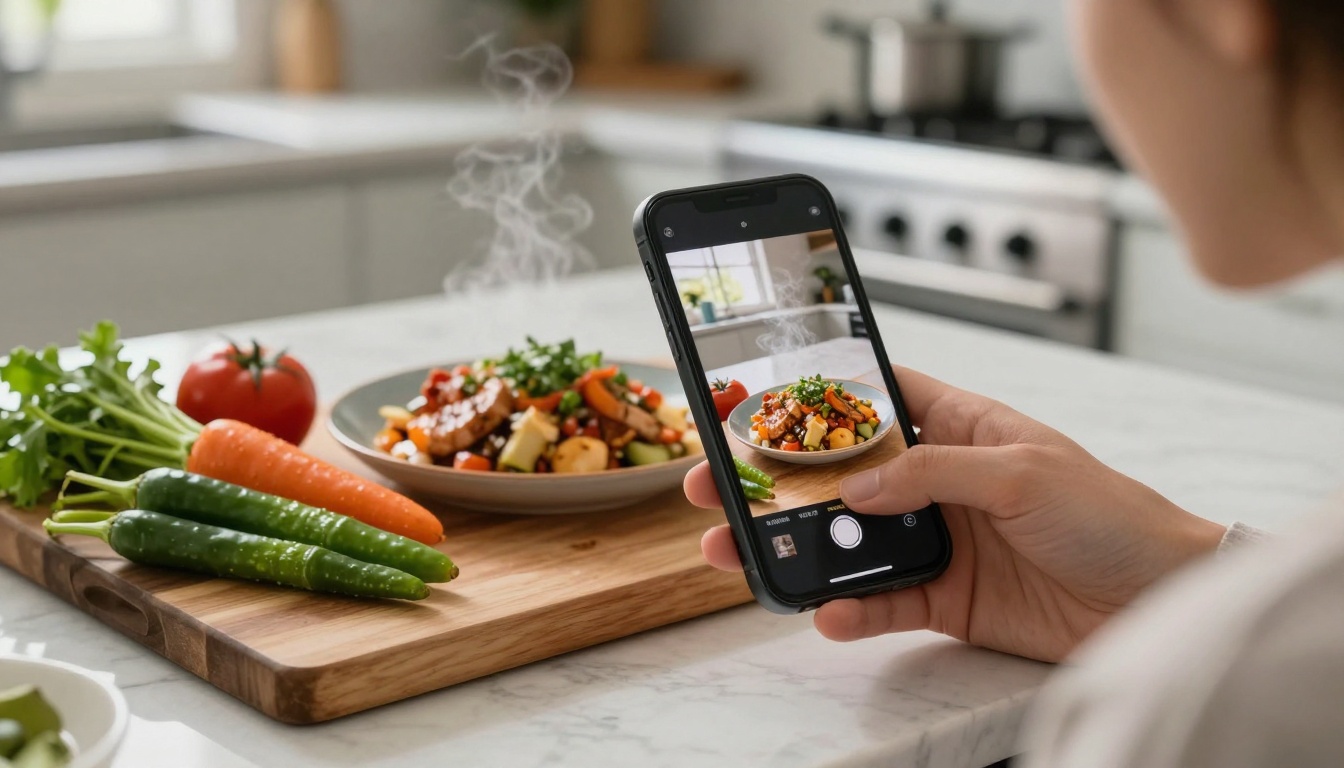
Gourmet flat lay photography of avocado toast with microgreens and edible flowers, natural window light creating soft shadows, overhead shot with 35mm lens, realistic textures of sourdough crust and avocado flesh visible, steam rising from freshly toasted bread, minimalist marble countertop background, cinematic food photography color grading with warm undertones --ar 4:5 --style raw
Casual selfie-style shot of creator working from cozy home office, natural morning light from window, smartphone camera quality with slight lens distortion, visible laptop screen showing work in progress, genuine tired-but-productive expression, slightly messy desk with coffee mug visible, authentic moment captured --ar 9:16 --style raw
Trend Participation Hook:
Reacting-to-trend setup showing creator looking surprised at phone screen, dramatic overhead ring light creating stark shadows, smartphone front camera perspective, visible trending audio caption on screen, exaggerated but believable emotional expression, minimalist background to focus on reaction --ar 9:16 --style raw
LinkedIn: Professional Credibility
LinkedIn images must communicate expertise and industry relevance. Overly creative or casual visuals undermine professional credibility.
Professional headshot of industry expert in modern office environment, clean studio lighting with soft shadows, 85mm portrait lens, business casual attire, genuine confident expression, minimalist office background with strategic branding elements visible, corporate photography style with neutral color palette --ar 1.91:1 --style raw
Data Visualization Posts:
Clean infographic-style image showing growth metrics visualization, professional graphic design aesthetic, balanced composition with data hierarchy, corporate color scheme, minimalist background, typography-focused layout, credible business presentation style --ar 1.91:1 --style raw
Advanced Model Selection Strategies
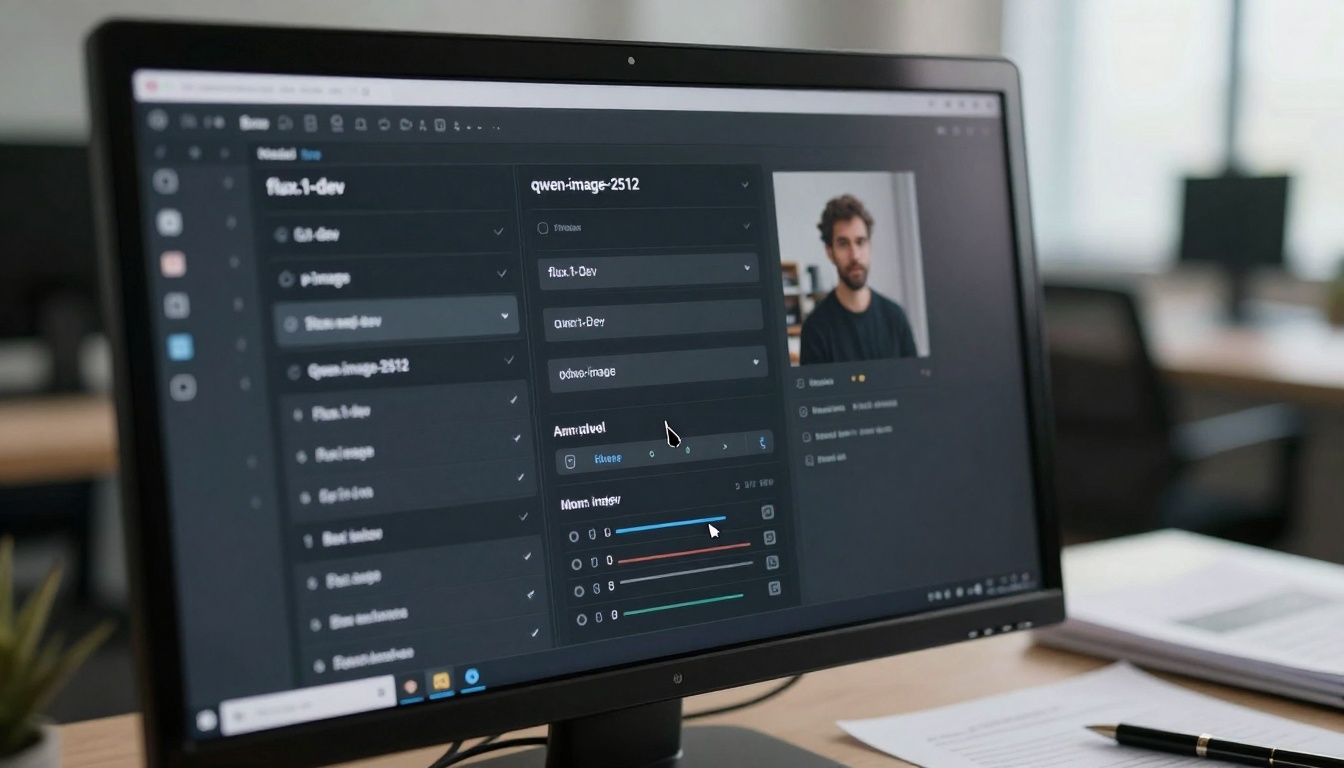
Different AI models produce distinct visual styles. Selecting the right model isn't about quality—it's about platform alignment.
Lens Simulation: Camera/lens specs affect depth perception and focus
Color Grading: Reference specific film stocks or grading styles
Analytics-Driven Optimization
Creating AI images without tracking performance is like designing in the dark. Each image should be treated as a data point in your content strategy.
Key Metrics to Track Per Image Type:
Metric
What It Measures
Optimization Strategy
Engagement Rate
Likes, comments, shares relative to reach
Test different emotional triggers in prompts
Save Rate (Instagram)
How often image is saved
Increase informational/value density
Click-Through Rate
Link clicks from image
Improve call-to-action visibility in composition
Share Rate
How often shared to Stories/DMs
Enhance emotional resonance and relevance
Conversion Rate
Actual sales/leads from image
Refine product presentation and value proposition
A/B Testing Framework for AI Images:
Variable Isolation: Test one prompt element at a time (lighting, composition, subject emotion)
Statistical Significance: Minimum 1000 impressions per variant
Platform Segmentation: Test separately on each platform (what works on Instagram may fail on TikTok)
Time-of-Day Optimization: Schedule tests across different posting times
Audience Segmentation: Test with different follower segments (new vs. engaged)
Content Category Specialization
Different content types require specialized prompt strategies. What works for fashion fails for food; travel content needs different approaches than business content.
Fashion & Beauty Content
Core Objective: Create aspirational yet relatable imagery that drives desire.
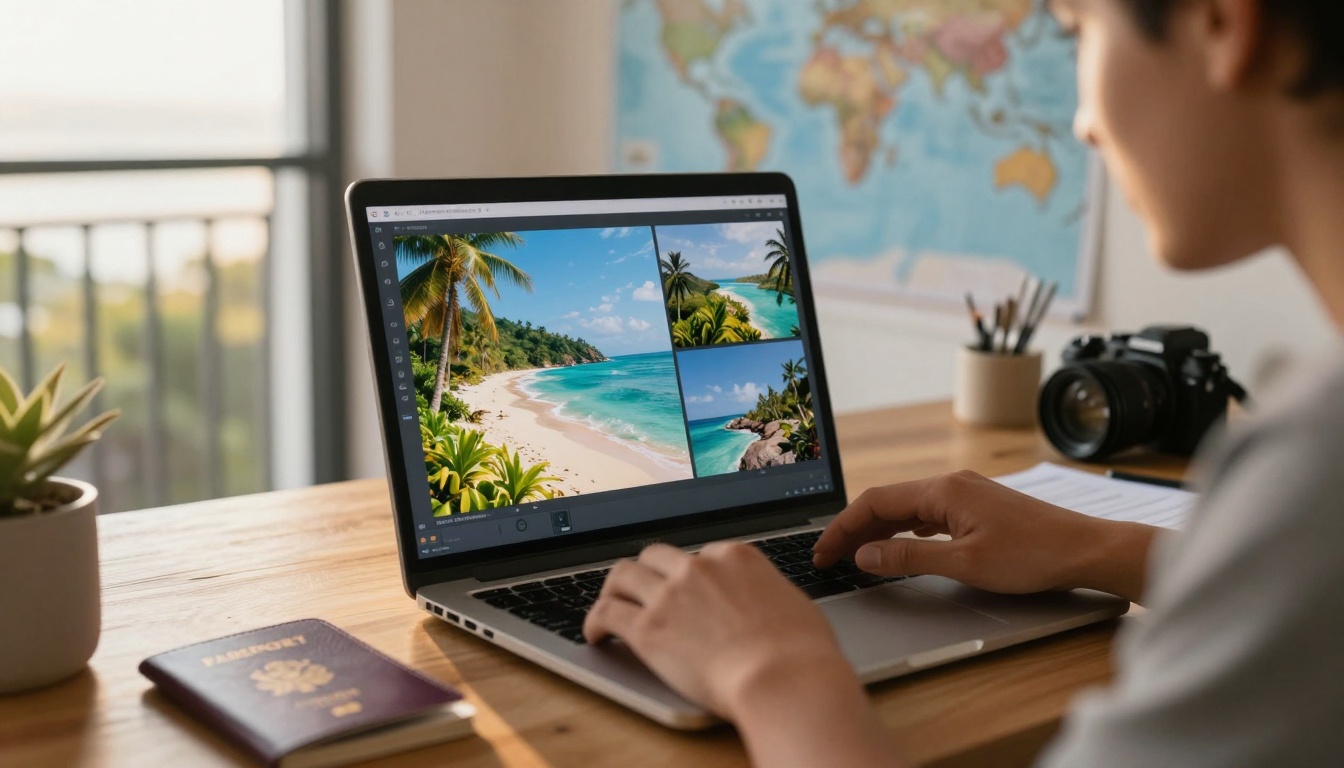
Wanderlust-inducing landscape of tropical beach at golden hour, traveler silhouette walking along shoreline for scale, 24mm wide-angle lens capturing vast perspective, visible texture of sand and water movement, authentic local fishing boats in distance, cinematic color grading with warm sunset tones, genuine moment of travel experience captured --ar 9:16 --style raw
Business & Professional Content
Core Objective: Create credibility-building imagery that drives professional engagement and lead generation.
Key Prompt Components:
Expertise Indicators: "Industry-specific tools, professional environment"
Refine emotional triggers third (connection building)
Tweak technical details last (polish)
Getting Started Today
Begin with one content category and one platform. Master that combination before expanding.
30-Day Implementation Plan:
Week 1: Foundation Building
Select primary content category (fashion, food, travel, or business)
Choose one platform to dominate (Instagram recommended for beginners)
Create 10 prompt templates for your category/platform combination
Generate 20 test images, track basic engagement metrics
Week 2-3: Optimization Phase
Identify top 3 performing prompt structures
Create A/B test variations of successful prompts
Expand to 50 image database with performance tracking
Begin daily content posting with optimized images
Week 4: Scaling & Automation
Implement batch generation workflows
Add second content category or platform
Develop prompt template library
Establish analytics-driven refinement cycle
The most successful AI image creators don't have secret prompts or special tools—they have systematic processes and data-informed refinement. Start generating, start tracking, start optimizing. Every image is both content and data; every post is both publication and experiment.
Your visual content should work as hard as you do. With strategic AI image generation, each post becomes a conversion opportunity, each image a brand-building moment, each prompt a step toward content dominance. The algorithms reward consistency, the audiences respond to authenticity, and the results speak to strategy.