The gap between a mediocre AI video and one that stops people mid-scroll is almost never the model. It's everything around the model: how the prompt is structured, which settings are adjusted, and whether you understand what Seedance 2.0 is actually capable of producing. Most people generating NSFW AI videos are leaving 80% of the model's quality untouched because they're copying generic prompts and clicking generate without adjusting a single parameter.
This article is for people who want real results. Not passable results. Not "good for AI" results. The kind of output that makes someone ask what camera was used.
What Seedance 2.0 Does Differently
Not all AI video models are equal, and the gap between mid-tier outputs and Seedance 2.0 is visible within the first second of playback. ByteDance built this model with temporal consistency and natural motion physics as its primary objectives, which means the character you see in frame one looks identical in frame five. That sounds obvious until you try 20 other models and realize how rare it actually is.
Motion that holds across frames
The most common failure in NSFW AI video generation is motion artifact: a body part warps mid-movement, a face changes between blinks, fabric behaves like liquid. Seedance 2.0 handles these issues well because its motion priors were trained on high-quality human movement data. What this means in practice is that slow, natural movements (walking, leaning, turning, breathing) look genuinely believable.
The model excels with:
- Subtle body movement (breathing, micro-expressions, hair displacement)
- Fabric simulation (flowing fabrics, textile movement under light)
- Camera motion (slow push-ins, dolly movements, handheld simulation)
- Lighting continuity (consistent shadow direction across 5 to 10 seconds)
Native audio and resolution ceiling
Seedance 2.0 supports native audio generation inside the same model, which removes the awkward silence problem that makes AI clips feel artificial. For NSFW content, ambient sound design (room tone, soft environmental audio) adds the sensory layer that separates a video from a slideshow.
Resolution-wise, the model supports up to 1080p output at 24fps. If you need a faster iteration loop while testing prompts, Seedance 2.0 Fast generates at reduced resolution but preserves the same motion quality profile, making it ideal for rapid drafting before committing to a final 1080p render.
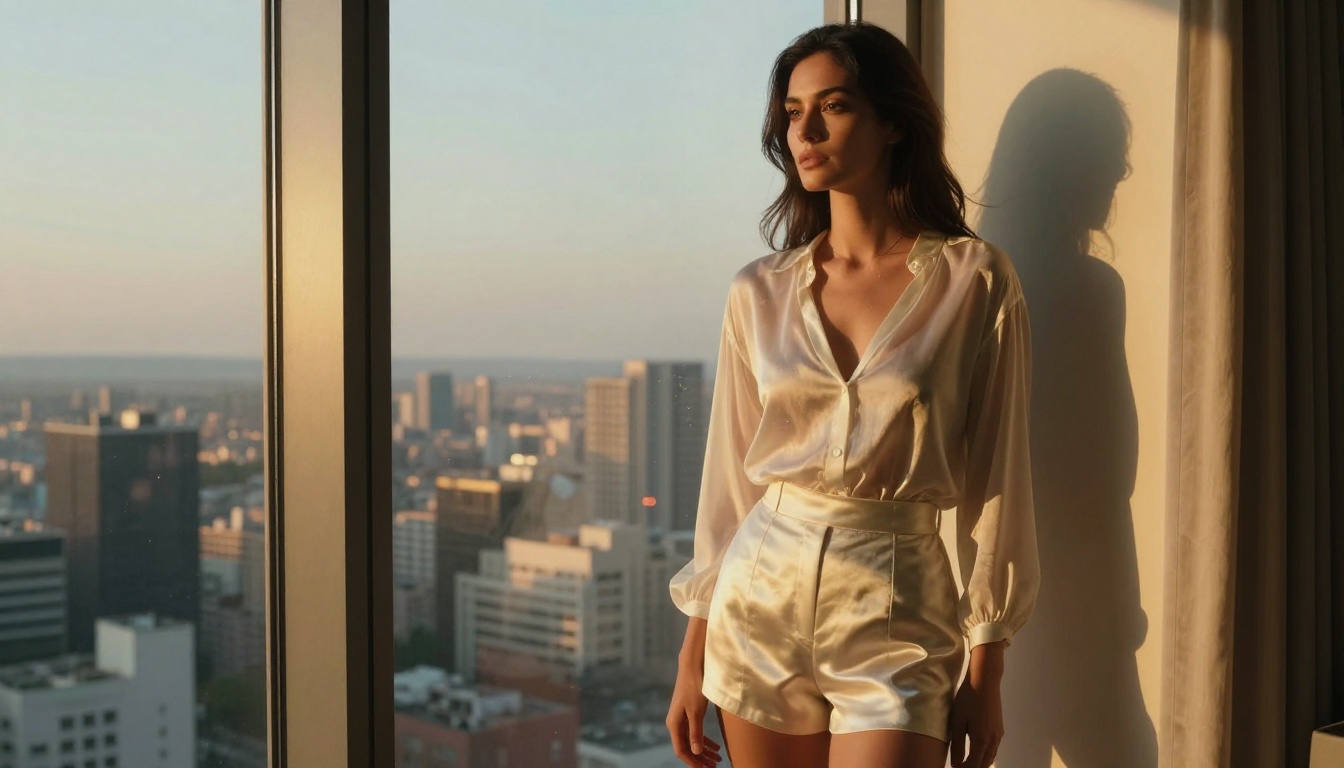
Why Most NSFW AI Videos Look Bad
Before getting into what to do, it's worth being specific about what goes wrong. Knowing the failure modes makes them avoidable.
The prompt is usually the problem
Generic prompts produce generic outputs. "Beautiful woman in lingerie" gives the model almost nothing to work with. It doesn't know the lighting, the environment, the mood, the camera angle, the fabric texture, the character's physical details, or the motion behavior expected. The model fills every gap with its statistical average, and the average is mediocre.
The output quality of Seedance 2.0 scales directly with prompt specificity. More information in means more precision out.
5 mistakes that ruin your output
| Mistake | Why It Hurts | Fix |
|---|
| Vague subject description | Model averages across training data | Specify hair color, skin tone, outfit material, pose |
| No lighting information | Flat, uninteresting illumination | State light source direction and color temperature |
| Missing camera instructions | Random framing, inconsistent angles | Include lens type, shot distance, and movement |
| Contradictory style terms | Model gets confused, artifacts appear | Never mix style references ("photorealistic anime") |
| Over-prompting with negatives | Dilutes the positive signal | Use negative prompts sparingly and precisely |
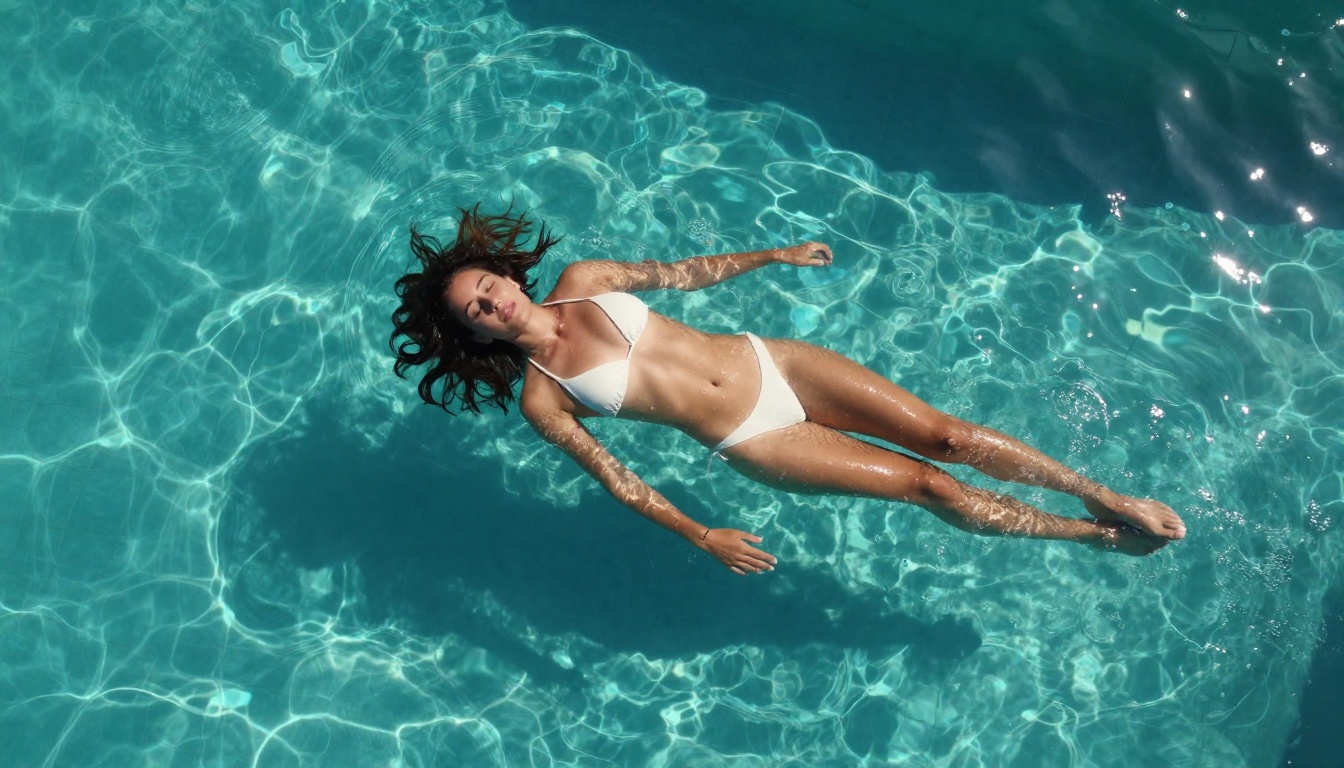
Writing Prompts That Work for NSFW Video
Prompt engineering for video is different from image prompting. With images, a missed detail just means a slightly weaker composition. With video, a missed detail becomes a consistency problem across 150+ frames that the model has to fill in repeatedly.
Subject first, then scene, then mood
The most reliable prompt structure for high-quality NSFW AI video follows this order:
- Subject description (who, what they're wearing, physical attributes, pose)
- Environment (room, location, surface, props)
- Lighting (time of day, source direction, color temperature)
- Camera (angle, lens type, distance, movement type)
- Motion (what the subject is doing, speed, fabric behavior)
- Mood and atmosphere (color grading, film stock emulation)
This structure gives Seedance 2.0 a complete picture before it generates a single frame.
Weak prompt example:
"Attractive woman in a room, soft lighting"
Strong prompt example:
"A tall brunette woman with shoulder-length hair wearing a sheer ivory slip dress seated at the edge of a bed in a dim hotel room, warm amber lamplight from the left creating deep shadows across the linen bedding, slow cinematic push-in from mid-shot to medium close-up, fabric shifting gently with breathing, Kodak Portra 400 color grading"
The second prompt costs nothing extra. It takes 30 more seconds to write and produces dramatically better output from Seedance 2.0.
Words that destroy quality
Some terms actively confuse diffusion video models. Avoid these in NSFW video prompts:
- "Photorealistic" without context (too generic; add camera and lighting specs instead)
- Style contradictions ("oil painting photography", "cartoon realistic")
- Ambiguous action verbs ("sexy pose", "attractive movement")
- Undefined quality boosters ("high quality", "best quality" with no specifics)
- Overloaded lists (20+ comma-separated terms dilute each other's weight)
Prompt length: how much is enough
For Seedance 2.0, the sweet spot sits between 80 and 150 words. Below 80 words and you're leaving important visual decisions to chance. Above 150 words and you start introducing conflicts that the model resolves unpredictably.
💡 Write the prompt in full sentences, not keyword lists. Sentence structure creates context relationships between elements. "Soft amber light falling across bare shoulders from a bedside lamp" performs better than "amber, light, shoulder, lamp, soft."
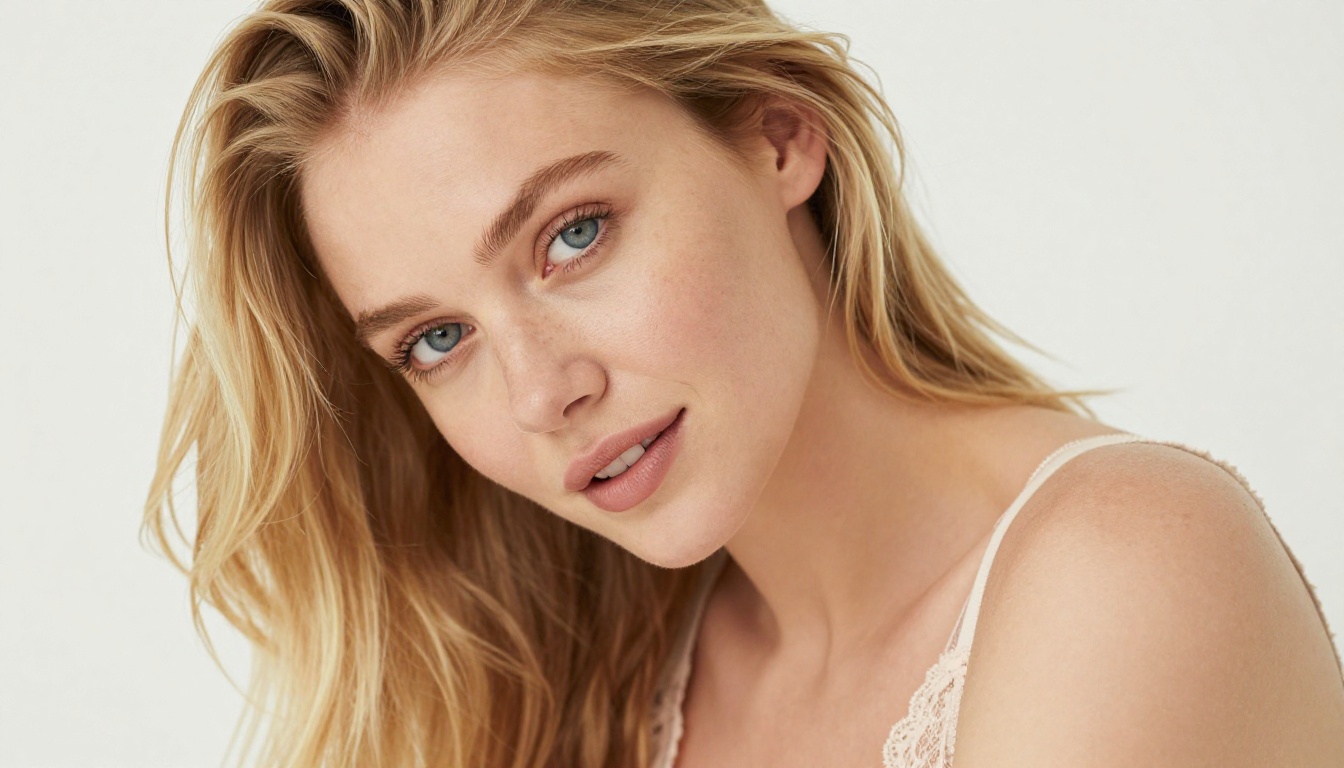
Settings That Change Everything
Even a perfect prompt produces mediocre video if the generation parameters are miscalibrated. These are the settings that matter most in Seedance 2.0.
Resolution and frame rate
Higher is not always better. 1080p at 24fps is the standard for cinematic output from Seedance 2.0. When iterating through prompt variations, generate at 720p first to save time and credits. Confirm the composition and motion behavior at lower resolution, then render the final at 1080p.
Avoid 60fps for NSFW content. High frame rates create the "soap opera effect" that makes everything look like low-budget broadcast television. 24fps with natural motion blur is far more sensual and cinematic.
CFG scale and inference steps
The CFG (classifier-free guidance) scale controls how closely the model follows your prompt. Higher values mean stronger prompt adherence but more rigid, stiff results. Lower values give the model creative freedom but can stray from your intention.
| CFG Scale | Effect | Best For |
|---|
| 3.0 to 5.0 | Loose, creative, organic movement | Environmental shots, ambient scenes |
| 6.0 to 8.0 | Balanced quality and prompt fidelity | Most NSFW video scenarios |
| 9.0 and above | Rigid, high-fidelity, sometimes over-processed | Specific pose recreation |
Inference steps above 30 rarely produce visible improvements in Seedance 2.0. The model converges early. Pushing to 50 steps increases generation time significantly with minimal quality gains. Stay at 25 to 35 steps for most outputs.
Motion strength and seed control
Motion strength is a parameter unique to video models. Set too high and the video becomes frantic and unstable. Set too low and the subject barely moves, creating a slideshow effect.
For NSFW content where the goal is sensual, slow movement, motion strength between 0.4 and 0.6 produces the most natural results with Seedance 2.0. When you find a seed that produces excellent results, record it and use it as the base for prompt variations to maintain character consistency across a series.

How to Use Seedance 2.0 on PicassoIA
Seedance 2.0 is available directly on PicassoIA with no local installation, no GPU requirements, and no queue waits for standard generations. Here is the exact workflow to follow.
Step-by-step from text to video
- Open Seedance 2.0 on PicassoIA
- Write your prompt following the subject-scene-lighting-camera structure above
- Set resolution to 720p for first iterations, 1080p for final renders
- Adjust CFG scale to 7.0 as your starting point
- Set motion strength to 0.5 for slow, sensual movement
- Set inference steps to 30
- Generate and evaluate motion quality across the full clip, not just the first frame
- If motion artifacts appear, lower the motion strength by 0.1 increments
- If the subject doesn't match your description closely, raise CFG scale to 8.0
- Once satisfied, record the seed number and regenerate at 1080p for the final output
Using image-to-video for better consistency
The single biggest improvement to character consistency comes from switching from text-to-video to image-to-video. Instead of describing your subject in text, generate a reference image first using any image model on PicassoIA, then feed that image into Seedance 2.0 as the starting frame.
This workflow eliminates the character variation problem entirely. The model animates the person you give it, rather than interpreting a written description. For NSFW content where physical consistency across multiple clips matters, this is the correct approach.
💡 Pro workflow: Generate a high-resolution reference image using a text-to-image model on PicassoIA, then use Seedance 2.0's image-to-video mode to animate it. This gives you full control over the subject's appearance before a single frame is generated.
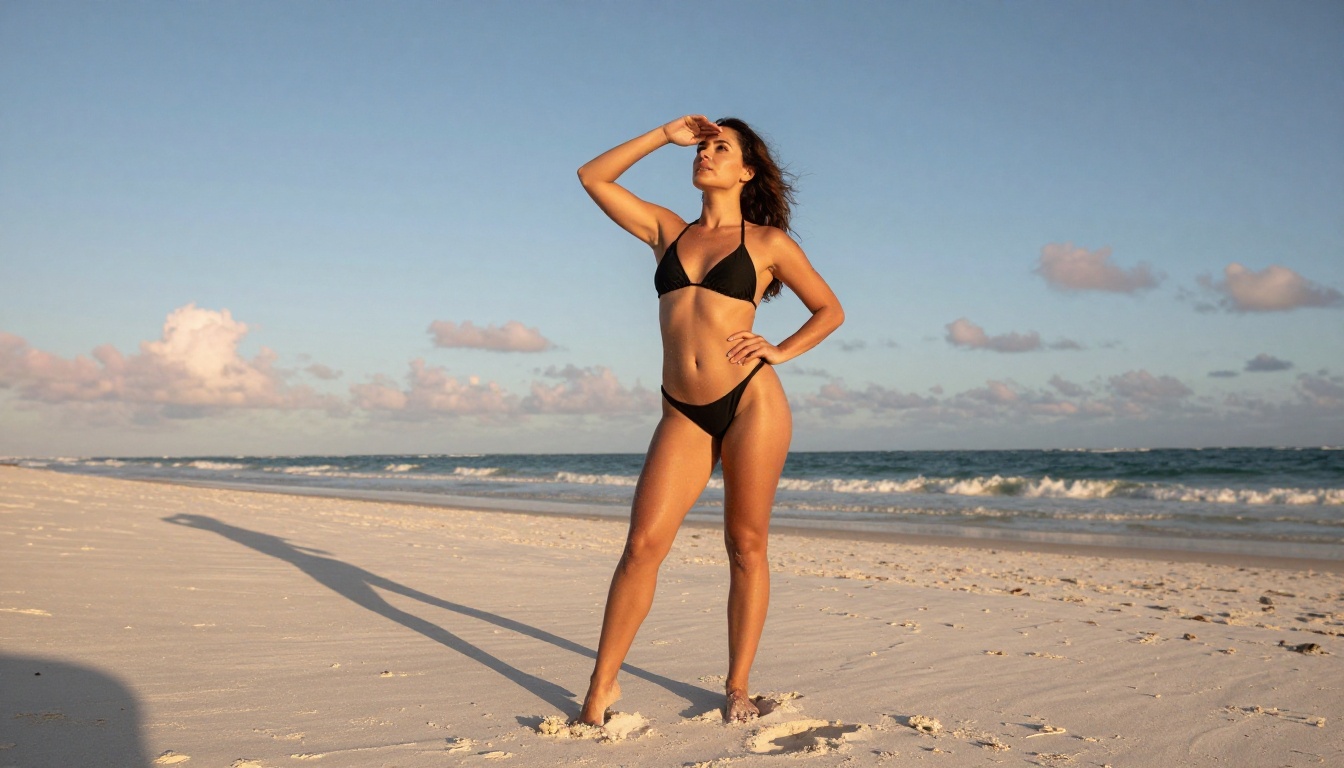
Models Worth Using Alongside Seedance 2.0
Seedance 2.0 is excellent but not the only tool worth knowing. Different models have different strengths, and the best creators combine them strategically.
| Model | Strength | Best For |
|---|
| Seedance 2.0 | Motion consistency, native audio | Primary NSFW video generation |
| Seedance 2.0 Fast | Speed, same motion model | Prompt iteration, draft clips |
| Kling v3 | Cinematic quality, camera movement | Long clips with programmed camera paths |
| Hailuo 2.3 | Realism, physical simulation | Close-up detail shots |
| PixVerse v5.6 | Speed, style versatility | Fast turnaround clips |
| Wan 2.6 T2V | Open-source quality | Customization and fine-tuning workflows |
When to switch models
Seedance 2.0 is the first choice for NSFW AI video quality. But there are specific scenarios where other models pull ahead:
- Complex camera movements (orbit shots, tracking shots): Kling v3 handles programmed camera paths with more precision
- Extreme close-up detail (skin texture, eye movement): Hailuo 2.3 produces sharper micro-detail in tight shots
- Rapid draft testing: Seedance 2.0 Fast when you need 10 variations in 5 minutes
Post-Processing for Pro Results
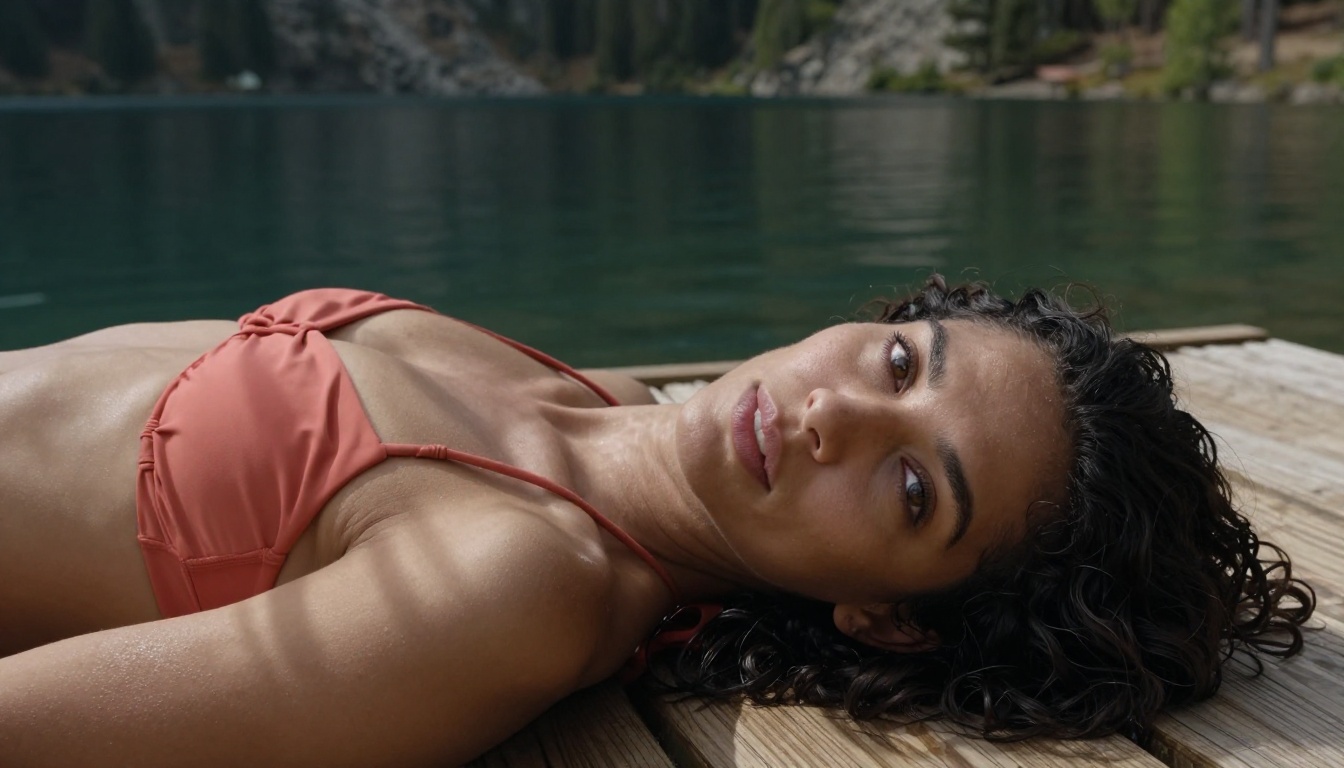
Raw video output from any AI model benefits from post-processing. These two steps separate amateur results from professional ones.
Upscaling and video restoration
Even at 1080p, AI video carries temporal noise and soft details that a single post-processing pass can correct. Running output through a video upscaling model before distribution adds significant perceived quality. PicassoIA's video improvement tools apply upscaling and temporal stabilization that removes the subtle shimmer that marks AI-generated content.
For NSFW video specifically, skin detail benefits most from upscaling passes. Pore detail, hair texture, and fabric weave all sharpen noticeably through a super-resolution pass.
💡 Stack your workflow: Generate at 1080p in Seedance 2.0, then apply a super-resolution pass using PicassoIA's upscaling tools to lift the perceived resolution to near-4K quality.
Lipsync and audio integration
If your NSFW video content requires a speaking subject or synced audio reactions, Avatar IV by HeyGen adds realistic lipsync to any Seedance-generated clip. The combination of Seedance 2.0 motion quality with HeyGen's lipsync precision creates output that is significantly more immersive than either tool used alone.
Consistency Across a Series
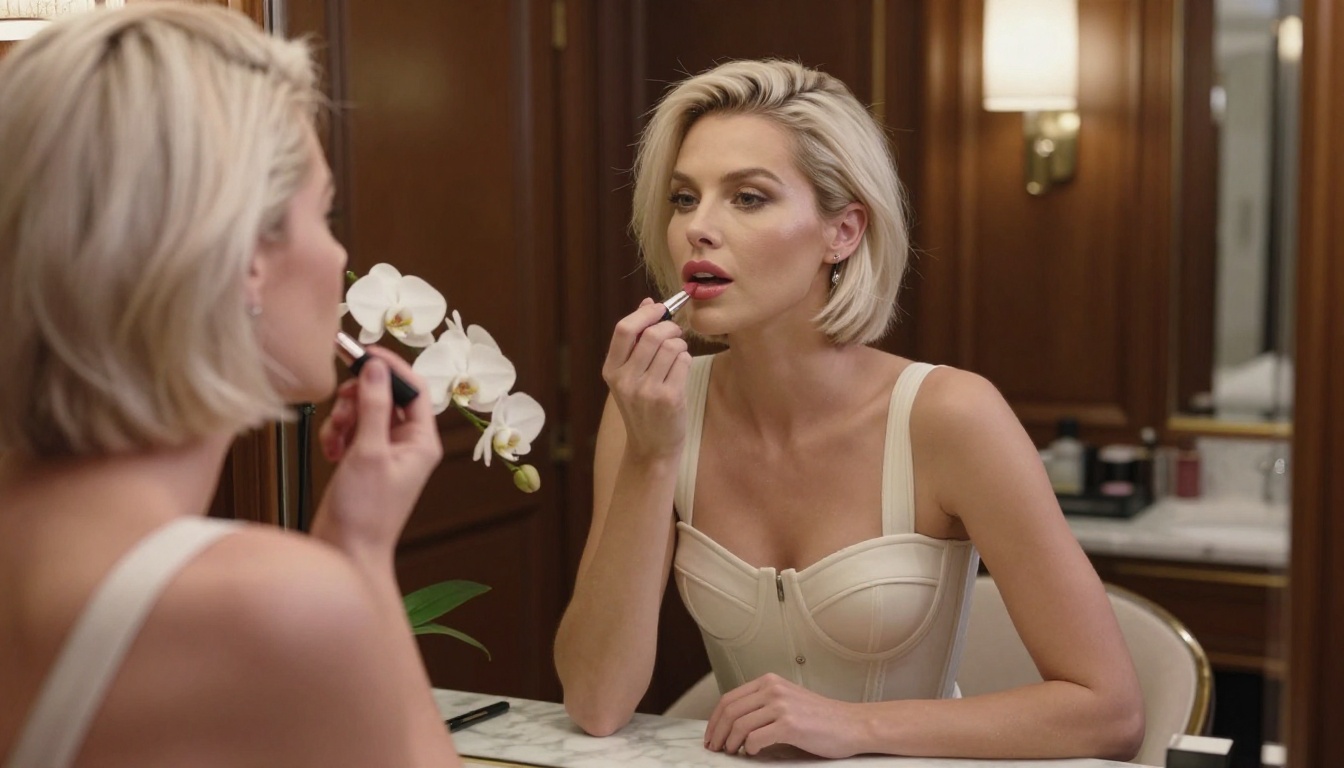
Single clips are fine. A consistent series of clips featuring the same subject, same setting, and same visual language is what separates a content creator from someone generating random one-off videos.
Building a consistent visual identity
The fastest way to build a series with character consistency in NSFW AI video:
- Lock your reference image using a text-to-image model. This is your character template.
- Feed every video through Seedance 2.0's image-to-video mode using that reference image.
- Keep a consistent lighting description across all prompts in the series.
- Reuse your seed for prompt variations so the base generation stays stable.
- Use the same film stock emulation term (such as "Kodak Portra 400") in every prompt for color consistency.
This five-step workflow produces a series that reads as one cohesive body of work rather than disconnected clips.
Fixing the biggest consistency failure
The most common break in NSFW AI video series consistency is face variation between clips. The subject looks different from clip to clip even with identical prompts. The fix is always the same: switch to image-to-video mode. Provide the same reference image to Seedance 2.0 for every clip and the face variation problem disappears entirely.

Real Results Start With the Next Clip
The difference between people who get exceptional results from Seedance 2.0 and people who get mediocre results is not talent. It's the 30 extra seconds spent writing a real prompt, the two settings adjusted away from default, and the decision to use image-to-video instead of pure text input.
Everything in this article is something you can apply on your very first generation today. PicassoIA has Seedance 2.0, Seedance 2.0 Fast, Kling v3, Hailuo 2.3, PixVerse v5.6, and every other model mentioned here, all accessible from a single platform with no installation required.
Write a real prompt. Set CFG to 7.0. Set motion strength to 0.5. Hit generate. The results will be noticeably better than what you've been producing, starting from that first clip.