How to Make Viral AI Videos for Free Today (and Actually Get Views)
Want to create viral AI videos without spending a cent? This article shows you exactly which free AI video models work best right now, how to write prompts that stop the scroll, and the simple content strategy that turns AI clips into consistent views.
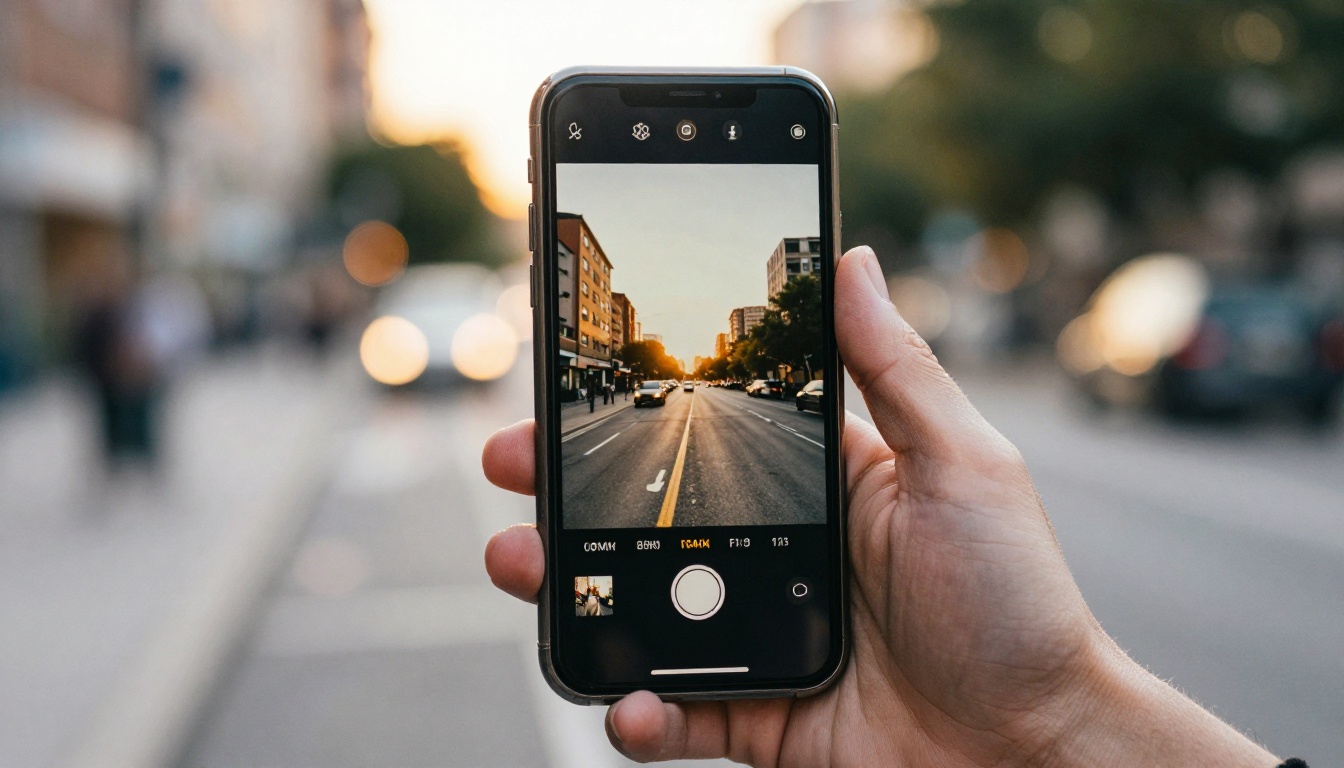
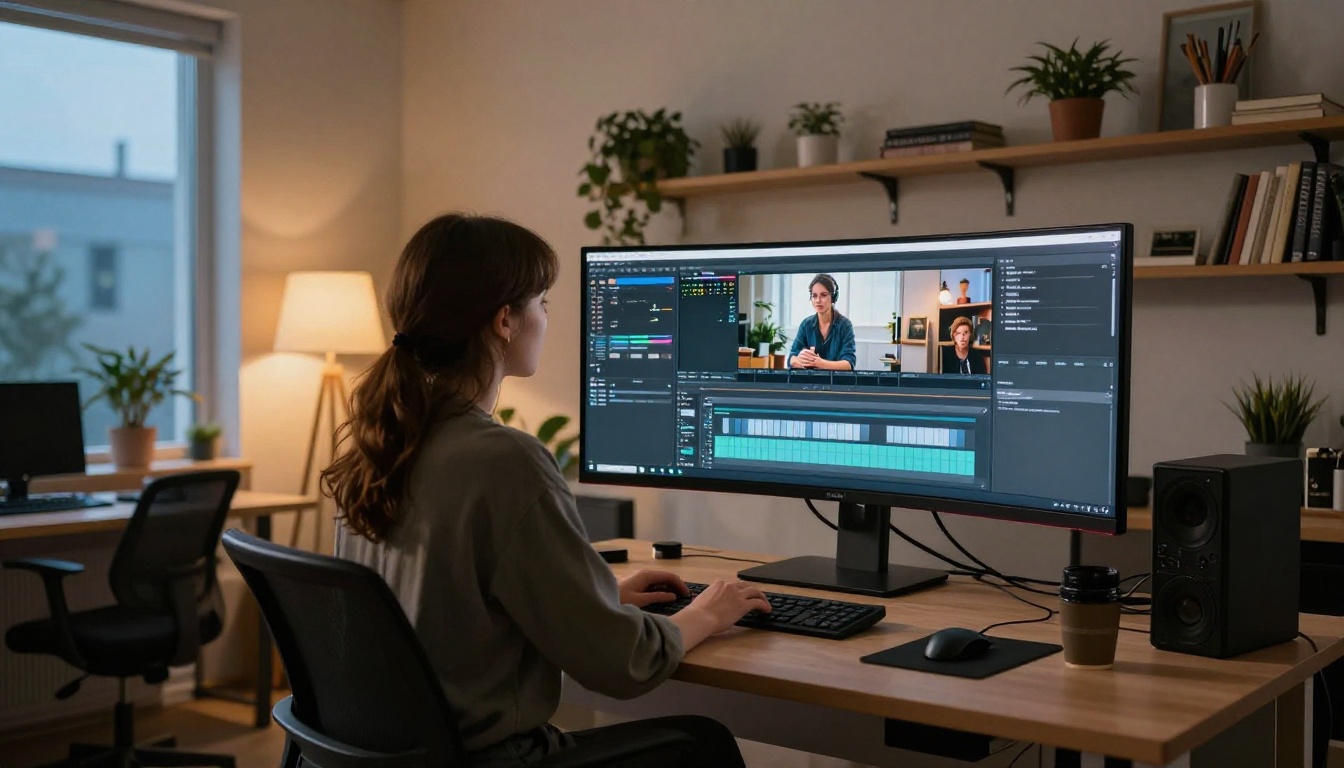
The barrier to entry for creating professional-quality videos has collapsed. What used to require a camera crew, an editing suite, and a significant budget now takes a text prompt and a free account. This is not some distant possibility. It is happening right now, and the creators moving first are the ones building audiences while everyone else is still watching tutorials.
This article breaks down exactly how to make viral AI videos for free today, from choosing the right model to writing prompts that actually convert into shareable content.
What Makes a Video Go Viral Right Now
Before touching any tool, you need to understand what the algorithm actually rewards. Platforms like TikTok, Instagram Reels, and YouTube Shorts all share one core behavior signal: watch time. A video that keeps people watching to the end gets pushed to more feeds. It is that simple, and that hard.
The 3-Second Rule Nobody Talks About
The first three seconds determine everything. If your video does not trigger curiosity, emotion, or an unresolved question in those opening frames, the viewer scrolls. They will not even reach the part you worked hardest on.
AI video tools give you a massive advantage here because you can iterate the opening frame rapidly. Generate five versions of the same concept, test them, and double down on the one with the best hook. No reshooting required.
💡 Tip: Use your text prompt to specify the exact opening shot. Instead of "a woman walking on the beach," try "extreme close-up of bare feet hitting wet sand, water rushing up, slow motion." The specificity creates visual tension that stops the scroll.
Why AI Changes Everything for Zero-Budget Creators
Traditional video production had a clear cost floor. Equipment, location, talent, editing software. Even with just a phone, you were limited to what you could physically set up and shoot.
AI removes that floor entirely. You can describe a cinematic drone shot over a mountain range, a product reveal in a minimalist white studio, or a time-lapse of a city skyline at dusk, and have it rendered in seconds. The creative ceiling is now determined by the quality of your imagination and your prompt writing, not your bank account.
The Best Free AI Video Models Available Today
Not all free AI video tools are equal. Some add watermarks. Some cap resolution. Some limit you to a few seconds per clip. Here is an honest breakdown of what you actually get for free right now.
LTX-2 Distilled: Truly Free, Truly Fast
LTX-2 Distilled by Lightricks is the standout choice for creators who want real-time generation speed without sacrificing visual quality. It runs in seconds, not minutes, making it practical for batch-testing concepts before committing to a final output.
The model handles motion coherently, keeps subjects stable across frames, and produces clean 720p output that holds up perfectly on mobile screens. For TikTok and Reels, this resolution is more than sufficient.
Best for: Rapid iteration, hook testing, short clips under 5 seconds.
Seedance 1 Lite: ByteDance's Free Powerhouse
Seedance 1 Lite comes from ByteDance, the same company that built TikTok. That alone tells you something about the platform's understanding of what viral short-form video looks like. The Lite version is free and optimized for the kind of dynamic, high-motion clips that perform well on vertical platforms.
It handles fast camera movements, subject tracking, and cinematic color grading better than most free models. If you are creating content specifically for social media, this is the model built with that exact context in mind.
Best for: High-motion content, travel clips, sports and action-style videos.
Wan 2.5 Fast: Open Source Speed
WAN 2.5 Text-to-Video Fast is one of the most capable open-source video generation models available. The Fast variant prioritizes generation speed while maintaining the visual coherence that the Wan model family is known for.
It works particularly well for product-style videos and nature scenes where lighting and texture fidelity matter. The model handles environmental detail with more realism than many commercial alternatives at this price point.
Best for: Product showcases, nature content, ambient lifestyle clips.
PixVerse v5.6: Maximum Visual Impact
PixVerse v5.6 produces some of the most visually striking outputs in its class. It consistently generates higher-contrast, more cinematic-looking clips that are designed to stop scrolling. The model also has strong prompt adherence, meaning what you describe is close to what you get.
💡 Tip: PixVerse v5.6 responds well to camera instruction language. Adding "slow dolly in," "handheld tracking shot," or "aerial pull-back" to your prompts produces noticeably more dynamic results.
Best for: Lifestyle brands, beauty content, dramatic narrative clips.
How to Use LTX-2 Distilled on PicassoIA
LTX-2 Distilled is available directly on PicassoIA with no friction for basic usage. Here is exactly how to get your first clip out in under five minutes.
Step 1: Write a Specific, Scene-Based Prompt
The most important variable is your prompt. Vague prompts produce vague results. Write in the format: [Subject + Action] + [Environment] + [Lighting] + [Camera Style].
Example: "A barista pouring steamed milk into a dark espresso in a sunlit cafe, warm morning light through the window, close-up slow-motion, Kodak film aesthetic"
That single sentence gives the model everything it needs to generate a coherent, visually compelling clip.
Twitter / X: 16:9 horizontal or 1:1 square, 5-10 seconds
Short is almost always better when testing. Generate a 3-second clip first. If the concept works, extend it.
Step 3: Download, Post, and Analyze
Once your clip is generated, download the highest resolution version available. Upload directly to the platform's native uploader to preserve quality rather than compressing it through messaging apps first.
After posting, check the first 30 minutes of data. If the completion rate is above 80%, you have a winner. If it drops below 50%, the hook is not working and the concept needs adjusting.
Writing Prompts That Actually Get Views
The quality gap between a mediocre AI video and a great one comes down almost entirely to the prompt. These are the patterns that consistently produce high-performing content.
The Formula for High-Conversion Prompts
[Specific Subject] + [Precise Action] + [Detailed Setting] + [Lighting Description] + [Camera Angle and Lens] + [Mood or Atmosphere]
Every element serves a purpose. The setting grounds the viewer. The lighting creates emotion. The camera angle controls how intimate or dramatic the scene feels. The mood tells the model what emotional register to hit.
5 Prompt Templates That Drive Shares
Template Type
Example Prompt
Product Reveal
"A minimalist white perfume bottle on marble, sunlight catching the glass facets, slow dolly-in close-up 85mm, warm and luxurious"
Nature Drama
"Thunderstorm over a coastal cliff at dusk, waves crashing on rocks below, wide aerial view pulling back, golden and dramatic light"
Urban Lifestyle
"Young woman in a linen dress walking through a morning street market, soft morning haze, 35mm handheld follow shot, warm and relaxed"
Food Close-Up
"Slow pour of golden honey over fresh bread with steam rising, extreme close-up, warm kitchen window light, appetizing and tactile"
Abstract Mood
"Autumn leaves falling in slow motion in a quiet park, golden hour backlight, shallow depth of field, nostalgic and calm"
💡 Tip: Save your best-performing prompts in a notes file. Building a personal prompt library cuts your production time in half as you scale.
Best Platforms for Each AI Video Type
Different platforms reward different formats. Matching your content type to the right platform is as important as the quality of the clip itself.
TikTok: Short and Hook-First
TikTok's algorithm is ruthless about the first frame. Your best-performing format here is:
Duration: 5-15 seconds
Orientation: Vertical 9:16
Hook style: Visual surprise or strong motion in frame 1
Understanding the real difference between free and paid tiers saves you from paying for features you do not need yet.
Feature
Free Models
Paid Models
Resolution
480p-720p
Up to 4K
Duration
3-8 seconds
Up to 60 seconds
Watermark
Sometimes
Never
Queue speed
Shared
Priority
Commercial use
Limited
Full rights
Motion quality
Good
Excellent
Prompt adherence
Moderate
High
For testing content ideas and growing an initial audience, free models are entirely sufficient. The upgrade to paid makes sense when you have a proven content format that needs higher production value to scale.
When Paid Makes Sense
You are posting more than 10 clips per week
Your content requires more than 8 seconds per clip
You need commercial licensing for brand partnerships
Your audience expects 4K quality for crossover longform content
Most creators who fail with AI video are not failing because the tools are bad. They are making one of three predictable errors.
Wrong Hook Format
Starting a video with a wide establishing shot is a television habit that does not transfer to social media. On TikTok and Reels, wide shots feel slow. The viewer's brain processes them as "nothing happening yet" and the thumb moves.
The fix: Start in media res. Begin with the most interesting frame in the video. Work backwards from impact.
Ignoring Audio
Sound drives at least 60% of the viral equation on short-form platforms. A visually stunning clip with no audio or a mismatched sound cue will underperform a visually average clip with a viral audio track.
When you export your AI video, add a trending audio track from within the platform's native editor before posting. Platforms prioritize content using their native sounds.
💡 Tip: Browse the "trending sounds" section on TikTok or Reels before you generate your video. Build the visual concept around a sound that is already going viral. This is a repeatable formula.
Posting Without a Strategy
One video is not a strategy. The creators who build significant audiences on AI video post consistently, test systematically, and look at their data. If a format performs well, they repeat it with variations. If it fails, they adjust the hook and try again.
Aim for a minimum of 3-5 posts per week to give the algorithm enough signal to understand what you create and who to show it to.
Models Worth Knowing Beyond the Basics
Once you have the fundamentals working, several more specialized models open up new content categories.
Character and Avatar Videos
HeyGen Avatar IV and Kling Avatar V2 allow you to generate talking head videos with realistic AI avatars. This format works extremely well for educational content, product explainers, and thought leadership clips where a talking face is expected.
Motion Transfer Content
Wan 2.2 Animate Animation lets you apply specific motion patterns to any subject. Take a static image, a product photo, or a character and make it move in a choreographed way. The output format is inherently shareable because the movement itself becomes the hook.
Audio-Driven Video
LTX-2.3 Pro and the Audio to Video model by Lightricks can animate images using an audio file as the driver. This is one of the most powerful formats for music content, where visuals move in response to rhythm and beat. Music-driven content consistently over-performs on Reels and TikTok.
What a Real Content Calendar Looks Like
Building sustainable output with AI video comes down to batching and testing. Here is a simple weekly structure that works for creators starting from zero:
Day
Activity
Monday
Batch generate 10 clip concepts using free models
Tuesday
Review clips, select top 5, write captions
Wednesday
Post clips 1 and 2, monitor first-hour data
Thursday
Post clips 3 and 4 based on Wednesday insights
Friday
Post clip 5, review week performance
Weekend
Research trending audio and topics for next week
This cadence keeps you in the algorithm's favor without burning out. The entire generation step on Monday takes roughly two hours using free models.
Your First Video Starts Here
The hardest part is not generating the video. The hardest part is publishing the first one. Everything after that gets easier.
PicassoIA gives you access to over 87 text-to-video models, including every free option covered in this article. You do not need to download software, configure API keys, or set up anything. Type a prompt, pick a model, and get a video.
Start with LTX-2 Distilled for your first test. Write a 20-word prompt describing a simple, visually interesting moment. Generate three versions with different camera angles. Post the best one tonight.
That is how you make your first viral AI video for free today. Not by reading more about it. By doing it.