NSFW AI apps have exploded in the past two years. What started as a fringe curiosity has become a multi-billion dollar segment of the AI industry, with platforms offering everything from suggestive image generation to fully interactive companions. Most people using these tools focus on what they can create. Almost nobody thinks about what the platform is collecting.
That gap is exactly where problems start.
This isn't about judgment. Adults using AI tools for personal creative projects is entirely their business. But the security and privacy landscape around these apps is genuinely poor, and most users are walking in without any real awareness. This article breaks down the specific risks, the practical steps you can take right now, and the habits that actually make a long-term difference.
The Real Risks Nobody Talks About
Your Prompts Are Stored Data
Every time you type a prompt into an NSFW AI app, that text goes somewhere. Most platforms log prompts for "model improvement" purposes, which is a polite way of saying they store your requests on their servers. Some do this indefinitely.
The implication is straightforward: a breach of that platform means your prompts are exposed. And prompts for adult content can be extremely specific, personal, and identifying.
💡 Always check the platform's data retention policy before generating your first image. If they don't publish one, assume everything is stored.
Who Actually Owns What You Make
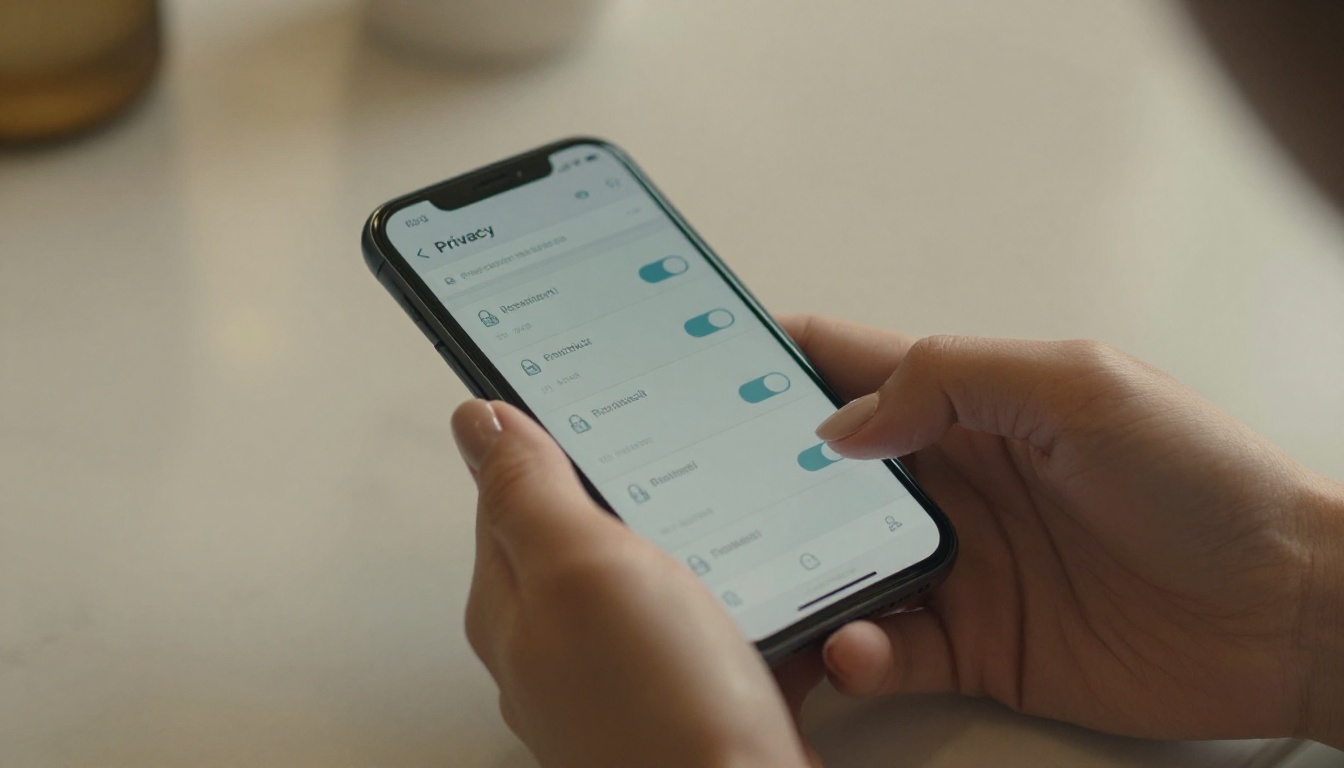
This is the clause most people skip in the terms of service. Many NSFW AI platforms include language that grants them a broad license to use the content you generate, including for training future models. In practical terms, this means:
- The image you created might be used to train the next version of their model
- That content could appear in promotional material (each platform varies on how explicit they are about this)
- You may have limited ability to request deletion of generated content
A few platforms are explicit that you own your outputs and store nothing beyond the active session. These are the exception, not the rule.
Account Breaches Expose More Than You Think
A hacked account on a mainstream service is annoying. A hacked account on an NSFW AI platform is a different kind of problem entirely. The breach exposes:
- Your username and associated email
- Your payment information if stored
- Your full generation history
- Every prompt you have typed
If your email or username matches what you use on other platforms, that breach becomes a link in a chain that can identify you across the internet.
Before You Sign Up: The Real Checklist

A Separate Email for These Platforms
This is step one, and it is non-negotiable. Create a dedicated email account used only for NSFW AI platforms. Services like ProtonMail or SimpleLogin let you do this without tying anything to your real identity. The benefits stack up quickly:
- A breach of this address does not compromise your main inbox
- Phishing attempts from that address are instantly identifiable
- Your primary email stays completely clean
Read the Privacy Policy With an LLM
Nobody reads privacy policies in full. They are written to be unread. But you can use an LLM to do it for you in under five minutes.
Copy the full text of a platform's privacy policy, paste it into GPT-4o or Claude 4 Sonnet, and ask it to flag:
- Data retention clauses
- Third-party sharing terms
- Your rights to request data deletion
- Any language granting the platform licenses over your generated content
This approach takes minutes and surfaces exactly the clauses that would otherwise get skipped entirely.
Check the Platform's Legal Jurisdiction
Where a platform is incorporated matters significantly. Companies operating under GDPR face much stricter data handling obligations than those incorporated in jurisdictions with no meaningful data protection law.
| Jurisdiction | Data Protection Law | User Rights |
|---|
| European Union | GDPR | Strong, with clear deletion rights |
| United Kingdom | UK GDPR | Strong, similar to EU |
| United States | State-by-state (CCPA in California) | Moderate |
| Many others | None significant | Minimal |
A platform registered in the EU or UK faces real regulatory consequences for mishandling your data. One registered elsewhere may face none whatsoever.
Usernames That Have No Connection to You
Your username on an NSFW AI platform should have zero connection to any account you use anywhere else. No variations of your real name, no references to your city or hobbies, no numbers that match your birth year or phone number.
The risk is acquisition and data transfer. Some platforms are eventually sold or shut down, and user data transfers as a business asset. A username that matches your Reddit, Discord, or Twitter handle creates a cross-platform trail that can follow you for years.
Separate Your Payments
Paying with a card tied to your real name is the most overlooked identity risk. Options that add real separation:
- Virtual cards: Services like Privacy.com or Revolut create single-use or merchant-locked card numbers that do not expose your real card
- Prepaid cards: Available at many retailers, these carry no identity link whatsoever
- Cryptocurrency: Some platforms accept crypto payments, which adds the highest level of financial separation available
💡 Even if the platform itself is trustworthy, payment processors see your transaction data. Virtual cards protect your real card number from appearing in any breach on either side of the transaction.
VPNs: What They Actually Do
A VPN masks your IP address from the platform. This matters because IP addresses can be used to pinpoint geographic location to a city or neighborhood, and some platforms log IPs alongside account activity.
What a VPN does NOT protect you from:
- Being identified if you are logged into your account
- The platform itself accessing your stored data
- Payment-linked identity exposure
Use a reputable no-log VPN provider. Mullvad and ProtonVPN have strong independent audit records and do not retain connection logs.
Account Security That Actually Holds

Two-Factor Authentication Is Non-Negotiable
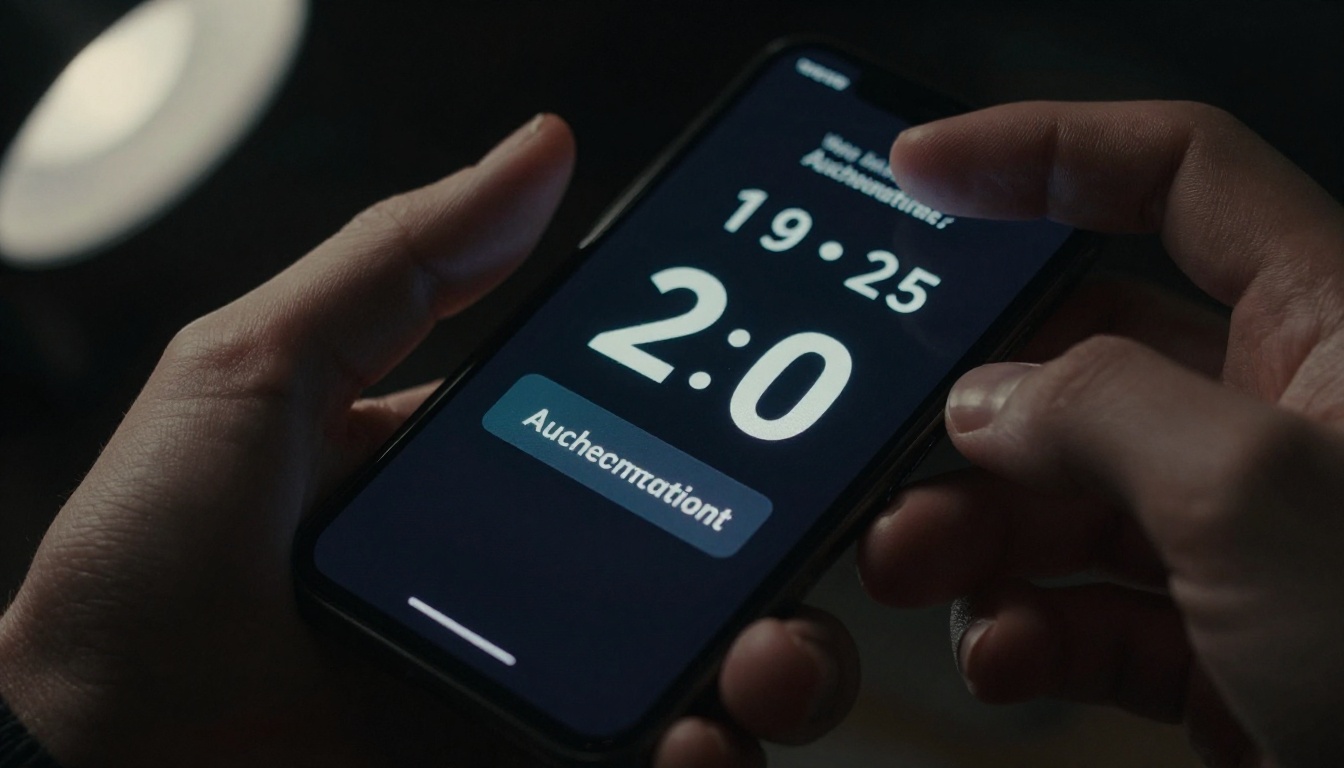
If a platform offers 2FA and you are not using it, your account security is only as strong as your password. Passwords appear in data breaches constantly. 2FA stops most credential-stuffing attacks before they ever start.
Use authenticator apps (Authy, Google Authenticator, or hardware keys like YubiKey) rather than SMS-based codes. SMS 2FA can be bypassed through SIM-swapping attacks, which are disturbingly common and require minimal technical skill.
Password Managers Eliminate the Biggest Vulnerability
Using the same password across multiple platforms is the fastest route to losing multiple accounts at once. A password manager (Bitwarden, 1Password, or KeePass for local-only storage) solves this problem completely:
- Generates unique, high-entropy passwords for every site
- Auto-fills them so you never need to remember anything
- Alerts you if a stored password appears in a known breach database
The combination of a dedicated email address, a unique random password, and an authenticator app makes your account resistant to the vast majority of common attack methods used today.
What AI Generates and Why It Creates Risk

Metadata Hiding in Every Downloaded File
AI-generated images often contain metadata. Depending on how the platform handles exports, a downloaded image file may contain timestamps, model information, and in some cases session identifiers that could be traced back to your account.
If you download and keep AI-generated content, strip metadata before sharing it anywhere. ExifTool (free, open source, cross-platform) removes all embedded data from image files in a single command and takes about 30 seconds to set up.
Invisible Watermarks Are More Common Than You Think
Many AI platforms now embed invisible watermarks in generated content. These serve as provenance tools, meaning a watermarked image can potentially be traced back to the specific account that generated it.
Some platforms are transparent about this practice. Others are not. If the platform's documentation does not mention their watermarking policy, assume it is in place.
💡 Image enhancement tools like Real ESRGAN and Crystal Upscaler can reprocess images, which sometimes affects embedded watermark data. This should not be relied upon as a standalone privacy measure, but it is worth knowing as you work with generated content.
The Legal Problem With Face Inputs
Some NSFW AI apps allow or specialize in face-swapping and persona customization. Using real people's faces in AI-generated adult content is illegal in a growing number of jurisdictions, a violation of most major platforms' terms of service, and a serious harm to the person depicted regardless of legality.
Stick to fully synthetic outputs. Platforms that explicitly prohibit real face inputs for adult content are the ones worth using, both for your protection and for others.

Written policies can promise anything. Actual platform behavior tells you the truth. Watch for these specific red flags:
Red flags in how a platform operates:
- No visible account deletion option anywhere in settings
- Required phone number verification for signup
- Strong push to sign in with Google or Twitter (this links your NSFW account to those identities by design)
- No response when you send a test data request before committing to the platform
What trustworthy platforms typically have:
- A privacy policy with clearly stated data retention periods
- GDPR compliance noted (a meaningful baseline even for non-EU users)
- A clear, easily findable account deletion process
- Responsive support for privacy-related requests
- No history of data breaches on HaveIBeenPwned
The difference between these two categories is usually obvious within 10 minutes of looking at a platform's settings and documentation.

The practical irony of staying safe on AI platforms is that AI tools are among the most useful resources available for doing exactly that. Models like GPT-5 and Gemini 2.5 Flash on PicassoIA can:
- Summarize and flag problematic clauses in privacy policies and terms of service
- Research a platform's reputation and incident history quickly
- Draft formal data deletion requests that cite the correct legal grounds
- Explain your rights under GDPR, CCPA, or other applicable laws in plain, actionable language
This is one of the most practical everyday applications of an LLM. You do not need to be a lawyer to write a legally grounded deletion request when an AI can structure one correctly in under a minute.
💡 For denser legal documents, DeepSeek R1 is particularly strong at step-by-step analytical reasoning through complex clauses and dense contract language.
Habits That Protect You Long Term

Regular Account Audits
Every three to six months, do a quick review of any NSFW AI accounts you maintain:
- Has the platform's privacy policy been updated since you signed up?
- Are there new third-party integrations listed that were not there before?
- Is your payment method still a virtual or separated card?
- Are there unrecognized active sessions visible in your account settings?
Most platforms let you view all active sessions. An unrecognized session from an unexpected location is a clear sign of unauthorized access and should trigger an immediate password reset and session termination.
Delete What You Do Not Use
If you have stopped using a platform, delete the account completely. Do not just stop logging in. An inactive account with stored personal data and payment information is a liability with zero upside.
Most platforms have a deletion option buried in account settings. If you cannot find it, email support and explicitly request full account and data deletion. Cite GDPR Article 17 or CCPA rights if applicable. Platforms in regulated jurisdictions are legally required to respond within defined timeframes.
Staying Current on Platform Changes
NSFW AI apps move fast. Platforms get acquired, change their terms, or shift their data practices with relatively little public notice. Staying informed through privacy-focused communities like r/privacy and publications like Restore Privacy gives you early warning when a platform becomes problematic.
Changes that always warrant an immediate account review:
- Change of ownership or acquisition by another company
- Updated terms of service sent by email (these are easy to miss in a crowded inbox)
- Any reported data breach covered in security news
- Significant pricing changes that suggest a business model shift

Applying the practices in this article to any platform you use will meaningfully reduce your exposure. Separate emails, virtual payment cards, strong 2FA, and regular account reviews handle the vast majority of real-world risks.
If you are looking for a platform that brings together a wide range of AI capabilities in one place, PicassoIA gives you access to powerful text-to-image generation, image enhancement tools, and large language models including GPT-4o, Claude 4.5 Sonnet, Llama 4 Maverick Instruct, Gemini 2.5 Flash, and more, all without needing separate accounts across multiple platforms.
Take ten minutes to set up the right privacy habits before your first session. The rest of your experience on any AI platform becomes significantly safer from that point forward.


