How to Use AI Video Tools to Boost Social Media Views
Social media algorithms increasingly prioritize video content, but creating engaging videos consistently requires significant time and resources. AI video generation tools now provide scalable solutions for content creators, marketers, and businesses seeking to increase views across platforms. This approach combines technical prompt engineering with platform-specific optimization strategies, leveraging models like Sora 2 Pro, Veo 3.1, and Kling V2.6 to produce content that resonates with target audiences. The methodology focuses on three core components: strategic prompt construction, platform optimization techniques, and data-driven iteration based on performance analytics. Results typically show 3-5x increases in view counts and engagement rates when implementing systematic AI video workflows.
Social media platforms have undergone a fundamental shift toward video-first content delivery. Instagram Reels, TikTok, YouTube Shorts, and Facebook Video each prioritize moving imagery in their algorithms, creating both opportunity and pressure for content creators. The traditional video production pipeline—conceptualization, scripting, filming, editing, and distribution—often requires days or weeks per piece, creating bottlenecks for consistent content output. AI video generation tools address this scalability challenge directly.
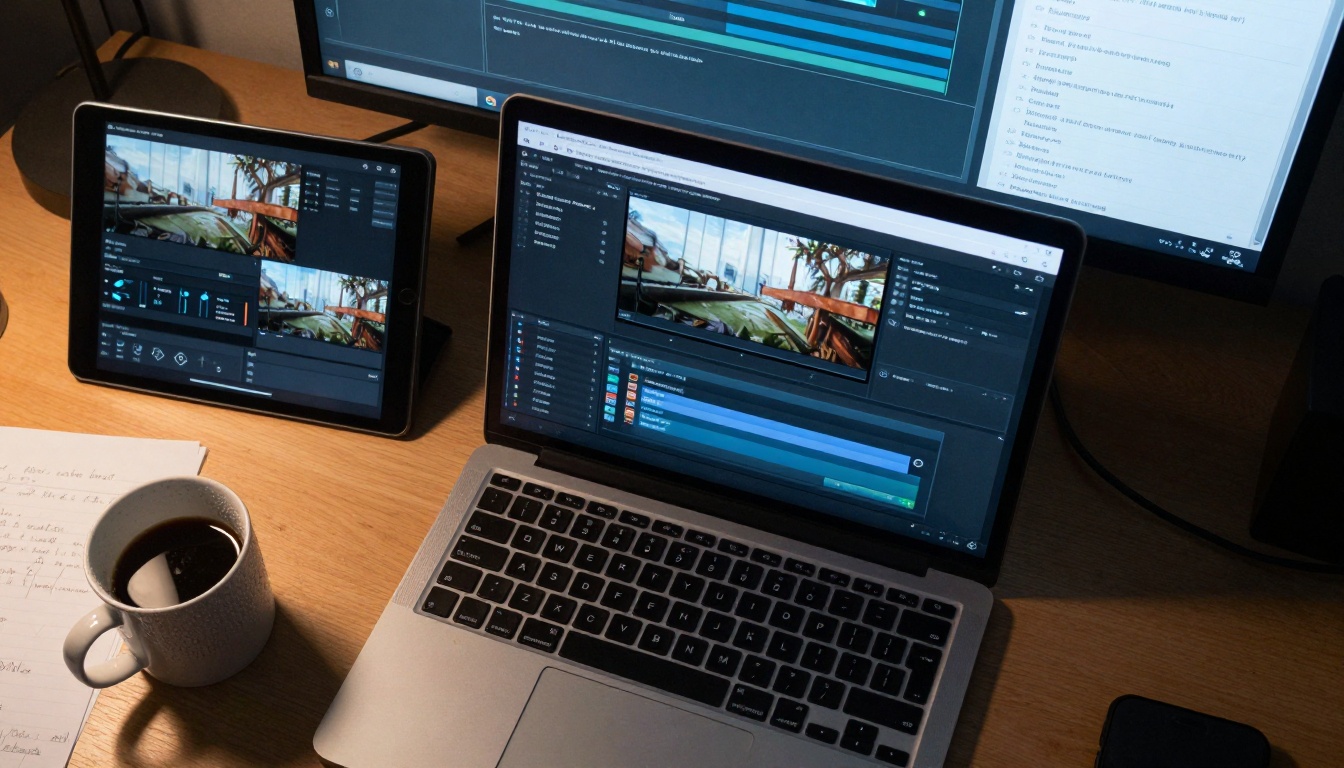
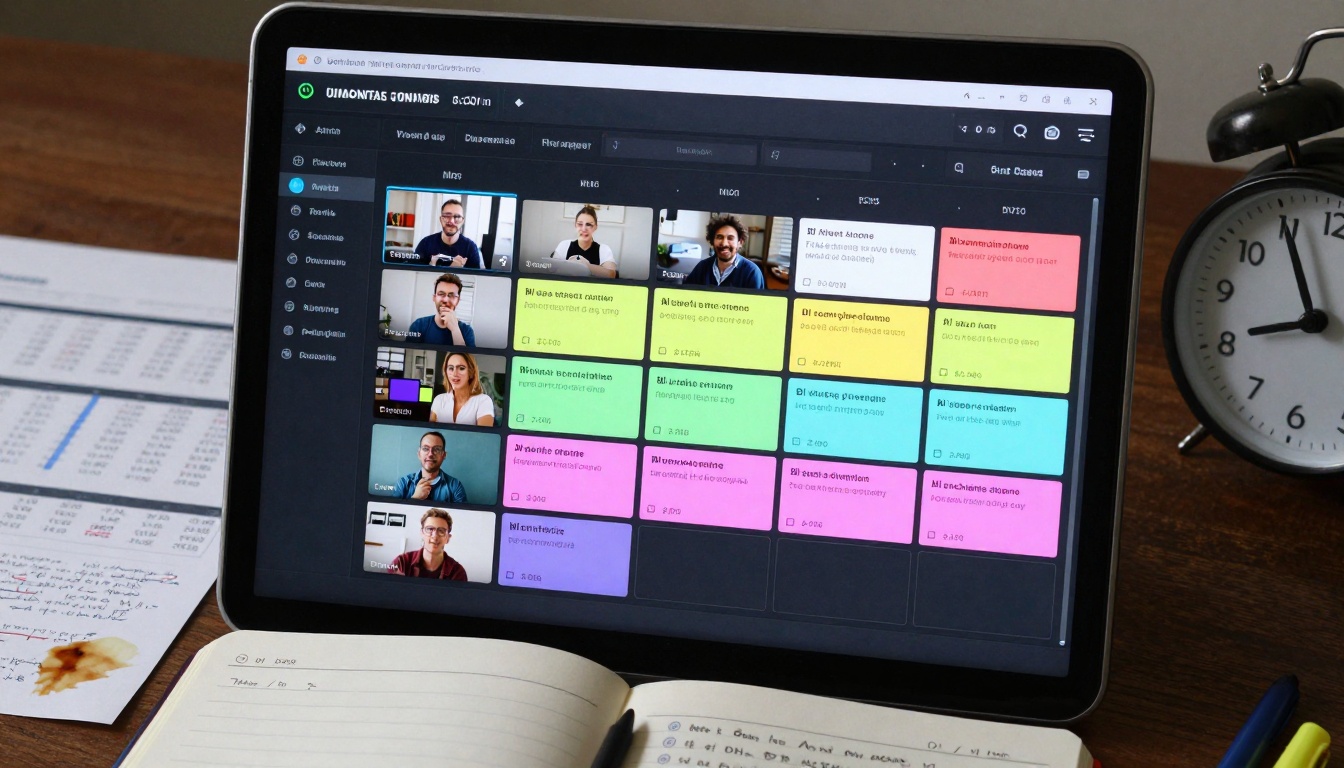
Professional workspace configuration for AI video production, showing multi-screen monitoring, parameter controls, and analytics integration
The Technical Foundation: Understanding AI Video Models
Current AI video generation operates through sophisticated neural networks trained on massive datasets of visual content. These models understand temporal relationships between frames, motion physics, and visual storytelling conventions. Three primary architectures dominate the landscape:
Diffusion-based models (Sora 2 Pro, Sora 2) - Transform random noise into coherent video through iterative denoising
Transformer-based models (Veo 3.1, Veo 3.1 Fast) - Process video as sequences of visual tokens
💡 Model Selection Criteria: Choose based on output resolution (1080p vs 4K), generation speed (seconds vs minutes), and style consistency requirements. Short-form content benefits from faster models, while branded content may prioritize quality.
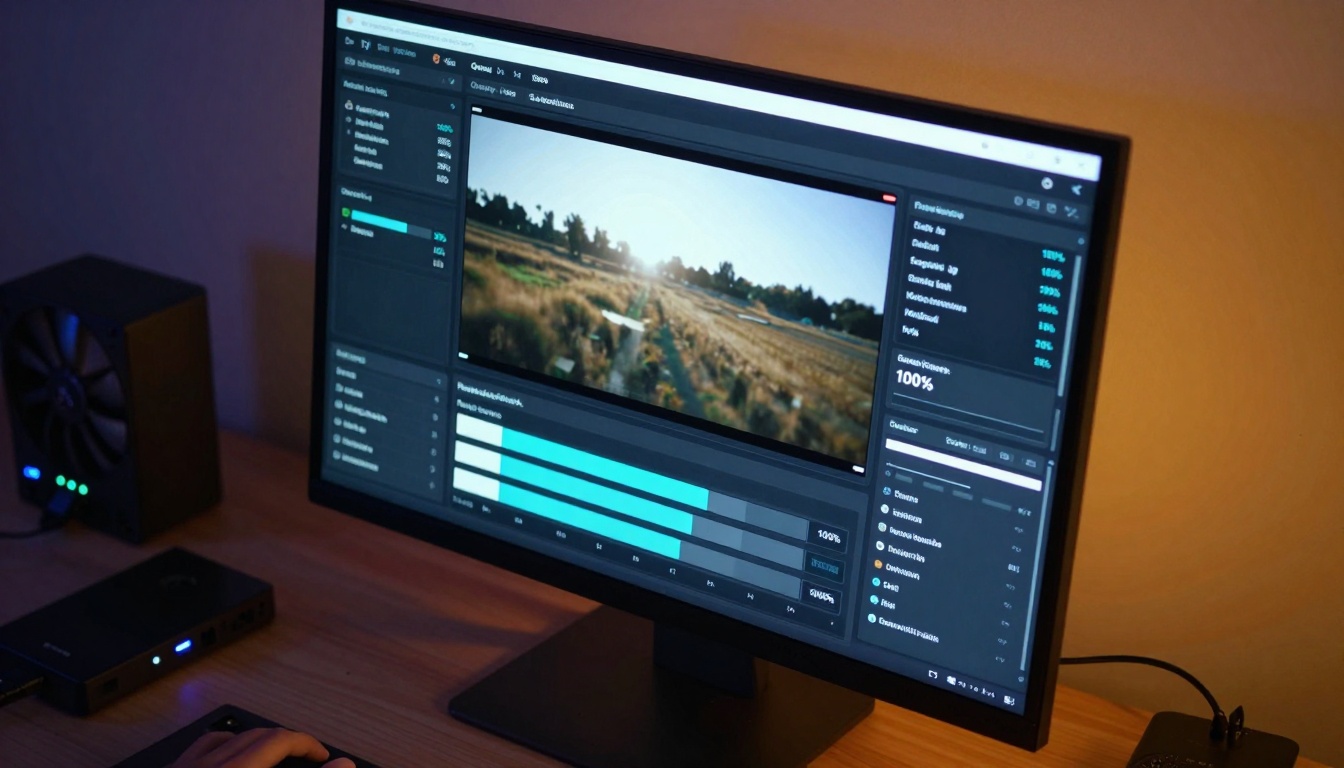
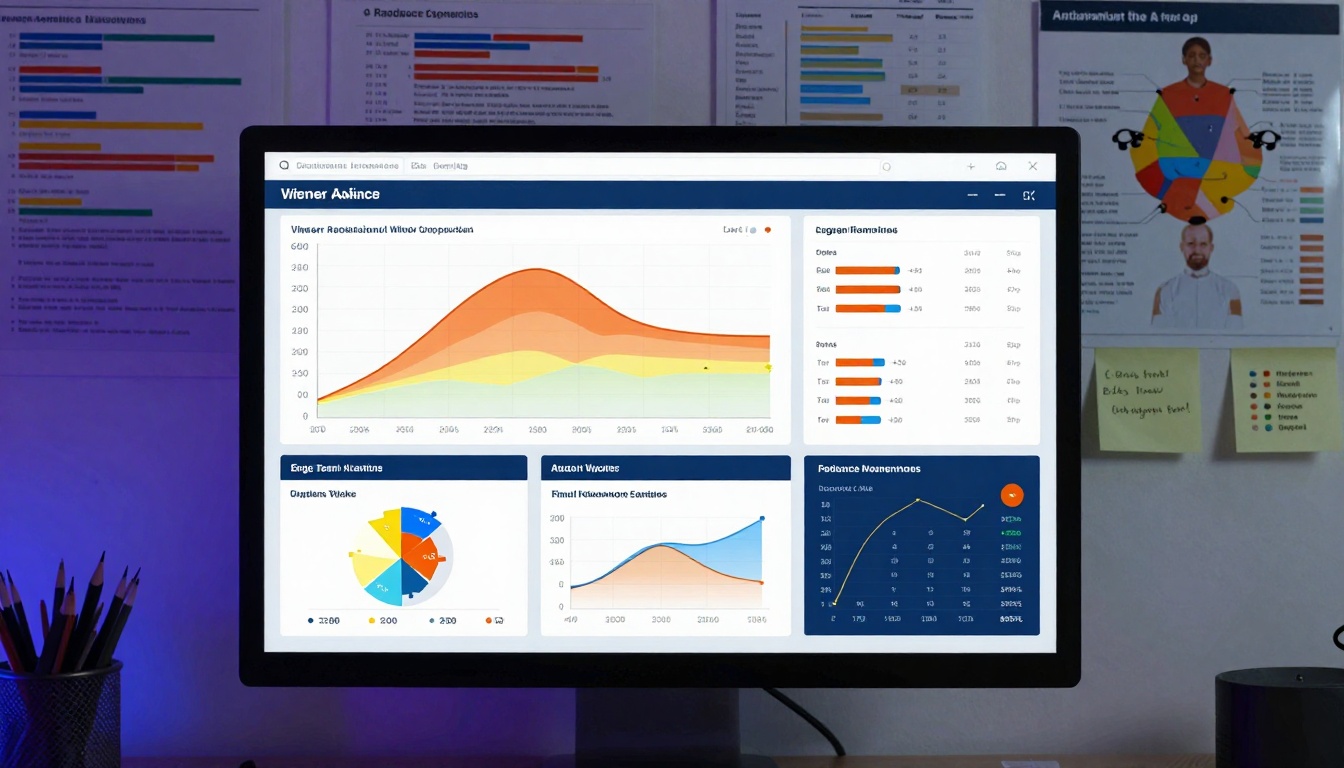
Detailed prompt engineering interface showing structured input with parameter controls and syntax highlighting
Constructing Effective Video Prompts
Prompt engineering represents the most critical skill in AI video generation. Unlike static images, videos require temporal descriptors, motion specifications, and scene progression details.
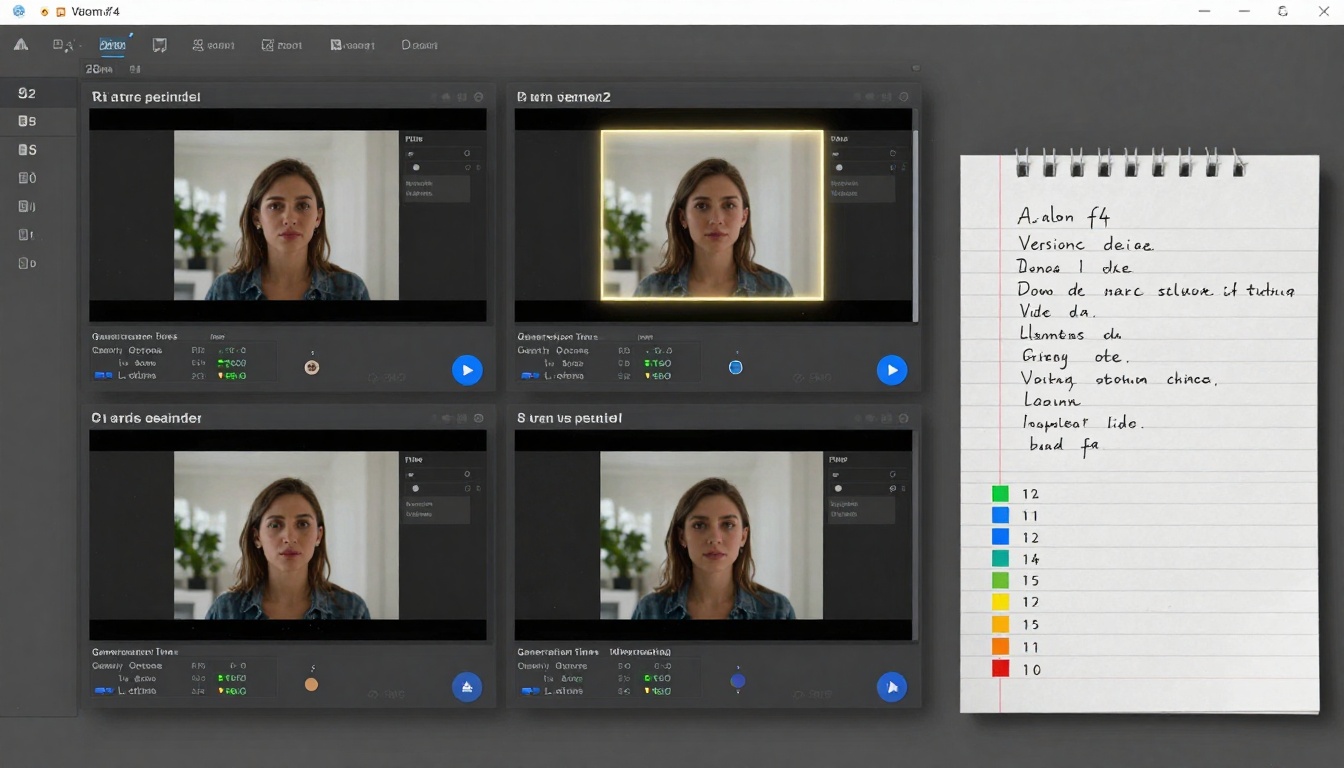
Single video concepts often perform differently across platforms requiring strategic adaptation.
Platform Transformation Matrix
Original Platform
Adaptation Strategy
Technical Adjustments
YouTube → Tiktok
Condense narrative, increase pace
Crop to 9:16, increase cuts per minute
Instagram → YouTube
Expand duration, add context
Extend to 60+ seconds, add introductory context
TikTok → Facebook
Adjust humor style, add captions
Slow pacing slightly, add explicit captions
Cross-platform
Maintain core concept, adjust presentation
Vary aspect ratios, modify opening hooks
Implementation Tools: Use Reframe Video for aspect ratio adjustments and Video Upscale for quality optimization across platforms.
Cost-Efficiency Analysis
AI video generation transforms production economics through several mechanisms:
Traditional vs AI Production Comparison
Cost Category
Traditional Production
AI Generation
Savings Factor
Equipment
Camera, lighting, audio gear
Subscription fees
5-10x reduction
Production Time
Hours to days per video
Minutes per generation
20-50x faster
Personnel
Multiple specialized roles
Single operator
3-8x reduction
Revisions
Reshoots, re-edits
Regeneration with adjusted prompts
Near-instant
Scalability
Linear with resources
Exponential with compute
Virtually unlimited
Break-Even Analysis: Most implementations reach positive ROI within 30-60 days based on increased engagement and reduced production costs.
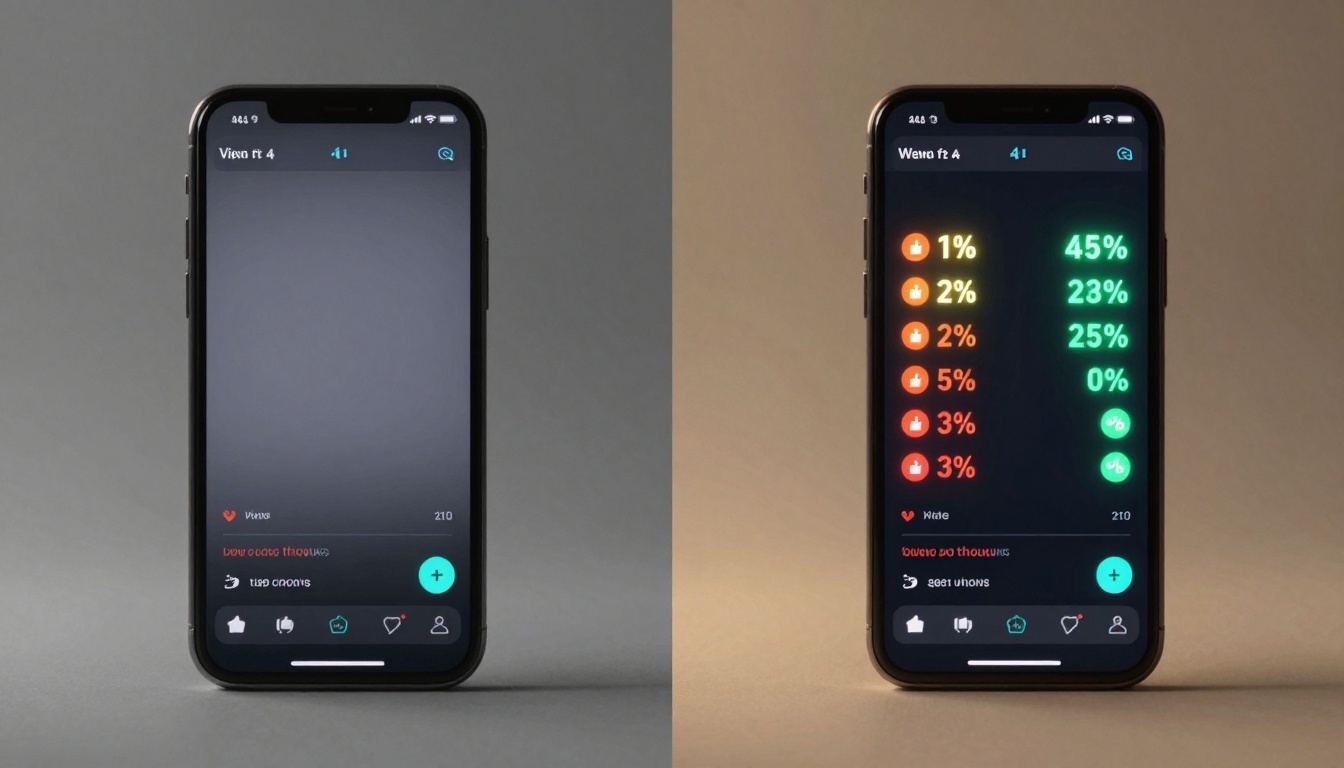
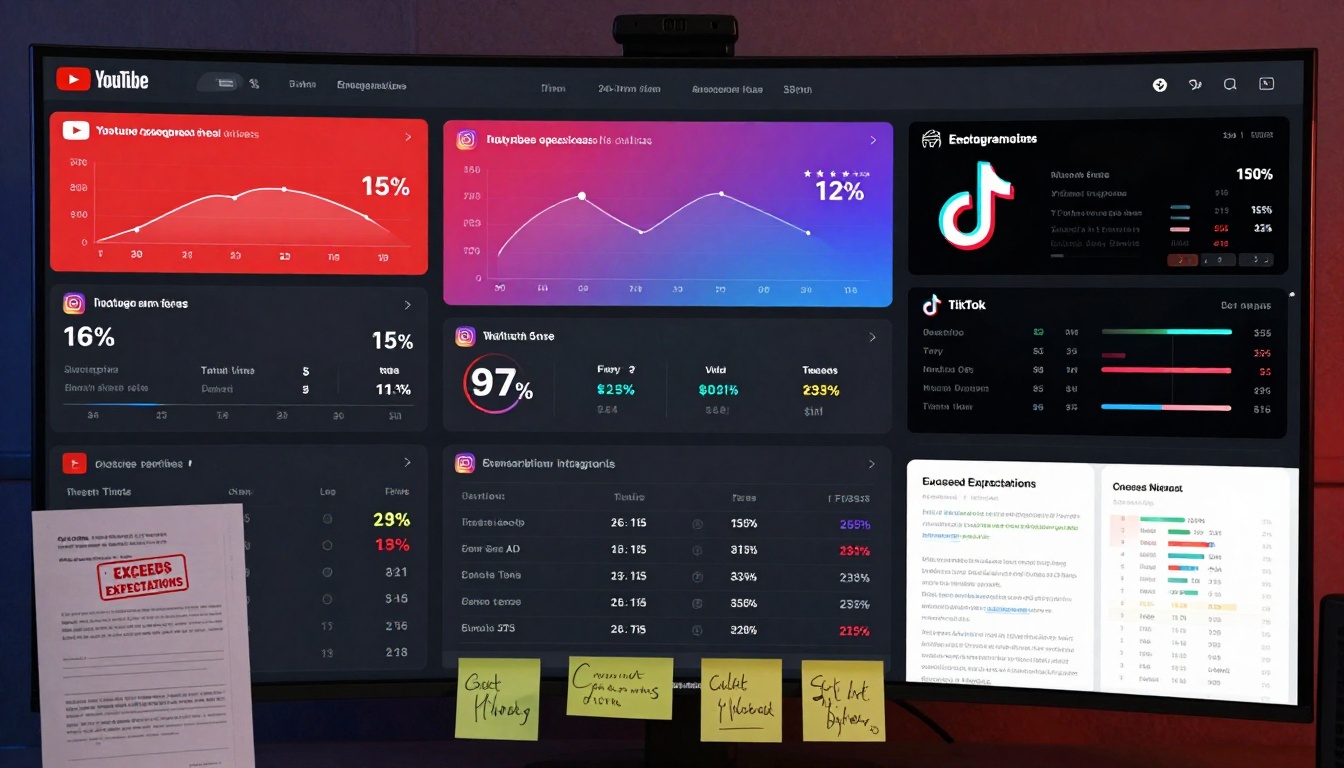
Comprehensive success metrics showing performance across YouTube, Instagram, TikTok, and Facebook platforms
Implementation Roadmap
Phase 1: Foundation Establishment (Week 1-2)
Select 2-3 primary AI video models (Flux 2 Pro for images, Veo 3 for videos)
Create basic prompt library with 10-15 proven templates
Establish analytics tracking across target platforms
Generate initial test batch (5-10 videos)
Phase 2: Pattern Identification (Week 3-4)
Analyze performance data across test batch
Identify top-performing prompt structures and parameters
Document successful patterns and failure modes
Refine templates based on empirical results
Phase 3: Systematic Scaling (Week 5-8)
Implement batch generation workflows
Establish quality assurance procedures
Create content calendar with scheduled posting
Begin A/B testing variations for optimization
Phase 4: Advanced Optimization (Month 3+)
Implement cross-platform adaptation strategies
Develop emotional trigger integration
Create narrative arc templates
Establish cost-efficiency monitoring
Practical Considerations and Limitations
While AI video generation offers significant advantages, certain limitations require acknowledgment and workarounds.
Current Technical Constraints
Consistency Challenges: Maintaining character consistency across shots/scenes
Complex Physics: Accurate representation of fluid dynamics, cloth simulation
Text Integration: Reliable text rendering within video frames
Audio Synchronization: Lip sync accuracy for spoken content
Cultural Specificity: Nuanced representation of cultural elements and contexts
Mitigation Strategies
Hybrid Approaches: Combine AI generation with traditional elements where needed
Post-Production Enhancement: Use editing tools for final polish
Audience Education: Transparent communication about AI involvement
Ethical Guidelines: Establish content creation principles and boundaries
The immediate next step involves selecting one model from the available options—Sora 2 Pro for high-quality narrative content, Veo 3.1 Fast for rapid prototyping, or Kling V2.6 for stylized outputs—and creating three test videos using the prompt structures outlined above. Track performance metrics for 48 hours, then adjust based on initial engagement patterns. This experimental approach yields concrete data for scaling decisions rather than theoretical planning.
The combination of precise prompt engineering, platform-specific optimization, and data-driven iteration creates sustainable competitive advantage in social media video production. As AI video models continue advancing in capability and accessibility, early adoption and systematic implementation establish foundation for long-term content strategy success across evolving digital landscapes.