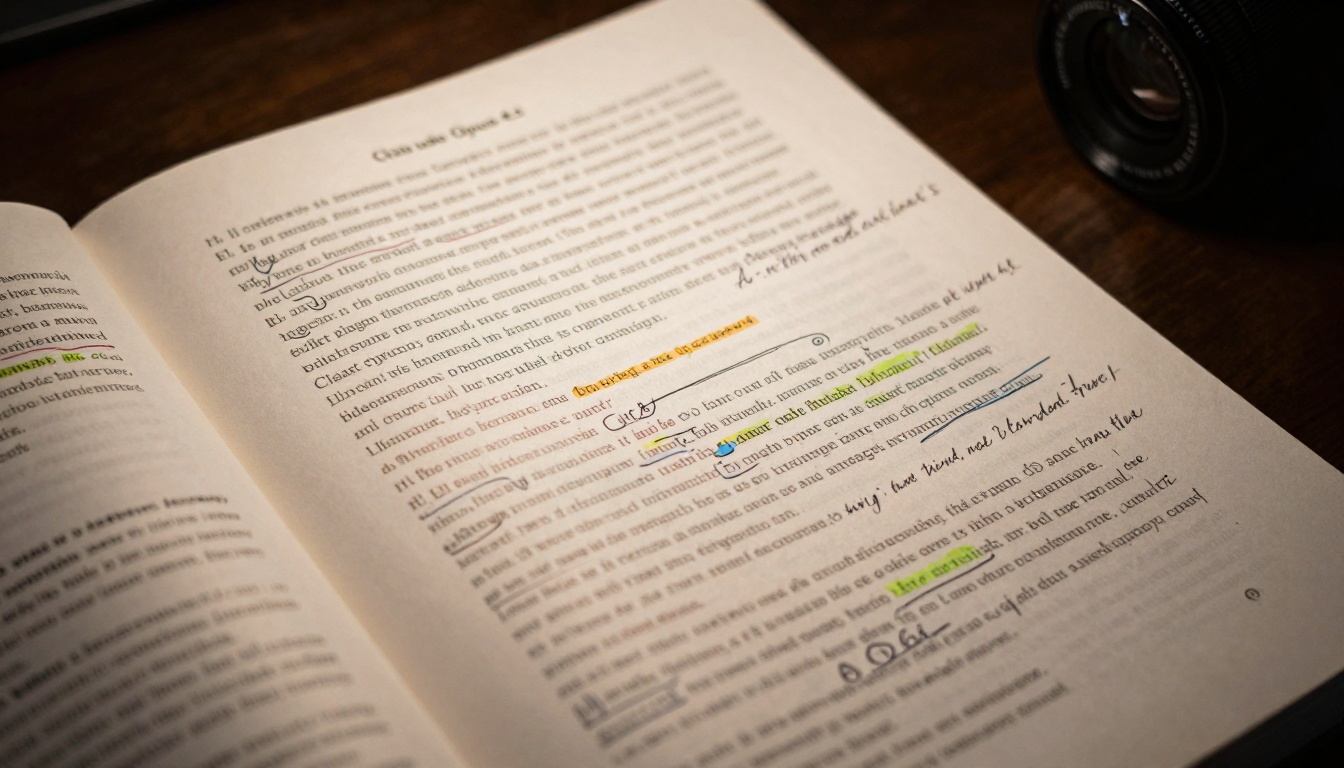
Writers often struggle with creative blocks, character development, and plot structure. Claude Opus 4.5 provides unique solutions for these challenges through advanced AI collaboration. This guide demonstrates specific approaches for leveraging this technology in fiction, non-fiction, and poetry writing. You'll find concrete examples of character profile generation, dialogue improvement, world-building assistance, and editing workflows that integrate AI as a creative partner rather than just a tool.
When creative writing meets advanced artificial intelligence, the collaboration transforms both the process and the output. Claude Opus 4.5 represents a significant shift in how writers approach their craft, offering capabilities that extend beyond simple text generation into genuine creative partnership. Writers who embrace this technology find their workflows accelerated while maintaining artistic integrity.
💡 Key Insight: Claude Opus 4.5 doesn't replace creativity—it amplifies it. The most effective writers use AI as a collaborative tool rather than a replacement for human imagination.
Why Claude Opus 4.5 Changes Creative Writing
Traditional writing tools provide grammar checks and basic suggestions. Claude Opus 4.5 operates differently. It understands narrative structure, character psychology, and literary devices at a level previously unavailable in AI writing assistants. The model's 200K context window allows it to maintain continuity across lengthy manuscripts, remembering character traits, plot points, and thematic elements throughout the entire creative process.
The distinction between Claude Opus 4.5 and earlier models lies in its nuanced understanding of creative intent. Where previous AI might generate generic descriptions, Opus 4.5 can produce contextually appropriate prose that matches your established tone, character voices, and narrative style. This capability makes it particularly valuable for maintaining consistency in longer works.
Core Capabilities for Writers
Feature
Practical Application
Impact on Writing
Character Development
Generates detailed backstories, motivations, and personality traits
Creates more complex, believable characters
Dialogue Enhancement
Improves natural conversation flow and character voice consistency
Makes dialogue sound authentic to each character
Plot Structuring
Suggests narrative arcs and pacing adjustments
Maintains reader engagement throughout the story
World Building
Develops consistent settings, cultures, and rules
Creates immersive environments that feel real
Editing Assistance
Identifies inconsistencies and suggests improvements
Polishes manuscripts to professional standards
Getting Started with Claude Opus 4.5 on PicassoIA
PicassoIA provides direct access to Claude 4.5 Sonnet and Claude 4.5 Haiku through their platform. These models offer different approaches to creative writing assistance:
Claude 4.5 Sonnet: Best for detailed character development, complex plot analysis, and nuanced editing suggestions
Claude 4.5 Haiku: Ideal for brainstorming sessions, quick idea generation, and initial draft creation
Setting Up Your Creative Workspace
Before diving into specific writing tasks, establish an effective workflow:
Define Your Project Parameters: Start by telling Claude Opus 4.5 about your project—genre, tone, target audience, and any specific requirements
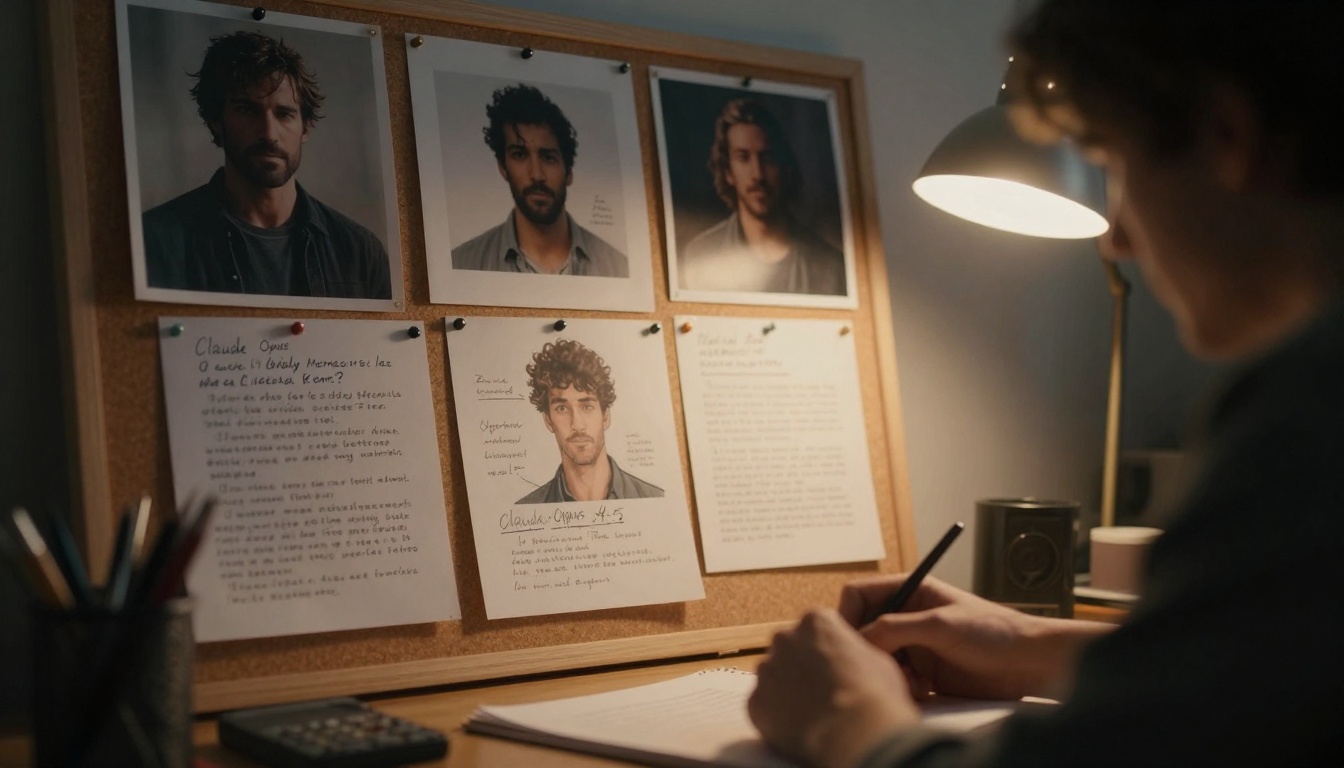
Establish Character Database: Create a reference document of your main characters that you can share with the AI
Set World-Building Rules: Document the rules of your fictional universe to ensure consistency
Create Style Guidelines: Note your preferred narrative voice, pacing preferences, and any stylistic conventions
💡 Pro Tip: Use the "System Prompt" feature to establish your project parameters once, then Claude will remember them throughout your session. This maintains consistency without constant reminders.
Character Development Techniques
Character creation often stalls when writers struggle to make personalities feel authentic and multi-dimensional. Claude Opus 4.5 excels at helping writers develop complex characters that resonate with readers.
Three-Step Character Creation Process
Foundation Layer: Begin with basic demographics, physical appearance, and core personality traits
Depth Layer: Add psychological complexity—fears, desires, contradictions, and internal conflicts
Relationship Layer: Develop how this character interacts with others in your story
Example Prompt for Character Development:
I'm creating a protagonist for a mystery novel. She's a forensic accountant in her late 30s who discovers corporate fraud. Please help me develop:
1. Her professional background and expertise
2. Personal motivations for pursuing the truth
3. Internal conflicts that might surface during the investigation
4. How her analytical nature affects personal relationships
Claude Opus 4.5 Response Pattern: The AI typically provides structured character profiles with suggested contradictions (e.g., "analytical but emotionally intuitive"), potential growth arcs, and specific details that make characters feel real rather than archetypal.
Avoiding Common Character Pitfalls
Writers frequently create characters who are either too perfect or inconsistently developed. Claude Opus 4.5 helps identify these issues:
Mary Sue/Gary Stu Detection: Flags characters who lack believable flaws or challenges
Consistency Checking: Ensures character actions align with established personality traits
Growth Opportunity Identification: Suggests potential character development arcs
Dialogue Writing That Sounds Real
Dialogue represents one of the most challenging aspects of creative writing. Claude Opus 4.5 provides specific assistance for making conversations feel authentic to each character while advancing the plot.
Dialogue Enhancement Workflow
Step 1: Character Voice Establishment
Define each character's speech patterns:
Vocabulary level and word choice preferences
Sentence structure tendencies (short vs. complex sentences)
Regional or cultural speech markers
Emotional expression styles
Step 2: Contextual Dialogue Generation
Provide Claude with:
The scene context and emotional tone
What each character knows at this point in the story
Their relationship dynamics
The conversation's purpose (reveal information, develop relationship, create conflict)
Step 3: Natural Flow Refinement
Claude helps by:
Eliminating "as you know" exposition dialogue
Adding natural interruptions and overlaps
Incorporating subtext through what characters don't say
Varying dialogue tags to avoid repetition
💡 Dialogue Tip: Ask Claude to "write this conversation as if Character A is hiding something from Character B" or "create tension through what's left unsaid." The AI excels at subtext and emotional nuance.
Plot Structure and Narrative Flow
Even experienced writers struggle with maintaining consistent pacing and structural integrity. Claude Opus 4.5 acts as a structural consultant, helping identify pacing issues, plot holes, and opportunities for narrative enhancement.
Three-Act Structure Analysis
Act I Setup Analysis:
Opening hook effectiveness
Character introduction clarity
Inciting incident placement
Establishment of central conflict
Act II Development Assessment:
Rising action progression
Subplot integration
Midpoint reversal impact
Character development pacing
Act III Resolution Evaluation:
Climax preparation
Resolution completeness
Character arc fulfillment
Theme reinforcement
Pacing Optimization Techniques
Fast-Paced Sections (Action, Conflict):
Short sentences and paragraphs
Immediate cause-and-effect
Sensory detail focus
Time pressure elements
Slow-Paced Sections (Character Development, World Building):
Longer descriptive passages
Internal monologue inclusion
Atmospheric detail accumulation
Relationship development focus
Balanced Approach: Claude helps identify when to accelerate pacing for tension and when to slow down for emotional depth.
World Building with Consistency
Creating believable fictional worlds requires attention to countless details that must remain consistent. Claude Opus 4.5 serves as a continuity checker and idea generator for world-building elements.
World Building Checklist
Element
Development Questions
Claude Assistance
Geography
Climate, terrain, resources, borders
Generates maps with ecological consistency
Culture
Customs, traditions, social structure
Creates culturally consistent details
Technology
Level, availability, impact on society
Ensures technological consistency
Magic/Systems
Rules, limitations, costs
Maintains systematic integrity
History
Past events, conflicts, developments
Creates coherent historical timelines
Consistency Maintenance
The most common world-building failure occurs when rules established early in a story get broken later. Claude Opus 4.5 helps by:
Creating a World-Building Bible: Document all rules, limitations, and established facts
Regular Consistency Checks: Periodically review new material against established rules
Logical Extension: Suggest how new elements might naturally evolve from established ones
Contradiction Identification: Flag inconsistencies before they become plot problems
Editing and Revision Process
The editing phase transforms rough drafts into polished manuscripts. Claude Opus 4.5 provides specific, actionable feedback that goes beyond grammar correction to address narrative issues.
Multi-Layer Editing Approach
Layer 1: Structural Editing (Big Picture)
Plot hole identification
Pacing adjustment suggestions
Character arc completion assessment
Theme development evaluation
Layer 2: Scene-Level Editing (Mid-Level)
Scene purpose clarity
Emotional impact optimization
Information revelation timing
Transition smoothness
Layer 3: Line-Level Editing (Detail)
Sentence rhythm improvement
Word choice refinement
Dialogue naturalness enhancement
Show vs. tell balance
Layer 4: Technical Editing (Mechanics)
Grammar and punctuation correction
Consistency in names and details
Formatting standardization
Fact verification (for research-based elements)
Specific Editing Prompts That Work
Instead of "edit this chapter," try these specific requests:
"Identify the three weakest paragraphs in this scene and suggest specific improvements for each."

"Find instances where I'm telling instead of showing, and rewrite one as an example."

"Check for consistency in character descriptions—have I changed hair color, height, or other details?"

"Analyze the emotional arc of this chapter and suggest where I could heighten emotional impact."
💡 Editing Efficiency: Claude Opus 4.5 can process your entire manuscript for continuity issues, something that's challenging for human editors to maintain across lengthy works.
Creative Collaboration Patterns
The most effective writers using Claude Opus 4.5 develop specific collaboration patterns that leverage the AI's strengths while maintaining their creative vision.
Four Collaboration Models
Model 1: The Brainstorming Partner
Use for initial idea generation
Ask for "10 possible plot twists" or "5 unexpected character motivations"
Request "what if" scenarios to explore narrative possibilities
Generate lists of sensory details for specific settings
Model 2: The Critical Reader
Ask Claude to read as if it were your target audience
Request identification of confusing passages
Ask where the narrative drags or rushes
Request emotional response analysis to key scenes
Model 3: The Specialized Consultant
Use for specific technical aspects (legal procedures, scientific accuracy, historical details)
Request research assistance within the narrative context
Ask for authenticity verification in specialized fields
Model 4: The Polish Assistant
Use for final refinement before submission
Request consistency checks across the complete manuscript
Ask for formatting standardization
Request readability analysis
Integrating with Other PicassoIA Models
While Claude Opus 4.5 excels at text-based creative work, PicassoIA offers complementary models for visual and multimedia projects:
GPT Image 1.5: Generate visual references for characters and settings described in your writing
Flux 2 Pro: Create cover art concepts based on your manuscript themes
Meta Llama 3 70B: Different writing style analysis for comparative feedback
Practical Implementation Steps
Week 1: Foundation Development
Set up your PicassoIA account and familiarize yourself with the interface
Create basic character profiles and world-building documents
Establish your project parameters in Claude's system prompt
Generate initial plot outline with AI assistance
Week 2-4: Draft Creation
Use Claude for daily writing sessions with specific scene goals
Implement the dialogue enhancement workflow for conversation-heavy chapters
Regular consistency checks against your established rules
Mid-draft structural assessment
Week 5-6: Revision Phase
Implement the four-layer editing approach
Character consistency verification across the complete manuscript
Pacing adjustment based on AI analysis
Theme reinforcement enhancement
Week 7: Polish and Preparation
Final technical editing pass
Formatting standardization
Submission package assembly
Query letter assistance (if pursuing traditional publication)
Common Challenges and Solutions
Challenge: Over-reliance on AI SuggestionsSolution: Establish a "human veto" rule where you evaluate every AI suggestion rather than accepting all automatically. Maintain your unique voice by using AI as inspiration rather than instruction.
Challenge: Maintaining Original VoiceSolution: Provide Claude with examples of your best writing early in the process. Ask it to "analyze my writing style and help me maintain this voice throughout."
Challenge: Plot Complexity ManagementSolution: Use Claude to create visual plot maps and relationship diagrams. The AI can track complex interconnections better than human memory alone.
Challenge: Writing Block ResolutionSolution: Instead of struggling with a difficult scene, ask Claude for "5 different approaches to this scene" or "what would happen if I changed this character's motivation here?"
Measuring Improvement and Success
Track your progress with these metrics:
Quantitative Measures:
Words written per session (with vs. without AI assistance)
Revision cycles reduced
Consistency errors eliminated
Research time saved
Qualitative Measures:
Beta reader feedback improvement
Character depth perception
Plot coherence ratings
Emotional impact strength
Creative Satisfaction:
Enjoyment of writing process
Confidence in narrative decisions
Artistic vision realization
Creative risk willingness
Next Steps for Writers
The integration of Claude Opus 4.5 into your creative workflow represents an evolution in how stories get written. Start with a small project—a short story or single chapter—to develop your collaboration style. Notice which aspects of the writing process benefit most from AI assistance in your particular case.
Experiment with different prompt styles to discover what yields the most useful responses for your creative needs. Some writers find detailed, structured prompts work best; others prefer more open-ended questions that allow for unexpected creative directions.
Remember that technology serves creativity, not the reverse. Claude Opus 4.5 provides tools for expressing your unique vision more effectively, not for generating generic content. The writers who succeed with this technology are those who maintain their artistic integrity while embracing new methods of working.
Consider sharing your experiences with other writers in creative communities. The collaborative learning around AI-assisted writing continues to evolve, and your insights contribute to this emerging field. Whether you're working on fiction, poetry, creative non-fiction, or experimental forms, Claude Opus 4.5 on PicassoIA offers new possibilities for bringing your stories to life with greater efficiency and depth.