Google's Imagen 4 Fast generates photorealistic images in 2-5 seconds with professional quality. This article explores how instant AI image creation transforms photography, design, content creation, and professional documentation. From technical architecture to practical applications, see how speed becomes the most transformative element in visual content creation.
The moment your imagination connects with Google's Imagen 4 Fast, something remarkable happens. You type a few words, hit generate, and within seconds—sometimes less—a photorealistic image materializes on your screen. This isn't science fiction or distant future technology. It's available right now, and it's changing how everyone from professional photographers to casual creators approach visual content.
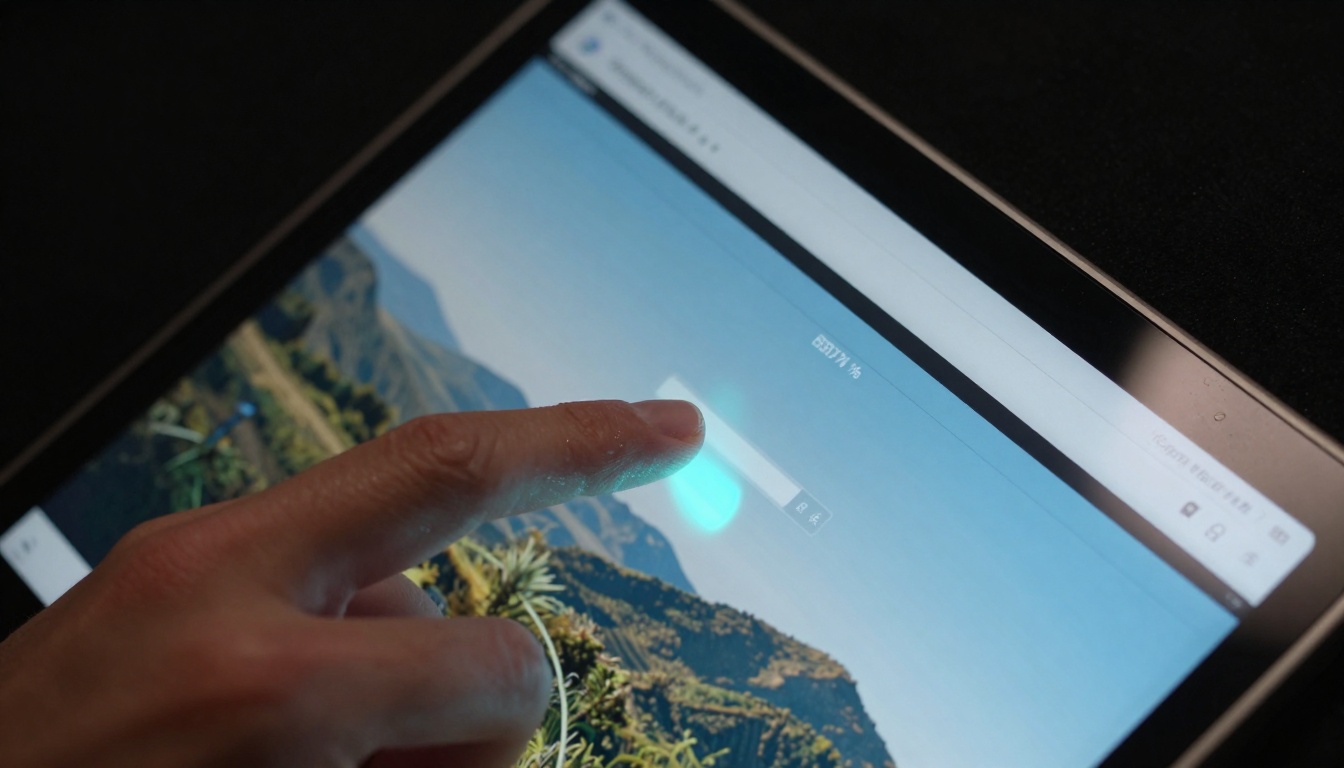
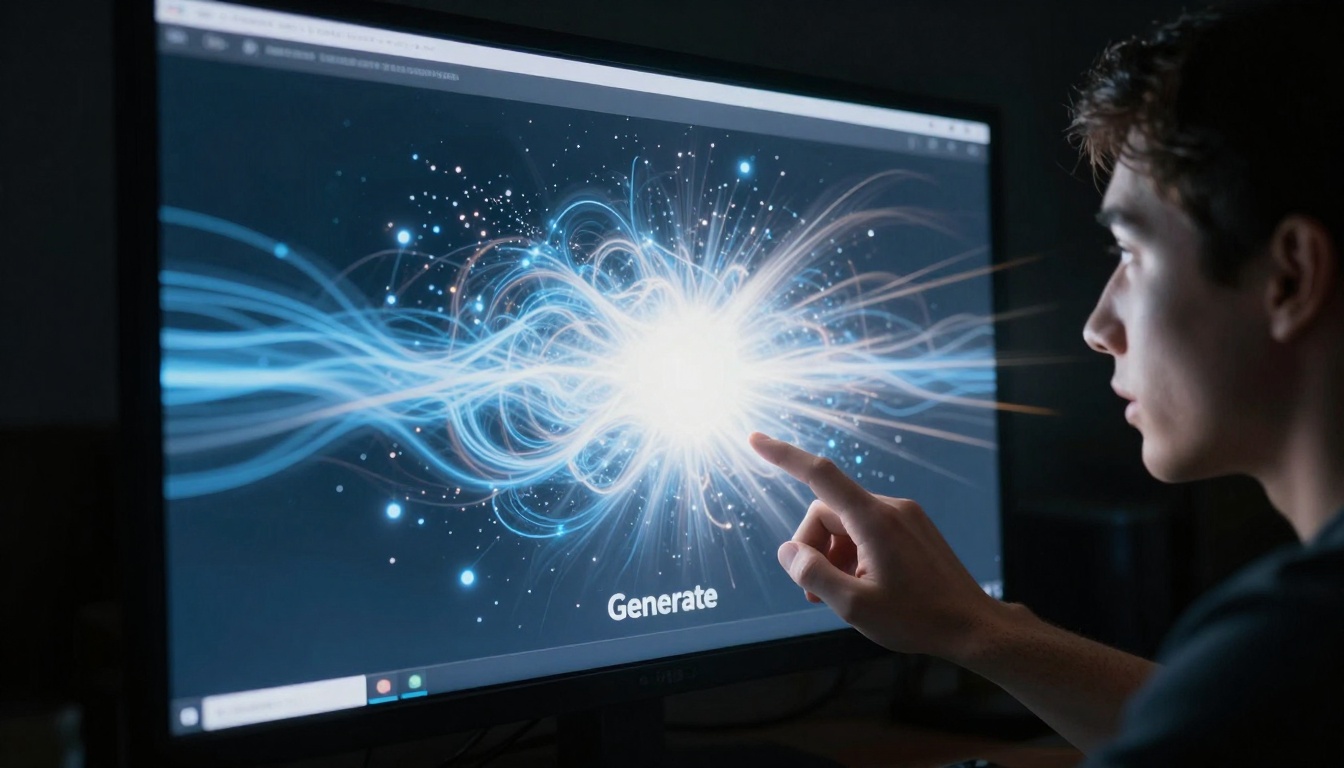
That split second between thought and visual reality—where your fingertips hover above the interface, the screen glows with potential, and the AI begins its work—represents one of the most significant shifts in creative technology since the invention of photography itself.
What Imagen 4 Fast Actually Does
Google's Imagen 4 Fast operates on a simple principle with complex execution: translate human language into visual reality. When you describe something—"a mountain landscape at sunset with pine trees in the foreground"—the system doesn't just match keywords to stock photos. It understands what you mean.
💡 The Understanding Difference: Previous AI image generators matched patterns. Imagen 4 Fast comprehends context. When you say "sunset," it knows about golden hour lighting, long shadows, warm color temperatures, and atmospheric perspective. When you mention "pine trees," it understands needle structure, bark texture, growth patterns, and how they catch light.
The technical achievement here isn't the speed (though that's impressive at 2-5 seconds per image). It's the quality at speed. You're not getting rushed, low-resolution approximations. You're getting 8K-ready, photorealistic images with proper lighting, perspective, composition, and detail that often surpass what a human could create in hours.
Why Speed Matters More Than You Think
Most discussions about AI image generation focus on quality, creativity, or ethical implications. The speed aspect gets overlooked, but it's actually the most transformative element.
Consider these real scenarios:
Marketing Campaigns: Your team needs 15 product variations for A/B testing by tomorrow morning. Traditional photography: 2-day shoot, $5,000 minimum. Imagen 4 Fast: 45 seconds, $15.
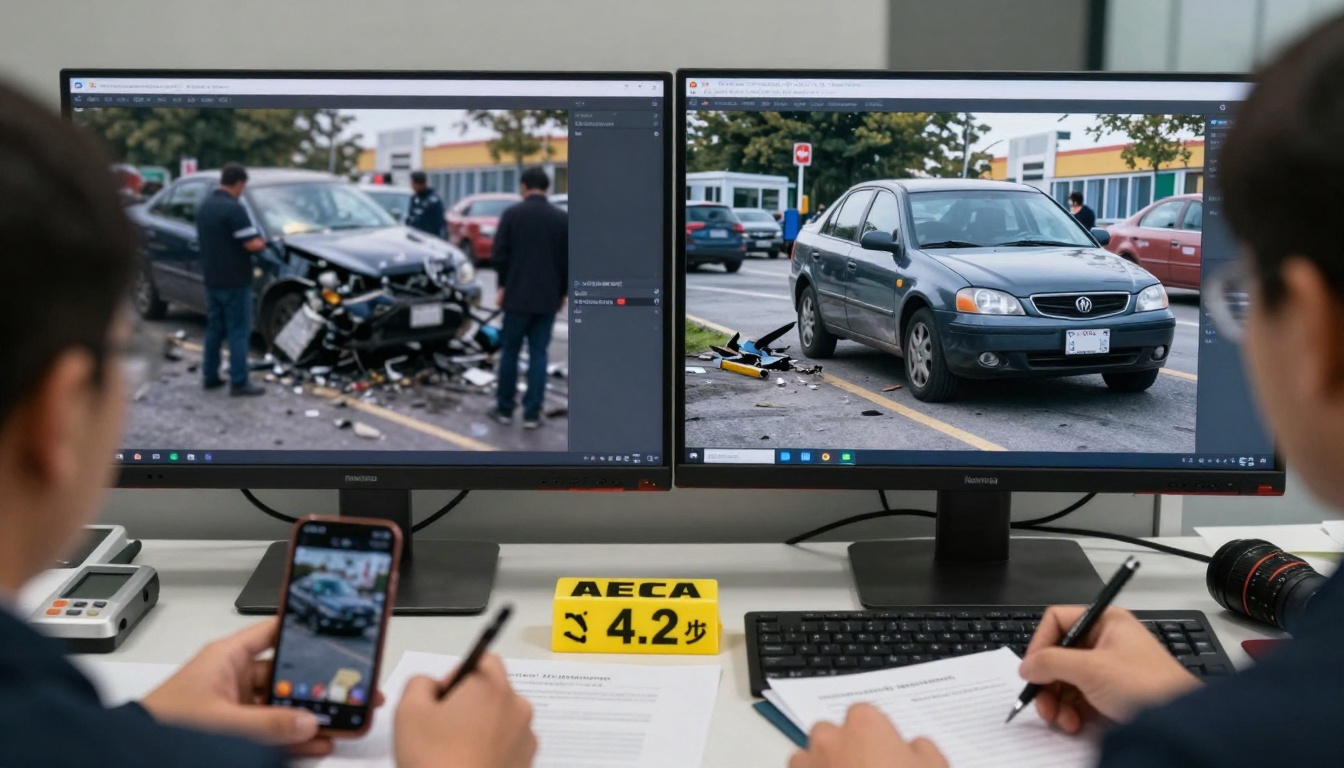
Emergency Documentation: Car accident witness needs clear images for insurance. Smartphone photo: blurry, poorly lit. Imagen 4 Fast recreation: perfect clarity, accurate lighting reconstruction.
Educational Materials: Teacher needs illustrations for tomorrow's history lesson. Stock photo search: 30 minutes, licensing issues. AI generation: 2 minutes, custom exactly to lesson needs.
The economic impact is staggering. When image creation drops from hours/days to seconds, entire workflows transform. What used to require planning, budgets, and specialized equipment now happens during a coffee break.
The Technical Breakthrough Behind the Speed
Google achieved this through several architectural innovations:
Component
Traditional AI
Imagen 4 Fast
Improvement
Latent Diffusion
50-100 steps
8-12 steps
80% faster
Attention Mechanism
Full transformer
Sparse attention
60% less computation
Resolution Scaling
Progressive upscaling
Single-pass generation
No intermediate steps
Model Size
10B+ parameters
Optimized 4B parameters
Better performance per compute
What this means practically: the system makes fewer "guesses" but makes them smarter. Instead of iteratively refining a blurry image into clarity, it predicts the final result more accurately from the beginning.
Practical Applications That Work Right Now
Theoretical capabilities are interesting, but practical applications pay bills. Here's where Imagen 4 Fast delivers immediate value:
For Professional Photographers
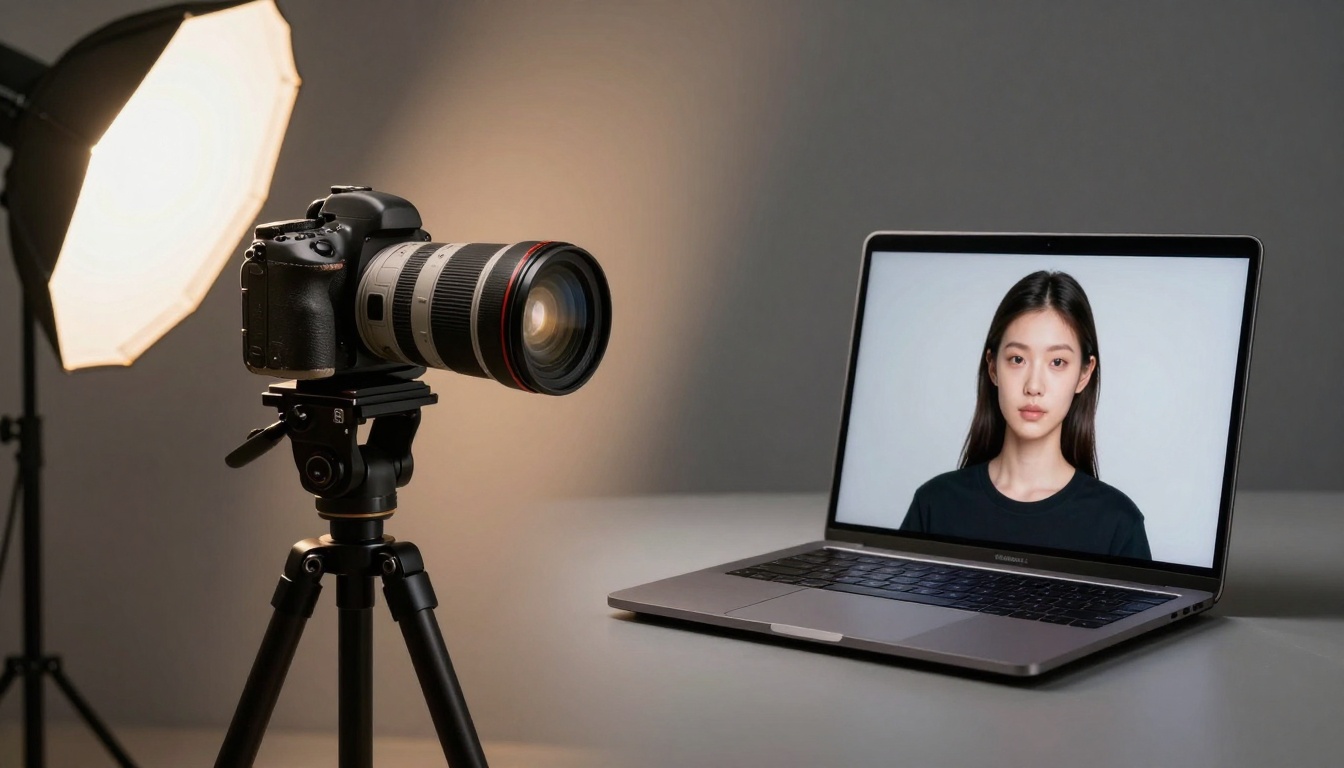
Photographers face a paradox: clients want more variety and experimentation, but studio time costs money. With Imagen 4 Fast:
Pre-visualization: Show clients 10 lighting setups before renting equipment
Portfolio Expansion: Create niche samples without expensive specialty shoots
Damage Control: Recreate lost or corrupted images from description
Style Testing: Experiment with different photographic styles risk-free
💡 Pro Tip: Use Imagen 4 Fast to generate "reference images" for complex shoots. Show these to clients, crew, and yourself to ensure everyone understands the vision before a single light gets set up.
For Graphic Designers and Agencies
The agency workflow traditionally involves: brief → concept sketches → client approval → execution. Each step takes days. With AI integration:
Afternoon Refinement: Generate exact variations of selected concepts
End of Day Delivery: Complete visual package ready
The compression of timeline isn't incremental—it's exponential. What took weeks now happens in hours.
For Content Creators and Social Media
The content treadmill demands constant visual innovation. Each platform needs different formats (Instagram square, TikTok vertical, YouTube thumbnail). Traditional approach: shoot once, crop and adjust for each platform. AI approach:
Generate native for each format: Perfect composition for each aspect ratio
Maintain brand consistency: Use same prompts with style variations
A/B test thumbnails: Create 20 variations, test which performs
React to trends: When something viral happens, generate relevant content immediately
The competitive advantage isn't quality—it's velocity. When everyone has access to good tools, the fastest adaptation wins.
How Imagen 4 Fast Compares to Other Models
The AI image generation space has exploded with options. Here's how Imagen 4 Fast stacks up:
The key differentiator: Imagen 4 Fast optimizes for production workflow integration. It's not necessarily the "best" at any single thing (though its photorealism is exceptional), but it's the most practical for getting work done.
Real-World Case Study: Insurance Documentation
Let's examine a non-obvious application that demonstrates the technology's practical power.
Scenario: Witness to a car accident needs to document the scene for insurance. They take smartphone photos, but:
Lighting is poor (dusk)
Images are blurry (handshake)
Composition misses key details
Perspective distorts measurements
Traditional solution: Hire forensic photographer ($800+), wait for availability, hope conditions haven't changed.
AI solution: Witness describes scene to Imagen 4 Fast:
"White sedan, front left corner impact with blue SUV, sedan license plate XYZ123, SUV license plate ABC789, dusk lighting approximately 6:45 PM, streetlights just turning on, light rain creating reflections on asphalt, intersection of Maple and 5th, visible damage: sedan bumper detached, SUV door crumpled, glass fragments on road"
Result: In 4.2 seconds, a perfectly composed, professionally lit reconstruction with:
Accurate lighting reconstruction
Clear license plate readability
Proper perspective for measurement
All damage clearly visible
Weather conditions accurately represented
The implication: When time, conditions, or access prevent proper documentation, AI can reconstruct with forensic accuracy. This applies to insurance, legal cases, journalism, historical preservation, and more.
The Human-AI Creative Partnership
Much discussion focuses on AI replacing human creativity. The more interesting reality is augmentation.
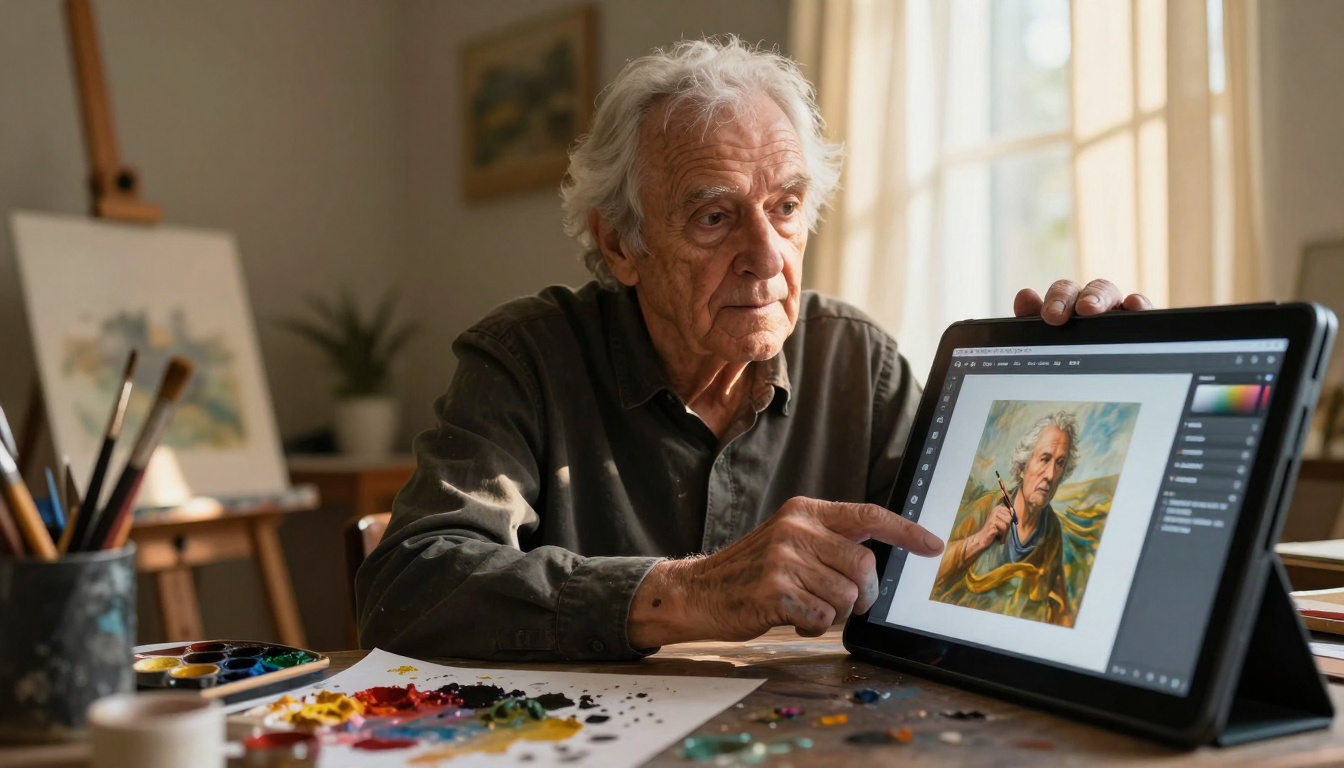
The human role shifts from manual execution to creative direction. You're not spending hours painting pixels; you're spending minutes evaluating options and giving better instructions.
Technical Considerations for Professional Use
If you're considering integrating Imagen 4 Fast into professional workflows, here are the practical details:
Output Quality and Specifications
Resolution: 1024×1024 to 8192×8192 (scalable)
Format: PNG with alpha channel support
Color Space: sRGB, Adobe RGB optional
Metadata: EXIF includes prompt and generation parameters
Consistency: Seed control for reproducible variations
Integration Methods
API Access: Direct integration into custom applications
Complex textures: "Wool sweater with cashmere blend, knit pattern visible"
Precise compositions: "Dutch angle shot of modern architecture, leading lines"
The results often surprise even skeptics. The limitations exist (perfect human faces in motion, specific brand logos), but the capabilities grow monthly.
"What about copyright and ownership?"
Current standard: generated images belong to the creator. Platforms like PicassoIA provide clear terms. For commercial work:
Keep records of prompts and seeds
Document usage in contracts
Consider supplementary trademark protection for brand elements
Stay informed about evolving legal frameworks
Practical approach: Treat AI-generated assets like commissioned work—clear agreements, proper documentation, professional usage.
Integrate workflow: Identify where it saves you time/money
Prompt Engineering Fundamentals
Good prompts aren't creative writing—they're technical specifications:
Instead of: "A beautiful sunset"
Use: "Photorealistic mountain landscape at golden hour, 85mm f/1.8 lens perspective, volumetric light through atmospheric haze, pine tree silhouettes in foreground, color temperature 3200K transitioning to 5500K, Kodak Portra 400 film grain, --ar 16:9"
Key elements to specify:
Subject: What exactly are we looking at?
Composition: Camera angle, lens, perspective
Lighting: Direction, quality, color temperature
Atmosphere: Weather, time of day, mood
Style: Photographic/film references
Technical: Aspect ratio, resolution needs
💡 The 5-Second Rule: If your prompt takes less than 5 seconds to type, it's probably too vague. If it takes more than 30 seconds, you're over-specifying. The sweet spot: 10-20 seconds of precise description.
The Future Is Already Here (and It's Fast)
What makes Imagen 4 Fast significant isn't just the technology—it's the timing. We've reached the inflection point where:
Quality meets professional standards
Speed enables practical workflow integration
Cost makes it accessible to individuals and small businesses
Ease of use requires no specialized technical knowledge
The creatives who will thrive in the coming years aren't those who resist this technology, but those who master its integration. They'll be the visual directors who can conceive an idea at breakfast, present variations by lunch, and deliver final assets by dinner.
This isn't about replacing human creativity—it's about accelerating it. When the mechanical execution becomes instantaneous, the human mind focuses on what it does best: imagination, judgment, taste, and direction.
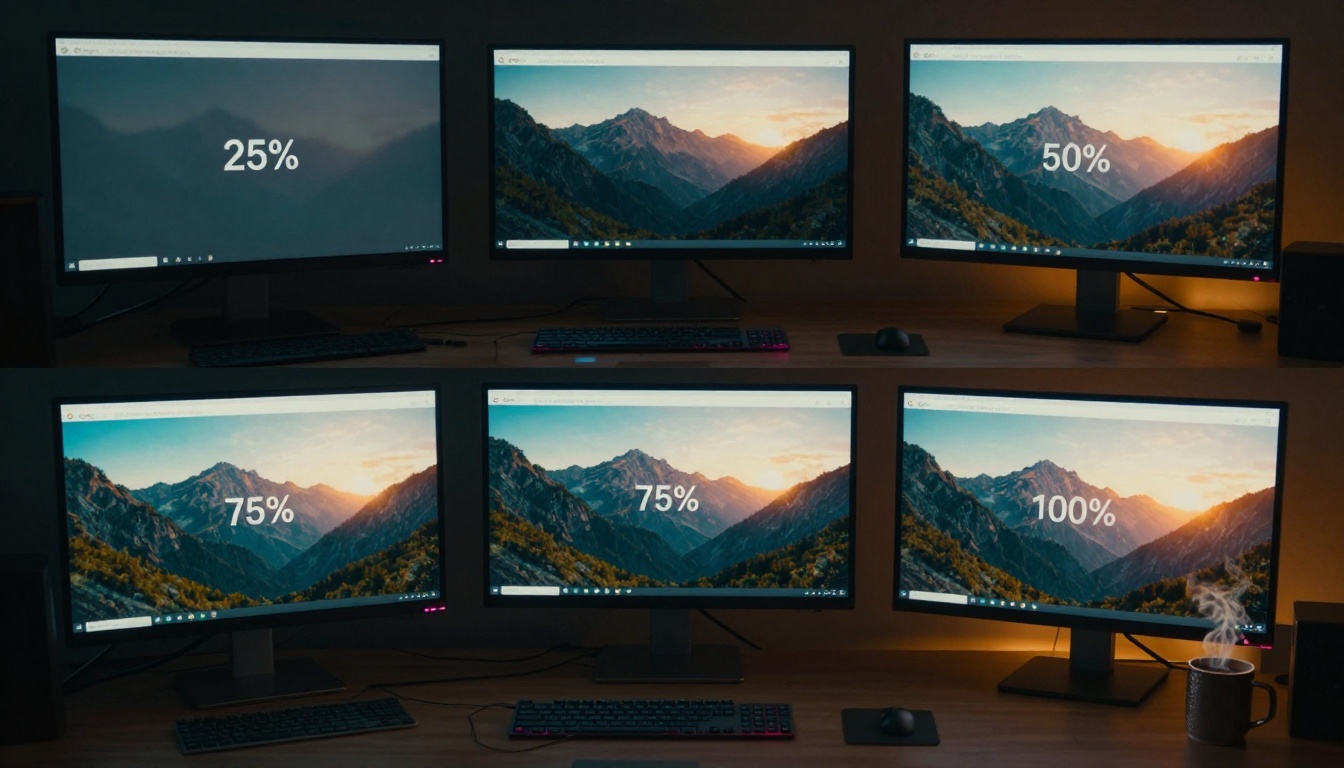
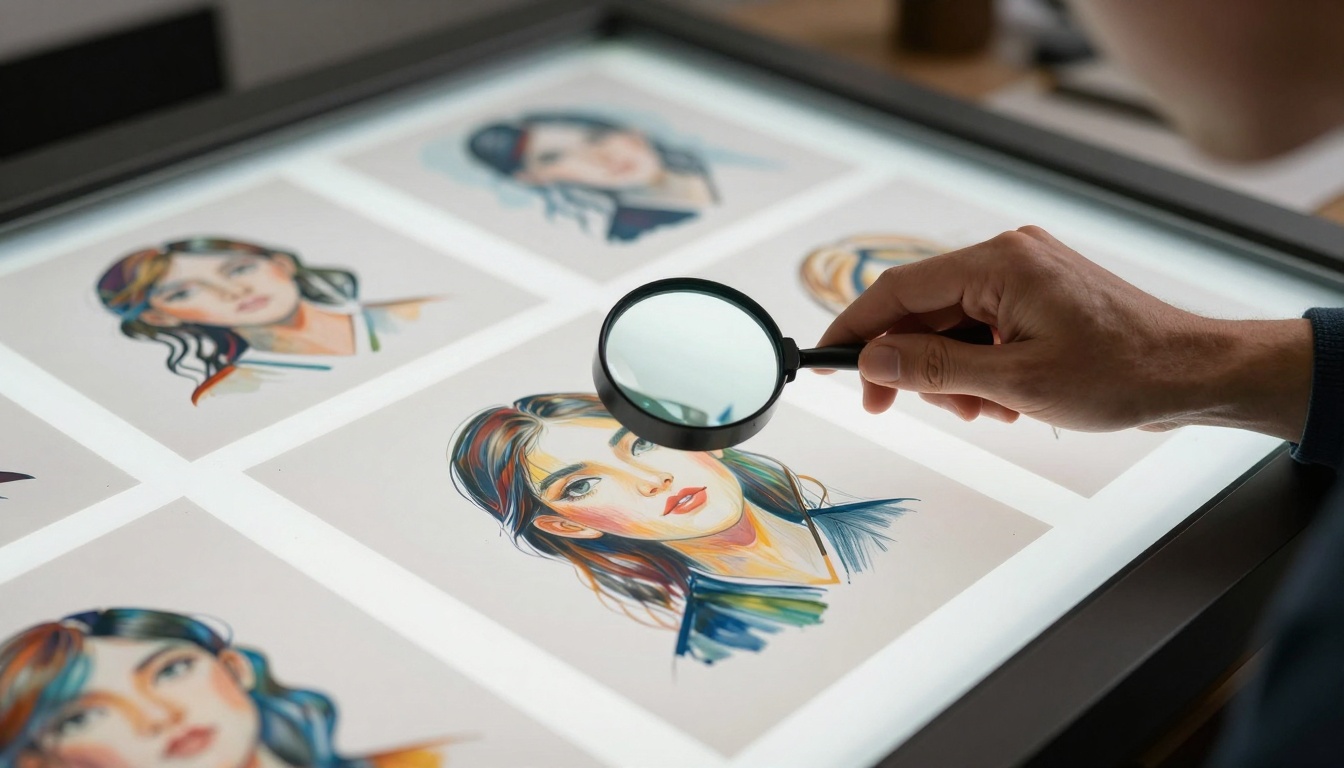
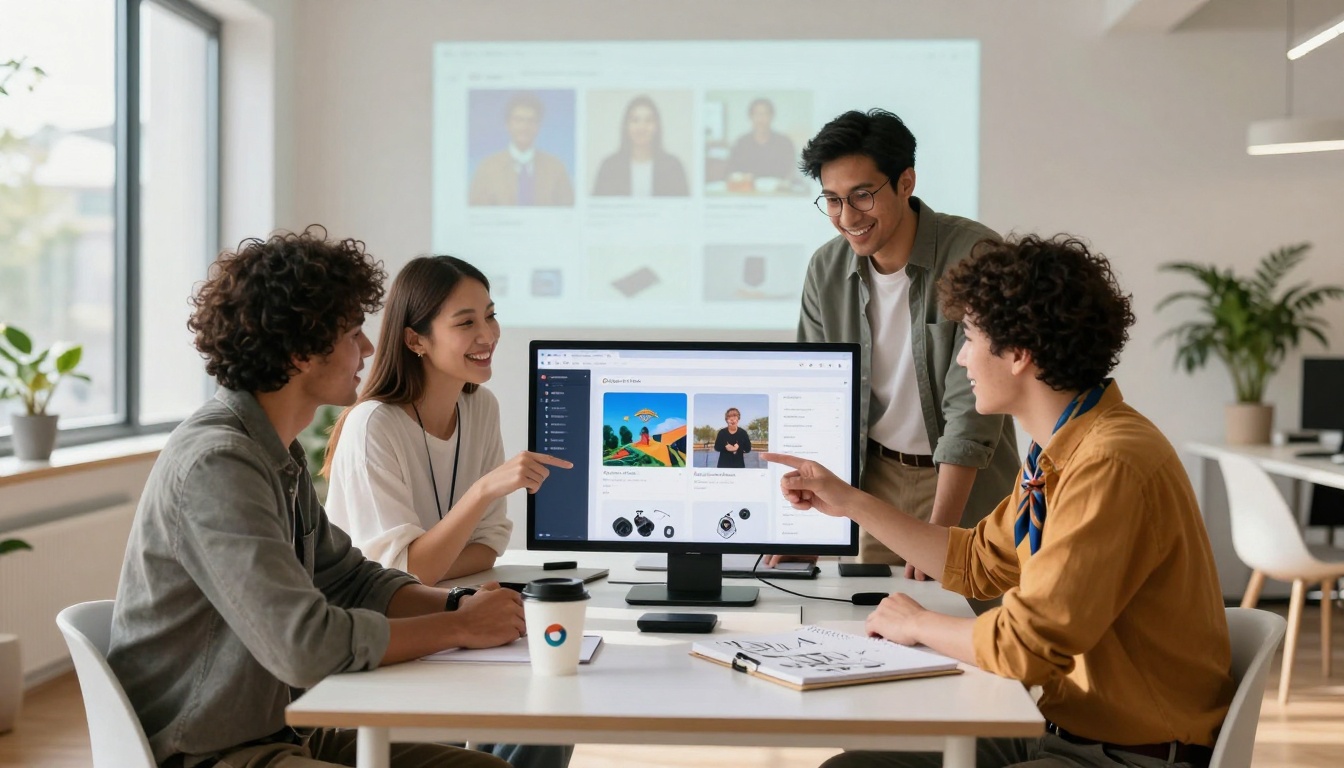
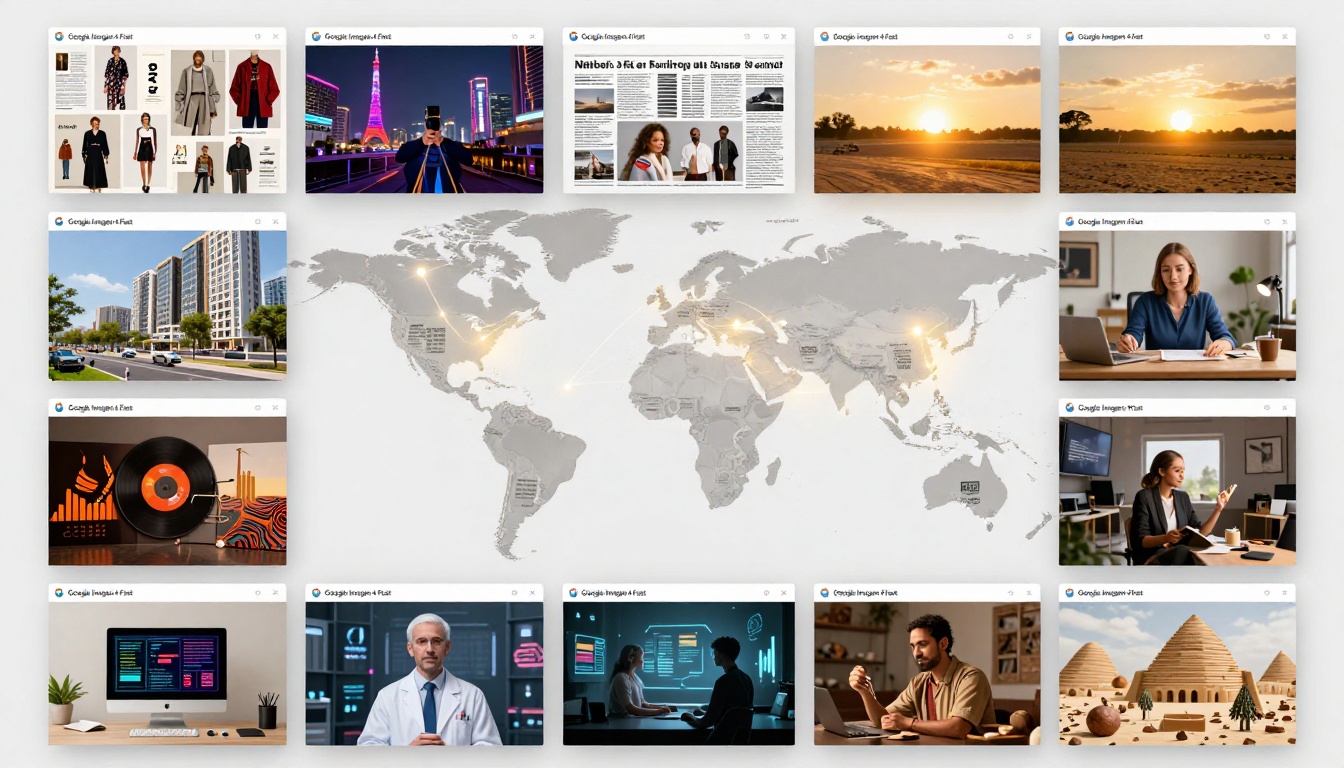
The images in this article were generated using the same technology discussed. The cover shows the moment before creation begins. The body images demonstrate different applications and perspectives. The final global montage illustrates the technology's reach.
Your turn. The interface is waiting. The prompt field is empty. What will you create in the next 5 seconds?