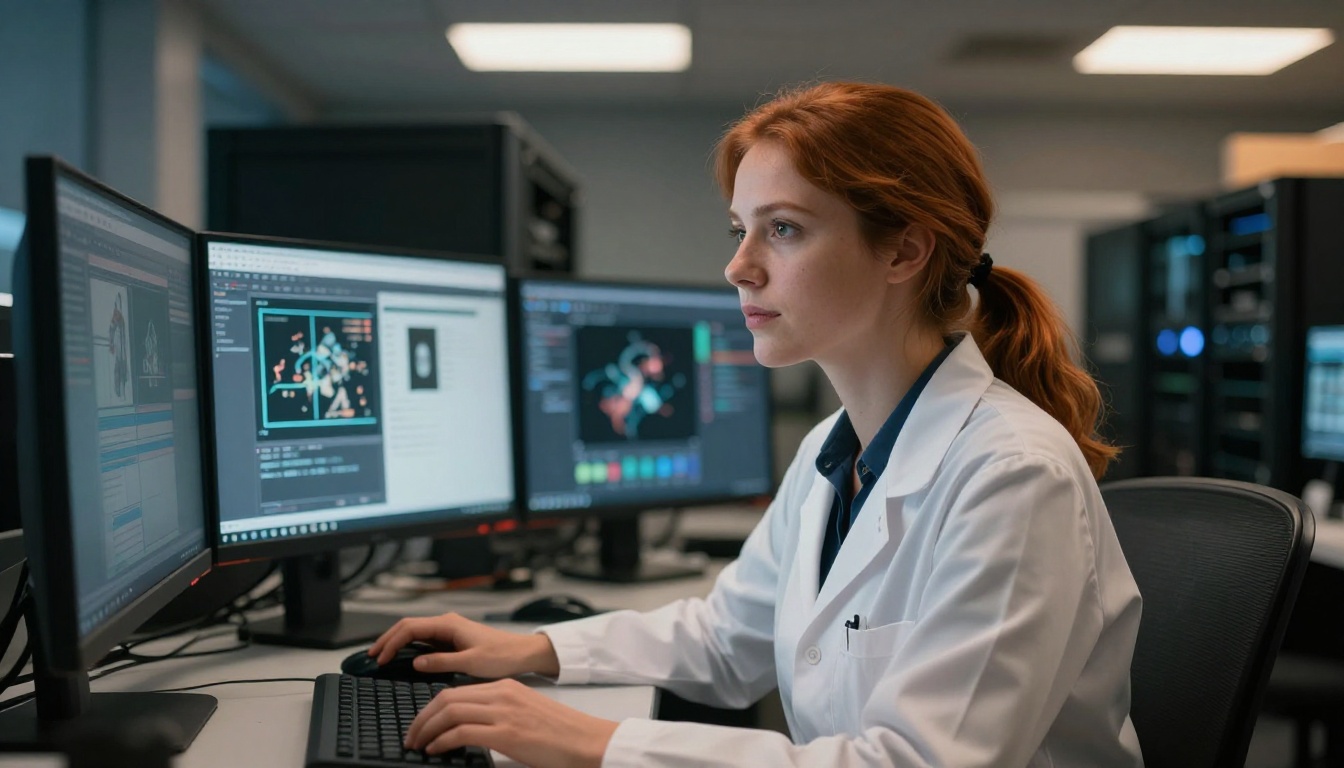
Google just released Imagen 4, and it shifts the competitive landscape for text-to-image generation in ways that matter for both professionals and casual creators. If you have been tracking this field from the days of blurry 512x512 outputs to today's near-photorealistic generation, you know how fast the benchmarks move. Imagen 4 sits at the top of Google DeepMind's image generation lineup, and it brings meaningful improvements across every dimension that matters: photorealism, prompt adherence, and text rendering inside images.
This article breaks down everything you need to know. What Imagen 4 actually does, how its architecture works, where it stands against DALL-E 3, Flux, and Midjourney, and what it means for anyone working with AI image tools.
What Imagen 4 Actually Does
Photorealism at a New Standard
The most visible improvement in Imagen 4 is how real the outputs look. Previous versions of the Imagen series had a characteristic softness, particularly around fine details like hair, fabric textures, and reflected light. Imagen 4 resolves most of that.
The model produces images at up to 2K resolution natively, with grain, depth of field, and material rendering that rivals studio photography in many conditions. Portraits show pore-level skin texture. Landscapes render volumetric light with the kind of atmospheric haze you'd capture on a full-frame camera. Fabric folds and specular highlights on glass surfaces hold up to close inspection.
Photorealistic detail at this level was previously achievable only by combining a strong base model with multiple upscaling and refinement passes. Imagen 4 delivers it in a single generation step.
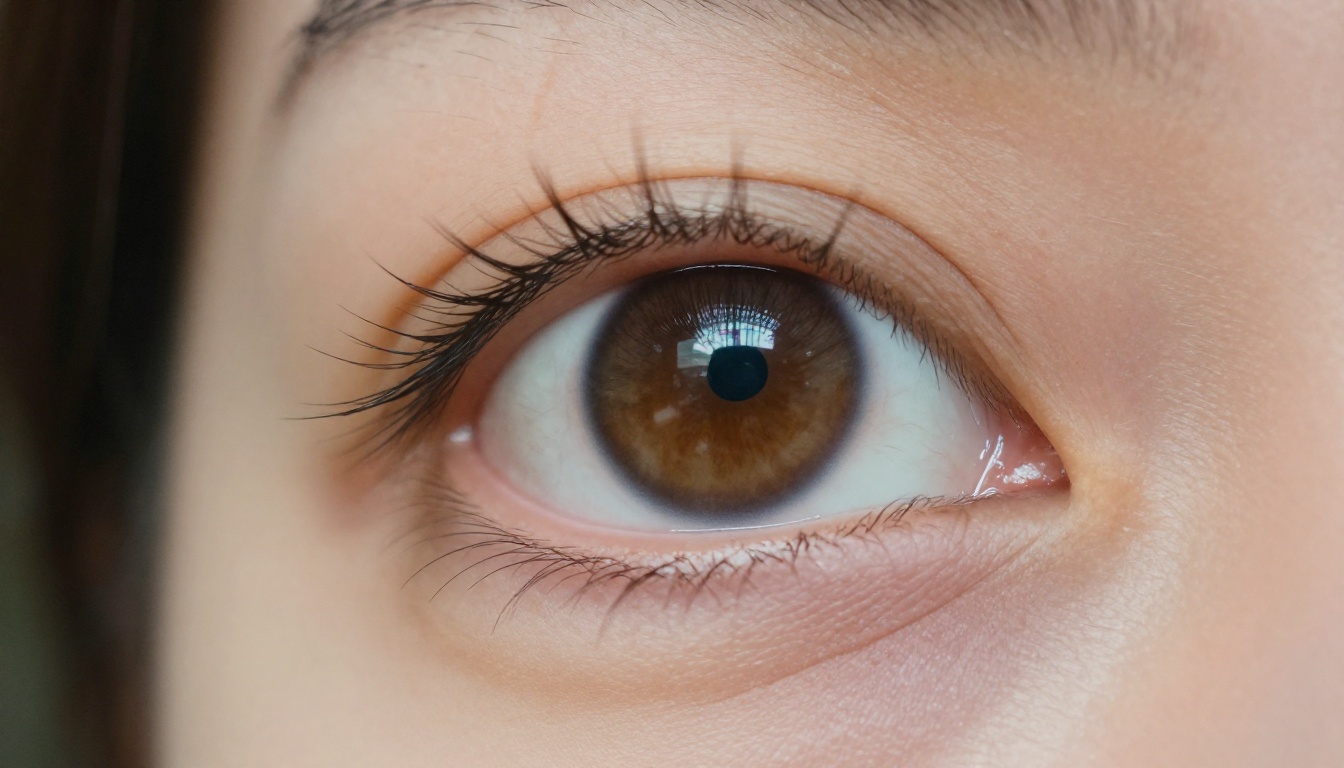
💡 Imagen 4 can render visible film grain, lens imperfections, and chromatic aberration when prompted for "film photography" or "analog shot." The model has been trained to distinguish authentic photographic artifacts from digital noise.
Text in Images: A Long-Standing Problem Solved
Text rendering in images has been the weak point of every image generation model for years. DALL-E 3 made meaningful progress. Midjourney v6 improved. Imagen 4 is the first model to handle complex, multi-word text in images with consistent accuracy.
Prompt for a storefront sign with a specific business name, a magazine cover with a headline, or a birthday cake inscription, and Imagen 4 renders the letters correctly in the vast majority of cases. That is not a trivial achievement. Earlier diffusion architectures struggle with text because characters don't have coherent spatial relationships during the denoising process. Imagen 4's larger text encoder and RLHF fine-tuning appear to have addressed this at the architectural level.
Prompt Adherence Goes Deeper
Beyond visual quality, Imagen 4 follows prompts with unusual precision. Compositional instructions like "a red chair on the left side of the frame with a window behind it" translate into the output with the specified spatial relationships actually respected.
This matters for professionals. A product photographer who needs a specific arrangement, a graphic designer who needs a particular mood, a content creator who needs a scene without rebuilding it five times. Imagen 4 reduces that iteration loop significantly.
How It Compares to the Competition
Imagen 4 vs DALL-E 3
DALL-E 3, integrated into ChatGPT, still has the widest reach. Most people who have generated an AI image have done so through OpenAI's interface. Imagen 4 pulls ahead on pure visual quality in head-to-head comparisons. DALL-E 3 tends toward a slightly stylized, illustrative look even at high photorealism settings. Imagen 4's outputs look more like photographs from a camera than renders from software.
| Feature | Imagen 4 | DALL-E 3 |
|---|
| Photorealism | Very High | High |
| Text Rendering | Excellent | Good |
| Prompt Adherence | Excellent | Very Good |
| Resolution | Up to 2K | 1024x1024 native |
| Access | Google AI Studio, Vertex AI | ChatGPT, API |
Imagen 4 vs Flux
Flux Pro from Black Forest Labs is the strongest open-source competitor right now. Flux 1.1 Pro is accessible, widely used, and produces stunning results for portrait and fashion photography. Flux 2 Pro and Flux 2 Max push even further on resolution and detail.
Where Flux models tend to outperform Imagen 4 is in stylistic flexibility. The Flux ecosystem supports fine-tuned LoRA models, ControlNet pose guidance, and fill and inpainting workflows. Imagen 4 is a more opinionated model. It excels at photorealism but does not have the modifier ecosystem that Flux has built over time.
For raw image quality in photorealistic scenes, Imagen 4 is competitive with Flux 2 Max. For creative control and style breadth, Flux wins.
💡 Flux 2 Pro and Flux 2 Max are available now on PicassoIA. If you are benchmarking your own results against Imagen 4, these are the right comparison points.
Imagen 4 vs Midjourney
Midjourney v7 still holds the crown for aesthetic quality in stylized, artistic, and cinematic outputs. The community has built a vast library of prompting conventions that produce reliably beautiful results. Imagen 4 does not try to compete on that axis.
Where Imagen 4 beats Midjourney is in instruction-following for specific, factual scenes. Midjourney interprets prompts creatively, often beautifying or abstracting in ways that diverge from the literal description. Imagen 4 treats the prompt more as a specification than a suggestion.
| Use Case | Best Option |
|---|
| Artistic or stylized imagery | Midjourney v7 |
| Photorealistic portraits | Imagen 4 or Flux 2 Max |
| Text rendering in images | Imagen 4 |
| Product photography | Imagen 4 or Flux Pro |
| Open-source or API access | Flux models |
| High-volume batch generation | GPT Image series |
The Architecture Behind the Output
A Larger Language Brain for Images
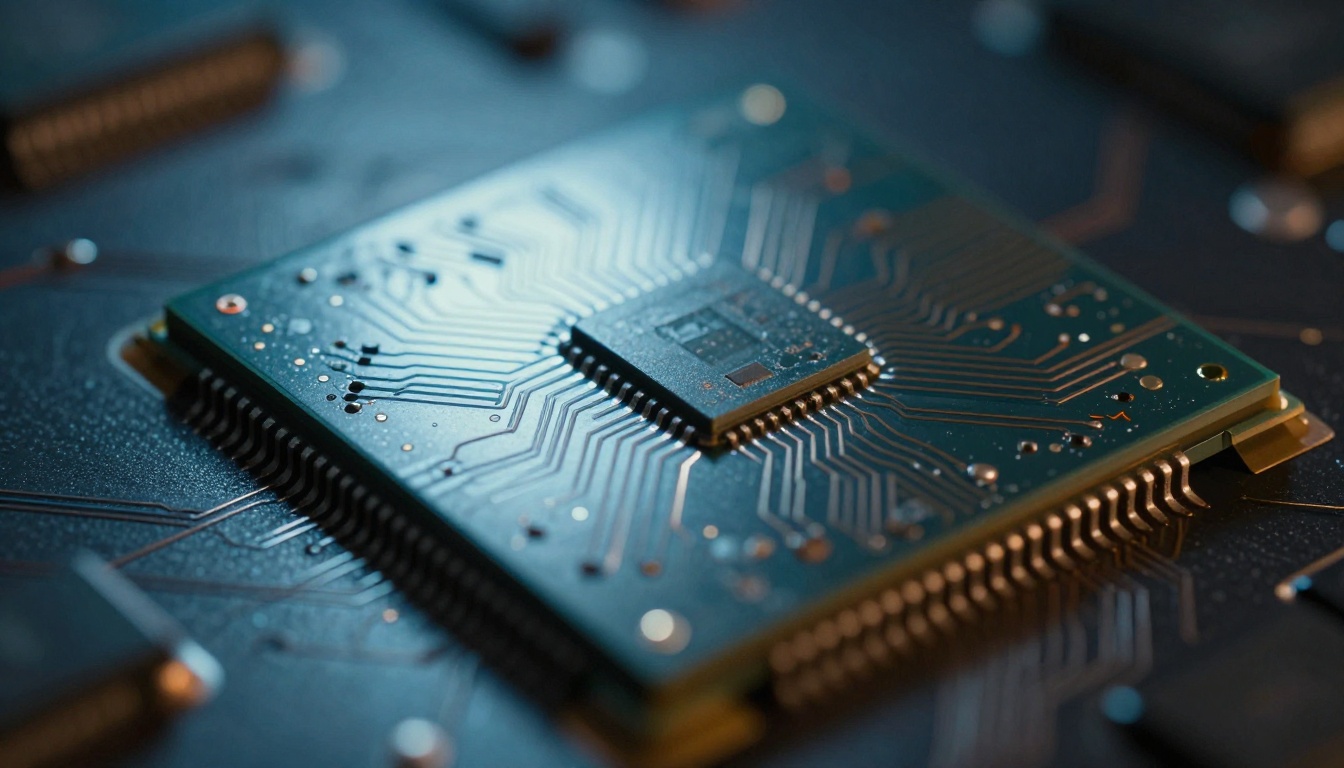
Imagen 4 builds on the cascaded diffusion model architecture that Google introduced in the original Imagen series. The basic idea: generate a low-resolution image, then apply successive upsampling diffusion stages to add detail at each scale.
What changed in Imagen 4 is the conditioning model. Google scaled the text encoder significantly, using a variant of their T5 language model to process prompts at greater depth. This is why text rendering and spatial reasoning improved so dramatically. The model doesn't just match words to image patches. It parses the semantic relationships in the prompt and uses them to constrain the generation at every diffusion step.
The result is a model where complex instructions translate into coherent outputs more often, with fewer hallucinated objects or misplaced subjects in the scene.
Reinforcement Learning From Human Feedback
Google has stated that Imagen 4 went through multiple stages of RLHF (reinforcement learning from human feedback) specifically targeting prompt adherence and aesthetic quality. This is the same method that made GPT models significantly better at following natural language instructions, now applied to image generation at scale.
The practical effect is that Imagen 4 behaves more like a model that has been calibrated by human preference rather than just trained on a large dataset. When outputs drift from what users actually want, RLHF training pulls the model back toward alignment. This shows up most clearly in compositional accuracy and in the model's consistent avoidance of common generation artifacts like misaligned shadows or anatomically incorrect hands.
Where You Can Access Imagen 4
Google AI Studio
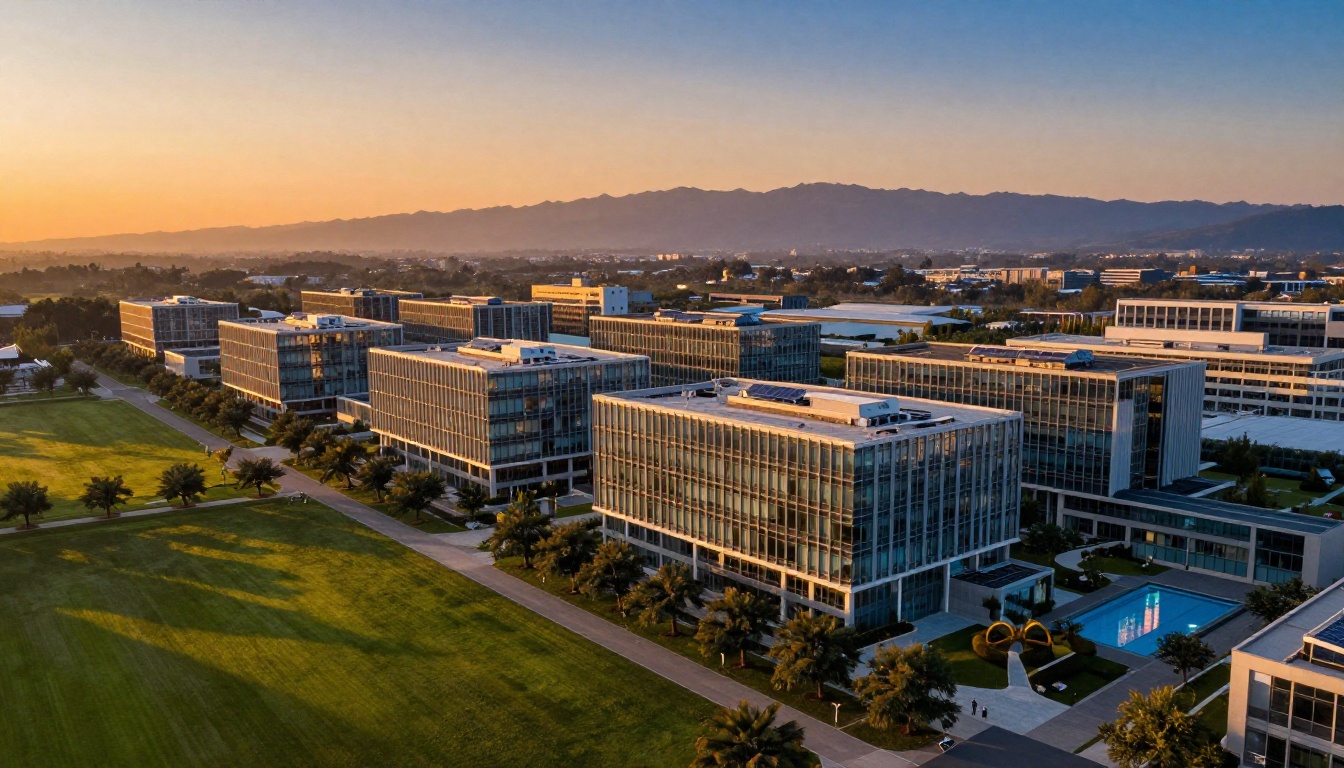
Google AI Studio is the primary consumer-facing access point. Through the Gemini interface, Imagen 4 is available for generating images from text prompts directly in the browser. The interface is clean and fast. You don't need to manage diffusion parameters or sampler settings. Type a prompt, get an image.
For people coming from Midjourney or ChatGPT image generation, the experience is familiar. The results tend to be polished immediately, without extensive prompt tuning required to reach acceptable quality.
Vertex AI for Production Use
For API access and production deployments, Google offers Imagen 4 through Vertex AI. This is the enterprise tier, built for production pipelines, high-volume generation, and integration into existing products and applications.
Vertex AI also provides access to Imagen 4 Ultra, the highest-quality variant, positioned specifically for professional and commercial use cases. The Ultra tier produces noticeably sharper detail and better color accuracy than the standard API endpoint.
Built Into Google Workspace
Google has integrated Imagen 4 into Workspace products including Slides, Docs, and Meet. The image generation features in these tools run on Imagen under the hood, making it one of the most widely deployed image generation models by raw user count, even if it receives less attention in the enthusiast community than Midjourney or Stable Diffusion variants.
Writing Prompts That Work With Imagen 4

Specificity Pays Off
Imagen 4's strong prompt adherence means you get out what you put in. Vague prompts still produce good images, but the model rewards specificity. Instead of "a woman at the beach," try "a woman in a cream linen dress standing on a rocky coastline at golden hour, looking away from camera." The additional context translates directly into the output.
This differs from how Midjourney works. With Midjourney, short evocative prompts often outperform long descriptive ones because the model interprets loosely and adds its own aesthetic choices. Imagen 4 is more literal. Use that to your advantage.
💡 For photorealistic outputs, add camera-specific language: "shot on 85mm f/1.8, Kodak Portra 400, natural light from left." Imagen 4 has been trained to associate this vocabulary with photographic realism and applies the aesthetic consistently.
3 Prompt Styles That Work Best
Three frameworks that consistently produce strong results with Imagen 4:
- Photography prompts: Camera specs, film type, lighting direction, lens characteristics. "Aerial photography, 24mm lens, f/8, golden hour, Sony A1"
- Scene description: Subject, environment, time of day, mood. "A crowded Tokyo intersection at night, rain reflections on pavement, motion blur on pedestrians"
- Compositional direction: Camera angle, framing, depth relationships. "Low angle shot looking upward, shallow depth of field, foreground subject sharp, background bokeh"
What Does Not Work Well Yet
Some prompt patterns produce inconsistent results with Imagen 4:
- Asking for multiple distinct text strings in one image (still unreliable with more than two text elements)
- Highly abstract or surreal concepts that require visual metaphor rather than literal description
- Specific requests for copyrighted visual styles or celebrity likenesses (strong safety filtering applies)
The Broader AI Image Generation Race
Flux 2 and the Open Model Push
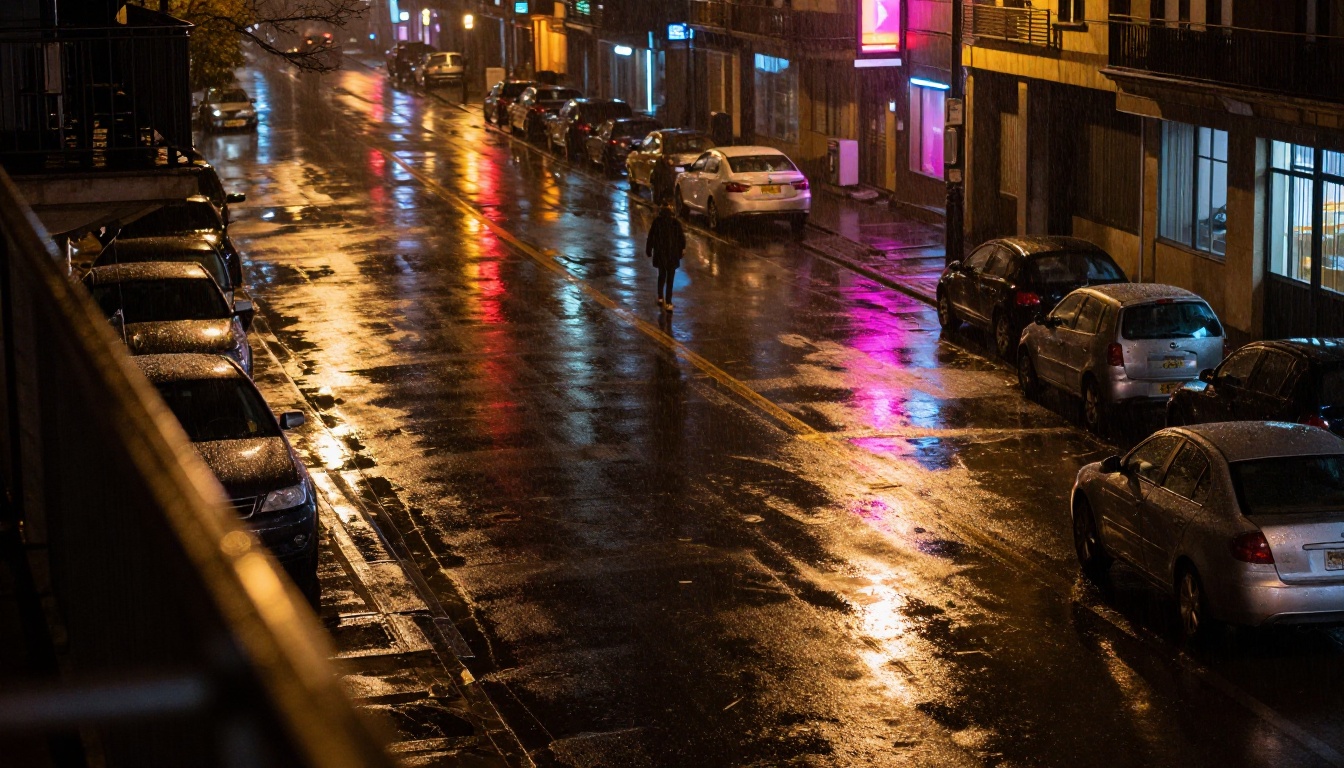
Flux 2 Pro and Flux 2 Max represent the strongest open-architecture competition to Imagen 4. These models are not locked behind a closed API. Developers can deploy them, fine-tune them, and build specialized applications on top of them.
This is a structural difference from Imagen 4. Imagen runs on Google's infrastructure under Google's terms. The Flux ecosystem is distributed, modifiable, and extendable. For many professional use cases, that openness matters more than raw benchmark scores.
Recraft V4 Pro is another strong contender for graphic design and illustration workflows. It produces exceptionally clean typography and vector-like precision, making it the right choice for brand assets and design mockups where Imagen 4 might over-texture the output.
GPT Image 1.5 and GPT Image 2
OpenAI's image generation models remain central to this race. GPT Image 1.5 and GPT Image 2 are tightly integrated into the ChatGPT experience and offer strong performance for instruction-following, particularly for scenes that require parsing complex contextual descriptions. The GPT Image series benefits from OpenAI's language model depth: back-and-forth editing through conversation is more natural than with standalone image models.
Imagen 4 competes directly with the GPT Image series on prompt adherence and photorealism. Neither model holds a definitive edge across all use cases.
Ideogram V3 and the Typography Specialists
Ideogram V3 Turbo and Ideogram V3 Quality built their reputation on accurate text rendering long before Imagen 4 arrived. Ideogram is still the specialist when the primary requirement is clean, legible typography embedded in images. For posters, social media graphics, and marketing visuals with specific copy, Ideogram holds an edge built from deliberate architectural focus on the text-in-image problem.
Imagen 4's text improvements narrow that gap significantly, but Ideogram produces more consistently accurate results when text is the centerpiece of the image rather than an incidental detail.
What This Means for Creators
The Quality Ceiling Keeps Rising
Two years ago, spotting an AI-generated image was mostly straightforward. Today, outputs from Imagen 4, Flux 2 Max, and Midjourney v7 are functionally indistinguishable from photography to most viewers in most contexts. The quality ceiling has moved past the point where this distinction carries practical weight for the majority of applications.
This changes how creators need to think about AI image tools. The question is no longer "is this good enough?" It's "which tool does what I need, at what cost, with what workflow?"
Specialization Over Single-Model Workflows
As each model strengthens, they also differentiate. Imagen 4 excels at photorealism and text rendering. Midjourney v7 owns the artistic aesthetic space. Flux models offer programmability and fine-tuning. Ideogram owns typography. Recraft serves graphic design.
No single model dominates every use case. Professionals working with AI image generation in 2027 are building multi-model workflows, choosing the right tool for each specific output rather than defaulting to one platform for everything.
💡 The multi-model approach is most practical on platforms that give you access to all of them in one place. Comparing outputs across models for the same prompt is the fastest way to calibrate which model fits which task.
Create Your Own AI Images Now
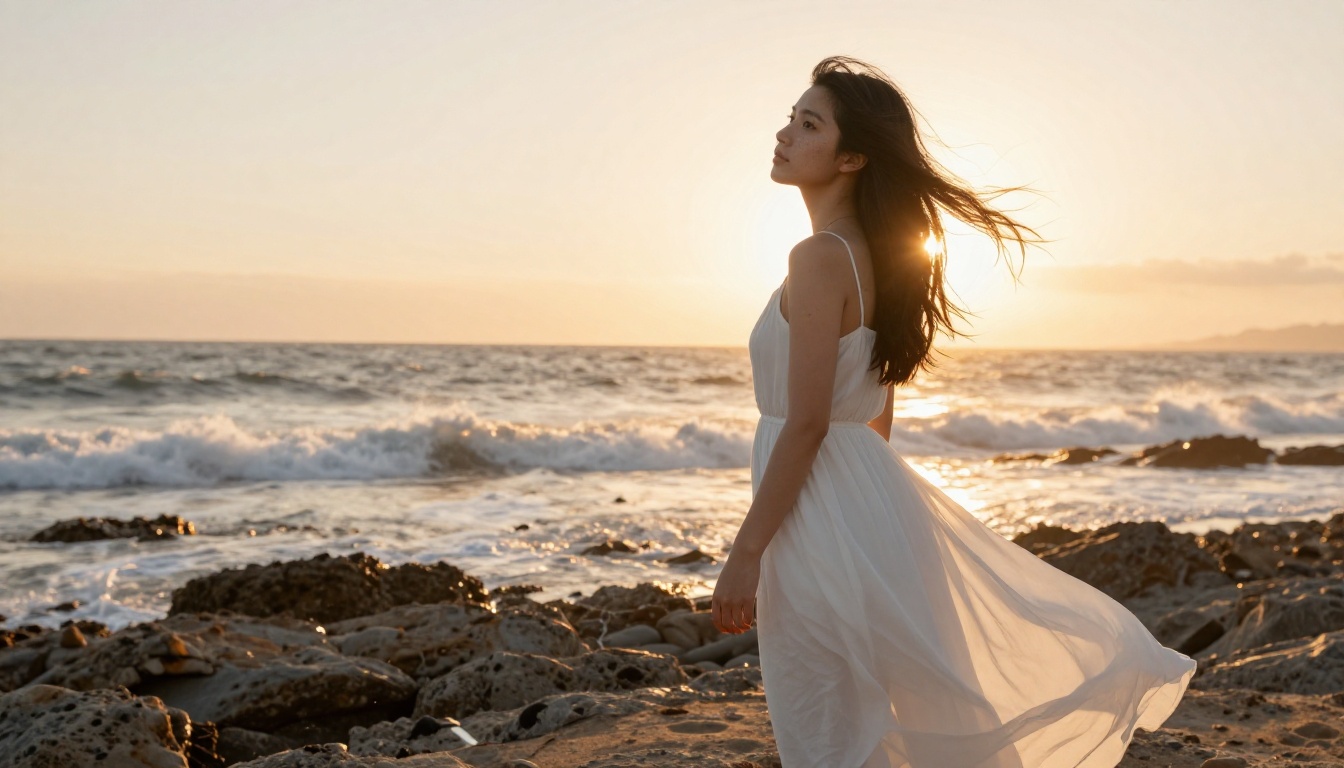
Imagen 4 raised the bar for what a text-to-image model can do in photorealism, text rendering, and prompt adherence. It's Google's most capable image generation model to date, and it competes seriously with every other top-tier model in the space.
But the most important insight from this moment in AI image generation is not about any single model. It's that the field has reached a level of capability where the right tool depends on your specific task, and having access to all of them in one place is a real advantage.
On PicassoIA, you can work with Flux Pro, Flux 2 Max, GPT Image 2, Recraft V4 Pro, Ideogram V3 Turbo, and over 90 other text-to-image models in one place. Pick a prompt, run it across multiple models, and see the differences directly. That is the fastest way to see what each model actually does, not by reading about it, but by running your own prompts and comparing the results side by side.
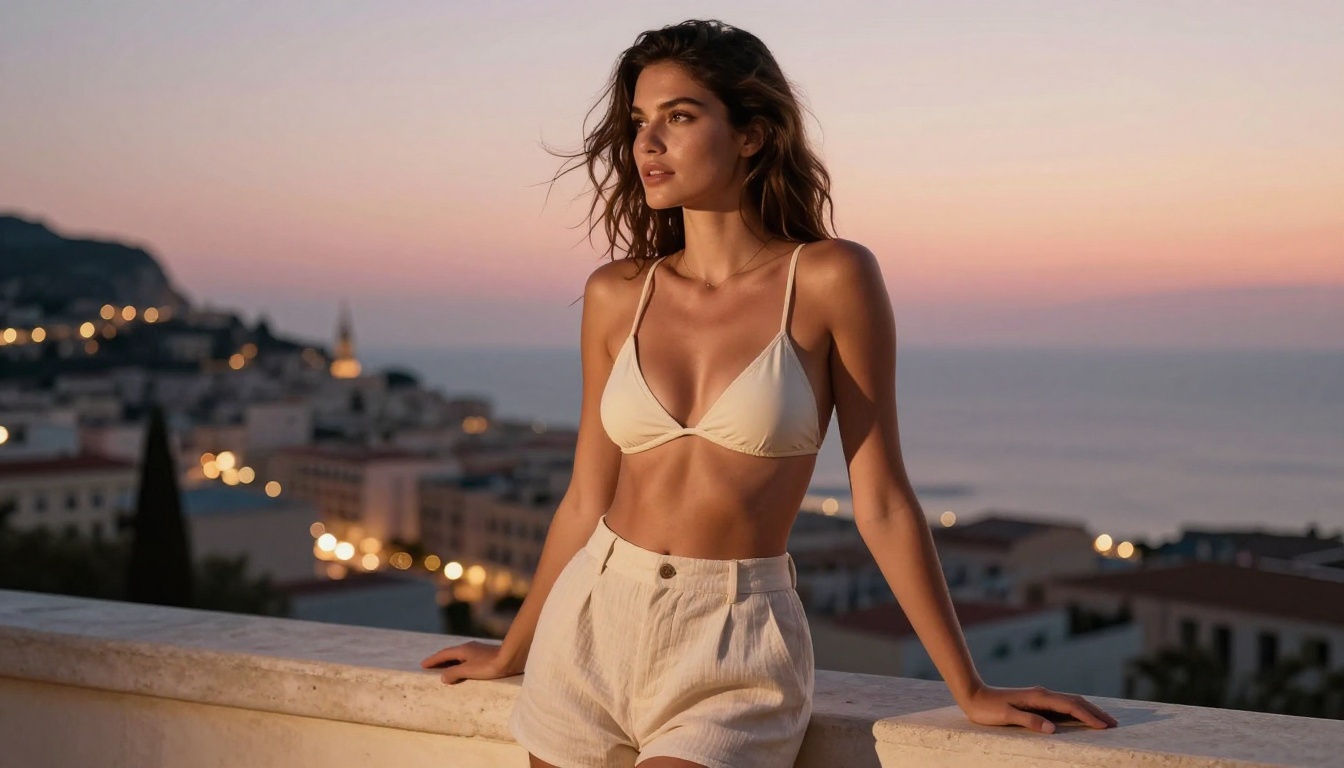
Pick a subject. Write a prompt. See what the best image generation models in the world produce with it right now.


