When Google announced Imagen 4 Ultra, the photography community held its breath. For years, AI image generation struggled with the uncanny valley—those subtle imperfections that separate convincing simulations from genuine photorealism. With Imagen 4 Ultra, Google claims to have crossed that threshold. The evidence suggests they might be right. This isn't just another image generator; it's a physics engine disguised as creative software, one that understands light, material, and biology with scientific precision.
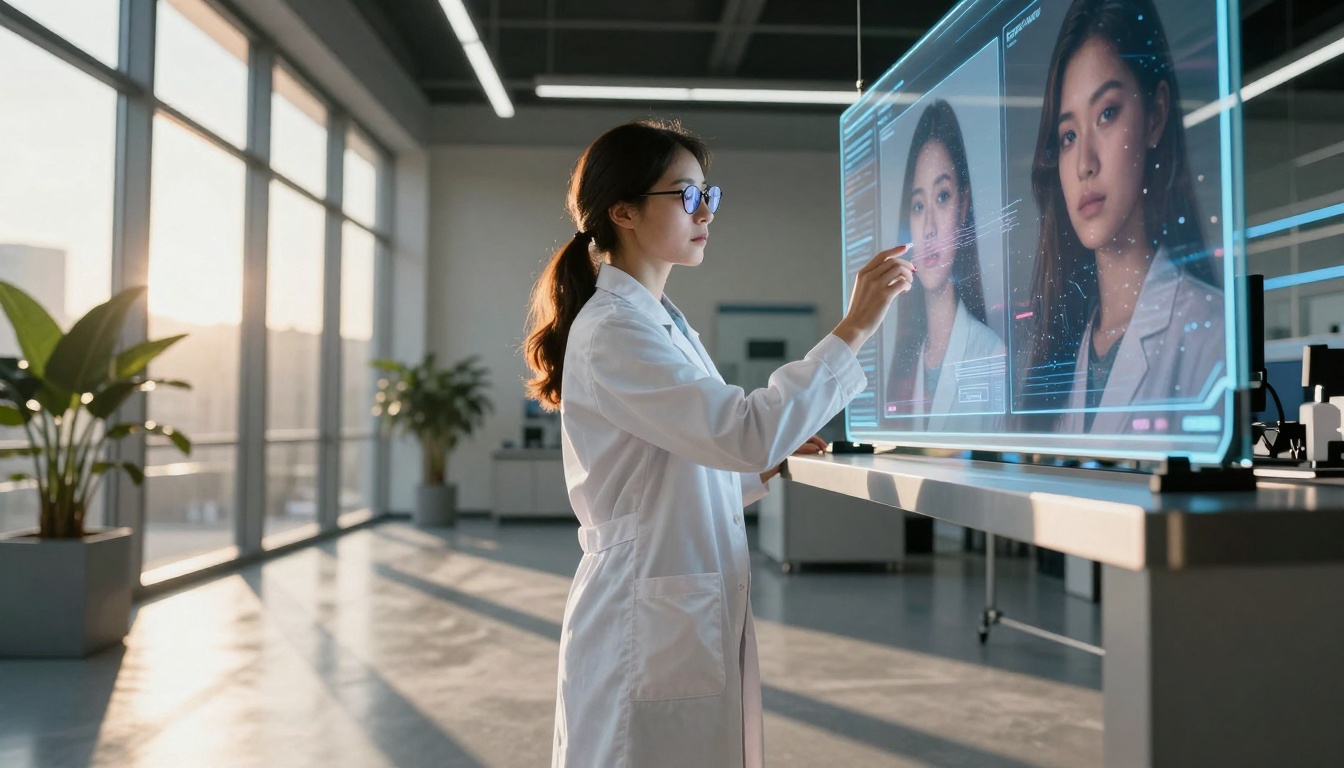
Research environment showcasing Imagen 4 Ultra's comparison capabilities
What Makes Imagen 4 Ultra Different
Previous AI image models like Stable Diffusion, SDXL, and even Google's own Imagen 3 produced impressive results but often betrayed their digital origins through predictable patterns, lighting inconsistencies, or material inaccuracies. Imagen 4 Ultra approaches the problem differently by simulating the entire photographic process from first principles.
The Physics-First Approach
Imagen 4 Ultra doesn't just generate pixels; it simulates light interaction with materials. When you request an image of leather, the system doesn't paste a leather texture—it calculates how light scatters across collagen fibers, how surface oils create specular highlights, and how stitching creates shadow patterns. This physics-first approach explains why its outputs feel genuinely photographic rather than computationally generated.
💡 Key Insight: Unlike models that learn from image datasets alone, Imagen 4 Ultra incorporates material science databases, lighting physics simulations, and optical lens characteristics into its training pipeline.
Biological Accuracy in Portraiture
The most immediate improvement appears in human rendering. Earlier models like Flux Pro or Realistic Vision created convincing faces but often missed subtle biological details. Imagen 4 Ultra captures what photographers call "skin truth"—the complex interplay of subsurface scattering, capillary networks, and epidermal texture that makes skin look alive rather than rendered.
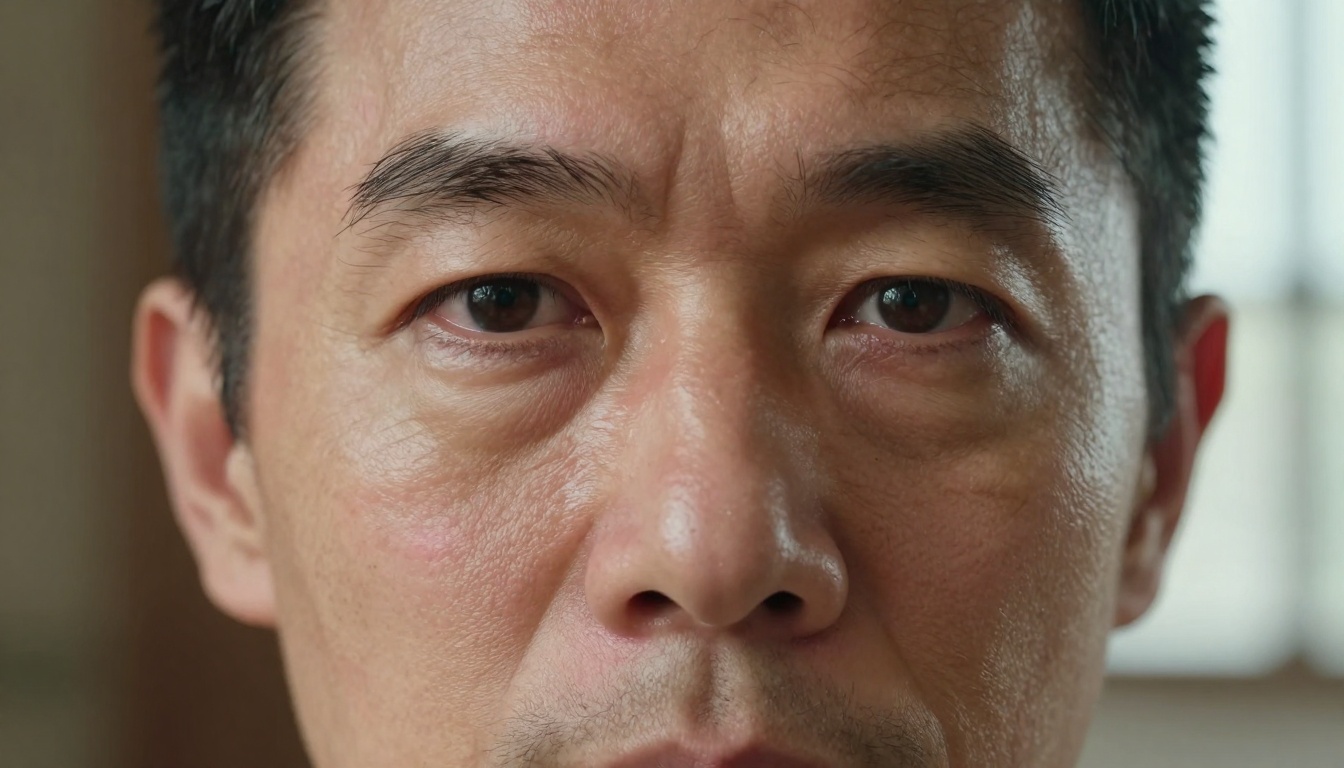
Extreme macro detail showing biological accuracy of skin rendering
Material Rendering Breakthroughs
Professional photographers spend years learning how different materials interact with light. Imagen 4 Ultra appears to have mastered this knowledge across dozens of material categories.
Metallic Surfaces and Machining Marks
Polished metals show directional grain patterns from machining processes. Brushed stainless steel displays consistent scratch directionality. Anodized aluminum exhibits subtle color variations from thickness inconsistencies. These aren't artistic choices—they're physical properties that Imagen 4 Ultra replicates with engineering precision.
Glass and Transparency Physics
Glass rendering has been a persistent challenge for AI models. Imagen 4 Ultra solves this by simulating refraction indices, double-pane reflections, anti-reflective coating effects, and surface contamination like fingerprints and water spots. The result is glass that looks installed in a real environment rather than digitally composited.
Fabric Drape and Weight
Silk chiffon behaves differently than wool gabardine. Imagen 4 Ultra understands fabric weight, weave density, and drape characteristics. When generating clothing, it calculates how gravity affects fold patterns, how fabric tension creates seam puckering, and how light transmission varies across transparent materials.
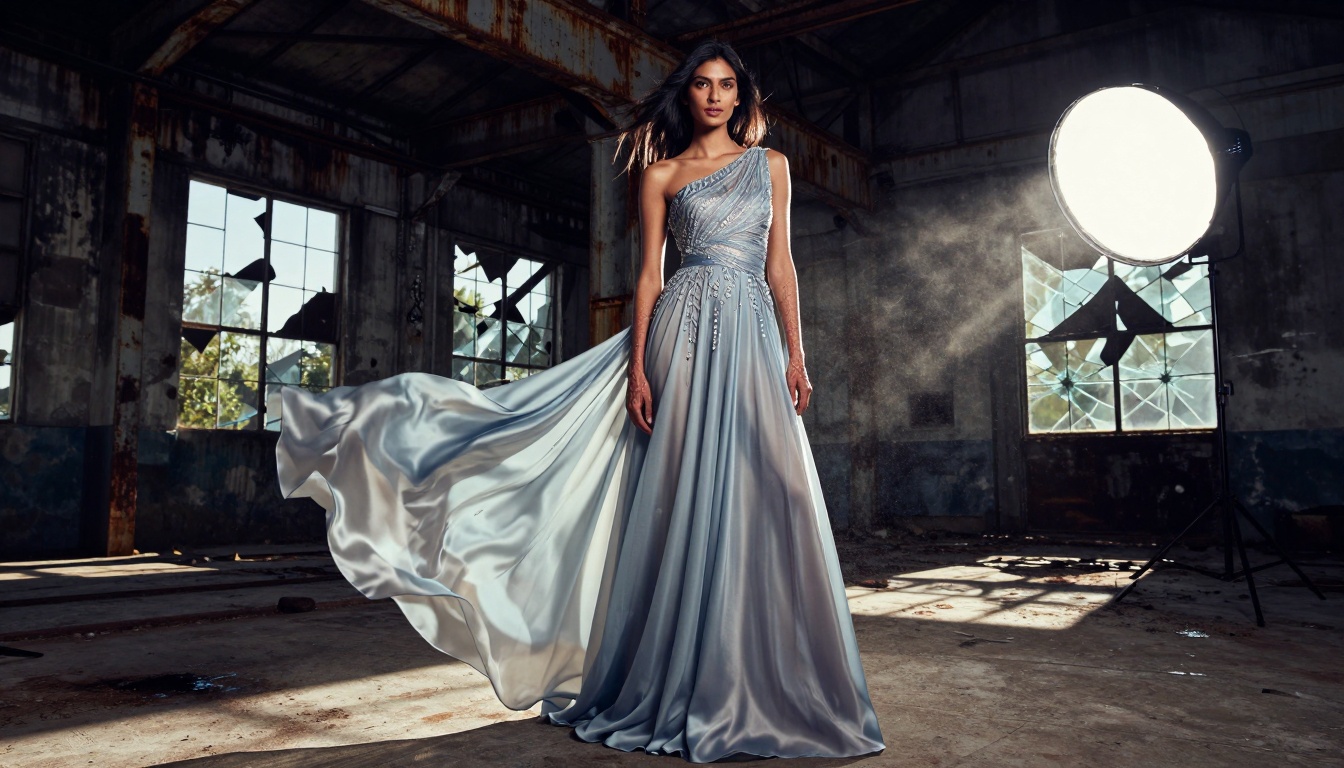
Fabric physics simulation in haute couture rendering
Lighting Simulation: Beyond Basic Shadows
Light defines photography. Imagen 4 Ultra's lighting simulation goes beyond simple shadow casting to replicate complex optical phenomena.
Volumetric Lighting and Atmospheric Effects
Fog, smoke, dust particles, and atmospheric haze scatter light in specific ways. Imagen 4 Ultra calculates these scattering patterns based on particle density, light wavelength, and viewing angle. This explains why its outdoor scenes feel atmospherically authentic rather than digitally clean.
Multiple Light Source Interaction
Most AI models struggle with complex lighting setups. Imagen 4 Ultra handles multiple light sources with accurate color temperature mixing, shadow overlap calculations, and highlight placement. Studio photography setups with key lights, fill lights, and hair lights render with professional accuracy.
Natural Light Conditions
Golden hour, blue hour, midday sun—each creates distinct lighting characteristics. Imagen 4 Ultra doesn't just change color temperature; it adjusts shadow hardness based on sun angle, calculates atmospheric color shifts, and simulates how light quality changes throughout the day.
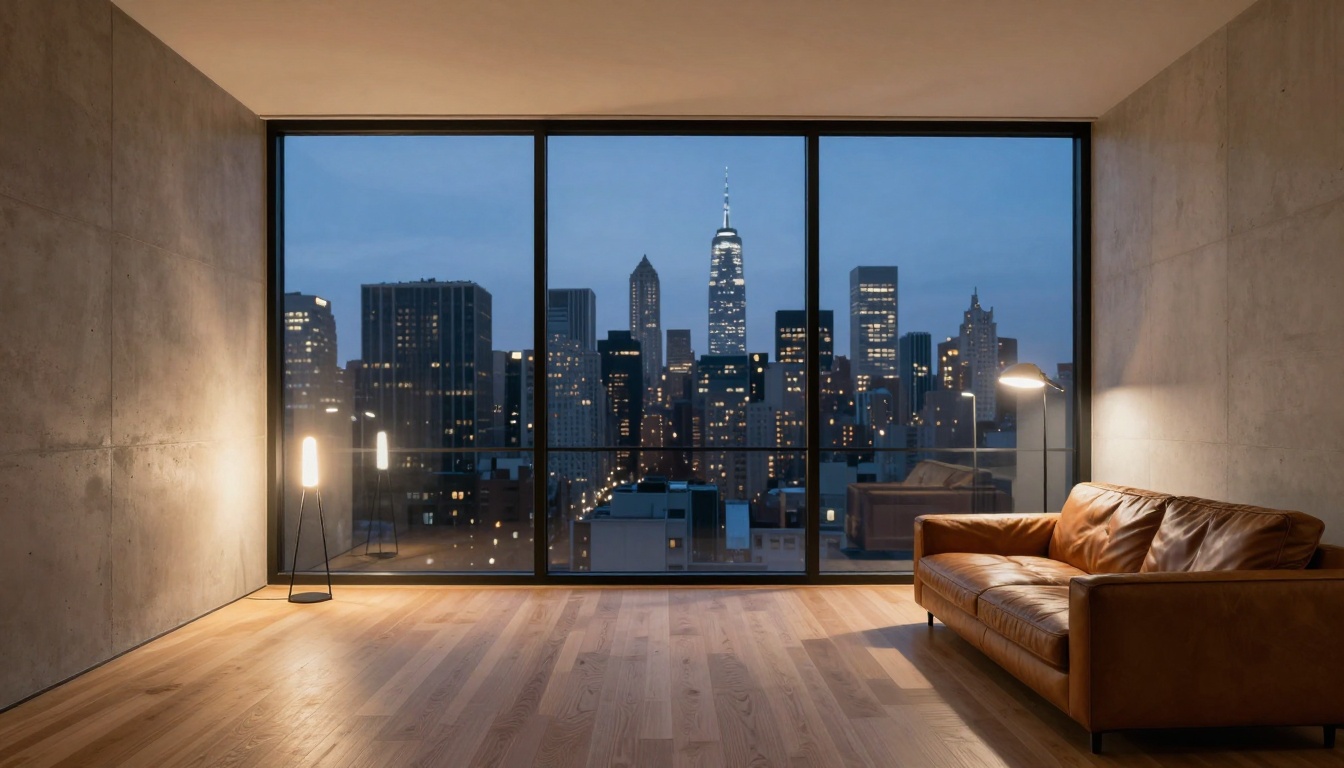
Complex lighting balance between interior artificial light and exterior city glow
Professional Photography Applications
Imagen 4 Ultra's realism opens practical applications across photography specialties previously resistant to AI generation.
Product Photography Revolution
E-commerce product photography requires consistent lighting, accurate color representation, and material authenticity. Imagen 4 Ultra can generate product shots with studio-quality lighting without physical setup costs. The implications for small businesses and rapid prototyping are significant.
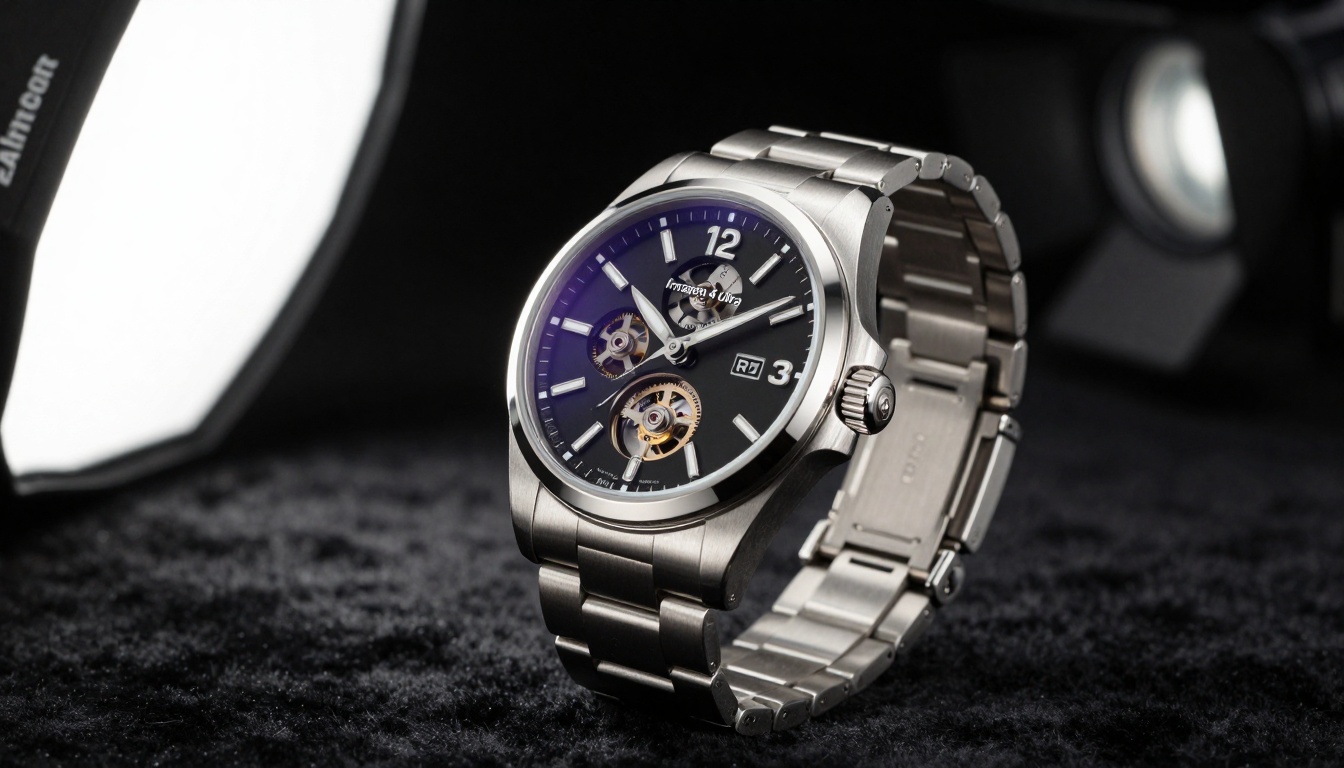
Luxury watch rendering with material accuracy and studio lighting
Architectural Visualization
Traditional architectural rendering involves complex 3D modeling and lighting setup. Imagen 4 Ultra can generate architectural photography with correct perspective, material properties, and environmental context. The system understands architectural photography conventions like straight vertical lines, leveled horizons, and appropriate lens choices.
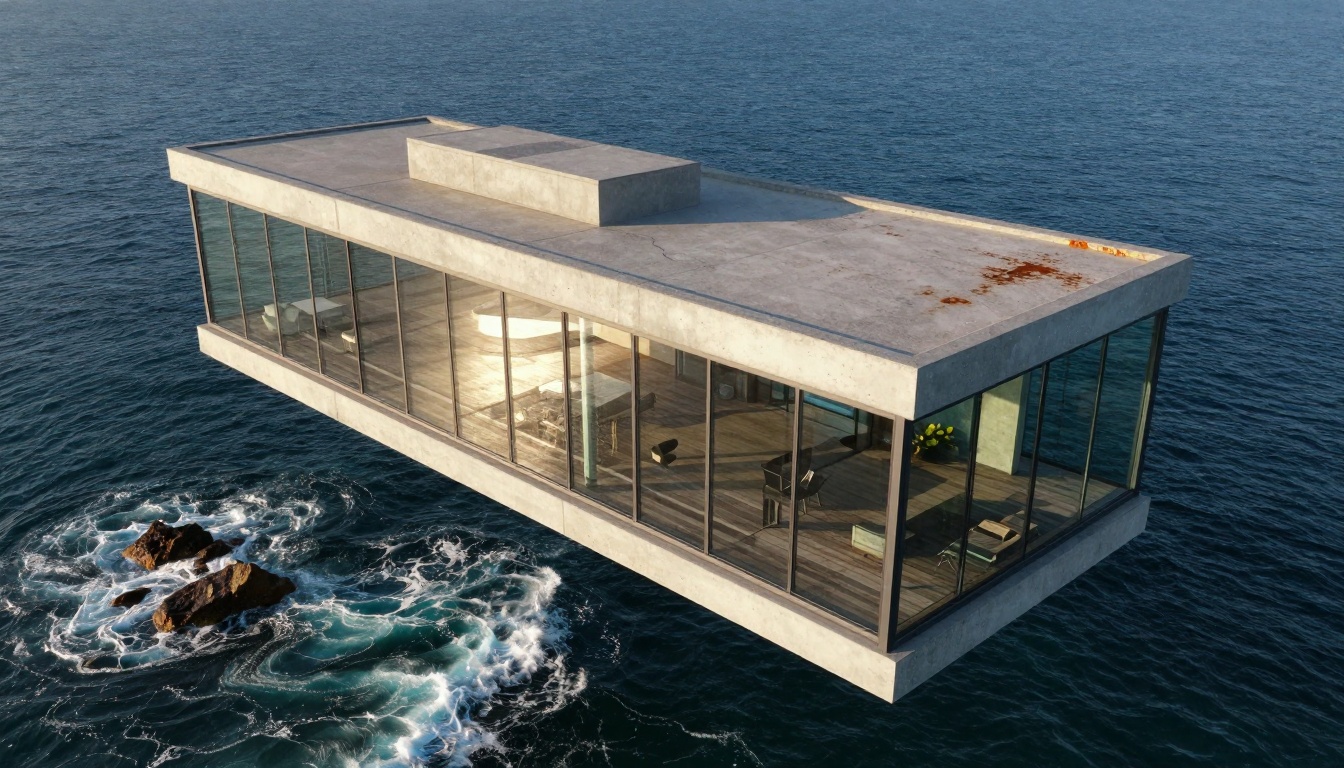
Aerial perspective showing architectural material accuracy
Documentary and Editorial Work
Photojournalism and documentary photography demand environmental authenticity. Imagen 4 Ultra can generate scenes with specific time periods, locations, and cultural contexts while maintaining photographic integrity. The system appears to understand photographic genres and their conventions.
Technical Comparisons with Competing Models
How does Imagen 4 Ultra compare to other leading image generators available on platforms like PicassoIA?
| Feature | Imagen 4 Ultra | Flux Schnell | Stable Diffusion 3.5 | Ideogram V3 |
|---|
| Material Accuracy | Physics-based simulation | Pattern-based generation | Texture application | Stylized rendering |
| Lighting Physics | Full simulation | Basic shadows | Directional lighting | Atmospheric effects |
| Biological Realism | Medical-grade detail | Convincing approximation | Variable quality | Artistic interpretation |
| Architectural Precision | Engineering accuracy | Creative interpretation | Structural basics | Design-focused |
| Environmental Context | Ecosystem understanding | Background generation | Scene composition | Narrative setting |
Strengths Over Previous Generations
Imagen 4 Ultra demonstrates specific improvements over Google's earlier Imagen 3 Fast model:
- Consistency Across Scales: Details remain accurate from macro to wide-angle views
- Lighting Continuity: Shadows maintain direction and quality throughout compositions
- Material Continuity: Surface properties remain consistent under different lighting conditions
- Environmental Cohesion: All elements share the same atmospheric conditions
Practical Implementation Considerations
While Imagen 4 Ultra represents a technical breakthrough, practical implementation requires understanding its strengths and current limitations.
Optimal Use Cases
Based on evaluation, Imagen 4 Ultra excels in these specific applications:
- Commercial product photography requiring material accuracy
- Architectural visualization needing correct perspective and lighting
- Portrait work demanding biological realism
- Environmental documentation requiring ecosystem accuracy
- Scientific illustration needing technical precision
Current Limitations
Despite its advancements, Imagen 4 Ultra still shows some constraints:
- Computational Requirements: Physics simulation demands significant processing power
- Generation Speed: More complex than pattern-based models like Z-Image Turbo
- Specialized Knowledge Required: Optimal results need understanding of photographic principles
- Niche Application Focus: May not excel at highly stylized or abstract work
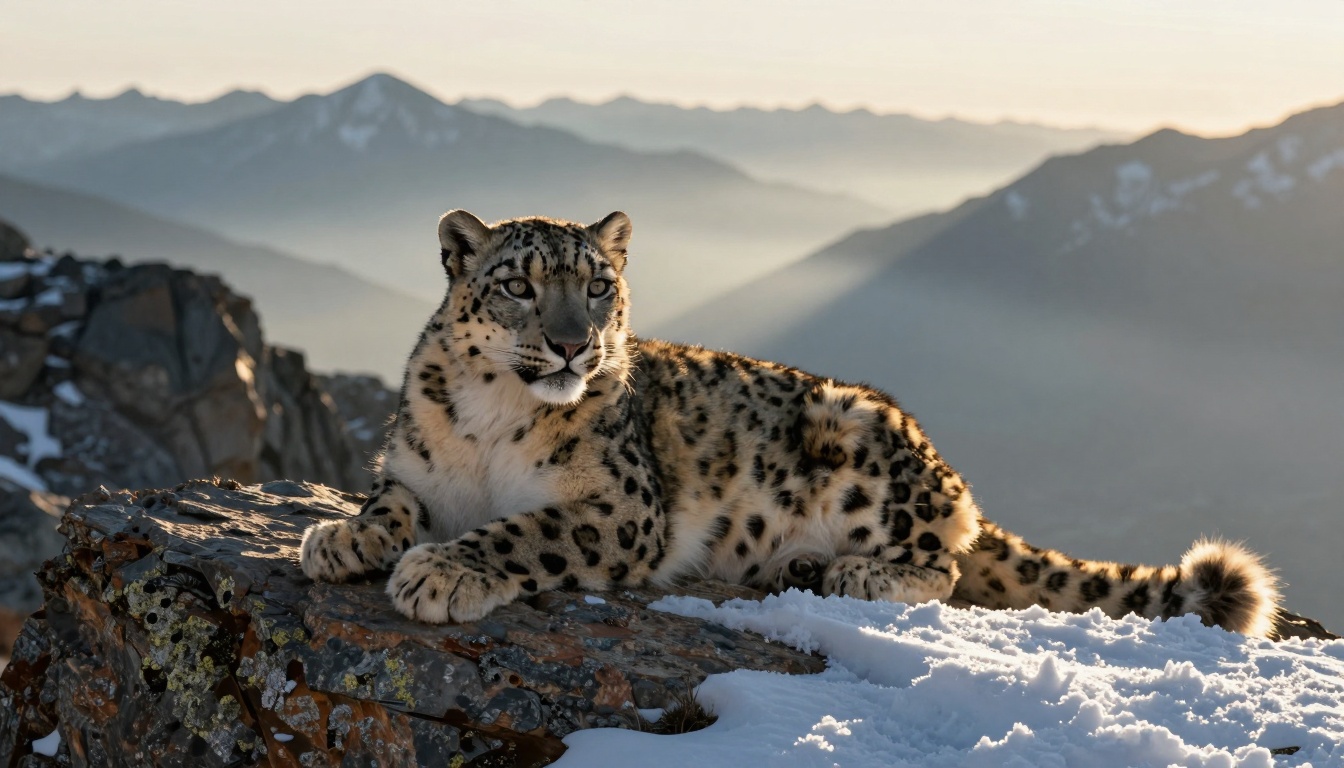
Wildlife rendering with biological and environmental accuracy
The Photographic Industry Impact
Imagen 4 Ultra's arrival coincides with broader industry shifts. Professional photographers increasingly integrate AI tools into workflows, using models like GPT Image 1.5 for conceptual work and P-Image Edit for rapid editing.
Workflow Integration Strategies
Forward-thinking studios are developing hybrid workflows:
- Concept Development: Use faster models like Flux Dev for rapid iteration
- Final Rendering: Employ Imagen 4 Ultra for photorealistic outputs
- Post-Processing: Apply traditional editing techniques for final polish
- Quality Assurance: Compare against reference photography for accuracy validation
Ethical Considerations
As AI approaches photographic realism, ethical questions emerge:
- Authenticity Standards: When does AI-generated content require disclosure?
- Professional Integrity: How do photographers maintain artistic identity?
- Market Impact: What happens to stock photography and commercial shoots?
- Creative Ownership: Who controls the aesthetic direction of AI-assisted work?
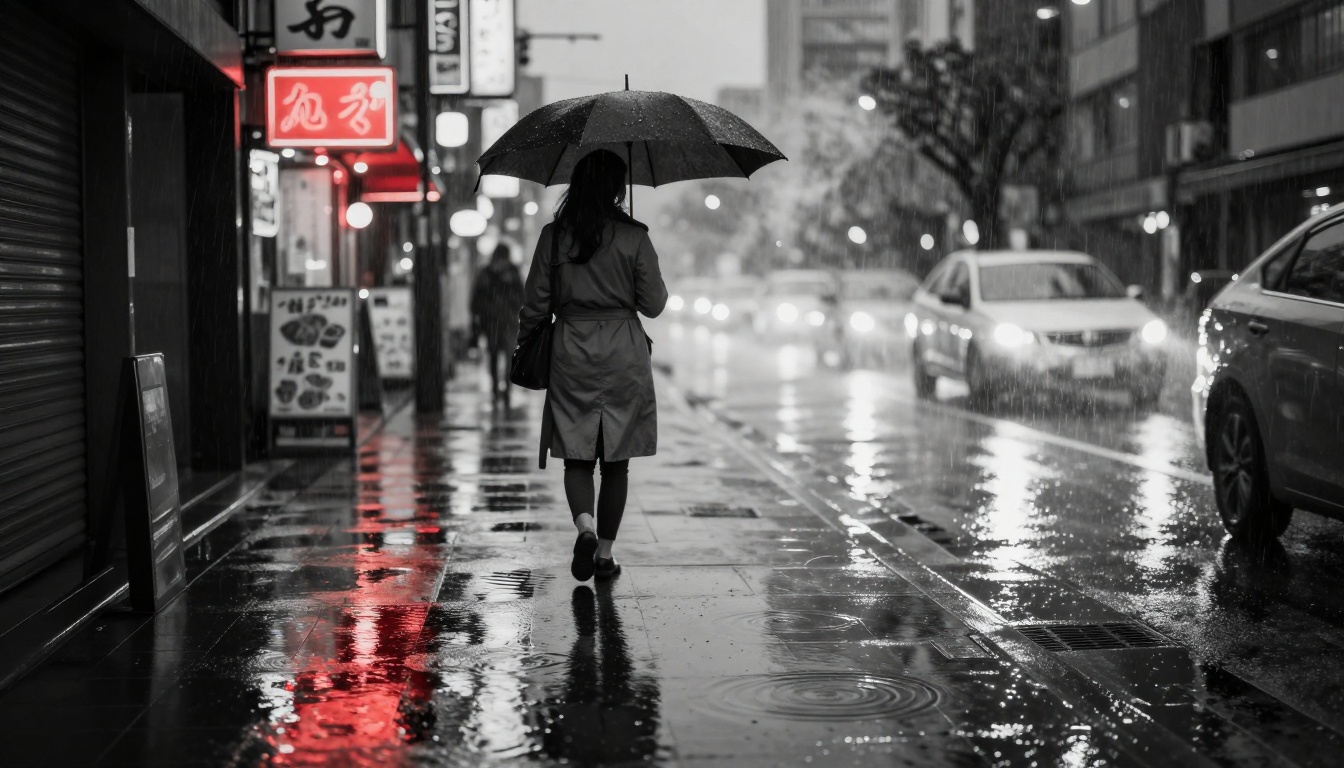
Street photography with atmospheric and lighting accuracy
Getting Started with Photorealistic AI
For photographers interested in exploring Imagen 4 Ultra's capabilities, several approaches yield best results:
Prompt Engineering for Photographers
Traditional AI prompt engineering focuses on descriptive language. For Imagen 4 Ultra, photographic terminology produces superior results:
- Instead of: "A beautiful sunset portrait"
- Use: "85mm f/1.8 portrait with golden hour backlight, subject positioned for catchlights in eyes, shallow depth of field isolating from background"
Reference Photography Integration
Provide Imagen 4 Ultra with specific photographic references:
- Lighting Examples: Share images demonstrating desired lighting quality
- Material References: Include photos showing target material characteristics
- Composition Guides: Provide examples of framing and perspective
- Atmospheric Conditions: Reference images with target environmental qualities
Iterative Refinement Process
Achieving optimal results often requires iteration:
- Initial Generation: Create base image with broad parameters
- Analysis: Identify areas needing improvement
- Parameter Adjustment: Refine lighting, material, or composition specifics
- Regeneration: Produce refined version with targeted improvements
- Comparison: Evaluate against photographic benchmarks
The Future of AI-Assisted Photography
Imagen 4 Ultra represents a turning point, not an endpoint. As physics simulation improves and computational efficiency increases, several developments seem inevitable:
- Real-Time Generation: Eventually approaching photography's instant capture
- Specialized Models: Industry-specific versions for medical, scientific, or forensic applications
- Hybrid Systems: Combining AI generation with traditional photography for unique creative possibilities
- Educational Tools: Using AI to teach photographic principles through simulation
The most exciting possibility isn't AI replacing photography, but expanding what photography can be. Just as digital cameras didn't eliminate film but created new creative possibilities, AI image generation opens avenues for visual expression previously constrained by physical reality.
For photographers ready to explore these possibilities, platforms like PicassoIA offer access to Imagen 4 Ultra alongside complementary models like Nano Banana Pro for speed and Qwen Image for creative variations. The combination of these tools creates a versatile toolkit for modern visual creation.
The question isn't whether AI will change photography—it already has. The real question is how photographers will harness these capabilities to create work that expands beyond what's possible with traditional methods alone. Imagen 4 Ultra provides one answer: by understanding light, material, and biology with scientific precision, it offers a foundation for creating images that feel authentically photographic while exploring possibilities beyond physical constraints.
Try generating your own photorealistic images with the Imagen 4 Ultra model available on PicassoIA. Experiment with different photographic scenarios, from studio product shots to environmental portraits, and see how the physics-based approach translates to your specific creative needs. The results might surprise you with their authenticity and technical precision.


