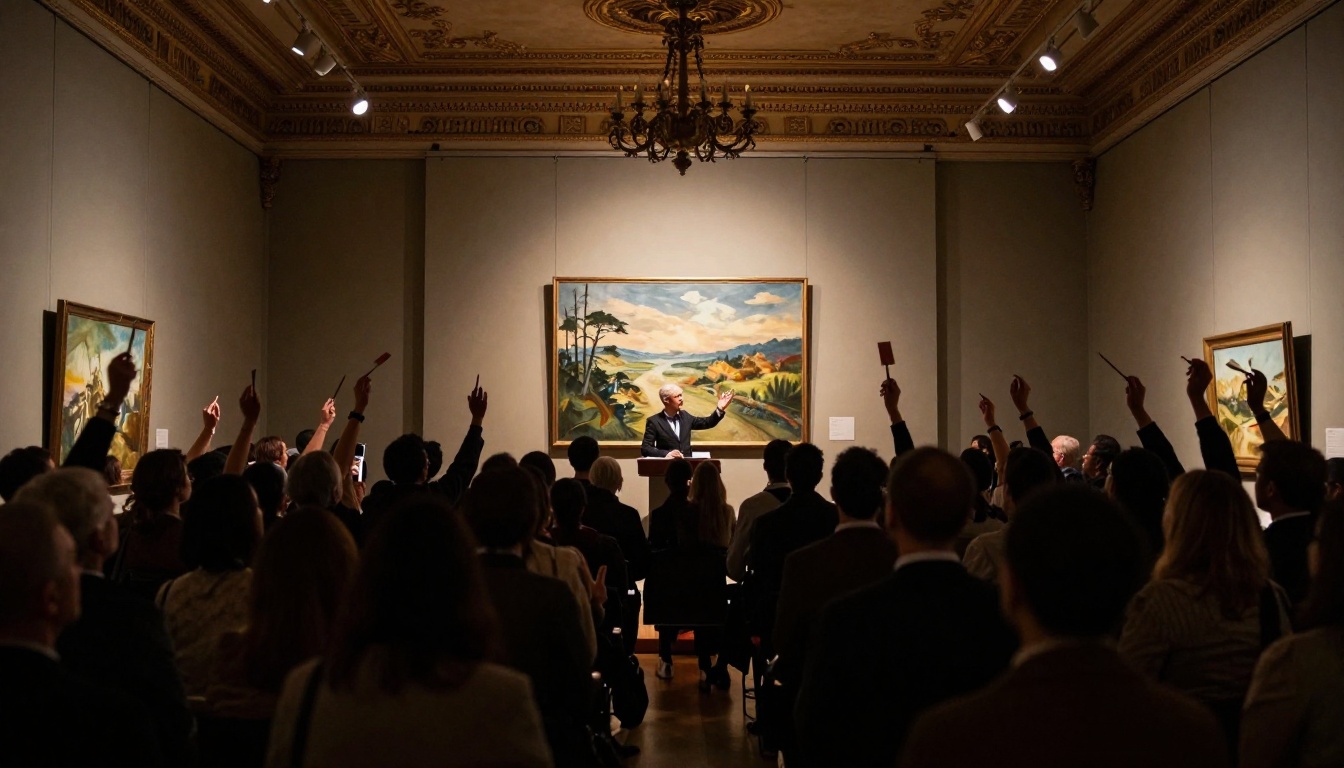
The question hit Reddit threads, Twitter arguments, and art school classrooms around the same time: if a computer generates an image from your text prompt, is that art? Two years into the AI image explosion, nobody agrees. The debate is getting louder, more specific, and in some cases, more personal than anyone expected. Here is a clear-eyed look at what people across the creative world are actually saying, and why the answer matters more than you might think.
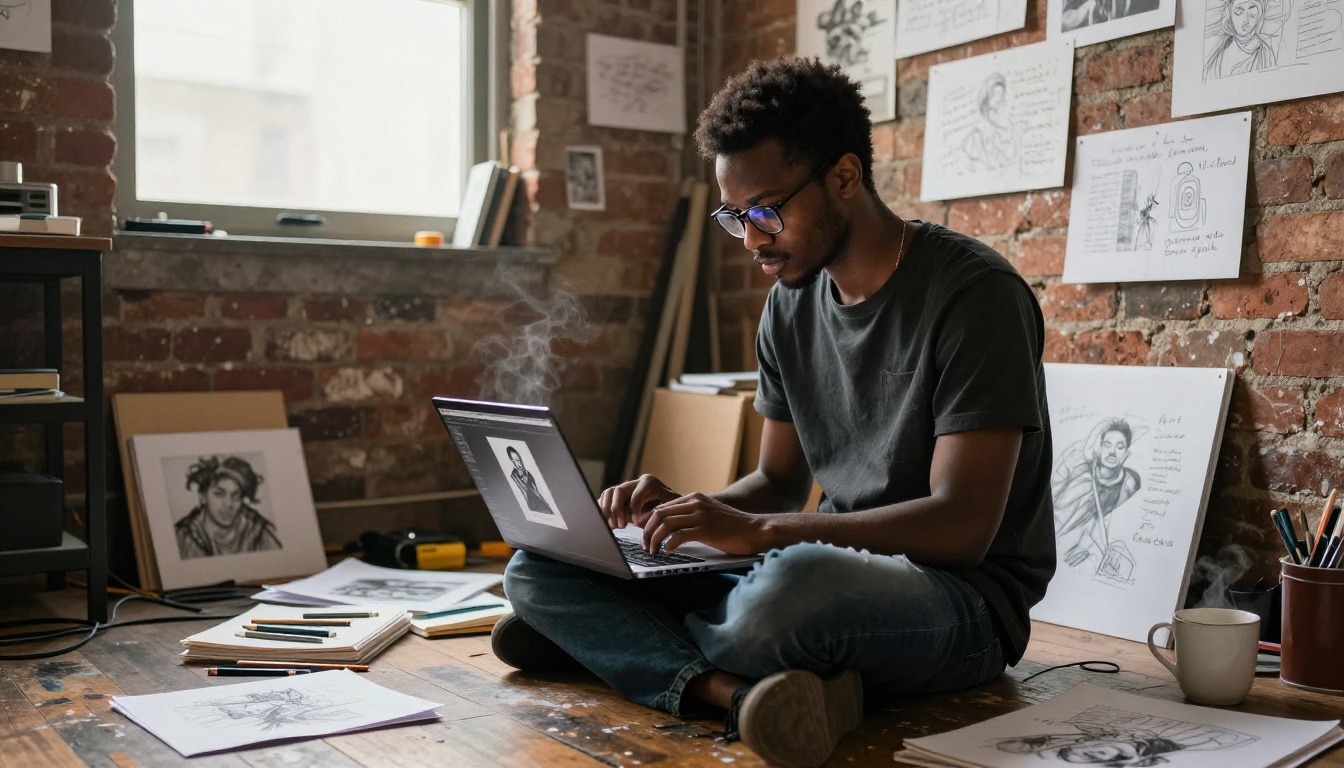
The Question That Split the Internet
It started with a few viral posts. AI image outputs flooded social media with visuals that looked like professional concept art, photorealistic portraits, and painterly landscapes, all generated in seconds. The response was immediate and polarized.
Two Camps, One Argument
On one side: artists, illustrators, and designers who spent years building technical skills, suddenly watching AI tools produce comparable outputs without a single hour of practice. On the other: technologists, philosophers, and creatives who see AI as the next step in art's long history of tool adoption, from the camera to Photoshop.
The argument has two cores. The first is about effort and intentionality. Does art require human struggle, skill-building, and emotional risk? The second is about originality. If an AI was trained on millions of human artworks, is its output truly new, or is it sophisticated collage?
Neither question has a clean answer. That is why the conversation keeps going.
Why This Feels So Personal
For working artists, this is not abstract. It is a livelihood question. Stock image platforms are showing drops in demand for human-made illustrations. Book jacket commissions that once went to freelance artists are going to prompts. The emotional charge in this debate comes from real economic anxiety, not wounded pride.
For AI enthusiasts, the dismissal of AI images feels equally personal. Many people using these tools describe genuine creative investment: hours crafting prompts, iterating on compositions, developing a visual style. Being told that is "not art" feels like having their expression invalidated.
What Artists Actually Say
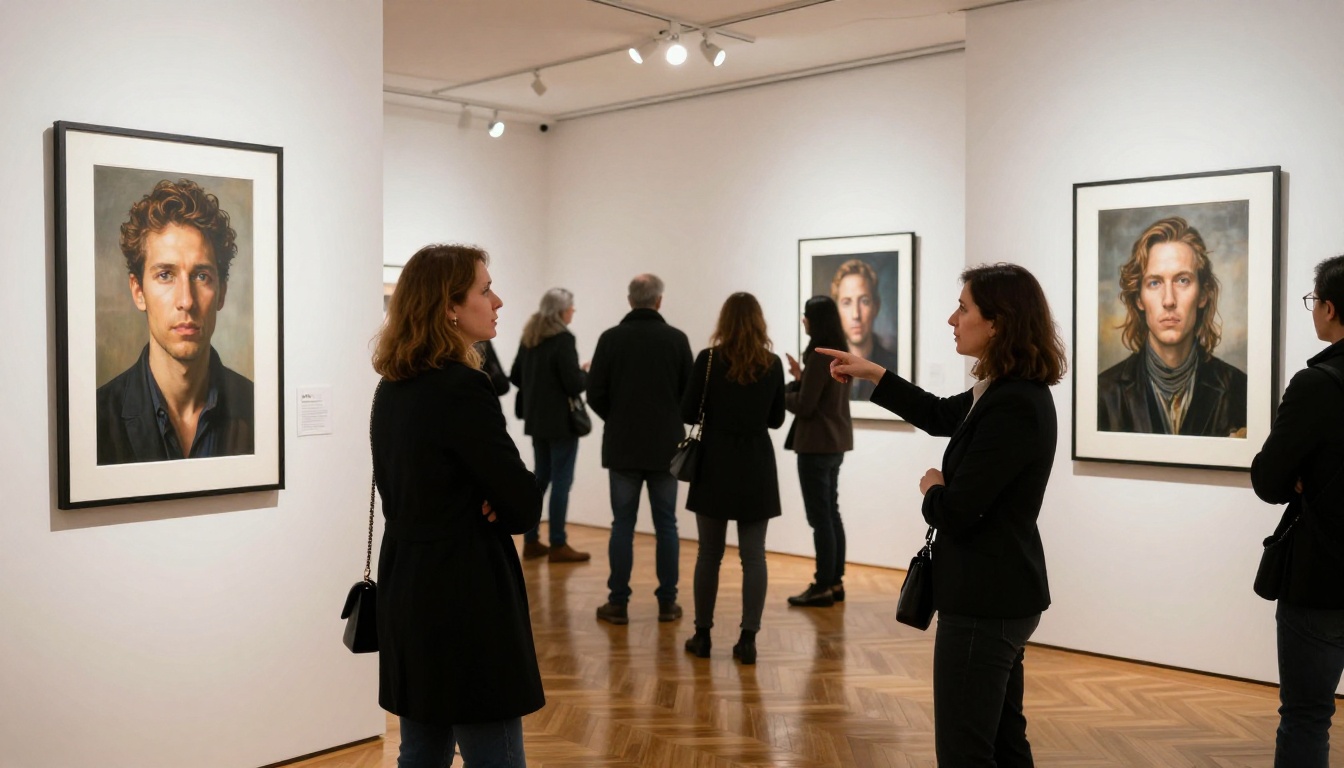
Professional artists are not a monolithic group on this issue. There is a sharp split, even within established art communities.
The "It's Not Real Art" Side
The most common objection from working artists centers on process over product. As one illustrator put it in a widely-shared essay: "Art is not the image, it is the decisions. Every brushstroke is a choice. Every color relationship is something you solved. AI collapses all of that into a button press."
This perspective values the journey of creation. The argument is that artistic growth, struggle, and problem-solving are inseparable from the work itself. An AI bypasses all of it.
A related concern is training data extraction. AI image models were built on vast datasets of human art, much of it without consent from the original creators. Many artists feel their work was taken to build a system that now competes directly against them. For some, it is a legal issue, not just a philosophical one.
💡 A 2023 survey of 1,000 professional illustrators found that 71% believed AI image tools represented an unfair use of their work for training data, and 58% had already seen a measurable drop in commission requests.
The "Tools Are Tools" Side
A significant number of working artists, including some with decades of experience, take a different position. They point to art history's long pattern of resistance to new tools. When photography emerged in the 19th century, painters declared it would kill art. It did not. It changed art, and photography became its own major artistic form.
The same happened with digital illustration. Early Photoshop work was dismissed as "not real" by traditionalists. Today it is entirely mainstream.
These artists argue that intentionality and curation are themselves creative acts. Choosing what to prompt, how to frame a request, which outputs to select, how to combine AI-generated elements with other work, these are decisions that require aesthetic judgment. Judgment, they say, is the core of artistic practice.
What Critics and Academics Think
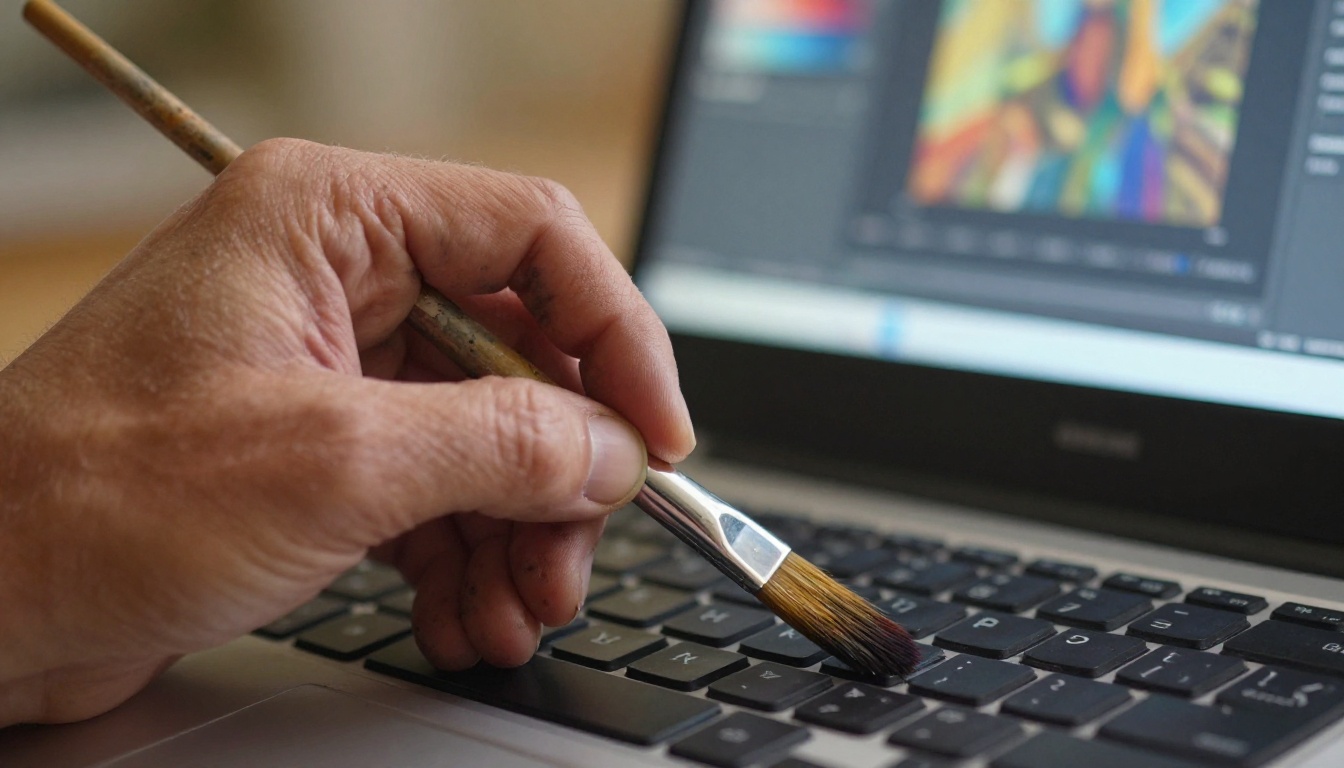
Art critics and academics have approached this debate with predictable nuance, and with some surprising conclusions.
Rethinking What Art Even Is
The philosophical definition of art has never been stable. Marcel Duchamp placed a urinal in a gallery in 1917 and called it art. Andy Warhol had assistants produce much of his work. Damien Hirst leads a studio of fabricators. The "artist as sole maker" model has been challenged repeatedly throughout the 20th century.
Most academic definitions of art today focus on communicative intent and contextual framing rather than technical execution. By those standards, an AI image presented in a gallery context, with human curation and narrative intent behind it, does qualify.
The more interesting academic question is whether AI images can carry the kind of emotional sincerity we associate with powerful art. A painting by Frida Kahlo communicates her suffering directly. Can an AI image communicate anything beyond the competence of its training data?
Critics are divided. Some argue that the human who crafts the prompt, selects the output, and decides its context is the artist, and that their emotional intent flows through the work. Others say something essential is lost when the generating entity has no experience, no pain, no joy, no stake in the outcome.
The Creative Process Question
One framework gaining traction in academic circles separates art into concept and execution. Under this model, the artist is responsible for concept, and execution is a craft skill that can be delegated or automated. Architecture has always worked this way: the architect holds the vision, others build it.
If you accept this framework, AI art is art when the human behind the prompt has genuine creative intent. The tool does not disqualify the work, any more than a camera disqualifies photography.
The Public Weighs In
Outside professional art circles, public opinion is notably more relaxed about AI images, with some important exceptions.
Social Media's Verdict
On platforms like Instagram and TikTok, AI-generated images regularly accumulate millions of views and enthusiastic comments, often without any disclosure. When disclosure does happen, reactions are mixed. Many people shrug and say they enjoy the image regardless of how it was made. Others feel deceived, particularly when AI images appear in contexts where human authorship was implied.
The strongest negative reactions tend to cluster around specific problematic cases: AI images using a real artist's distinctive style without credit, AI-generated portraits of real people presented as genuine photographs, and AI images used to misrepresent events. These cases generate real anger, and they shape broader public perception of AI art.
What Regular People Actually Care About
Polling and social data suggest most people outside the art world are less concerned with the philosophical question and more focused on practical ones. Is it beautiful? Is it original? Is it honest about what it is?
When those criteria are met, public reception is generally positive. People enjoy AI-generated images. Many are using them daily. The philosophical debate feels distant from the experience of people who are discovering for the first time that they can create compelling visuals without years of training.
💡 A 2024 YouGov survey in the US found that 62% of respondents said they enjoyed AI-generated images as much as human-made ones when they could not tell the difference, and 41% said they would hang an AI print in their home.
The Copyright Problem Nobody Ignores
The philosophical debate might be interesting, but the legal one has actual consequences.
Who Owns AI Art?
Currently, in most jurisdictions, AI-generated images cannot be copyrighted because copyright requires human authorship. This creates a strange situation: if you spend hours crafting a prompt and iterating on an output you are happy with, that output technically belongs to nobody. Anyone can copy it freely.
Some platforms' terms of service attempt to grant users ownership of their outputs, but those grants remain contested and legally unresolved. The US Copyright Office has taken the position that pure AI outputs are not protectable, though images where humans make significant creative contributions to individual elements may qualify in part.
This ambiguity has real effects on commercial use. Companies using AI images in products face uncertain liability. Brands working with human artists who incorporate AI tools are in a clearer legal position than those using raw AI outputs with no human creative layer.
The Training Data Controversy
This is where legal and community arguments converge most sharply. Multiple class-action lawsuits have been filed by artists claiming their work was used to train commercial AI models without consent or compensation. The outcomes will shape the industry for years.
The central question: is training an AI on copyrighted images "fair use," or is it infringement? Courts are still working through this. What is already clear is that the art community's anger on this issue is not going away, and it is pushing some developers toward consent-based training datasets for new model generations.
Where AI Art Is Actually Winning
Whatever the philosophical debates, AI image generation is already reshaping specific industries in concrete, measurable ways.
Commercial Use Cases Exploding
| Industry | Primary AI Use | Human Role Remaining |
|---|
| Game Development | Concept art, texture generation | Direction, final polish |
| Advertising | Rapid prototyping, campaign visuals | Strategy, brand judgment |
| Publishing | Jacket options, interior illustration | Selection, art direction |
| Architecture | Visualization, client presentations | Design, technical execution |
| Film Production | Storyboards, mood boards | Creative direction |
In each of these fields, AI is compressing production timelines dramatically. A concept artist who could produce 5 options in a week can now produce 50. The human value shifts from raw production to curation, refinement, and directional judgment.
People Who Couldn't Create Before
The most interesting story in this debate is happening among people who were never artists. Writers who always had visual ideas but no drawing skill. Teachers who wanted custom illustrations for their students. Small business owners who could not afford graphic design. These users are genuinely creating things that would not have existed otherwise.
For them, asking "is this real art?" feels almost beside the point. They are expressing something. They are making things. They are delighted.
Try Making Your Own on PicassoIA
If you want to experience this debate from the inside, the best way is to create something yourself. PicassoIA gives you access to the most capable text-to-image models available, with no technical setup required.
Starting with GPT Image 2
GPT Image 2 is one of the most capable image generators on the platform. It responds well to natural language prompts and handles complex scene descriptions with impressive accuracy.
How to use it:
- Visit the GPT Image 2 model page
- Type your scene description in plain language. Be specific about lighting, mood, and perspective
- Select your preferred output ratio (16:9 for widescreen, 1:1 for square)
- Generate and review your results
- Download and save the output you want to keep
💡 Prompt tip: Include lighting direction, time of day, and camera lens type in your prompts. "Morning light from the left, shot at 85mm" produces far more interesting results than vague descriptions.
Other Models Worth Trying
For 4K outputs with exceptional detail, Seedream 4.5 is an excellent starting point. For stylized or experimental work, the Flux 2 Klein LoRA models give you more control over direction. Wan 2.7 Image Pro delivers high-resolution outputs with strong prompt adherence.
Beyond generation, PicassoIA includes tools to refine what you create: super-resolution upscaling, background removal, object replacement, and portrait refinement, so your output is not just a raw generation but something you can actually shape into a finished piece.
The Answer Nobody Wants to Give
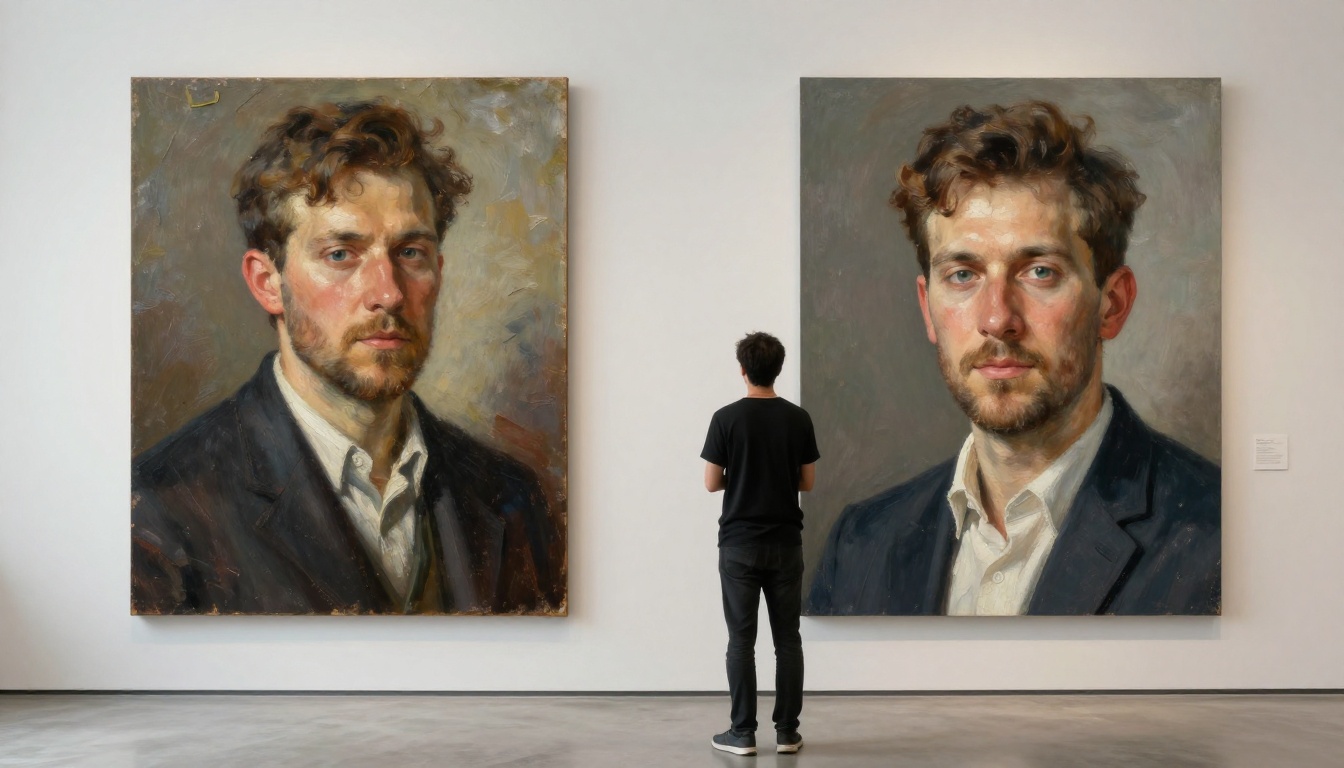
What people say about AI art depends almost entirely on who they are and what they have at stake. Professional artists with real financial exposure to disruption have legitimate grievances about training data and market competition. Philosophers and critics point out that AI outputs can function as art within established frameworks. The general public mostly just likes interesting images and wants honesty about how they were made.
The most accurate answer to "is AI art really art?" is: it depends on what you are asking. If you are asking whether it can produce visually powerful, emotionally resonant images that function as art in the world, yes, clearly. If you are asking whether the process involves the same kind of human growth, struggle, and expression as traditional art-making, then no, not by default.
The interesting creative territory lies between those two positions. Artists who use AI tools with genuine intent, who push and shape outputs, who integrate generated elements with their own work, who build coherent visual practices around these tools, they are doing something genuinely new. Whether you call it art is almost secondary to the fact that it is happening, and it is happening fast.
Now It's Your Turn
The only way to form a real opinion on this is to try it yourself. Writing about AI art, reading arguments for and against, looking at other people's outputs, none of it compares to the experience of sitting with a blank prompt and watching something appear that matches what was in your head.
PicassoIA makes that possible without any technical barriers. Start with GPT Image 2 and describe something you have always wanted to see visualized. Try Seedream 4.5 for 4K detail and richness. Use the platform's upscaling and editing tools to refine what you generate into something you are genuinely proud of.
You will form your own view on what this is pretty quickly. And whatever you call it, you will have made something that did not exist before you typed that first prompt.