If you've been experimenting with AI video generation and stumbled upon LTX 2.3 Pro, you've likely asked the same question thousands of creators ask every day: does it support NSFW content? The short answer is nuanced. The longer answer is what this article is about, and it covers exactly where the model stands, what it allows, what it blocks, and, more importantly, where to go when you want more creative freedom.
What Is LTX 2.3 Pro?
LTX 2.3 Pro is Lightricks' flagship text-to-video and image-to-video model, capable of generating cinematic 4K video clips from simple text prompts or reference images. It runs on a diffusion-based architecture optimized for temporal coherence, which means the motion between frames looks fluid and natural rather than jerky or warped.
The model has made a significant splash in the AI video space because it delivers results that rival commercial-grade productions at a fraction of the time. Across PicassoIA, LTX 2.3 Pro sits alongside its siblings including LTX 2.3 Fast and LTX 2 Pro, each tuned for different speed-quality tradeoffs.
What Makes It Different from Earlier Versions?
The jump from LTX 2 to 2.3 Pro brought several meaningful upgrades:
- Higher resolution output: True 4K generation with sharpened detail in faces and textures
- Better motion tracking: Objects stay consistent across frames, reducing drift artifacts
- Stronger prompt adherence: Complex scene descriptions translate more faithfully to video
- Faster inference: Achieves higher quality in fewer diffusion steps
💡 Quick Note: LTX 2.3 Pro on PicassoIA generates 5-second clips at 24fps. For full cinematic sequences, you chain multiple clips or use the model's image-to-video flow to maintain visual continuity.

The NSFW Question: What LTX 2.3 Pro Actually Does
Here's the honest breakdown. LTX 2.3 Pro, as deployed on most platforms including via Lightricks' own API, applies safety filtering that blocks explicit or pornographic content. The model was trained with content restrictions in place, and the inference pipeline includes a safety classifier that screens outputs before returning results.
That said, "NSFW" is not a single category. It spans a wide spectrum, and where LTX 2.3 Pro actually draws the line matters enormously for creators.
What Gets Blocked
The model will refuse or produce distorted results for:
- Explicit nudity (genitalia, fully uncovered intimate anatomy)
- Pornographic scenes or clearly sexual acts
- Graphic violence or gore
- Content sexualizing minors (absolute hard block, no exceptions)
What the Model Allows
This is where many creators are surprised. LTX 2.3 Pro is not a puritan model. It handles a wide range of suggestive, glamorous, and artistically sensual content without triggering refusals:
| Content Type | LTX 2.3 Pro Status |
|---|
| Bikini / swimwear | Allowed |
| Lingerie (non-explicit) | Allowed in most cases |
| Artistic implied nudity | Allowed with careful prompting |
| Glamour photography style | Allowed |
| Suggestive poses (clothed) | Allowed |
| Sheer or form-fitting clothing | Allowed |
| Explicit sexual content | Blocked |
| Full frontal nudity | Blocked |
| Pornographic scenarios | Blocked |
💡 Key Insight: The filtering is primarily applied at the semantic level of the prompt and at the output-check stage. Artistic framing, fashion photography language, and boudoir-style descriptors generally pass through cleanly.

How the Safety Filter Works
Understanding the filtering mechanism helps you work with the model more effectively. LTX 2.3 Pro uses a layered approach:
Prompt-Level Screening
Before generation begins, the prompt is analyzed for flagged terms and semantic patterns. Certain keywords tied to explicit content trigger an immediate stop. The system uses both keyword matching and semantic embedding comparison to catch paraphrased or indirect references.
This is why prompt crafting matters so much. Professional photography language, fashion and editorial descriptors, and artistic context dramatically affect how the model interprets ambiguous requests.
Output-Level Screening
After generation, the resulting video frames are passed through a vision-based safety classifier. If a frame scores above a threshold for explicit content, the output is either rejected or the offending frames are filtered.
What This Means for Creators
The practical takeaway: if you're generating glamour, fashion, boudoir, artistic, or suggestive content, LTX 2.3 Pro is largely permissive. The model was trained on diverse real-world footage and handles these aesthetics well. Where you hit walls is at the explicit end of the spectrum.

Using LTX 2.3 Pro on PicassoIA for Sensual Content
PicassoIA offers LTX 2.3 Pro with all its standard capabilities intact. The platform doesn't add stricter filtering on top of the model's built-in safety system, which means you get the model's full permissive range for artistic and suggestive video generation.
How to Use LTX 2.3 Pro on PicassoIA
Getting started with LTX 2.3 Pro on PicassoIA is direct:
- Navigate to LTX 2.3 Pro on PicassoIA
- Enter your prompt using editorial or fashion photography language for best results on sensual content
- Optionally upload a reference image if you want image-to-video with a specific character or composition
- Set resolution to 4K for highest quality output
- Generate and review the result
Prompt Tips for Sensual Content
Getting the aesthetic you want from LTX 2.3 Pro requires deliberate prompt construction:
Works well:
- "A woman in a silk negligee sitting by a sunlit window, soft morning light, editorial fashion photography style"
- "A glamorous model in a sheer gown on a rooftop at dusk, cinematic lighting, boudoir aesthetic"
- "A fitness model in a bikini walking along a tropical beach, golden hour, lifestyle video"
Gets blocked:
- Explicit anatomical descriptions
- Pornographic action descriptions
- Terms directly referencing adult content platforms or explicit genres
💡 Tip: Frame content as fashion, fitness, editorial, boudoir, or lifestyle photography. These contexts signal artistic intent to the model and produce the best results for suggestive content.

Alternatives for More Creative Freedom
If LTX 2.3 Pro's content policy is too restrictive for your specific project, PicassoIA hosts a broad selection of video models with varying content policies. Here are the strongest alternatives to consider:
ByteDance's flagship video model offers excellent motion quality and handles suggestive content with a somewhat more permissive approach to artistic framing. The 30-second video capability makes it ideal for longer narrative sequences.
Kling v3 is notable for its strong character consistency and cinematic motion control. For boudoir, fashion film, or glamour video content, Kling v3 produces rich, detailed results with accurate skin tone rendering.
Wan 2.7's image-to-video pipeline is particularly strong for animating still images into fluid video. If you have a reference image of a character or composition you want animated, Wan 2.7 I2V brings it to life with excellent motion fidelity.
Pixverse v5.6 delivers 1080p output with a notably creative interpretation of prompts. It handles suggestive and glamour content well and is a strong choice when you want cinematic drama in your video clips.
LTX 2.3 Pro vs Other Lightricks Models: Content Policy Comparison
Lightricks has released several models in the LTX line, and their content policies are broadly consistent but with subtle differences worth knowing.
The faster sibling of LTX 2.3 Pro applies the same content filtering but generates at lower quality thresholds. For testing whether a particular prompt concept passes the filter before committing to a Pro generation, LTX 2.3 Fast is a cost-effective way to validate.
The previous Pro generation. Slightly less capable on fine detail but sometimes more permissive on borderline content due to an earlier version of the safety classifier. Some creators find LTX 2 Pro handles certain artistic content better than the 2.3 version.
The original LTX Video model has a simpler safety system. It handles basic suggestive content easily but lacks the resolution and motion quality of the Pro variants.
💡 Strategy: Run a test prompt on LTX 2.3 Fast first. If it generates cleanly, move to LTX 2.3 Pro for the 4K final version.

LSI Context: Adult AI Video Generation in 2027
The broader landscape of AI video generation and adult or suggestive content is evolving rapidly. Here's the context creators need to understand in 2027:
The Shift Toward Platform-Level Control
Models like LTX 2.3 Pro are increasingly applying safety at the model training level, not just at inference. This means the model itself may not be capable of generating explicit content even if all API-level filters are bypassed. The future of NSFW AI video is moving toward purpose-built models rather than filtered versions of general-purpose ones.
Why Quality Still Matters
Even for suggestive or adult-adjacent content, quality remains the primary driver of audience engagement. A beautifully rendered glamour video in 4K from LTX 2.3 Pro will outperform a blurry or artifact-ridden explicit clip from a low-quality uncensored model every time.
The Role of Image-to-Video
For creators who want maximum control over what appears in their video, the image-to-video approach gives the best results. Generate your reference frame using a text-to-image model that suits your needs, then animate it with Wan 2.7 I2V or LTX 2.3 Pro. This two-step workflow gives you precise visual control while leveraging the motion quality of the best video models.
Real Creative Workflows Using LTX 2.3 Pro
Let's talk about what actually works in practice for creators operating in the suggestive content space.
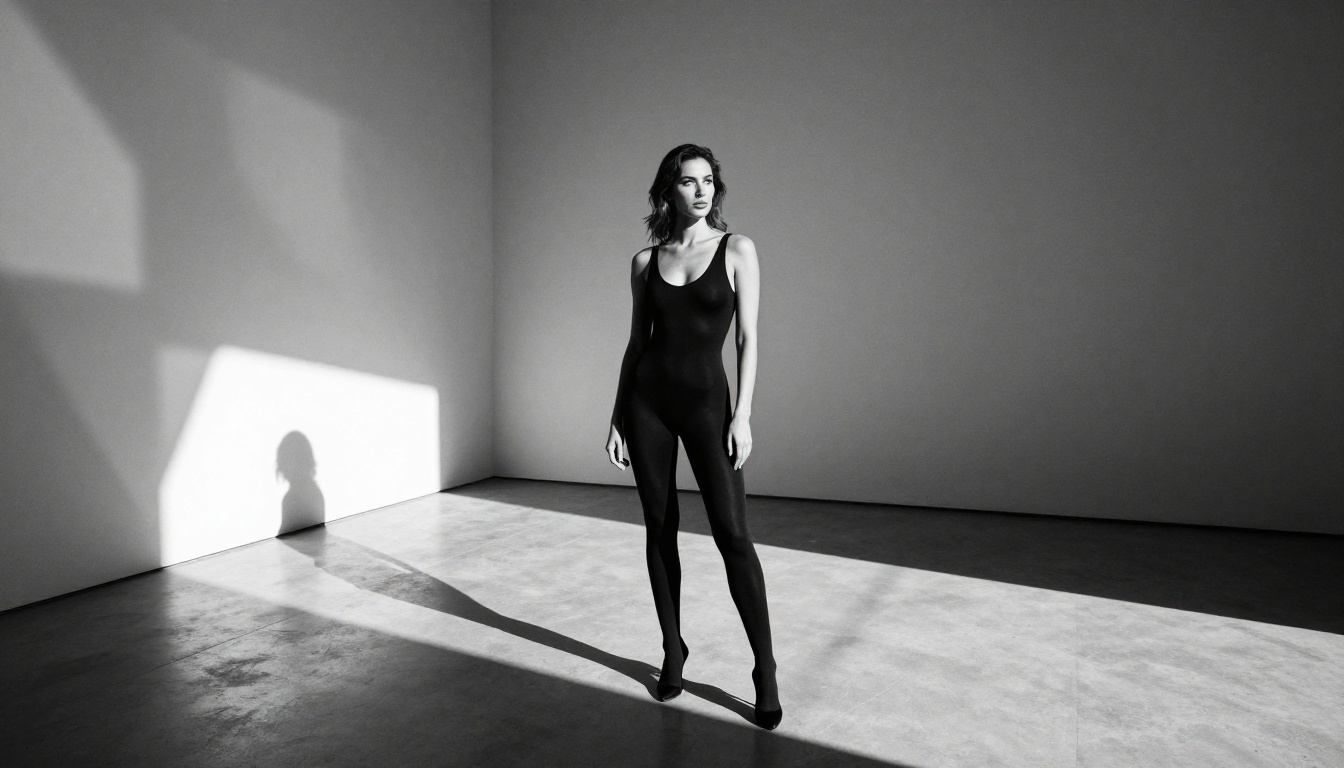
Fashion Film Workflow
Goal: A cinematic fashion video with a model in revealing but tasteful attire.
- Generate a reference still using a text-to-image model on PicassoIA
- Feed it to LTX 2.3 Pro as the source image for image-to-video
- Prompt with: "slow cinematic pan around subject, editorial fashion film, soft studio lighting, fabric movement, 24fps"
- Generate at 4K for maximum quality
Result: A polished, publication-ready fashion video that would pass moderation on virtually any platform.
Boudoir Video Workflow
Goal: Intimate, suggestive video content suitable for premium creative platforms.
- Use the image-to-video flow with a carefully composed boudoir reference image
- Prompt with: "gentle camera movement, soft window light, subject turns slowly, film-like atmosphere, intimate setting"
- Supplement with Kling v3 if you need stronger character consistency across multiple clips
- Chain 5-second clips from LTX 2.3 Pro for longer sequences
Lifestyle and Fitness Content
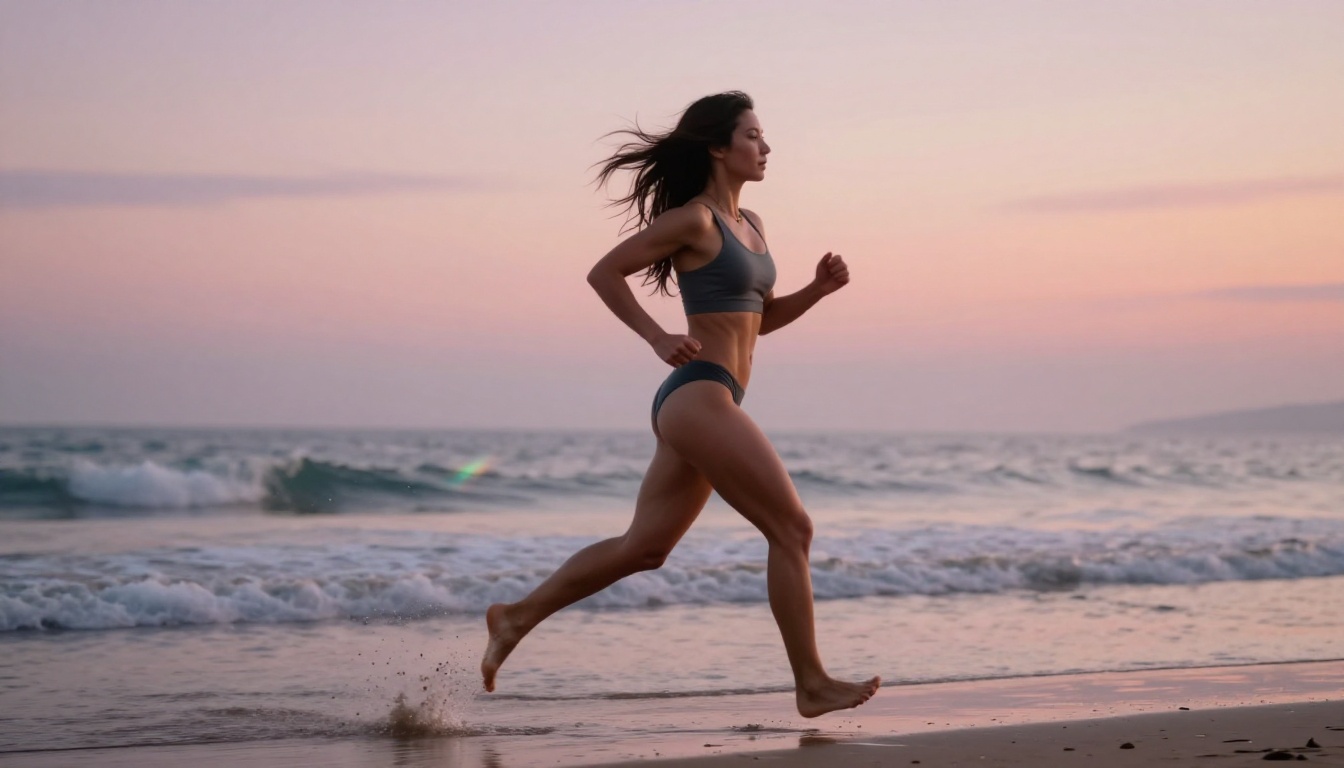
Goal: Beach, pool, or fitness video with models in minimal athletic wear.
- Describe the setting, action, and lighting explicitly: "woman in high-waisted bikini running along tropical beach, golden hour, ocean spray, low camera angle, lifestyle brand video"
- Use Seedance 2.5 for longer clips when you need 10+ seconds of continuous content
- Apply AI Video Enhancement post-generation to sharpen skin texture and color grade
💡 Pro Move: Pair video clips with AI-generated images from PicassoIA's 91+ text-to-image models to create complete visual content packages, from static thumbnails to motion video in a single session.
The Definitive Verdict
So, is LTX 2.3 Pro NSFW or not? Here's the clear breakdown:
LTX 2.3 Pro is NOT fully NSFW-permissive. It applies meaningful content filtering that blocks explicit and pornographic content.
LTX 2.3 Pro IS permissive for suggestive, glamour, fashion, boudoir, and artistic content. Creators generating non-explicit sensual content will find the model handles their work without constant refusals.
The quality argument for staying within the model's range is strong. LTX 2.3 Pro's 4K output, temporal coherence, and cinematic motion quality are unmatched for fashion and glamour video. Working within its content range often produces better results than fighting against a cheaper uncensored model's output quality problems.
For creators who need maximum creative latitude for adult-oriented content, the best path is to use the image-to-video pipeline on PicassoIA, combine LTX 2.3 Pro with complementary models like Kling v3 and Wan 2.7 I2V, and take advantage of PicassoIA's full catalog of over 87 text-to-video models to find the exact tool that fits your content's specific needs.
Dive into PicassoIA's complete model library and start generating. The platform's collection of AI video tools gives you the range, quality, and creative control to produce exactly the content you're after, whether that's cinematic fashion film, atmospheric boudoir video, or high-energy lifestyle content. Your next video is one prompt away.


