Generating 4K video used to mean one thing: render at a lower resolution, then upscale it and hope the artifacts aren't too visible. Kling changed that. With its native 4K output, what you see is what the model actually generated, pixel by pixel, at full ultra-high-definition resolution. No interpolation. No upscaling tricks. Just raw 4K from a single generation step.
This is a bigger deal than it sounds, and this article explains exactly why, which models support it, and how to use it right now.
What "Native 4K" Actually Means
Upscaled vs. Native Resolution
Most AI video generators work at 720p or 1080p internally, then push the output through an upscaling algorithm before delivery. The result looks sharper than 720p but it isn't true 4K. Fine textures, subtle motion blur, and micro-detail in hair or fabric get interpolated rather than generated.
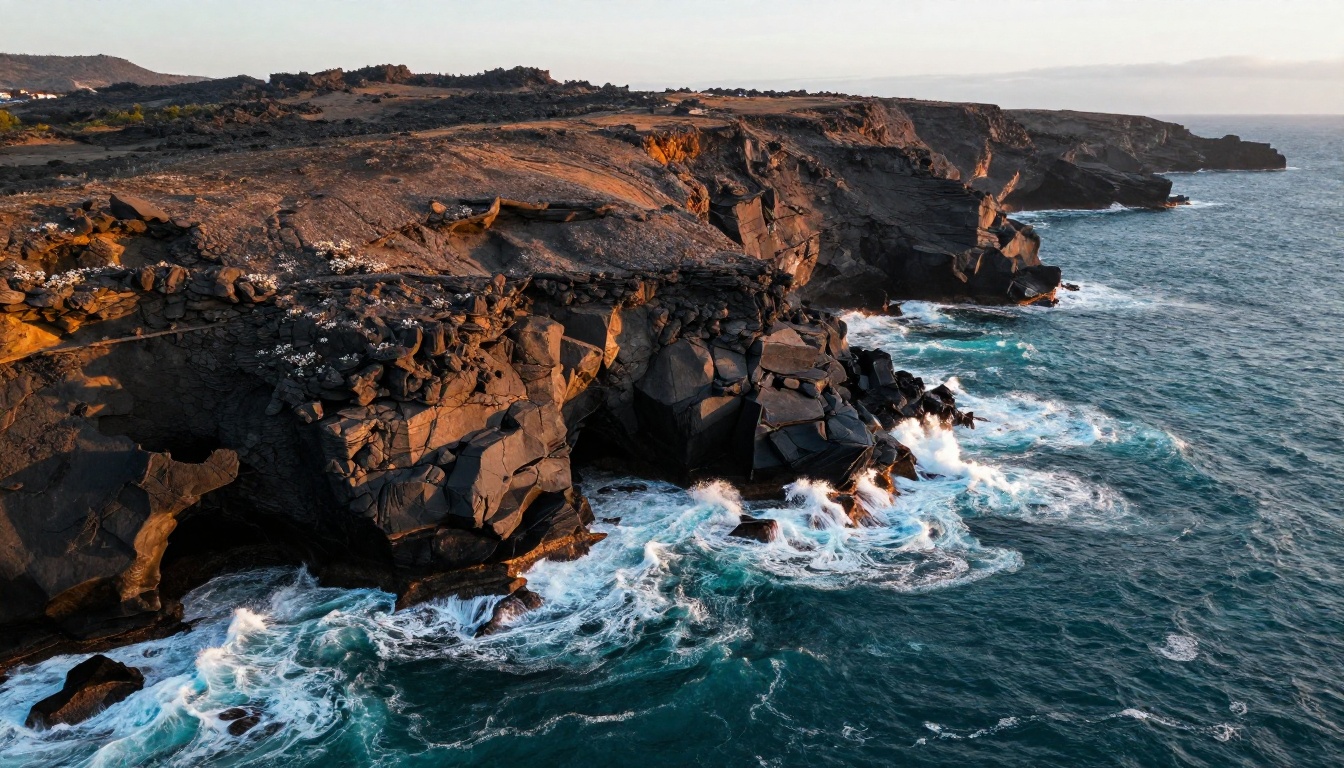
Native 4K is different. The model's diffusion process runs at 3840 x 2160 pixels from the start. Every frame is genuinely computed at that resolution. The difference shows up in exactly the places upscaling struggles: fine fabric weave, individual strands of hair, the texture of rough concrete, water droplets, distant foliage.
💡 Tip: If you're creating content for a 4K display, TV broadcast, or high-resolution digital signage, native 4K is not just a nice-to-have. Upscaled footage often looks noticeably softer at actual 1:1 pixel viewing.
Why It Matters for Your Output
| Feature | Upscaled 4K | Native 4K |
|---|
| Base resolution | 720p or 1080p | 3840x2160 |
| Fine texture detail | Interpolated | Genuinely generated |
| File size | Smaller | Larger |
| Post-processing needed | Often yes | No |
| Suitable for broadcast | Sometimes | Yes |
| Generation speed | Faster | Slower |
The tradeoff is generation time. Native 4K takes more compute. But if quality is the goal, there is no substitute.
Kling's 4K Capability at a Glance
Which Kling Models Output 4K
The Kling model family from Kuaishou spans several versions, and not all of them output 4K. Here is where 4K sits in the lineup:
- Kling v3 Video: The flagship cinematic model. Supports native 4K text-to-video generation with exceptional temporal consistency and motion quality.
- Kling v3 Omni Video: The all-in-one version of v3. Handles text prompts and image inputs at up to 4K resolution, making it ideal when you want to animate a reference photo at full resolution.
- Kling v2.6: Strong cinematic output at 1080p. Not native 4K, but excellent quality for most use cases and significantly faster.
- Kling v2.5 Turbo Pro: Optimized for speed with 1080p cinematic output. The right pick when iteration speed matters more than maximum resolution.
- Kling v2.1 Master: 1080p with strong prompt adherence. A reliable workhorse for consistent cinematic output.
For native 4K, Kling v3 Video and Kling v3 Omni Video are the models to use.
Resolution Options Compared
Across the Kling version family, here is how resolution stacks up:
| Model | Max Resolution | Best For |
|---|
| Kling v3 Video | Native 4K | High-fidelity cinematic output |
| Kling v3 Omni Video | Native 4K | Flexible input, cinematic 4K output |
| Kling v2.6 | 1080p | Fast cinematic text-to-video |
| Kling v2.5 Turbo Pro | 1080p | Speed-prioritized creation |
| Kling v2.1 Master | 1080p | Prompt adherence, reliable quality |
| Kling v1.6 Pro | 1080p | Stable, consistent generations |
| Kling v1.5 Standard | 720p | Quick drafts and previews |
How to Use Kling v3 on PicassoIA
The Kling v3 Video model is available on the platform right now. Here is the exact process for generating native 4K video in a single step.
Step 1: Write Your Prompt
This is the most important step and the one most people rush. A weak prompt produces weak video even at 4K. The extra resolution amplifies everything, including prompt quality problems. When the model has 8 million pixels per frame to fill, the specificity of your description determines whether all that space gets used well.
What a strong Kling 4K prompt includes:
- A clear subject and action ("a woman in a yellow dress walks slowly through a lavender field")
- Environmental context ("late afternoon, golden hour sunlight from camera-left")
- Camera movement ("slow dolly forward")
- Atmosphere ("warm haze, slight lens blur at edges, wildflowers in the foreground")
What to skip in the prompt:
- Technical terms like "4K" or "ultra HD" (the model handles resolution, not the prompt)
- Long lists of unrelated visual elements competing for space
- Vague descriptors like "beautiful" or "amazing" without specifics that actually tell the model what to render
💡 Tip: Write your prompt like you're giving direction to a cinematographer. Subject, action, lighting, camera. That's the skeleton. Add atmosphere and texture on top. Specificity at every level pays off at 4K in ways that aren't visible at lower resolutions.

Step 2: Choose the Right Model
On the PicassoIA platform, navigate to Kling v3 Video or Kling v3 Omni Video in the text-to-video collection. If you're working purely from a text prompt, Kling v3 Video is the right pick. If you want to animate a reference image into 4K video, Kling v3 Omni Video handles both input types at full resolution.
Step 3: Set Resolution to 4K
In the generation settings, select 4K (3840 x 2160) as your output resolution. This is the native 4K option. If you don't see it listed, confirm you're on a v3 model rather than an older version of Kling.
Duration options typically available:
- 5 seconds: Ideal for social media clips, transitions, and product showcases
- 10 seconds: Better for narrative b-roll, ambient loops, and broadcast-quality sequences
For most use cases, 5 seconds at native 4K is more than enough for a compelling clip. 10-second clips at 4K are substantial files, best suited for broadcast or high-production-value output where every second of footage matters.
Step 4: Review and Download
Generation at native 4K takes longer than 1080p, typically a few minutes depending on clip length. Once complete, the output is delivered at full resolution. Download it directly and it's ready for use, no additional upscaling or enhancement pass required.
💡 Tip: Play back your 4K video on an actual 4K display, or zoom to 100% in your video editor to see the real quality difference. On a 1080p screen at reduced preview size, it looks similar to 1080p. The native resolution advantage only becomes visible at scale.
Writing Prompts That Hold Up at 4K
Prompt Length and Specificity
At 4K resolution, the model has far more visual space to fill. This means strong prompts produce extraordinarily detailed output, but vague prompts produce vague detail at scale. A blurry concept doesn't become clearer at higher resolution; it becomes a blurry concept with more pixels.
Effective prompt formula for Kling 4K:
- Subject first: Who or what is the focal point?
- Action or state: What are they doing, or what is happening?
- Setting: Where, with what environmental context?
- Lighting: Direction, quality, time of day, color temperature?
- Camera: Angle, movement, lens character?
- Atmosphere: Weather, color palette, texture, mood?
Weak prompt: "a beautiful forest in 4K"
Strong prompt: "an ancient cedar forest in early morning, mist rising from the forest floor, shafts of warm sunlight cutting through the canopy from camera-right, slow forward camera movement at ground level, amber and cool green color contrast, individual fern fronds sharp in the foreground, trees receding into soft atmospheric depth"
The second prompt gives the model something to work with at every layer of detail. At 4K resolution, that specificity pays off in texture and atmosphere the viewer can actually see.

What to Avoid in 4K Prompts
Some prompt habits that work acceptably at 1080p become liabilities at 4K:
- "Cinematic 4K ultra HD 8K": Redundant. The model output is already 4K. These tokens are wasted space.
- Conflicting aesthetics: "Realistic photographic anime watercolor" confuses the model. Pick one aesthetic direction and commit to it.
- Too many competing subjects: At 4K, the model tries to render everything you mention in detail. One clear focal subject with a rich surrounding environment works better than six separate elements fighting for frame space.
- Pure adjective stacking: "Stunning breathtaking incredible amazing landscape" is four wasted words. "Sun-bleached rocky canyon walls with visible erosion strata" actually tells the model what to generate.
4K vs. Other AI Video Models
How Kling Compares on Resolution
Kling v3 Video isn't the only model on the platform generating at higher resolutions. Depending on your workflow and budget, there are alternatives worth knowing:
- LTX 2.3 Pro: Lightricks' 4K text-to-video model with strong temporal stability and efficient generation. A solid alternative when you want 4K with a different visual character or faster turnaround.
- LTX 2.3 Fast: The speed-optimized version of LTX 2.3, also outputting 4K with substantially faster generation times. Best for testing prompt variations quickly before committing to a full Kling v3 generation.
- Kling v2.6: When native 4K isn't strictly required, Kling v2.6 produces cinematic 1080p output with excellent motion quality at faster speeds and lower compute cost.
| Model | Resolution | Generation Speed | Best For |
|---|
| Kling v3 Video | Native 4K | Moderate | Cinematic 4K, high-fidelity output |
| Kling v3 Omni Video | Native 4K | Moderate | Image-to-video at 4K |
| LTX 2.3 Pro | 4K | Fast | Temporal stability, varied aesthetics |
| LTX 2.3 Fast | 4K | Very Fast | Rapid 4K prompt iteration |
| Kling v2.6 | 1080p | Fast | Cinematic output without 4K requirement |
Real Use Cases for 4K AI Video
Content Creators and Social Media
Most major platforms now support 4K uploads. YouTube in particular applies less aggressive compression to 4K content, which means your video holds up better through the platform's encoding pipeline. Creators using Kling Native 4K get cleaner on-platform output without needing to over-sharpen or artificially boost contrast in post.
Short clips at native 4K work especially well as:
- YouTube Shorts featuring landscape scenery, travel footage, or product showcases
- Instagram Reels where fine visual detail drives the aesthetic appeal
- Background video loops for live streams and broadcast overlays
- B-roll for longer productions that demand consistent visual quality throughout
Marketing and Brand Video
Marketing teams increasingly demand 4K assets because display environments are unpredictable. A video that plays on a 27-inch web page may also play on a 70-inch digital signage display at a conference or retail location. Native 4K holds up in both scenarios without a second thought.
With Kling v3 Video, a marketing team can generate product environment clips, aspirational lifestyle video, and background footage at broadcast quality in a fraction of the time traditional production requires. No camera crew. No location logistics. No post-production upscaling pass.

Personal Projects and Creative Work
For independent filmmakers and creative directors, the bar for what's achievable solo has shifted. What used to require a camera operator, location scout, and a post-production team can now be generated from a text description at professional resolution.
This doesn't replace cinematography. It creates a different category: AI-native visual storytelling that operates at professional resolution from the first generation.
💡 Tip: For narrative or documentary work, use Kling v3 to generate 4K b-roll that matches the visual character of your main footage. With careful prompting around lighting direction and camera movement, AI-generated footage can cut seamlessly with live material at the same resolution tier.
The One-Step Advantage
The phrase "one step" isn't marketing language. It's a description of the actual workflow difference. Previous generations of AI video required: generate at 720p, run through an AI upscaler, check for artifacts, rerun sections with visible problems, then export.
With native 4K generation, the workflow is: write prompt, generate, download. The output is broadcast-ready from the generation step, not after a separate processing pass.
For creators working at volume, this compounds significantly. Generating 20 clips for a marketing campaign at 1080p plus upscaling is a multi-step process that accumulates processing time and introduces quality variance at each step. Generating those same 20 clips at native 4K through Kling v3 Video is a single queue with consistent output at every position.
💡 Tip: Batch your generation sessions. Write 5 to 10 prompts at once and submit them in sequence. Review results together and refine prompts that didn't land. This iterative batching approach is significantly more efficient than one-at-a-time generation, especially at 4K where each individual generation takes more time.
Start Creating Now
The best way to understand native 4K generation is to generate something and view it at full resolution. Text descriptions of the quality difference don't capture it. A 4K video of rough stone wall texture, a close-up of water surface detail, or a forest scene with individual leaves visible in the background does.
Kling v3 Video and Kling v3 Omni Video are available right now on PicassoIA. If you want to experiment with 4K at faster speeds, LTX 2.3 Fast offers 4K output with quick turnaround, making it ideal for testing prompt variations before committing to a full-quality Kling v3 generation.
Start with a simple, specific prompt. One subject, one environment, one lighting scenario. Generate it. View it on a 4K display or zoom to 100% in your editor. That is the moment when the difference between upscaled and native 4K becomes impossible to ignore.