Picking between Kling and Sora is not a casual choice. Both AI video generators produce genuinely impressive results, but they excel in completely different scenarios, and one consistently outperforms the other when prompts involve attractive people, fashion, or suggestive content. If you have spent credits on the wrong model for your project type, this breakdown will save you from making that mistake again.
What These Two Models Are
Before getting into outputs, it helps to understand what each model was actually built for, since that context explains almost every quality difference covered below.
Kling's Background
Kling is developed by Kuaishou, the Chinese short-video company behind the Kwai social platform. Their flagship releases, Kling v3 Video and Kling v2.6, were trained with a clear commercial objective: produce social-first video content that is visually striking and emotionally engaging. The training corpus skews toward consumer content including influencer clips, fashion shoots, travel videos, and lifestyle photography.
This origin story explains Kling's strengths directly. When your prompt involves an attractive person doing something visually appealing, Kling performs as if it has seen ten thousand similar frames and knows exactly what makes them work.
The technical architecture uses a diffusion-transformer hybrid. Kling generates in latent space and decodes to video rather than rendering frame-by-frame, which maintains better inter-frame coherence than autoregressive approaches and produces noticeably smoother motion on human subjects.
Sora's Background
Sora is OpenAI's entry into AI video. Sora 2 and Sora 2 Pro were trained with a fundamentally different goal: physically accurate simulation of real-world dynamics. OpenAI's dataset placed heavy emphasis on how the physical world actually behaves. Water flows correctly. Cloth folds naturally. Lighting obeys photometric principles. Rigid body physics hold up across the clip duration.
The results feel grounded in ways that pure aesthetic-first models often miss. The trade-off is significant: Sora's content filters are extremely conservative, built by an organization with substantial commercial and regulatory exposure in a safety-sensitive space.
Raw Output Quality: Who Looks Better
Photorealism and Skin Detail
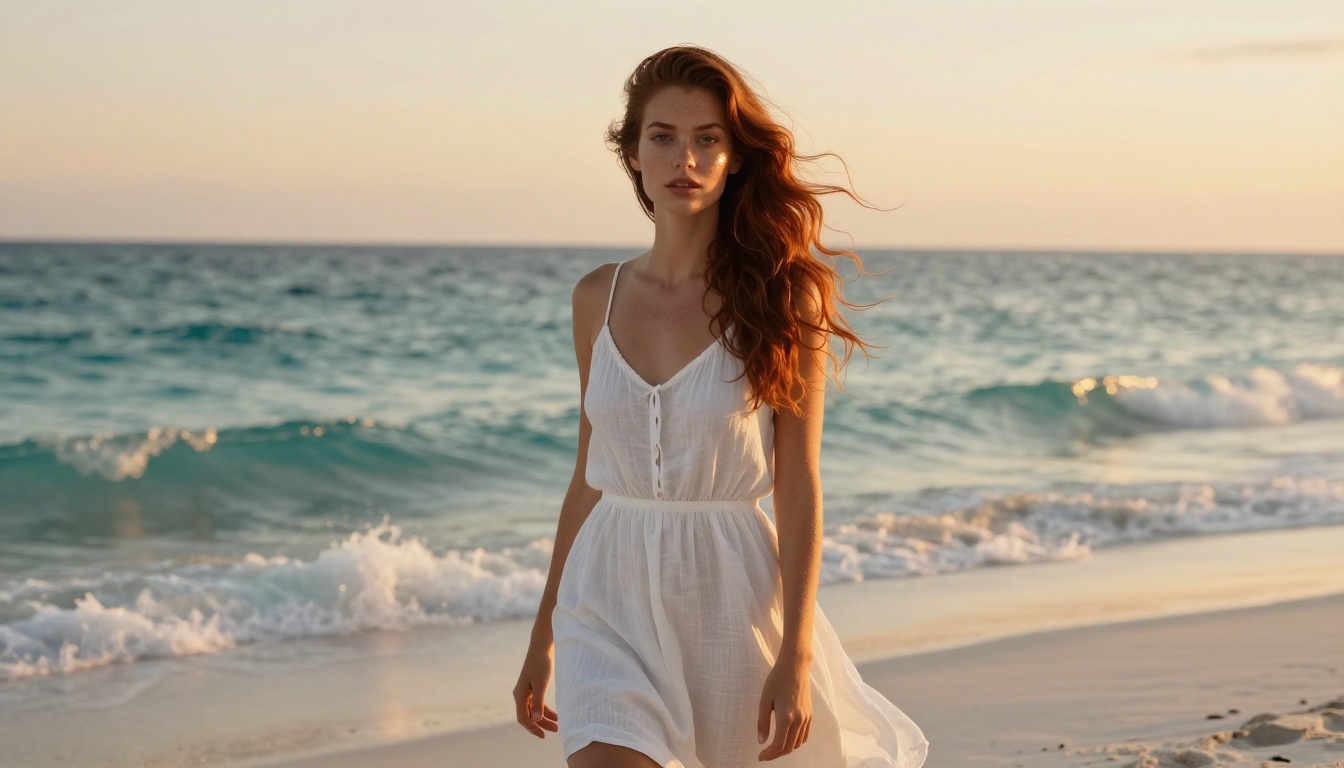
Kling wins the photorealism battle when people are involved. When you generate a woman walking on a beach, a couple sharing a meal, or a model posing for a fashion shoot, Kling renders skin texture with a tactile quality that genuinely passes for real footage on first viewing. Pores, micro-hair, the natural sheen of perspiration, the way fabric wrinkles and moves against a body. Kling handles all of it with impressive fidelity.
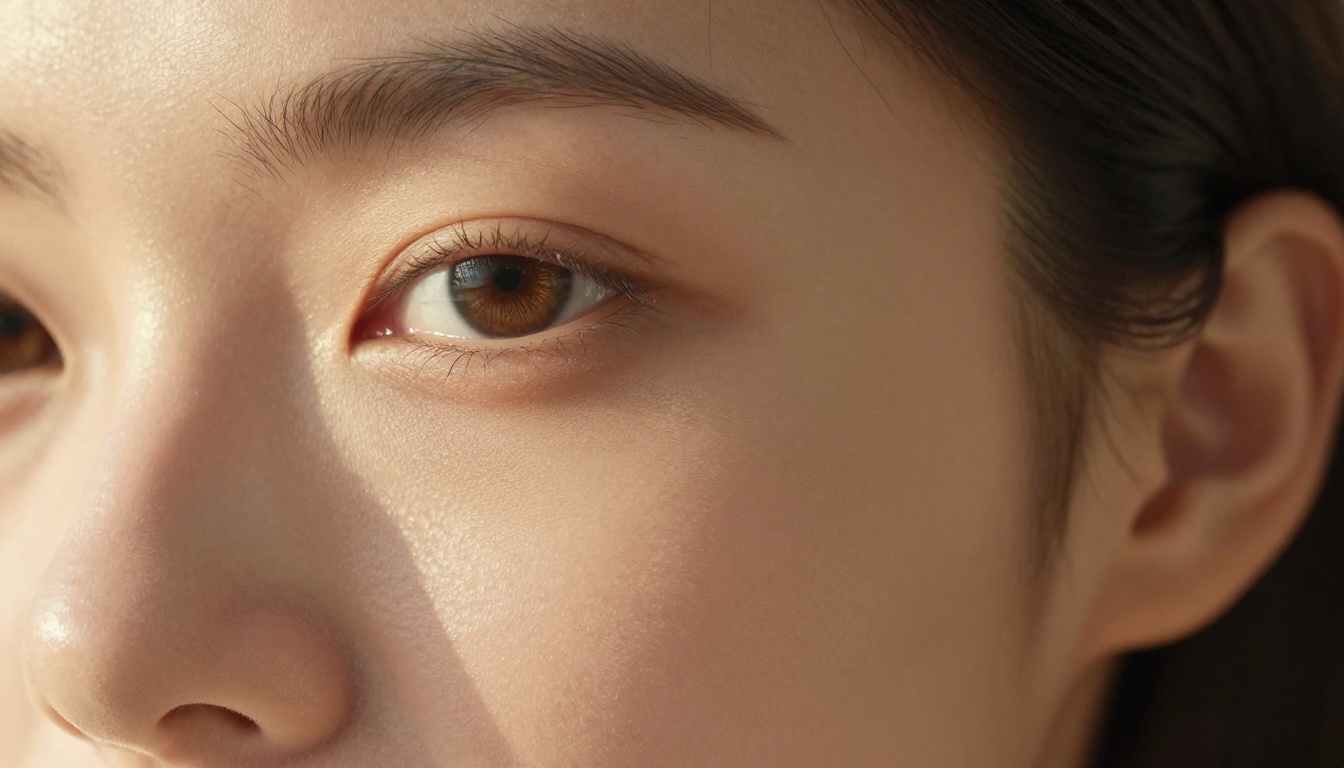
Sora also produces realistic humans, but its outputs carry a slight clinical smoothness that reads as generated under close inspection. Faces are technically correct but feel processed. For abstract or landscape-driven content Sora sometimes edges ahead, but for human subjects with personality and warmth, Kling leads by a noticeable margin in most prompt categories.
Scene Complexity and Environmental Accuracy
Sora handles complex multi-element scenes more cohesively. Ask it to produce a Tokyo street at night in the rain with crowds, reflections, and signage, and all the elements relate to each other correctly. Shadows fall in physically plausible directions. Reflections in puddles match the light sources above them. Background elements do not flicker or spontaneously transform mid-clip.
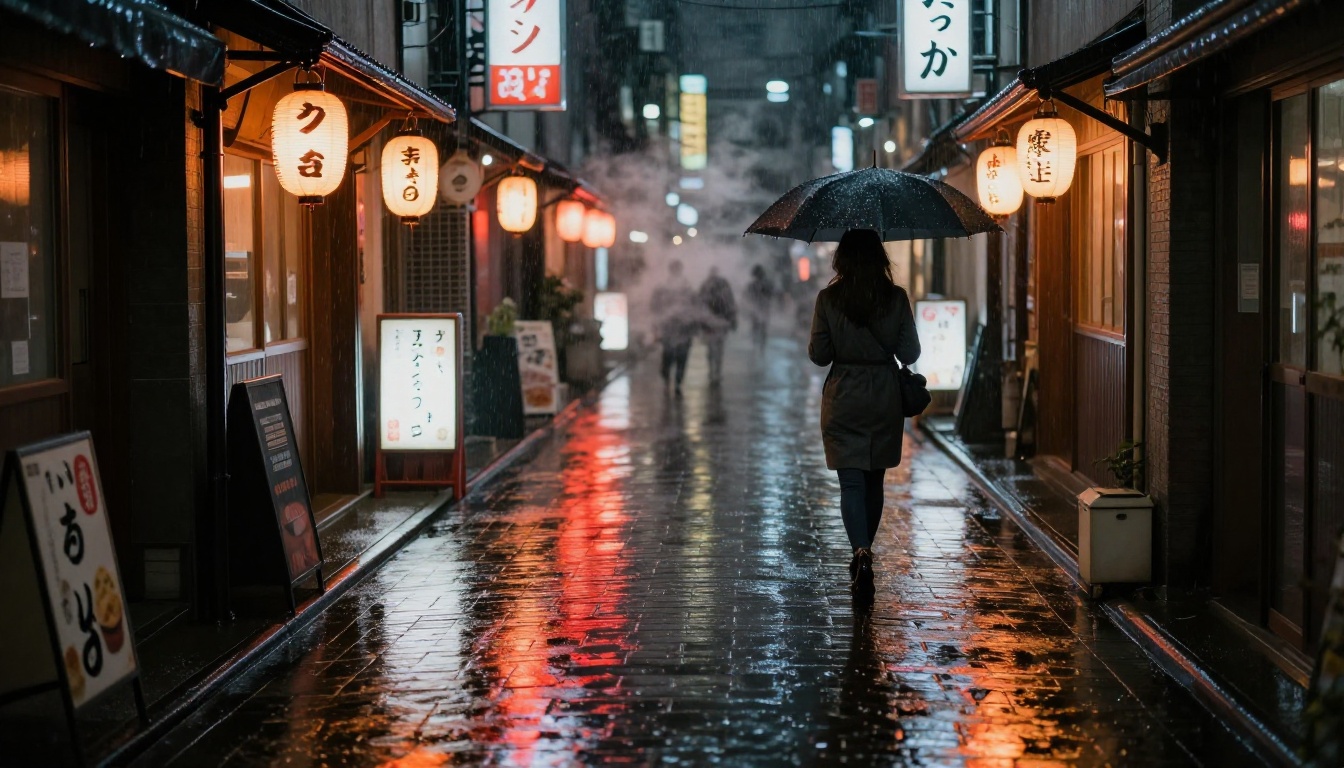
Kling can struggle with spatial coherence when too many elements compete for attention. It tends to prioritize the hero subject and may let background details degrade. For single-subject cinematic shots it is excellent. For detailed environmental storytelling, Sora's physics training pays off noticeably.
Motion Fluidity: The Biggest Differentiator
Human Movement
Kling v3 Omni Video produces human movement that feels choreographed and intentional. A model walking looks like a model. A dancer looks like a dancer. Weight transfer feels natural, motion curves are smooth, and the overall cadence has a cinematic quality that makes clips feel produced rather than generated.
Sora's human motion is accurate to physics but can feel mechanical. A person walking in a Sora clip often looks technically correct but emotionally flat, like motion-captured data that was never given performance coaching. For clips requiring expressive, personality-driven movement, Kling is the clear choice.
Camera Physics and Operator Behavior
Here Sora fights back strongly. Camera movements in Sora clips feel like they were executed by a real operator who understands focal lengths, inertia, and parallax. A slow dolly-in decelerates naturally. A handheld shot has the right micro-jitter. A drone pull-back accounts for altitude change in the horizon line.
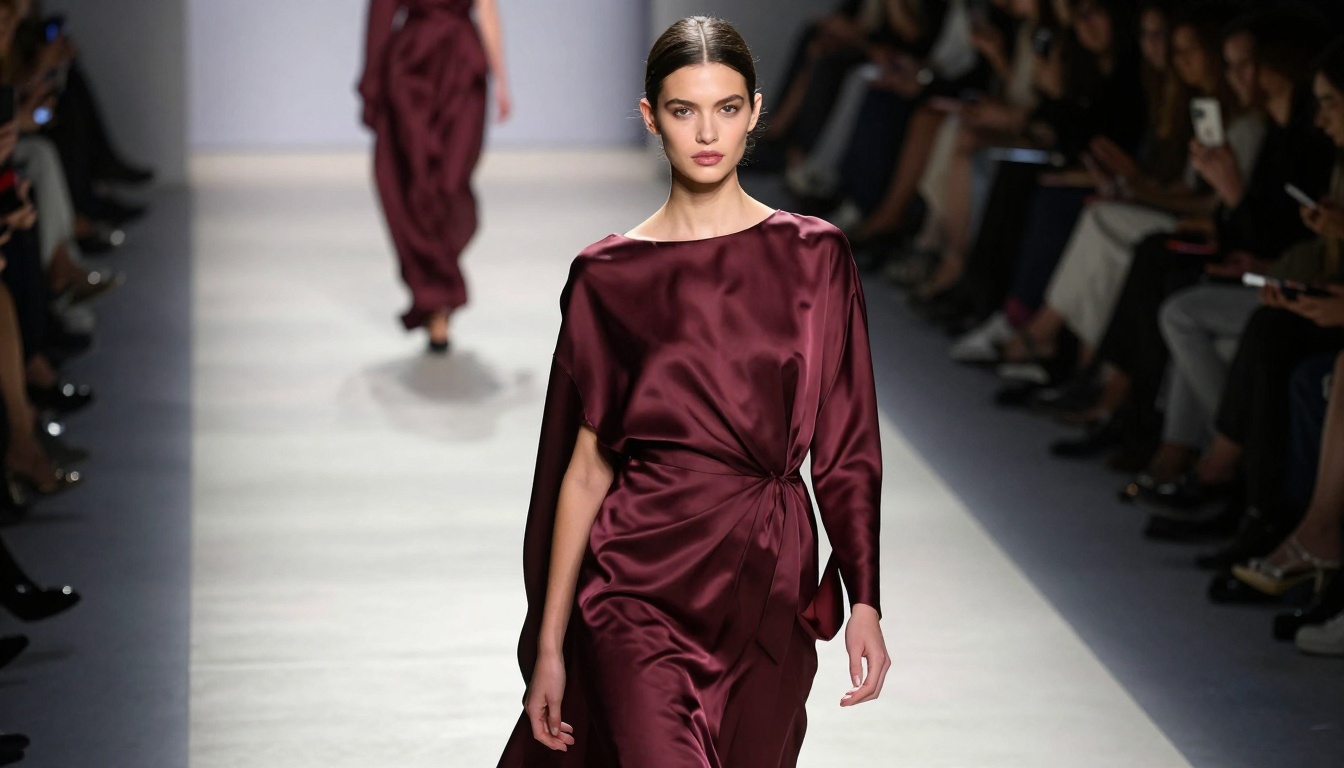
Kling v2.5 Turbo Pro produces smooth camera moves but they can feel artificially stabilized, as if every shot was run through post-production stabilization at maximum intensity. For documentary-style or verité content, Sora's camera physics are more convincing. For commercial and social media content where polished smoothness is the goal, Kling's stabilization works in its favor.
NSFW and Suggestive Content: The Real Comparison
This is arguably the most searched aspect of the Kling vs Sora debate, so it deserves a direct and honest answer.
What Kling Permits
Kling's content policies are significantly more permissive, particularly when accessed through third-party platforms that have established their own moderation tiers. Bikini content, lingerie, artistic glamour, and suggestive lifestyle scenarios generate without issue. The model has clearly been trained on content that includes a wide range of body presentation, from swimwear to implied adult aesthetics.
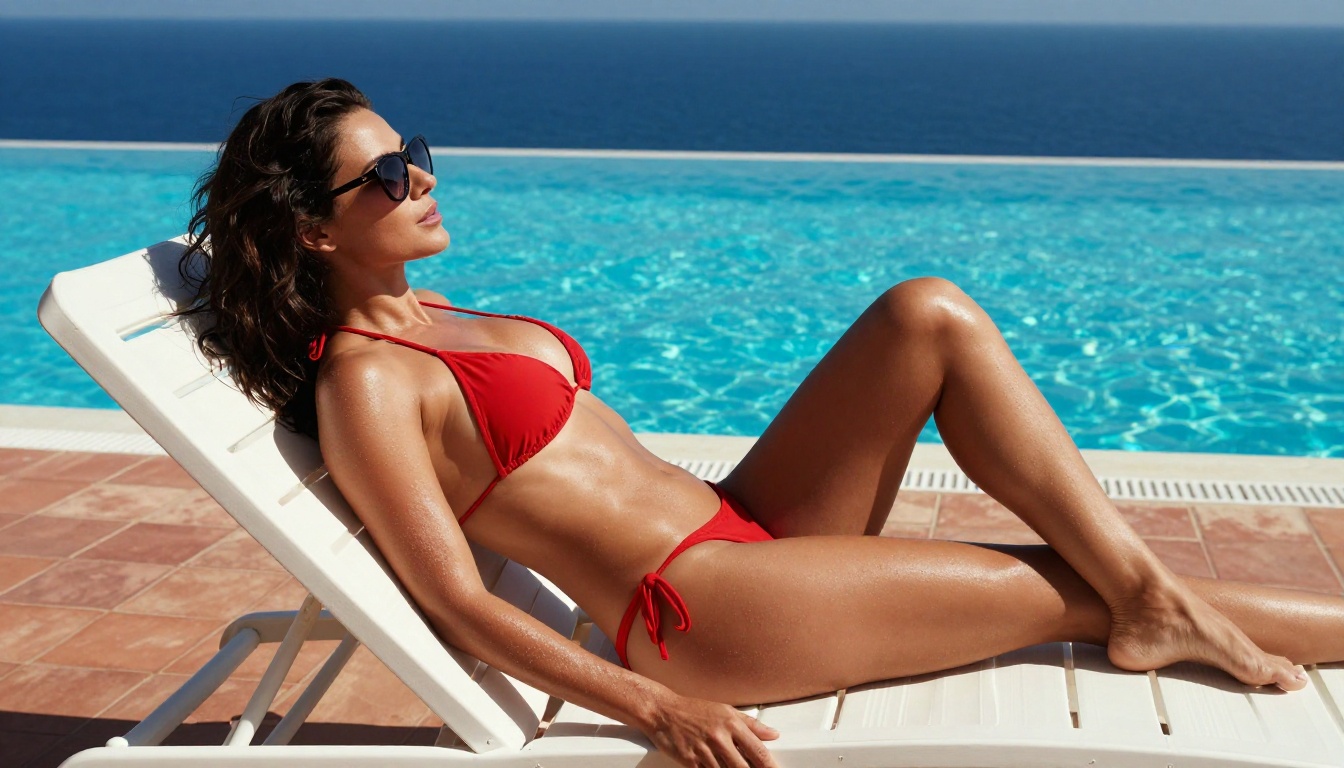
On PicassoIA, models like Kling v1.6 Pro and Kling v2.1 Master handle suggestive prompts while maintaining non-explicit content standards. The results are aesthetically strong because the model treats visual appeal and attraction as legitimate content categories worth serving well.
What Sora Blocks
Sora's safety filters are trained to be extremely cautious. Anything that could be interpreted as sexual, even remotely, triggers refusal or heavy modification. A woman in a bikini on a beach frequently returns an overly covered alternative or a warning message. Romantic scenarios between couples get neutralized. The system errs heavily toward restriction.
For creators producing travel content, fashion campaigns, lifestyle advertising, or any content where the human body appears naturally, Sora's approach becomes a practical limitation rather than a principled safety measure.
💡 Creator tip: For glamour, fashion, or lifestyle content on PicassoIA, use Kling v3 Video. Frame prompts around setting and outfit specifics. Kling responds to aesthetic language while maintaining tasteful, non-explicit results.
Speed: How Long You Wait
| Model | Avg. Generation Time | Max Resolution |
|---|
| Kling v3 Video | ~45-90 seconds | 1080p |
| Kling v2.6 | ~30-60 seconds | 1080p |
| Kling v2.5 Turbo Pro | ~25-50 seconds | 1080p |
| Sora 2 | ~60-180 seconds | 1080p |
| Sora 2 Pro | ~90-240 seconds | 1080p |
Kling consistently generates faster across every tier. Kling v2.6 hits a particularly useful sweet spot: fast enough for rapid iteration, high enough quality for production use. You can test three or four prompt variations in the time it takes Sora to finish a single generation.
Sora 2 Pro takes longer because it runs more complex simulation passes. If quality justifies the wait for your specific use case, that trade-off can make sense. For iterative creative workflows requiring fast feedback, Kling is the practical choice.
Pricing: The Real Cost Per Clip
Both models are available via credits-based access on PicassoIA. Approximate platform costs per second of generated video:
| Model | Cost Per Second | 5-Second Clip |
|---|
| Kling v3 Video | ~$0.045/sec | ~$0.22 |
| Kling v2.1 Master | ~$0.035/sec | ~$0.18 |
| Sora 2 | ~$0.040/sec | ~$0.20 |
| Sora 2 Pro | ~$0.070/sec | ~$0.35 |
Sora Pro runs notably more expensive per clip. For creators generating significant volume, that difference adds up fast. PicassoIA's unified credit system means you access both Kling and Sora without managing separate API subscriptions or billing accounts.

For video sharpening and upscaling after generation, Video Upscale by Topaz Labs and Upscale v1 by Runway can take either model's output to 4K, adding crisp detail to footage that already looks strong at native resolution.
Visual Effects and Post-Processing
Both Kling and Sora outputs respond well to post-processing, but with different baseline characteristics.
Kling's outputs are warm-toned and high-contrast by nature. They work beautifully with color grading that pushes into cinematic territory: deeper shadows, slightly desaturated highlights, warm skin tones. This makes them ideal for social media content that needs to stand out in a crowded feed.
Sora's outputs are more neutral and documentary-accurate. They suit editorial or journalistic video work where color accuracy matters more than aesthetic punch. They also respond well to cool-grade treatments that increase perceived realism.
For either model, running outputs through Video Upscale by Topaz Labs before publishing makes a visible difference in perceived production quality. The detail recovery at 4K on AI-generated footage is substantial, particularly for close-up face shots and fine fabric textures.
Character Consistency Across Multiple Clips
One underrated factor is whether a model maintains the same character across separate generations. For series content, advertising campaigns, or storytelling that requires the same face in multiple clips, character drift is a real problem with both models.
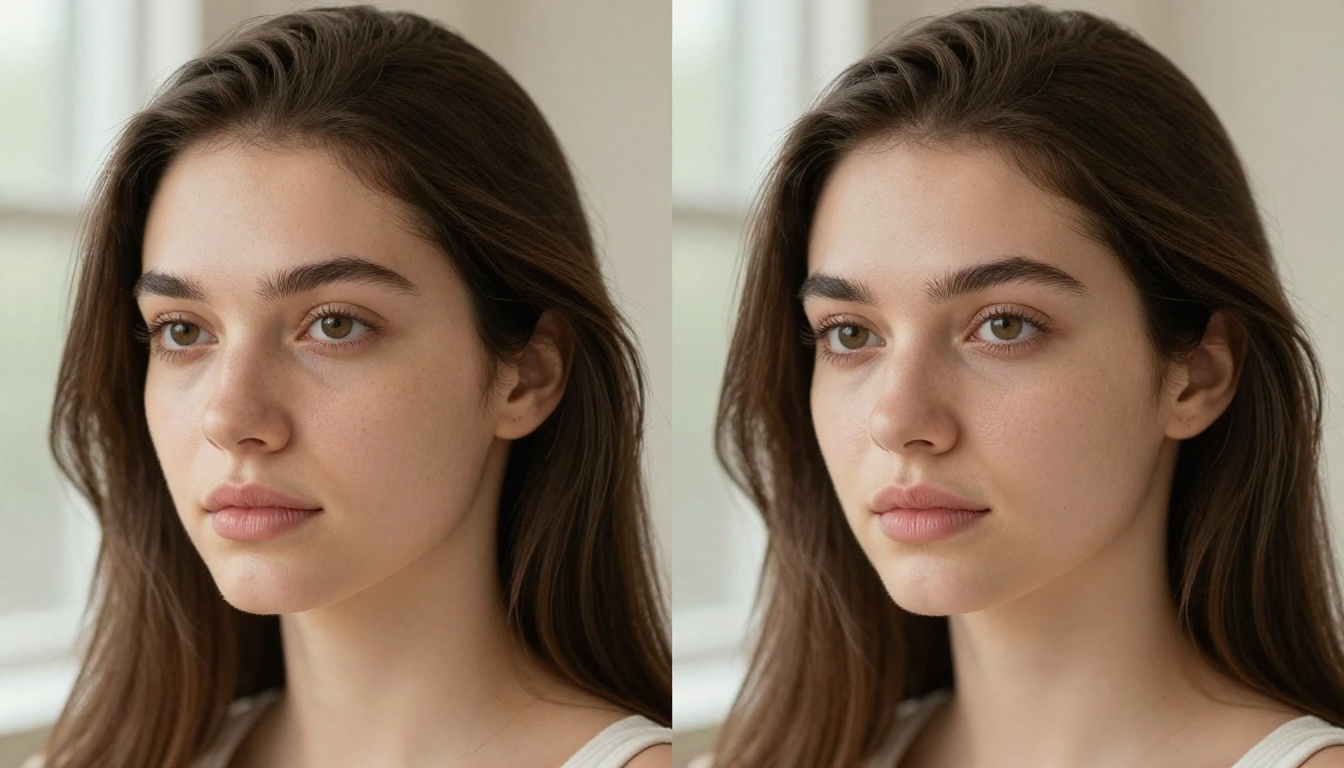
Kling tends to produce faces that drift subtly between generations. The body type, hair color, and general aesthetic stays consistent, but specific facial features shift. Using image-to-video mode in Kling v2.6 with a reference photo significantly reduces this drift, making character-consistent series content practical.
Sora is slightly better at maintaining character properties within a single generation session, likely because its physics-simulation approach treats character attributes as stable variables rather than sampled distributions. But across separate prompt sessions without reference images, Sora also drifts noticeably.
For series content requiring consistent characters, the practical solution on either platform is image-to-video mode rather than text-to-video. Feed a generated reference image as the anchor for each clip and character drift drops to an acceptable level.
How to Use Both on PicassoIA
PicassoIA gives you direct access to multiple Kling and Sora versions without API setup. Here is how to get the best results from each.
Prompting Kling for Best Results
- Go to Kling v3 Video on PicassoIA
- Structure prompts: subject, then action, then environment, then lighting. Example: "Stunning woman with long dark hair, walking slowly along a sunlit Paris boulevard, dappled light through oak trees, golden afternoon glow, 85mm cinematic framing"
- For suggestive content, describe the setting and outfit specifically but tastefully. Kling reads aesthetic intent well
- Set resolution to 1080p for final content, 720p for rapid iterations
- Generate 2-3 variations per prompt before committing. Kling's seed variation produces meaningfully different outputs
Prompting Sora for Best Results
- Access Sora 2 Pro for best quality or Sora 2 for faster iterations
- Focus prompts on physics and environment rather than subject aesthetics. Sora shines with: ocean waves, rain, fire, smoke, complex crowd dynamics, architectural spaces
- Use precise camera vocabulary: "slow crane shot," "handheld verité," "locked-off wide angle." Sora responds to cinematographic language
- Avoid language touching on attractiveness or body presentation. It triggers filters. Describe action and setting instead
- For physics-heavy content like water, fire, or crowds, Sora 2 Pro is worth the premium

The Full Head-to-Head Verdict
| Category | Kling | Sora |
|---|
| Photorealistic Humans | ★★★★★ | ★★★★☆ |
| Scene Physics Accuracy | ★★★★☆ | ★★★★★ |
| Human Motion Quality | ★★★★★ | ★★★★☆ |
| Camera Movement Realism | ★★★★☆ | ★★★★★ |
| Content Flexibility | ★★★★★ | ★★★☆☆ |
| Generation Speed | ★★★★★ | ★★★☆☆ |
| Cost Per Clip | ★★★★☆ | ★★★☆☆ |
| Character Stability | ★★★★☆ | ★★★★☆ |
💡 Bottom line: For content featuring attractive people, fashion, lifestyle, or anything requiring creative freedom with the human form, Kling wins clearly. For physically accurate environments, complex scene dynamics, and precise camera simulation, Sora is the stronger tool.
So Which Creates Hotter Clips?
For content that is visually striking, aesthetically appealing, and not blocked by aggressive content filters, Kling creates hotter AI video clips by a clear margin. The model treats visual appeal and attraction as legitimate creative categories. Sora produces technically impressive footage, but it is built for an audience with different priorities: physical accuracy over aesthetic heat.
The most effective creators use both: Kling for people-driven content and Sora for environment and physics-driven storytelling. PicassoIA makes running both models in the same workflow simple and cost-effective.
Start Generating Right Now
Both Kling and Sora are accessible on PicassoIA with no API setup, no monthly contracts, and a transparent credit system. You top up, pick a model, and generate immediately.

If you are new to AI video, start with Kling v2.6. It is fast, generous in content policies, and produces results strong enough to publish immediately. Once you have a feel for prompt structure, move to Kling v3 Video for higher-quality outputs on your best work.
For environment work where Sora's physics shine, Seedance 2.0 and Ray 3.2 offer strong alternatives that also prioritize physical realism without Sora's aggressive content restrictions.
After generating, run your clips through Video Upscale by Topaz Labs for the 4K finish that separates polished content from AI-looking output. The difference is visible at a glance.
The fastest way to decide which model works best for your creative vision is to run both. PicassoIA makes that comparison immediate, affordable, and repeatable without leaving a single platform.


