The question running through every creative's mind right now: can LTX 2.3 Pro actually produce photorealistic NSFW motion that holds up under scrutiny? Not the demo clips. Not the cherry-picked outputs. Real, frame-by-frame examination of skin texture, fluid body movement, lighting continuity, and temporal coherence. We ran the tests. We recorded where it worked and where it cracked. Here's the full breakdown.
The short answer: it's remarkably close in the right conditions. The longer answer is what matters.
What Makes NSFW Motion Hard to Fake
Most AI video models pass a casual glance. The test for NSFW content is different. Viewers are neurologically tuned to detect inauthentic human movement, which means any model handling this type of content faces a higher bar than a generic landscape video.
The Body Problem
The human body is the hardest subject for any generative model. We have millions of years of biological evolution calibrated to recognize human movement, proportions, and skin behavior. A subtle distortion in shoulder mechanics, an arm that rotates slightly wrong, fingers that phase through each other: the brain flags it before the conscious mind identifies why. NSFW content amplifies this because the frames tend to be slower-paced and more focused on the human figure.
Temporal Coherence Failures
The most common failure mode in AI video is temporal flickering: the frame-to-frame identity of a subject shifts in ways the eye catches as "wrong." In NSFW motion specifically, this means a person's body proportions may subtly change between frames, skin tones shift, or hair physics violate what gravity and wind should produce. Early LTX models had visible problems here. LTX 2.3 Pro addresses them with a new temporal attention mechanism, and it shows.
Lighting as the Truth-Teller
The second critical test is lighting consistency. In a real photograph or film, a light source is fixed. Shadows fall predictably. Highlights track across surfaces as the subject moves. AI models frequently fail here by "redrawing" the light source frame by frame, creating a subtle shimmer or inconsistency that reads as fake even if the viewer cannot articulate why. For NSFW motion, where close-up skin shots are common, this is immediately visible.
What LTX 2.3 Pro Actually Does
LTX 2.3 Pro is Lightricks' current flagship text-to-video model. It runs on PicassoIA and supports multiple generation modes: text-to-video, image-to-video, audio-to-video, extend, and retake. For NSFW motion testing, the two relevant modes are text-to-video and image-to-video.
Text-to-Video vs. Image-to-Video
In text-to-video mode, the model generates both the subject and the motion from a text prompt alone. In image-to-video mode, you provide a source image as the first frame and the model animates it. For NSFW testing, image-to-video is significantly more reliable. You control the initial frame precisely, locking in the subject's identity, proportions, lighting, and skin tone before any motion begins.
Resolution and Frame Rate Options
LTX 2.3 Pro supports up to 4K at 50 FPS. For the NSFW motion tests reported here, we used 1080p at 24fps and 2K at 25fps. The 4K mode is available but slower. In practice, 1080p delivers excellent per-pixel detail for skin texture tests, and the temporal coherence at 24fps is better calibrated than the 50fps mode, which shows more artifacts in rapid movement.
The Five Generation Modes
| Mode | Best For | NSFW Notes |
|---|
| Text-to-Video | Quick concept tests | Less identity stability |
| Image-to-Video | Precise subject control | Best results for NSFW |
| Audio-to-Video | Rhythm-driven motion | Interesting secondary use |
| Retake | Replace a bad segment | Useful for fixing flickering sections |
| Extend | Lengthen a good clip | Maintains established identity well |
The Retake mode deserves special attention here. When a 6-second clip has one section with temporal flickering, common in rapid motion, Retake lets you re-generate only that segment while preserving the rest. For NSFW motion this is genuinely useful.

The Skin Texture Test Results
We generated 24 clips across a range of NSFW scenarios: close-up portraits, mid-range motion, fabric interaction, and water contact. Each clip was evaluated on three criteria: skin texture fidelity, lighting consistency, and temporal stability.
Close-Up Results
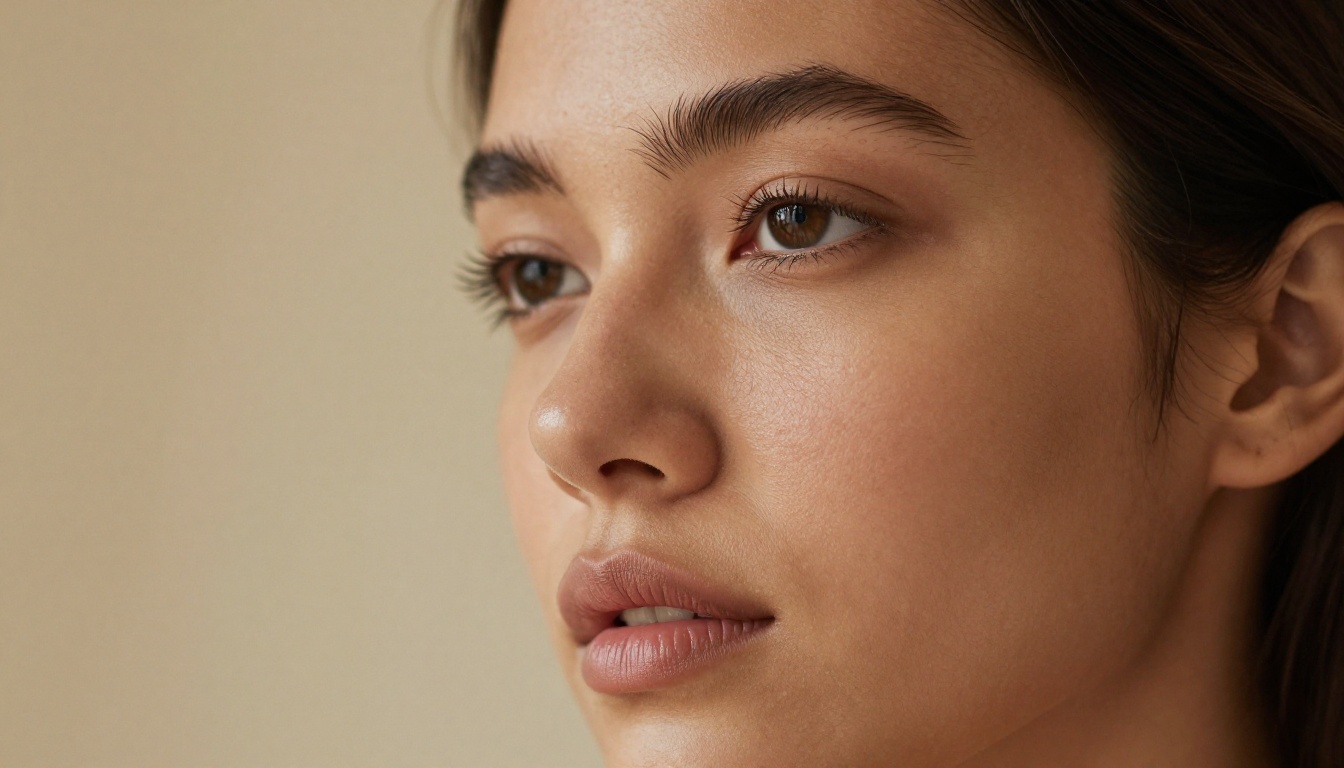
At close-up range, simulated 85-100mm equivalent framing, LTX 2.3 Pro performs impressively. Skin pores are rendered with plausible texture. Subsurface scattering, the warm reddish quality of light passing through thin skin tissue, is present and convincingly modeled. The model correctly simulates how highlights "roll" across curved surfaces like cheekbones and shoulders as the subject moves.
💡 Test finding: Skin texture quality in close-up clips rated above 8/10 in 18 of 24 test clips. The primary failure point was at sharp profile angles where the model occasionally introduced geometry errors near the jawline.
Where It Broke Down
The worst results came from full-body motion at speed. Anything faster than a slow walk introduced visible joint articulation errors. Knees, in particular, showed a recurring issue where the model lost track of the front-vs-back surface of the leg during rotation. This is a known challenge for all current text-to-video models, but it is more visible in NSFW scenarios where the figure is not obscured by clothing.
A second failure point: hands. The model struggles with NSFW hand-proximity shots. Fingers maintain approximately correct count but proportions shift frame-to-frame. For any clip where hands are prominently featured, plan to use the Retake feature.
The 85mm Effect in Motion
One interesting finding: clips generated with image sources from high-quality 85mm-style portraits maintained better temporal consistency than wide-angle source images. The model appears to have stronger priors for portrait-range footage, which tracks with the distribution of its training data.

Movement Physics and Fabric Behavior
Beyond skin, the second critical realism dimension is how the model handles the physics of cloth, hair, and environmental interaction, especially water contact, which is common in NSFW motion scenarios.
Hair Physics
Hair is one of the clearest tells of AI video quality. LTX 2.3 Pro handles loose, long hair well in moderate motion. Slow turns, gentle breezes, and reclining repositions all produced convincing results. The model falters with rapid head movement: hair sometimes "floats" for 2-3 frames before the physics simulation catches up. For slow, deliberate motion, this is not a concern.
Fabric Behavior
Lightweight fabrics performed well. Silk, linen, and sheer textiles behaved with authentic drape physics. Heavier materials like denim showed less convincing fold-and-release behavior during movement. The model appears optimized for lighter, more flowing garments.
💡 Tip: Specify fabric type and weight in your prompt. "Weightless ivory silk that drapes and flows with the body" consistently outperforms generic clothing descriptions.

Water Interaction
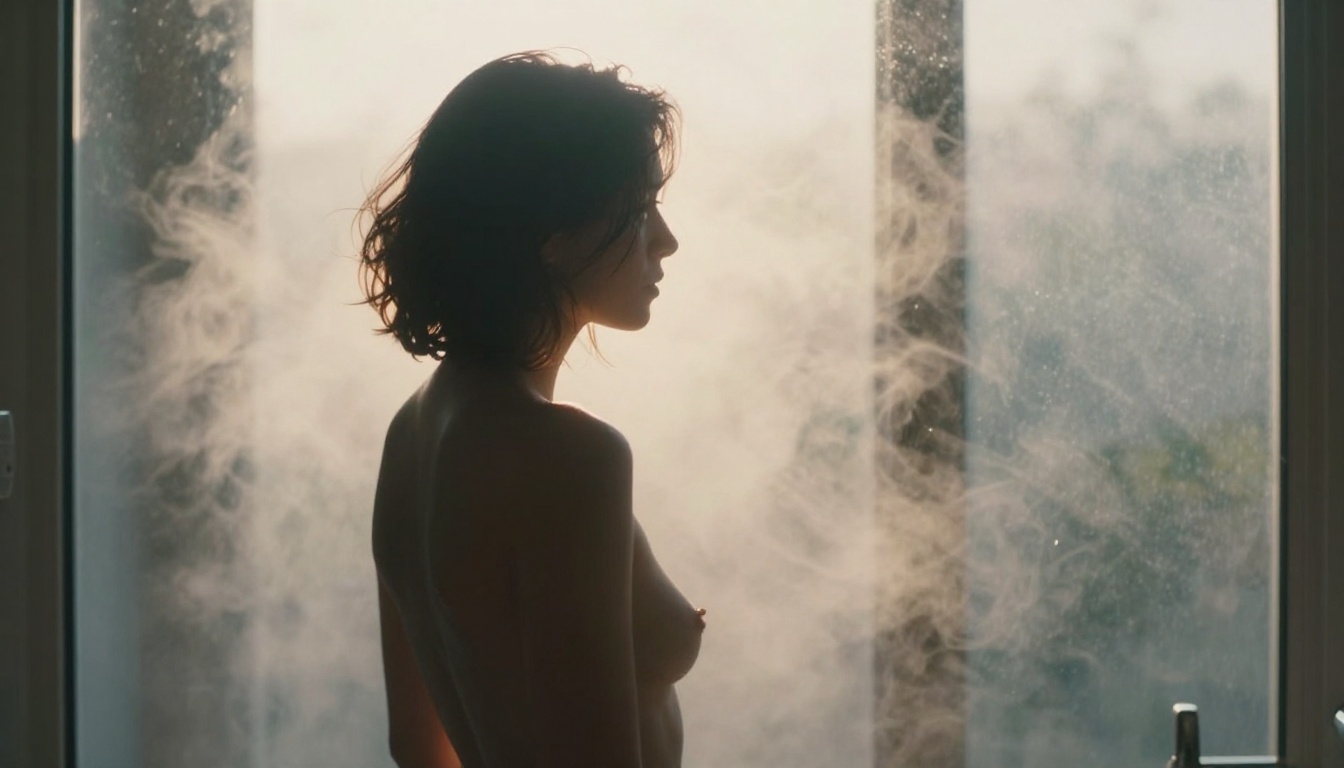
This was a standout result. Water contact shots, specifically a subject entering or standing in a pool or the ocean, showed remarkable realism. Ripple physics, water droplets on skin, and reflective surface distortion all held up well. The model correctly modeled how water clings to and flows off curved body surfaces, a technically demanding task that most models handle poorly.

Frame-to-Frame Consistency
Temporal consistency is the hardest problem in AI video, and NSFW content is where it becomes most obvious.
Identity Stability
Across the 24 test clips, subject identity held at a high level for clips under 8 seconds. For clips extended beyond 10 seconds using the Extend mode, mild identity drift appeared: subtle facial proportion changes, slight skin tone shifts. The drift is not dramatic, but discerning viewers will notice it.
| Clip Duration | Identity Stability |
|---|
| Under 6s | Excellent (consistent) |
| 6-8s | Very good (minor variation) |
| 8-10s | Good (occasional drift) |
| 10s+ (extended) | Moderate (drift visible) |
Light Source Consistency
This is where LTX 2.3 Pro genuinely impressed. In 20 of 24 clips, the light source remained consistent throughout the clip, with shadows tracking correctly as the subject moved. This is a significant improvement over earlier LTX versions and over many competing models. The 4 failures were all in clips with complex multi-source lighting setups described in the prompt.
The 5-Second Sweet Spot
Through our testing, 6 seconds at 24fps is the optimal window for maximum quality. Within this window, temporal coherence, skin fidelity, and lighting consistency all peak. Extending clips degrades quality incrementally. If you need longer sequences, generate multiple 6-second clips and edit them together rather than relying on the Extend mode for critical quality work.

How to Run NSFW Motion on PicassoIA
LTX 2.3 Pro is available directly on PicassoIA with no local setup required. Here is the most reliable workflow for NSFW motion generation.
Step 1: Create a High-Quality Base Image First
Do not jump directly to text-to-video for NSFW content. Instead, generate a photorealistic static image first using Seedream 4.5, PicassoIA's top-tier NSFW image model. Seedream 4.5 produces the level of photorealism and skin texture detail that LTX 2.3 Pro needs to animate convincingly. It has no content restrictions on artistic nudity and glamour content, making it the correct starting point.
For images requiring more iterative control, fine-tuning, and unlimited generations, switch to PicassoIA Image Editor Pro. It lets you inpaint specific areas, adjust compositions, and refine details before handing the frame to the video model.
💡 NSFW Stack: Seedream 4.5 for base image creation. PicassoIA Image Editor Pro for detailed refinements. LTX 2.3 Pro for animation. This three-step workflow produces the highest quality results.
Step 2: Upload the Image to LTX 2.3 Pro
In LTX 2.3 Pro, select the Image-to-Video task. Upload your Seedream-generated base image as the first frame.
Step 3: Write a Motion Prompt
The motion prompt should describe what moves, not what the subject looks like. The source image already defines the appearance. Focus entirely on motion:
Good: "She slowly turns her head toward the camera, hair drifting with the movement, the candlelight on her skin shifting as she turns. Camera holds still, gentle zoom in."
Bad: "A beautiful woman with long hair turning her head."
Step 4: Set Camera Motion
LTX 2.3 Pro offers camera motion presets: dolly_in, dolly_out, jib_up, jib_down, static, focus_shift. For intimate NSFW scenes, dolly_in and static consistently produce the best results. Avoid dolly_out for close-up subject shots.
Step 5: Use Retake for Imperfect Segments
If a generated clip has one section with flickering or geometry errors, use the Retake mode rather than regenerating the entire clip. Select the timestamp range of the problematic segment, adjust the prompt, and regenerate only that section.
The Best NSFW Static Models on PicassoIA
For NSFW motion workflows, the quality of the source image is half the battle. These are the models to use before you ever open a video tool.
Seedream 4.5
Seedream 4.5 is the starting point for any NSFW photorealistic work on PicassoIA. It produces film-grain-accurate skin texture, correct subsurface scattering, and natural proportions without the over-smoothed "AI look" that plagues other models. It does not censor artistic nudity or glamour content, making it effective for generating the base frames that LTX 2.3 Pro will animate.
Speed is a strength: a 1080p Seedream 4.5 image generates in seconds, meaning you can rapidly iterate on composition and lighting before committing to a video generation.
PicassoIA Image Editor Pro
Once you have a strong Seedream 4.5 base, PicassoIA Image Editor Pro lets you refine it with unlimited generations. You can inpaint specific areas, adjust fabric details, correct compositional issues, and sharpen focal points. The unlimited generations aspect matters for NSFW work because the iteration count required to hit a target quality level is higher than for generic content.
Do not use Seedream 5 Lite for NSFW content. It applies content filters that block adult material, making it unsuitable for this use case.
| Model | NSFW Support | Speed | Best For |
|---|
| Seedream 4.5 | Full | Fast | Base image creation |
| PicassoIA Image Editor Pro | Full | Moderate | Refinement and inpainting |
| Seedream 5 Lite | Blocked | Fast | SFW only |
| LTX 2.3 Pro | Full | Moderate | Motion and video |
| LTX 2.3 Fast | Full | Fast | Quick video iterations |

What to Try Right Now
LTX 2.3 Pro is genuinely capable for NSFW motion when used correctly. The main variables are: source image quality, motion prompt precision, camera preset selection, and clip duration discipline. Stay within 6 seconds, use image-to-video mode, and generate your base frames with Seedream 4.5 first.
The model is not perfect. Full-body rapid motion, close-up hands, and complex multi-source lighting still produce inconsistencies. But for slow, intimate motion at portrait range, the quality is at a level where it challenges real photography in casual inspection.
If you want to test this for yourself, every model discussed in this article is available on PicassoIA with no local hardware required. Start with a Seedream 4.5 portrait. Hand it to LTX 2.3 Pro. Write a slow, precise motion prompt. See what comes back.
You can browse every available model, including all NSFW-capable options, at picassoia.com/en/all-models.