AI image generation has reached a tipping point. What was once a novelty reserved for tech enthusiasts has become an essential tool for creators, marketers, and businesses worldwide. The latest releases from major players have pushed the boundaries of what's possible, making it harder than ever to distinguish AI-generated images from photographs.
Two names dominate the conversation: Midjourney with its v7 release, and OpenAI's DALL-E 4. Both promise unprecedented realism, better prompt understanding, and faster generation times. But which one actually delivers better results?
After testing both platforms extensively across various use cases, we've compiled this in-depth comparison to help you decide which AI image generator best fits your needs.
How AI Image Generation Has Evolved
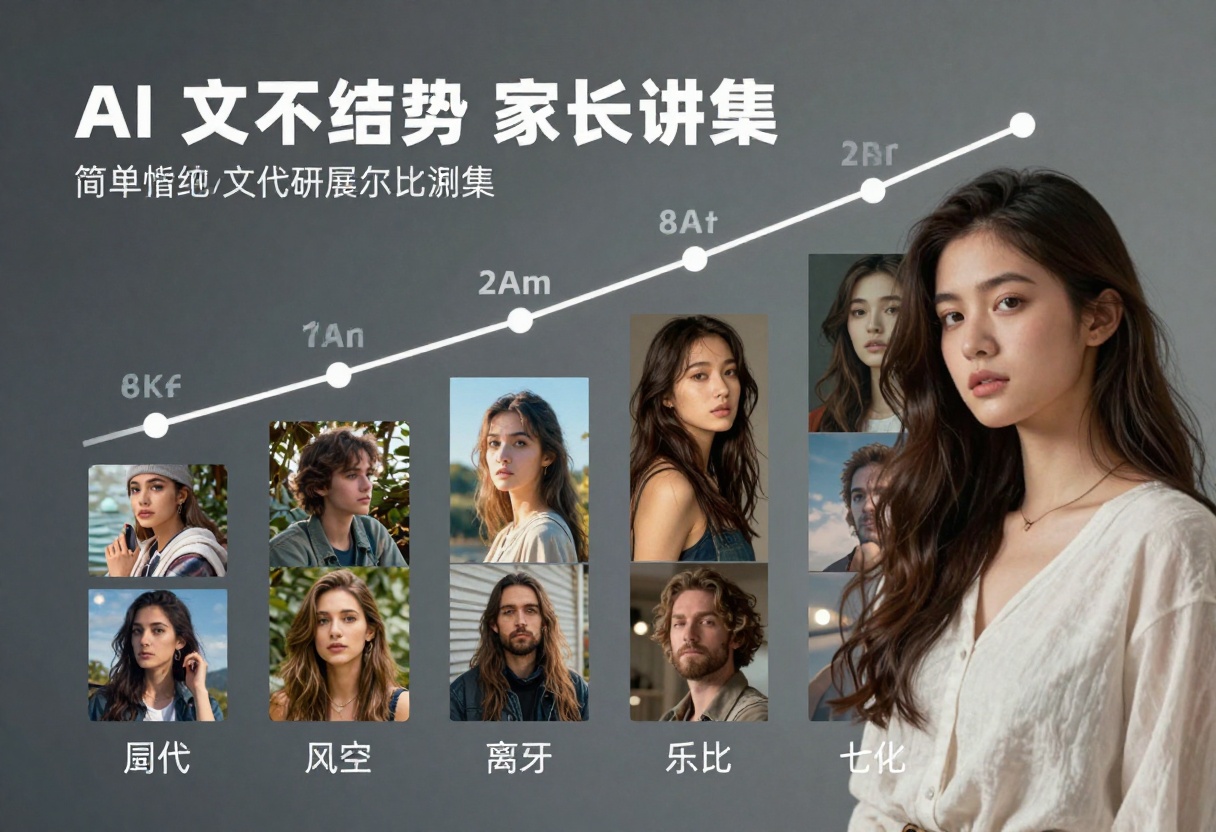
The AI image generation landscape has transformed dramatically over the past few years. Early models struggled with basic coherence, often producing distorted faces, mangled hands, and nonsensical compositions. Today's models can generate photorealistic images that fool even trained eyes.
This leap forward comes from several technological breakthroughs. Diffusion models replaced older GAN-based approaches, allowing for better control and higher quality outputs. Training datasets grew exponentially, giving models exposure to billions of images. Compute power increased, enabling larger model architectures with more parameters.
Both Midjourney v7 and DALL-E 4 represent the cutting edge of this evolution, but they've taken different paths to reach the summit.
Midjourney v7 Capabilities
Midjourney v7 builds on the strengths that made previous versions popular among digital artists and creative professionals. The model excels at producing stylized, artistic imagery with a distinct aesthetic quality that many creators prefer.
Key improvements in v7 include:
- Enhanced text rendering that finally gets spelling right most of the time
- Better understanding of complex prompts with multiple subjects
- Improved consistency when generating character variations
- More realistic lighting and shadow handling
- Expanded aspect ratio support for diverse output formats
The platform maintains its signature "cinematic" look that gives images a polished, professional quality right out of the gate. Many users appreciate how Midjourney interprets prompts with an artistic sensibility, often adding creative flourishes that enhance the final result.
However, this artistic interpretation can sometimes work against users who need literal translations of their prompts. The model tends to beautify and dramatize scenes, which may not suit every project.
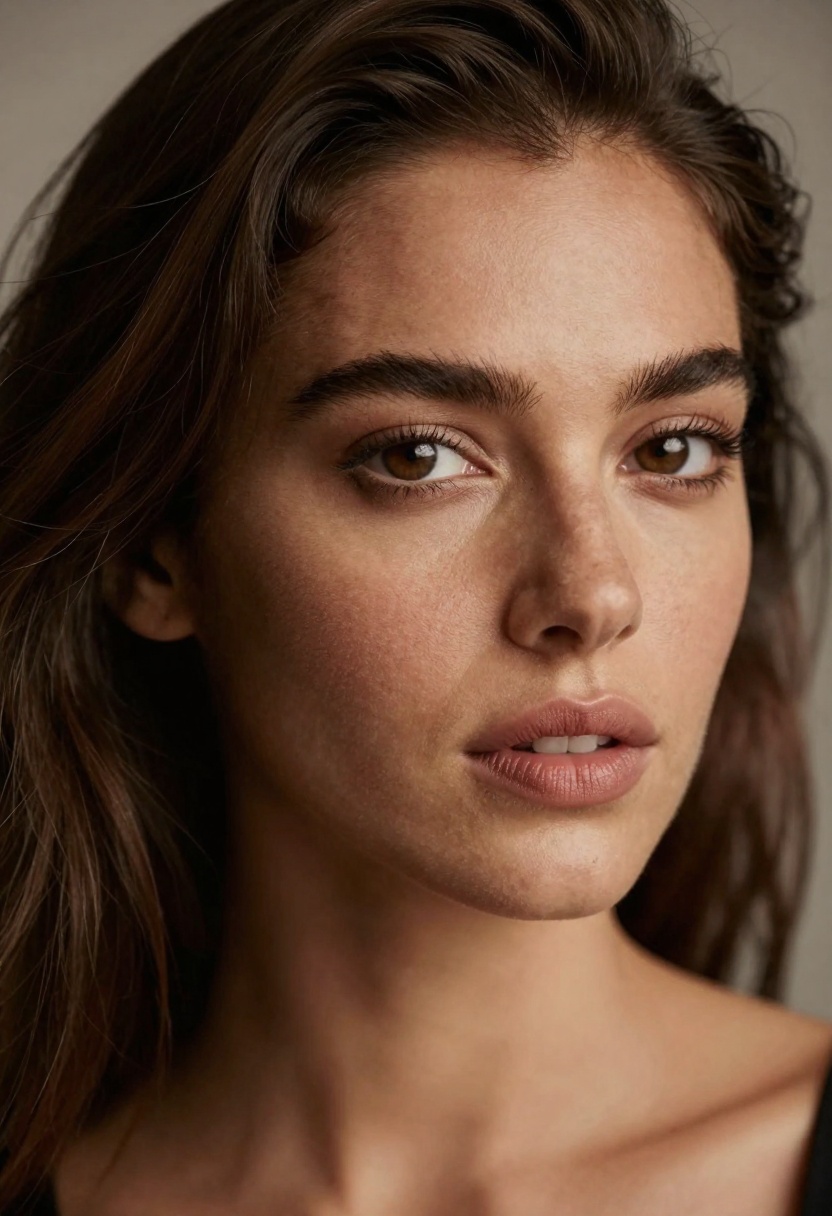
DALL-E 4 represents OpenAI's latest achievement in image synthesis, focusing on photorealism and precise prompt adherence. The model demonstrates remarkable improvements in understanding nuanced instructions and generating images that match user intent.
Notable features include:
- Superior prompt accuracy that follows detailed instructions closely
- Natural-looking human anatomy with correctly proportioned hands and faces
- Better control over specific elements like lighting direction and color palettes
- Improved handling of text within images
- Faster generation times compared to DALL-E 3
DALL-E 4 prioritizes literal interpretation over artistic embellishment. When you ask for a simple white coffee cup on a wooden table, that's exactly what you get. This straightforward approach makes it excellent for product visualization, technical illustration, and scenarios requiring precise control.
The tradeoff comes in the form of sometimes bland or overly literal outputs. Without careful prompt engineering, results can lack the visual punch and artistic flair that makes images pop.
Portrait Generation Comparison
Portrait photography presents one of the toughest challenges for AI image generators. Getting faces right requires understanding countless subtle details, from skin texture and eye reflections to natural expressions and proper anatomy.
Both models handle portraits competently, but with different strengths. Midjourney v7 tends to produce more dramatic, fashion-editorial style portraits with enhanced features and idealized proportions. Skin appears smooth and flawless, lighting tends toward the dramatic, and overall composition feels designed for maximum visual impact.
DALL-E 4 generates more realistic, documentary-style portraits that look like actual photographs. Skin shows natural texture and imperfections, expressions appear genuine rather than posed, and lighting feels more natural. The results work better for applications requiring authenticity over aesthetics.
For professional headshots or marketing materials where polish matters, Midjourney v7 edges ahead. For journalism, documentation, or scenarios requiring believable realism, DALL-E 4 delivers superior results.
Landscape and Environment Rendering
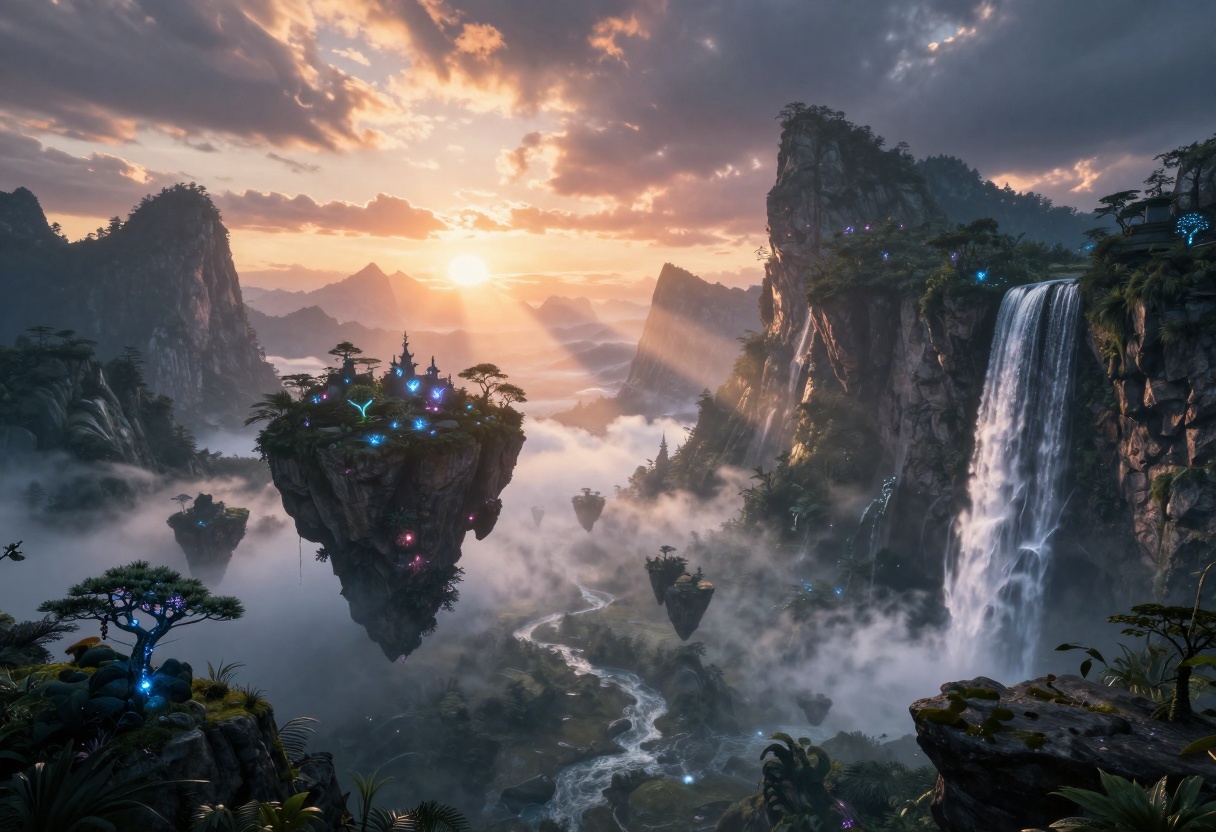
Landscape generation reveals how each model handles composition, atmosphere, and spatial relationships. Both platforms can create stunning vistas, but their approaches differ significantly.
Midjourney v7 shines in fantasy and conceptual landscapes. Its tendency toward dramatic lighting and saturated colors produces images that feel like high-end digital art or concept paintings. Mountains reach impossibly high, skies burst with color, and every element feels carefully composed for maximum impact.
DALL-E 4 excels at realistic landscapes that could pass for photographs from a talented travel photographer. Colors remain natural, lighting follows physical rules, and compositions feel organic rather than designed. The model better understands geographic and architectural consistency.
For concept art, game development, or creative projects where visual spectacle matters, Midjourney v7 wins decisively. For architectural visualization, travel content, or scenarios requiring geographic accuracy, DALL-E 4 proves more reliable.
Product Photography Results
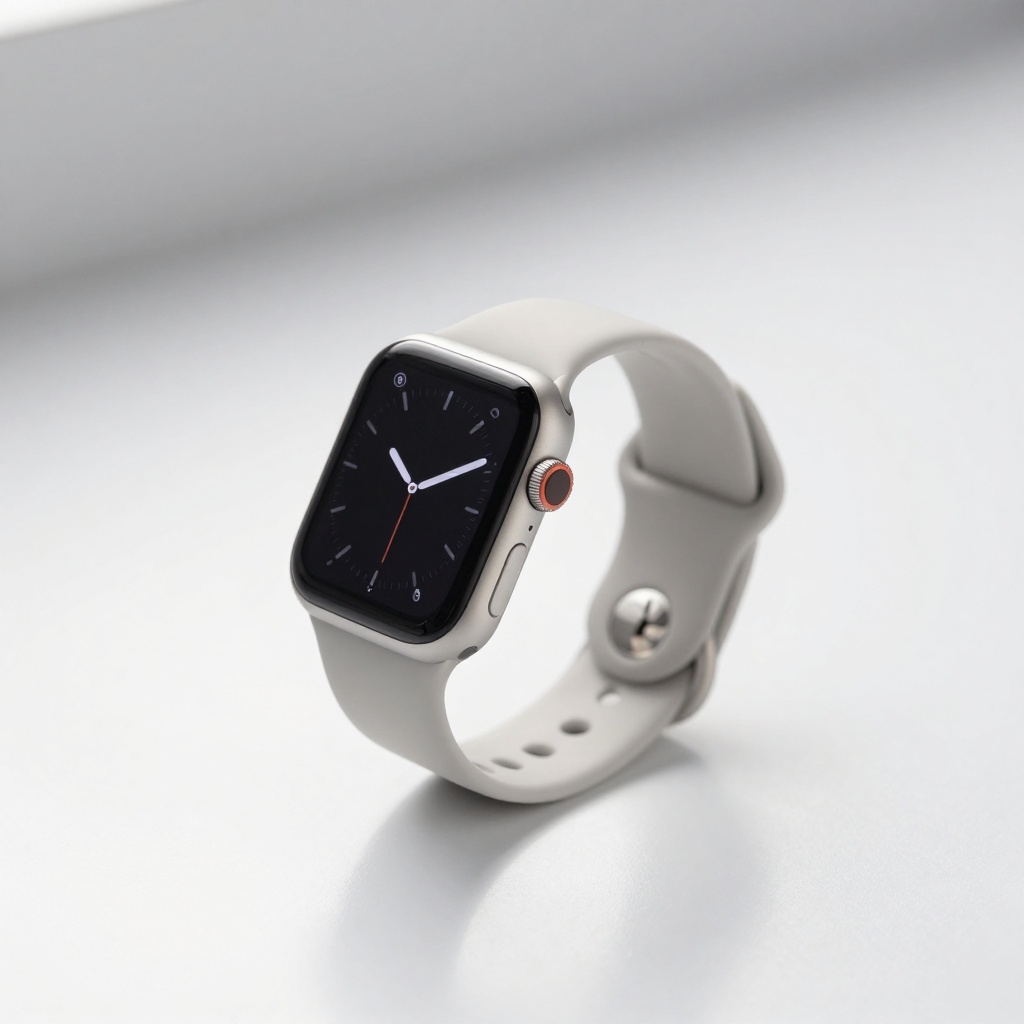
Product photography demands precision, accurate colors, and professional lighting. This commercial application tests how well each model can meet specific technical requirements rather than creating artistic interpretations.
DALL-E 4 demonstrates clear superiority in this category. Its precise prompt following means you can specify exact camera angles, lighting setups, and backgrounds with confidence. Colors remain accurate, objects maintain correct proportions, and the overall aesthetic matches professional studio photography.
Midjourney v7 sometimes adds unnecessary artistic flourishes to product shots. A simple product on a white background might gain dramatic shadows or stylized lighting that works against the clean, commercial aesthetic most brands require.
For e-commerce, marketing materials, or any scenario requiring product accuracy, DALL-E 4 provides more predictable and usable results.
Architectural Visualization Quality
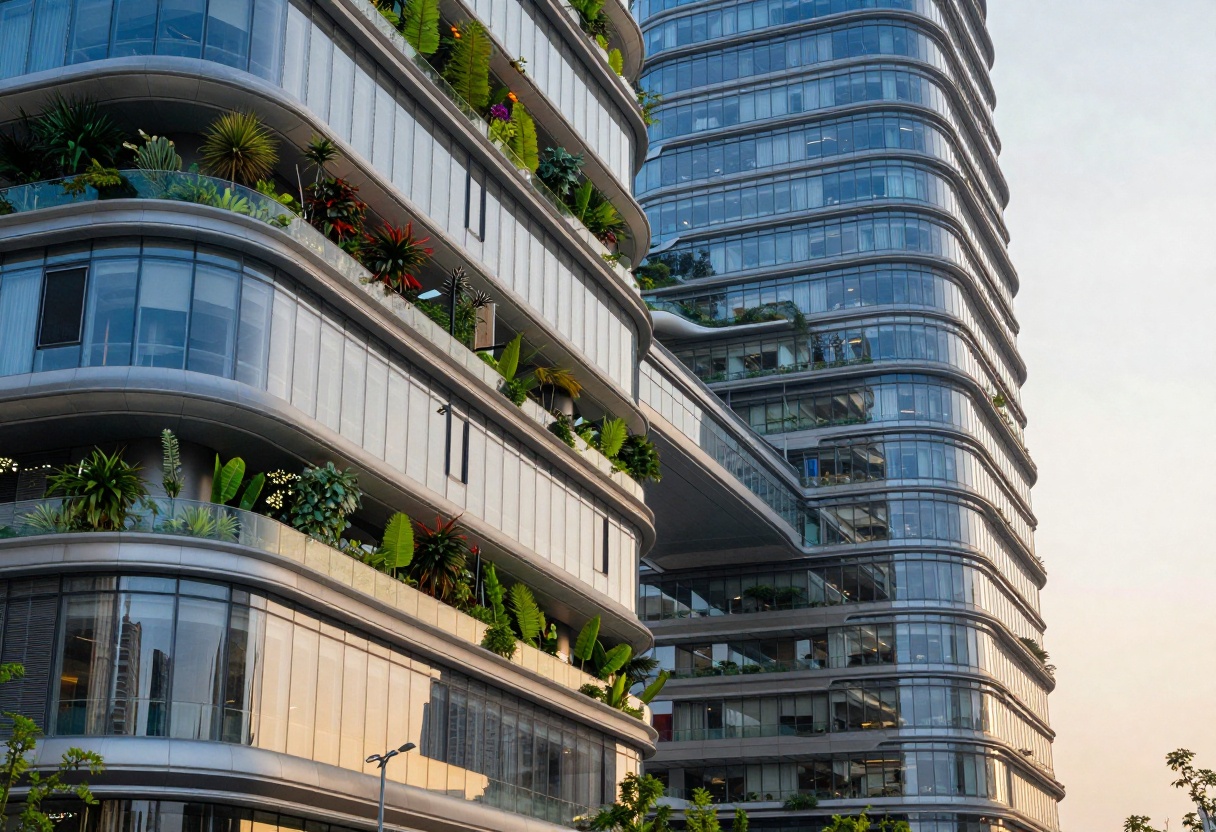
Architecture represents another domain where precision matters enormously. Buildings must follow physical rules, proportions need to make sense, and details should appear structurally sound.
Both models handle architecture reasonably well, though neither reaches the level of dedicated architectural rendering software. DALL-E 4 maintains better structural consistency and realistic proportions, making it more suitable for actual architectural proposals or documentation.
Midjourney v7 produces more visually striking architectural images with dramatic angles and atmospheric lighting. These work better for mood boards, conceptual presentations, or marketing materials where emotional impact outweighs technical accuracy.
Professional architects and designers will likely prefer DALL-E 4's grounded realism, while marketers and creative directors may favor Midjourney v7's visual drama.
Abstract and Digital Art Capabilities
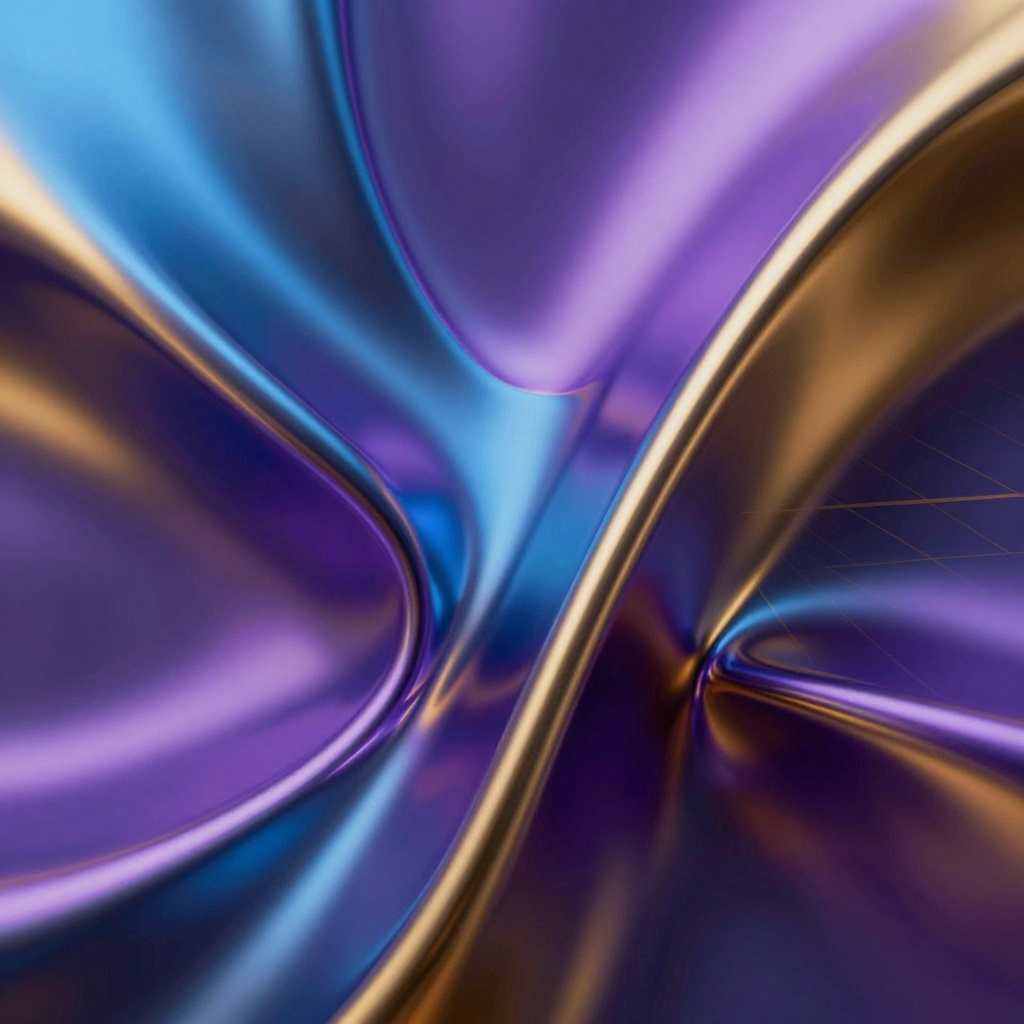
Abstract art tests how well AI models can move beyond literal representation into pure visual creativity. Here, prompt interpretation and artistic sensibility matter more than technical accuracy.
Midjourney v7 excels in this category, producing stunning abstract compositions with sophisticated color theory and dynamic visual flow. The model seems to understand abstract concepts like "tension," "harmony," and "energy" in ways that translate to compelling visual results.
DALL-E 4 can generate abstract art competently but tends toward safer, more predictable compositions. The results feel less bold and experimental compared to Midjourney's output.
For artists, graphic designers, and anyone working in abstract or experimental visual domains, Midjourney v7 provides more exciting and unpredictable results that can inspire new creative directions.
Character Design and Illustration
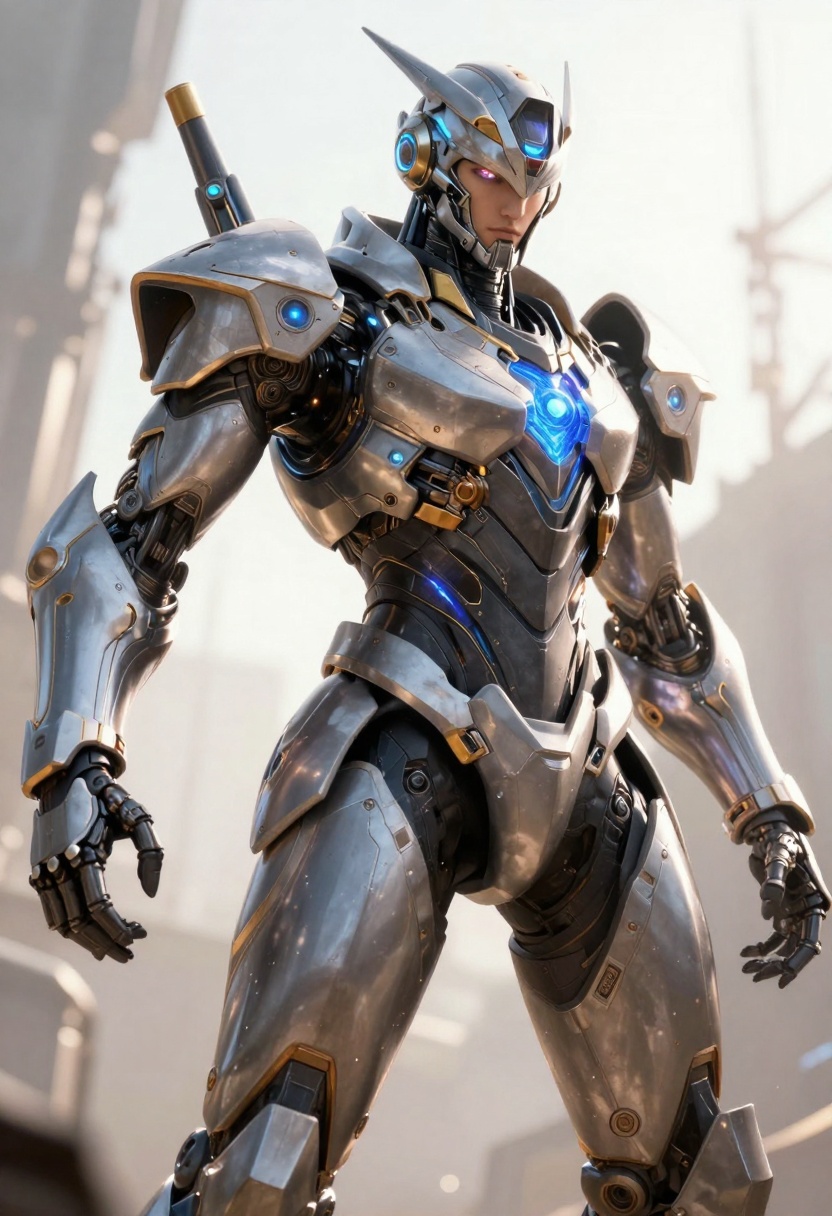
Character design requires consistent visual details, personality expression, and the ability to generate variations while maintaining recognizable features. This presents unique challenges for AI image generators.
Midjourney v7's new consistency features allow for better character iteration, though maintaining exact details across multiple generations remains challenging. The artistic style works well for game character concepts, comic book art, and stylized character designs.
DALL-E 4 provides better consistency when generating character variations, making it easier to explore different poses or expressions while keeping the character recognizable. However, the more literal interpretation can produce less inspired character designs.
Game developers and character artists may find Midjourney v7 better for initial concept exploration, then switch to DALL-E 4 for generating consistent reference sheets and variations.
Fashion and Style Photography
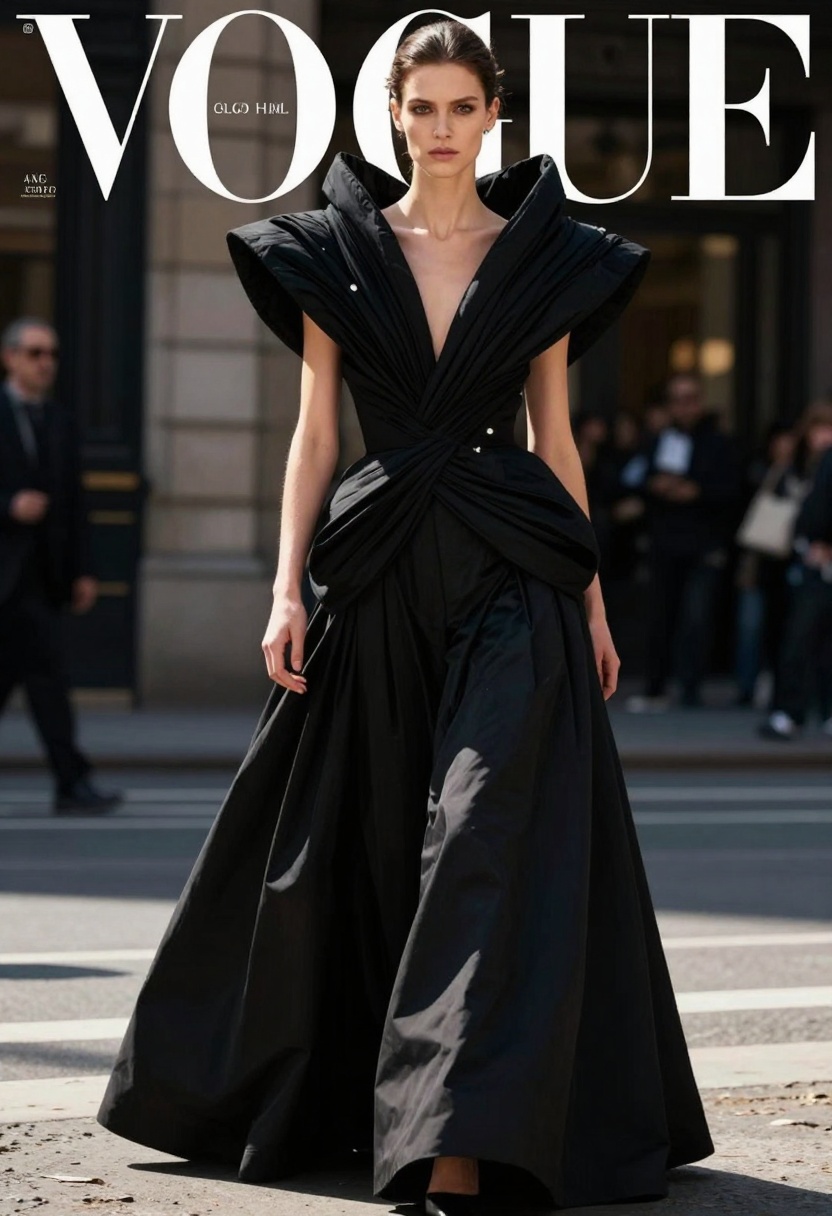
Fashion photography demands sophistication, understanding of current aesthetics, and the ability to make clothing and models look aspirational. Both models can generate fashion imagery, but approach the task differently.
Midjourney v7 produces editorial-quality fashion images with dramatic styling, professional makeup, and high-fashion aesthetics. The results feel ready for magazine spreads or advertising campaigns, with polished lighting and sophisticated composition.
DALL-E 4 generates more accessible, commercial fashion photography that works for e-commerce and lifestyle brands. The styling feels current but approachable rather than avant-garde.
High-fashion brands and editorial publications will prefer Midjourney v7's elevated aesthetic, while mainstream retailers may find DALL-E 4's more approachable style fits their brand better.
Wildlife and Nature Photography
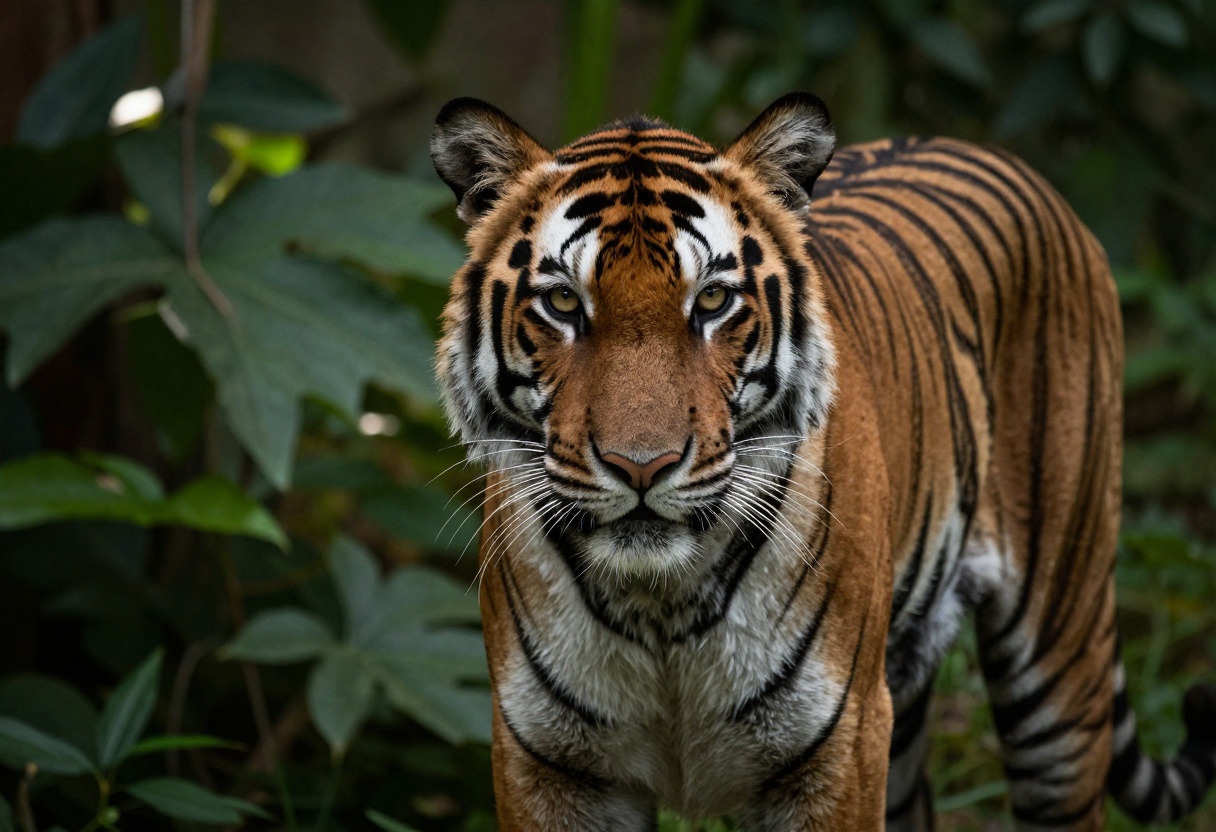
Nature and wildlife photography tests how well AI models understand organic forms, natural lighting, and environmental context. Getting animals to look genuinely alive rather than artificial remains a significant challenge.
Both models produce impressive nature photography, though with characteristic differences. Midjourney v7 creates dramatic wildlife shots with perfect lighting and idealized composition, similar to award-winning nature photography. However, animals sometimes appear slightly stylized.
DALL-E 4 generates more documentary-style wildlife images that feel like authentic nature photography. Animals show natural behavior and realistic anatomy, though the compositions may lack the visual impact of Midjourney's output.
For nature documentaries, educational materials, or scientific visualization, DALL-E 4's authenticity serves better. For inspiring environmental campaigns or artistic nature collections, Midjourney v7 delivers more striking results.
Food Photography and Culinary Visualization
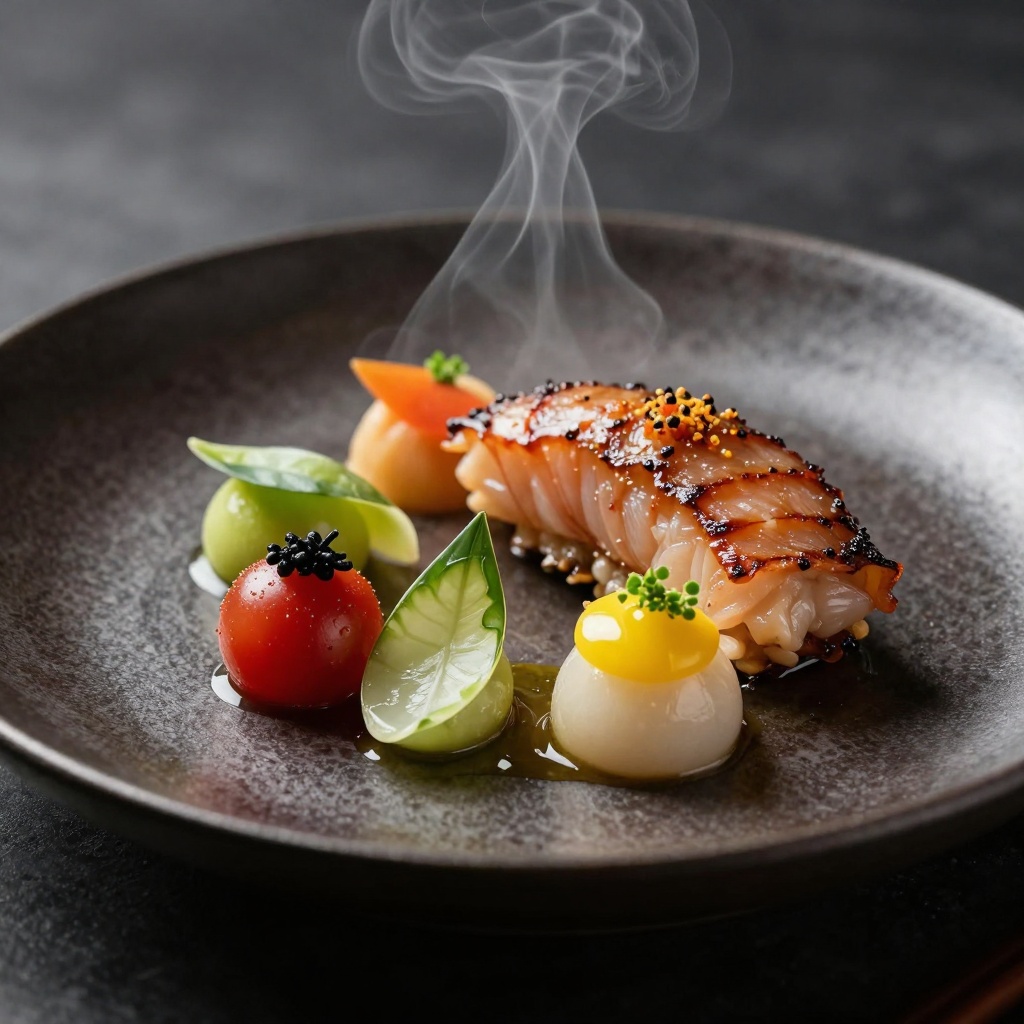
Food photography requires making dishes look appetizing while maintaining realistic textures and colors. This specialized niche tests how well AI models understand culinary presentation and food styling.
Midjourney v7 generates restaurant-quality food photography with perfect plating, dramatic lighting, and mouth-watering presentation. Every dish looks like it belongs in a Michelin-starred restaurant's marketing materials.
DALL-E 4 produces more honest food photography that looks like actual meals rather than idealized versions. This authenticity works better for recipe blogs, home cooking content, or casual dining establishments.
High-end restaurants and food brands targeting premium markets will prefer Midjourney v7's polished aesthetic. Recipe websites and casual food content creators may find DALL-E 4's approachable style more appropriate.
Prompt Engineering Considerations
Getting the best results from any AI image generator requires understanding how to communicate effectively with the model. Midjourney v7 and DALL-E 4 respond differently to various prompting approaches.
Midjourney v7 responds well to artistic language and emotional descriptors. Terms like "cinematic," "dramatic," or "ethereal" help guide the model's aesthetic choices. Specifying lighting conditions and artistic styles yields consistent improvements.
DALL-E 4 benefits from precise, technical descriptions. Specific camera settings, exact color values, and detailed spatial relationships produce better results. The model interprets descriptive language more literally, so precise wording matters.
Both models improve with practice. Experimenting with different prompt structures and styles helps you understand how each interprets various instructions.
Speed and Generation Time
Generation speed matters for iterative workflows where you need to test multiple variations quickly. Both platforms have improved significantly in this area.
DALL-E 4 generally generates images faster, typically producing results in 5-15 seconds. The speed advantage becomes significant when testing multiple prompt variations or generating large batches of images.
Midjourney v7 takes slightly longer, usually 15-30 seconds per image depending on server load. The extra time produces more refined results, but the slower pace can feel limiting when exploring many variations.
For professional workflows requiring rapid iteration, DALL-E 4's speed advantage translates to real productivity gains. For final production work where quality trumps speed, Midjourney v7's longer processing time feels justified.
Cost and Accessibility
Pricing structures affect which platform makes sense for different users and use cases. Both offer subscription tiers, but with different value propositions.
Midjourney operates on a monthly subscription model with different tiers based on usage limits and features. The pricing feels straightforward, though power users can quickly hit generation limits on lower tiers.
DALL-E 4 uses a credit-based system where each generation consumes a specific number of credits. This pay-per-use approach works well for occasional users but can become expensive for high-volume work.
Budget-conscious users should calculate their typical monthly usage to determine which pricing model saves more money. Both platforms offer free trials for testing before committing.
Creating Images with Flux-2-Pro on PicassoIA
While external platforms offer powerful AI generation, PicassoIA provides open-source alternatives that give you more control and flexibility. The Flux-2-Pro model on PicassoIA delivers professional-quality image generation without platform restrictions.
What Makes Flux-2-Pro Special
Flux-2-Pro represents the latest generation of open-source image generation models, offering capabilities that rival or exceed proprietary alternatives. The model specializes in photorealistic rendering while maintaining artistic flexibility.
Key advantages include:
- Support for up to 8 reference images for precise style control
- Resolutions up to 4 megapixels for print-quality outputs
- Multiple output formats (WebP, JPG, PNG) optimized for different uses
- Reproducible results through seed control
- Adjustable safety settings for diverse content needs
Getting Started with Flux-2-Pro
Creating stunning images on PicassoIA follows a straightforward process. Visit the Flux-2-Pro model page to begin.
Step 1: Write Your Prompt
The prompt field accepts detailed text descriptions of your desired image. Be specific about:
- Subject matter and key visual elements
- Lighting conditions and atmosphere
- Style and artistic direction
- Composition and framing preferences
For example: "A professional food photography setup showing a gourmet burger with melted cheese, fresh vegetables, on a rustic wooden table, warm natural lighting from the side, shallow depth of field, commercial photography style"
Step 2: Choose Your Aspect Ratio
Select from preset ratios (1:1, 16:9, 3:2, etc.) or use custom dimensions for specific requirements. Common choices include:
- 1:1 for social media posts
- 16:9 for website headers and presentations
- 3:2 for traditional photography formats
- 9:16 for mobile-optimized content
Step 3: Adjust Resolution Settings
Resolution determines output quality and file size. Available options include:
- 0.5 MP for quick previews and testing
- 1 MP for web use and social media (recommended starting point)
- 2 MP for high-quality web graphics
- 4 MP for print materials and maximum detail
Higher resolutions require more processing time but deliver superior quality for professional applications.
Step 4: Configure Advanced Options
Optional parameters fine-tune your results:
- Seed: Set a specific number for reproducible generations
- Output Format: Choose WebP for smallest files, PNG for maximum quality, or JPG for compatibility
- Output Quality: Adjust compression (0-100) to balance file size and image quality
- Safety Tolerance: Control content filtering strictness (1-5 scale)
Step 5: Add Reference Images (Optional)
Upload up to 8 reference images to guide style, composition, or content. The model analyzes these images and incorporates their visual characteristics into your generation.
This feature excels for:
- Maintaining brand visual consistency
- Matching specific artistic styles
- Creating variations of existing imagery
- Combining elements from multiple sources
Step 6: Generate and Refine
Click the generate button to start processing. Results typically appear within 15-30 seconds depending on resolution and complexity.
If the initial result doesn't meet expectations, adjust your prompt for clarity or modify advanced settings. Small changes often yield significantly different results, so experimentation helps achieve your vision.
Professional Tips for Best Results
Getting exceptional results from Flux-2-Pro requires understanding how the model interprets prompts:
Be descriptive about lighting - The model responds well to specific lighting instructions like "soft diffused morning light" or "dramatic side lighting with deep shadows"
Specify artistic style clearly - Terms like "photorealistic," "oil painting style," or "digital art illustration" help guide the aesthetic direction
Use quality indicators - Phrases like "high detail," "8k resolution," or "professional photography" encourage higher-quality outputs
Structure complex prompts carefully - Present information logically, starting with the main subject and adding details progressively
Leverage reference images strategically - Use references for style guidance while keeping prompts specific about desired content
When to Use Flux-2-Pro
This model excels in scenarios requiring professional-quality outputs with maximum control:
- Marketing materials and brand assets
- Product visualization and e-commerce imagery
- Concept art for creative projects
- High-resolution prints and physical media
- Style-matched image collections
- Custom illustrations for publications
The combination of open-source flexibility and powerful generation capabilities makes Flux-2-Pro particularly valuable for professionals who need reliable, high-quality results without platform restrictions.
Declaring a single winner oversimplifies the comparison because both platforms excel in different areas. The right choice depends entirely on your specific needs and creative priorities.
Choose Midjourney v7 if you need:
- Highly stylized, artistic imagery
- Dramatic visual impact for marketing or creative work
- Abstract or conceptual art generation
- Fashion and editorial photography aesthetics
- Fantasy landscapes and imaginative scenes
Choose DALL-E 4 if you need:
- Precise prompt adherence and literal interpretation
- Photorealistic results for documentation or journalism
- Product photography and commercial applications
- Technical illustration or architectural visualization
- Faster iteration cycles for large projects
Consider open-source alternatives like Flux-2-Pro on PicassoIA if you need:
- Maximum control over generation parameters
- No platform restrictions or content limitations
- Cost-effective solutions for high-volume work
- Reproducible results with seed control
- Integration with custom workflows
Many professional creators maintain subscriptions to multiple platforms, using each for its strengths. This approach maximizes creative flexibility while ensuring you always have access to the right tool for each specific project.
The future of AI image generation looks increasingly sophisticated, with new models and capabilities emerging regularly. Both Midjourney and OpenAI continue rapid development, while open-source alternatives like those available on PicassoIA provide compelling options for creators seeking more control.
The real winner? Creators who now have unprecedented tools for bringing their visions to life, regardless of which platform they choose.


