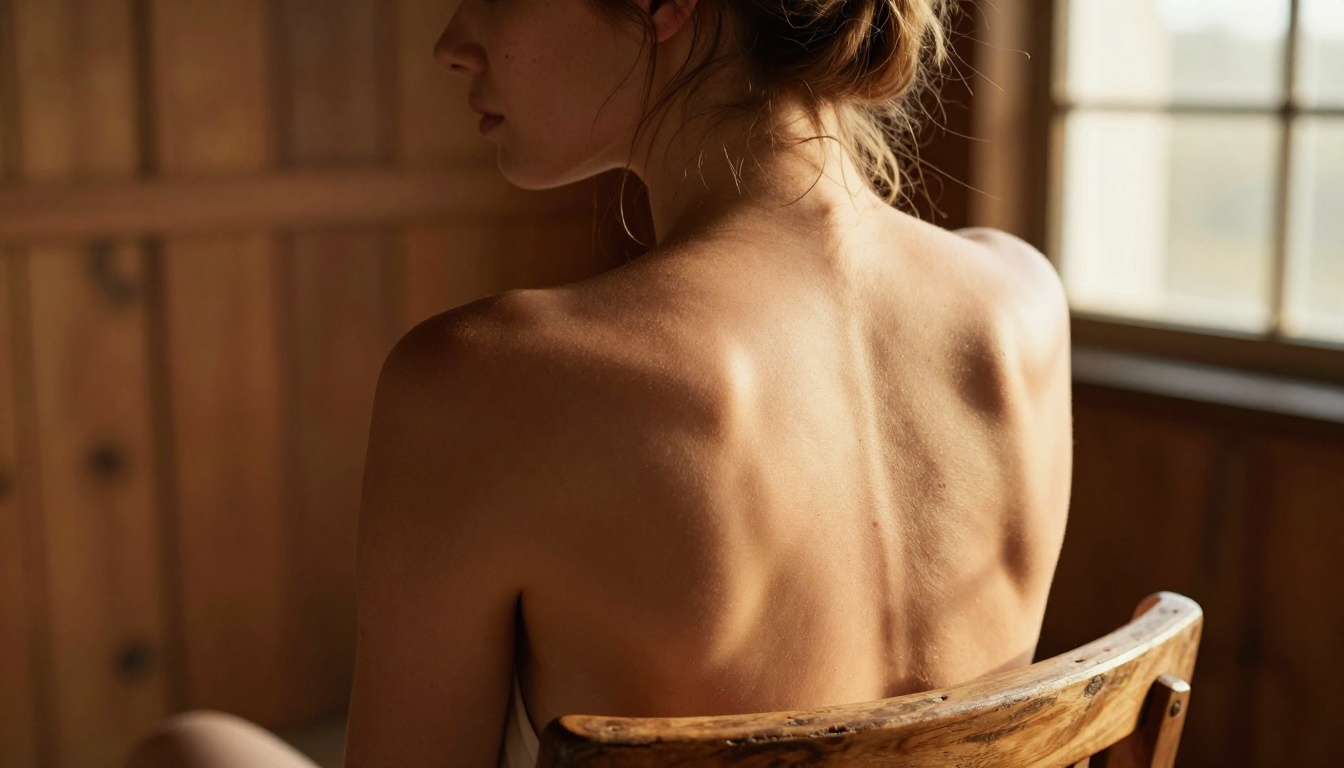
If you've been bouncing between Midjourney v7 and Nano Banana Pro trying to figure out which one handles NSFW art better, you're not alone. Both tools made bold promises in 2025. Both have real limitations that hit you exactly when you're in the middle of a creative session. This article cuts through the marketing noise, shows you exactly what each delivers, where each falls short, and which alternatives give you the uncensored, photorealistic results that neither platform can consistently guarantee.
The short answer: both tools disappoint NSFW creators in different ways. The longer answer requires knowing their content policies, quality ceilings, and what the real alternatives look like on platforms built specifically for adult art generation without arbitrary restrictions.
What Midjourney v7 Actually Does
Midjourney's seventh generation launched with measurable improvements across aesthetic coherence, anatomical rendering, and light simulation. For NSFW creators, v7 was supposed to be the version that finally balanced quality with creative freedom. In practice, the aesthetic side delivered. The freedom side did not.
The Aesthetic Leap in v7
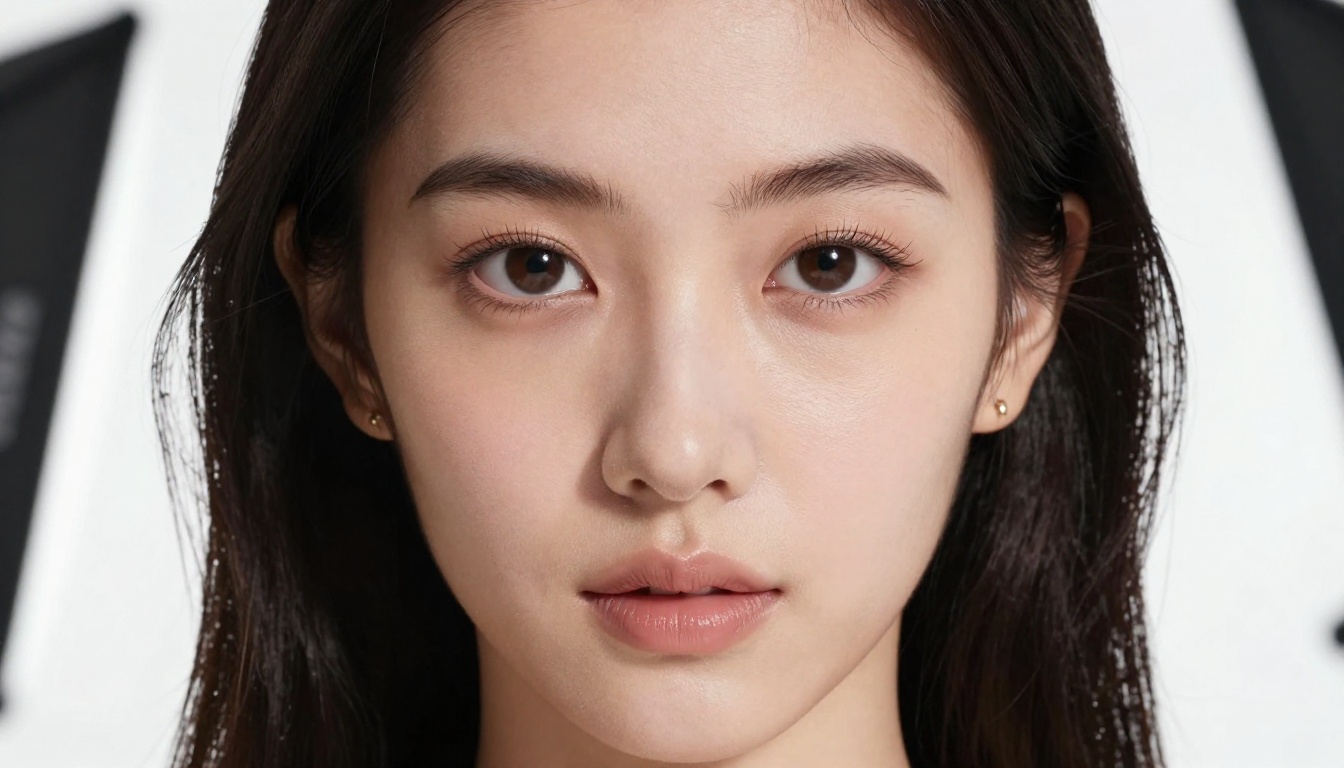
The improvements in v7 are real. Skin texture detail increased dramatically at 1024px native output. Hair rendering, which was a persistent weakness in v5 and v6, now produces strand-level fidelity under direct light. Complex fabric interactions, silk draping over curves, wet fabric clinging to skin, lace patterns casting shadows, all render with photographic believability.
The --style raw flag in v7 disables the automatic "idealization" filter that made earlier versions look painterly and artificial. This alone makes a significant difference for photorealistic NSFW work: subjects look like they were photographed rather than generated.
Midjourney's model also handles complex lighting setups that require studio-level precision. Three-point lighting with specific key, fill, and rim ratios. Practical lighting from windows at calculated sun angles. Underwater caustic light patterns. These respond accurately to detailed prompt instructions, and the results at their best rival professional editorial photography.
Where v7 Blocks You Cold
Here's the problem. Midjourney's content classifier runs at the prompt level before generation begins. The system uses semantic matching, not just keyword blocking. A description of a woman in lingerie can be flagged if the classifier interprets the surrounding context as sexual. A swimwear prompt with specific anatomical descriptors can trigger a strike.
On the $30/month Standard tier, NSFW content generation is completely off. On the $96/month Pro tier, adult content is available for server-to-DM mode only, meaning you must generate in a private message, not on shared servers. Even with full Pro access, explicit content remains prohibited with no exceptions.
The result is a system where you pay premium prices for creative capabilities that get withdrawn mid-project. Account strikes accumulate silently, and three strikes result in a permanent ban. For adult content creators who need creative reliability, this instability is a real operational risk.
💡 Worth knowing: Midjourney's content policy updates without notice. Prompts that worked last month may not work today, even on the Pro tier.
Nano Banana Pro: Speed With a Catch
Nano Banana Pro is Google's high-throughput image diffusion architecture. The model prioritizes inference speed over parameter count, which is why a $0.005 per-image cost makes it attractive for high-volume generation. But speed creates trade-offs that matter specifically for NSFW work.
What Makes Nano Banana Different
The architecture runs a compressed diffusion backbone with progressive refinement passes. Where models like Seedream 4.5 spend more compute on each refinement pass, Nano Banana Pro runs more passes faster at lower per-pass quality. For general scenes, landscapes, objects, and text rendering, this produces acceptable results quickly.
The model's openness is a genuine advantage. Nano Banana's weights are accessible through multiple platforms, including PicassoIA where Nano Banana 2 Lite runs without the platform-level censorship that restricts it on Google's consumer interface. This means the base model's capabilities are available without consumer-facing content filters applying on top.
LoRA fine-tuning compatibility is also strong. Custom style adapters and character LoRAs load cleanly on the Nano Banana architecture. For NSFW creators with existing trained adapters, this matters for consistency across large projects.
The Hard Limits You'll Hit
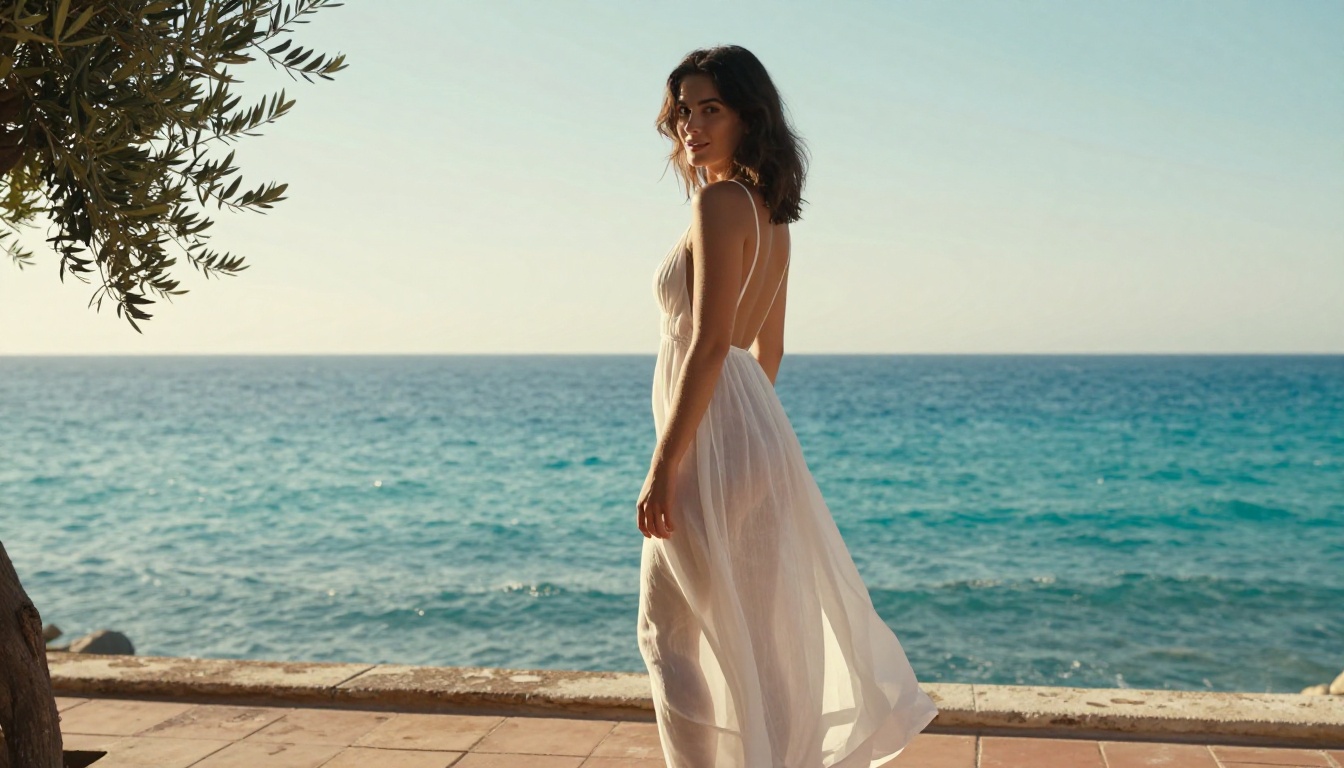
The quality ceiling on Nano Banana Pro is real. At skin-level detail, the compressed architecture produces slightly waxy, over-smooth skin rendering compared to models trained specifically on high-fidelity human subjects. Edges at skin-to-garment boundaries, where fabric meets flesh, show subtle artifacts under close inspection.
Face consistency across multiple generations of the same subject is Nano Banana Pro's biggest weakness for NSFW series work. Without a ControlNet or reference image input, two generations with identical prompts produce different faces. For adult content creators building consistent character identities across a portfolio, this breaks the workflow entirely.
Speed is real. For fast composition drafts and concept tests, the throughput is genuinely useful. For final production NSFW work where fidelity determines commercial value, the quality ceiling becomes the bottleneck.
Head-to-Head on What Actually Matters
Both tools have genuine strengths and specific failure modes. The comparison below focuses on what matters for adult content creators specifically.
Image Quality at Native Resolution
| Criterion | Midjourney v7 | Nano Banana Pro |
|---|
| Skin texture | Exceptional | Moderate |
| Anatomical accuracy | Very good | Inconsistent |
| Fabric and material | Excellent | Average |
| Face consistency | High | Variable |
| Native resolution | 1024-2048px | 512-1024px |
| Generation speed | 20-60 seconds | 2-8 seconds |
| Cost per image | $0.08-0.20 | $0.004-0.008 |
Midjourney wins on output quality when content filters allow generation. Nano Banana wins on volume economics. Neither solves the content access problem that matters most for NSFW creators.
Censorship Policies Side by Side
| Platform | Explicit NSFW | Suggestive | Bikini/Lingerie | Policy Stability |
|---|
| Midjourney v7 | Blocked all tiers | Often blocked | Sometimes | Volatile |
| Nano Banana Pro (Google) | Blocked | Often blocked | Usually | Moderate |
| Nano Banana 2 Lite on PicassoIA | Allowed | Fully allowed | Fully allowed | Stable |
| Seedream 4.5 on PicassoIA | Allowed | Fully allowed | Fully allowed | Stable |
💡 Worth noting: Policy volatility matters as much as policy content. If your creative workflow depends on a platform, unpredictable enforcement is its own form of restriction.
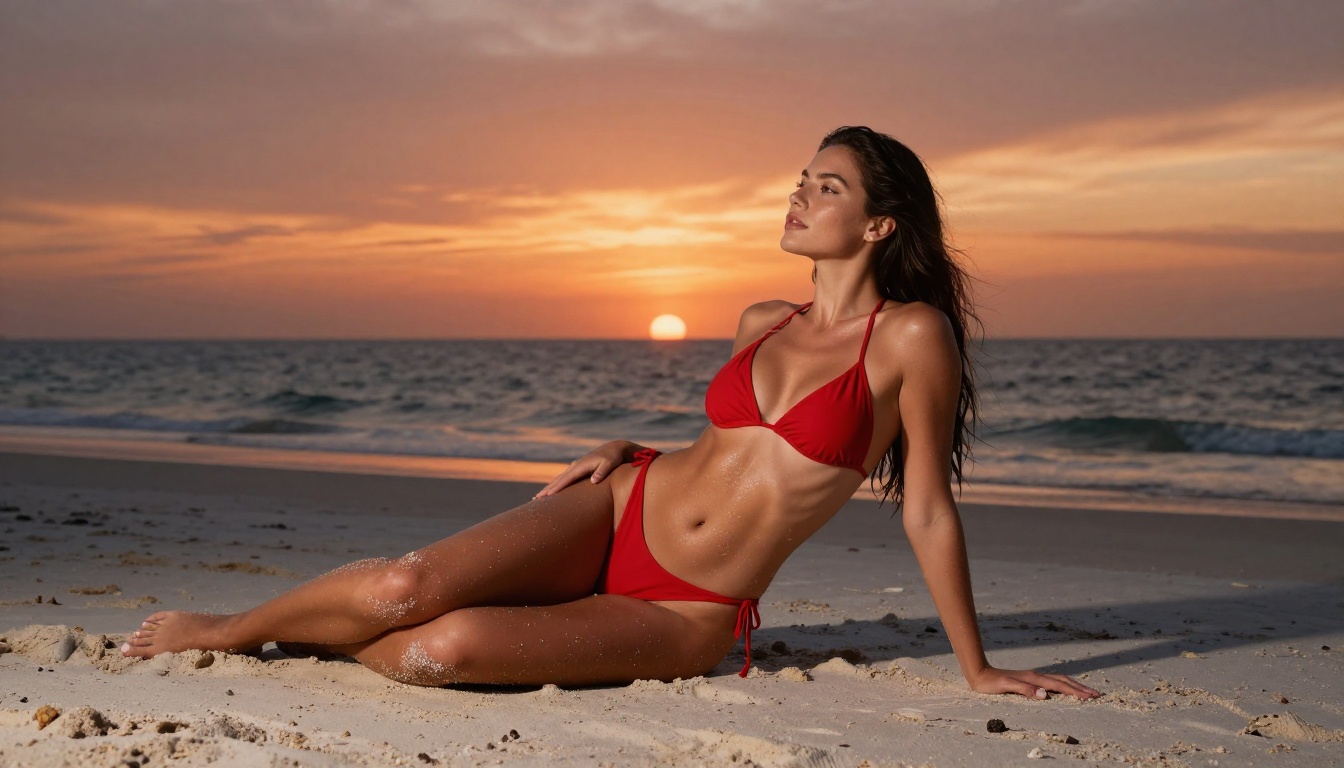
Seedream 4.5 is the answer to the question both Midjourney v7 and Nano Banana Pro raise without resolving. It was built for photorealistic human subjects with full-spectrum content access on PicassoIA. It generates 4K-quality results with skin, fabric, and lighting fidelity that matches or exceeds Midjourney v7's best outputs, without the subscription wall or content classifier that makes Midjourney so frustrating.
4K Output Without Restrictions
Seedream 4.5 generates natively at 2048px with ByteDance's multi-scale diffusion pipeline. The architecture uses separate refinement passes for different frequency ranges: low-frequency for composition and anatomy, mid-frequency for fabric and skin texture, high-frequency for fine detail like individual hair strands and pore structure.
The result is images that hold quality at 100% zoom. Not the soft-at-edges 1024px output you get from faster models. Actual photographic resolution that prints at A2 size without degradation.
Paired with Clarity Pro Upscaler, the output scales to 4K with perceptual detail added rather than interpolated. Skin pore texture, hair strand definition, and fabric weave patterns all gain presence in the upscaled version without introducing the synthetic sharpness artifacts that lesser upscalers produce.
Prompt Accuracy on Adult Subjects
Midjourney v7's main weakness for NSFW work is prompt drift on body-specific prompts. Describe a specific pose, composition, or expression and the model interprets loosely, prioritizing its aesthetic preferences over your description. For creators who need specific outputs, this is frustrating and expensive in time.
Seedream 4.5 follows body position prompts, facial expression keywords, and clothing descriptors with noticeably higher fidelity. A "three-quarter turn to camera, looking over left shoulder, parted lips" prompt produces exactly that. Lighting descriptions, "volumetric side light from the right casting shadow across the collarbone," translate accurately to the output.
This prompt faithfulness is the reason professional adult content creators prefer Seedream 4.5 for final production work, even when they use faster models for concept drafts.
How to Use Seedream 4.5 on PicassoIA
- Go to Seedream 4.5 on PicassoIA
- Select 16:9 aspect ratio for landscape or 9:16 for portrait compositions
- Write your prompt using the structure:
[Subject + pose] + [Environment + time of day] + [Lighting direction and quality] + [Camera lens and angle] + [Skin/texture details] + [Film stock]
- Add a negative prompt:
"cartoon, CGI, neon, illustration, 3D render, digital art"
- Set quality to the highest available tier for production outputs
- Run the generation and use Clarity Pro Upscaler on the result for 4K final output
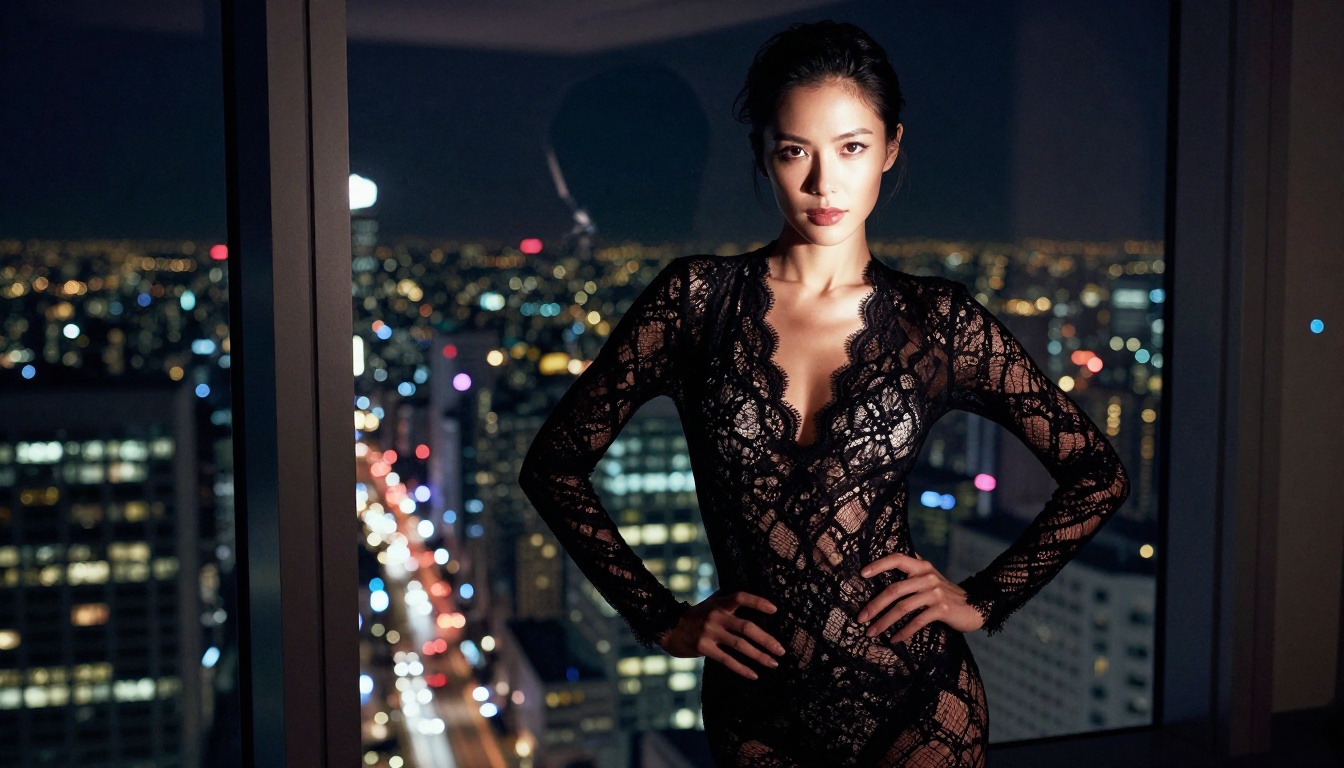
PicassoIA Image Editor Pro: No Caps, No Limits
PicassoIA Image Editor Pro does what neither Midjourney v7 nor Nano Banana Pro offers: unlimited generations, no content gates, and professional-grade editing tools in one interface. For NSFW creators who produce high volumes of content, this combination removes the friction that makes other platforms exhausting to use.
Unlimited Generations, Zero Watermarks
On Midjourney's Pro plan at $96/month, you get "unlimited relaxed generations" that throttle after fast-mode credits run out. In practice, a production NSFW workflow burns through 900 monthly fast-mode GPU hours quickly. After that, generations queue behind other users.
PicassoIA Image Editor Pro removes that ceiling entirely. No monthly GPU hour allocation. No quality tier that determines how fast your image generates. No watermark on any output at any resolution. For commercial NSFW content production where volume and turnaround matter, this is what makes the platform viable as a serious production tool.
Inpainting for NSFW Touch-Ups
The inpainting capability inside PicassoIA Image Editor Pro is particularly well-suited to adult work. Generate a near-perfect image, identify the region that needs correction, whether that's an anatomically inconsistent hand, a wardrobe detail, or a background element that breaks immersion, then redraw just that area with full context awareness from the surrounding image.
The inpainting model conditions on the surrounding pixels, so edits blend seamlessly with the existing image. This differs from the basic inpainting on Nano Banana Pro, which fills selected regions with a somewhat disconnected patch. PicassoIA's implementation respects the lighting, skin tone, and texture of the surrounding area.
For portrait-focused NSFW work, Flux Fill Pro extends this capability to full outpainting. Start with a close-up portrait and expand the canvas to reveal an environment, maintaining consistent lighting and character identity throughout the extension.
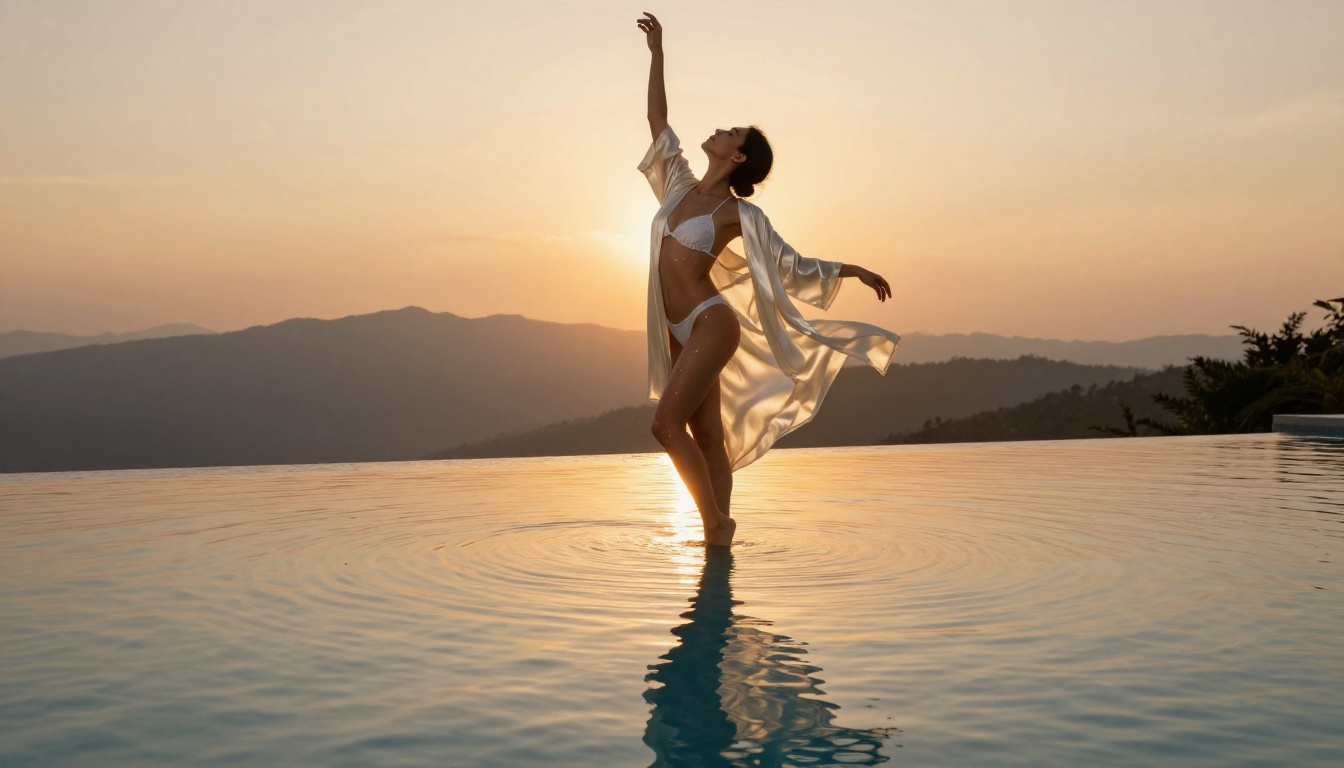
The 5 Best NSFW Models on PicassoIA Right Now
For serious adult content work, these five models cover every major use case from rapid concept to final 4K production.
1. Seedream 4.5 First
Seedream 4.5 delivers 4K-quality photorealistic output on any NSFW subject without content restrictions on PicassoIA. Use it for final production images where quality is non-negotiable.
Best for: High-fidelity NSFW portraits, swimwear editorial, glamour photography, full-body compositions
2. Flux Redux Dev for Variations
Flux Redux Dev takes a reference image as input and generates coherent variations. Once you've created one great NSFW image, Redux Dev produces an entire consistent series without character drift, the most persistent technical challenge in adult content creation.
Best for: Image series, character consistency across multiple shots, stylistic variation on a single subject
3. Nano Banana 2 Lite for Fast Drafts
Nano Banana 2 Lite on PicassoIA runs without the censorship layers that restrict it on Google's platform. For rapid composition tests and draft iterations where speed matters more than final quality, it handles the concept phase efficiently and cheaply.
Best for: Rapid composition tests, draft iterations, exploring pose and lighting concepts before committing to final generation
4. PicassoIA Image for Unlimited Output
PicassoIA Image is the unlimited text-to-image workhorse. No daily caps, no content gates, and solid quality across NSFW subjects. When a project needs volume, this is the model that sustains it without billing surprises.
Best for: High-volume adult content projects, sustained daily production without limits
5. Flux Schnell LoRA for Style Consistency
Flux Schnell LoRA supports custom LoRA adapters at generation time. If you've trained a style or character LoRA, this model applies it reliably and quickly. For creators with specific aesthetic signatures that need to hold across a body of work, it bridges speed and customization in a way no other fast model offers.
Best for: Custom-trained style adapters, consistent aesthetic identity across projects, fast styled output
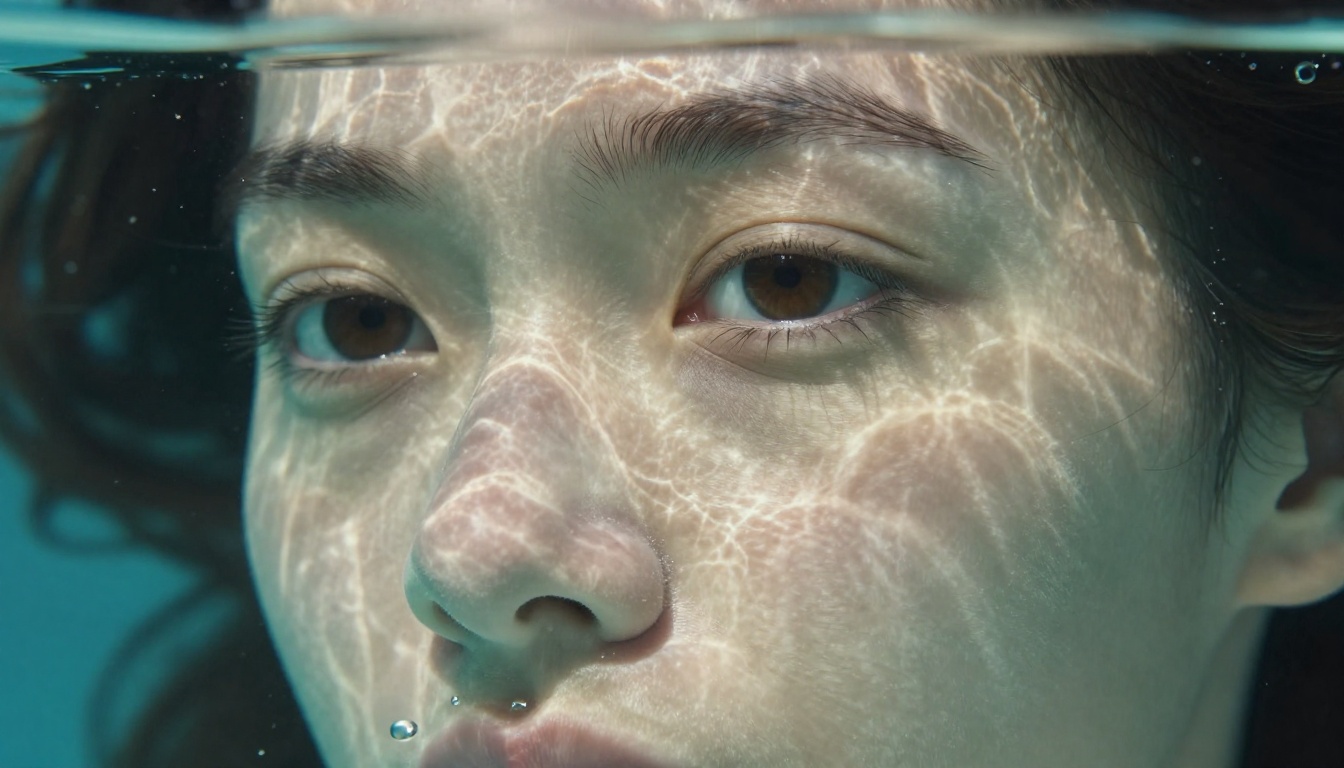
Upscaling NSFW Art to 4K
A great 1024-2048px base image is step one. Getting it to print or 4K display quality with full photographic detail is step two. These upscalers handle that job without the artifacts cheaper alternatives introduce.
Clarity Pro Upscaler Does the Heavy Work
Clarity Pro Upscaler was trained specifically on photorealistic human subjects. For NSFW content, this specialization matters: it adds skin pore texture, sharpens fabric weave, and recovers hair strand detail without introducing artifacts or over-sharpening that makes images look processed.
The upscaling process is generative, not interpolative. Rather than stretching pixels, it reasons about what high-frequency detail should logically exist given the low-frequency structure of the input. This produces results that pass as genuine photographs even at 4K zoom. For adult content where believability is part of the value, that distinction is significant.
Crystal Upscaler for Portrait Detail
Crystal Upscaler focuses its processing on faces and close-up skin detail. Where Clarity handles the full image, Crystal applies more compute to portrait-specific regions. For headshots and close-up adult content where facial detail determines the image's quality, Crystal's output is noticeably better in those specific areas.
For volume upscaling where speed matters, Real ESRGAN handles 4x upscaling quickly at no per-run cost, and P Image Upscale finishes in under one second for high-throughput workflows where per-image speed is the constraint.
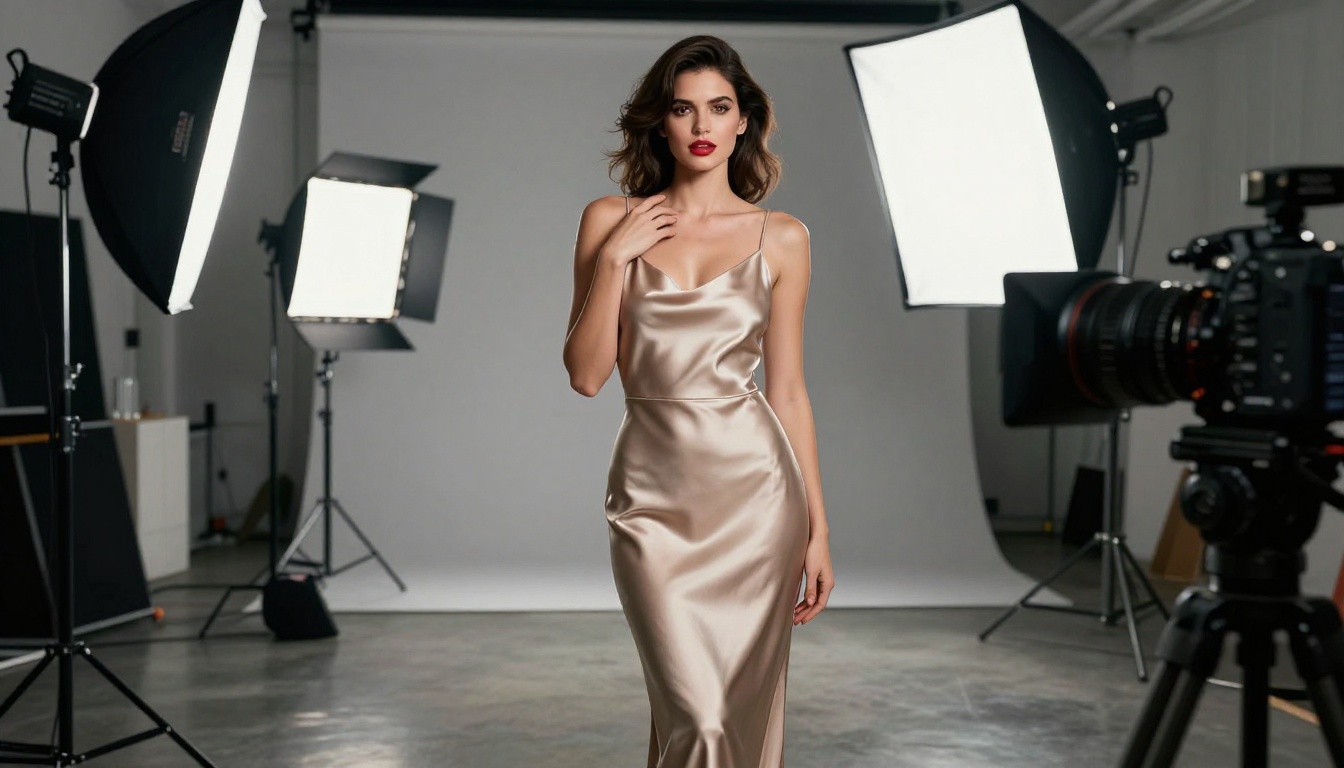
Prompt Settings That Change Everything
Two or three well-placed technical parameters make more difference than doubling prompt length.
| Parameter | What It Does | Recommended Value |
|---|
--style raw | Disables aesthetic beautification pass | Always on for photorealism |
--ar 9:16 | Portrait ratio for full-body shots | Use for standing poses |
--ar 16:9 | Landscape ratio for environmental shots | Use for scenes and settings |
--q 2 | Quality multiplier, doubles inference time | Use for final exports only |
| Negative prompt | Removes unwanted generation habits | "cartoon, CGI, neon, illustration, 3D render" |
Beyond parameters, lighting description is the single highest-leverage element in a NSFW prompt. "Volumetric late afternoon light from camera left" produces a completely different result from "bright natural light." Specifying direction, color temperature, and quality determines whether the image reads as photographic or artificial.
A prompt structure that produces consistent photorealistic results:
[Subject + specific pose] + [Location + time of day] + [Primary light source, direction, quality] + [Camera lens mm, f-stop, shooting angle] + [Skin texture details and atmosphere] + [Film stock] + --ar [ratio] --style raw
💡 Worth applying: Always describe light direction relative to the camera. "From camera left" is specific and renders accurately. "Good lighting" is not and rarely does.

Start Creating on PicassoIA
Midjourney v7 is technically impressive and will interrupt your workflow when its content restrictions engage. Nano Banana Pro is fast but hits quality ceilings that matter for serious NSFW work. Both were built for general audiences first and adult creators second, which shows in every aspect of their policy structures.
Seedream 4.5 on PicassoIA was built differently. So was PicassoIA Image Editor Pro, with unlimited generations, professional inpainting, and zero watermarks. The full catalog at picassoia.com/en/all-models covers everything from fast-draft tools to 4K upscalers, all in one place without the arbitrary restrictions that make other platforms exhausting to work with.
Start with a Seedream 4.5 prompt. Run the best result through Clarity Pro Upscaler. Build your first series with Flux Redux Dev keeping character identity consistent across every shot. The tools are there. The content gates are not.