If you have spent more than five minutes looking for the best AI image generator, you have probably seen the same three names come up: Midjourney, Leonardo AI, and Picasso AI. Each one claims to be the best. Each one has passionate fans defending it in comment sections across Reddit, X, and every design forum on the internet. So we did what needed to be done: ran the same prompts through all three, documented the results carefully, and wrote up exactly what we found. No sponsored rankings. No affiliate bias. Just outputs, side by side.
The Test Setup
What We Tested
We used 20 prompts across five distinct categories: photorealistic portraits, wide landscapes, architecture shots, fashion and editorial, and creative fantasy scenes. Every prompt was word-for-word identical across all three platforms. We evaluated each output on four dimensions: raw visual quality, prompt adherence, generation speed, and creative range available within each platform.
Twenty prompts is enough to spot patterns. It reveals which platforms coast on strong defaults and which ones fall apart the moment you push them into unusual territory.
Why These Three Platforms
Midjourney set the standard for artistic AI imagery when it launched. Its Discord-based workflow and distinctive aesthetic trained an entire generation of AI image users. Leonardo AI positioned itself as the flexible, developer-friendly alternative with a web interface and fine-tunable models. Picasso AI entered the conversation more recently with a model library that now exceeds 90 text-to-image options, including GPT Image 2 and Flux Redux Dev.
These three represent genuinely distinct design philosophies. Testing them together reveals more than any single-platform review could.
Image Quality: Who Actually Looks Better
Portrait and Face Realism
This is where the gap between platforms shows fastest. Midjourney produces images with a distinctly stylized aesthetic. Faces look appealing but carry an unmistakable quality: slightly smoothed skin, compositionally safe framing, artistically pleasing results that lack the texture of actual photography. It is beautiful. It is also clearly not a photograph.
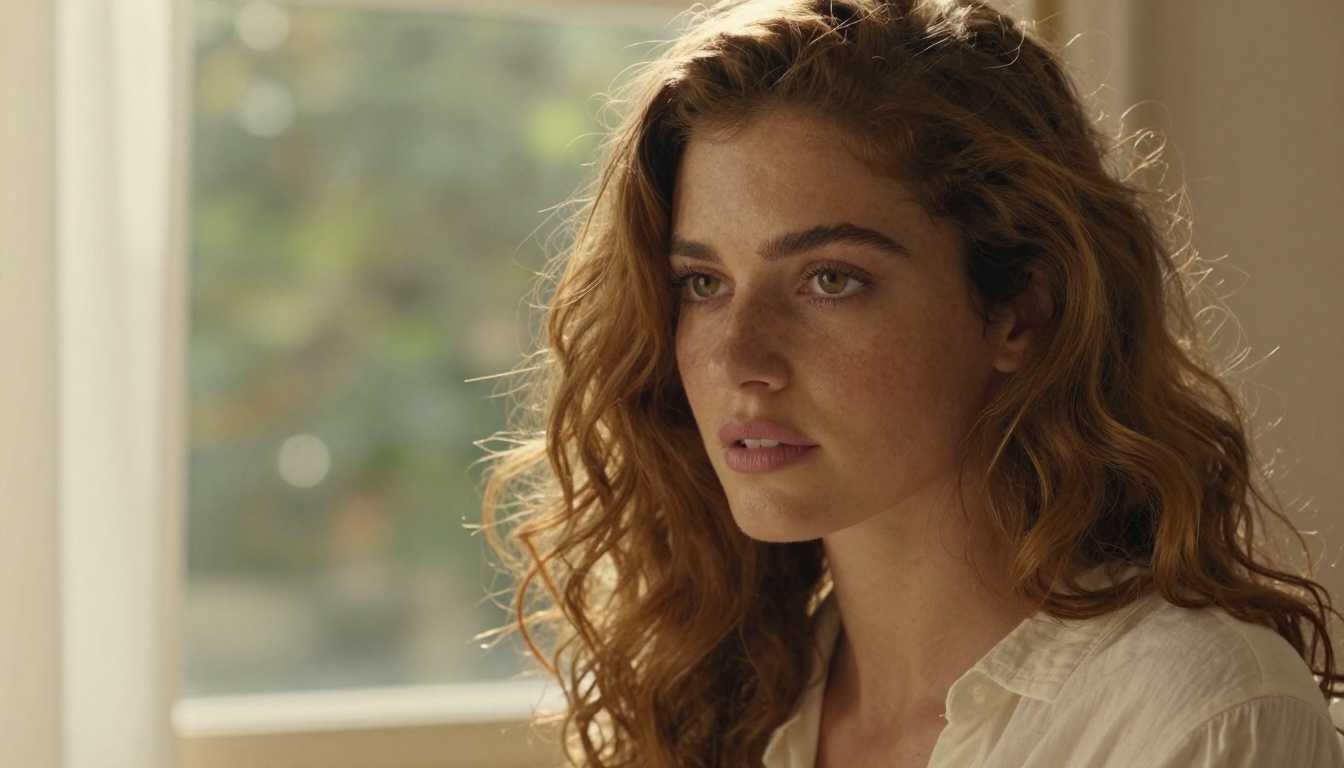
Leonardo AI improved significantly over recent updates. Its PhotoReal mode produces faces with convincing skin texture, though it can struggle with complex poses, hands, and anything that deviates from a standard forward-facing portrait. It remains one of the stronger options for face generation within a constrained style range.
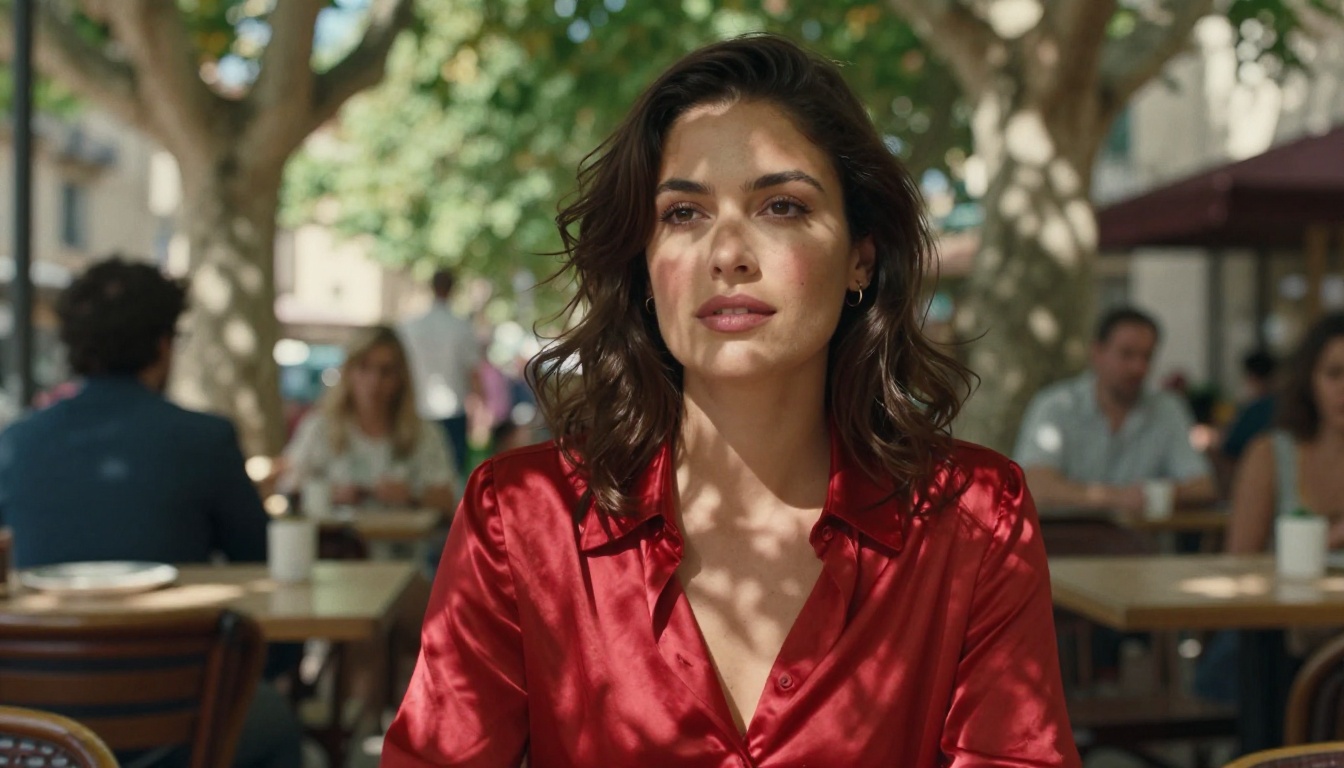
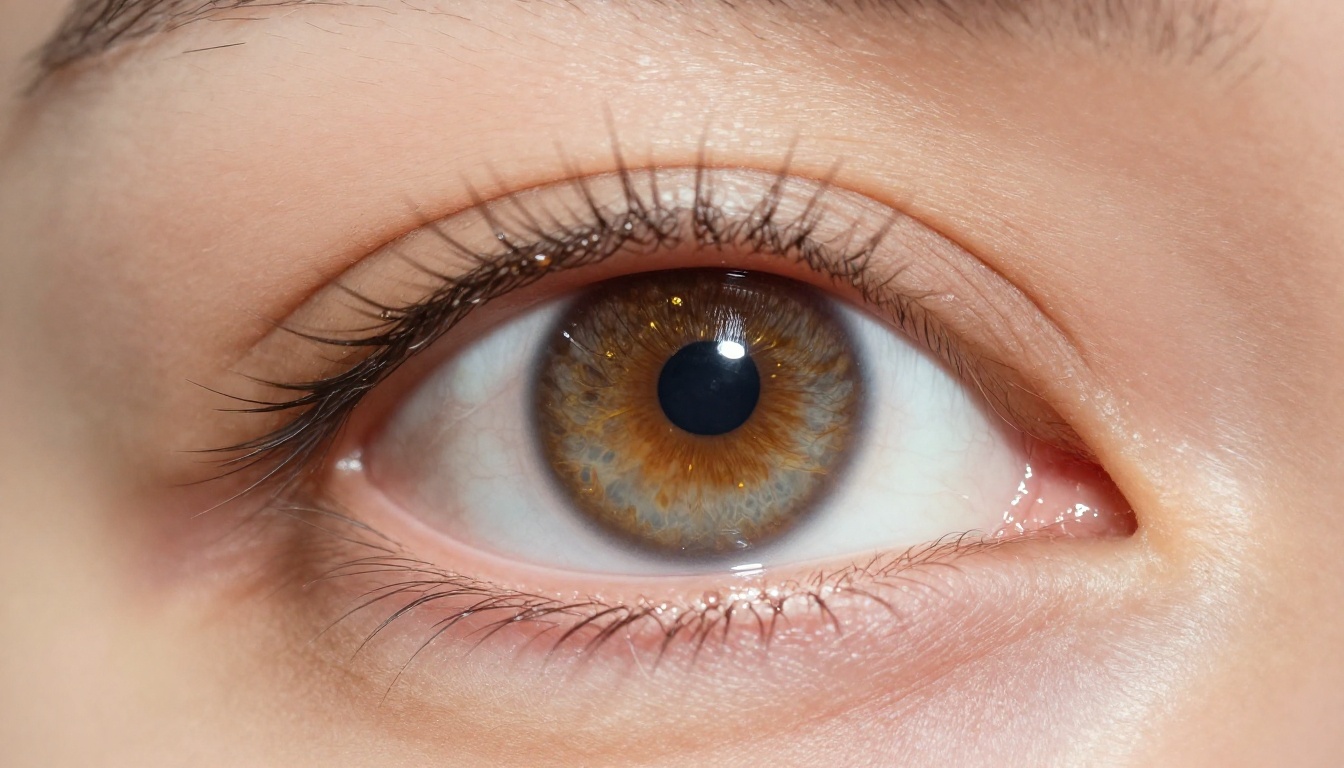
Picasso AI takes a fundamentally different approach: instead of locking you into one model, it lets you choose between over 90 text-to-image models. For portraits specifically, GPT Image 2 delivers photorealistic results with pore-level skin texture that neither Midjourney nor Leonardo can consistently match at their default settings. The trade-off is that you need to know which model fits your creative goal before you start generating.
Tip: For photorealistic skin and face detail, use GPT Image 2 on Picasso AI. It handles natural lighting and fine texture far better than most competitors.
Landscape and Environment Detail
For wide environmental shots, Midjourney remains strong. Its training produces visually stunning vistas with dramatic, cinematic lighting that performs well on social media. The images feel curated in a way that is difficult to replicate without considerable prompting skill.
Leonardo AI performs adequately for environmental detail but frequently over-sharpens results in ways that look processed rather than photographed. The outputs feel digital in a way that breaks the illusion in professional contexts.
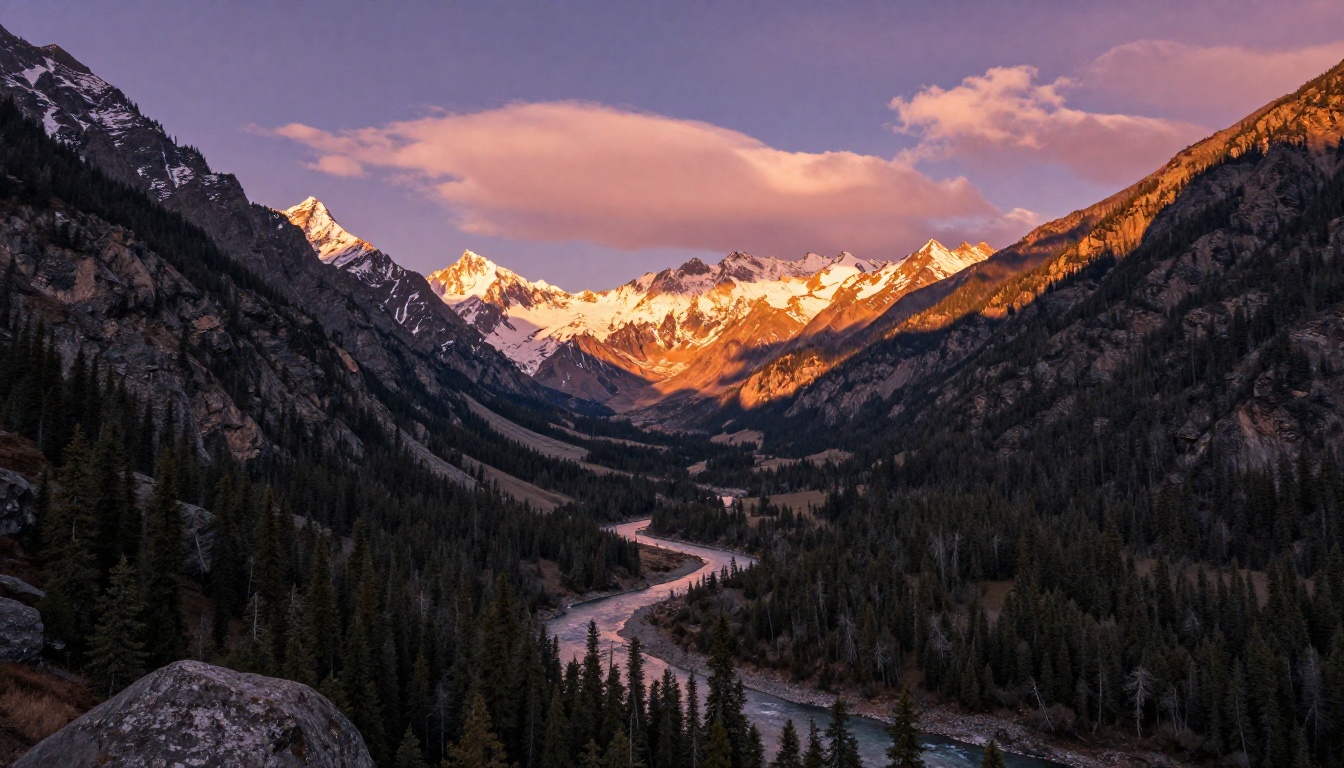
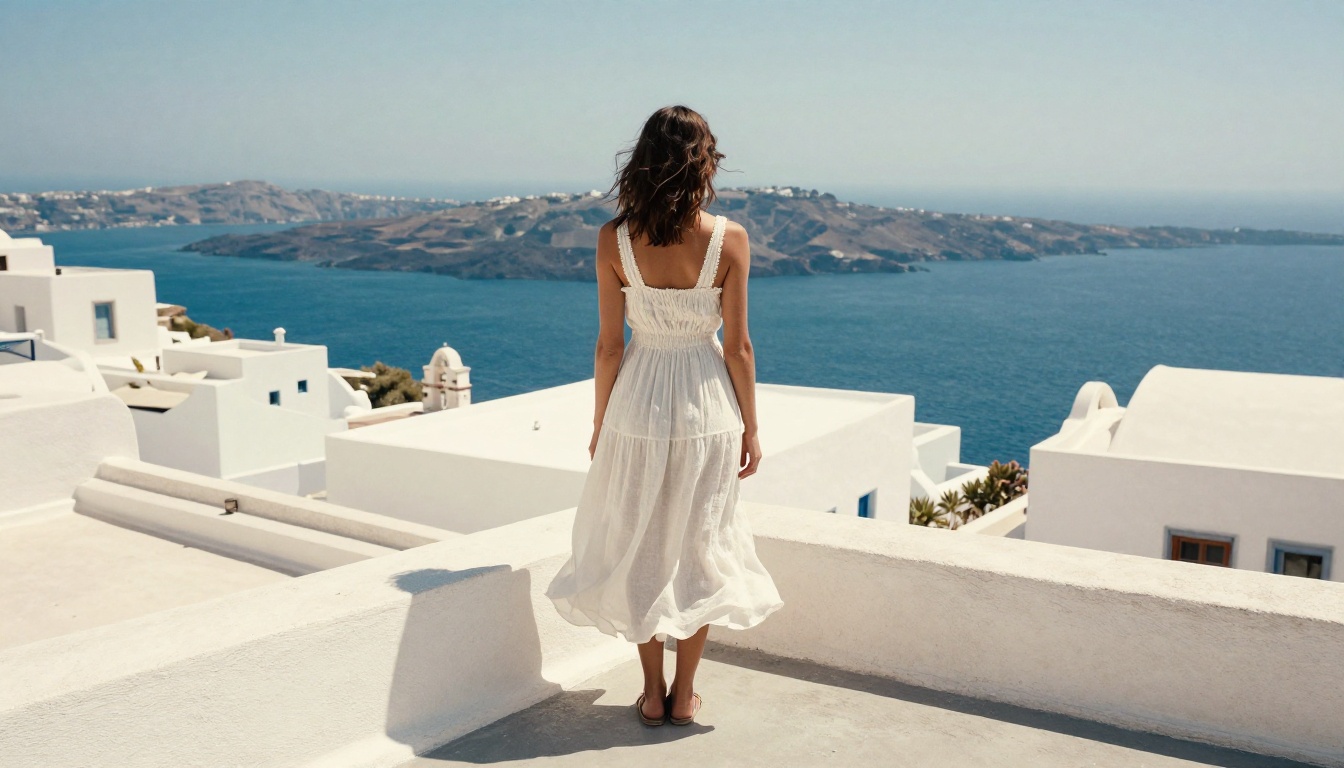
On Picasso AI, Flux Redux Dev produces landscape images with a film-like quality that Midjourney's default aesthetic cannot match. Grain, color rendition, and the way light falls across surfaces all read as photographic rather than generated. If realism is the professional goal, Flux-based models consistently outperform both competitors on the platforms that offer them.
Prompt Adherence
All three platforms struggle with complex multi-element prompts, but they fail in distinct ways. Midjourney interprets your prompt creatively, which is excellent when you want inspiration but deeply frustrating when you need precision. Ask for a woman in a red dress standing on a balcony in Paris and you might get something beautiful that does not match a single element of your description.
Leonardo AI follows instructions more literally but can produce technically correct outputs that feel flat and uninspired. Picasso AI's performance depends on the model selected. GPT Image 2 shows near-perfect prompt adherence for realistic subjects, which matters enormously in commercial and editorial work where a brief must be executed precisely.
Speed and Reliability
Generation Time
| Platform | Avg. Generation Time | Queue Wait |
|---|
| Midjourney | 25 to 40 seconds | Variable at peak hours |
| Leonardo AI | 15 to 30 seconds | Consistently low |
| Picasso AI | 10 to 35 seconds | Very low |
Speed varies significantly by model on Picasso AI. Faster models including Flux Redux Dev generate in under 15 seconds at standard resolution. More computationally intensive models take longer but justify the wait in output quality for professional work.
Reliability During Peak Hours
Midjourney queues extend considerably during US morning and evening peak periods. During testing, we experienced waits of up to three minutes on busy days. This is a real workflow disruption when you are iterating quickly on a creative brief with a deadline. Leonardo AI maintained consistent speeds regardless of time of day throughout our testing window. Picasso AI showed no significant slowdown during any test session, even when running multiple concurrent generations.
Pricing: The Real Numbers
Pricing conversations about AI tools are usually dishonest because they compare plans that are not equivalent in actual output volume. Here are the real numbers.
Monthly Subscription Costs
| Platform | Entry Plan | Mid-Tier | Pro |
|---|
| Midjourney | $10 per month (200 images) | $30 per month (unlimited) | $60 per month |
| Leonardo AI | Free tier (150 tokens daily) | $12 per month | $30 per month |
| Picasso AI | Credits-based | Flexible | Flexible |
Midjourney's $10 entry tier is heavily limited for professional use. Most users who work regularly end up on the $30 unlimited plan, which is competitively priced for the volume it allows.
Leonardo AI's free tier is the most generous of the three for casual experimentation. 150 tokens per day covers roughly 10 to 20 images depending on model quality settings, which is real volume for testing and learning.
Picasso AI's credit system gives you granular control over spending. You pay for generations you actually use rather than committing to a monthly generation cap that may go partially unused. For professionals with variable workloads, who need high generation volumes on deadline weeks and minimal output on quiet ones, this structure is more cost-efficient than a flat monthly subscription.
Value Per Output
The real measure is not price per month but price per usable, professional-quality output.
- Midjourney: High value if you work fast and accept its aesthetic defaults. Low value if you need photorealism or precise prompt control.
- Leonardo AI: Best value for volume at the free and entry tiers. Drops in relative value as you need more specialized or technically precise outputs.
- Picasso AI: Best value for professionals who invest time in selecting the right model. Requires more upfront learning but pays off in output quality that the other two platforms cannot consistently match.
Creative Control and Style Flexibility
Model Variety
This is where the comparison stops being remotely close. Midjourney has one model with version options. Leonardo AI offers a curated selection of fine-tuned models covering specific styles. Picasso AI offers more than 90 text-to-image models including Flux Redux Dev, GPT Image 2, and dozens of specialized fine-tunes covering portraits, cinematic landscapes, fashion, product photography, and creative art styles.
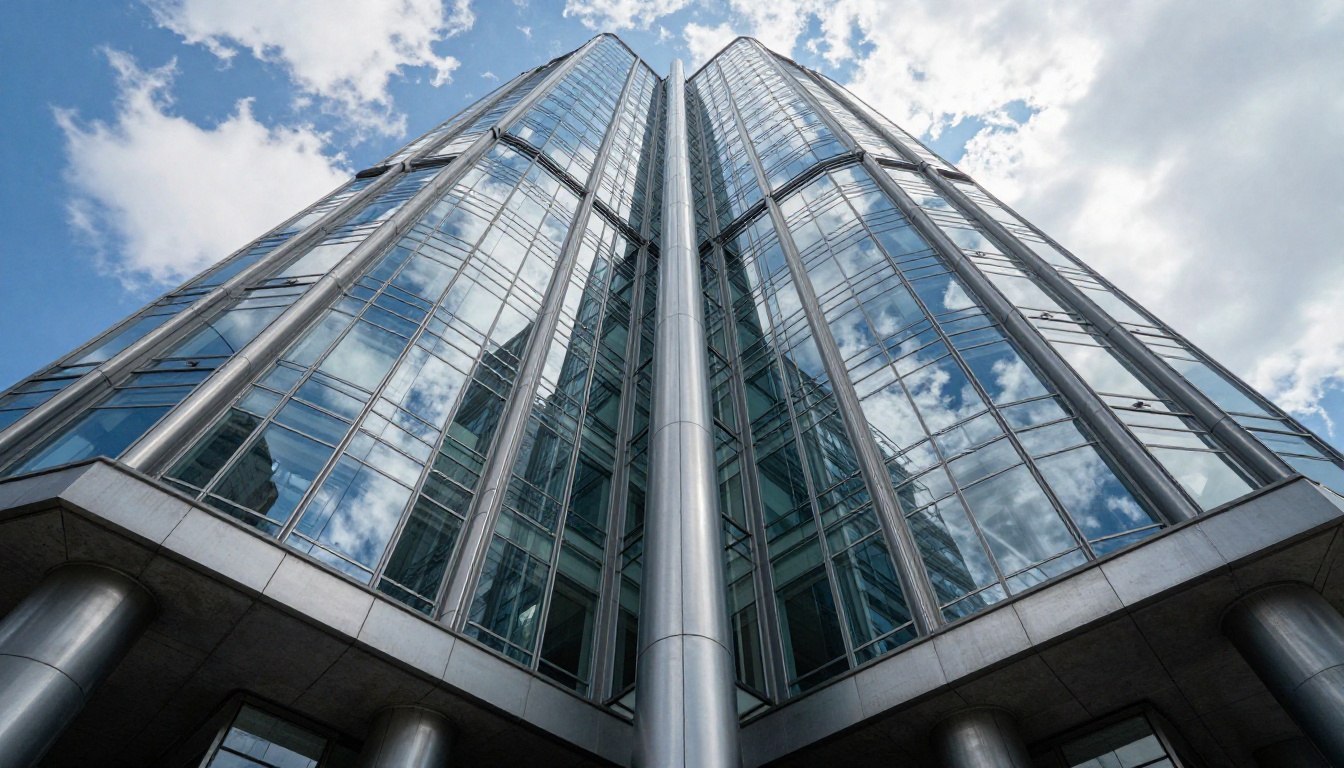
This is not variety for its own sake. Different creative briefs genuinely require different models. A model optimized for photorealistic portraits will ruin a fantasy illustration prompt. A fine-tune trained on cinematic landscapes cannot handle tight product photography. Having access to the right tool for each task is a significant professional advantage that accumulates over time.
Tip: Browse Picasso AI's full text-to-image collection before starting any new project. The difference between using a generic model and the right specialized model for your subject can be dramatic.
Style Consistency Across a Project
For creatives building visual consistency across a series, whether for branding, editorial, or social campaigns, maintaining a repeatable look is essential and harder than it sounds. Midjourney's seed system helps but remains imprecise across prompt variations. Leonardo AI's fine-tune training is genuinely useful for this purpose if you invest time in it. Picasso AI allows you to lock to a specific model and seed combination, which paired with GPT Image 2's high prompt adherence produces the most repeatable and consistent outputs of the three platforms.
Artistic and Glamour Content
Midjourney prohibits explicit content outright and applies conservative content filters that sometimes block legitimate creative work. Leonardo AI has limited adult content options on paid tiers but lacks control over the execution. Picasso AI supports artistic nudity and glamour content with a clear focus on aesthetics over explicit material. For photographers, fashion creators, and editorial artists working in glamour, fine art portraiture, or artistic nude spaces, this distinction is professionally meaningful.
What Picasso AI Does Differently
Beyond Text to Image
Picasso AI is not just an image generator running alongside competitors. It covers the full creative production pipeline in a way neither Midjourney nor Leonardo does natively:
- Super Resolution: Upscale outputs 2x to 4x without quality loss, preserving texture detail at large print sizes
- Background Removal: Clean separations for product and portrait work without manual masking
- Face Swap AI: Realistic swaps for creative, commercial, and editorial projects
- Video Generation: 87 video models including text-to-video for motion content production
- AI Music Generation: Create full tracks from text prompts for content and social use
- Text to Speech: Voice generation for creators working across audio and video formats
For video work specifically, the ability to take a photorealistic portrait generated by GPT Image 2 and bring it into a lipsync or video workflow within the same platform is a production efficiency that Midjourney and Leonardo simply do not offer.
The Platform Breadth Advantage
What separates Picasso AI at a structural level is that it does not force you to pick between image quality and workflow flexibility. You can generate a photorealistic image, upscale it, remove the background, swap a face, add it to a video, and generate a voiceover without switching platforms or reformatting files between tools. That kind of integrated workflow is worth real production hours over the course of a week.
The Honest Verdict
Midjourney: Best For Artistic Vision
If your goal is beautiful, stylized images that feel artistically curated and you are comfortable working within Midjourney's aesthetic and its Discord-based interface, it remains the strongest choice for that specific output type. Its community, prompt libraries, and reference image ecosystem are mature and well-supported.
Where it falls short: photorealism, prompt precision, pricing efficiency for high-volume professional use, and any workflow that extends beyond static image generation.
Leonardo AI: Best For Beginners and Volume
The generous free tier makes Leonardo AI the easiest and lowest-risk entry point into AI image generation. Its web interface is far more approachable than Midjourney's Discord workflow. If you are experimenting or building prompting skills before committing to a paid plan, Leonardo AI is where to start.
Where it falls short: competing with top-tier photorealism on detailed subjects, matching Picasso AI's model variety, and handling integrated creative production workflows.
Picasso AI: Best For Professionals and Flexibility
If you need photorealism, prompt adherence, genuine model variety, and a platform that scales with your creative production needs, Picasso AI is the standout option. The learning curve of selecting the right model from a large library pays off in output quality that the other two platforms cannot consistently match. The integrated video, audio, upscaling, and editing tools extend the value proposition well beyond image generation.
Fact: With over 90 text-to-image models including Flux Redux Dev and GPT Image 2, Picasso AI offers more model variety than Midjourney and Leonardo AI combined.
How to Run Your Own Test on Picasso AI
You do not need to take our word for any of this. Running your own comparison takes about ten minutes and costs very little.
Step 1: Go to Picasso AI's text-to-image collection and take five minutes to browse available models. Read what each model is optimized for before selecting.
Step 2: Select GPT Image 2 for your first photorealistic test. Use a prompt you have already tested on Midjourney or Leonardo AI so you have a direct reference point.
Step 3: Compare outputs. Pay close attention to skin detail, surface texture accuracy, and how precisely each platform executed your exact prompt wording.
Step 4: Try Flux Redux Dev for landscape or cinematic scene prompts. Note the difference in film-like quality and color rendition versus Midjourney's defaults.
Step 5: Use Picasso AI's Super Resolution tool to upscale your best outputs. See how much detail is preserved at larger sizes compared to what Midjourney delivers at equivalent export resolution.
The gap between average AI output and professional-quality imagery closes significantly when you have access to the right models for each job and know how to use them.
The answer to which AI image generator wins depends entirely on what winning means for your specific work. For stylized artistic output with an established aesthetic: Midjourney. For volume, accessibility, and low-risk experimentation: Leonardo AI. For professional photorealism, model variety, and integrated creative production: Picasso AI.
This test confirmed what power users already know. The platform with the most model options and the strongest photorealism wins on technical merit. The platform that fits your existing workflow and budget wins on practical terms. For most professionals who push past beginner prompting, those two things increasingly point to the same place.
Pick one platform, run your own prompts against the others, and let the outputs decide. The results will be more persuasive than any written comparison.

Try It Yourself
If you want to run this test with your own prompts and your own creative brief, Picasso AI's model library gives you access to every major text-to-image model without switching platforms or managing API keys. Try GPT Image 2 for photorealistic portraits, Flux Redux Dev for cinematic and landscape scenes, and compare your results directly against Midjourney and Leonardo outputs.
The model that fits your creative vision is already in the collection. The only way to find it is to generate something.


