The race between AI image generators has never been more competitive. Midjourney holds a devoted fanbase built over years of community-driven refinement. Google's Nano Banana 2 arrived as a serious challenger with raw speed and modern architecture. And Black Forest Labs' Flux 2 Pro is rewriting expectations for what open-weight diffusion models can do. If you're deciding which one deserves your time and budget, this direct comparison cuts through the marketing and shows you exactly what each model does well, where each one struggles, and which scenarios favor each choice.
What Makes These Three Models Different
These aren't three versions of the same idea. Each model reflects a distinct philosophy about what AI image generation should prioritize.
Midjourney's Aesthetic First Approach
Midjourney built its reputation on producing images that look inherently beautiful, even from vague or short prompts. The system adds its own aesthetic interpretation, which means you get stunning results with minimal effort, but you sacrifice precise control. The model excels at moody, cinematic compositions with rich color grading and a painterly finish that users find immediately appealing.
The trade-off is predictability: getting exactly what you described, down to the last detail, requires extensive prompt engineering. Midjourney operates through its own web interface, which limits integration with external tools and automated workflows.
Nano Banana 2's Speed Philosophy
Nano Banana 2 represents Google's approach to democratizing image generation through speed and accessibility. Built on Google's proprietary research, this model generates images significantly faster than most competitors while maintaining respectable quality benchmarks. The architecture prioritizes literal prompt interpretation, making it strong for content creators who need reliable, predictable outputs at scale.
The model sits in an interesting middle ground: fast enough for rapid iteration, detailed enough for professional use cases, and available through API without platform dependencies. For teams running content production pipelines, that accessibility matters enormously.
Flux 2's Technical Foundation
Black Forest Labs, founded by former Stability AI researchers, built the Flux 2 family on a rectified flow transformer architecture that delivers exceptional prompt adherence and fine-grained detail. The family includes several variants: flux-2-dev, flux-2-pro, flux-2-max, flux-2-flex, and the compact flux-2-klein-4b for faster generation.
Flux 2 stands out for rendering complex compositions with multiple subjects, specific spatial relationships, and text within images, areas where most diffusion models historically fell short.
Image Quality Head to Head
Quality comparisons between these models depend heavily on the use case. Here is what direct testing and community benchmarks reveal across the most common creative categories.
Portraits and Human Subjects
| Model | Skin Detail | Anatomical Accuracy | Hair Texture | Hands |
|---|
| Midjourney | Excellent (stylized) | Good | Very Good | Improved v6+ |
| Nano Banana 2 | Very Good | Very Good | Good | Good |
| Flux 2 Pro | Exceptional | Excellent | Excellent | Excellent |
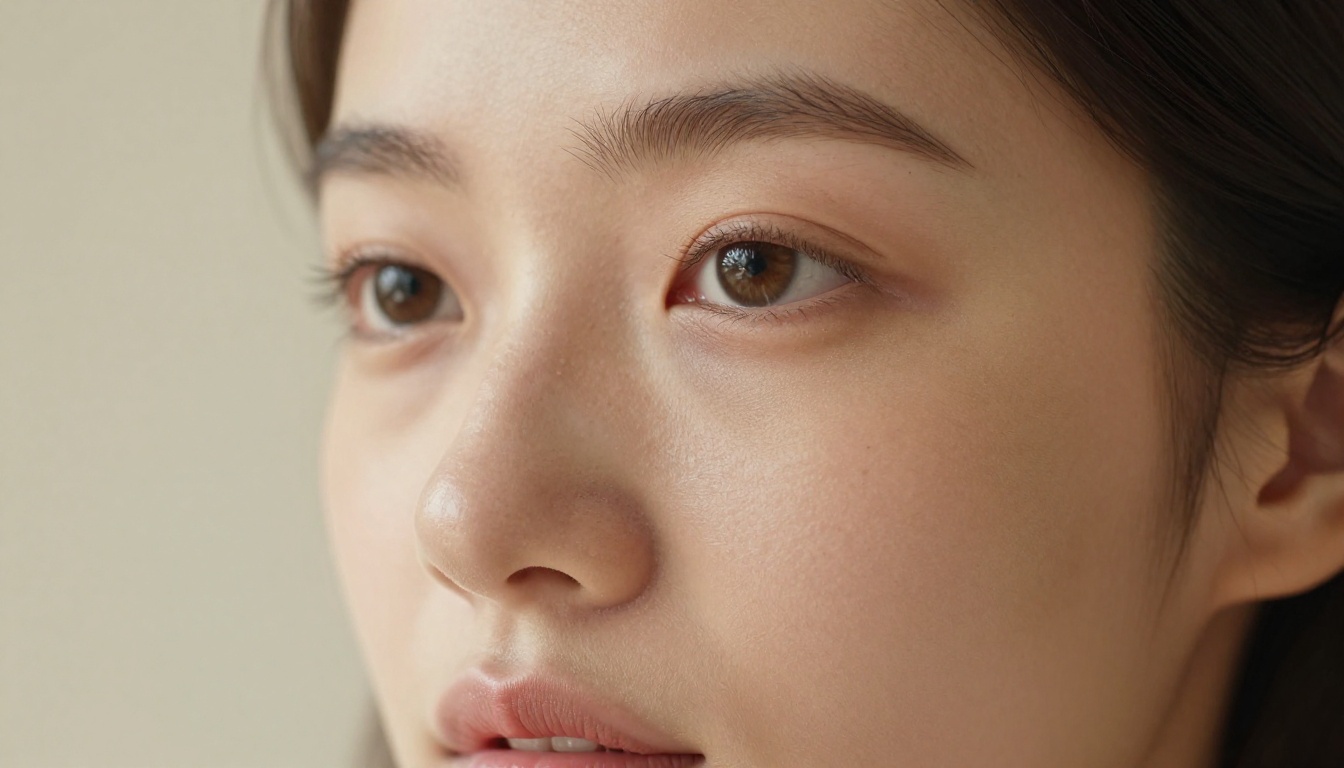
For photorealistic portraits, Flux 2 Pro currently leads the field. The transformer architecture generates coherent anatomy, accurate hand structure, and skin with convincing subsurface scattering detail. Midjourney produces beautiful portraits but with a characteristic softness and slight idealization that reads as AI-generated to trained eyes. Nano Banana 2 delivers solid results with good literal accuracy but sometimes lacks the micro-detail depth of Flux 2 Pro.
💡 Verdict: Flux 2 Pro for commercial and editorial portrait work, Midjourney for artistic and stylized portraits.
Landscapes and Natural Scenes
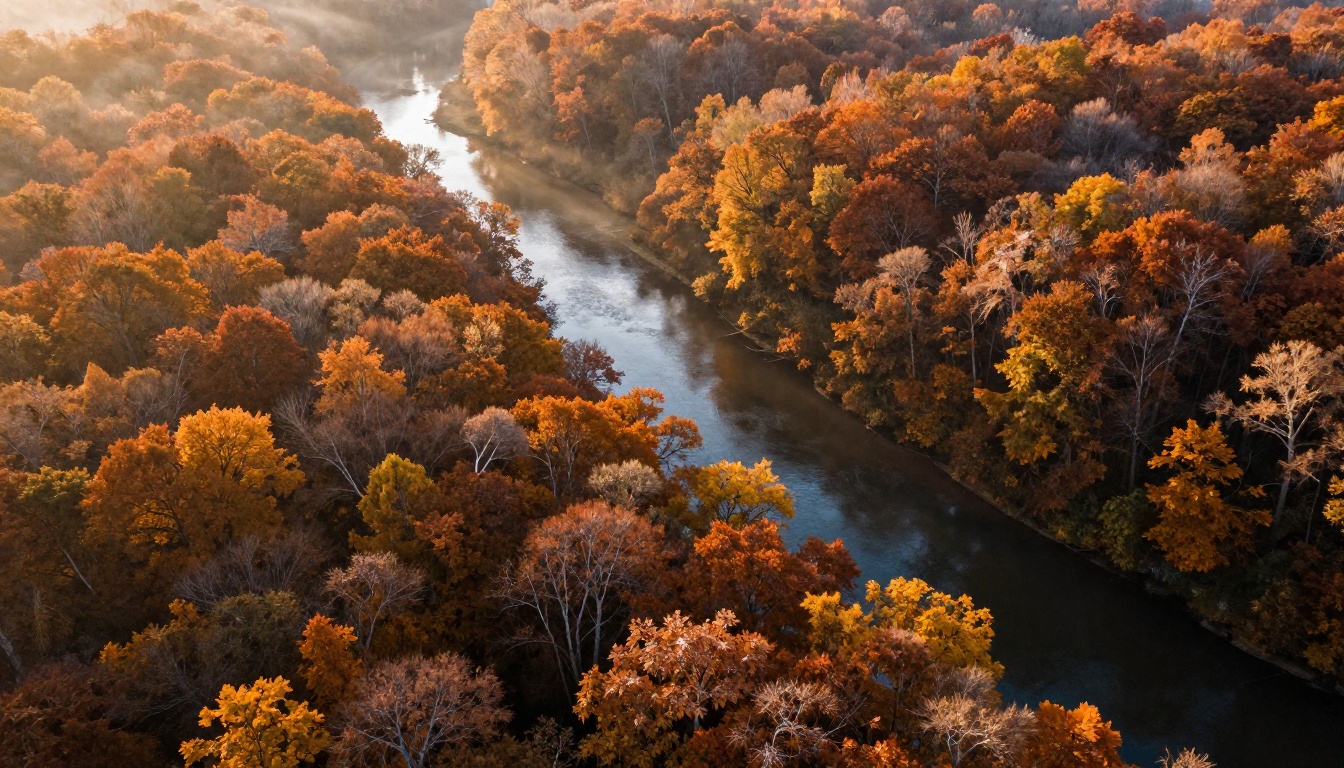
Midjourney's strengths shine most clearly in landscape generation. The model adds atmospheric drama, rich color grading, and compositional instinct that elevates even simple landscape prompts into striking images. Mountain scenes feel epic, forests carry depth, and lighting feels intentional rather than procedural.
Flux 2 landscapes excel in technical accuracy and detail density, with individual leaf clusters, realistic atmospheric perspective, and accurate lighting physics. The outputs are less cinematic by default but respond well to detailed lighting specifications in prompts. Specify "volumetric morning light from the east" and Flux 2 delivers it precisely.
Nano Banana 2 produces clean, pleasant landscapes with reliable composition. Strong for quick content needs, but lacks the atmospheric depth of the other two in direct comparisons.
💡 Verdict: Midjourney for emotive impact, Flux 2 for technical precision, Nano Banana 2 for speed and consistency.
Architecture and Urban Scenes
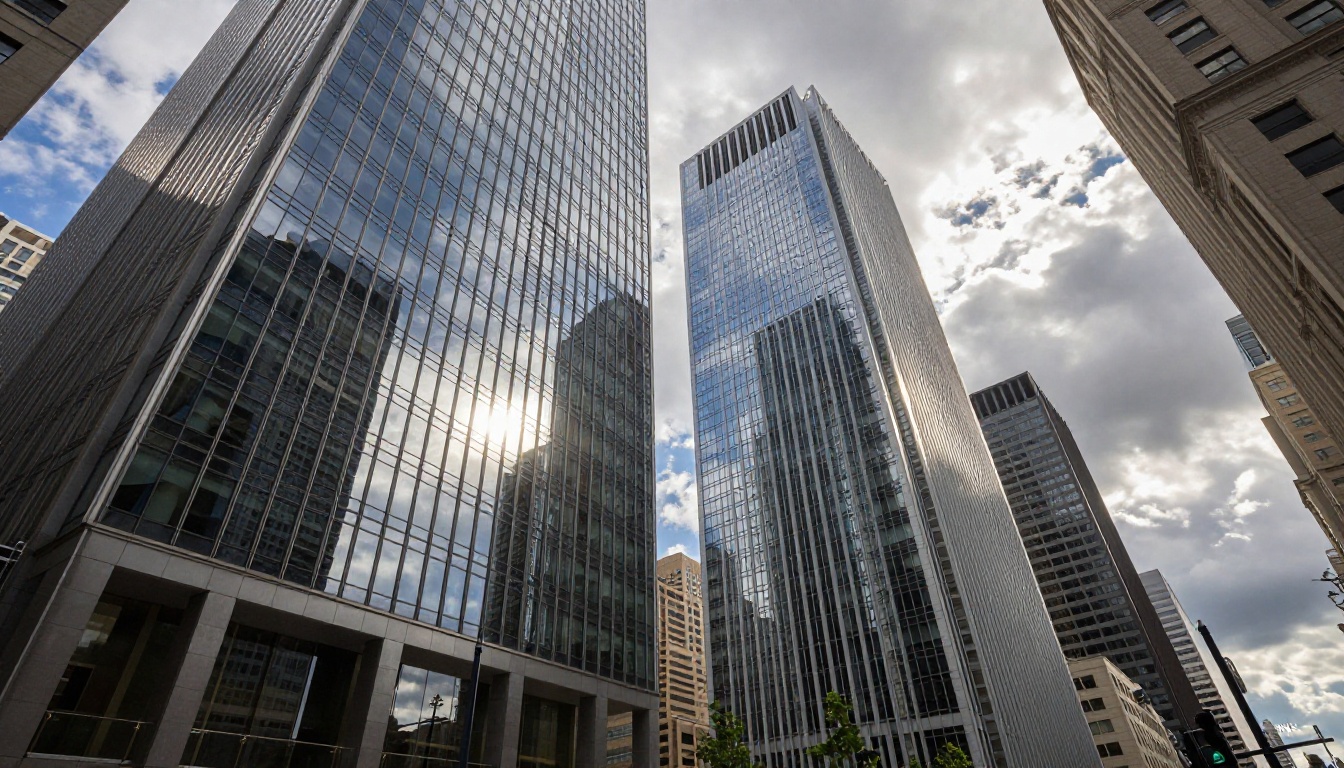
Architectural accuracy requires strong prompt adherence, spatial understanding, and consistent geometry throughout the image. Flux 2 leads clearly here. Specific building styles, materials, window patterns, and urban context render accurately without the distortion or stylistic drift common in Midjourney outputs. Flux-2-max handles complex architectural scenes with exceptional structural coherence.
Midjourney can produce beautiful buildings, but they often drift toward its aesthetic preferences rather than the exact specifications in the prompt. For architectural visualization or accurate location-specific renders, this becomes a real limitation.
Prompt Adherence and Accuracy
This category matters most for professionals who need specific outputs and cannot rely on the model filling gaps with its own interpretation.
Complex Multi-Element Prompts
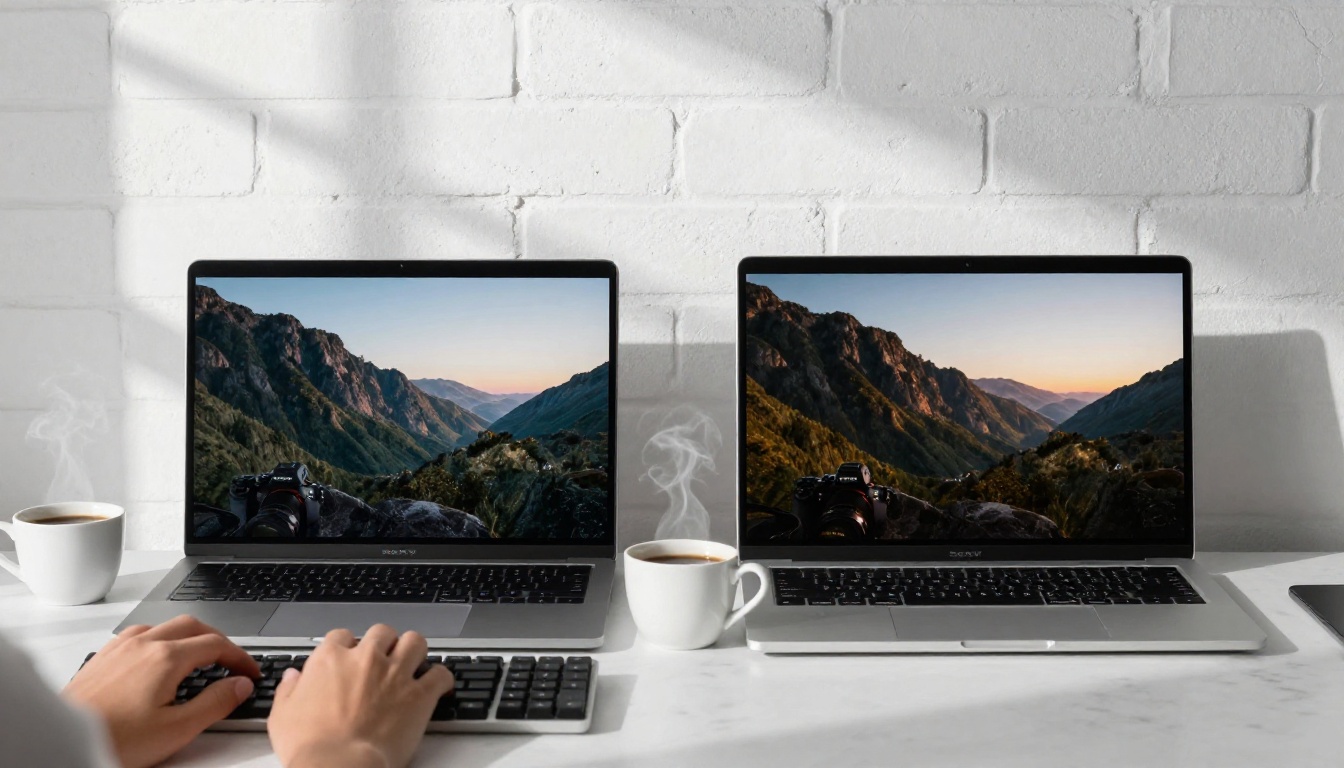
When prompts specify multiple distinct subjects, precise spatial relationships, or specific attributes for each element, model performance diverges significantly.
Flux 2 was designed with this exact problem in mind. A prompt specifying "a red car parked beside a blue motorcycle on a cobblestone street with a yellow building in the background" will render with accurate color assignments and correct spatial layout. Midjourney will produce a beautiful street scene that may or may not respect every color specification.
Nano Banana 2 performs reasonably well on multi-element prompts, benefiting from Google's language model strengths in parsing complex instructions, though it does not consistently match Flux 2's spatial accuracy across diverse test cases.
Text Rendering in Images
One historically weak area for AI image generators is rendering legible text within images. Flux 2 represents a significant improvement here, capable of generating short words and phrases with acceptable legibility in many cases. Midjourney still struggles with multi-word text despite improvements in recent versions. Nano Banana 2 shows Google's NLP expertise but inconsistent real-world results for typographic accuracy.
💡 Verdict: Flux 2 wins decisively on prompt adherence. Nano Banana 2 second, Midjourney third.
Speed and Accessibility
Generation speed affects creative workflows significantly, especially when iterating through multiple prompt variations before settling on a final output.
Generation Times Compared
| Model | Approximate Speed | API Access | Web Interface |
|---|
| Midjourney | 30-60 seconds | Limited | Discord and Web |
| Nano Banana 2 | 5-15 seconds | Yes | Yes |
| Flux 2 Klein 4b | 3-10 seconds | Yes | Yes |
| Flux 2 Pro | 20-40 seconds | Yes | Yes |
| Flux 2 Max | 40-60 seconds | Yes | Yes |
Flux-2-klein-4b and flux-2-klein-9b-base are the speed-optimized variants in the family, designed for rapid iteration without sacrificing the core prompt adherence that defines Flux models. For prototyping phases where you're testing prompt formulations, these faster variants save significant time.
Pricing and Usage Costs
Midjourney uses a subscription model with tiered plans, which suits users who generate images consistently throughout the month. API-based models like Nano Banana 2 and Flux 2 charge per generation, which is more economical for irregular use cases and project-based work.
For high-volume commercial production, the per-image cost of flux-2-pro needs to be weighed against its quality advantages over faster, cheaper variants in the same family. Platforms like PicassoIA aggregate access to both Nano Banana 2 and the entire Flux 2 family, simplifying cost management when working across multiple models in the same workflow.
Creative Range and Style Flexibility
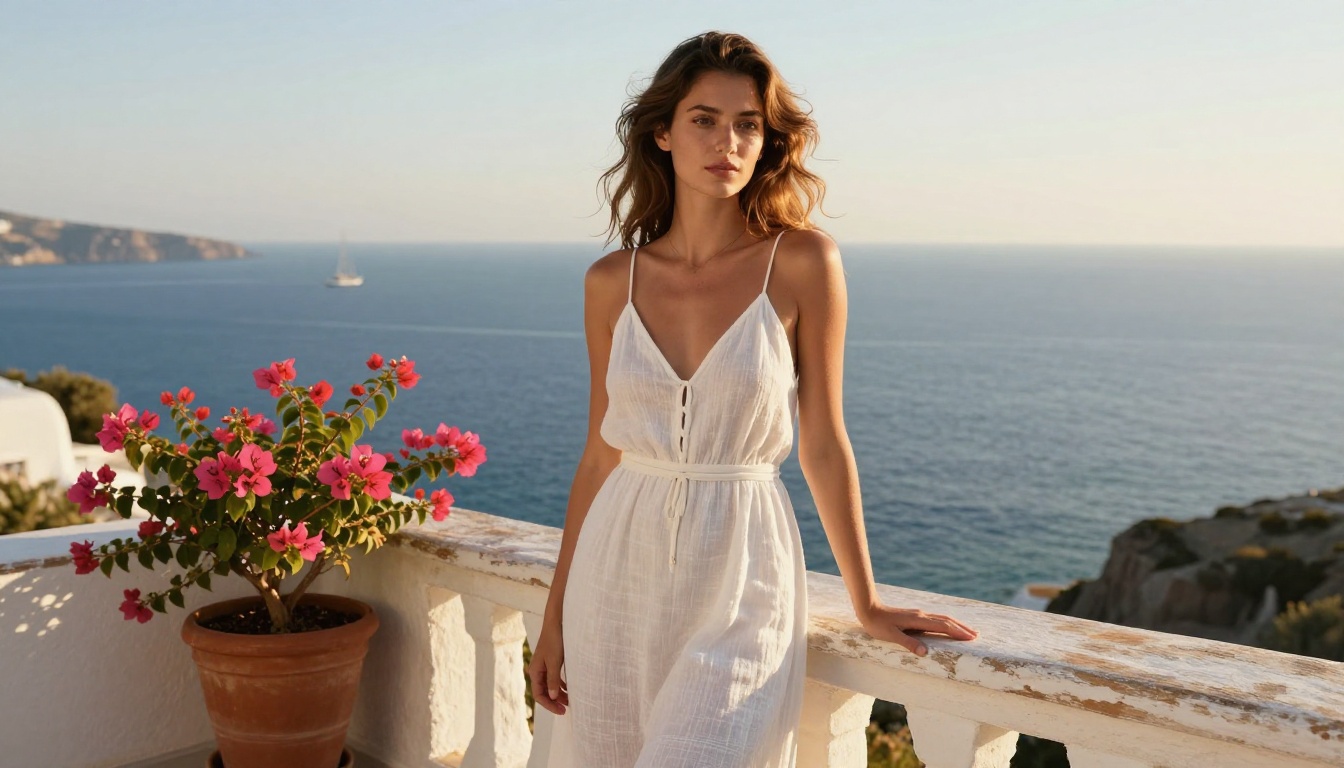
Photorealism vs Artistic Styles
Midjourney's default output leans artistic, which is both its appeal and its limitation for purely photorealistic work. Getting truly photorealistic results from Midjourney requires specific prompt strategies including camera specifications, film stock references, and explicit language to suppress artistic interpretation.
Flux 2 Pro defaults closer to photorealism without extra prompting. For commercial photography simulation, product shoots, or realistic editorial content, this saves significant prompt iteration time and produces more consistent batch results.
For abstract art, concept art, or stylized illustration work, Midjourney's output quality remains hard to match. Its training produces distinctive aesthetics that continue to be highly sought after across creative industries, from editorial publishing to brand campaigns.
Nano Banana 2 adapts across styles but does not dominate at any single aesthetic the way its competitors do at their respective strengths. Think of it as the reliable generalist.
Which Model Fits Which Project
- Social media content at volume: Nano Banana 2 for speed and consistency
- Product and editorial photography: Flux 2 Pro or Flux 2 Max for photorealism
- Creative campaigns and artistic work: Midjourney for aesthetic impact
- Rapid prototyping and iteration: Flux 2 Klein 4b for speed with Flux accuracy
- Custom dimensions and flexible output: Flux 2 Flex for non-standard formats
How to Use Nano Banana 2 on PicassoIA
Google's Nano Banana 2 is available directly through PicassoIA without needing a separate API account or platform subscription.
Step-by-Step
- Go to Nano Banana 2 on PicassoIA
- Type your prompt in the text field, specific and descriptive
- Select your aspect ratio (16:9 works well for most content types)
- Hit Generate and wait 5-15 seconds for your result
- Download or use the image directly in your project
If you want to step up image quality further, Nano Banana Pro is also available and delivers enhanced detail at slightly slower speeds.

Best Prompt Tips for Nano Banana 2
- Be literal: Nano Banana 2 interprets prompts directly, so describe exactly what you want to see in the frame
- Include lighting details: Specify "soft morning light", "golden hour backlight", or "studio three-point lighting" for better results
- Camera references help: "Shot on Canon 5D, 50mm f/1.8, shallow depth of field" adds photorealism without complex prompting
- Scene context matters: Include background elements, surface textures, and environmental details for richer outputs
- Avoid abstract concepts: Nano Banana 2 performs better with concrete visual descriptions than metaphorical or abstract prompts
💡 Tip: For portrait work on Nano Banana 2, specify face angle, eye direction, expression, and lighting direction explicitly. The model responds strongly to precise visual specifications.
How to Use Flux 2 on PicassoIA
The Flux 2 family on PicassoIA offers multiple variants. Picking the right one saves time and cost on every project.
Choosing the Right Variant
Flux 2 Prompt Tips
Flux 2's strong prompt adherence means your investment in detailed prompts pays off directly in output quality:
- Specify everything: Unlike Midjourney, Flux 2 will not fill gaps with its own aesthetic taste, so detailed prompts produce markedly better results
- Use spatial language: "In the foreground," "to the left of," and "behind the subject" work effectively for complex multi-element compositions
- Film stock references: Kodak Portra, Fujifilm Provia, and Ektar 100 references improve analog warmth and texture rendering naturally
- Negative prompting: Exclude unwanted elements explicitly (blurry, CGI, cartoonish, oversaturated) to tighten output quality
- Guidance scale adjustment: For commercial work needing precise prompt fidelity, increase guidance scale values for stronger adherence
💡 Tip: Flux-2-flex supports custom dimensions, making it ideal when standard aspect ratios do not fit your platform requirements.
The Real Winner Depends on Your Work
There is not one answer that applies to every creator, and that is actually good news. The market now offers genuinely distinct tools optimized for different outcomes.
Midjourney produces the most aesthetically polished output with minimal effort and remains the go-to for artistic work where beautiful, evocative images matter more than precise specification. Its subscription model and dedicated community make it a natural fit for daily creative work where visual impact is everything.
Nano Banana 2 occupies a practical middle ground. It generates images faster than most competitors, respects prompts with reasonable accuracy, and integrates into automated workflows through API access. For content teams that need volume without sacrificing quality, it is genuinely strong. The speed advantage alone can reshape a production pipeline.
Flux 2 Pro and Flux 2 Max lead in technical accuracy, photorealism, and complex prompt adherence. If you're producing commercial photography, editorial content, or anything where precision matters more than artistic flair, Flux 2 is the clear choice. The Flux 2 Klein 4b variant brings that same architecture to fast generation, making it viable for iteration-heavy workflows without the quality penalties typical of speed-optimized models.
The most effective approach for serious creators: use Midjourney for creative campaigns and artistic work where aesthetic impact matters most, Flux 2 for precision commercial work where specification accuracy is non-negotiable, and Nano Banana 2 when speed and volume are the priority.
Both Nano Banana 2 and the entire Flux 2 family are available right now on PicassoIA. Run the same prompt through multiple models, compare outputs side by side, and build a clear picture of which fits your specific creative process. The best model is the one that consistently produces results close to your vision without requiring hours of prompt iteration to get there.


