Mistral Large 3 has emerged as one of the most talked-about AI language models in early 2025. Built by Mistral AI, this model pushes the boundaries of what's possible with natural language processing. If you're wondering whether it lives up to the hype, you're in the right place.

What Makes Mistral Large 3 Different
Mistral Large 3 isn't just another language model. It brings several improvements over its predecessors that make it particularly useful for real-world applications. The model features a 128,000 token context window, which means it can process and remember significantly more information than many competing models.
The architecture has been optimized for both speed and accuracy. While some models force you to choose between these two factors, Mistral Large 3 manages to deliver impressive performance on both fronts. This balance makes it practical for applications where you need quick responses without sacrificing quality.
Technical Specifications
The model operates with remarkable efficiency. It can handle complex queries while maintaining consistent response times. The training process involved exposure to diverse datasets, which contributes to its versatility across different domains and languages.
What's particularly interesting is how the model handles nuanced language understanding. It can pick up on context, tone, and intent in ways that feel more natural than previous generations. This isn't just about processing words—it's about understanding meaning.

When you put Mistral Large 3 through its paces, it shows strength across multiple areas. Coding assistance is one standout capability. The model can generate, debug, and explain code in various programming languages with a level of accuracy that rivals specialized coding models.
For content creation, it adapts to different writing styles and maintains consistency across long-form pieces. Whether you're drafting technical documentation or creative writing, the output feels coherent and well-structured.
Coding Capabilities
Developers have noted that Mistral Large 3 excels at:
- Writing clean, functional code in Python, JavaScript, Java, and other languages
- Debugging existing code and suggesting optimizations
- Explaining complex algorithms in accessible terms
- Generating unit tests and documentation
The model understands coding patterns and best practices, which means the code it produces isn't just functional—it follows industry standards.

Multilingual Capabilities
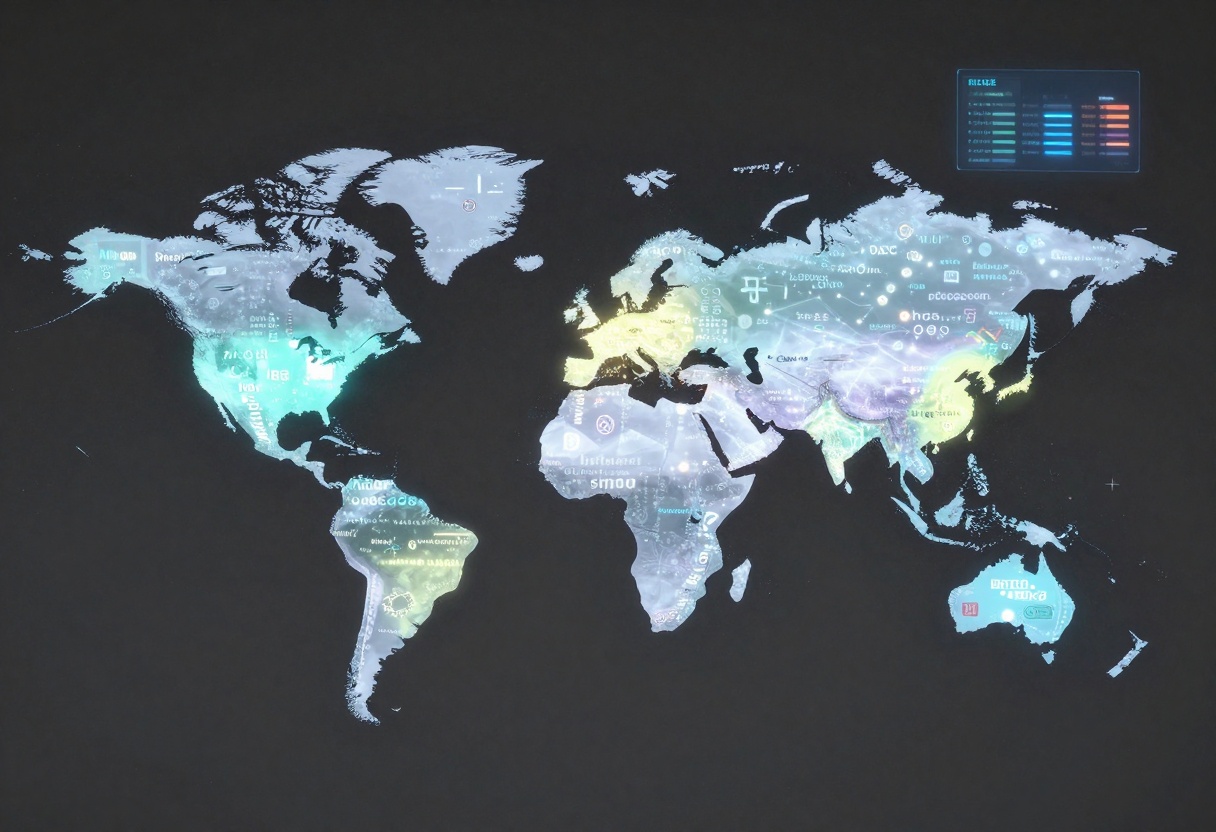
One of the most impressive aspects of Mistral Large 3 is its multilingual fluency. The model supports over 80 languages, and not just for basic translation. It can handle complex conversations, technical terminology, and cultural nuances across these languages.
This makes it particularly valuable for global businesses that need to communicate with customers or partners in different regions. The model doesn't just translate—it localizes content in ways that feel natural to native speakers.
Language Support Highlights
The model performs exceptionally well in:
- English, Spanish, French, German, Italian, and Portuguese
- Mandarin, Japanese, Korean, and other Asian languages
- Arabic, Hebrew, and Middle Eastern languages
- Eastern European and Scandinavian languages
💡 Worth noting: The model maintains consistent quality across languages, rather than prioritizing English over others.
Context Window and Memory
The 128K token context window is a game-changer for certain applications. This means you can feed the model entire documents, lengthy transcripts, or complex datasets, and it will maintain understanding throughout.
For document analysis, this capacity allows you to ask questions about specific sections while the model keeps the entire context in mind. It won't lose track of information mentioned earlier in long conversations or documents.
This extended memory proves especially useful for:
- Analyzing legal documents or contracts
- Processing research papers and academic texts
- Reviewing long transcripts from meetings or interviews
- Working with comprehensive technical documentation

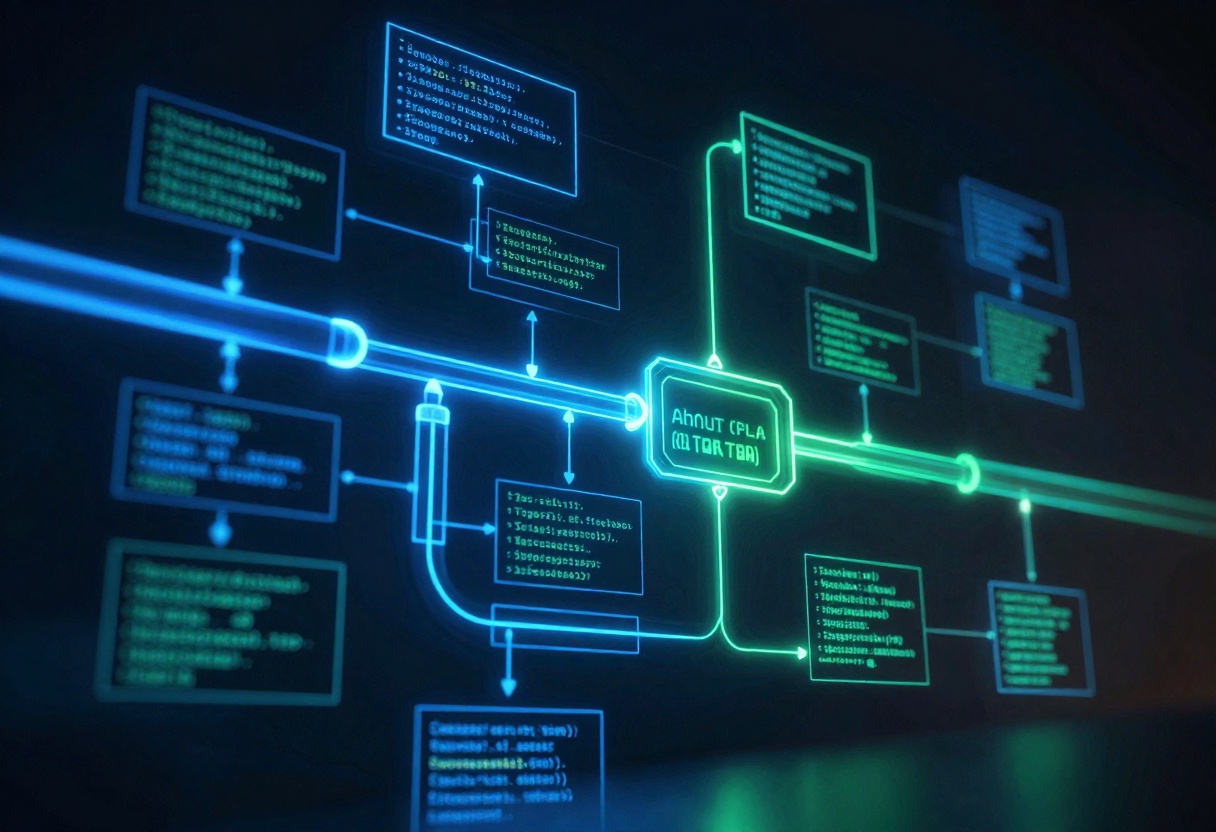
Mistral Large 3 includes native function calling capabilities, which means it can interact with external tools and APIs. This isn't just about generating text—the model can trigger specific actions, retrieve data from databases, or integrate with your existing software stack.
For developers building AI-powered applications, this opens up practical possibilities. You can create systems where the model doesn't just advise on actions but actually executes them through your defined functions.
The function calling system works through structured outputs. When you define available functions, the model can determine which ones to call, when to call them, and with what parameters—all based on the user's request.
Enterprise Applications
Companies are finding Mistral Large 3 particularly useful for internal tools and customer-facing applications. The model's reliability and performance make it suitable for production environments where consistency matters.
Some practical enterprise use cases include:
- Customer support automation: Building chatbots that can handle complex queries without constantly escalating to human agents
- Document processing: Extracting insights from business reports, contracts, and other lengthy documents
- Content generation: Creating marketing materials, product descriptions, and technical documentation at scale
- Data analysis: Interpreting datasets and generating actionable insights in natural language
The model's ability to maintain context over long conversations makes it particularly effective for support scenarios where multiple back-and-forth exchanges are common.

Integration and API Access
Getting started with Mistral Large 3 is straightforward. The model is available through standard API endpoints, making integration into existing systems relatively simple for developers familiar with API-based services.
The API supports streaming responses, which means users see output as it's generated rather than waiting for the complete response. This improves the user experience in interactive applications.
For teams concerned about data privacy, the model can be deployed in ways that keep sensitive information secure. The specific deployment options depend on your infrastructure requirements and compliance needs.

Reasoning and Problem-Solving
The model demonstrates strong logical reasoning abilities. When presented with multi-step problems, it can break them down, analyze each component, and arrive at well-reasoned conclusions.
This capability extends to:
- Mathematical problem-solving with step-by-step explanations
- Logical puzzles and complex reasoning tasks
- Decision-making scenarios with multiple variables
- Causal analysis and relationship identification
The reasoning process is often transparent, allowing users to follow the model's thinking. This transparency builds trust and makes it easier to verify the accuracy of outputs.

Practical Use Cases
Beyond technical specifications, what can you actually do with Mistral Large 3? The applications are diverse, but here are some scenarios where it particularly shines:
For developers: The model serves as a powerful pair programming partner. It can suggest code improvements, catch potential bugs, and explain complex systems. Many developers report increased productivity when using it for routine coding tasks.
For researchers: The large context window makes it ideal for literature reviews. You can feed in multiple papers and ask the model to identify common themes, contradictions, or gaps in research.
For content creators: Whether you're writing blog posts, technical documentation, or marketing copy, the model adapts to different styles and maintains consistency. It can also help with research and fact-checking.
For data analysts: The model can interpret datasets, identify patterns, and explain findings in clear language. This makes data more accessible to stakeholders who may not have technical backgrounds.

Limitations to Consider
While Mistral Large 3 is impressive, it's important to understand its limitations. Like all language models, it can occasionally produce outputs that sound confident but contain inaccuracies. This is particularly true for highly specialized or recently updated information.
The model also has constraints on:
- Real-time information (it was trained on data up to a specific cutoff date)
- Highly specialized technical fields requiring specific credentials
- Tasks requiring physical world interaction or manipulation
- Ethical decisions that require human judgment
For critical applications, human review remains essential. The model works best as an assistant that enhances human capabilities rather than replacing human expertise entirely.
How to Use Large Language Models on PicassoIA
If you're interested in working with advanced language models like the ones discussed here, PicassoIA provides a straightforward platform for accessing various AI models. While Mistral Large 3 itself may have specific deployment requirements, similar powerful language models are available through the platform.
Getting Started with Claude 4.5 Sonnet on PicassoIA
Claude 4.5 Sonnet offers comparable capabilities to other advanced language models, with strong performance in coding, reasoning, and multimodal tasks. Here's how to use it on PicassoIA:
Step 1: Access the Model
Visit the Claude 4.5 Sonnet model page on PicassoIA. The interface provides a clean, user-friendly way to interact with the model without complex setup.
Step 2: Enter Your Prompt
The prompt field is your main input. This is where you describe what you want the model to do. Be specific about your requirements. For example:
- "Write a Python function that processes JSON data and extracts email addresses"
- "Summarize this research paper and identify the key findings"
- "Generate a marketing email for a new product launch"
Step 3: Configure Advanced Settings (Optional)
Claude 4.5 Sonnet offers several parameters you can adjust:
| Parameter | Purpose | Default |
|---|
| Max Tokens | Controls output length (up to 8,192 tokens) | 8192 |
| System Prompt | Defines the model's behavior and role | Empty |
| Image Input | Upload images for multimodal analysis | None |
| Max Image Resolution | Adjusts image processing quality (in megapixels) | 0.5 |
For most tasks, the defaults work well. If you need longer outputs, increase the max_tokens value. For specialized applications, use the system_prompt to set the model's role (e.g., "You are an expert data analyst").
Step 4: Add Images (Optional)
Claude 4.5 Sonnet supports multimodal inputs. If your task involves image analysis, you can upload images directly. The model can:
- Describe image content in detail
- Extract text from images (OCR)
- Analyze charts and diagrams
- Answer questions about visual elements
The max_image_resolution parameter controls how much detail is preserved. Higher values provide better quality but use more tokens.
Step 5: Generate the Output
Click the generate button to start processing. The model will analyze your prompt and produce a response. For longer outputs, you may see the text stream in real-time.
Step 6: Review and Iterate
Check the generated output for accuracy and completeness. If you need adjustments, you can:
- Modify your prompt to be more specific
- Adjust parameters like max_tokens or system_prompt
- Ask follow-up questions to refine the output
💡 Pro tip: Start with simple prompts and gradually add complexity. Clear, specific instructions typically yield better results than vague requests.
Best Practices for Language Model Interaction
Whether you're using Mistral Large 3, Claude 4.5 Sonnet, or another advanced language model, these practices improve results:
Be specific in your requests: Instead of "write code for a website," try "create a responsive navigation menu in HTML and CSS using flexbox."
Provide context when needed: If you're asking about a specific topic, include relevant background information to help the model understand your perspective.
Break complex tasks into steps: For complicated projects, work through them piece by piece rather than asking for everything at once.
Verify critical information: Always fact-check important claims, especially in specialized fields or time-sensitive topics.
Experiment with different approaches: If one prompt doesn't work well, try rephrasing or approaching the problem from a different angle.
The Future of Language Models
Mistral Large 3 represents current capabilities, but the field continues to advance rapidly. We're seeing improvements in reasoning abilities, longer context windows, and better integration with external tools.
The trend toward multimodal models—those that handle text, images, and potentially other data types—is accelerating. This convergence creates new possibilities for applications that combine different types of information.
As these models become more capable, the focus is shifting from raw performance to reliability, safety, and practical usability. The goal is building systems that consistently deliver value in real-world applications rather than just impressive benchmark scores.
Ready to start working with advanced AI models? Platforms like PicassoIA make it easy to access and experiment with cutting-edge language models without complex infrastructure requirements.


