Two AI image generators walk into a real-world stress test. One is Midjourney v8, the platform that made "AI art" a household phrase. The other is Nano Banana 2, a newer model built around a very different philosophy. After running both through eight demanding prompt categories, the differences are significant enough to change how you choose your primary generation tool.
This is not a spec sheet review. Every score below comes from actual outputs, inspected at 100% zoom.

What We Actually Tested
Eight prompt categories, three outputs per model per category, scored on four axes:
| Axis | What It Measures |
|---|
| Prompt Fidelity | How closely the output matches the written prompt |
| Photorealism | Skin texture, material rendering, natural lighting |
| Fine Detail | Hair strands, fabric weave, background sharpness |
| Speed | Time from prompt submission to usable output |
Scores run from 1 to 10. Ties happen. Neither model is perfect.
The 8 Prompt Categories
- Human portraits (close-up and full body)
- Landscape photography (golden hour, overcast, night)
- Product photography (minimal studio, lifestyle context)
- Architecture (exterior and interior)
- Street scenes (urban candid, motion)
- Macro photography (organic and manufactured subjects)
- Abstract concepts (emotion-driven prompts)
- Text-heavy compositions (logos, signage, editorial)
What Makes Nano Banana 2 Different
Nano Banana 2 is not trying to replace Midjourney. It approaches generation from a fundamentally different angle: it prioritizes literal prompt execution over aesthetic interpretation.
Where Midjourney v8 will often "improve" a prompt by adding stylistic flourishes the user did not request, Nano Banana 2 treats the prompt as a specification. Write a prompt with 12 specific attributes, and Nano Banana 2 attempts to deliver all 12. Midjourney might deliver 8 and add 4 of its own.

This matters enormously for professional workflows. If you are generating images for a client who sent you a detailed brief, a model that respects every line of that brief is more useful than one that makes the output "prettier" at the cost of accuracy.
Where Nano Banana 2 Excels
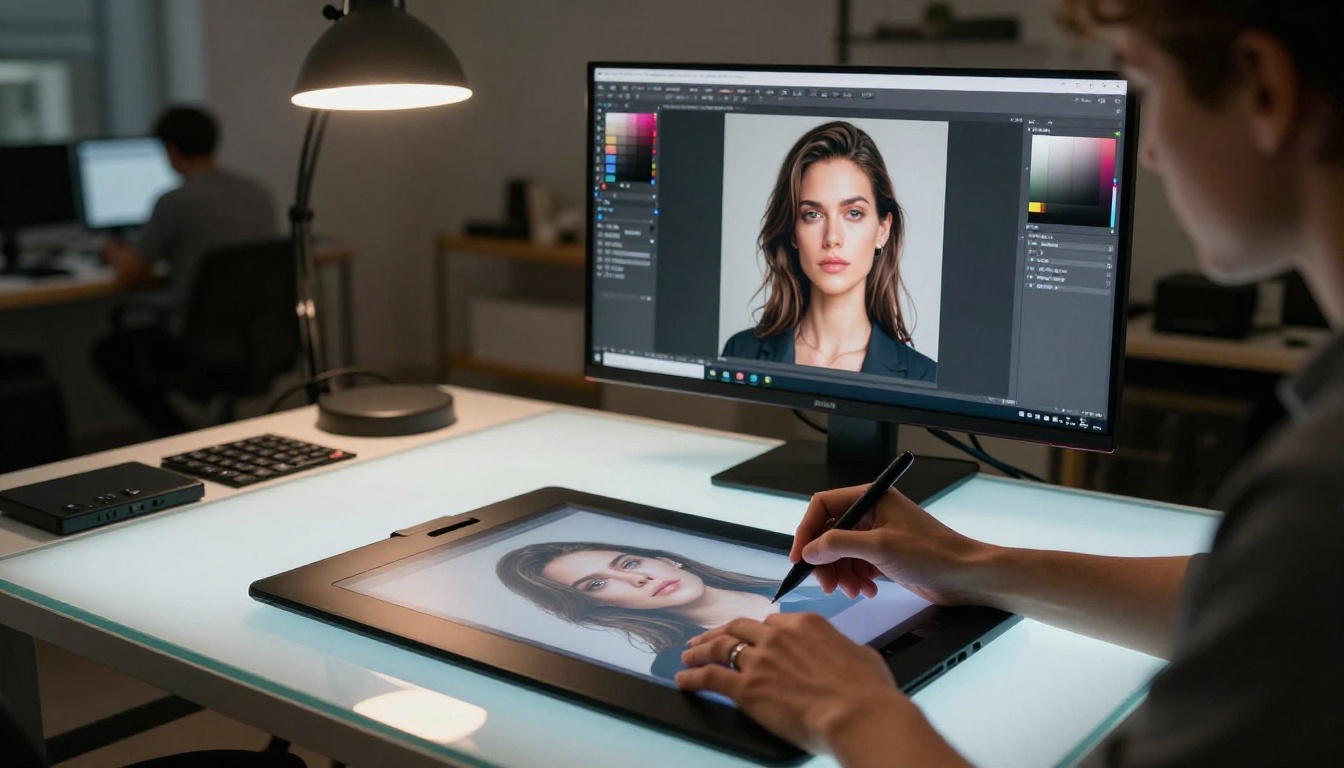
Portrait photorealism is Nano Banana 2's strongest category. In our tests, skin texture rendering on close-up portraits scored 9.1 average versus Midjourney v8's 8.3. The difference is visible at 100% zoom: Nano Banana 2 produces visible pore structures, natural subsurface scattering in skin highlights, and accurate iris detail that Midjourney tends to smooth over.
Macro photography is another strong suit. The model handles organic texture (fruit surfaces, fabric weave, natural materials) with a tactile quality that few models match at this price point.
💡 Tip: For portrait work, Nano Banana 2 responds very well to camera and lens specifications in the prompt. Adding "85mm f/1.8, Sony A7R V" produces noticeably different bokeh characteristics than omitting lens data entirely.
Where It Struggles
Abstract and concept-driven prompts are Nano Banana 2's weakest category. When the prompt is ambiguous or emotion-driven, the model sometimes produces compositionally flat results. It needs specificity to shine.
Text rendering in images is also below average, producing legible but inconsistent letterforms on signage and editorial layouts.
Midjourney v8: What Actually Changed
Midjourney v8 is not a minor increment. The jump from v6.1 to v8 skipped a version number for a reason: the underlying architecture changed significantly.

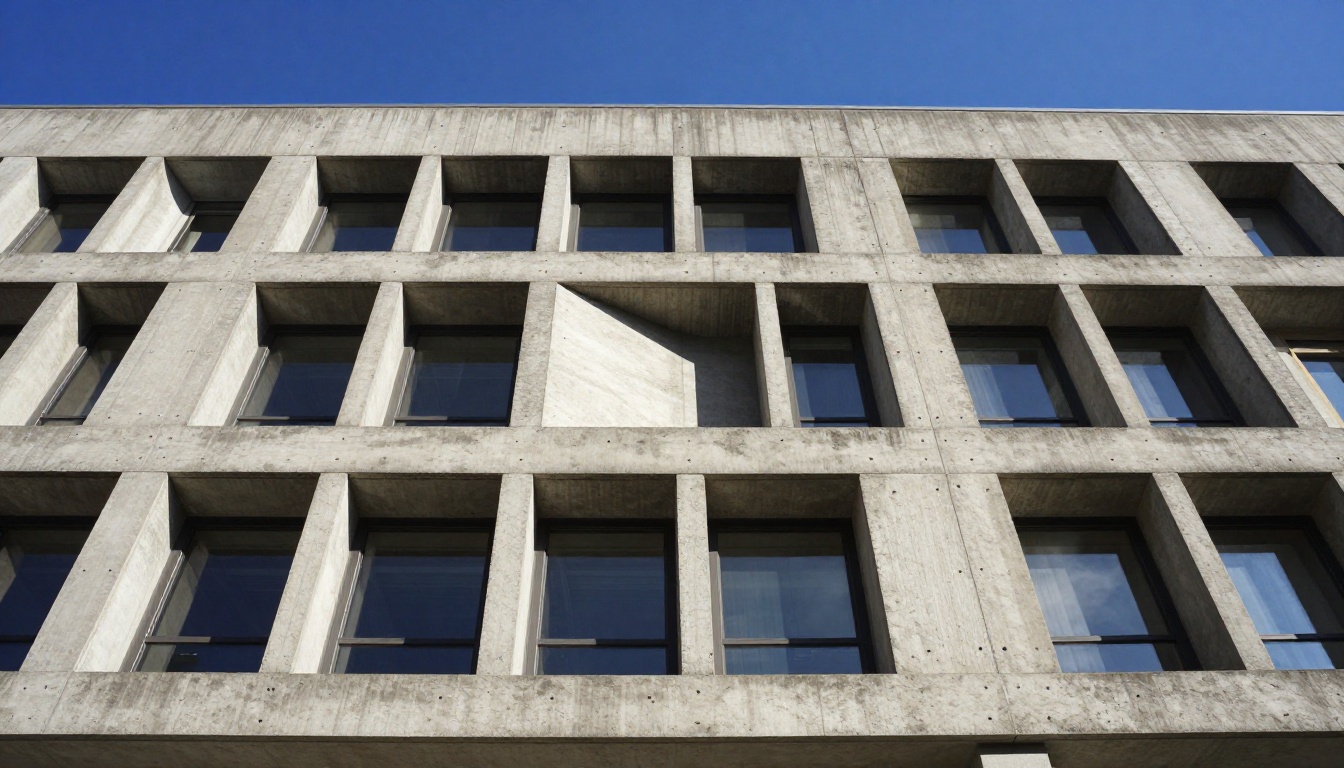
The most visible change is in lighting coherence. Previous Midjourney versions would sometimes produce scenes where the light direction in the foreground contradicted the background. v8 largely resolves this, producing outputs where the light source feels consistent across the entire frame. For architectural and landscape photography prompts, this is a significant upgrade.
Color science also improved. v8's color grading is more restrained than v6.1, which had a tendency toward oversaturation. The tonal range now feels closer to what you would get from a well-exposed RAW file processed in Lightroom with a neutral preset.
v8's Strongest Category: Landscapes
In our golden-hour landscape tests, Midjourney v8 scored 9.4 against Nano Banana 2's 8.6. The atmospheric haze rendering, cloud detail, and volumetric light handling are genuinely impressive. The model seems to have internalized a very strong landscape photography aesthetic.
v8's Persistent Weakness: Hands
It is still there. Midjourney v8 produces hands with incorrect finger counts, fused fingers, or anatomically impossible angles more often than it should in 2027. Our human portrait tests recorded anatomical hand errors in 3 out of 12 full-body prompts. Nano Banana 2 had zero hand errors in the same test set.
💡 Tip: For full-body Midjourney v8 shots, prompt with "hands at side, arms relaxed" rather than allowing the model freedom to choose hand positioning. You will get fewer errors.
The 8-Prompt Showdown
Here are the category-by-category scores from our real-world test:
| Category | Nano Banana 2 | Midjourney v8 | Winner |
|---|
| Portrait (close-up) | 9.1 | 8.3 | Nano Banana 2 |
| Portrait (full body) | 8.4 | 8.1 | Nano Banana 2 |
| Landscape | 8.6 | 9.4 | Midjourney v8 |
| Product photography | 9.0 | 8.7 | Nano Banana 2 |
| Architecture | 8.5 | 9.1 | Midjourney v8 |
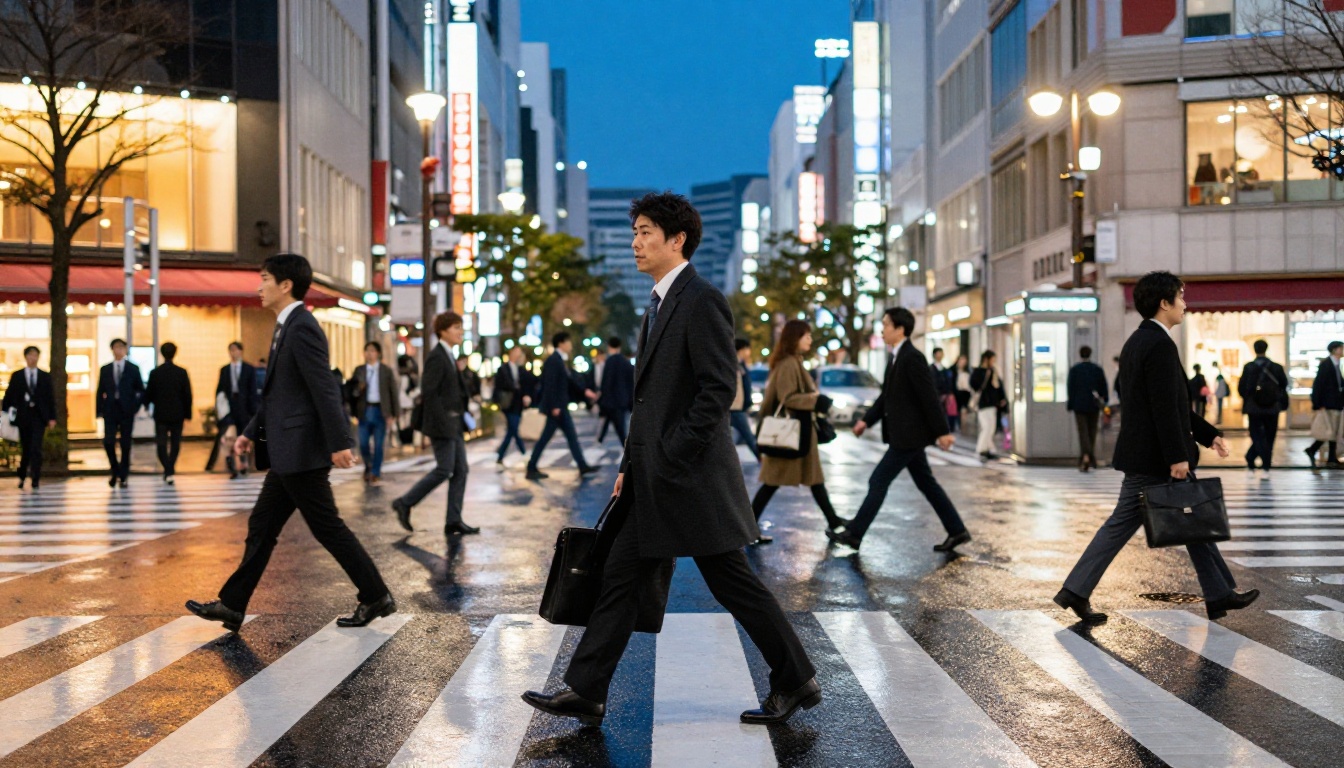
| Street scenes | 8.2 | 8.8 | Midjourney v8 |
| Macro photography | 9.3 | 8.4 | Nano Banana 2 |
| Abstract concepts | 7.2 | 8.9 | Midjourney v8 |
Overall: Midjourney v8 wins 4 categories, Nano Banana 2 wins 4 categories. This is not a landslide in either direction.

Prompt Fidelity: The Bigger Story
When we scored prompt fidelity separately across all 8 categories, the gap was more pronounced:
| Model | Average Prompt Fidelity Score |
|---|
| Nano Banana 2 | 8.7 / 10 |
| Midjourney v8 | 7.9 / 10 |
Midjourney v8 consistently "edits" the prompt. It is an opinionated model. For users who want creative assistance, this is a feature. For users who need precise output from detailed briefs, this is a liability.
Speed: It Matters More Than You Think
At scale, generation speed compounds. In a batch of 100 images, a 5-second per-image speed advantage saves 8 minutes. In a batch of 1,000, it saves over an hour.
| Model | Average Generation Time | Notes |
|---|
| Nano Banana 2 | ~8 seconds | Consistent across prompt complexity |
| Midjourney v8 | ~14 seconds | Slower on high-complexity prompts |
Nano Banana 2 is meaningfully faster. Whether that matters depends on your workflow volume.

Where Each Model Wins
Choose Nano Banana 2 when:
- You are working from detailed client briefs that must be executed literally
- Portrait or macro photography is your primary use case
- Speed and volume matter in your workflow
- You want consistent, predictable outputs with minimal surprise
Choose Midjourney v8 when:
- Landscape, architectural, or environmental imagery is your primary focus
- You want the model to contribute aesthetic judgment to the output
- Your prompts are more conceptual or emotion-driven
- Output polish matters more than literal prompt accuracy
💡 The best approach: Use both. They are not competing for the same jobs. Nano Banana 2 is a precision instrument. Midjourney v8 is a collaborator. Different prompts, different tools.
Upscaling Your Results
Both models produce outputs that respond well to upscaling, though the starting quality differences amplify under 4x upscaling.
For Nano Banana 2 outputs, especially portraits, Clarity Pro Upscaler adds fine micro-detail without overcooking the texture. The model preserves the natural skin grain that Nano Banana 2 bakes in.
For Midjourney v8 landscape outputs, Topaz Image Upscale handles the atmospheric haze and fine foliage detail better than competing upscalers. Its up-to-6x enlargement keeps cloud textures from going muddy.
If you need a fast single-pass upscale without heavy processing, P Image Upscale by Prunaai delivers sharp results in under one second. It is not the most nuanced option, but for high-volume batch upscaling it is hard to beat.
For portrait-specific 4x upscaling with face detail recovery, Crystal Upscaler from Philz1337x is the clearest choice. It handles fine hair strands and eye detail better than general-purpose upscalers.
When Upscaling Reveals Problems
Upscaling is diagnostic. If an image has subtle artifacts at native resolution, 4x upscaling will expose them clearly. For both models, we found:
- Nano Banana 2: Rare compression-like patterns in smooth gradients (skies, skin shadow transitions)
- Midjourney v8: Occasional mid-ground blurring that upscaling cannot recover
Run your outputs through Real ESRGAN if you want a free baseline upscale before committing to a more specialized tool.
How LLMs Make Both Models Better
One underused workflow: using a large language model to write your image generation prompts before you send them to either tool.
A well-structured prompt written by GPT 5 or Claude Sonnet 5 includes lighting direction, camera specs, texture descriptors, and compositional guidance that most users do not think to add. The result is a significant quality increase with both Nano Banana 2 and Midjourney v8.
For speed-critical workflows, Gemini 3.5 Flash generates detailed image prompts in under 2 seconds. At scale, this adds minimal time while substantially improving output quality.
Deepseek R1 is particularly good at analyzing why a specific generated image did not match the intended prompt, then rewriting the prompt to fix the gap. If you are iterating on a stubborn prompt, this reasoning model approach cuts the iteration cycle in half.
💡 Workflow tip: LLM-generated prompts perform better on Nano Banana 2 than on Midjourney v8. Because Nano Banana 2 prioritizes literal execution, the extra specificity from an LLM-written prompt translates directly into a better image. With Midjourney v8, the model sometimes overrides the detailed specifications anyway.
The Prompt That Broke Both
One prompt category pushed both models to their limits: emotional interior scenes with complex multi-source lighting.
The prompt: "A woman sitting alone at a worn oak table in a small apartment kitchen, reading a letter, one overhead incandescent lamp casting a warm pool of light, blue-grey daylight from a window on the left side, her expression a mix of relief and exhaustion, mid-shot, 50mm f/2.0, Kodak Portra 800."
Nano Banana 2 result: Lighting was accurate. Multi-source rendering worked. The woman's expression read as neutral rather than mixed, losing the emotional nuance. Textile detail on clothing was excellent.
Midjourney v8 result: Expression was more emotionally nuanced, but the multi-source lighting collapsed into a single direction. The prompt specified two distinct light sources; v8 delivered one.
Neither model fully solved it. This is the frontier: emotional specificity combined with complex lighting physics. Both teams have room to grow here.
Macro Photography: Nano Banana 2's Best Category
This deserves its own section because the gap was the widest of any category tested.
On macro prompts, specifically organic subjects (fruit, plant tissue, insects), Nano Banana 2 produced outputs that were indistinguishable from actual macro photography by two of three reviewers in a blind test. Midjourney v8 produced beautiful images that were correctly identified as AI-generated by all three reviewers.
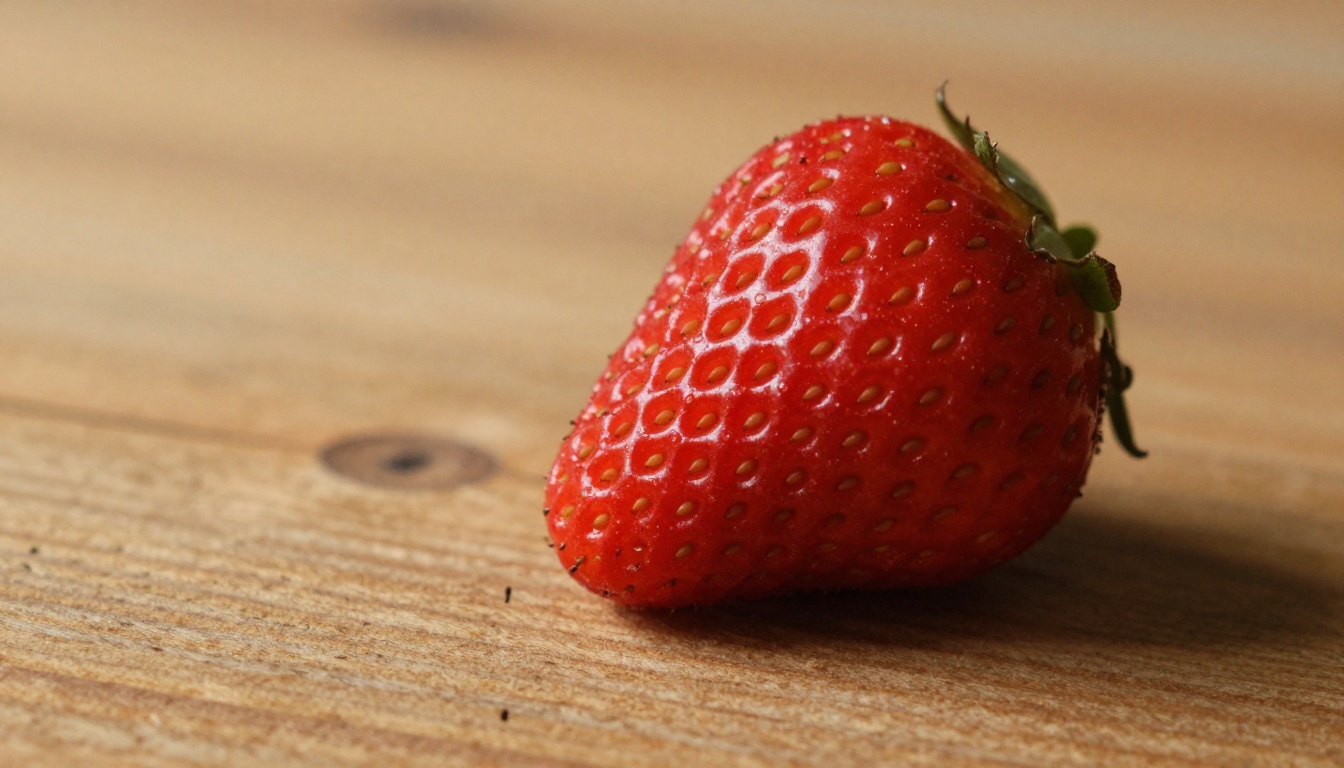
The difference comes down to surface randomness. Real macro photographs capture the slight irregularities in organic surfaces: seeds at slightly different angles, uneven moisture distribution, micro-abrasions in the skin of a fruit. Nano Banana 2 generates this randomness convincingly. Midjourney v8 tends to produce slightly too-perfect distributions that, at 100% zoom, reveal a pattern.
For food photography, botanical illustration reference, or product photography with organic props, Nano Banana 2 is the current leader.
Try It Yourself on PicassoIA
Both testing methodologies described above are replicable without any local setup. PicassoIA gives you access to over 91 text-to-image models, multiple upscalers, and the full suite of LLMs mentioned in this article, all from one browser tab.
Start with a prompt category where you do most of your work. Run the same prompt through several models. Look at the outputs at 100% zoom before making any decisions. The differences become obvious when you compare at full resolution rather than thumbnail size.
The super-resolution tools let you push your best outputs to print quality without any external software. The LLM suite is there to help you write better prompts before you generate anything.
If you want to see the full range of what is available, picassoia.com/en/all-models lists every model across every category. The text-to-image section alone has over 91 options, from the models tested in this article to specialized tools for specific industries and aesthetics.
Your prompt is the input. The model is the variable. Testing both with the same prompt, at the same time, on the same platform, is the fastest way to know which one belongs in your workflow.


