Google has been quietly building toward something significant in AI image generation, and Nano Banana Pro is the clearest proof yet that the effort paid off. Most people still associate Google with search, language models, or cloud infrastructure. That perception is due for a correction.
Nano Banana Pro sits at the top of Google's image model stack, earning its position not through marketing claims but through output quality that genuinely challenges what anyone expects from text-to-image AI in 2027. The photorealism is aggressive. The prompt fidelity is surgical. The speed-to-quality ratio makes competing models look wasteful by comparison.
Whether you are a content creator, digital artist, photographer, or simply someone curious about where AI image generation currently stands, Nano Banana Pro demands attention. This breakdown covers what the model does, the engineering behind it, how it compares against today's strongest alternatives, and where you can start experimenting with top-tier AI image generation right now.
What Nano Banana Pro Actually Does
Nano Banana Pro is Google's flagship text-to-image synthesis model, positioned above their earlier Imagen series and designed specifically for high-fidelity, photorealistic output. The model takes natural language prompts and renders images with a level of semantic precision that previous generations consistently struggled to achieve.
The name breaks down simply: "Nano" references the architectural efficiency engineered into the model at the infrastructure level, allowing it to produce frontier-quality output without proportionally frontier-level compute. "Pro" signals the quality tier, aimed at professional and semi-professional workflows where output quality is non-negotiable.
Three core capabilities define what separates Nano Banana Pro from prior models:
- Compositional control: Specify multiple subjects, spatial relationships, and scene depth, and the model executes all of it without collapsing elements or producing anatomical confusion
- Lighting physics: Volumetric light, subsurface scattering on skin, caustic water reflections, and directional shadow fall-off are rendered with physical plausibility rather than pattern-matched approximation
- Micro-detail resolution: Fabric texture, skin pores, individual hair strands, architectural surface grain, and foliage complexity all resolve to levels that older diffusion architectures smear into noise
💡 Worth noting: Nano Banana Pro handles negative space unusually well. Multi-subject compositions with complex backgrounds stay spatially coherent where competing models regularly produce depth confusion and floating limbs.
These are not incremental improvements over earlier Imagen models. Each one represents a shift in how the model understands and renders visual information, which is why the outputs feel qualitatively different rather than just marginally sharper.
Supported Output Formats
Nano Banana Pro generates images at multiple resolutions with a default orientation toward widescreen and portrait formats for maximum versatility across web, social media, and print workflows.
| Format | Best Use Case |
|---|
| 1:1 Square | Social media posts, product tiles |
| 16:9 Widescreen | Blog headers, YouTube thumbnails, web banners |
| 9:16 Vertical | Instagram Stories, TikTok, mobile ads |
| 4:3 Standard | Presentations, editorial photography |
The Architecture That Makes It Work

Google built Nano Banana Pro on a significantly updated diffusion architecture that addresses the most persistent failure modes of earlier text-to-image systems. Three engineering decisions define the model's character.
Training Data Quality Over Scale
Rather than simply adding more training images, Google filtered aggressively for composition quality, technical camera accuracy, and scene coherence. The model learned from images that were not just high-resolution but structurally and spatially correct, which is why its outputs so rarely produce the telltale compositional errors that plague models trained on scraped internet data without curation. Merged subjects, impossible shadows, and mirrored textures are noticeably rare in Nano Banana Pro outputs compared to peer models.
Semantic Conditioning
Nano Banana Pro uses a dual-encoder conditioning system that processes prompts at both the token level and the semantic concept level. This means the model does not just match keywords to visual patterns. It parses relationships between elements in your prompt and uses those relationships to constrain the generation spatially. When you write "a woman standing to the left of a red door," the model locks their positional relationship into the generation process from the first diffusion step rather than assembling elements independently.
Efficiency Architecture
The "Nano" designation reflects a genuine engineering achievement: the model achieves comparable or superior output quality to much larger models by using a sparse attention mechanism that focuses compute on semantically important regions of the image. The practical result is faster generation times without the quality degradation you typically see when a model is compressed for speed. It is a meaningful difference for anyone iterating through many prompt variations.
Nano Banana Pro vs The Competition
Placing Nano Banana Pro in context requires an honest look at the current top-tier field. Several excellent models compete for the same professional use cases.
A few things stand out from real-world testing across these models:
Against Flux Redux Dev: Flux Redux Dev is the strongest competitor in creative versatility and raw generation speed. It handles stylized outputs and artistic variation with particular skill. Nano Banana Pro surpasses it in pure photorealism and lighting accuracy for scenes that need to read as actual photographs rather than AI art.
Against GPT Image 2: GPT Image 2 from OpenAI competes directly on prompt fidelity and produces excellent results for instructional and editorial content. Google's model edges ahead on skin texture, environmental lighting, and the kind of image that needs to pass as a real photograph under scrutiny.
Against Qwen Image Edit Plus: Qwen Image Edit Plus offers strong editing capabilities for refining existing imagery. That is a different use case from Nano Banana Pro's generation-first strength.
The honest summary: Nano Banana Pro is not the right choice for every task. If you want fast iteration on artistic concepts or stylized illustration, Flux Redux Dev has an edge. If maximum photorealism with complex multi-element prompts is the priority, Nano Banana Pro is currently the benchmark.
Where It Shines
Knowing what a model does well helps you deploy it correctly rather than fighting its natural output tendencies.
Portrait and People Photography
Nano Banana Pro produces portrait images that are, in many cases, indistinguishable from professional photography. Skin tones are accurate, not smoothed into the plastic-looking idealization that plagues many AI portrait generators. Fabric sits on the body correctly. Eyes catch light with physical accuracy. If your primary use case is generating people in real-world contexts, this model sets the current standard for the category.
Architectural and Interior Scenes
Buildings, rooms, and urban environments benefit significantly from the model's lighting physics. Interior scenes with window light, lamp shadows, and mixed color temperatures render with the kind of complexity that professional architectural photographers spend hours replicating. Exterior shots with directional sunlight or overcast diffusion handle shadow fall-off correctly rather than applying a flat lighting pass over the scene.
Product Visualization
E-commerce and product teams will find Nano Banana Pro particularly valuable for generating photorealistic product images on lifestyle backgrounds. Surface materials, reflections, and packaging details all render with commercial photography quality, at a fraction of the time and cost of a physical shoot.
Where It Struggles
No model is without limitations. Nano Banana Pro shows its weaknesses in:
- Dense text rendering: Complex text within images still produces errors, a persistent challenge across all current diffusion models regardless of maker
- Highly abstract or stylized output: The model optimizes hard toward realism, which works against you when the goal is something painterly, surreal, or illustrative
- Unusual anatomical configurations: Extreme action poses or non-standard body positions still occasionally produce errors, though less frequently than most competing models
Who Benefits Most
Nano Banana Pro is not a casual tool, though it is accessible to casual users. The model rewards specificity above all else. Vague prompts produce decent results. Detailed, well-structured prompts produce results that will make you stop and double-check whether you are looking at AI output or a photograph.
The users who will get the most out of it:
Content creators and bloggers who need photorealistic header images, lifestyle photography, and editorial visuals without the cost and logistics of an actual photoshoot. A single well-crafted prompt can replace hours of creative direction and studio time.
Marketing and advertising teams generating campaign visuals for A/B testing, social media, or pitch decks at a volume and speed that traditional photography cannot match. The ability to iterate on a concept dozens of times in an afternoon changes how campaigns get developed.
Product designers and architects who need to visualize concepts at the photorealistic level before any physical production occurs. Nano Banana Pro handles material simulation well enough that early-stage client presentations can look close to finished photography.
Independent photographers exploring compositional ideas, lighting setups, and location concepts before investing time and budget in an actual shoot. Using the model as a pre-visualization tool is an underappreciated professional application.
💡 Efficiency tip: When writing prompts for Nano Banana Pro, think like a photographer giving a brief to a lighting technician. Specify the light source direction, color temperature, and intensity alongside your subject description. The model responds to this level of specificity with noticeably better output than vague aesthetic terms.
Prompt Structure That Gets Results
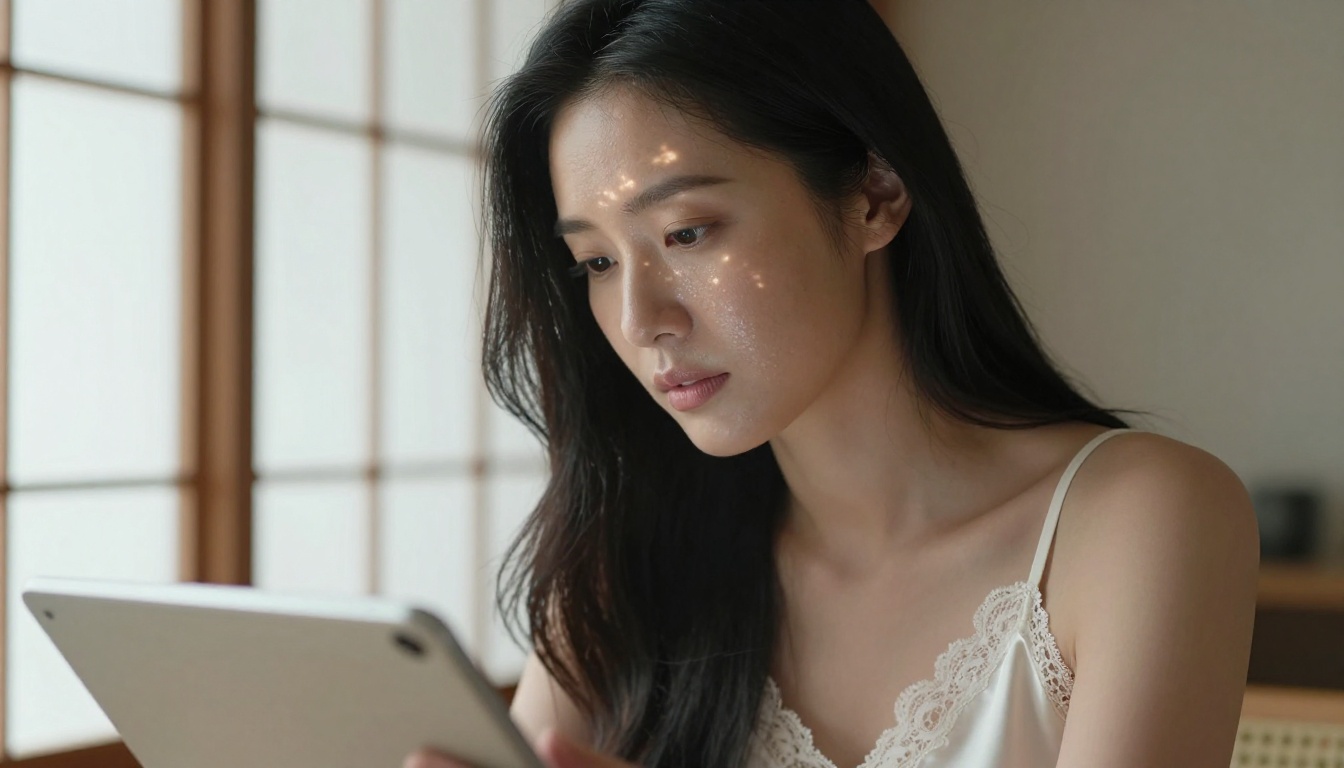
The difference between a mediocre output and an exceptional one from Nano Banana Pro often comes down to how you structure the prompt, not how creative it is.
The Four-Layer Prompt Structure
Prompts that perform consistently well follow this layered architecture:
- Subject: Who or what is in the scene, with specific physical details rather than generic descriptors
- Environment: Where the scene takes place, including background elements, depth cues, and surface materials
- Lighting: The light source, its direction, its color temperature, and any secondary or ambient light
- Technical: Camera type, lens focal length, aperture, and film stock or color grading style
A weak prompt: "a woman in a city at night"
A strong prompt: "a woman in her mid-thirties with natural curly red hair and freckled skin, wearing a navy trench coat with the collar turned up, standing on a rain-slicked sidewalk in front of a warm-lit bakery, wet pavement reflecting the amber window light from below, secondary cool blue light from an overhead streetlamp, shot with a 50mm f/2.0 lens at eye level, Kodak Portra 400 film grain, photorealistic RAW photography"
The difference in output quality between these two prompts in Nano Banana Pro is dramatic and immediately visible.
What to Avoid in Prompts
| Avoid | Use Instead |
|---|
| Vague descriptors ("beautiful", "stunning") | Specific physical attributes and materials |
| Style stacking ("cinematic epic dramatic") | One clear visual reference point |
| Negative instructions ("no blur", "no artifacts") | Describe what you want, not what you want to avoid |
| Abstract emotional states | Observable physical conditions in the scene |
Photographic Vocabulary That Works
Nano Banana Pro responds particularly well to prompts that include photographic terminology. Words like focal length, aperture, film stock, and color temperature encode specific visual information the model has learned to associate with real-world photographic technique.
Similarly, volumetric lighting, subsurface scattering, caustic reflections, and specular highlights activate the model's lighting physics capabilities in ways that vague terms like "good lighting" or "cinematic" simply do not. The model has seen enough technically described photography in its training data that this vocabulary carries genuine semantic weight.
Try It on PicassoIA Right Now
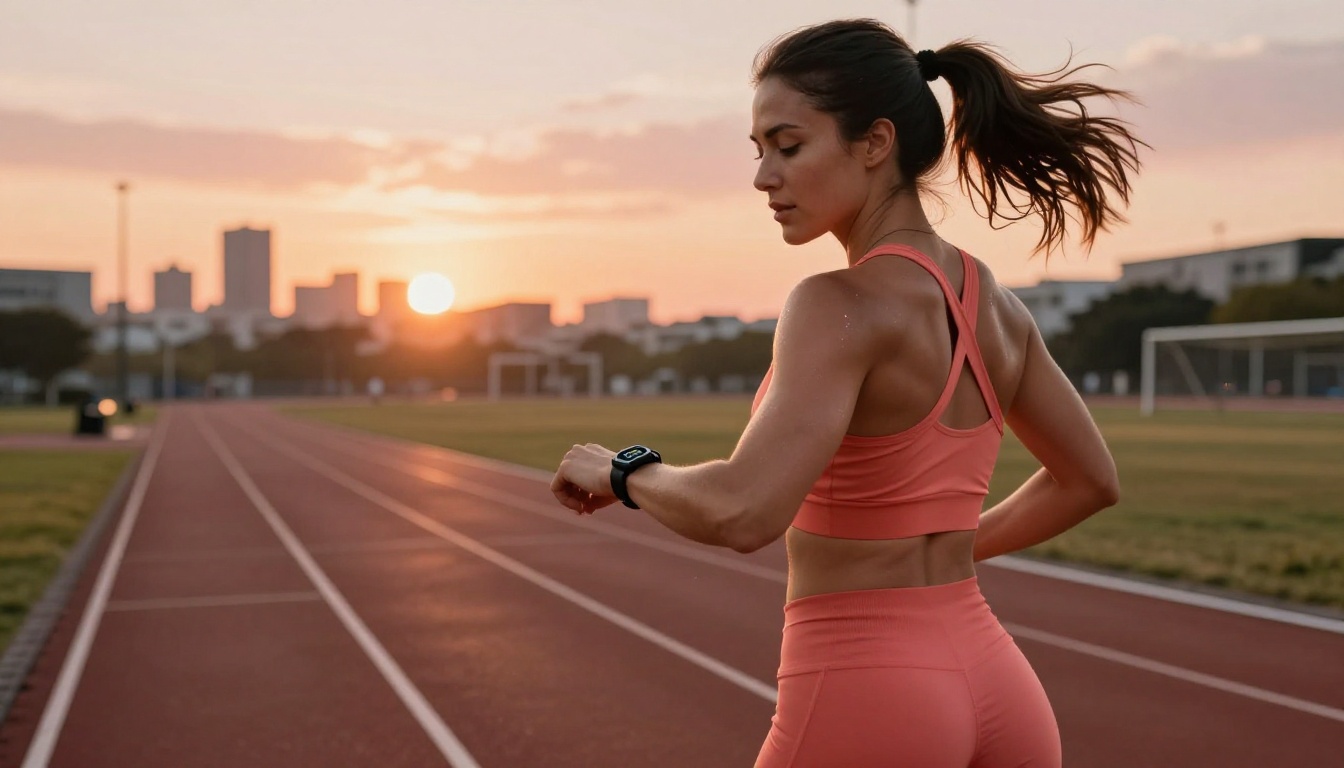
PicassoIA gives you access to the most powerful text-to-image models available today, including several that compete directly with Nano Banana Pro across specific use cases, all in one platform without managing API keys or compute infrastructure on your end.
If you want to experience top-tier photorealistic AI generation and compare it against the field, start with these options currently available on PicassoIA:
- Flux Redux Dev: Black Forest Labs' strongest current model, excellent for creative variation generation and high-speed iteration on a concept
- GPT Image 2: OpenAI's latest image model, strong on instructional content and text-in-image rendering
- Qwen Image Edit Plus: Strong image editing capabilities for refining and modifying existing visuals after generation
Beyond generation, PicassoIA's platform covers the full production pipeline. A strong portrait you generate can immediately go through super-resolution upscaling for print use, background removal for composite work, or face swap AI for variation testing. All of this happens within the same platform, which keeps your workflow tight and avoids the multi-tool friction that slows most AI content pipelines.
💡 Platform tip: PicassoIA currently has over 91 text-to-image models available. If Nano Banana Pro's photorealism style is what you are after, filter for models with photorealistic or RAW photography output style in their descriptions. It will save you significant trial-and-error time when building a consistent visual style for a project.
The Results Speak for Themselves

Nano Banana Pro is not the only excellent AI image model available right now, but it is arguably the most important one to pay attention to if you care about where photorealistic AI generation is headed. Google has been solving the hard problems: compositional accuracy, physical light rendering, and the micro-detail resolution that separates an image that almost looks real from one that actually does.
The practical opportunity this creates is significant. Portrait photography for editorial content, architectural visualization, product imagery for e-commerce, lifestyle visuals for marketing campaigns, each of these categories now has an AI tool capable of producing results that professionals will take seriously.
The gap between what you can imagine and what you can produce without a camera, a studio, or a team is narrowing at a pace that even industry insiders find striking.
If you have been waiting for AI image generation to reach a quality level worth incorporating into real professional work, Nano Banana Pro is a compelling signal that the wait is over. Head to PicassoIA and start testing the top photorealistic models available today. Write a precise, layered prompt using the four-layer structure described above. See what comes back. The results will reset your expectations for what AI-generated imagery can look like.


