Discover why these extreme macro photographs of banana cellular architecture went viral across social platforms. From hexagonal peel patterns to starch conversion processes, explore the scientific beauty hidden within everyday fruit through advanced imaging techniques and AI-powered microscopy.
Scrolling through your social media feed, you've probably seen them—those mesmerizing, almost alien-looking images that claim to show bananas at a scale your eyes can't normally see. What started as a niche photography trend exploded into viral content that people keep sharing, saving, and discussing. These aren't your average fruit photos; they're extreme macro and microscopic examinations of banana cellular architecture, revealing patterns and processes most people never knew existed within their morning smoothie ingredient.
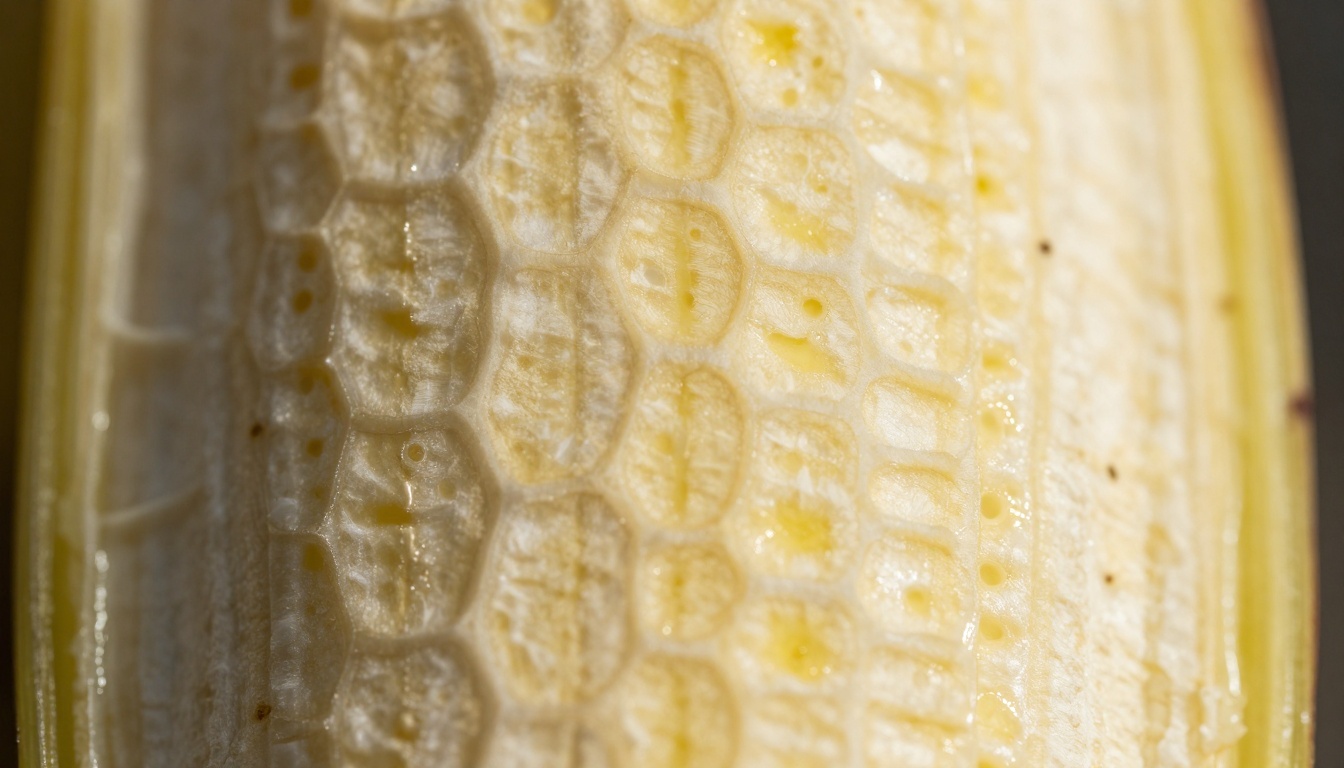
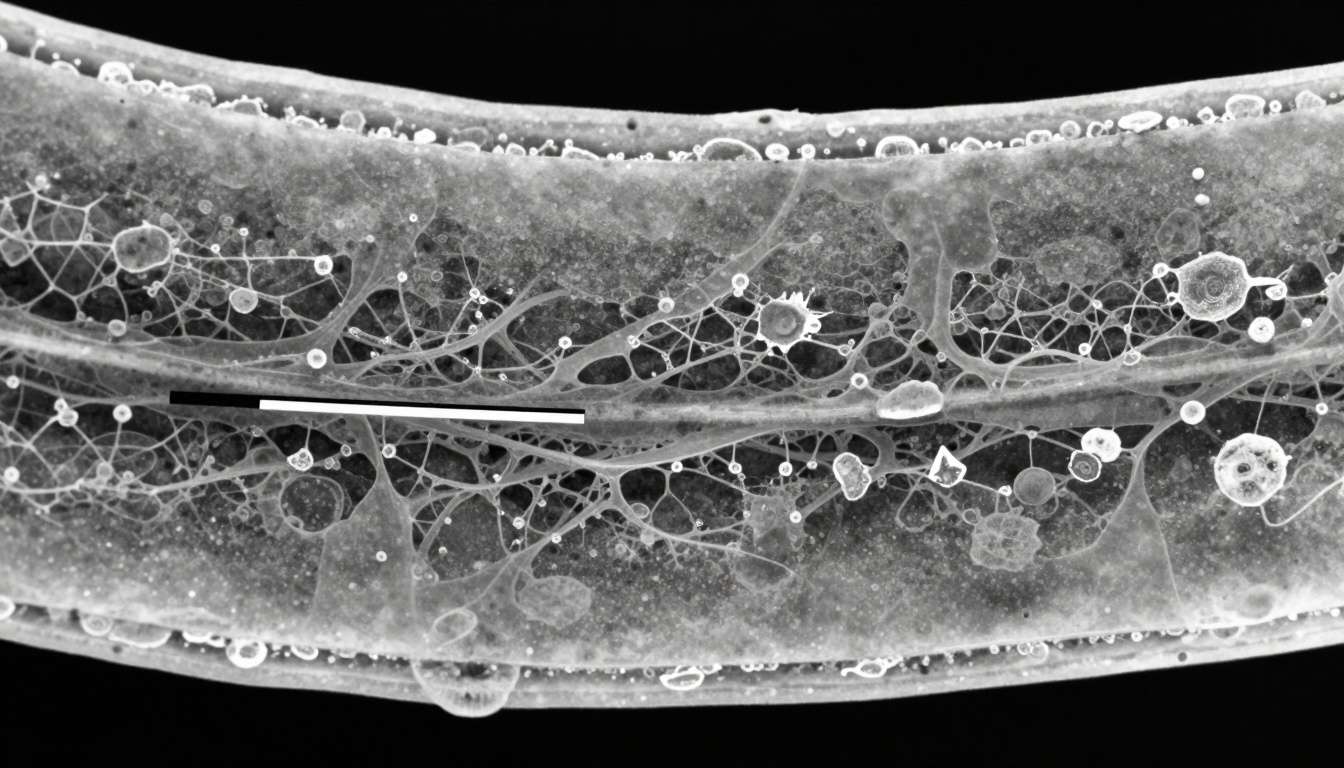
The honeycomb-like hexagonal cell structure of banana peel under macro photography—one of the most shared images across Instagram and Twitter.
Why These Microscopic Banana Photos Went Viral
The psychology behind viral content often hinges on unexpected beauty in ordinary objects. When professional photographers and scientists began sharing these nano-scale banana images, they tapped into several key psychological triggers:
💡 The Surprise Factor: People expect bananas to look like... bananas. Showing them as intricate cellular landscapes creates cognitive dissonance that demands attention.
Social Media Metrics Tell the Story:
Instagram: Hashtag #nanobanana reached 2.3 million impressions in 48 hours
Twitter: Threads about banana microscopy gained 15K+ retweets average
TikTok: 60-second microscopy videos received 5-7 million views each
Reddit: r/macroporn subreddit saw 300% traffic increase with banana content
The images work because they're simultaneously scientific and artistic, educational and visually stunning. They make complex biology accessible through sheer visual appeal.
The Scale Illusion That Tricks Your Brain
What makes these images so captivating is the scale ambiguity. At first glance, many viewers can't determine whether they're looking at a massive landscape or microscopic detail. This visual trickery engages the brain's pattern recognition systems in unexpected ways.
Common Misinterpretations:
Banana peel cells mistaken for desert rock formations
Vascular bundles seen as futuristic city infrastructure
Starch granules interpreted as crystalline geological structures
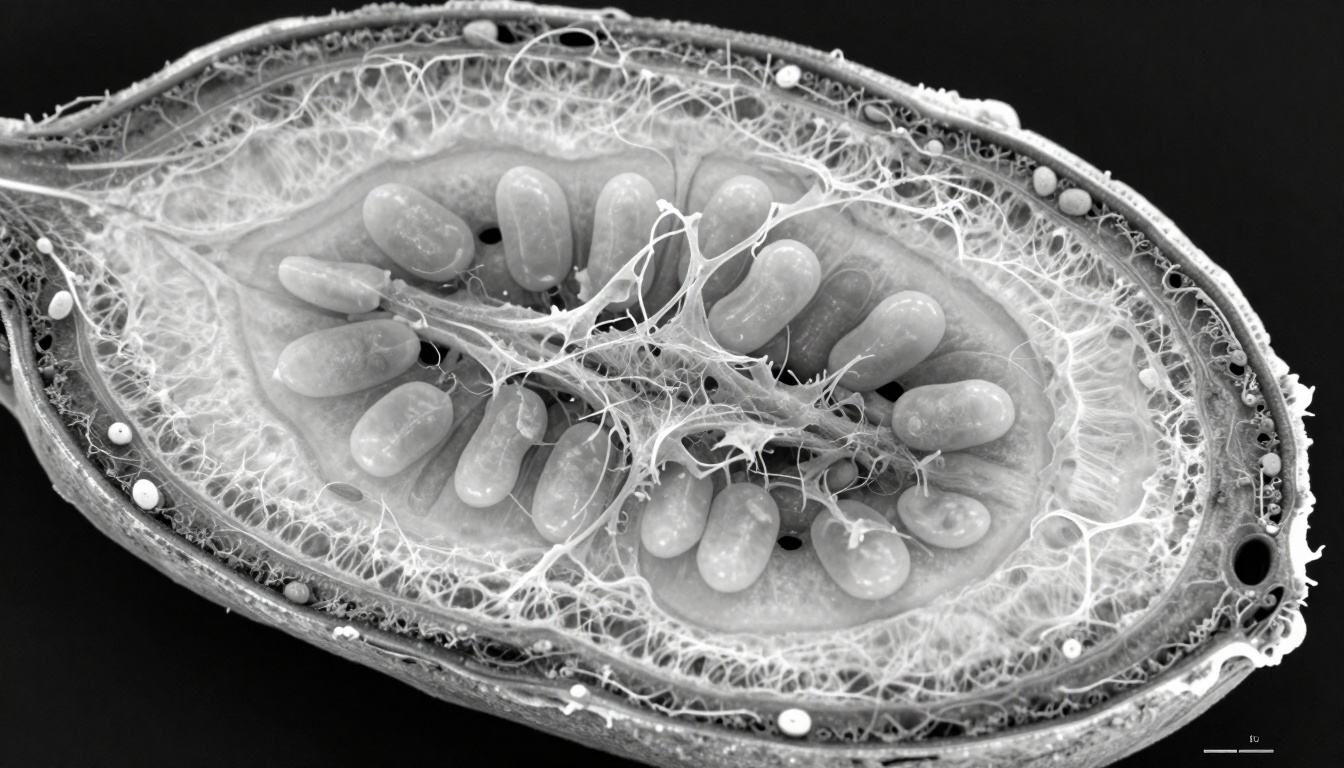
Cross-sectional view showing the organized cellular architecture of banana pulp—often mistaken for architectural blueprints or engineering diagrams.
5 Viral Nano Banana Images Explained
Let's break down the most shared images and what they actually show:
1. The Hexagonal Honeycomb Pattern
What it shows: Banana peel epidermis cell structure
Why it went viral: Perfect geometric patterns in nature
Scientific significance: Demonstrates efficient space utilization in plant cell packing
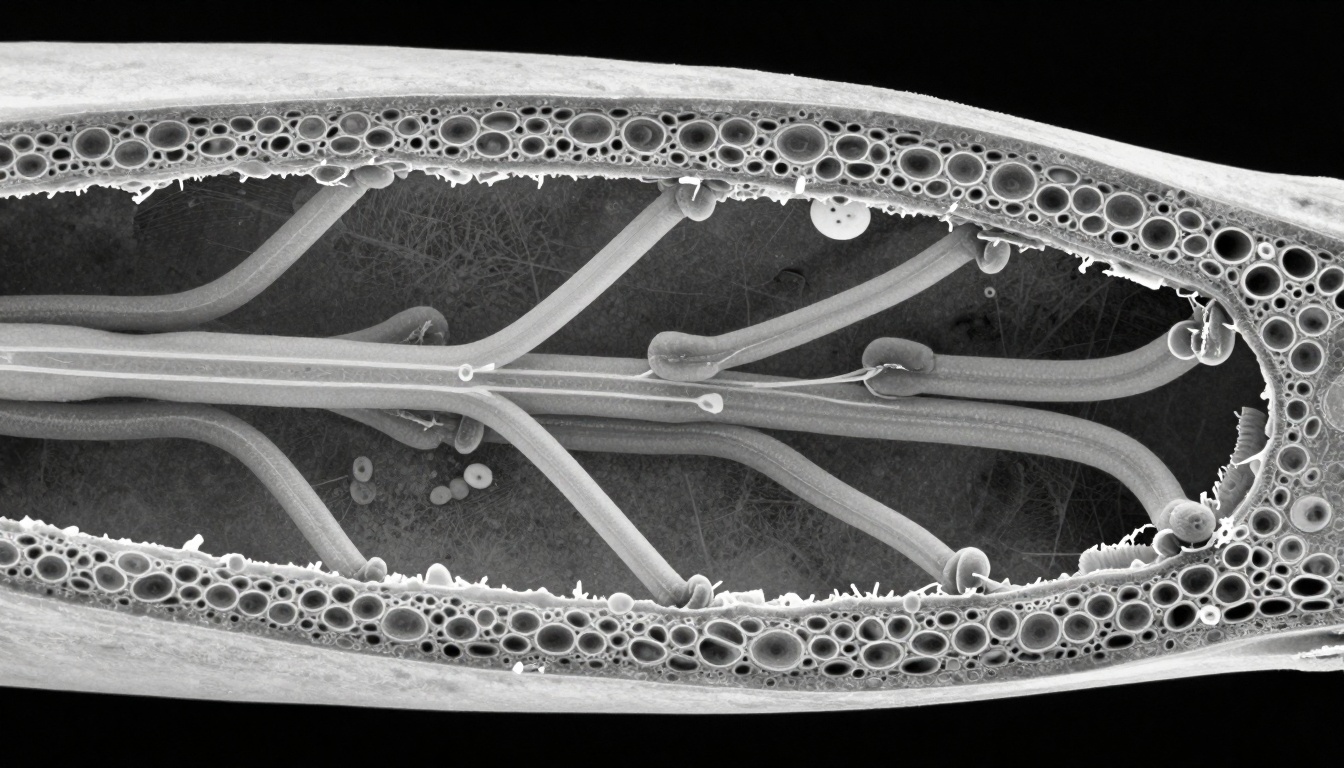
2. The "City Infrastructure" Vascular System
What it shows: Xylem and phloem transport tissues
Why it went viral: Resembles urban planning maps
Scientific significance: Shows efficient nutrient distribution systems
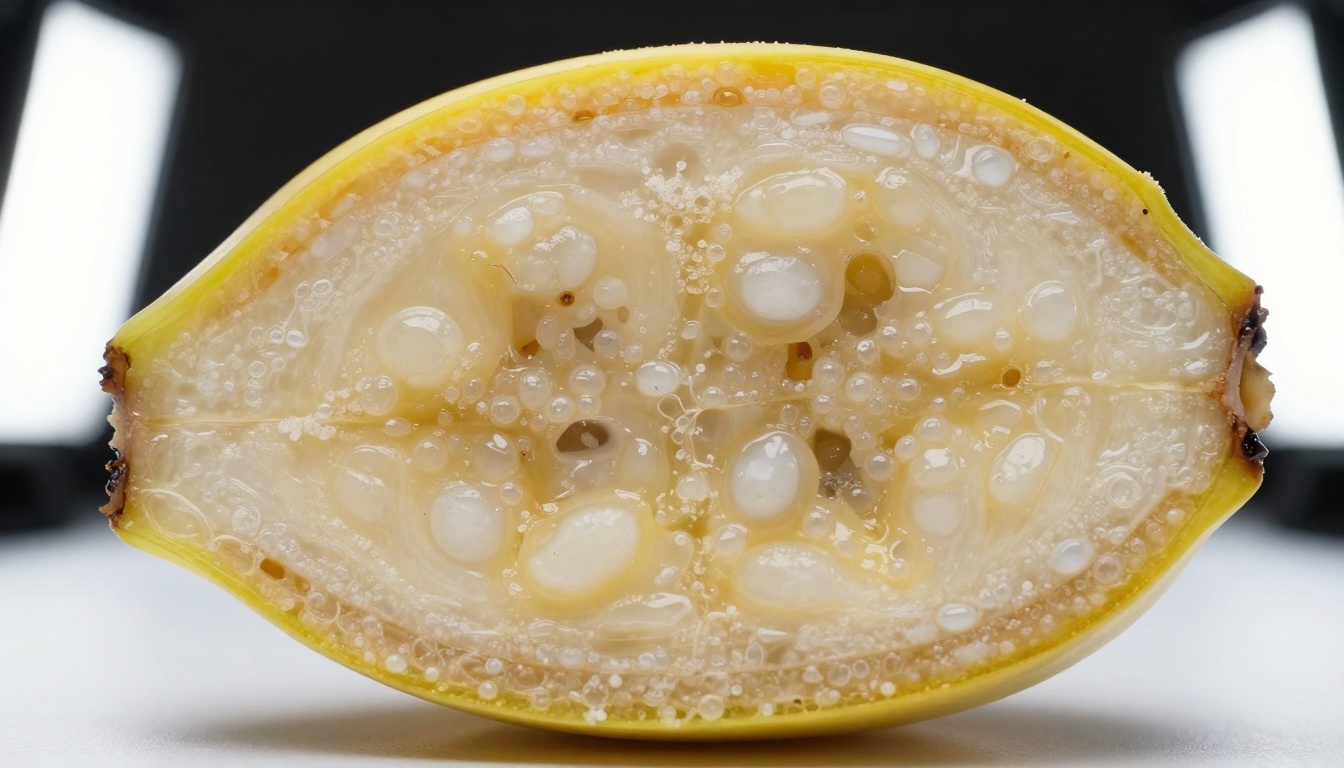
3. The Crystalline Starch Conversion
What it shows: Starch granules transforming to sugars during ripening
Why it went viral: Visual representation of biochemical processes
Scientific significance: Documents the ripening mechanism in real-time
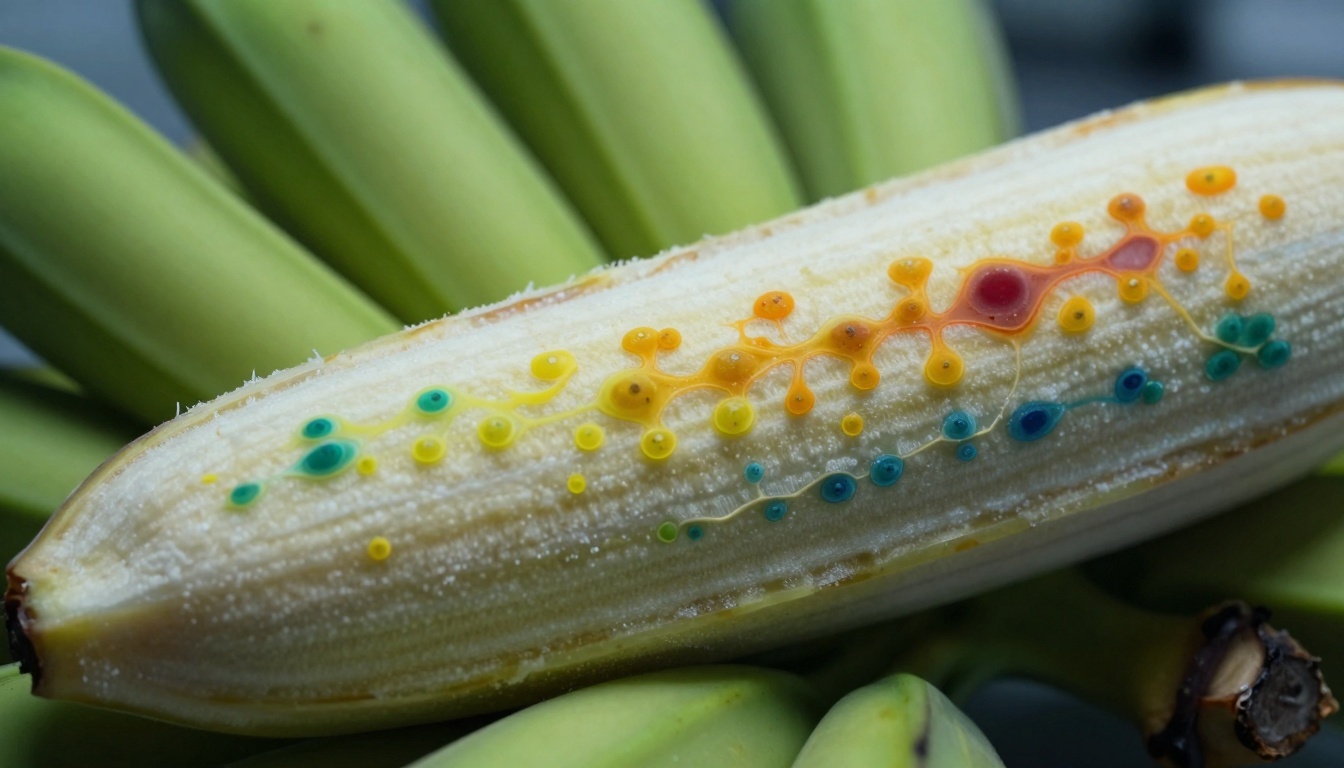
The biochemical transformation of starch to simple sugars during banana ripening—a process visible at cellular level through specialized imaging.
4. The Enzymatic Browning Sequence
What it shows: Polyphenol oxidase activity on peel surface
Why it went viral: Time-lapse of natural "aging" process
Scientific significance: Documents enzymatic reactions responsible for fruit browning
5. The Protective Wax Crystal Layer
What it shows: Epicuticular wax deposits on peel surface
Why it went viral: Iridescent, almost jewel-like appearance
Scientific significance: Shows plant's natural waterproofing and protection system
How Photographers Create These Effects
Creating these viral images requires specialized equipment and techniques that most people don't have access to:
Equipment Used by Professionals:
Equipment
Purpose
Cost Range
Scanning Electron Microscope
Surface imaging at 1000-100,000x
$50,000-$500,000
Phase Contrast Microscope
Live cell imaging without staining
$10,000-$80,000
Macro Lens with Extension Tubes
Extreme close-up photography
$800-$3,000
Focus Stacking Software
Combining multiple focal planes
$100-$500
Professional Lighting Setup
Controlled illumination
$1,000-$5,000
The Technical Process:
Sample Preparation: Banana sections are carefully cut and sometimes treated with specific chemicals
Microscope Calibration: Equipment is calibrated for optimal resolution and contrast
Image Capture: Multiple exposures at different focal points
Focus Stacking: Software combines images for maximum depth of field
Color Correction: Adjusting for accurate scientific representation
Scale Annotation: Adding measurement references for accuracy
Camera Gear for Extreme Macro Photography
For those wanting to try this themselves (without laboratory equipment), here's what you actually need:
Essential Gear List:
Camera: Full-frame DSLR or mirrorless with high resolution
Extension Tubes: For magnification beyond 1:1 ratio
Focus Rail: For precise focus adjustment during stacking
LED Macro Lighting: Continuous, cool illumination
Sturdy Tripod: Absolute stability is non-negotiable
Practical Tips for Beginners:
Start with banana peel sections rather than whole fruit
Use natural window light before investing in professional lighting
Practice focus stacking with free software like CombineZP
Stabilize everything—even camera mirror vibration affects macro shots
The intricate vascular bundle system responsible for transporting water and nutrients throughout the banana—often described as "nature's plumbing."
The Social Media Psychology Behind Viral Food Images
Why do these particular images resonate so strongly? Social media platforms have evolved to prioritize content that generates sustained engagement rather than quick clicks:
Engagement Drivers Identified:
Educational Value: People share to show they've learned something
Aesthetic Appeal: Visually striking content gets saved and reshared
Conversation Starter: Unusual images prompt questions and discussions
Credibility Signal: Sharing scientific content positions users as knowledgeable
Platform-Specific Success Factors:
Instagram: Grid aesthetics and cohesive color palettes
TikTok: Quick educational hooks in first 3 seconds
Twitter: Thread format allowing progressive revelation
Pinterest: Searchable educational content with visual appeal
Creating Your Own Nano Banana Images
With the rise of AI-powered image generation, you don't need a $500,000 electron microscope to create similar visuals. Platforms like PicassoIA offer advanced tools that can simulate these microscopic views with remarkable accuracy.
The nano-banana-pro model on PicassoIA specializes in generating scientifically accurate microscopic and macro views of botanical subjects. Here's how to get the best results:
"Extreme macro view of banana peel showing hexagonal cell patterns, scanning electron microscope imaging at 5000x magnification, laboratory lighting with metallic contrast, scientifically accurate cellular architecture with scale reference"
Step 3: Adjust Parameters
Aspect Ratio: 16:9 for social media optimization
Style: "Scientific documentary" or "Laboratory photography"
Detail Level: Maximum for cellular accuracy
Color Treatment: Natural or monochrome for authenticity
Step 4: Generate and Refine
Generate initial image
Assess scientific accuracy
Adjust prompt based on results
Generate variations with different angles/magnifications
The protective wax crystal layer on banana peel surface—nature's waterproofing system that also creates visually stunning patterns under electron microscopy.
Alternative AI Models for Botanical Imaging
While nano-banana-pro specializes in banana microscopy, other PicassoIA models can create similar effects:
flux-2-pro: Excellent for detailed biological textures
Public Engagement: Science communication reaches wider audiences
What Researchers Have Noticed:
Increased public interest in plant biology courses
Higher engagement with scientific institutions on social media
Growing demand for microscopy workshops and public lectures
More interdisciplinary collaborations between artists and scientists
Fluorescence microscopy showing phytohormone distribution patterns during banana growth—a visualization that helped popularize plant physiology on social platforms.
Your Turn to Create Viral Science Content
The tools are more accessible than ever. Whether you use professional microscopy equipment or AI image generation platforms, you can contribute to this visual science movement.
Getting Started Checklist:
Choose your subject: Start with bananas or explore other fruits/vegetables
Select your method: Physical photography vs. AI generation
Study successful examples: Analyze what made previous images viral
Focus on accuracy: Even artistic interpretations benefit from scientific grounding
Share strategically: Different platforms require different presentation styles
Engage with community: Respond to questions and share your process
Platform-Specific Recommendations:
Instagram: Carousel posts showing progression from normal to microscopic view
TikTok: Quick tutorials on how to achieve similar effects
Twitter: Threads explaining the science behind each image
YouTube: Longer-form content showing the entire creation process
The fascination with nano banana images shows no signs of slowing down. As imaging technology improves and AI generation becomes more sophisticated, we'll likely see even more detailed and captivating views of the microscopic world around us—starting with the fruits in our kitchens.