When you need AI-generated images, the choice between Nano Banana Pro and Flux 2 Pro isn't just about preference—it's about workflow efficiency, creative control, and final output quality. Both models represent cutting-edge AI image generation, but they approach the task from fundamentally different angles. Nano Banana Pro prioritizes speed and consistency, while Flux 2 Pro focuses on artistic depth and creative flexibility.
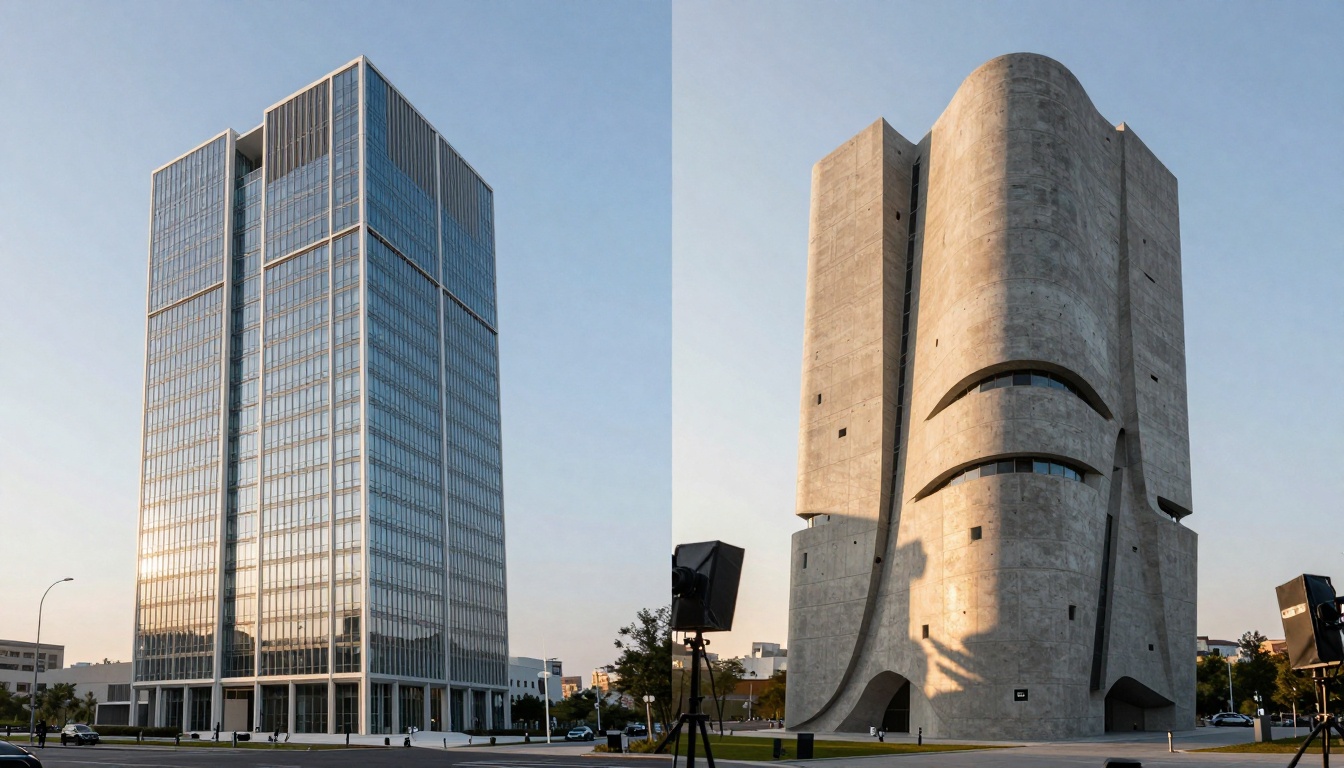
Above: Notice the technical precision of Nano Banana Pro (left) versus the artistic interpretation of Flux 2 Pro (right) in architectural rendering.
How These Models Actually Work
The architectural differences between these two systems explain why they produce such distinct results.
Nano Banana Pro's Technical Architecture
- Transformer-based design with optimized attention mechanisms
- Single-pass generation for maximum speed efficiency
- Deterministic sampling ensuring consistent outputs
- Lightweight parameter count (approximately 3.2 billion parameters)
- Optimized for batch processing with minimal memory overhead
Flux 2 Pro's Creative Architecture
- Diffusion model with creative guidance systems
- Multi-stage refinement process for quality enhancement
- Stochastic sampling introducing artistic variation
- Heavy parameter model (approximately 12.8 billion parameters)
- Memory-intensive but allows complex scene composition
💡 Technical Insight: The parameter count difference isn't just about size—it's about how each model "thinks" about images. Nano Banana Pro uses efficiency-focused architecture, while Flux 2 Pro invests in creative capacity.
When time matters, understanding the performance characteristics becomes critical.
| Metric | Nano Banana Pro | Flux 2 Pro | Practical Impact |
|---|
| Generation Time (1024×1024) | 1.8-2.3 seconds | 5.2-7.1 seconds | 2.8× faster with Nano Banana |
| Batch Processing (8 images) | 12-15 seconds | 35-45 seconds | 3× efficiency gain for bulk work |
| Memory Usage (per generation) | 4.2-4.8 GB | 8.5-9.3 GB | Half the VRAM requirement |
| API Response Time | 200-300 ms | 500-800 ms | Faster integration for applications |
| Concurrent Sessions | 12-16 simultaneous | 4-6 simultaneous | Better scaling for multi-user systems |
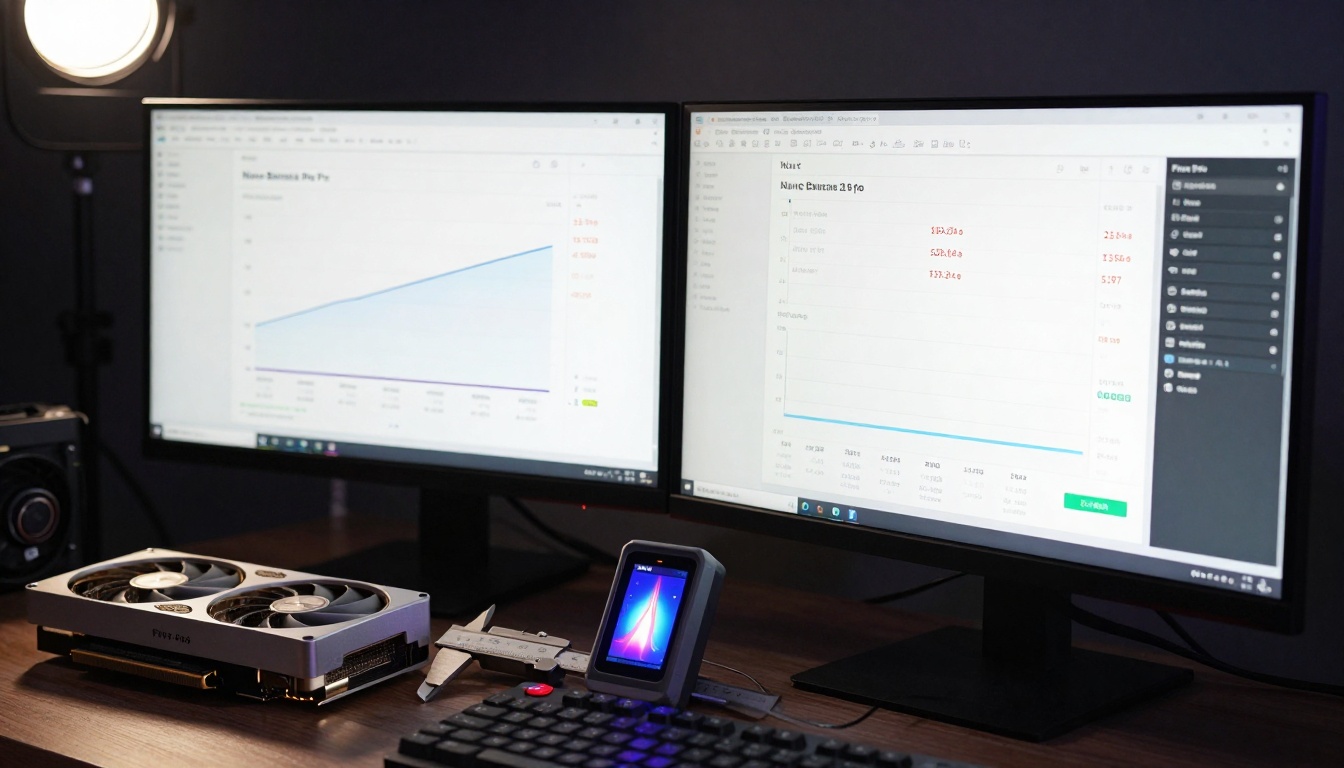
The hardware impact becomes clear when you measure actual generation times and resource utilization.
Real-World Speed Observations
- Commercial applications needing rapid image generation benefit significantly from Nano Banana Pro's speed
- Creative studios working on single high-quality pieces can afford Flux 2 Pro's longer generation times
- Mobile and edge computing scenarios favor the lighter footprint of Nano Banana Pro
- Enterprise deployments must consider the scaling implications of each model's resource requirements
Image Quality: Beyond Technical Specifications
Quality assessment goes beyond resolution numbers. Here's what really matters in the final output.
Nano Banana Pro's Quality Characteristics
- Technical precision in geometric forms and architectural elements
- Consistent lighting with accurate shadow placement
- Clean edges and defined boundaries between objects
- Mathematical color accuracy following precise color theory
- Predictable outputs that match prompt specifications exactly
Flux 2 Pro's Artistic Strengths
- Emotional depth in portrait and human figure rendering
- Atmospheric effects like haze, fog, and volumetric lighting
- Organic imperfections that add realism to natural scenes
- Creative interpretation of abstract concepts and artistic styles
- Cinematic quality with dramatic lighting and composition
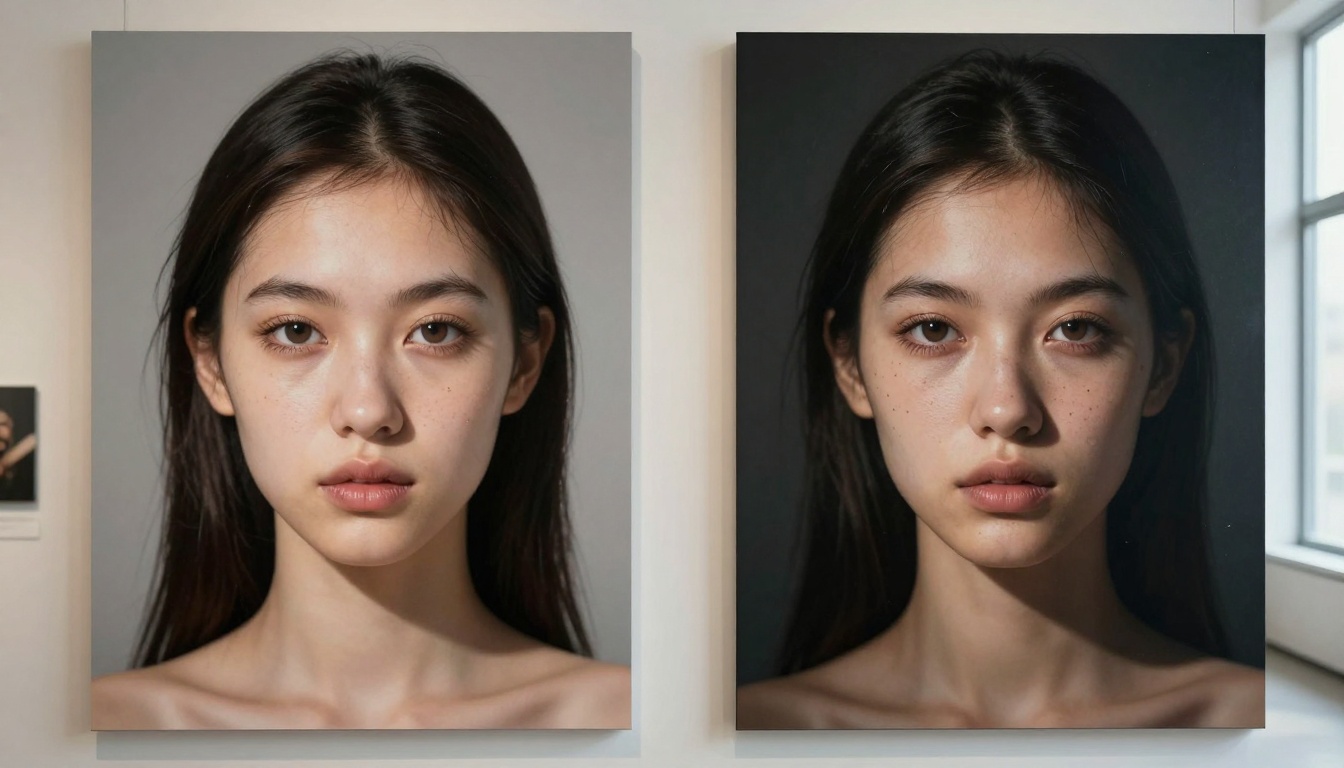
Portrait generation shows the fundamental difference: technical perfection versus emotional realism.
Quality Comparison by Category
Architectural Visualization
- Nano Banana Pro: 9.2/10 for technical drawings, blueprints, CAD-like precision
- Flux 2 Pro: 8.1/10 for architectural photography, mood boards, concept art
Product Photography
- Nano Banana Pro: 8.8/10 for e-commerce, catalog shots, technical products
- Flux 2 Pro: 7.5/10 for lifestyle photography, emotional product storytelling
Portrait and Human Figures
- Nano Banana Pro: 7.3/10 for identification, technical documentation
- Flux 2 Pro: 9.4/10 for artistic portraits, character design, emotional expression
Natural Environments
- Nano Banana Pro: 8.0/10 for scientific illustration, geographical accuracy
- Flux 2 Pro: 9.1/10 for landscape photography, atmospheric scenes, mood creation
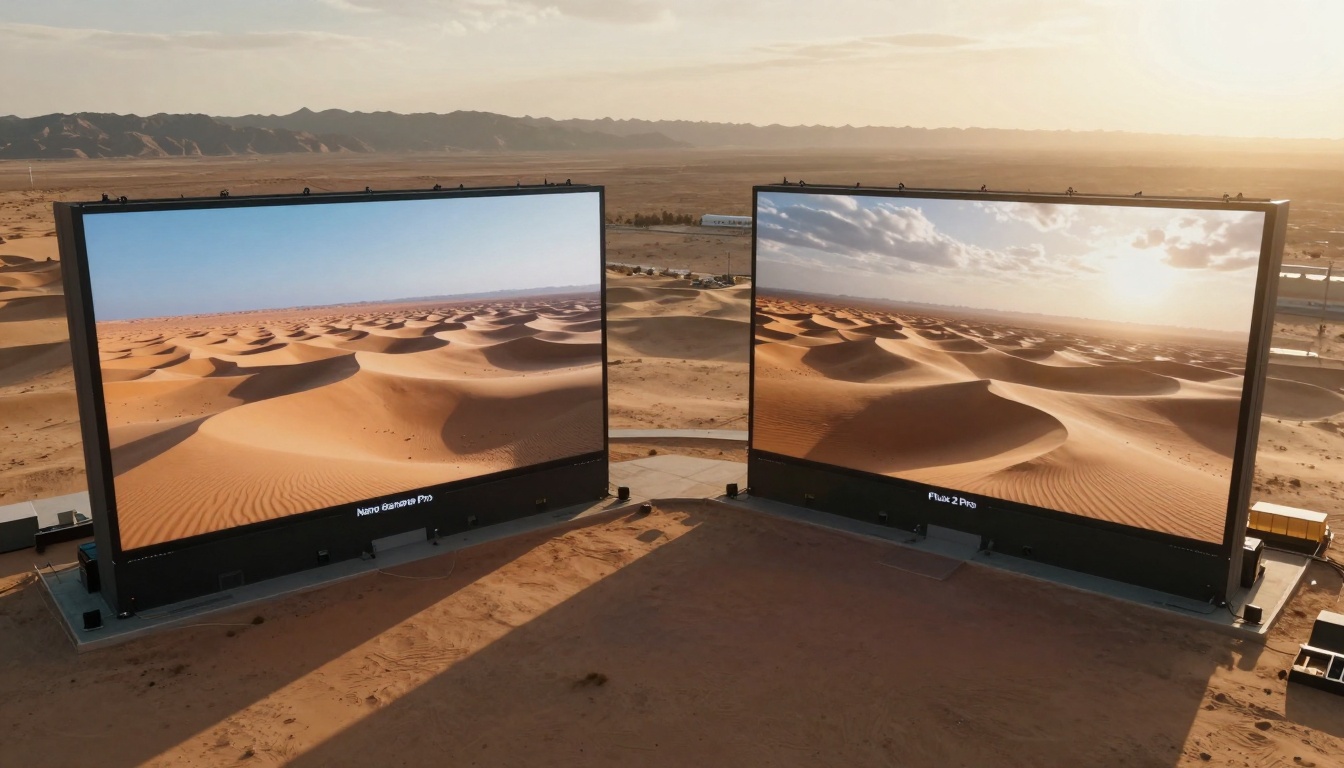
Environmental rendering reveals how each model interprets natural scenes differently.
When to Choose Which Model
The decision matrix depends entirely on your specific needs and constraints.
Choose Nano Banana Pro When:
- Speed is critical - Marketing campaigns, social media content, time-sensitive projects
- Consistency matters - Product catalogs, technical documentation, brand consistency
- Resources are limited - Mobile apps, edge devices, budget-constrained deployments
- Batch processing needed - Bulk image generation, automated workflows, mass production
- Technical accuracy required - Architectural plans, engineering diagrams, scientific visualization
Choose Flux 2 Pro When:
- Artistic quality dominates - Fine art, gallery pieces, creative portfolio work
- Emotional impact needed - Advertising campaigns, storytelling, character development
- Atmospheric effects matter - Cinematic scenes, mood creation, environmental storytelling
- Creative exploration desired - Concept art, style experimentation, artistic research
- Single high-quality outputs - Master pieces, exhibition work, premium content creation
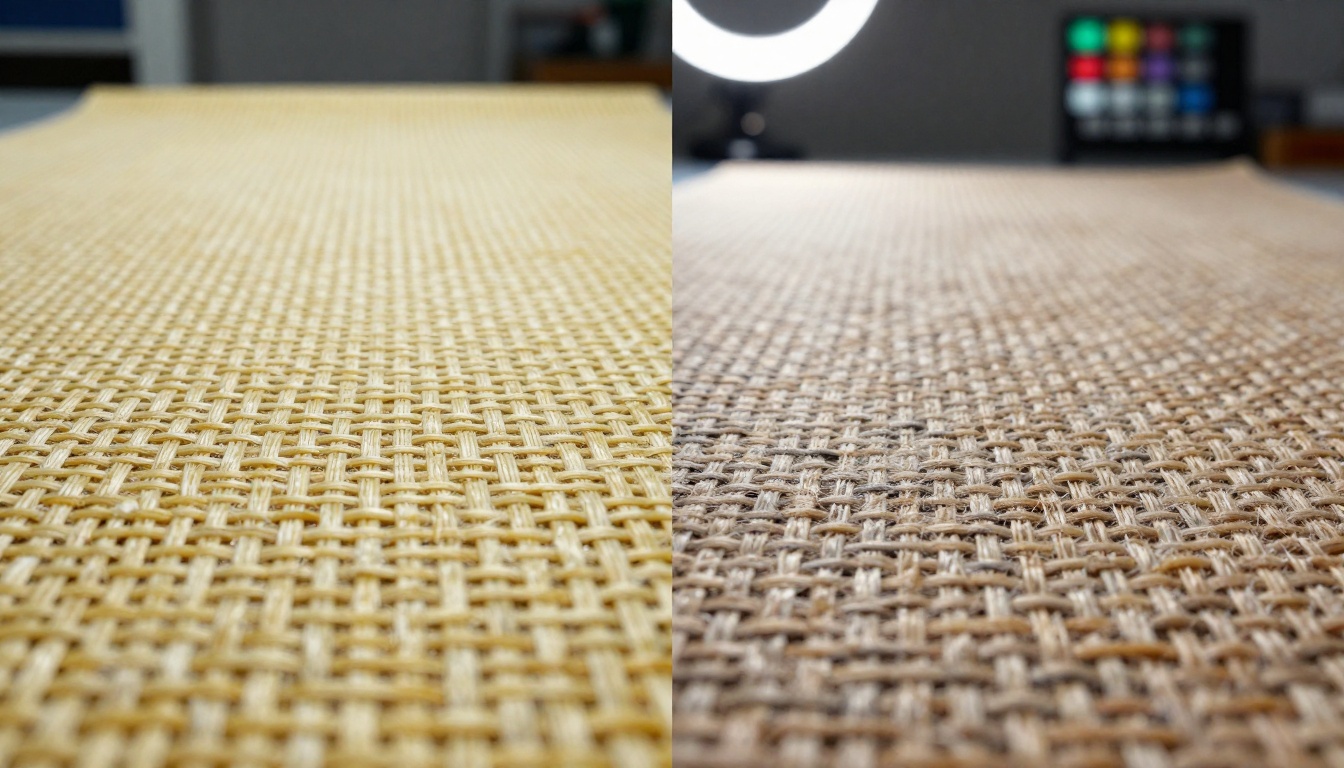
Material rendering shows Nano Banana Pro's technical precision versus Flux 2 Pro's natural texture simulation.
Parameter Optimization: Getting the Best from Each
Both models respond differently to parameter adjustments. Knowing these differences changes everything.
Nano Banana Pro Parameter Strategy
- Keep prompts concise and technically descriptive
- Use negative prompts sparingly - the model already focuses on precision
- Stick to default sampling - custom sampling rarely improves quality
- Batch size matters more than individual image quality
- Resolution scaling is linear - double resolution = double time, predictable
Flux 2 Pro Creative Control
- Detailed, descriptive prompts work better than concise ones
- Negative prompts significantly impact artistic direction
- Experiment with sampling methods - each creates different artistic effects
- Quality over quantity - single images benefit from extra generation steps
- Non-linear scaling - higher resolutions unlock additional creative features
💡 Pro Tip: With Flux 2 Pro, adding "cinematic lighting, atmospheric, moody, textured" to prompts activates its artistic interpretation systems. With Nano Banana Pro, adding "technical, precise, geometric, accurate" enhances its strength areas.
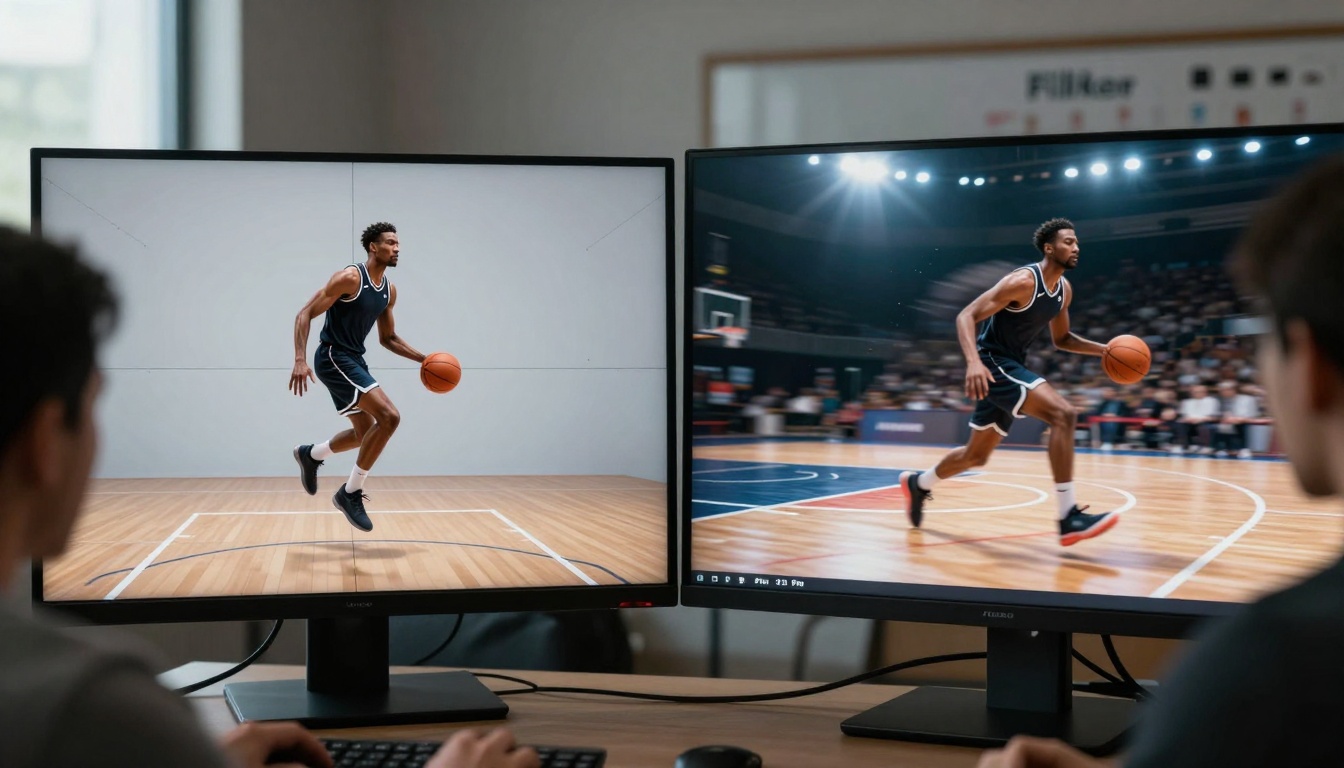
Dynamic scenes demonstrate how each model handles motion—technical freeze versus cinematic blur.
Cost Considerations: Beyond the Price Tag
The financial implications extend beyond simple per-image pricing.
Direct Cost Comparison
| Cost Factor | Nano Banana Pro | Flux 2 Pro | Business Impact |
|---|
| Per Image Cost | $0.0032 | $0.0085 | 62% cheaper per image |
| Bulk Discount (1,000+ images) | 40% discount | 25% discount | Better volume pricing |
| Enterprise Licensing | Fixed monthly rate | Usage-based + minimum | Predictable budgeting |
| API Integration Costs | Lower due to efficiency | Higher due to complexity | Development cost difference |
| Support and Maintenance | Standard included | Premium additional | Hidden cost consideration |
Indirect Cost Factors
- Employee productivity affected by generation speed differences
- Hardware investment requirements for local deployment
- Training time needed to master each model's nuances
- Workflow integration complexity with existing systems
- Quality control overhead for consistent output standards
Return on Investment Analysis
- High-volume commercial use favors Nano Banana Pro's efficiency
- Premium creative work justifies Flux 2 Pro's higher costs
- Mixed-use scenarios might benefit from using both models strategically
- Scalability considerations change the financial calculation dramatically
Integration with Other PicassoIA Models
Both models work within the broader PicassoIA ecosystem, but their integration patterns differ.
Nano Banana Pro Integration Strengths
- Seamless workflow with GPT Image 1.5 for text-to-image pipelines
- Efficient batch processing alongside p-image for varied styles
- API consistency with other Google models in the platform
- Predictable output formats that integrate cleanly with post-processing tools
Flux 2 Pro Creative Ecosystem
- Artistic synergy with flux-2-max for maximum quality
- Style transfer capabilities with flux-2-flex
- Complex scene composition that works with seedream-4.5
- Creative pipeline integration with artistic post-processing models
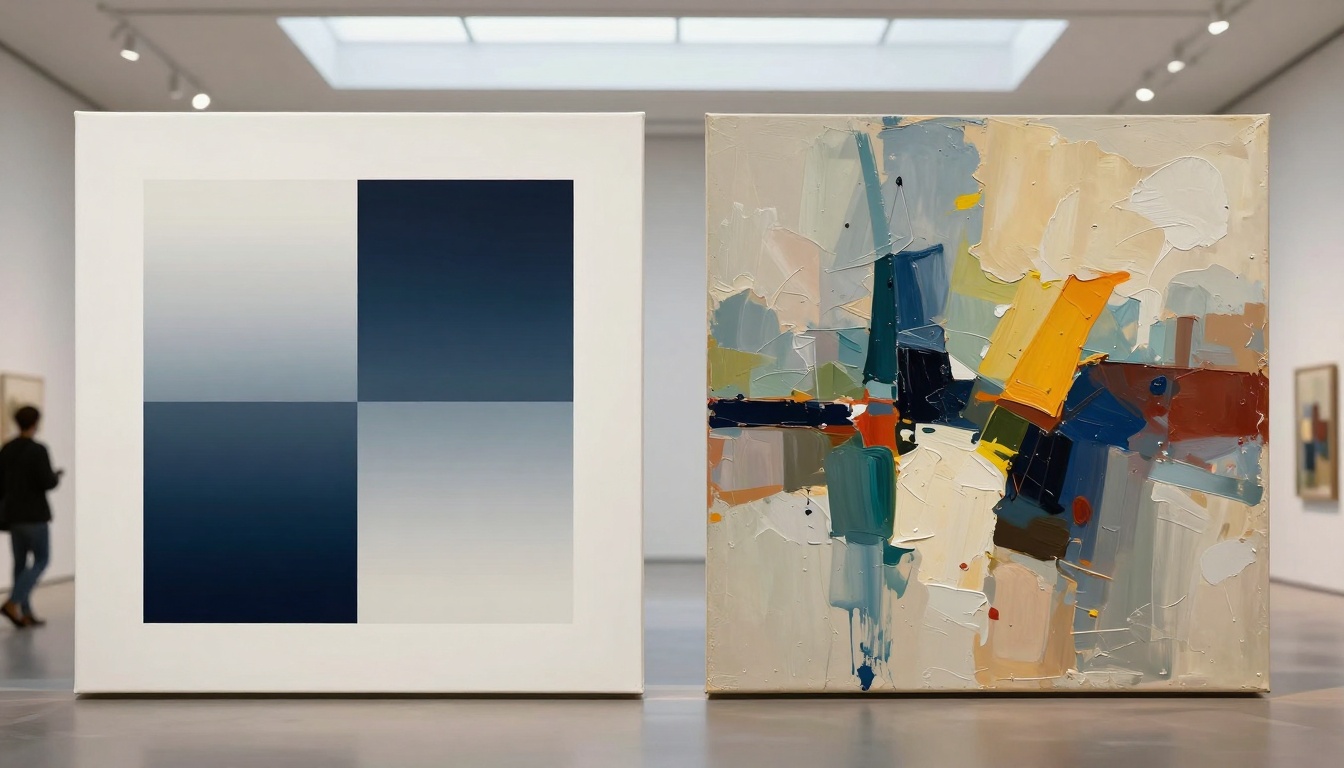
Abstract art generation reveals fundamental philosophical differences in how each model approaches creativity.
Practical Workflow Examples
Seeing how each model fits into real workflows makes the choice clearer.
E-commerce Product Catalog Workflow (Nano Banana Pro)
- Batch import product descriptions and specifications
- Automated prompt generation based on product categories
- Parallel image generation of 50+ product shots simultaneously
- Consistent styling across entire catalog
- Automated quality check for technical accuracy
- Direct integration with e-commerce platform
Creative Advertising Campaign (Flux 2 Pro)
- Mood board creation with emotional and atmospheric references
- Iterative refinement of key campaign images
- Artistic direction adjustments based on client feedback
- Style consistency across campaign materials
- Emotional impact testing with focus groups
- Final master file preparation for premium channels
Architectural Visualization Studio (Hybrid Approach)
- Technical drawings with Nano Banana Pro for precision
- Atmospheric renders with Flux 2 Pro for presentation quality
- Client customization using appropriate model for each requirement
- Batch processing of standard views with Nano Banana Pro
- Artistic focal points with Flux 2 Pro for emotional impact
- Unified output despite different generation methods
Future Development Trajectories
Where these technologies are heading informs today's investment decisions.
Nano Banana Pro Roadmap
- Even faster generation through architectural optimizations
- Improved consistency in complex scene composition
- Reduced resource requirements for edge deployment
- Enhanced batch processing capabilities
- Specialized industry modules for technical domains
Flux 2 Pro Evolution Path
- Greater artistic control through enhanced parameter systems
- Improved emotional intelligence in human figure rendering
- Advanced atmospheric effects and lighting simulation
- Style fusion capabilities for unique artistic signatures
- Creative collaboration features for artistic workflows
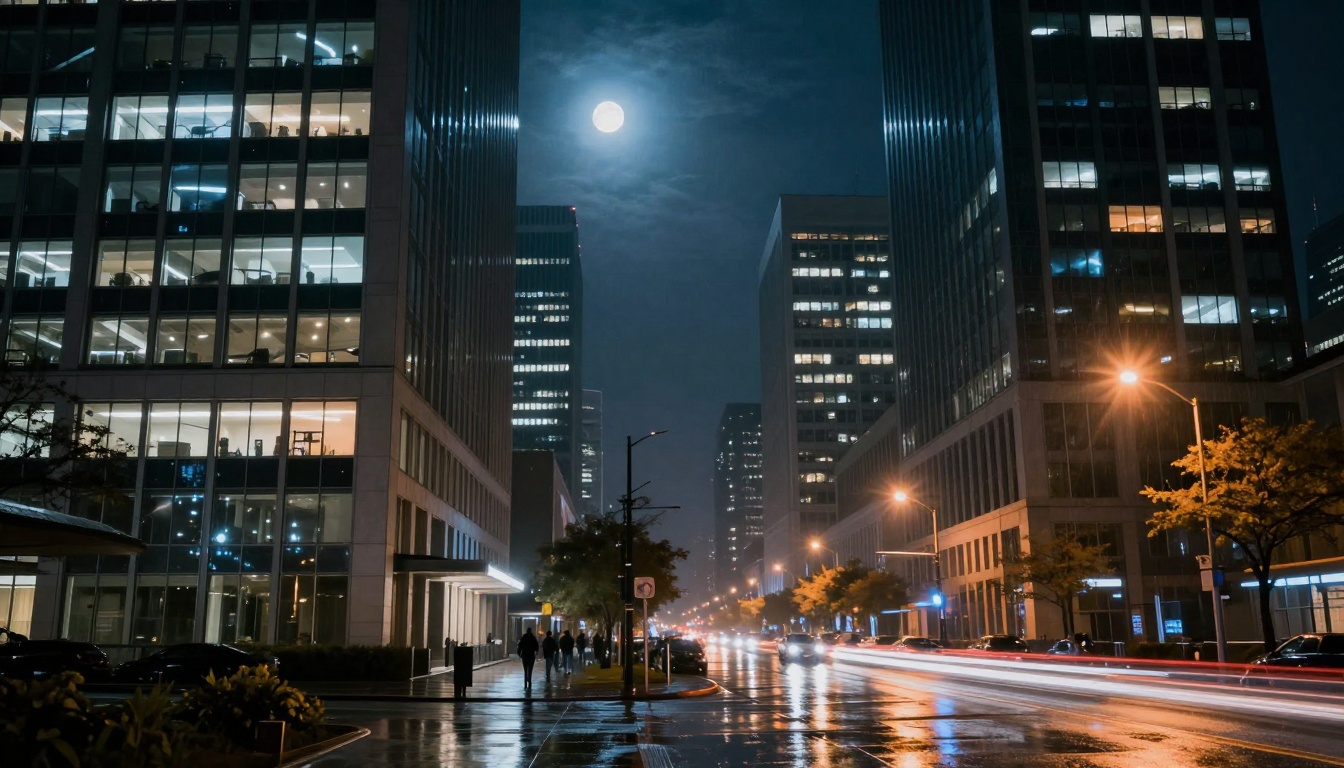
Night scenes demonstrate how each model approaches complex lighting—technical accuracy versus cinematic atmosphere.
Making the Right Choice for Your Needs
The decision between Nano Banana Pro and Flux 2 Pro isn't about which is "better"—it's about which is better for you.
Immediate Action Steps
- Audit your current image generation needs - volume, quality requirements, use cases
- Test both models with your actual workflow requirements
- Calculate total cost of ownership - not just per-image costs
- Consider team skill sets and training requirements
- Evaluate integration needs with existing systems
Long-Term Strategic Considerations
- Scalability requirements as your needs grow
- Technology evolution and upgrade paths
- Competitive differentiation through unique capabilities
- Skill development investment in your team
- Future-proofing against technology shifts
The Hybrid Solution
Many organizations find that maintaining access to both models provides optimal flexibility. Use Nano Banana Pro for efficiency-driven work and Flux 2 Pro for quality-focused projects. The PicassoIA platform supports this mixed approach seamlessly.
Your Next Steps with PicassoIA
The best way to understand these differences is to experience them directly. Start by experimenting with both models on the PicassoIA platform. Test them with your specific use cases, measure the actual performance in your environment, and make data-driven decisions based on real results rather than theoretical comparisons.
Remember: The right tool isn't the one with the highest specifications—it's the one that delivers the best results for your specific needs. Whether you prioritize Nano Banana Pro's efficiency or Flux 2 Pro's artistic depth, PicassoIA provides the platform to leverage these advanced AI image generation capabilities effectively.


