Two of the most talked-about text-to-image models right now are trading blows for the top spot: Nano Banana Pro from Google and Seedream 5.0 Pro from ByteDance. Both ship with serious claims about photorealism, prompt adherence, and raw visual output. If you are a content creator, digital artist, or marketer trying to pick one, the question is not which sounds better on a spec sheet. It is which one actually delivers when you are staring at the output window and your deadline is two hours away.
This article does not hold punches. We put both models through identical prompt sets across portraiture, landscapes, fashion, architecture, macro photography, and complex multi-subject compositions. What we found will help you stop guessing and start creating with confidence.
What These Two Models Are
Before comparing raw outputs, it helps to know what each model was built to do. They come from very different engineering philosophies, and that shapes every decision you make when choosing between them.
Nano Banana Pro at a Glance
Nano Banana Pro is Google's flagship text-to-image model in the Nano Banana family, which also includes Nano Banana, Nano Banana 2, and the lighter Nano Banana 2 Lite. The Pro variant is the most capable in the lineup, tuned specifically for high-fidelity photorealistic generation, precise spatial awareness, and strong text rendering within images.
Its architecture borrows from Google's deep investments in multimodal reasoning, which gives it a meaningful advantage when handling prompts with complex spatial relationships or layered subject compositions. When you ask it to place a person in a specific location with a specific lighting condition at a specific angle, it actually listens.

The model produces images at high base resolutions with tight control over composition. It is particularly strong in:
- Portrait and people photography with accurate anatomy and skin texture
- Scene composition with multiple subjects positioned correctly relative to each other
- Text within images, where competing models often fail spectacularly
- Lighting simulation, especially indoor and mixed natural-artificial scenarios
- Micro-detail rendering, from individual hair strands to surface pores
Seedream 5.0 Pro at a Glance
Seedream 5.0 Pro is ByteDance's top-tier generative image model, the latest in a lineage that includes Seedream 3, Seedream 4, Seedream 4.5, and Seedream 5 Lite. ByteDance built the Seedream line with a consistent focus on vibrant visual aesthetics, cinematic quality, and high-output throughput. The 5.0 Pro model raises the bar on all three dimensions.
Where Nano Banana Pro leans toward technical precision, Seedream 5.0 Pro leans toward visual impact. Its outputs carry a slightly elevated color richness, stronger contrast in highlights, and a distinct "wow factor" on first glance. It is the model you reach for when the image needs to stop a scroll.
Seedream 5.0 Pro excels in:
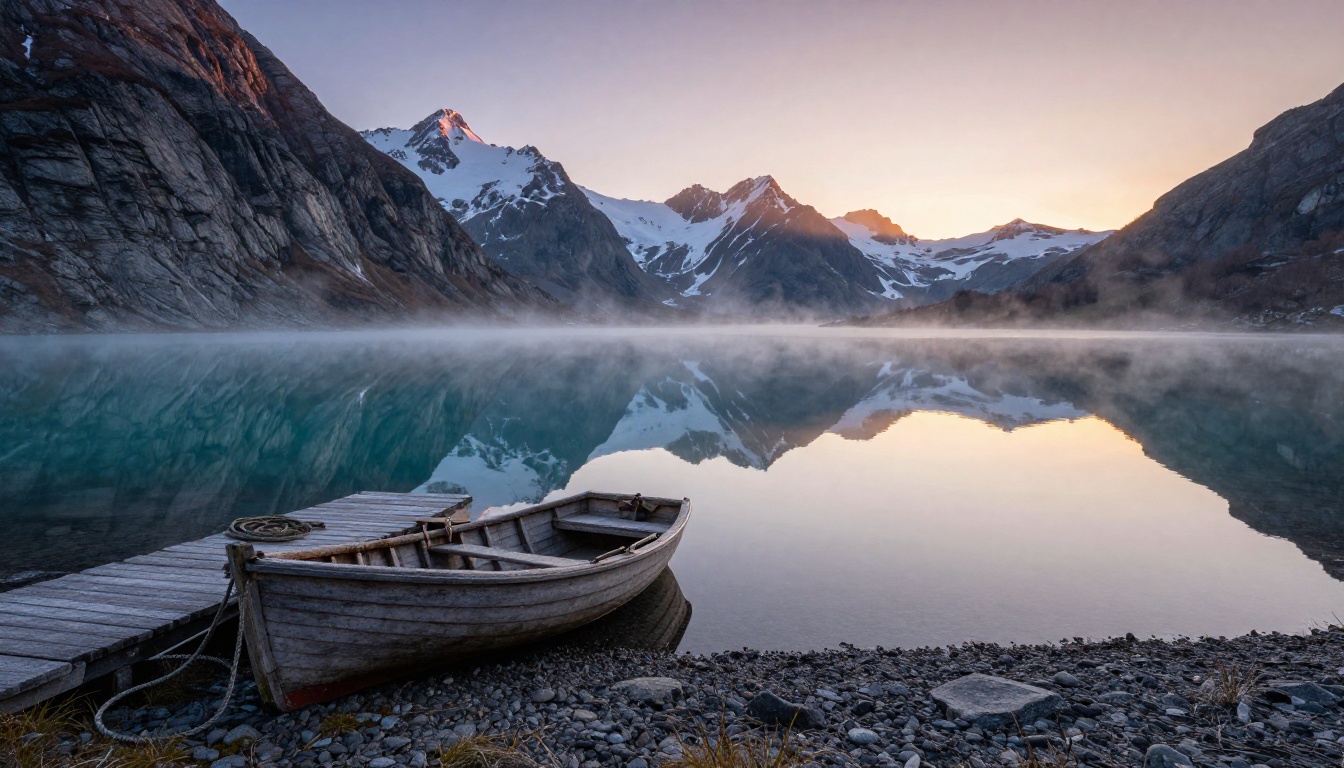
- Landscape and environment photography with sweeping cinematic mood
- Fashion and editorial aesthetics with bold, publication-ready styling
- High-contrast dramatic scenes with strong tonal range
- Creative reinterpretation of prompts, adding unexpected depth to simple inputs
- Atmospheric depth, particularly in outdoor scenes with complex light
Image Quality Head-to-Head
Image quality is not a single variable. It breaks down into at least five separate dimensions: sharpness, color accuracy, tonal range, texture realism, and compositional correctness. The two models diverge meaningfully across each one.
Realism and Fine Detail
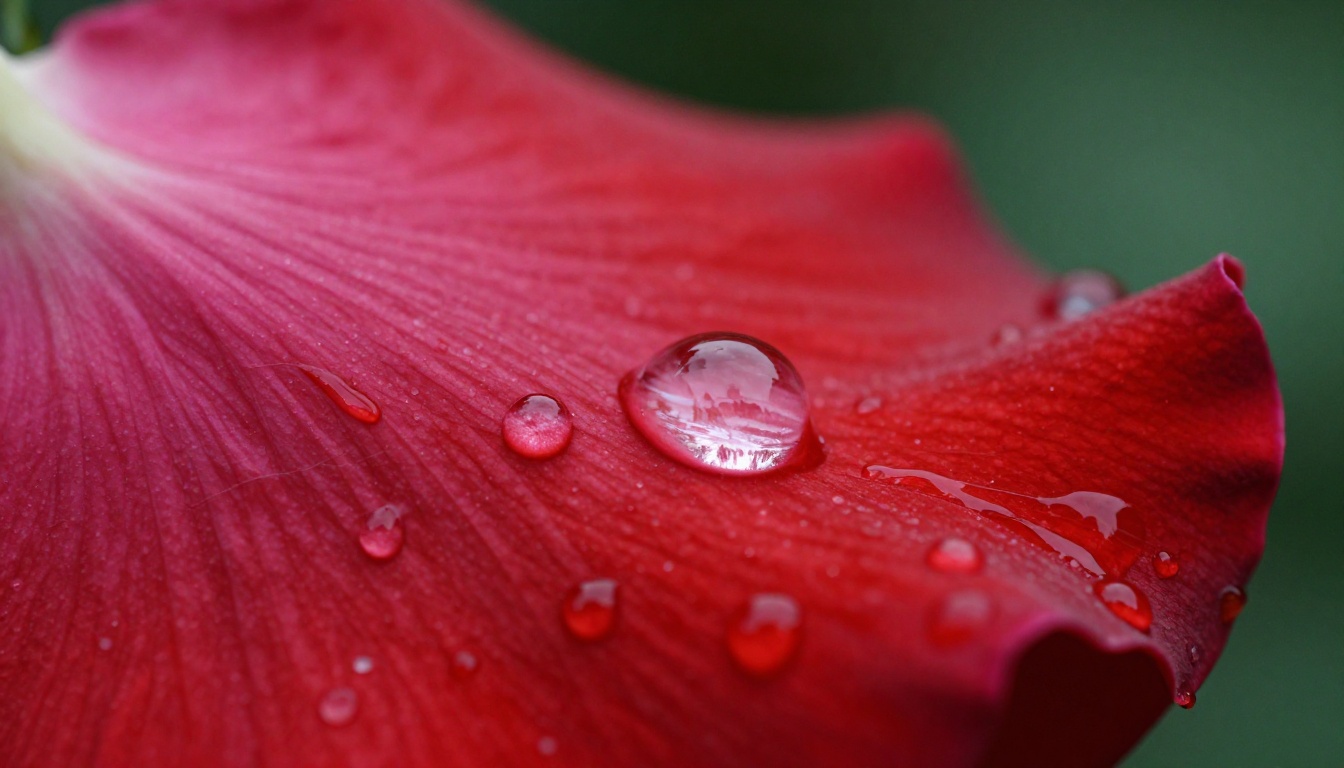
Nano Banana Pro wins on micro-detail. Generate a close-up portrait and you see individual pores, fine hair strands, and realistic catchlights in the eyes. Generate macro photography and the textures are crisp at the pixel level. The model has internalized the idea that photorealism lives in what you can see when you zoom in, not just in what the overall scene communicates.
Seedream 5.0 Pro produces sharp images too, but it prioritizes tonal and compositional quality over microscopic texture. In a landscape, you get exceptional atmosphere and depth of field rendering. In a portrait, you get a beautiful image with slightly softer skin compared to Nano Banana Pro's hyper-detailed output. Whether that is a limitation or a stylistic choice depends entirely on your use case. For beauty retouching or product photography that will be viewed at full resolution and zoomed, Nano Banana Pro holds the technical edge.
Color, Tone, and Depth
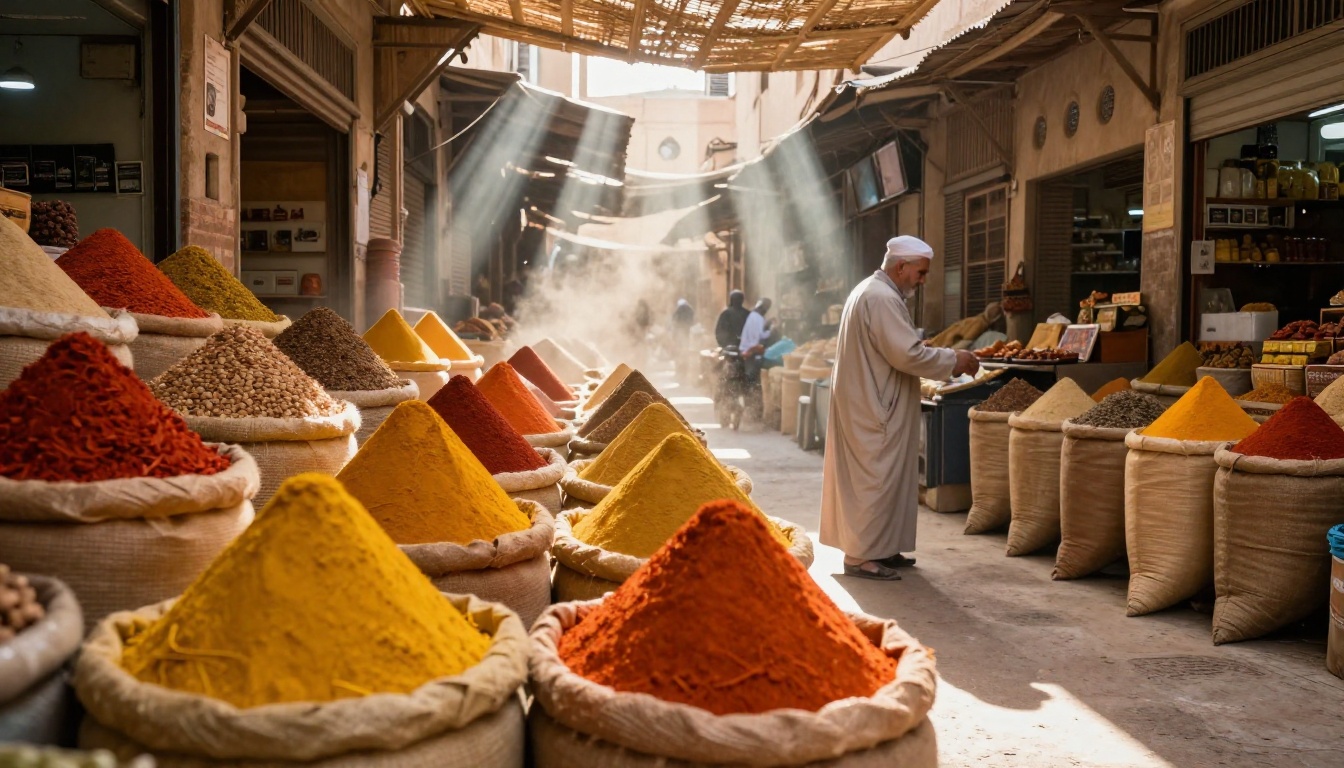
This is where Seedream 5.0 Pro takes the lead. Its color handling is rich, layered, and cinematic. Warm tones feel genuinely warm rather than overcooked. Cool scenes carry real atmospheric depth rather than a flat blue-grey wash. The model has a sophisticated sense of how light interacts with different surfaces, which shows up most clearly in complex mixed-lighting environments.
Nano Banana Pro's color output is accurate rather than cinematic. It reproduces the colors in your prompt faithfully, but it does not add that extra layer of mood that Seedream 5.0 Pro naturally injects. For scientific visualization, product shots, or any situation where color accuracy beats color drama, Nano Banana Pro's restraint is a virtue. For advertising, social media, or editorial content, Seedream 5.0 Pro's richer palette typically produces the stronger result.
Quick rule: accurate color for technical work, Nano Banana Pro. Cinematic color for creative work, Seedream 5.0 Pro.
Prompt Accuracy
Getting a model to actually do what you asked is harder than it sounds. Both Nano Banana Pro and Seedream 5.0 Pro sit in the top tier for prompt adherence, but they handle edge cases very differently.
Simple Prompts
For single-subject prompts with one environment, one lighting condition, and one clear mood, both models perform at a very high level. A prompt like "a woman reading a book in a sunlit café, morning light, soft shadows" will produce excellent results from either. Speed of generation is comparable at this complexity level and quality ceiling is nearly identical.
The difference shows up in how each interprets a sparse prompt. Nano Banana Pro fills in unspecified details conservatively, sticking close to what was asked. Seedream 5.0 Pro takes more creative liberty, often producing a more interesting composition than the literal prompt implied. That creative interpretation is a strength when your prompts are thin, and a liability when you need exact control.
Complex Multi-Subject Prompts
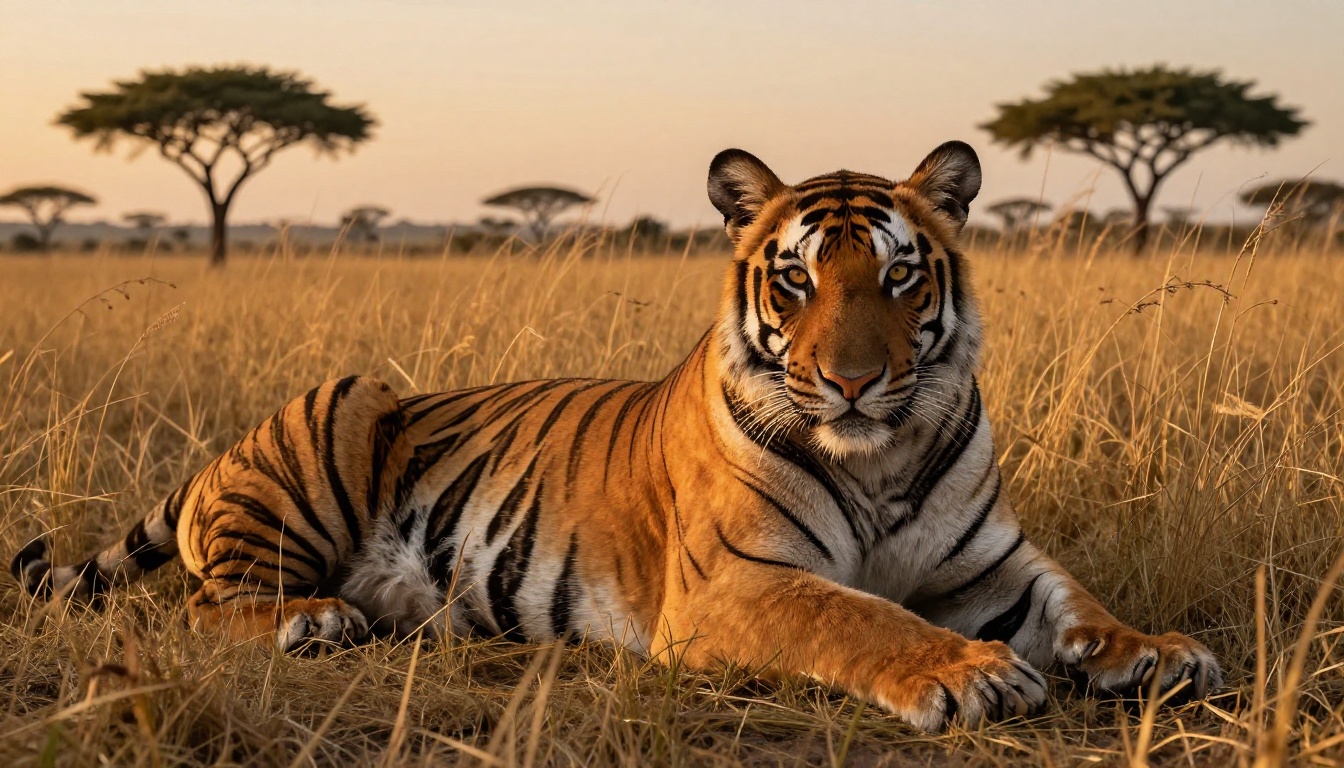
This is where the gap opens up significantly. When you stack multiple subjects, multiple lighting conditions, specific spatial relationships, and detailed foreground and background compositions into a single prompt, Nano Banana Pro holds its structure better. It places subjects correctly, maintains relative scale, and handles perspective with more accuracy.

Seedream 5.0 Pro sometimes prioritizes visual quality over literal accuracy in complex scenes. It may reinterpret spatial relationships to create a more aesthetically compelling output, which is not always what you need. For art direction work where every element in the frame has a specific purpose, Nano Banana Pro is the more reliable tool. For general creative work where the mood matters more than literal accuracy, Seedream 5.0 Pro's reinterpretations often elevate the output.
Speed and Efficiency
Speed matters more than many creators admit. When you are iterating through concept variations, waiting on generation breaks creative flow. Both models are competitive, but there are real differences.
Time Per Generation
Seedream 5.0 Pro is marginally faster on average, particularly on shorter prompts. ByteDance has invested heavily in inference optimization, and that shows in generation latency at the simple-to-medium complexity range.
For complex, high-detail prompts, the speed gap narrows considerably. Both models require more computation when handling intricate multi-subject scenes. At that level of complexity, Nano Banana Pro's additional inference time is often offset by a reduced need for retry generations, since its first pass is typically more accurate to the brief.
Consistency Across Runs
Nano Banana Pro is noticeably more consistent. Run the same prompt ten times and the core composition, detail level, and quality floor stay remarkably stable. This is critical for workflows where you need to generate multiple variations of a concept without surprise outputs that break your production pipeline.
Seedream 5.0 Pro shows more variance between runs. Its highs are sometimes higher than anything Nano Banana Pro produces. But the lows dip further too. If you are generating at scale and cannot personally review every output before it ships, Nano Banana Pro's consistency is a significant operational advantage.
For reliable batch production, Nano Banana Pro. For single-shot creative work where one great output is all you need, Seedream 5.0 Pro.
Best Use Cases
Neither model is universally superior. Each has domains where it consistently outperforms the other, and knowing those domains saves you time and credits.
Where Nano Banana Pro Shines
Nano Banana Pro is the stronger choice when:
- Technical accuracy is non-negotiable. Product mockups, architectural visualization, medical illustration, and any use case where spatial and anatomical correctness matters more than cinematic flair.
- You are working from detailed, layered prompts. The more specific your brief, the more Nano Banana Pro's literal adherence pays off.
- You need readable text in the image. Signs, labels, typographic elements within a scene, or any prompt requiring words inside the generated frame.
- You are batch generating at scale. Its consistency across runs makes quality control far easier.
- Portrait and beauty photography. The hyper-detailed skin and hair rendering sets a standard that Seedream 5.0 Pro does not match as consistently.

Where Seedream 5.0 Pro Wins
Seedream 5.0 Pro is the stronger choice when:
- Visual impact is the primary goal. Social media content, advertising imagery, and editorial visuals where the image needs immediate emotional force.
- You have sparse or short prompts. Give Seedream 5.0 Pro a brief creative directive and it will surprise you with the output.
- Landscapes and environments. The atmospheric depth and cinematic lighting it applies to outdoor scenes is exceptional, consistently outperforming Nano Banana Pro in this category.
- Mood and storytelling. Any image where the goal is to evoke an emotional response rather than document a subject with technical accuracy.
- Speed-sensitive workflows. When iteration velocity matters and you are comfortable accepting slightly more output variance.
The Numbers
| Dimension | Nano Banana Pro | Seedream 5.0 Pro |
|---|
| Micro-detail rendering | Excellent | Very Good |
| Color vibrancy and richness | Accurate | Rich and cinematic |
| Prompt adherence | Very High | High (creative liberty) |
| Complex scene accuracy | Excellent | Good |
| Generation speed | Fast | Slightly faster |
| Run-to-run consistency | Very High | Moderate to High |
| Text within images | Very Good | Good |
| Landscape quality | Very Good | Excellent |
| Portrait micro-detail | Excellent | Very Good |
| Creative interpretation | Conservative | Bold |
| Atmospheric depth | Good | Excellent |
How to Use Both on PicassoIA
Both models are available directly on PicassoIA and accessible through the platform's text-to-image interface. No local installation, no API key management required on your end.
Using Nano Banana Pro
Go to Nano Banana Pro on PicassoIA to access the model directly. For best results:
- Be specific about lighting direction. Nano Banana Pro responds well to precise lighting descriptors like "soft diffused light from upper left" or "golden hour rim light from behind the subject."
- Name the camera and lens. Adding "shot on Canon EOS R5, 85mm f/1.4" significantly improves realism and depth of field rendering in the output.
- Describe surface textures explicitly. The model uses texture hints to add micro-detail that other models leave generic.
- Specify the background treatment. Tell it what should be out of focus and at what level of blur to get precise depth separation.
- Use film stock references. "Kodak Portra 400 color grading" or "Fujifilm Provia simulation" steers the tonal output more precisely than abstract descriptors.
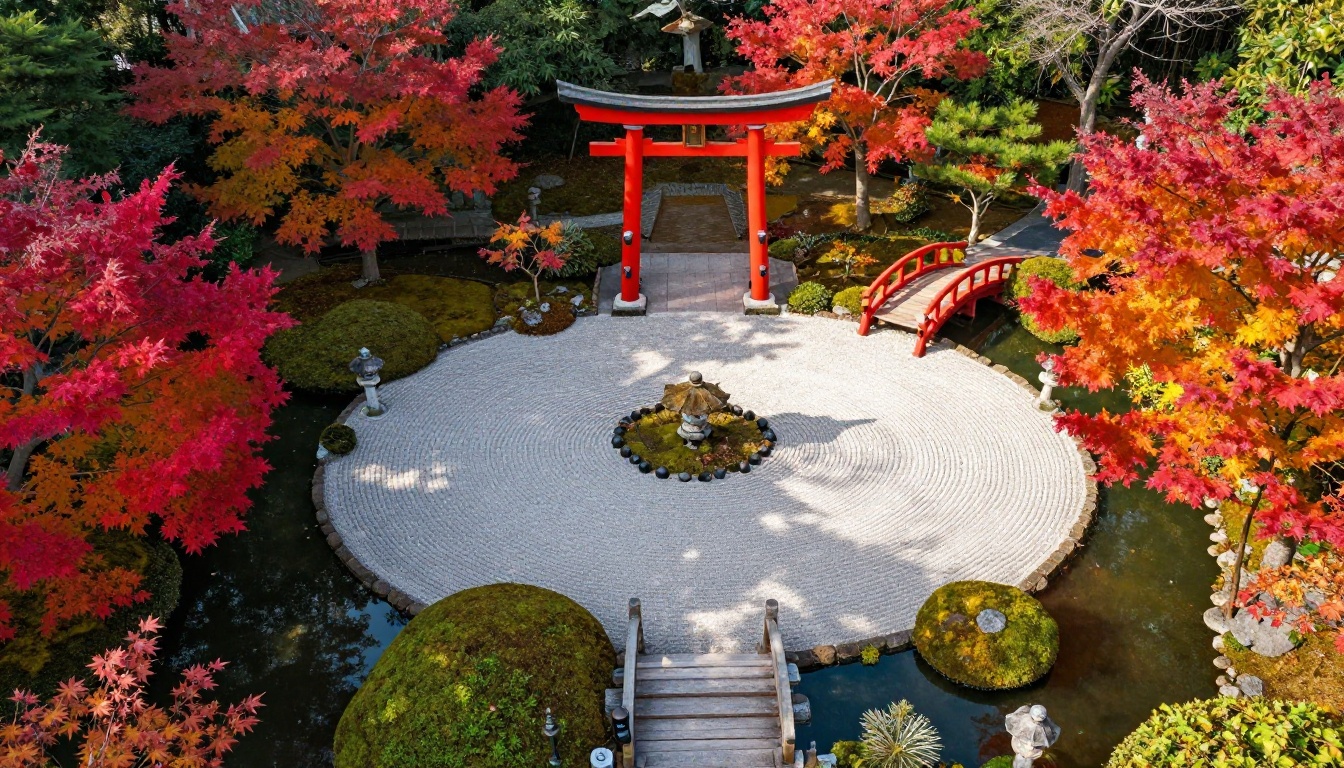
Nano Banana Pro pairs well with Ideogram v4 Quality if you need typographic precision in a separate pass, and with Stable Diffusion 3 for stylistic variations on a generated base.
Using Seedream 5.0 Pro
Go to Seedream 5.0 Pro on PicassoIA for direct model access. For best results:
- Lead with the mood. Open your prompt with the emotional tone before subjects. "A melancholic, misty morning at a stone harbor in Brittany" sets Seedream 5.0 Pro up for an extraordinary output.
- Add cinematic references. Film stock names and cinematographic style descriptors in your prompt elevate the output noticeably.
- Let it breathe. Overly restrictive prompts work against Seedream 5.0 Pro's strengths. Give it creative latitude on the details it handles best.
- For rapid concept testing, Seedream 5 Lite lets you iterate fast before committing full credits to 5.0 Pro runs.

So Which One Is Actually Better?
The answer depends entirely on what "better" means for your specific project.
Nano Banana Pro is the stronger tool when accuracy, text rendering, consistency, and detailed prompt control are your priorities. It is the model for creators who know exactly what they want and need the output to match the brief with minimal deviation.
Seedream 5.0 Pro is the stronger tool when visual impact, cinematic atmosphere, and creative energy are what you are optimizing for. It is the model for work that needs to be felt before it is analyzed.
Most serious creators will not pick one permanently. They will use Nano Banana Pro when precision matters and Seedream 5.0 Pro when the goal is to stop a scroll, win a pitch, or nail a mood. The good news is that both live on PicassoIA, which means you never have to commit to just one.
The platform gives you access to over 91 text-to-image models, including the full Seedream and Nano Banana lineages, Ideogram v4, Stable Diffusion 3, and dozens of specialized models for every creative brief imaginable. That breadth means you pick the right model for each job rather than forcing every project through a single tool.
Try both on your next project at picassoia.com/en/all-models. The difference will be visible in the first output.


