The conversation around NSFW AI companion apps has matured significantly in the past two years. What started as clunky chatbots with stilted responses and pixelated portraits has become something genuinely impressive: platforms that generate photorealistic imagery, maintain coherent personas across long conversations, and give users a level of creative control that would have seemed impossible not long ago. But it's worth asking, plainly: what do the best ones actually get right? And where does the real value come from?
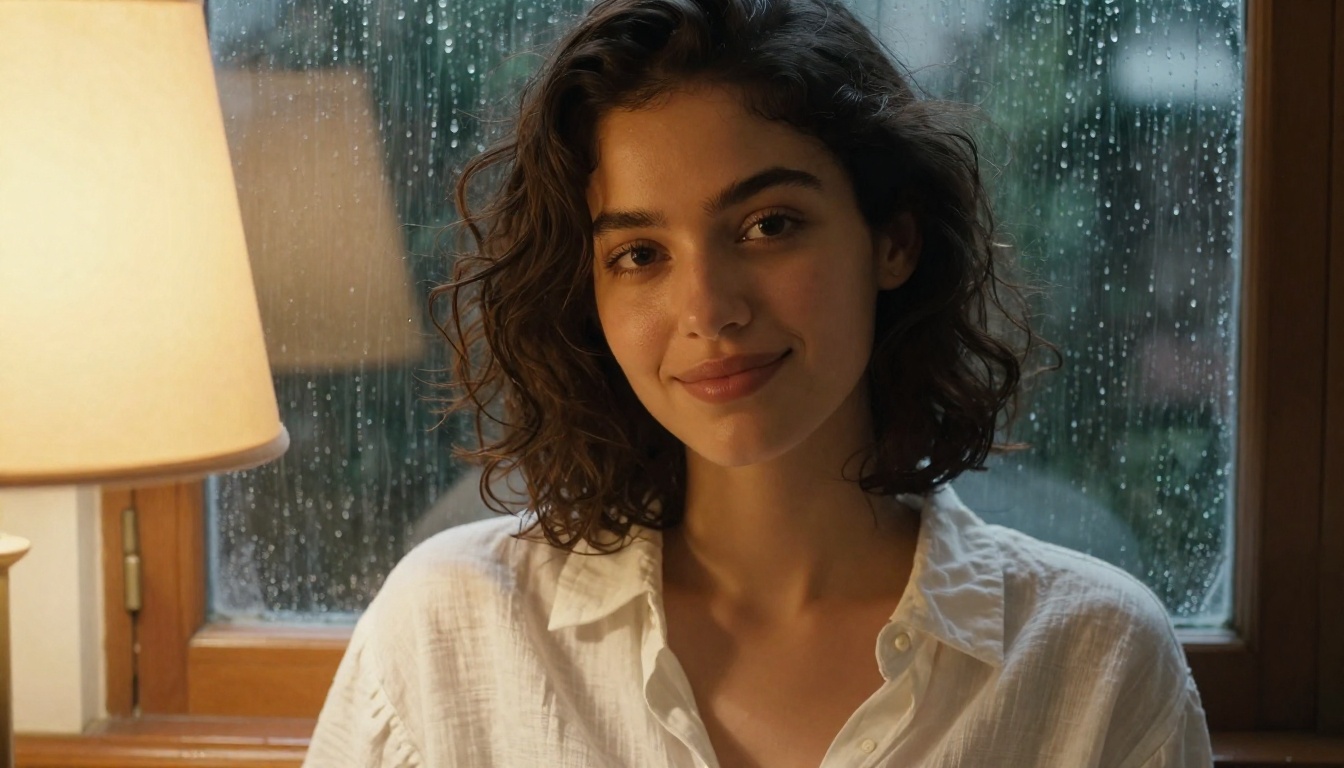
This article isn't here to moralize. It's here to look at the technical and experiential reality of what makes these apps work, what separates the good ones from the forgettable, and why tools like Seedream 4.5 on PicassoIA have set a benchmark that standalone companion apps are still chasing.
What These Apps Actually Get Right
The best NSFW AI companion apps solve several real problems at once. They're not just image generators with a chat window bolted on. They combine persona consistency, visual fidelity, and a sense of responsive interaction into something that feels cohesive. The apps that pull this off share a few specific qualities worth examining.
The Visual Standard Has Changed
A year ago, the typical NSFW AI image was identifiable at a glance: waxy skin, uncanny symmetry, backgrounds that looked painted. Today's models produce work that can hold up against professional photography. The shift happened because of two things: better base models and uncensored training data that didn't flatten aesthetic range by sanitizing the outputs.
The apps that get this right don't rely on a single locked model. They give users access to multiple generators, each with different strengths, and let the user decide what fits the moment. That flexibility is what separates a real creative tool from a gimmick. Static, one-model platforms age quickly. Platforms with layered model access stay relevant.
Persona Depth That Holds Up
Consistency is what kills most AI companion experiences. You build a character over a few messages, set up a scenario, and then the AI forgets everything it just established. The better apps handle this through context windows, memory features, and persona anchoring that keeps responses tonally consistent across a full session.
The visual side of this matters just as much. A companion app that can generate images of the same character in different outfits, settings, and moods without losing the core look is doing something technically difficult. Models like Portrait Series on PicassoIA are built specifically to maintain character consistency across multiple generations, which is exactly what companion-style use cases require.

Privacy Handled Seriously
The better platforms in this space don't store your conversations in plaintext on accessible servers. They don't attach your generations to a public profile. They don't send your prompts to third-party ad networks. These aren't features you see advertised on the homepage, but they're what separates a trustworthy tool from one that will eventually end up in a data breach headline.
💡 When evaluating any NSFW AI platform, check whether they process your generations server-side and what their data retention policy actually says. A clear, short retention window is almost always a good sign.
Why Image Quality Is the Whole Game
Text-based companion experiences can be compelling, but the ceiling is clear. What makes the leading apps genuinely different is that they've cracked the visual layer. When the images feel real, the entire experience shifts. The gap between a vaguely rendered image and a photorealistic one isn't aesthetic preference: it changes how the output lands entirely.
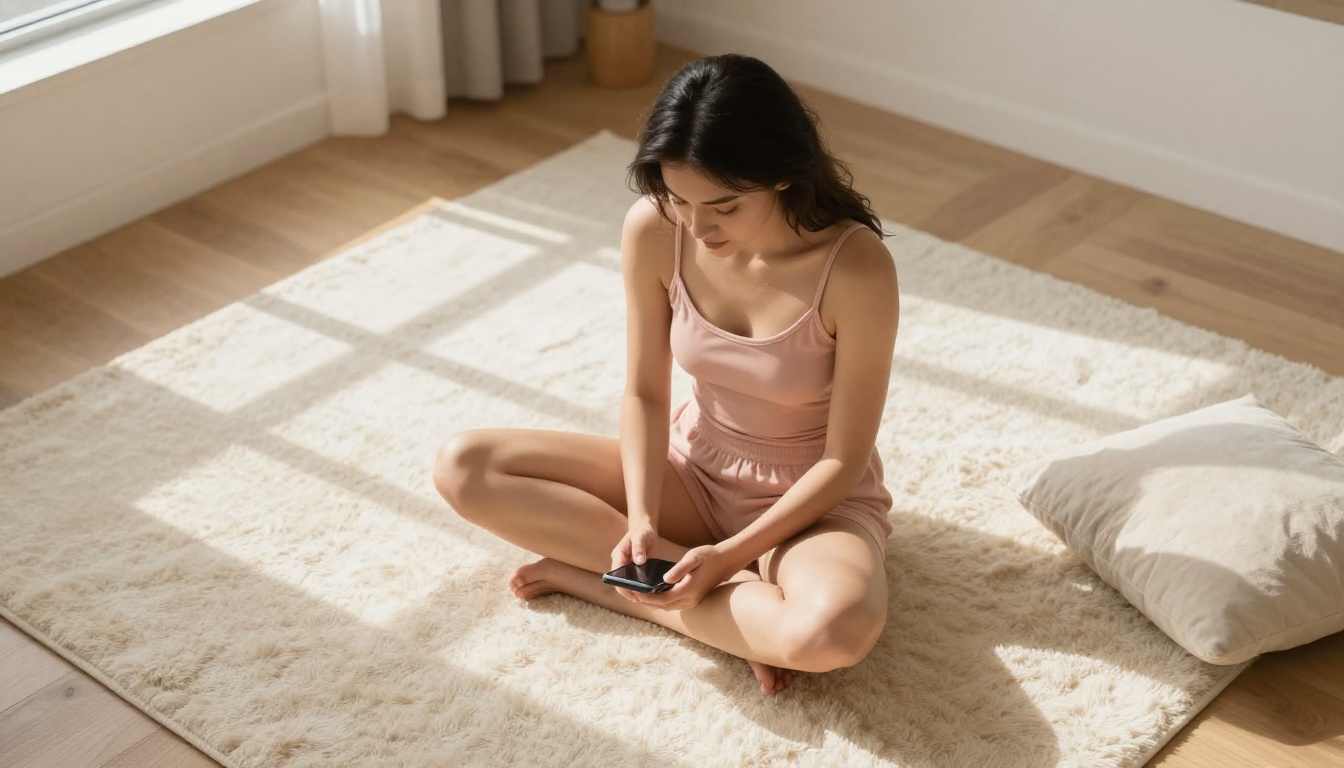
Photorealism vs. the Anime Aesthetic
There's a genuine split in the NSFW AI space between platforms that lean into anime-style imagery and those that push toward photorealism. Both have their audiences, and neither is objectively better. But photorealism is harder to fake and harder to achieve, which means the gap between good and bad implementations is much wider.
When a model generates a photorealistic image, small errors are immediately visible: wrong skin texture, unnatural lighting, fingers that don't resolve correctly. The anime style offers more forgiveness. This is why photorealistic NSFW generation has become the real benchmark. Getting it right requires models trained at scale on diverse, high-quality data with uncensored outputs and honest evaluation of what the outputs actually look like.
Resolution and Fine Detail
The difference between a 512px and a 2K output isn't just size. At higher resolutions, you get fine hair strands, visible skin texture, fabric weave detail, and the kind of depth that makes an image feel three-dimensional. The best companion image generators now produce output at 2K and beyond without the texture artifacts that plagued earlier models.
💡 For the sharpest results, always use aspect ratio 16:9 and the highest available resolution setting on any platform. Most models perform significantly better when given the full spatial budget.
Seedream 4.5: The NSFW Standard Bearer
Seedream 4.5 is where NSFW image generation on PicassoIA starts. It's the model that handles adult content without the watermarks, safety filters, or vague refusals that frustrate users on locked-down platforms. It produces photorealistic results with strong prompt adherence and handles complex scenes that would trip up lesser models.
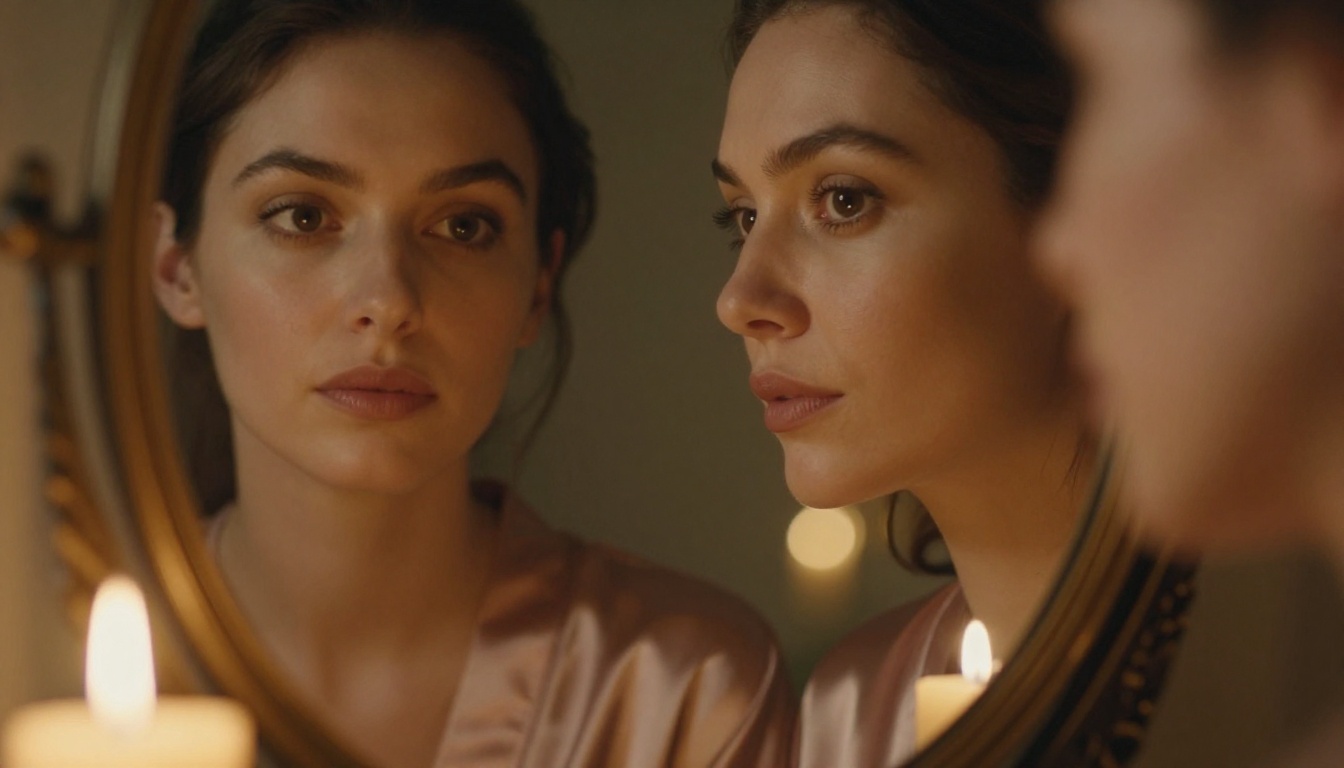
Why It Leads on Adult Content
Most image generators that claim NSFW support still apply backend filtering that waters down the output. You'll get results that are technically adult-oriented but soft-pedaled to the point where they feel evasive. Seedream 4.5 doesn't operate that way. The model was trained to handle suggestive, glamour, and artistic content directly, and it shows in the output quality.
It's also notably strong at portrait work. Faces stay consistent within a generation, skin tones resolve naturally under different lighting conditions, and the model understands implicit cues in prompts rather than requiring explicit technical language. Describing the mood of a scene often gets better results than specifying technical parameters. This is a sign of a mature model with real training depth.
Speed Without Compromise
One of the persistent complaints about high-quality image generation is generation time. Seedream 4.5 runs fast enough to iterate in real time. You're not waiting two minutes per image. The combination of quality and speed means you can actually experiment rather than wait and hope the output is close enough.
| Feature | Seedream 4.5 | Typical Locked Platforms |
|---|
| NSFW support | Full, uncensored | Filtered or blocked |
| Resolution | Up to 4K | Often capped at 1024px |
| Prompt flexibility | High | Restricted vocabulary |
| Generation speed | Fast | Varies, often slow |
| Watermarking | None | Common |
PicassoIA's Full Model Arsenal
Seedream 4.5 is the lead, but it's not the only tool worth knowing. PicassoIA gives you access to a range of models that each bring something different, and that variety is exactly what serious creative work requires. A single model approach creates a ceiling. A multi-model platform lets you match the right tool to the specific result you're after.
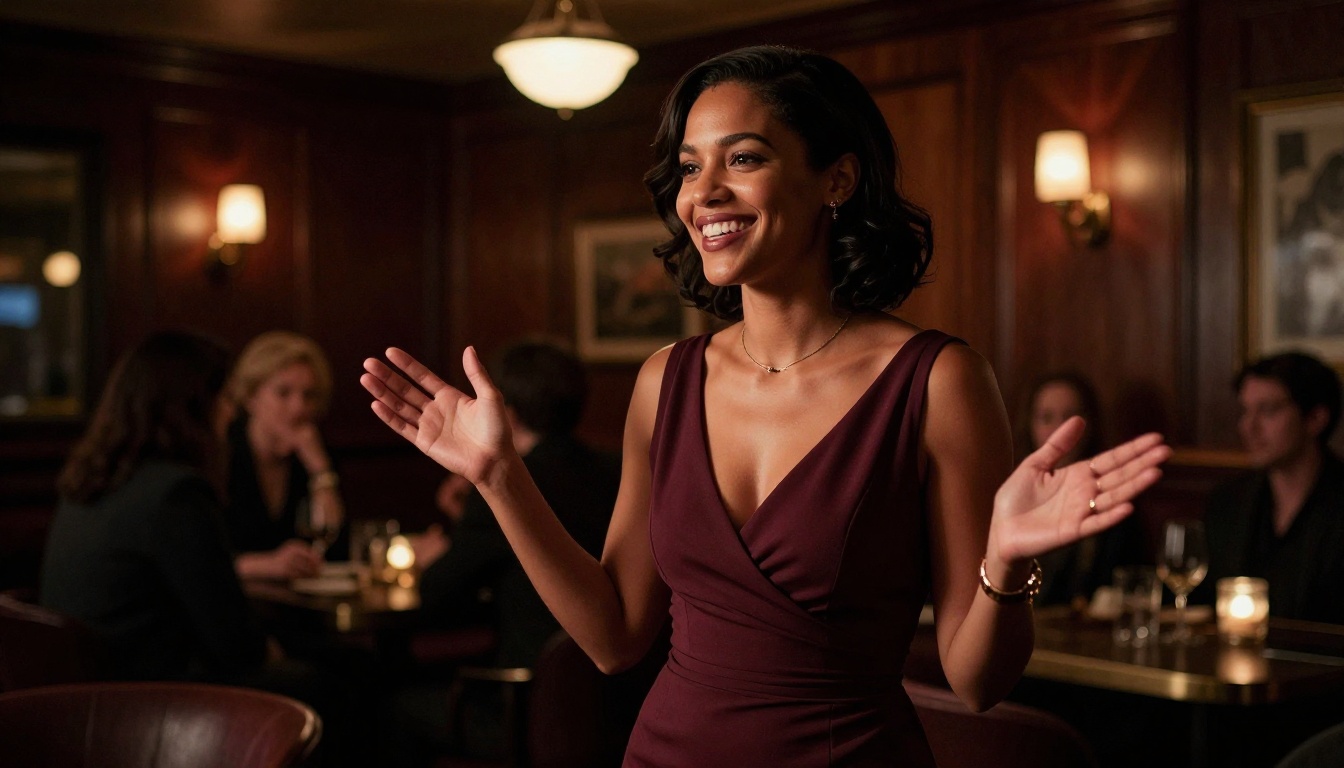
Flux for Artistic Variety
The Flux Schnell LoRA model brings a different quality to image generation: speed combined with strong stylistic adaptability. Where Seedream 4.5 excels at straight photorealism, Flux-based models let you push further into editorial and fashion-forward aesthetics without losing the photographic quality that makes images feel genuine.
Flux Krea Dev takes this further. It produces images that look like they came from a professional photoshoot but with a slight creative edge: the kind of result you'd get from a photographer who knows how to break rules deliberately. For companion-style content that needs to feel polished and intentional rather than generated, this model is worth knowing well.
Portrait Series for Character Consistency
Portrait Series is built specifically for the challenge of maintaining a character's appearance across multiple images. This is the foundation of any good companion experience: the ability to show the same person in different contexts without the visual drift that happens when you generate each image from scratch.
The model takes a reference image and applies it across new scenes, maintaining facial structure, skin tone, and distinctive features. For users building out a specific character, this is the tool that makes consistency actually achievable rather than something you try to fake through very precise prompting alone.
Flux Redux Dev for Variations
When you've generated an image you like and want to explore variations without starting over, Flux Redux Dev is the natural next step. It takes an existing image as a reference and generates alternatives that maintain the visual essence while shifting details. Different outfit, different setting, same character energy.
This is the kind of iterative workflow that makes a creative tool feel genuinely useful rather than a novelty. You're building something over time, not just randomly generating and discarding.
LoRA Models for Specialized Looks
Flux 2 Klein 9B Base LoRA is a good example of fine-tuning in practice: a model that inherits the strength of the Flux architecture but with style characteristics baked in through LoRA training. For NSFW companion content, LoRA models give you access to looks that would be hard to achieve through prompting alone. You're not fighting the model to produce a specific aesthetic; you're using a model that was already trained toward it.
Customization That Actually Works
The apps that get customization right understand that real creative control isn't about sliders and dropdowns. It's about giving users the ability to iterate quickly and precisely. A platform that exposes the underlying model controls is categorically different from one that abstracts everything behind a simplified interface.
Style Consistency Across a Session
The practical challenge in NSFW companion content is maintaining visual continuity. You want the character to look the same whether she's in a candlelit room or a sunlit terrace. Most platforms handle this poorly: each image is generated independently, and the visual drift compounds over sessions until the character barely resembles the original.
Good platforms solve this at the model level. By using Portrait Series-style consistency tools alongside a base generation model, you can anchor the character's appearance and then vary the context around it. The result is a visual throughline that makes a collection of images feel like they belong together.
Unlimited Generation Without Anxiety
One of the most practical differences between a strong AI platform and a consumer companion app is generation limits. Companion apps typically gate output behind subscription tiers, credits, or daily caps that interrupt the creative flow at the worst possible moment. PicassoIA's image editing tools are designed around high-volume use: you can run through dozens of iterations without hitting a ceiling that stops you mid-session.
This matters more than it sounds. Creative work with AI depends on iteration. If you're rationing generations, you're not iterating: you're gambling on each output. Unlimited access changes the psychology of the workflow entirely.
How to Create NSFW AI Images on PicassoIA
The actual workflow for generating high-quality NSFW content on PicassoIA is simpler than most people expect. The platform doesn't require technical knowledge to produce strong results, but understanding a few principles makes a significant difference in output quality.
Step 1: Pick the Right Model
Start with Seedream 4.5 for your first generation. It's the most capable model for adult content, with no hidden filters and strong prompt adherence. If you're going for a more editorial or styled aesthetic, switch to Flux Krea Dev. If you need character consistency across multiple images, add Portrait Series to your workflow after you've established a reference image you're satisfied with.
💡 Avoid Seedream 5 Lite for NSFW content. It applies stricter content filtering and will consistently underdeliver on adult creative work. Seedream 4.5 is the right choice for this type of output.
Step 2: Build Your Prompt With Specificity
The biggest mistake new users make is under-specifying. Vague prompts produce vague results. A strong NSFW prompt describes the subject, the setting, the lighting, the mood, and the camera framing. Think of it as directing a photoshoot in text.
Weak prompt: "attractive woman at the beach"
Strong prompt: "A woman in a simple black bikini top reclining on a sun-warmed stone terrace above the ocean at golden hour, photographed from a low angle with a 35mm lens, warm side lighting, shallow depth of field with the turquoise water softly blurred in the background, photorealistic, film grain, Kodak Portra 400"
The second version gives the model specific information it can act on. Every detail you add narrows the output space toward what you actually want rather than what the model defaults to.
Step 3: Iterate Without Hesitation
Don't expect the first generation to be the final one. Generate, assess what's working, adjust the prompt, and generate again. With Seedream 4.5's generation speed, you can run through several iterations in a few minutes. When you have an image you like, use Flux Redux Dev to create variations. When you need the same character in a new context, bring in Portrait Series.
The iterative model is the only model that produces consistently strong results. Single-shot generation is always a gamble.
Where Most Apps Still Fall Short
The honest assessment is that most NSFW AI companion apps are still mediocre in two specific areas: memory across sessions and image fidelity over time.
Memory is the larger problem. Even the best companion apps lose character details across longer sessions. You establish a persona in hour one and by hour three the AI is subtly contradicting what it set up earlier. This isn't purely a prompt engineering failure: it's a fundamental context window and memory architecture challenge that no platform has fully resolved yet.
Image fidelity drift is the second issue. The first image in a session might be excellent. By the tenth image, especially if you're trying to maintain a specific character, the visual drift becomes obvious. Solutions exist: consistent model selection, portrait reference tools, and careful prompt anchoring. But most consumer-facing companion apps don't expose this level of control. They optimize for simplicity at the cost of precision.
This is where a platform like PicassoIA has a structural advantage. Because it exposes multiple models and gives users direct control over generation parameters, you can apply the solutions yourself rather than waiting for a product team to build them into a simplified interface that may never arrive.
Start Creating Something That's Actually Yours
The strongest reason to use a platform with the depth of PicassoIA over a closed companion app isn't just the image quality. It's that the output belongs to you and the creative decisions are yours to make at every step.
A companion app gives you a character someone else designed, running on a model you can't access directly, producing outputs filtered to whatever that platform has decided is acceptable at that moment. PicassoIA gives you Seedream 4.5 with full output range, Portrait Series for character consistency, Flux Redux Dev for controlled variation, and Flux Krea Dev for editorial-grade results. The creative stack is yours to build with.
If you've been limited by what companion apps allow you to create, start exploring the full model library at picassoia.com/en/all-models. The difference between working within someone else's constraints and having direct access to the tools is the difference between getting close to what you want and actually getting it.


