Nano Banana Pro has been generating real buzz in adult AI art circles, particularly for NSFW portrait work in 4K. The claims are bold: photorealistic skin texture, uncensored output, and genuine high-resolution quality. We put those claims to the test across multiple portrait scenarios and then stacked the results against the best models available today for adult AI portraiture.
What Nano Banana Pro Actually Is
Nano Banana Pro is a fine-tuned diffusion model built specifically for photorealistic human portraiture. Unlike general-purpose image generators, it was trained on a dataset weighted toward anatomical accuracy, skin texture rendering, and natural lighting relationships. The "Pro" label distinguishes it from the original Nano Banana 2 release, with the upgrade focused primarily on facial coherence and more stable body proportions across challenging poses.
The model's primary commercial positioning is its NSFW permissiveness. It operates without a content safety filter, placing it in direct competition with uncensored platforms like PicassoIA. But permissiveness alone does not make a model worth using. The real evaluation comes down to output quality, generation speed, workflow flexibility, and cost at scale.
Before reaching any of those conclusions, it helps to run the model through structured scenarios and measure what it actually produces.
The 4K Portrait Test: What We Found
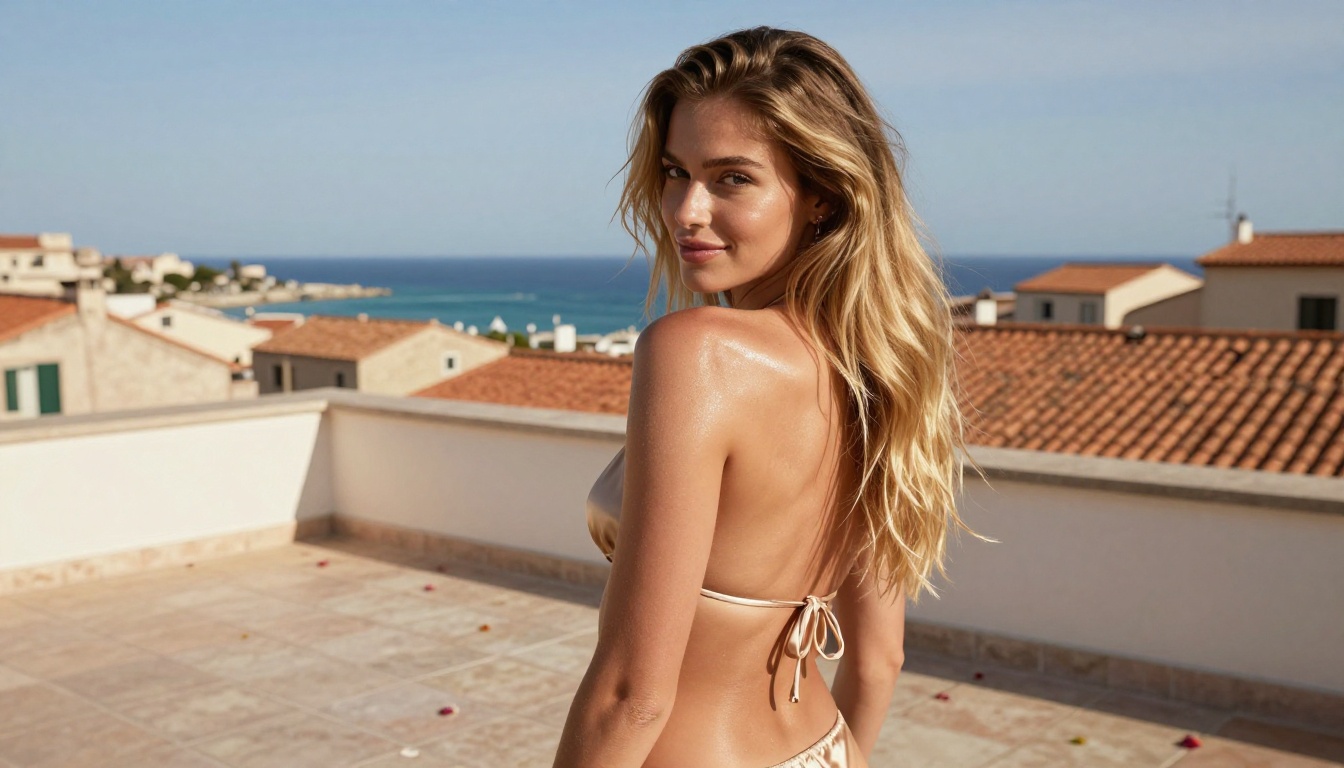
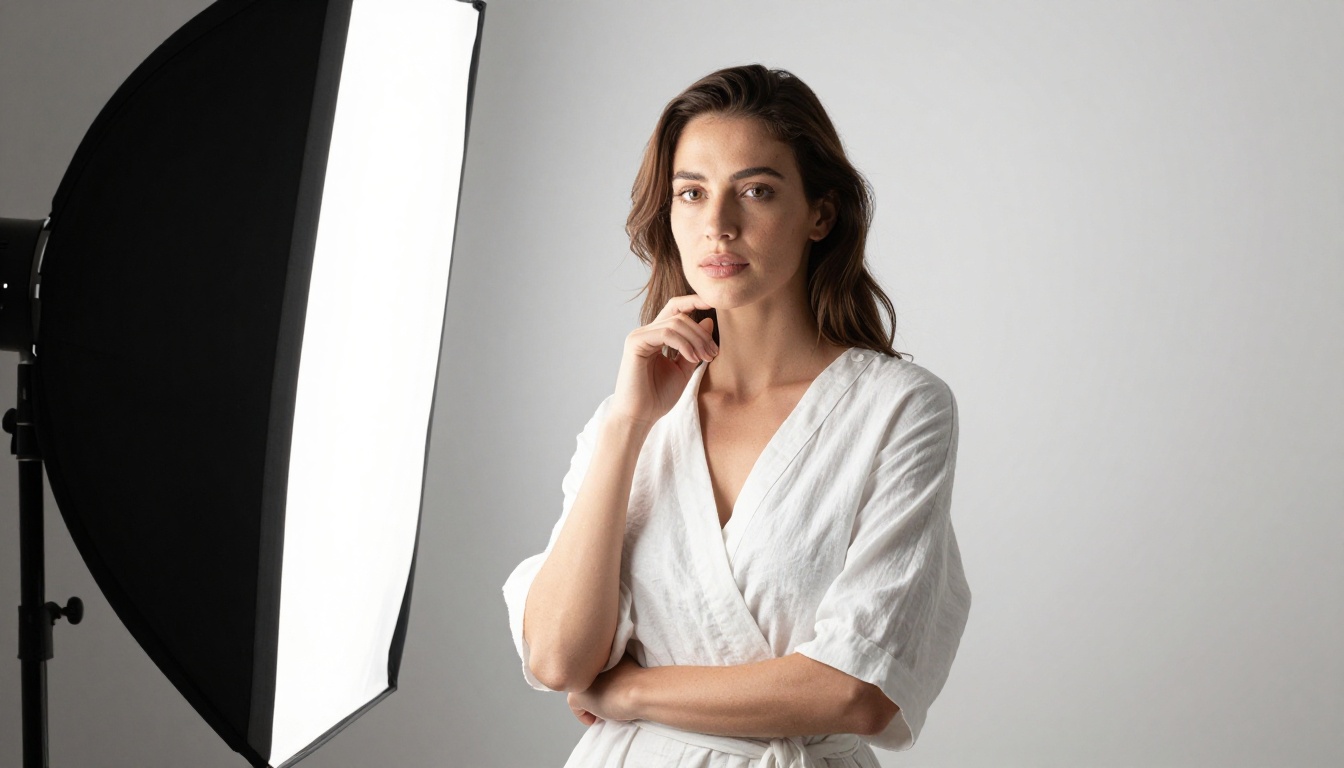
Testing covered three core portrait scenarios that stress-test different aspects of a model's capabilities: controlled studio lighting, outdoor natural light, and low-light interior environments. Each was evaluated across skin texture realism, lighting accuracy, and resolution consistency at 4K zoom.
💡 Testing method: Identical structured prompts were used across all models tested. Outputs were evaluated at 100% zoom in 4K to assess pixel-level quality.
Skin Texture and Realism
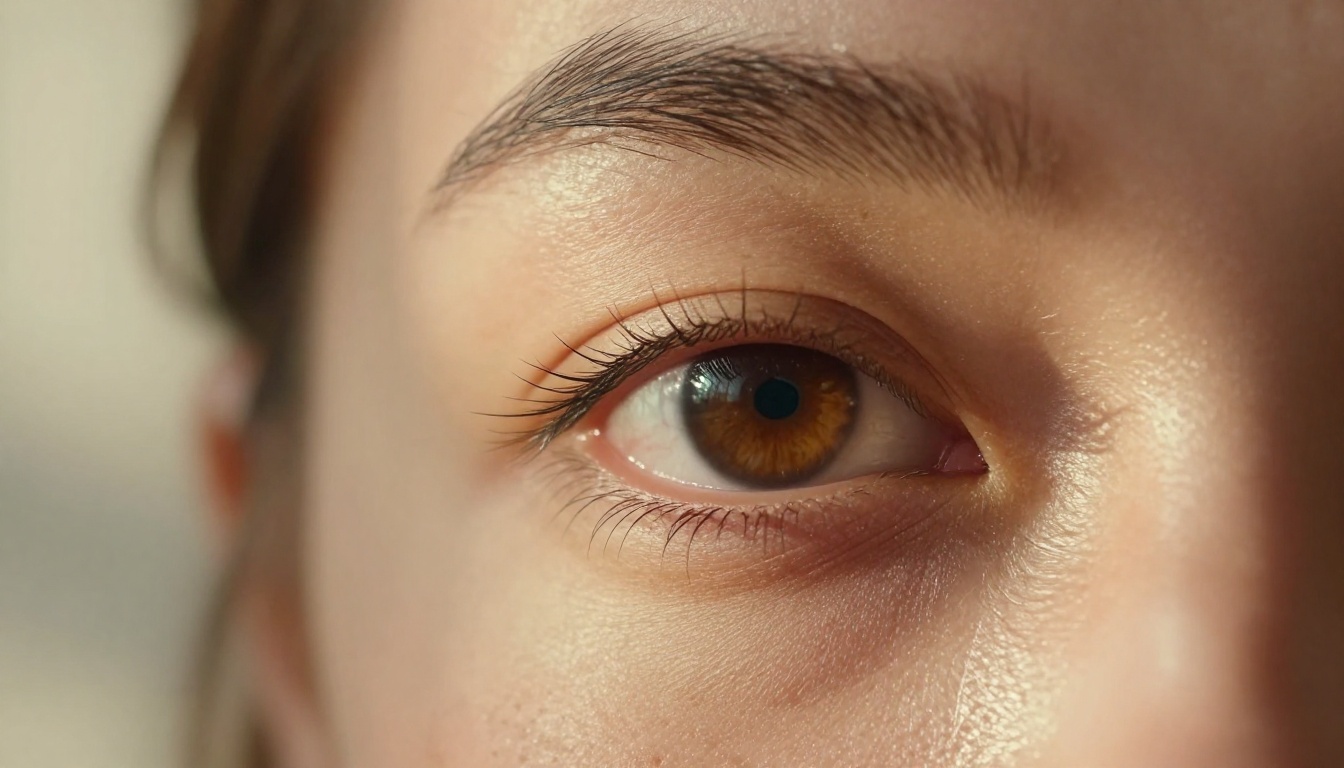
Skin texture is where Nano Banana Pro shows genuine strength. Pore-level detail renders with above-average consistency, particularly in close-up portrait crops. The model correctly simulates subsurface scattering in highlight areas, producing a translucent skin warmth that reads as photographic rather than generated in favorable lighting conditions.
The weaknesses appear at edges. Hair-to-skin transitions, fingernail texture, and the periocular area at extreme close-up zoom occasionally break down into inconsistency. Individual eyelashes may merge or stray in patterns that do not match organic anatomy. Skin in shadowed regions, particularly under the chin and behind the ear, sometimes over-smooths to an unrealistic degree. These are not catastrophic failures, but they are visible at 4K resolution where every imperfection is amplified.
For portrait photography where the crop is tight on the face, Nano Banana Pro performs at a level that satisfies most use cases. For full-body shots where the detail is spread across a larger area, consistency holds up reasonably well until you zoom in.
Lighting Accuracy
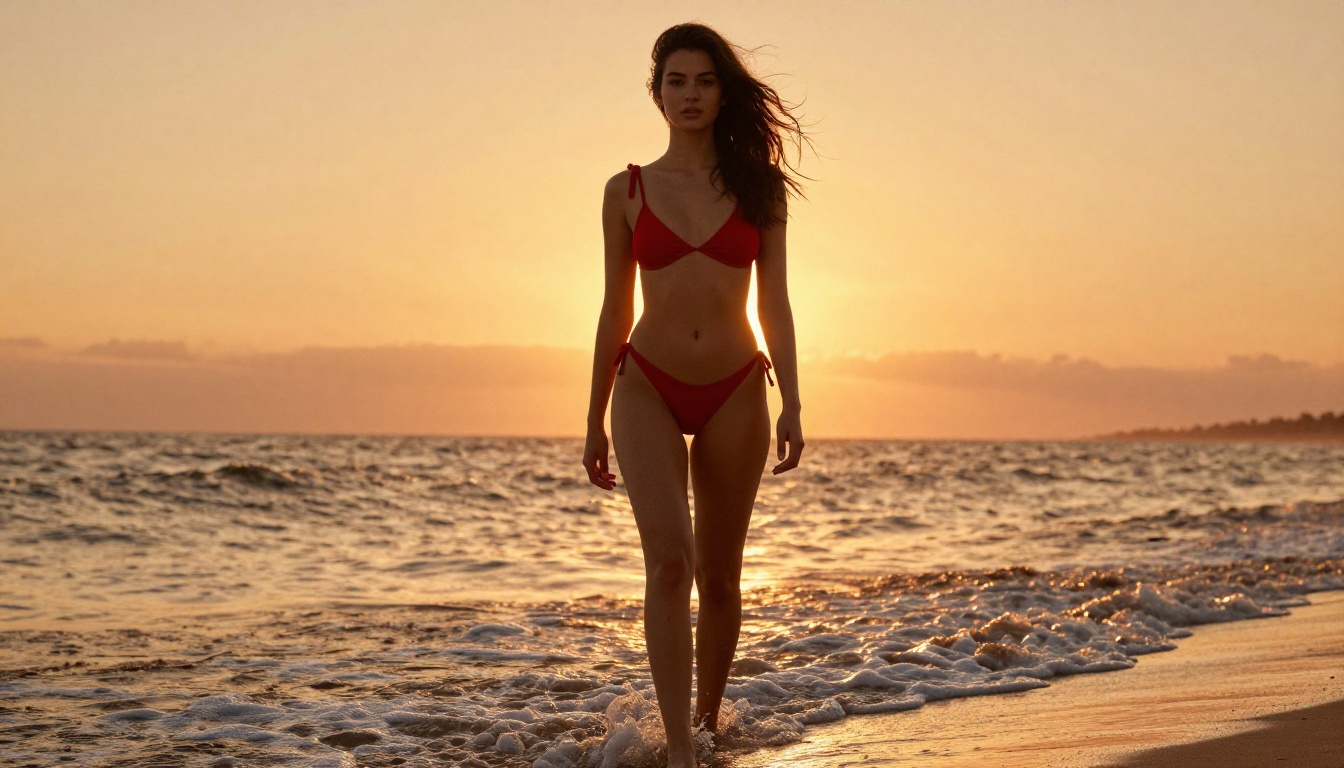
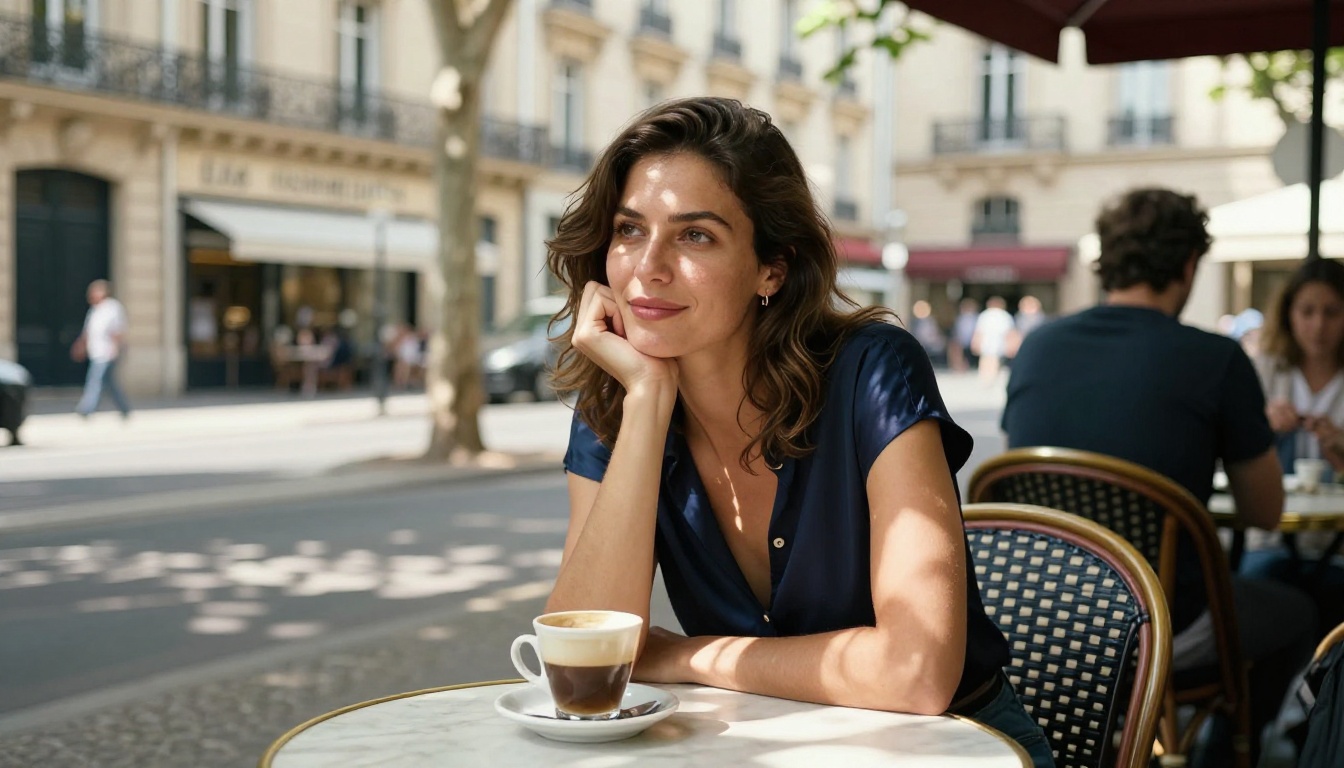
Natural directional lighting is the model's clearest strength. Golden-hour portraits with a single light source produce convincing results: appropriate shadow placement, warm specular highlights on skin, and a sense of volumetric depth in the lighting. Outdoor midday shots with hard directional shadows also hold up well.
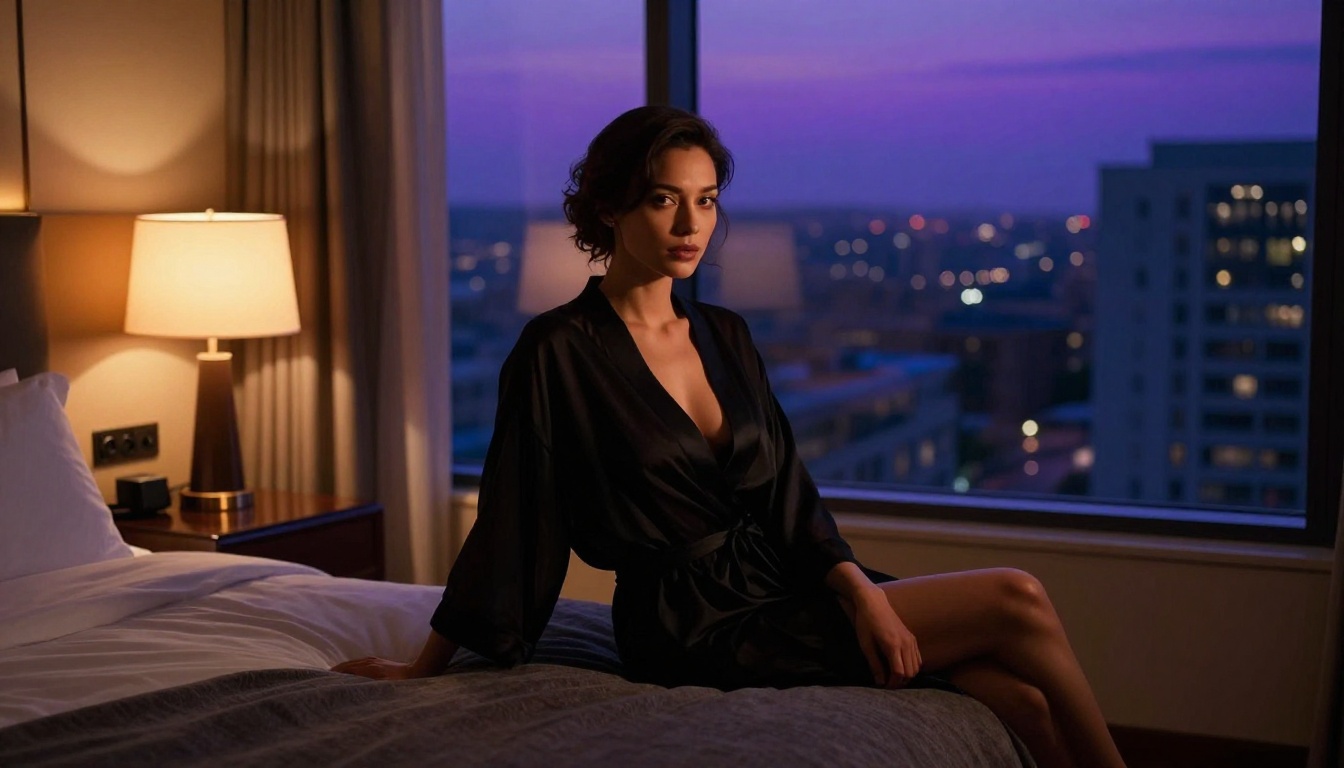
Complex lighting is where the model shows its limits. Multi-source setups with mixed color temperatures, such as a tungsten interior lamp combined with cool natural window light, require very specific prompt engineering to render correctly. Without explicit instructions, the model tends to flatten the color temperature interaction into a generic warm tone. That characteristic cinematic warm-cool split that gives luxury interior portraits their atmosphere rarely appears unprompted.
Resolution at Full 4K
This is the most important finding for anyone who cares about 4K portrait quality, and it applies to essentially every diffusion model on the market today: Nano Banana Pro does not natively generate at photographic 4K. Like all current diffusion models, it produces at a base resolution that is computationally upscaled to reach 4K dimensions. The quality of that upscaling step determines what you actually receive.
Without a dedicated AI super-resolution upscaler applied after generation, outputs at full 4K zoom show the artifacts that identify AI-generated images: over-smoothed skin in flat regions, subtle texture noise in complex areas like hair, and occasional soft edges that a real camera lens at matching aperture would render crisply. The model's name implies 4K as a native feature. In practice, achieving genuine 4K quality requires a second step.
Where Nano Banana Pro Falls Short
Three concrete limitations stand out after extended testing.
Cost per generation. Nano Banana Pro operates on a per-generation credit model. At modest volumes, this is manageable. At scale, the math becomes unfavorable quickly. Generating 500 portrait variations for a content library runs to approximately $50 to $100 depending on resolution settings. That cost repeats every time you start a new project. For creators working seriously in this space, per-generation pricing creates a ceiling on how much you can experiment and iterate.
No image-to-image editing. Nano Banana Pro is text-to-image only. If a generated portrait is 80% of what you want but the lighting is off or the background needs changing, you cannot refine it. You restart from a modified prompt and roll again. This slows creative iteration significantly. A model that supports image-to-image editing lets you take a near-perfect output and make a targeted adjustment in one additional step instead of regenerating from scratch.
No integrated upscaling pipeline. As noted above, genuine 4K output requires a separate upscaling tool. Nano Banana Pro does not include one. This means adding a second tool to your workflow with its own cost and friction, while the model's marketing implies 4K as a built-in deliverable.
💡 Bottom line: Nano Banana Pro is a solid NSFW portrait generator with real strengths in skin texture and natural lighting. It is not the best value option, not the fastest, and not the most workflow-efficient. Better alternatives exist.
Best NSFW Models for Portrait Generation
PicassoIA hosts the strongest concentration of uncensored portrait models available on a single platform. These are ranked by output quality, speed, and cost efficiency for adult portrait work specifically.
Seedream 4.5: The Top Pick
Seedream 4.5 is the primary recommendation. It accepts NSFW content without restrictions, supports image editing, and generates highly realistic results in under 3 seconds per image. Skin texture performance is consistently strong across portrait scenarios, and anatomical coherence holds up reliably in both close-up and full-body compositions.
The image editing support is what separates it from Nano Banana Pro in practical use. You can take an output image and feed it back into the model to make targeted changes: adjust the lighting, shift the pose, change the clothing, or refine the background without losing the overall character of the portrait. That iteration speed is invaluable for portrait work where creative decisions compound over many small adjustments.
One critical note: the newer Seedream 5 Lite does not support NSFW content. For adult portrait generation, Seedream 4.5 is the correct model.
PicassoIA Image Editor Pro: Unlimited Generations
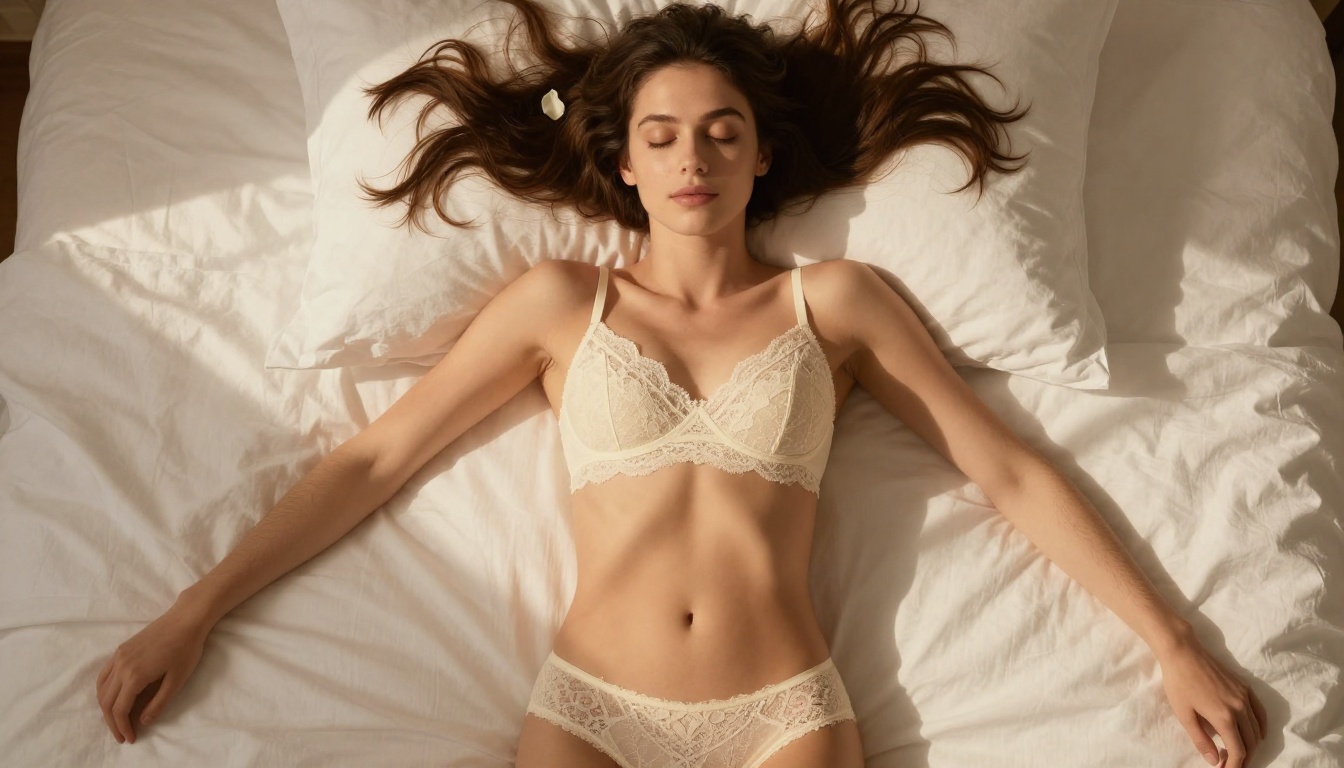
PicassoIA Image Editor Pro is the value argument that makes Nano Banana Pro's per-generation pricing look unjustifiable. This img2img model is included at zero additional cost on Elite and Infinite subscription plans. Generating 1,000 portrait variations costs nothing extra beyond the subscription: the same volume would cost approximately $100 on Nano Banana 2, and even more at Pro tier pricing.
It accepts NSFW content, delivers results in under 1 second, and offers a 3-generation free trial that requires no credit card. For creators building large content libraries or running volume-heavy workflows, this model eliminates the per-image cost ceiling entirely.
The Rest of the Lineup
| Model | Type | NSFW | Speed | Best For |
|---|
| Qwen Image 2 | Text-to-Image + Edit | Yes | Fast | Detailed realism, open source flexibility |
| Grok Imagine Image | Image-to-Image | Yes | Fast | Swimwear and bikini conversions |
| Recraft V4 | Text-to-Image | Yes | Medium | High-realism text-to-image output |
| P-Image | Text-to-Image | Yes | Under 1s | Speed-critical, high-volume workflows |
Grok Imagine Image specializes in converting an existing portrait into swimwear or bikini format with photorealistic accuracy, making it a fast post-processing option for existing images. Qwen Image 2 is open source and handles complex, detailed text descriptions with strong realism output. P-Image is the fastest text-to-image model in the lineup at under 1 second per generation.
How to Use Seedream 4.5 for NSFW Portraits
Getting strong results from Seedream 4.5 for portrait work requires structured prompting. The model responds well to explicit lighting descriptions and camera lens specifications.
The Four-Component Prompt Structure
Build every portrait prompt around four components, in this order:
1. Subject: Age, hair color and style, skin tone, clothing or state of dress, body position, facial expression, and any notable physical details.
2. Environment: Indoor or outdoor, specific location, background elements, props, and any surface textures relevant to the scene.
3. Lighting: Name the light source, its direction, and its color temperature. "Volumetric golden-hour light from camera-right, creating a warm rim along the jaw and shoulder" produces far more consistent results than "beautiful lighting."
4. Camera Specs: Name a real lens. "85mm f/1.4, shallow depth of field, background bokeh" communicates exactly how background separation should render. "135mm f/1.8 medium telephoto compression" tells the model to compress the background toward the subject. These specifications are understood by the model and significantly affect output character.
Step-by-Step on PicassoIA
Step 1: Open Seedream 4.5 on PicassoIA.
Step 2: Build your prompt using the four-component structure above. Aim for 60 to 100 words minimum for portrait work, longer for complex scenes.
Step 3: Set the aspect ratio. Use 9:16 for portrait orientation, 16:9 for editorial landscape format.
Step 4: Generate and evaluate. If the result is close but not perfect, use the image as input for a follow-up generation with targeted adjustments.
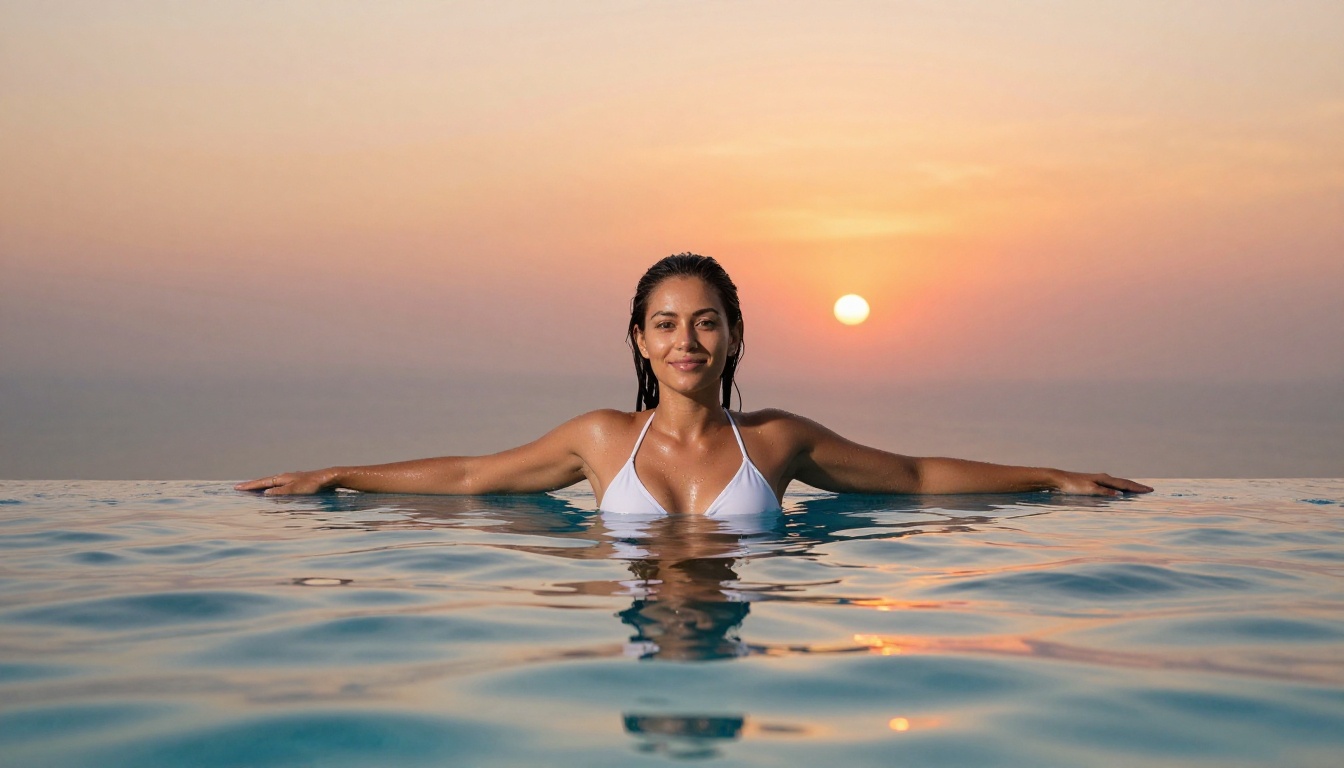
💡 Prompt tip: End every portrait prompt with "Kodak Portra 400 film emulation, natural skin tones, photorealistic, RAW photography." This calibrates the model's color science toward organic, film-like output rather than the plastic brightness of unguided AI generation.
Upscaling NSFW Portraits to True 4K
Achieving genuine 4K quality from any diffusion model requires a dedicated AI upscaler applied after generation. This applies to Nano Banana Pro, Seedream 4.5, and every other model on the market. PicassoIA's super-resolution category includes several options specifically suited to portrait work.
Top Upscalers on PicassoIA
Clarity Pro Upscaler is the best choice for NSFW portrait upscaling. It is optimized for photorealistic subjects and preserves organic skin texture rather than over-sharpening. Facial detail, hair, and skin pore structure all hold up well at 4x upscale.
Crystal Upscaler is purpose-built for portrait upscaling, focusing specifically on face and figure clarity at 4x resolution. When the subject of the image is the primary asset and background detail matters less, this model prioritizes what counts.
P Image Upscale returns sharp results in approximately 1 second. For workflows where speed and volume matter more than maximum quality, this is the practical choice.
Topaz Image Upscale reaches a maximum of 6x upscaling, the highest in the lineup, making it the right tool when you need the largest possible output dimensions from a portrait.
The recommended two-step workflow: generate with Seedream 4.5 at standard resolution, then run the output through Clarity Pro Upscaler for genuine 4K quality. Both steps combined run in under 10 seconds on PicassoIA.
Nano Banana Pro vs. the Alternatives
A direct comparison across the dimensions that matter for serious portrait creators.
| Feature | Nano Banana Pro | Seedream 4.5 | PicassoIA Image Editor Pro |
|---|
| NSFW Support | Yes | Yes | Yes |
| Generation Speed | Moderate | Under 3s | Under 1s |
| Image-to-Image Editing | No | Yes | Yes |
| Cost Per 1,000 Images | ~$50-100 | Subscription-based | Free (Elite/Infinite plans) |
| Native 4K Output | No | No | No |
| Platform Upscaling Tools | No | Yes, via PicassoIA | Yes, via PicassoIA |
| Free Trial | No | Yes | Yes (3 generations) |
| Credit Card Required | Yes | No (trial) | No (trial) |
The pattern is consistent. Nano Banana Pro charges per generation for a text-to-image-only workflow without editing, without native upscaling, and without a meaningful free evaluation period. PicassoIA offers faster models, editing capability, platform-level upscaling, and a cost structure that becomes dramatically more favorable as volume increases.
For a creator generating 200 portrait variations per month, Nano Banana Pro charges for every single one. On PicassoIA with an Elite plan, the same 200 portraits via PicassoIA Image Editor Pro costs nothing extra beyond the subscription.
Start Creating Your Own NSFW 4K Portraits
Nano Banana Pro is a capable model with real strengths in skin texture and natural lighting. The test results confirm this. It is also more expensive per image than platform alternatives, lacks editing capability, and requires external tools to achieve the 4K quality it markets as a feature. For occasional use with a small budget, it performs adequately. For serious portrait creation at any meaningful volume, the workflow math does not support it.
The stronger approach: generate with Seedream 4.5 (under 3 seconds, NSFW-ready, with editing support), then upscale with Clarity Pro Upscaler or Crystal Upscaler for genuine 4K output. If volume is a priority, shift to PicassoIA Image Editor Pro and remove per-image costs from the equation entirely.
All models are available now, with no waiting list, no content filters on adult portrait generation, and a free trial that does not require a credit card.
👉 See the full lineup of uncensored AI models and start generating at picassoia.com/en/all-models.


