nsfwviral contentai videosocial media

People Are Making Viral Clips with NSFW AI

An exploration of how creators are using advanced AI video generation models to produce suggestive but artistically crafted content that goes viral across social platforms. This article examines the technical workflows, artistic considerations, platform strategies, and business models behind successful AI-generated viral clips, revealing the sophisticated ecosystem that has emerged around this new form of digital expression.

People Are Making Viral Clips with NSFW AI
Cristian Da Conceicao
Founder of Picasso IA

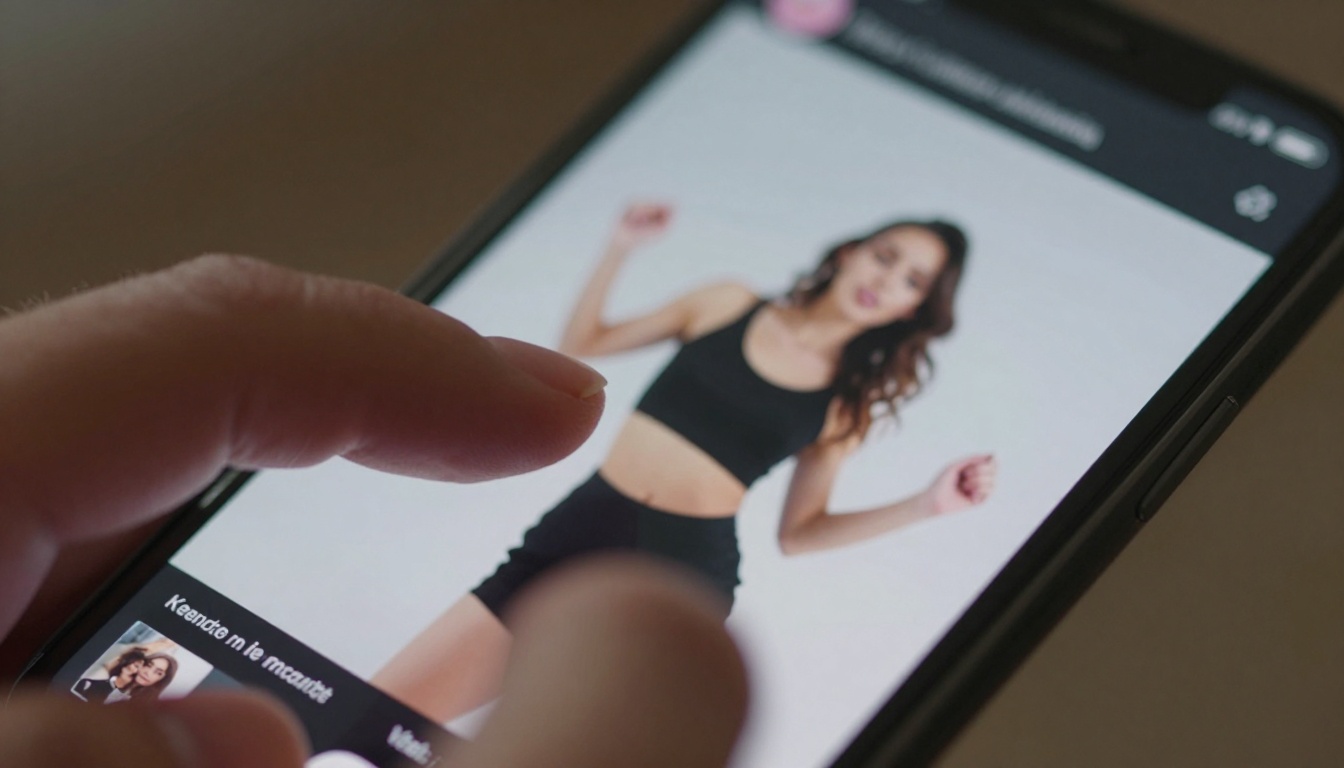
Creator reviewing AI-generated content on smartphone

The digital landscape has shifted dramatically in recent months. What started as curious experimentation with AI image generators has evolved into a sophisticated ecosystem of viral content creation, where suggestive but artistically crafted AI-generated videos are racking up millions of views across TikTok, Instagram Reels, and YouTube Shorts.

This isn't about explicit content. The viral clips capturing attention walk a careful line—suggestive enough to attract viewers, artistic enough to avoid platform bans, and technically impressive enough to stand out in oversaturated feeds. The creators behind these videos aren't just pressing "generate" on random prompts; they're employing sophisticated workflows, understanding platform algorithms, and developing what amounts to a new form of digital artistry.

đź’ˇ The Algorithm Dance: Every successful viral AI clip exists at the intersection of three factors: technical execution, artistic sensibility, and platform psychology. Remove any one element, and the content falls flat.

Why This Content Goes Viral

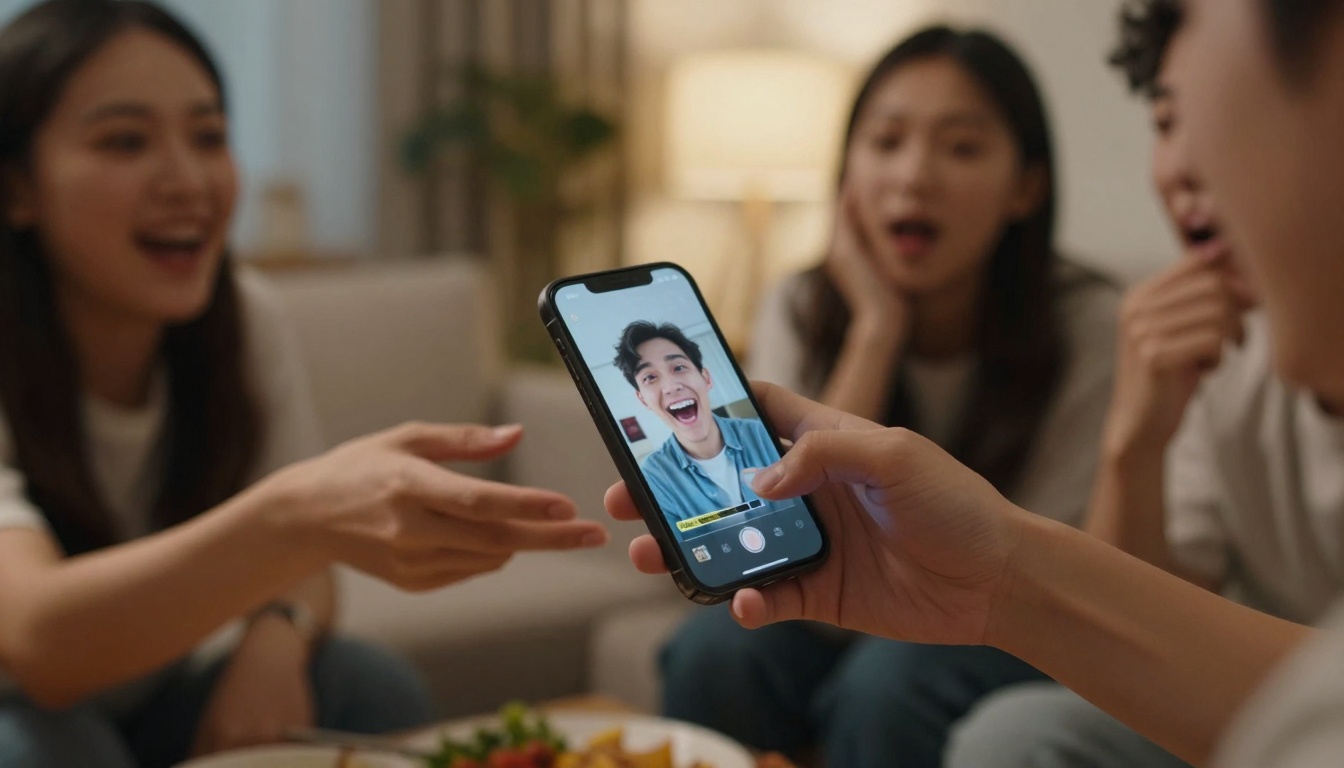
Social sharing dynamics of AI content

The psychology behind viral AI content reveals why certain clips spread while others disappear. Several key factors drive this phenomenon:

Novelty Factor: Even as AI generation becomes more common, well-executed suggestive content still feels novel. The combination of human-like movement with perfect cinematic lighting creates something viewers haven't seen before.

Shareability: These clips trigger specific social responses. People share them to show friends "what AI can do now," to express amazement at the technology, or to participate in cultural conversations about digital artistry.

Algorithm Optimization: Successful creators understand that platforms favor certain characteristics:

  • Retention: The first 3 seconds must hook viewers
  • Completion Rates: Content must maintain interest throughout
  • Engagement: Comments and shares signal quality to algorithms
  • Watch Time: Longer views equal higher ranking

Technical Marvel: Viewers recognize the technical achievement. When an AI-generated dancer moves with believable physics or lighting mimics professional cinematography, it commands respect alongside curiosity.

The Creator Workflow Revealed

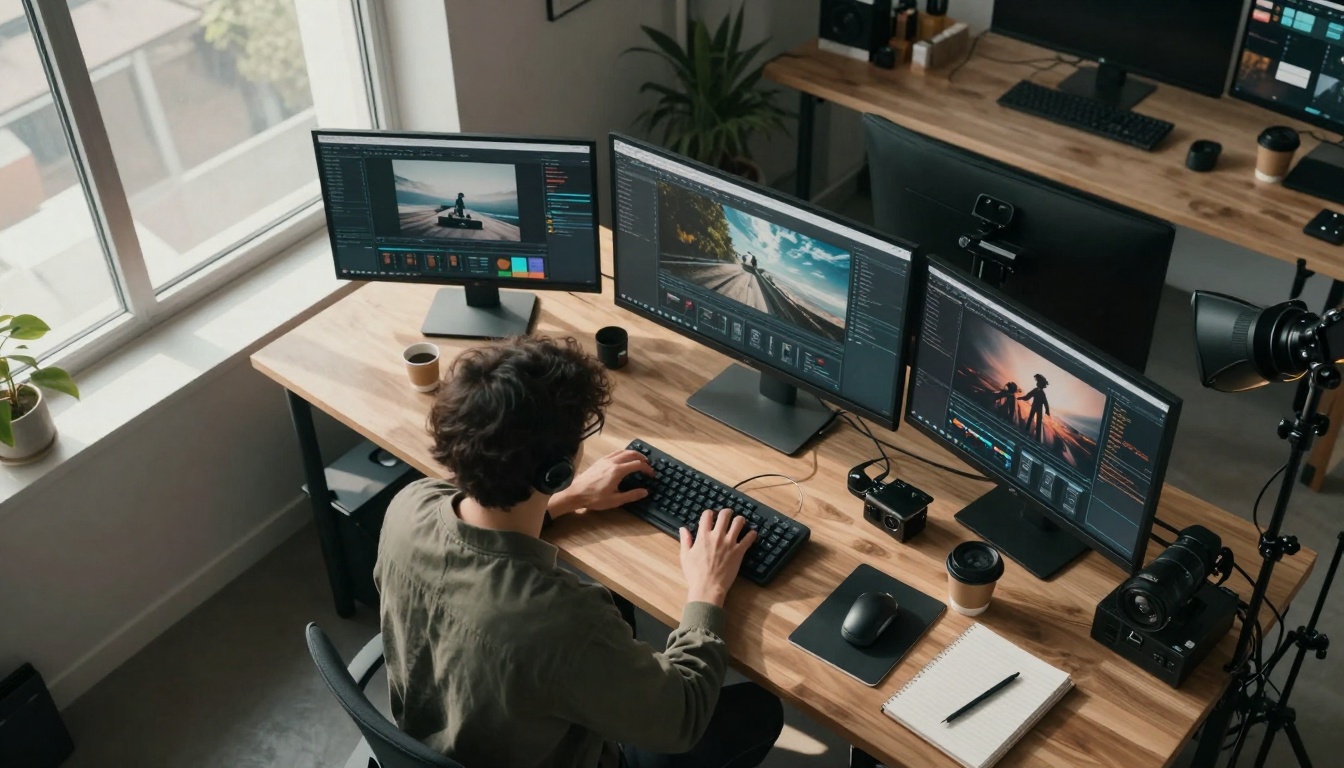
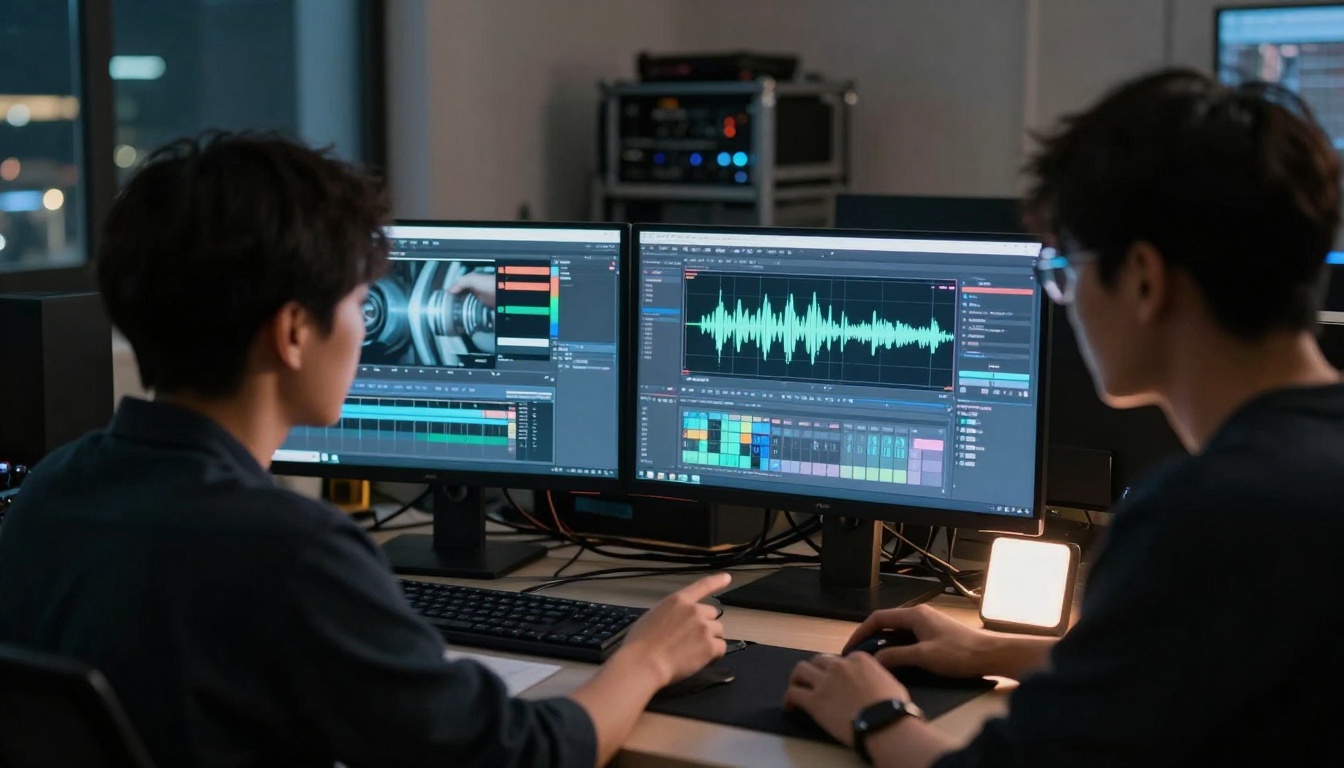
Modern creator workspace with multiple monitors

Behind every 15-second viral clip lies hours of meticulous work. The workflow isn't linear—it's iterative, experimental, and constantly evolving.

Phase 1: Conceptualization Every successful piece starts with a clear concept. Creators don't just type "beautiful woman dancing." They build detailed scenarios:

  • Mood and Atmosphere: Is this melancholic, joyful, mysterious?
  • Camera Perspective: Low angle, overhead, intimate close-up?
  • Lighting Design: Golden hour, studio lighting, moody shadows?
  • Movement Quality: Fluid, staccato, graceful, powerful?

Phase 2: Prompt Engineering This is where artistry meets technical precision. Successful prompts read like film director notes:

"Medium shot of a woman in flowing silk dress, backlit by sunset through floor-to-ceiling windows, performing contemporary dance with emotional expression, volumetric light illuminating dust particles, cinematic 35mm film quality, natural skin texture with subtle pores, 8k resolution, film grain, Kodak Portra 400 color palette"

Phase 3: Model Selection Different AI models excel at different aspects. Creators maintain mental catalogs of which models produce specific results:

Model TypeBest ForTypical Output
Character AnimationFluid human movement, expressive facesDancers, performers, emotive scenes
Cinematic QualityLighting, atmosphere, filmic textureMood pieces, atmospheric shots
Realism FocusSkin texture, natural details, believable physicsIntimate portraits, close-ups
Stylized OutputArtistic interpretation, painterly effectsConceptual pieces, artistic expressions

Phase 4: Iteration and Refinement The first generation rarely goes viral. Creators run multiple iterations, adjusting:

  • Seed values for variation
  • Prompt weighting to emphasize certain elements
  • Negative prompts to eliminate unwanted artifacts
  • Style parameters to match platform aesthetics

Phase 5: Post-Production Even AI-generated content gets edited:

  • Color grading to match platform trends
  • Speed ramping for dramatic effect
  • Sound design with trending audio
  • Subtitles optimized for silent viewing

Technical Foundations: The Models Powering Viral Content

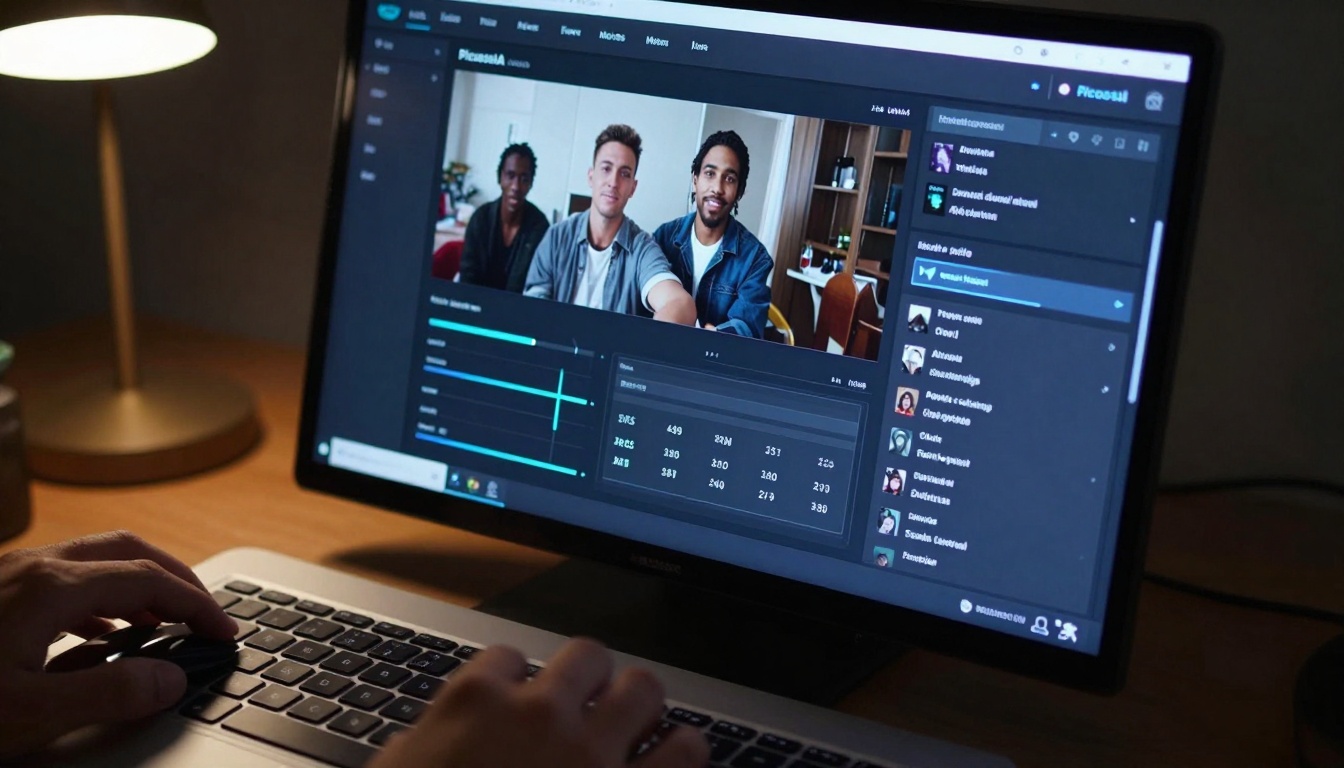
AI interface showing parameter adjustments

Several AI video generation models have become staples in viral content creation. Each brings unique capabilities to the table.

Text-to-Video Models

These models create motion from descriptive prompts alone:

Google's Veo 3.1: Excellent for cinematic quality and human movement. Its understanding of physics and lighting makes it ideal for dance and performance content.

OpenAI's Sora 2 Pro: Known for coherent long-form generation and detailed environments. Creators use it for complex scenes with multiple elements.

ByteDance's Seedance 1.5 Pro: Particularly strong for expressive human faces and emotional content. Viral clips featuring nuanced facial expressions often come from this model.

Kuaishou's Kling v2.6: Fast generation with good motion understanding. Popular for rapid iteration and testing concepts.

Image-to-Video Models

These models animate static images, allowing for precise control:

Wan Video's WAN 2.6 I2V: Excellent for smooth, natural movement from reference images. Creators often generate a perfect still image first, then animate it.

PixVerse's PixVerse V5: Strong character animation capabilities. The model understands how clothing should move with body motion.

Specialized Models

Luma's Ray 2 720p: For high-quality output where resolution matters. Used when clips might be viewed on larger screens.

Minimax's Hailuo 2.3: Excellent for stylized, artistic outputs that stand out from more realistic competitors.

The Artistic Considerations

Collaboration in content creation studio

Beyond technical execution, successful viral AI content demonstrates sophisticated artistic understanding.

Composition and Framing AI doesn't understand composition rules—creators must enforce them through prompt engineering:

  • Rule of Thirds: Positioning subjects off-center
  • Leading Lines: Using architecture or environment to guide the eye
  • Negative Space: Strategic emptiness that emphasizes the subject
  • Depth Layers: Foreground, midground, background separation

Lighting as Character Lighting does more than illuminate—it creates mood, directs attention, and tells stories:

  • Golden Hour Glow: Warm, inviting, nostalgic
  • High Contrast Drama: Sharp shadows, emotional intensity
  • Soft Diffusion: Intimate, gentle, romantic
  • Practical Sources: Screen glow, candlelight, window illumination

Movement with Purpose Every motion should serve the narrative:

  • Fluid vs. Staccato: Continuous flow versus punctuated gestures
  • Weight and Physics: Believable mass and momentum
  • Emotional Expression: Movement that communicates feeling
  • Camera Movement: Pan, tilt, dolly—each creates different emotional responses

Color Psychology Color palettes trigger specific viewer responses:

  • Warm Tones: Passion, energy, intimacy
  • Cool Tones: Melancholy, mystery, detachment
  • Desaturated: Nostalgia, memory, dreamlike quality
  • High Contrast: Drama, intensity, modernity

Platform-Specific Strategies

Analytics dashboard showing viral metrics

Each social platform has its own culture, algorithms, and viewer expectations. Successful creators adapt their content accordingly.

TikTok: The King of Viral AI

What Works: Fast-paced, surprising, emotionally resonant clips under 30 seconds.

Key Elements:

  • Hook in First Frame: Viewers decide in under 1 second
  • Trending Audio: Sound drives discovery
  • Vertical Composition: Every pixel matters in 9:16 aspect ratio
  • Text Overlays: For silent viewing and accessibility
  • Loop Potential: Content that rewards repeat viewing

Common TikTok AI Content Formats:

  1. "Watch This AI Create..." educational hooks
  2. Emotional Dance Sequences set to popular music
  3. Cinematic Moments that feel like movie trailers
  4. "This Isn't Real" revelation content
  5. Transformation Sequences showing the generation process

Instagram Reels: Quality Over Quantity

What Works: Highly polished, aesthetically consistent, brand-aligned content.

Key Elements:

  • Visual Cohesion: Feed aesthetics matter
  • Higher Production Values: Instagram audiences expect polish
  • Storytelling Arc: Beginning, middle, end structure
  • Brand Integration: Subtle rather than overt
  • Community Features: Utilizing polls, questions, interactive elements

YouTube Shorts: Narrative and Discovery

What Works: Educational, behind-the-scenes, process-revealing content.

Key Elements:

  • Information Density: Viewers expect to learn something
  • Process Transparency: Showing "how it's made"
  • Technical Explanations: Catering to curious audiences
  • Series Potential: Creating followable content journeys
  • Community Building: Fostering discussion in comments

The Business Behind the Content

Creator contemplating work in cafe setting

Viral AI content isn't just art—it's business. Creators have developed sophisticated monetization and growth strategies.

Monetization Pathways:

Revenue StreamHow It WorksTypical Earnings
Platform Partner ProgramsAd revenue sharing from views$0.01-$0.04 per 1,000 views
Brand PartnershipsSponsored content integration$500-$5,000 per post
Digital ProductsSelling prompts, templates, workflows$10-$100 per product
Consulting ServicesTeaching others the craft$50-$200 per hour
Commission WorkCreating custom content for clients$100-$1,000 per project

Growth Strategies:

  1. Consistency Over Perfection: Regular posting beats occasional masterpieces
  2. Cross-Promotion: Leveraging multiple platforms simultaneously
  3. Community Engagement: Responding to comments builds loyalty
  4. Trend Participation: Riding algorithm waves when they appear
  5. Collaboration: Partnering with other creators expands reach

Cost Structure:

  • Compute Costs: $0.10-$1.00 per generation attempt
  • Software Subscriptions: $20-$100 monthly for various tools
  • Time Investment: 2-8 hours per successful clip
  • Learning Curve: Weeks to months to develop proficiency

Ethical Considerations and Platform Policies

Night workspace with glowing devices

The line between artistic expression and policy violation requires constant navigation.

Platform Boundaries:

  • No Explicit Content: All major platforms prohibit outright nudity
  • Suggestive vs. Explicit: The difference is often in framing and context
  • Age Restrictions: Some content may be age-gated
  • Community Standards: Subjective interpretation by moderators

Creator Responsibilities:

  • Transparency: Clearly labeling AI-generated content
  • Consent Considerations: When using likenesses or references
  • Cultural Sensitivity: Avoiding stereotypes and harmful representations
  • Mental Health Awareness: Considering content's potential impact

Best Practices for Compliance:

  1. Test on Alternate Accounts before publishing on main channels
  2. Review Platform Guidelines monthly—they change frequently
  3. Implement Conservative Filters in generation parameters
  4. Maintain Backup Content for if posts get removed
  5. Document Creative Process to demonstrate artistic intent

Technical Challenges and Solutions

Conceptual still life of creation tools

Even with advanced models, creators face technical hurdles that require creative solutions.

Common Generation Issues:

Artifact Problems:

  • Glitching: Temporal inconsistencies in motion
  • Morphing: Unnatural transformations between frames
  • Detail Loss: Resolution degradation in complex scenes

Solutions:

  • Lower Motion Parameters: Reducing movement range increases stability
  • Higher Sampling Rates: More frames per second improves fluidity
  • Seed Consistency: Maintaining consistent random seeds across generations

Consistency Challenges:

  • Character Preservation: Keeping subjects recognizable across shots
  • Environment Stability: Maintaining consistent lighting and setting
  • Style Cohesion: Matching aesthetic across multiple generations

Solutions:

  • Reference Image Anchoring: Using the same base image for multiple outputs
  • Prompt Templating: Creating reusable prompt structures
  • Parameter Documentation: Logging successful combinations for replication

Quality vs. Speed Trade-offs:

  • Fast Models: Quick iteration but lower quality
  • Slow Models: Higher quality but limited experimentation

Solutions:

  • Two-Phase Workflow: Fast exploration followed by slow refinement
  • Batch Processing: Generating multiple variations simultaneously
  • Quality Tiers: Different quality levels for different purposes

The Future of AI Viral Content

What comes next will likely surprise us all, but current trends suggest several developments:

Technical Advancements:

  • Longer Coherence: Videos exceeding 60 seconds with consistent quality
  • Interactive Generation: Real-time adjustment during creation
  • Multi-Modal Integration: Combining video, audio, and text generation
  • Personalization: Content tailored to individual viewer preferences

Creative Evolution:

  • New Genres: Forms of expression we haven't yet imagined
  • Collaborative Creation: Human-AI partnerships becoming standard
  • Educational Content: Teaching through generated examples
  • Therapeutic Applications: Using generated content for emotional expression

Platform Integration:

  • Native AI Tools: Social platforms building generation directly into apps
  • Algorithm Adaptation: Platforms optimizing for AI-generated content
  • Monetization Evolution: New revenue models for AI creators
  • Community Standards: Evolving policies for this new medium

Getting Started with AI Content Creation

For those interested in exploring this space, the barrier to entry has never been lower—but the ceiling for quality has never been higher.

First Steps:

  1. Start with Still Images: Master Flux 2 Pro or GPT Image 1.5 before moving to video
  2. Study Successful Content: Analyze what makes viral clips work
  3. Develop Your Style: What unique perspective can you bring?
  4. Build Gradually: Don't expect immediate virality
  5. Join Communities: Learn from other creators' experiences

Essential Tools:

  • Platform Access: PicassoIA for model variety
  • Video Editor: For post-production polish
  • Analytics Tools: To understand what resonates
  • Storage Solutions: For managing generated assets
  • Learning Resources: Tutorials, courses, documentation

Mindset Requirements:

  • Patience: Quality takes iteration
  • Curiosity: Constant learning about new models and techniques
  • Resilience: Not every piece will succeed
  • Ethical Awareness: Considering the impact of your creations
  • Artistic Vision: Knowing what you want to express

Creating Your First Viral-Ready Clip

The process might feel overwhelming at first, but breaking it down into manageable steps makes it accessible:

Step 1: Concept Development Start simple. Choose one emotion, one movement, one lighting scenario. "A woman looking contemplative as morning light streams through a window" is more achievable than complex dance sequences.

Step 2: Model Selection For beginners, Veo 3.1 Fast offers good balance of speed and quality. For more control, start with WAN 2.6 I2V using a reference image.

Step 3: Prompt Crafting Be specific but not overly complex. Include: subject, action, environment, lighting, camera details, and style references.

Step 4: Generation and Selection Generate multiple variations. Look for consistency, emotional expression, and technical quality. Sometimes the third or fourth attempt contains the magic.

Step 5: Post-Production Add sound, adjust color, consider text overlays. This 20% of effort often makes 80% of the difference in viewer response.

Step 6: Platform Optimization Format for the specific platform—aspect ratio, duration, hook placement. What works on TikTok might not work on YouTube.

Step 7: Publication and Analysis Publish, then watch the analytics. Learn what worked, what didn't, and apply those lessons to your next creation.

The Human Element in AI Creation

Close-up of hands on keyboard with screen reflection

Despite the "artificial" in AI, the most successful content retains a profoundly human quality. The technology provides the tools, but the creator provides:

  • Emotional Intelligence: Understanding what resonates with viewers
  • Cultural Awareness: Knowing what themes and aesthetics matter now
  • Artistic Judgment: Recognizing quality amidst technical artifacts
  • Narrative Sense: Creating clips that tell mini-stories
  • Ethical Consideration: Navigating complex boundaries responsibly

This human element—the curation, the intention, the artistic vision—separates random generation from meaningful creation. The AI doesn't decide what's beautiful or moving or worth sharing. That remains our domain, our responsibility, our opportunity.

The viral AI clips capturing millions of views represent more than technological novelty. They represent a new form of digital expression, a new creative medium, and a new way for artists to connect with audiences. The tools will continue evolving, but the fundamental human desire to create, share, and connect remains constant.

What will you create?

Share this article