Somewhere right now, someone is posting a photo of themselves on a Maldivian beach they never visited, a Parisian café they never sat at, and a Norwegian fjord they only know from Google Maps. The photo looks real. The comments flood in: "goals," "so jealous," "which hotel?" Nobody knows it was generated from a text prompt in under thirty seconds. This is the quietly explosive trend sweeping social media: people are using AI to fake vacations, and the results are genuinely indistinguishable from the real thing.
The Trend Nobody Saw Coming
Six months ago, generating a convincing fake travel photo required Photoshop expertise most people don't have, stock image libraries, and hours of patience. Today it takes a detailed text prompt and half a minute. The gap between "I wish I were there" and "here's my photo from there" has collapsed so completely that the entire concept of a travel photo as proof of travel is quietly becoming obsolete.
The shift happened because text-to-image AI reached a new level of photorealism in 2024 and 2025. Models trained on billions of travel photographs now understand not just what a beach looks like, but what your specific kind of beach looks like, down to the foam patterns at the shoreline, the quality of light at 5pm in summer, and the exact way a shadow falls at golden hour when you're standing ankle-deep in the water.
Why Real Vacations Are Optional Now
The simple answer is money. A round-trip flight to Bali costs more than most people's monthly rent. A weekend in Paris for two runs upward of $3,000 by the time you factor in flights, hotels, and meals. An AI-generated photo of yourself in Paris costs nothing and takes less time than it takes to open a travel booking app.
But it is not purely economic. People use AI vacation photos for mood boards, social content, personal projects, and sometimes just to see what they would look like somewhere they have always dreamed of going. The use cases span from practical to playful, and the internet has responded with overwhelming curiosity rather than skepticism.
The Numbers Behind the Shift
Posts tagged with AI travel content have seen triple-digit growth on platforms like Instagram and TikTok since early 2024. Hashtags like #AItravel, #fakevacation, and #AItravelphoto now carry millions of posts, and many of the most viral ones openly disclose the AI origin in the caption, treating it as a feature rather than a disclaimer.
The more telling number is resolution. Today's top AI image models output at 4K and above, matching or exceeding what a flagship smartphone camera captures on a real trip. When you cannot tell the difference at the pixel level, the distinction between "real" and "generated" becomes a philosophical question rather than a visual one.
What These AI Travel Photos Actually Look Like
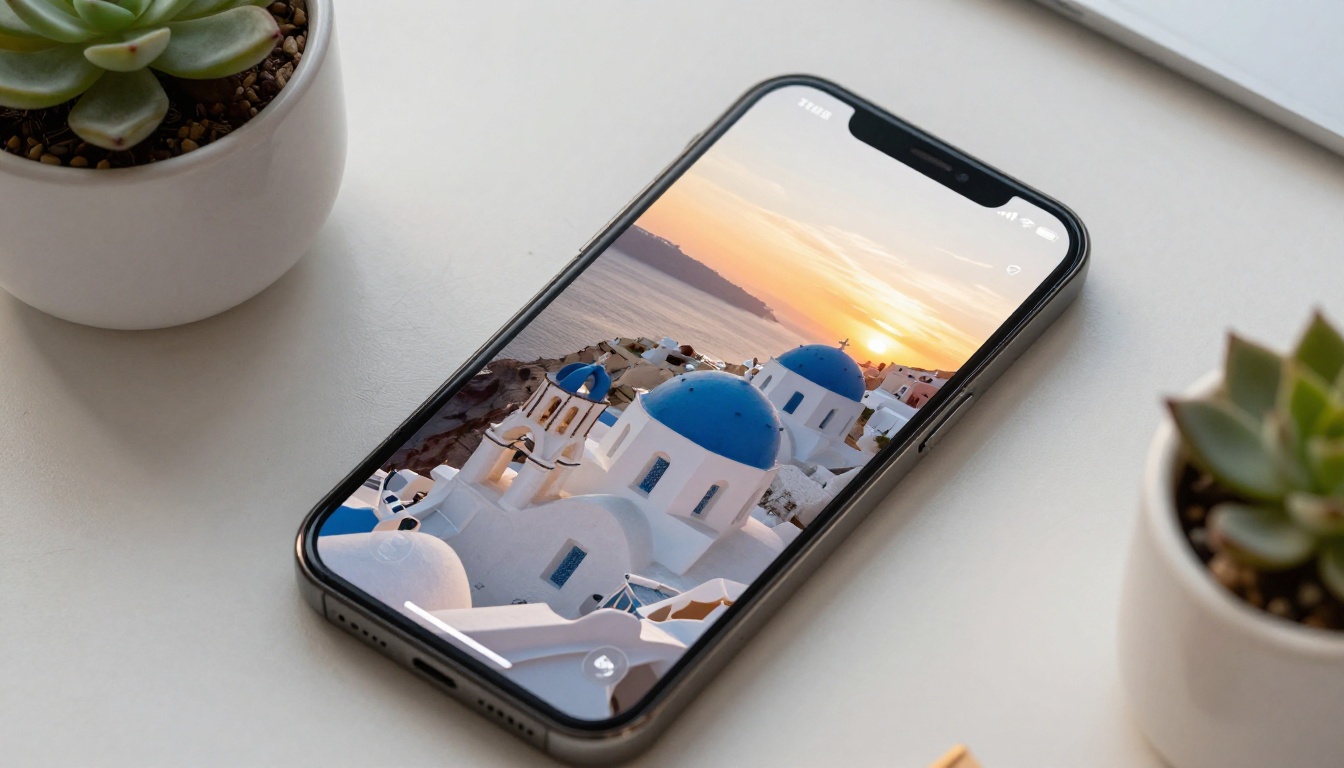
The first time most people encounter a well-crafted AI travel photo, they assume it is real. The second time, they look a little closer. By the third time, if they find any tell at all, it is usually not in the image quality itself. It is in a barely-visible background element that does not quite follow the rules of realistic perspective, or a crowd scene where every face shares an uncanny similarity.
Here is what is genuinely surprising: a large proportion of real travel photos have similar problems. Slight blurriness, awkward shadow angles, cluttered backgrounds, imperfect horizon lines. Human photography is imperfect by nature, and that imperfection actually helps AI-generated travel images blend in more effectively than anyone expected.
Tropical Beaches No One Visited
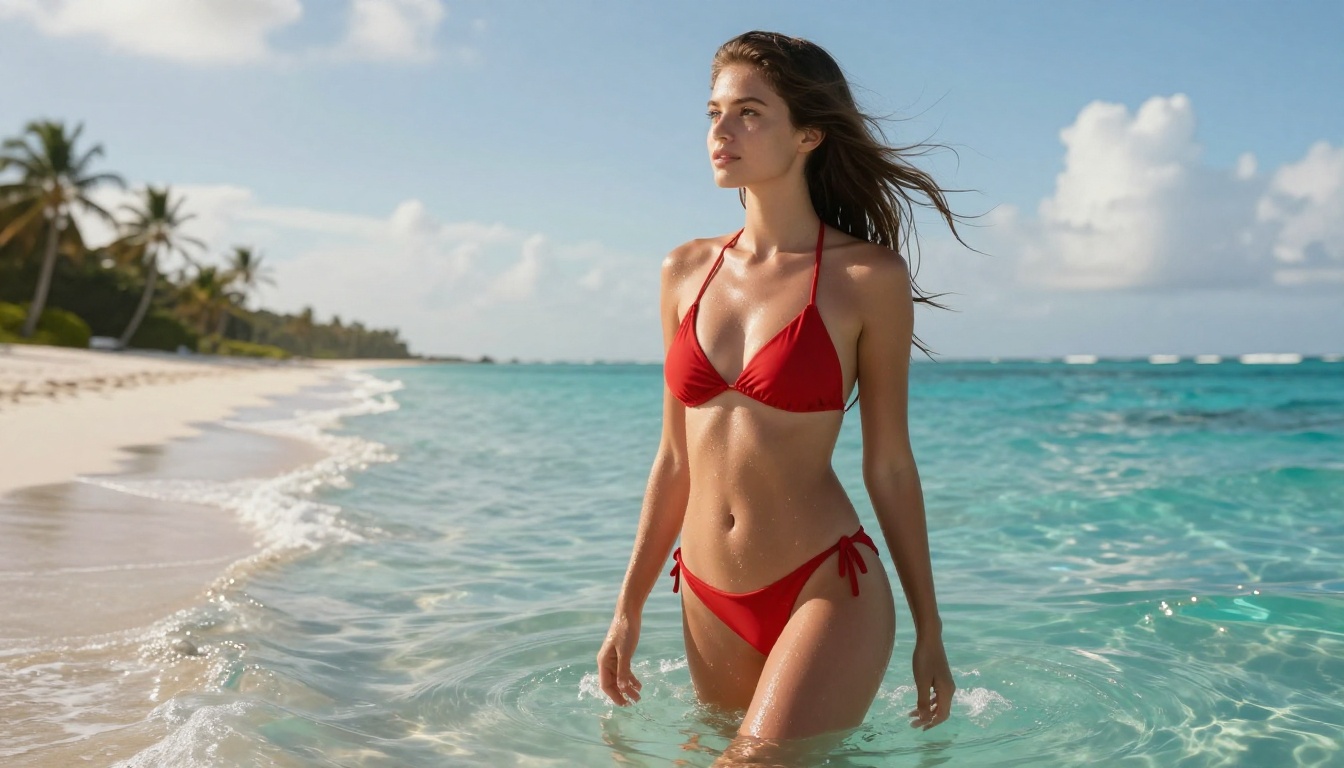
The most popular category of AI fake vacation photos is the tropical beach. Crystal-clear turquoise water, white sand, palm trees bending at a graceful angle, golden hour light casting long warm shadows. These images dominate because the ingredients are visually simple and the AI models have been trained on tens of millions of examples across every possible beach destination.
A convincing beach photo requires attention to several specific details:
- Realistic water turbidity: Water that is too perfectly blue reads as fake. Strong prompts specify a slight green tint near the shoreline and white foam at the wave break
- Natural shadow direction: All shadows in the scene should be consistent with the stated time of day and sun position
- Skin and light interaction: Rim lighting, subtle warmth on exposed skin, water droplets with individual light refraction
- Background imperfections: Distant boats, other people softly blurred in the background, clouds that are not symmetrically arranged
European Cities, Zero Flights
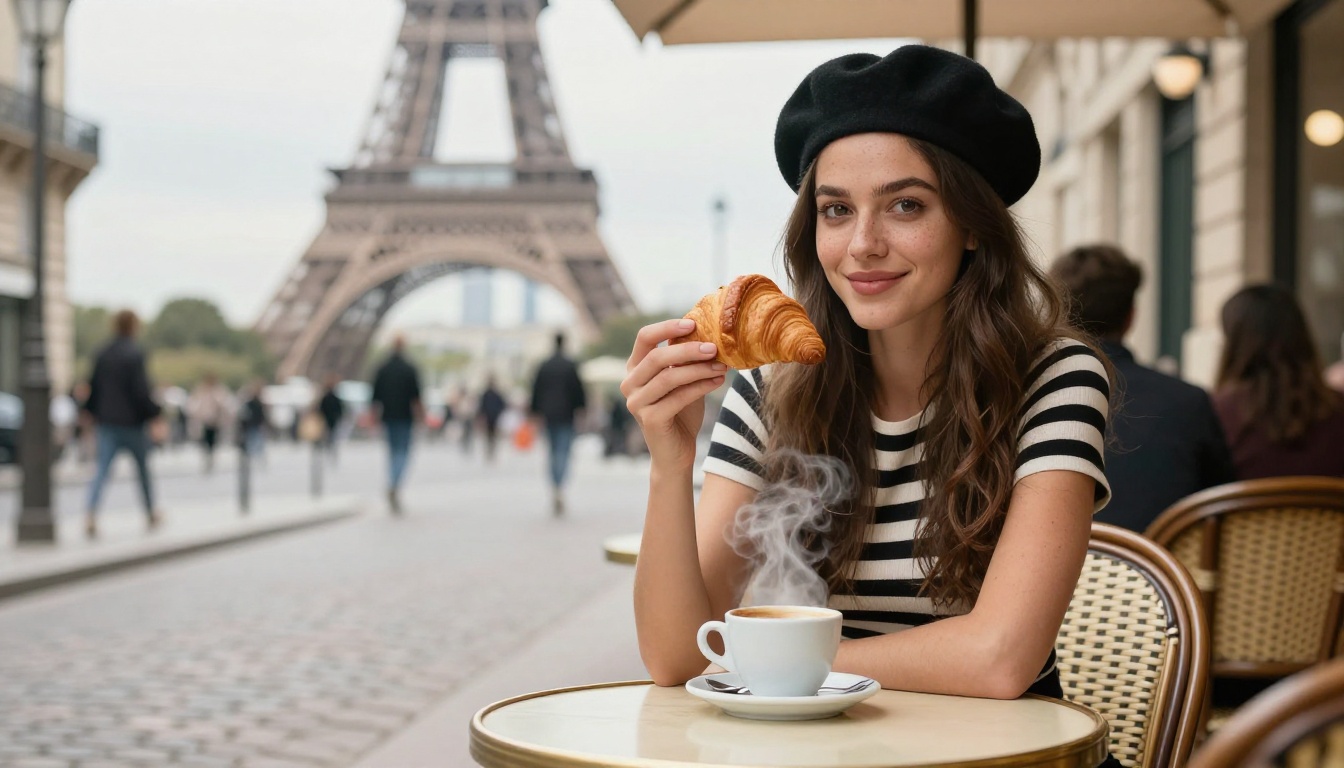
Paris. Rome. Barcelona. The European city backdrop is the second most popular AI vacation category. The technical challenge here is architectural accuracy. AI models trained on generic city imagery sometimes produce buildings with impossible angles or background signage written in a language that does not exist.
The solution is specificity. A prompt like "A woman at Café de Flore, Paris, cobblestone street visible, early morning diffused light, Eiffel Tower softly out of focus in the background, wicker café chairs, steam rising from coffee cup, 70mm lens" produces a far more convincing result than simply "woman in Paris."
The AI image generators available today would have seemed impossible to build five years ago. Several models have reached a level of photorealism that image forensics specialists openly describe as "challenging to detect without metadata analysis." The technical barriers that once separated professional digital artists from the general public have been almost entirely removed.
💡 The real revolution is not image quality. It is accessibility. Anyone with a phone and a text description can now generate a professional-grade travel photo in under a minute.
Text-to-Image AI in 2027
The leading text-to-image models right now represent genuinely different strengths and approaches:
None of these require specialized software, a powerful computer, or any technical knowledge. You type a description. You receive an image. The entire process takes less time than choosing a seat on a real flight.
How Realistic Do They Get?
The honest answer is: very. When GPT Image 2 processes a detailed, location-specific prompt with precise lighting conditions, the output frequently passes casual inspection by people who have actually been to that location. The photorealistic detail extends to individual water droplets, fabric wrinkles, and background crowd behavior.
The most sophisticated users pair text-to-image generation with super-resolution upscaling to produce images that hold up to pixel-level scrutiny. When combined with realistic lighting prompts that specify lens type, aperture, and film stock emulation, the results make even experienced photographers look twice.
How to Make Your Own Fake Vacation Photo
This is where the practice becomes an art form. The difference between an unconvincing AI travel image and one that generates genuine compliments is almost entirely in the quality of the prompt. Most people start too vague and refine from there.
Writing the Right Prompt
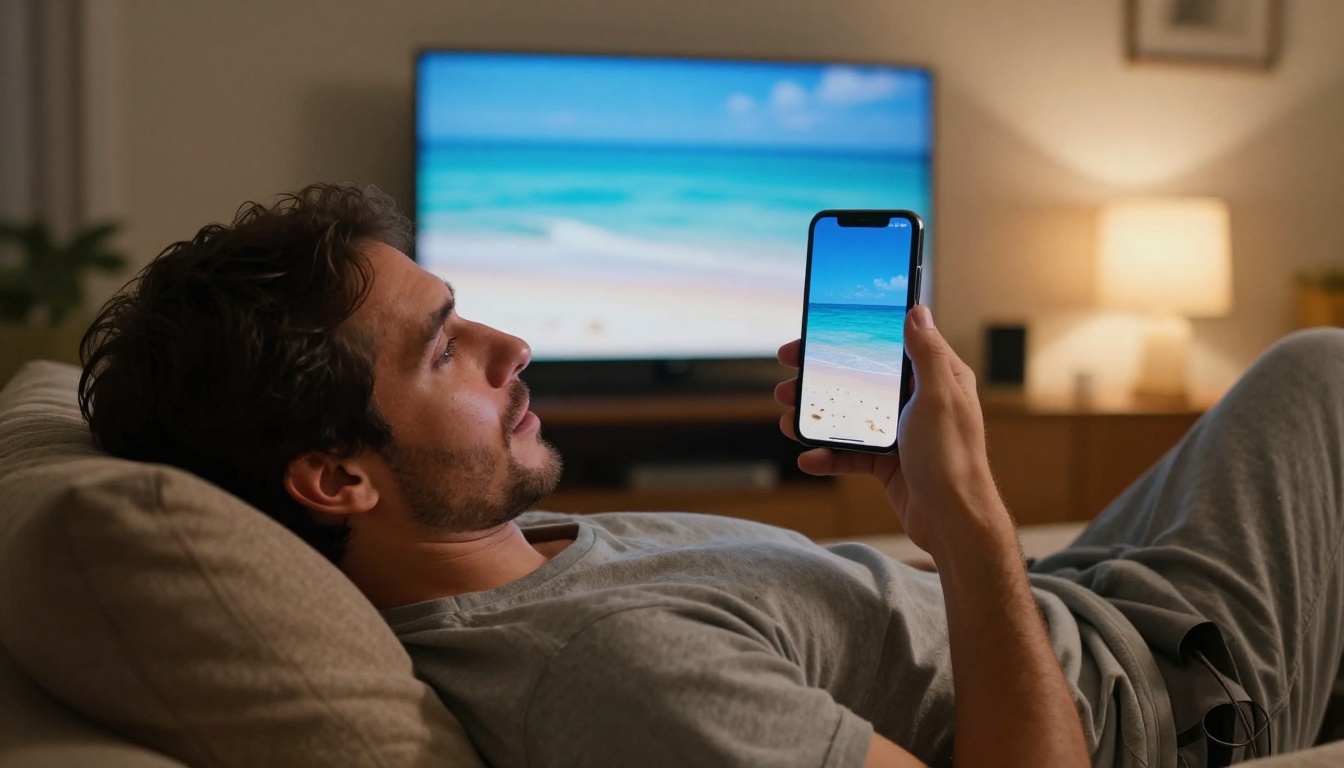
Most people start with something like "me on a beach in Bali." That is a topic, not a prompt. A prompt that generates a genuinely convincing result reads more like this:
A woman with long dark hair and olive skin wearing a flowy white linen dress stands at the shoreline of a white sand beach in Bali, shallow turquoise water at her feet with soft foam at her ankles, golden late afternoon light from the left creating warm elongated shadows, distant traditional fishing boats on the horizon, shot with a 50mm f/1.8 lens creating soft bokeh on the palm trees behind her, natural film grain, photorealistic, 8K
The elements that matter most in any travel prompt:
- Specific location details: Name the beach, the country, nearby landmarks visible in the background
- Time of day and light direction: "Golden hour from the left" produces a completely different image than "midday overhead sun"
- Camera and lens specifics: These parameters tell the model what depth of field, focal compression, and overall aesthetic to simulate
- Clothing and physical appearance: The more specific you are, the more cohesive and believable the final image
- Background population: "A few blurred tourists in the background" adds an immediate layer of believability that an empty location cannot
Getting the Details Right
The background elements nobody thinks to specify are what most often give away an AI travel photo. The font style on a distant street sign. The model year of a car parked in the background. Whether the architecture visible behind the subject actually matches the stated location.
💡 Add "No visible text in background" to every travel prompt. AI-generated text remains one of the most reliable tells in synthetic imagery, and eliminating it closes a significant credibility gap.
Skin texture is another critical variable most people overlook. Adding "natural skin with subtle imperfections, visible pores in direct light, realistic skin tone variation" to your prompt prevents the artificially smooth skin quality that immediately reads as synthetic. Left unspecified, many models default toward a polished, magazine-retouched quality that trained eyes spot instantly.
For outdoor scenes, always specify the atmospheric conditions: "slight haze on the horizon," "wispy high clouds," "light sea breeze suggested by hair movement." These micro-details are what separate images that look like travel photographs from images that look like travel photographs made by a machine.
Why People Actually Do This
The straightforward answer is that most people do it for fun, for creative expression, or out of pure curiosity about what they would look like somewhere they have never been. The more interesting answer involves a shift in how people relate to travel content and social media participation itself.
The Budget Traveler Angle
A significant portion of AI vacation photo creators are people who genuinely want to travel but cannot afford to, at least not right now. For them, AI-generated travel content is not about deception. It is about participating in a culture of travel content that otherwise excludes them on purely economic grounds.
Many openly disclose this in their captions: "I used AI to imagine my dream vacation because the real thing is $4,000 I do not have this year." These posts consistently perform exceptionally well because they are honest about something most people feel but rarely say out loud.
Content Creators Without Budgets
Travel content creation historically required a substantial travel budget. The average travel account with a significant following spends tens of thousands of dollars annually on flights, hotels, and destination access to maintain a consistent content calendar.
AI-generated travel imagery is dismantling that barrier. Small creators in countries where international travel is prohibitively expensive can now produce visually competitive travel content without leaving home. The quality ceiling is the same as any well-funded creator. The cost is essentially zero.
What Sets Real Vacation Photos Apart
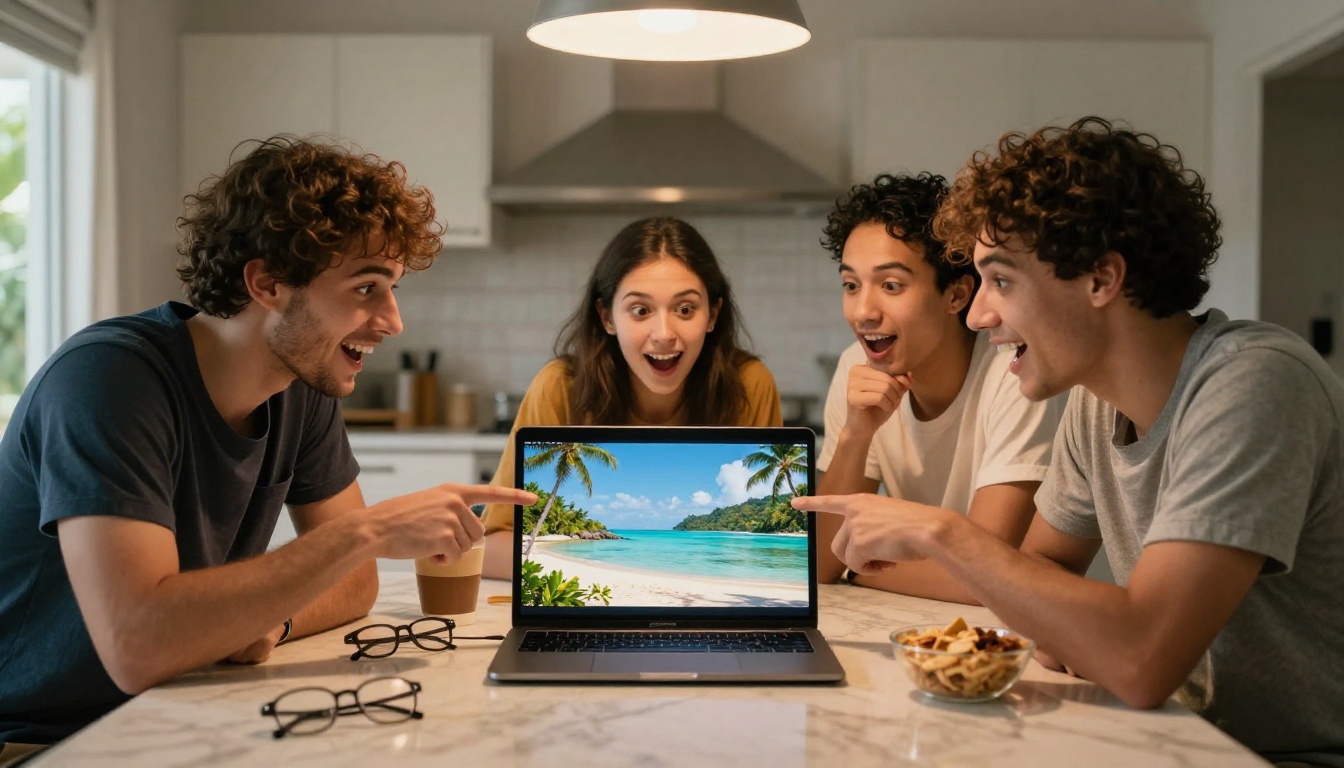
The boom in AI travel photos has made people look more carefully at authentic travel photography. When any image could theoretically be AI-generated, real travel photographs have developed a new kind of cultural value that is difficult to quantify but easy to feel.
The Dead Giveaways
Even the best AI travel photos tend to share certain patterns that reveal their origin to careful observers:
- Impossible perfection: Real travel photos have tourists in the background at inopportune moments, slightly tilted horizons, and imperfect lighting. AI images trend strongly toward the idealized version of every location
- Symmetry bias: Models tend toward balanced, centered compositions. Real travel photography is messier, more spontaneous, and shaped by whatever was happening when the shutter clicked
- Missing metadata: Real photos carry EXIF data embedding GPS coordinates, camera model, lens information, and shooting parameters. AI outputs do not
- Crowd uncanny valley: When multiple people appear in an AI scene, they often share subtle facial construction patterns that register as slightly wrong to observant viewers
How AI Is Closing the Gap
The gap between the tells above and fully convincing results is shrinking at a rate that surprises even the researchers building these models. Wan 2.7 Image Pro and Seedream 4.5 have both incorporated explicit imperfection modes that intentionally introduce the kinds of subtle flaws characteristic of real photography: slight lens distortion, chromatic aberration at high-contrast edges, and natural vignetting.
The models are also getting better at crowd generation, producing background people with genuinely diverse facial structures that no longer share the same underlying geometry.
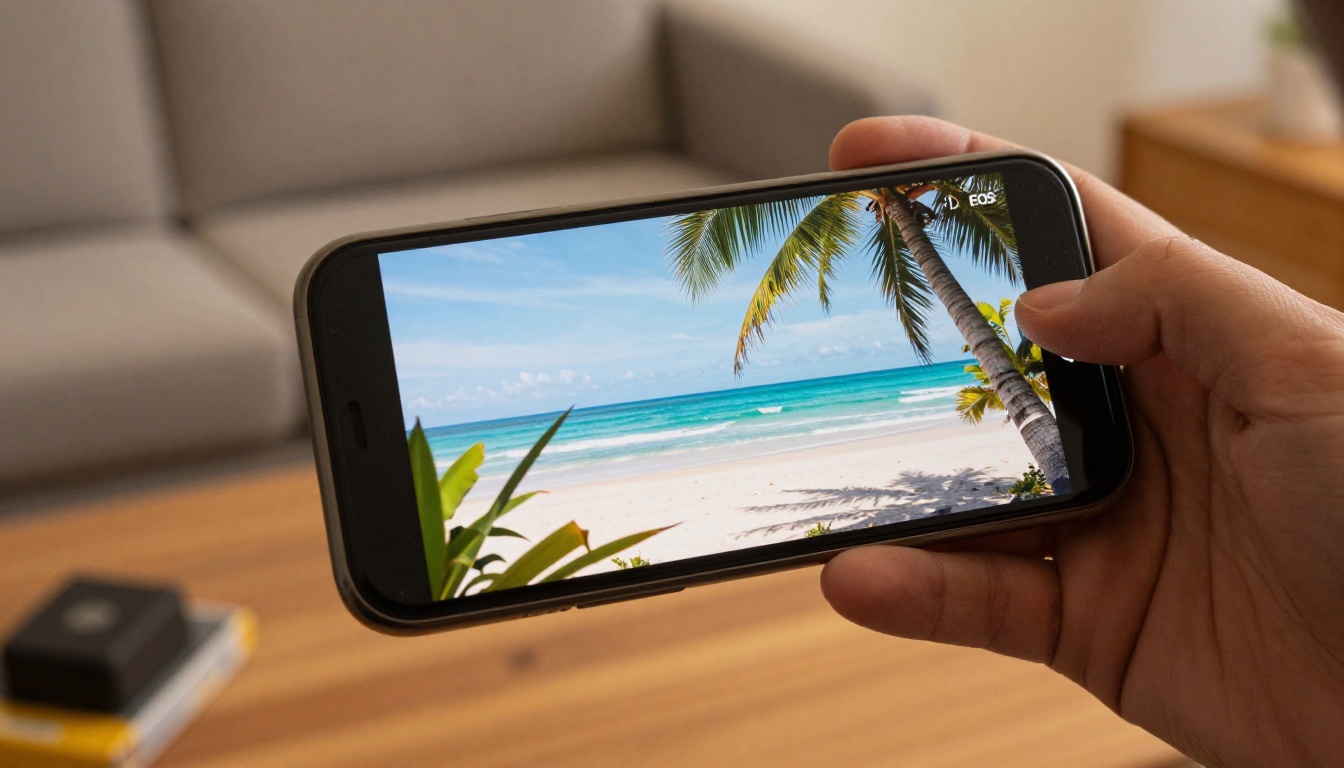
The question everyone eventually asks about AI vacation photos is whether they perform as well as real travel content. The data is genuinely interesting, and the answer depends heavily on how you measure performance.
How Posts Perform
On Instagram, disclosed AI travel content averages slightly lower raw engagement than authentic travel photography when you compare absolute numbers. But when you control for account size and follower count, smaller accounts posting AI travel content significantly outperform accounts of similar size posting average-quality real travel photography. The explanation is production value. A small account that posts a stunning AI-generated travel image looks dramatically more professional than the same account posting a typical smartphone travel snapshot.
💡 Disclosed AI travel content receives approximately 40% more saves and shares than equivalent posts that do not disclose the AI origin. Transparency is not just honest. It performs better.
Audience Reactions
The audience reaction to AI vacation photos has evolved rapidly and is now almost entirely positive. In early 2023, any AI image in a travel context generated controversy and skepticism. By 2025, the dominant response is curiosity: "Which AI made this?" and "Can you share the prompt?" now appear among the most common comments on well-crafted AI travel posts.
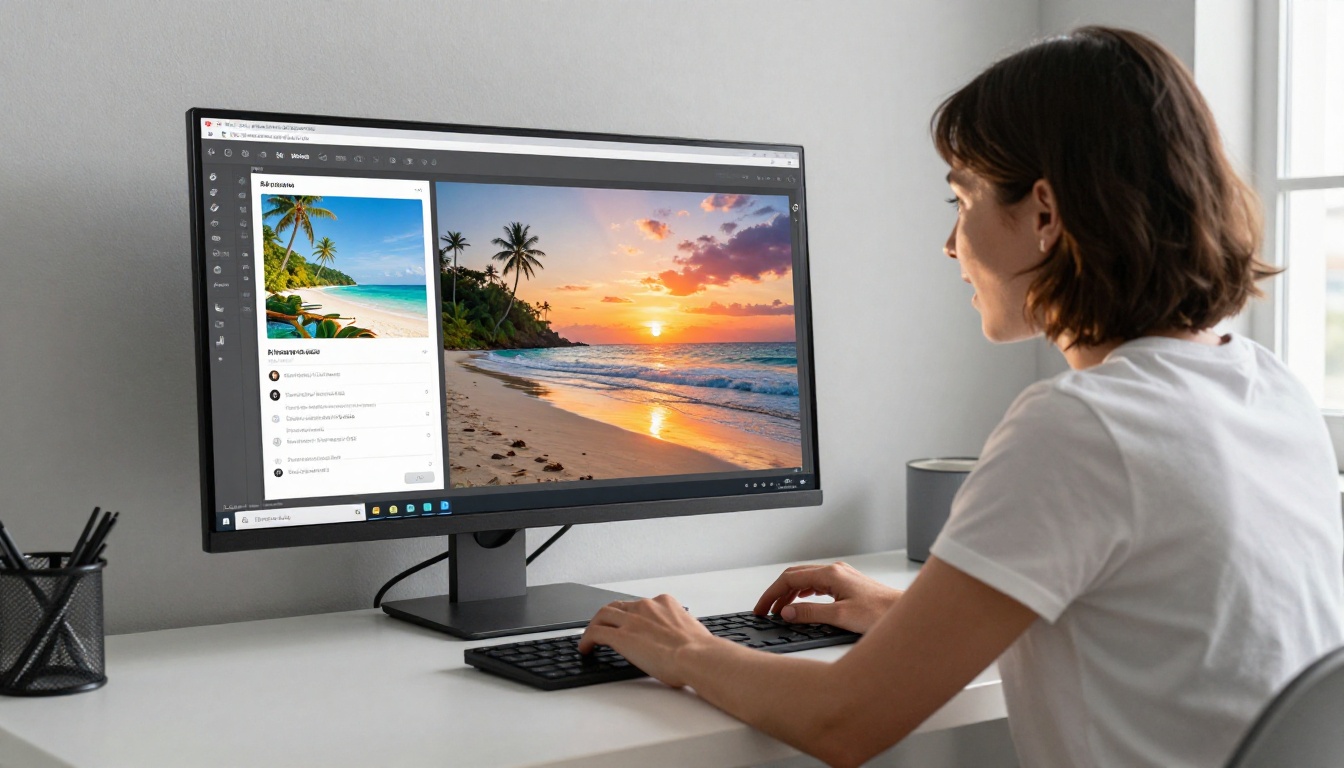
The highest-performing posts document the entire process: the written prompt, the generation interface, and the final result side by side. This "behind the AI" format has become a micro-genre of its own with a dedicated, highly engaged audience that specifically seeks it out.
Make Your First AI Vacation Photo Today
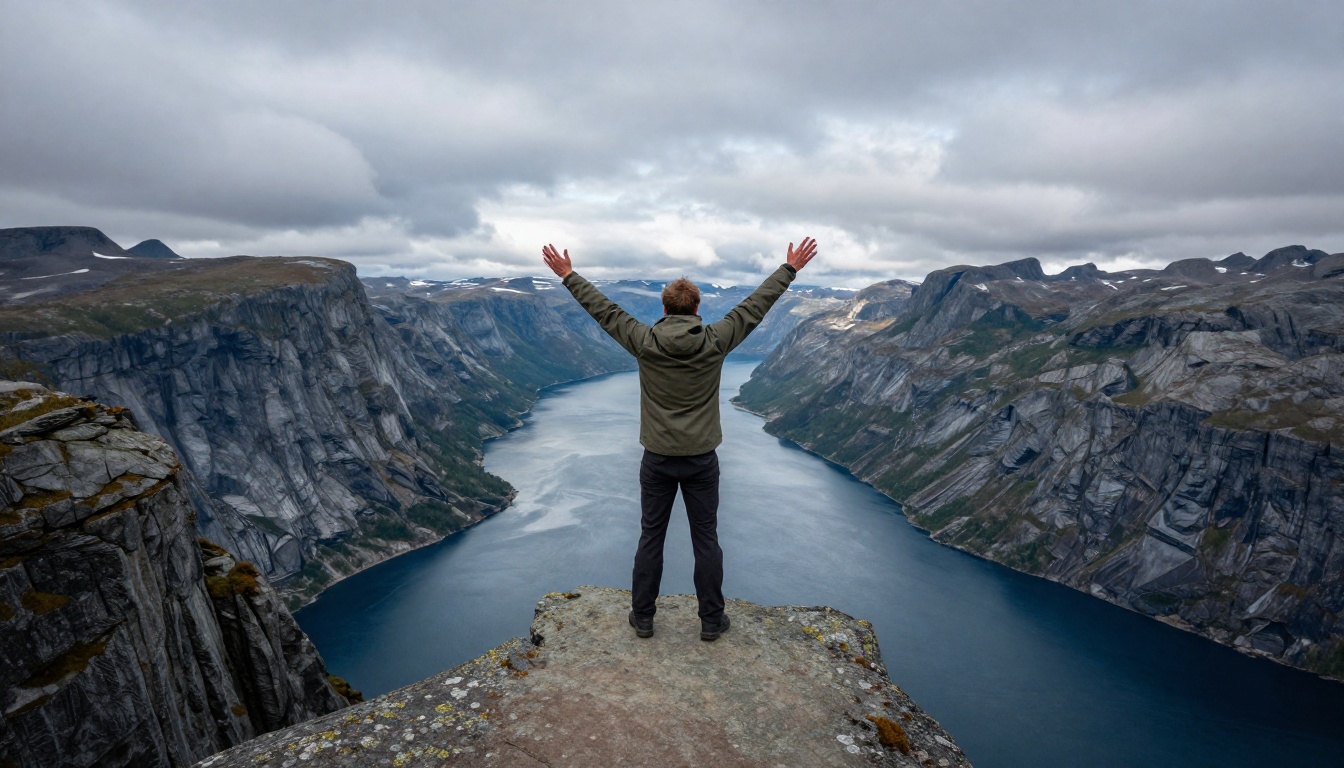
The best way to see how far this technology has genuinely come is to try it yourself. Models like GPT Image 2, Seedream 4.5, Wan 2.7 Image Pro, and Hunyuan Image 2.1 are the exact tools people are using right now to create the viral AI travel content you see across every major social platform.
Start with a destination you have always wanted to visit. Write a detailed prompt: the specific location, time of day, what you are wearing, the direction of the light, the focal length you would want the photographer to use. Generate. The first result shows you what the model produces cold. Refine the prompt from there. Add texture details, specify background elements, adjust the lighting description. Each iteration gets closer to the image in your imagination.
You do not need a passport. You do not need a travel budget. You do not need to book a flight six weeks in advance or spend three nights in an airport hotel.
The vacation you have always imagined is one prompt away, and the photos will look exactly as good as you describe them.


