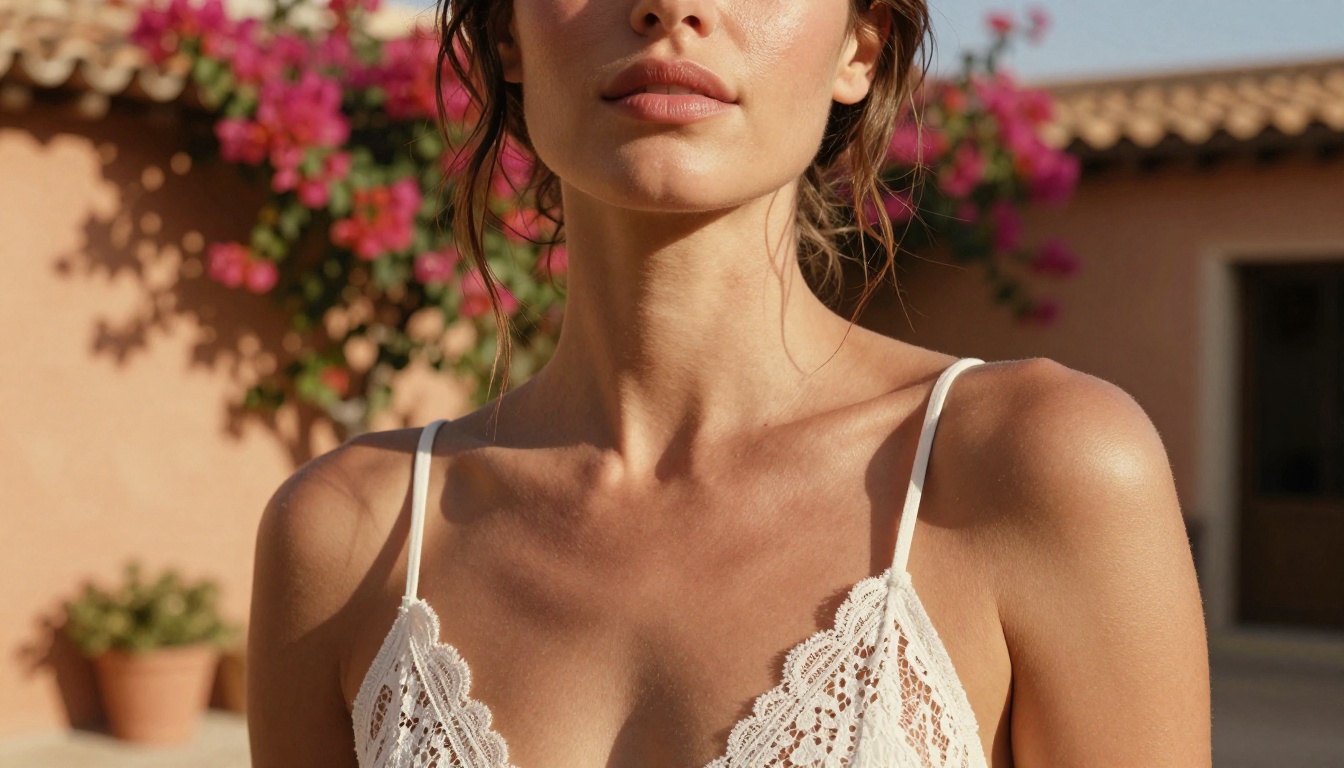
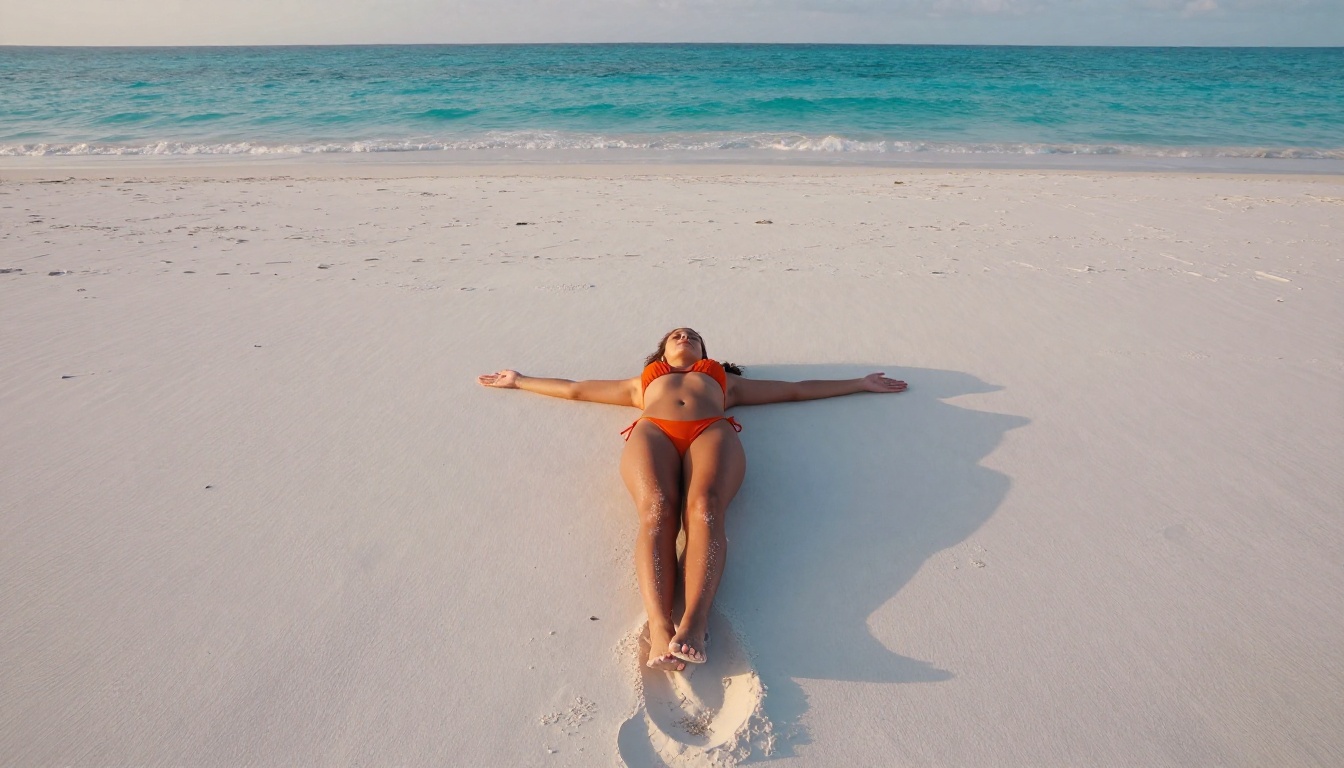
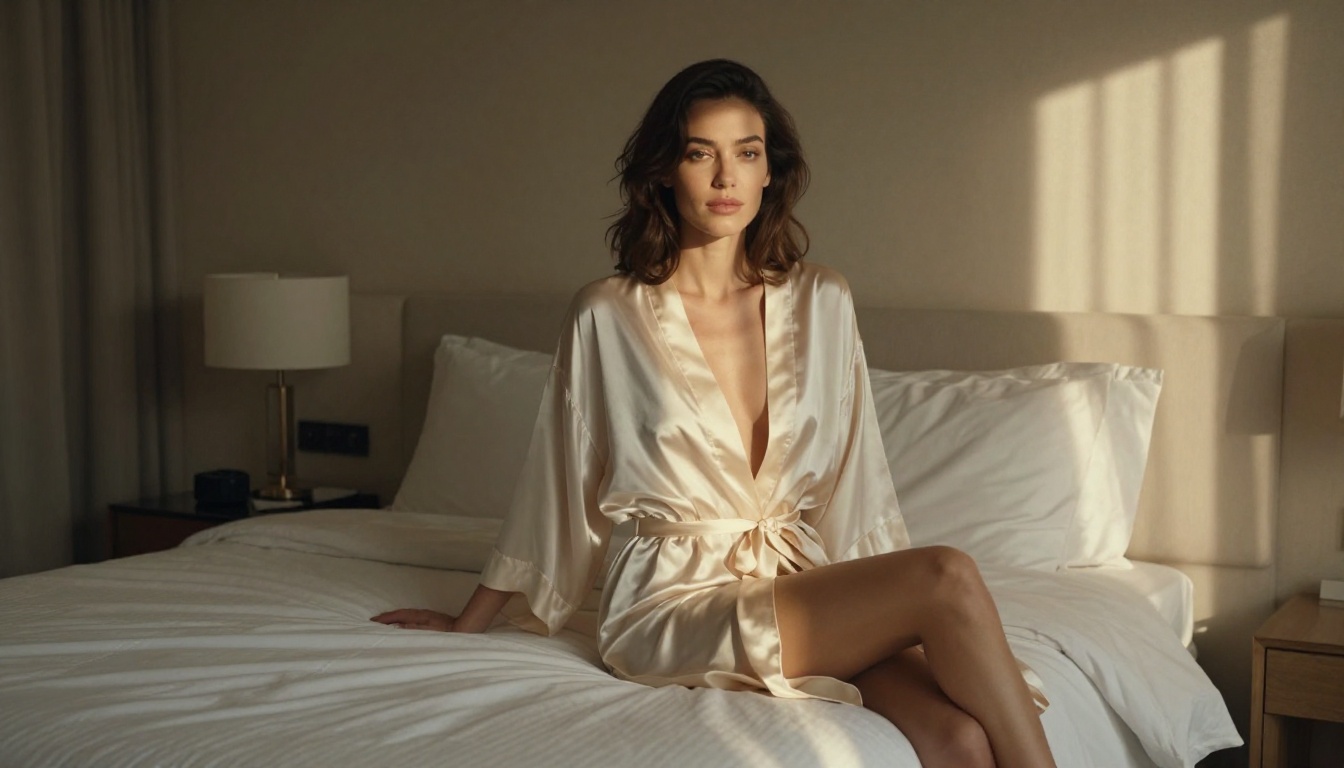
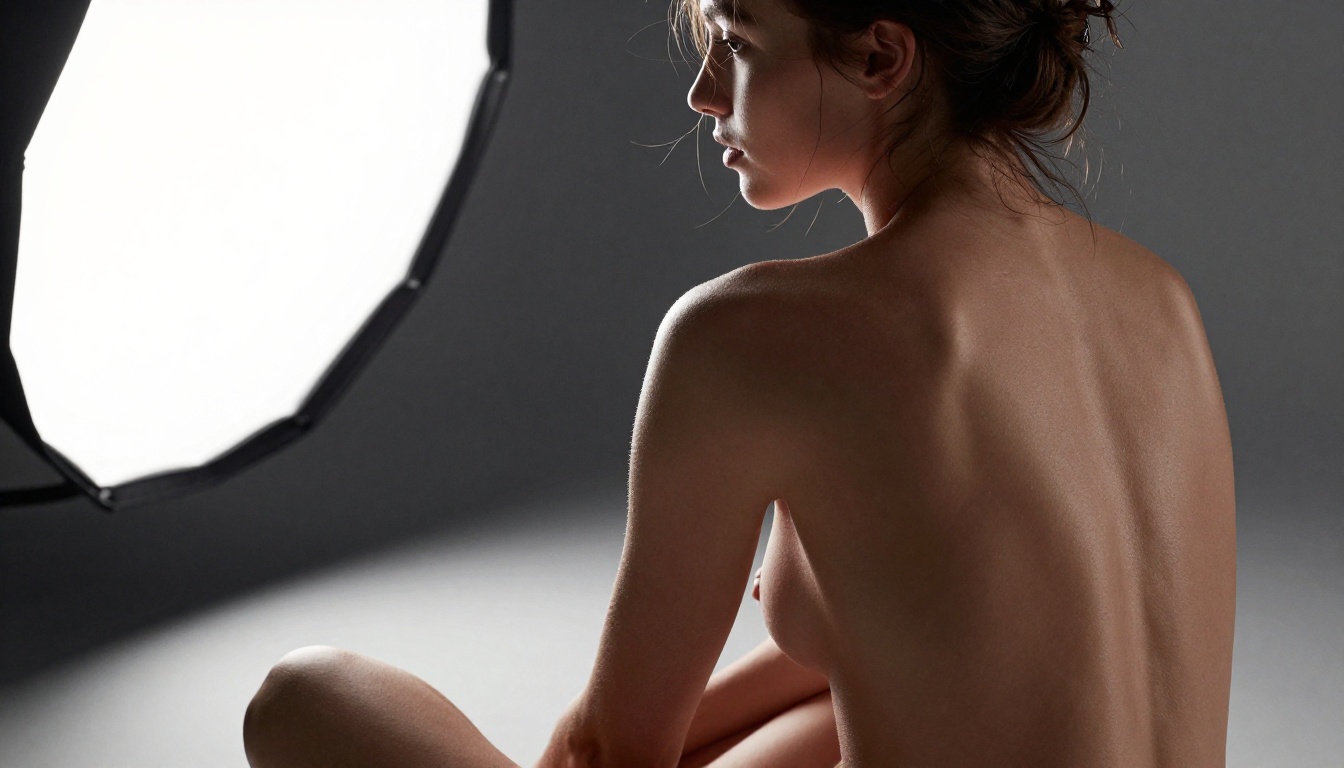
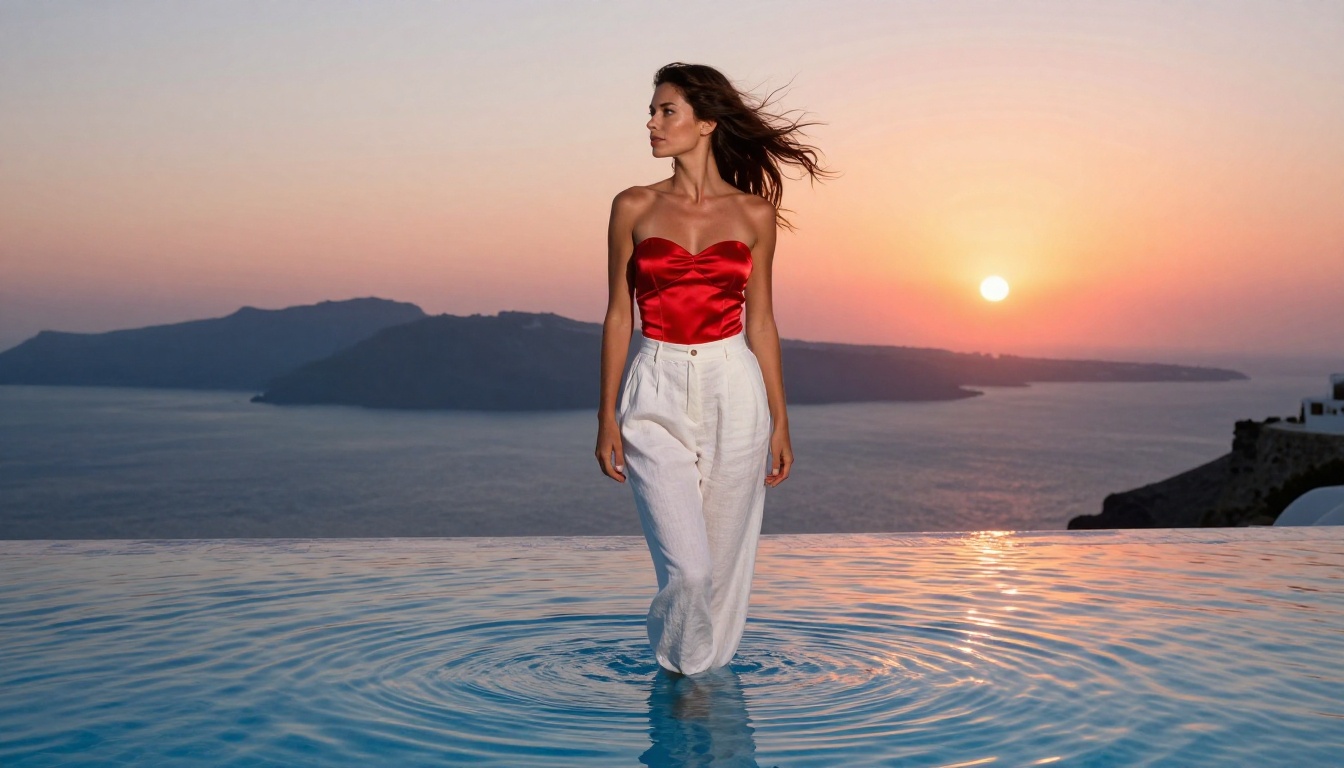
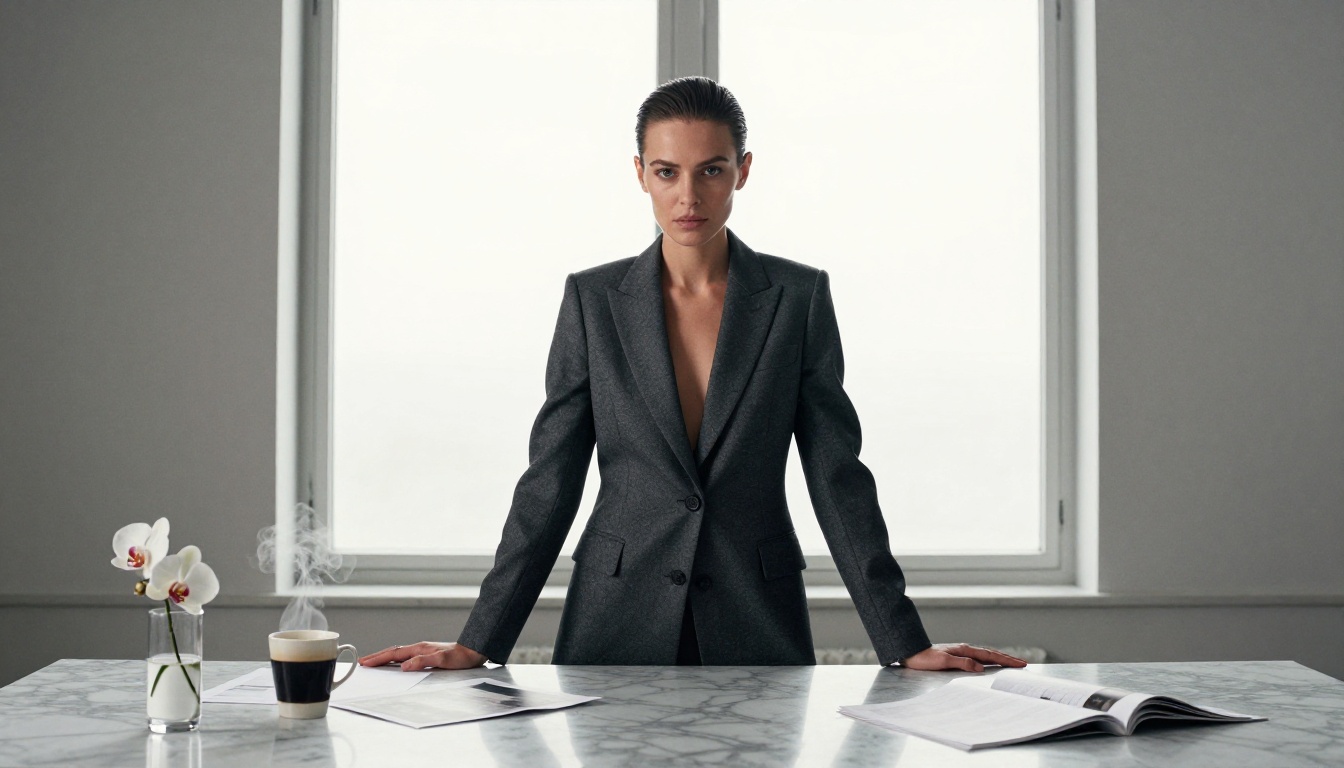
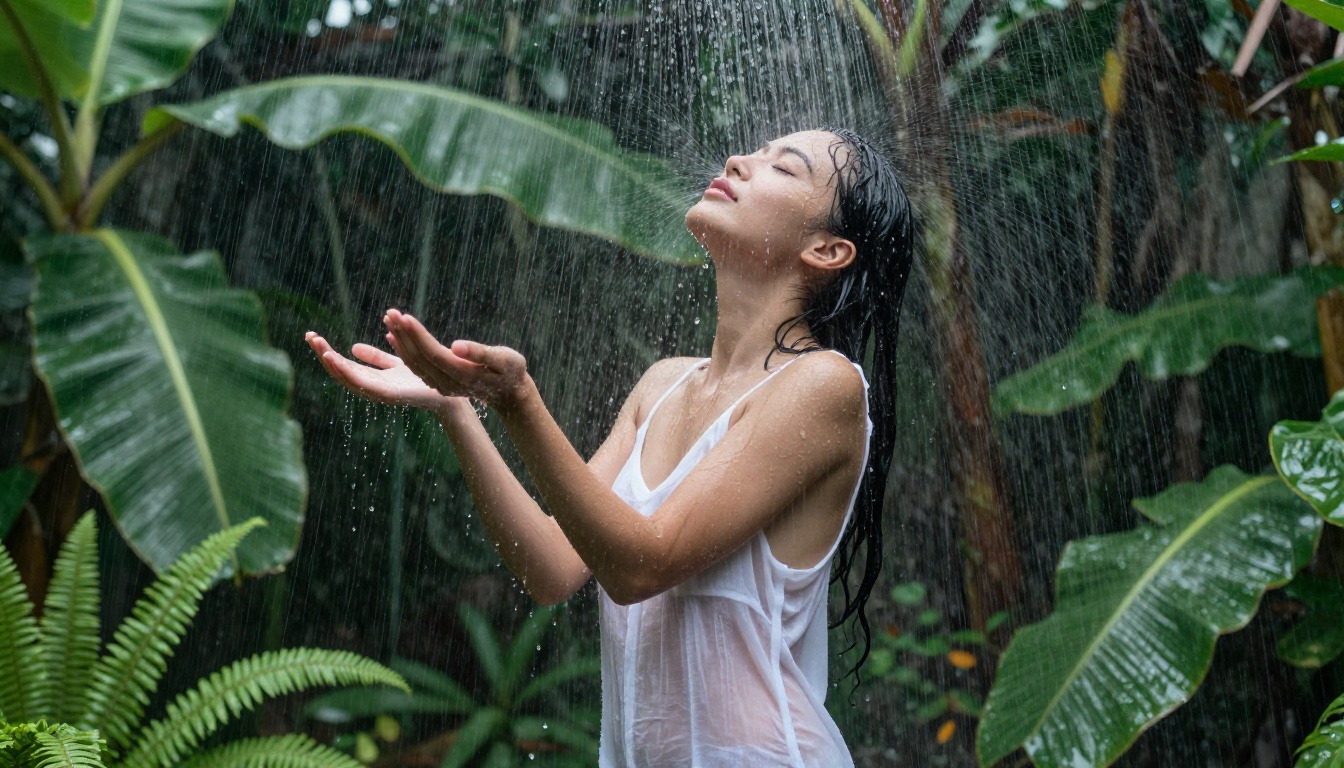
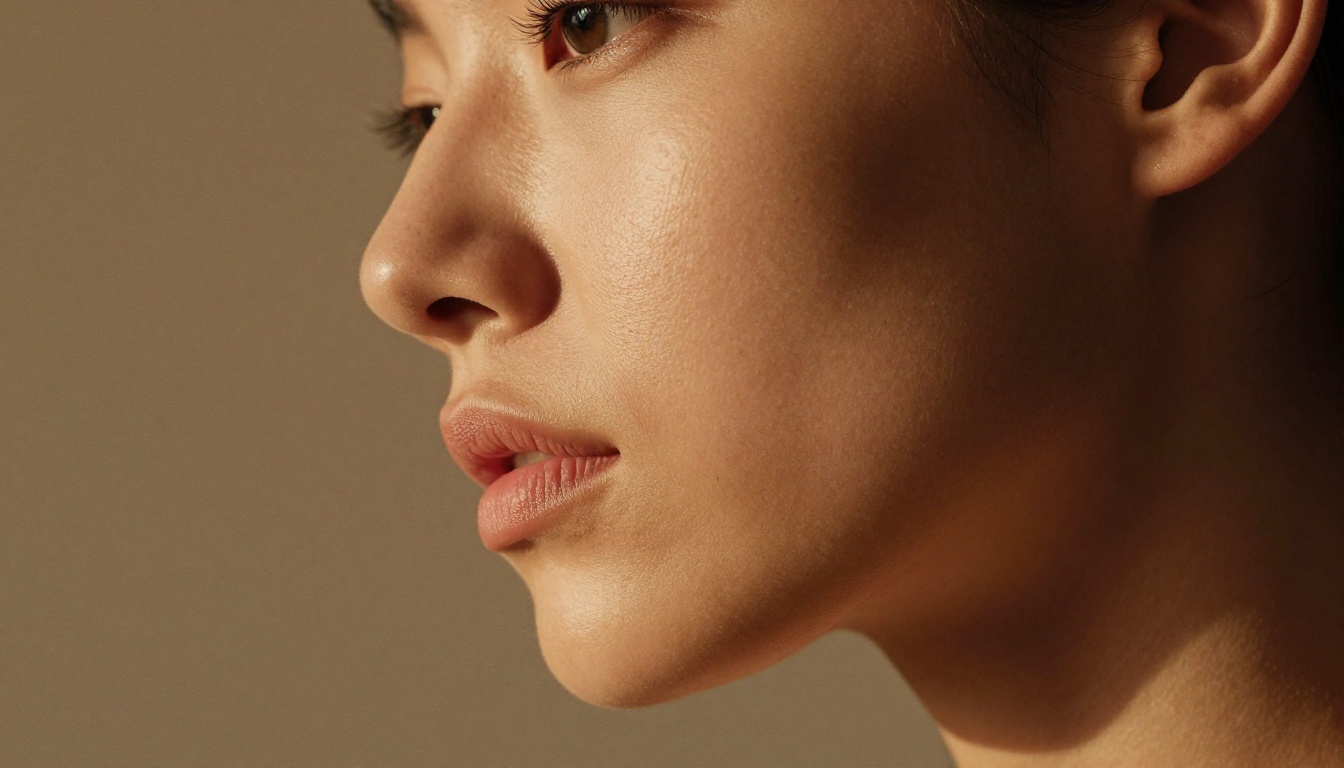
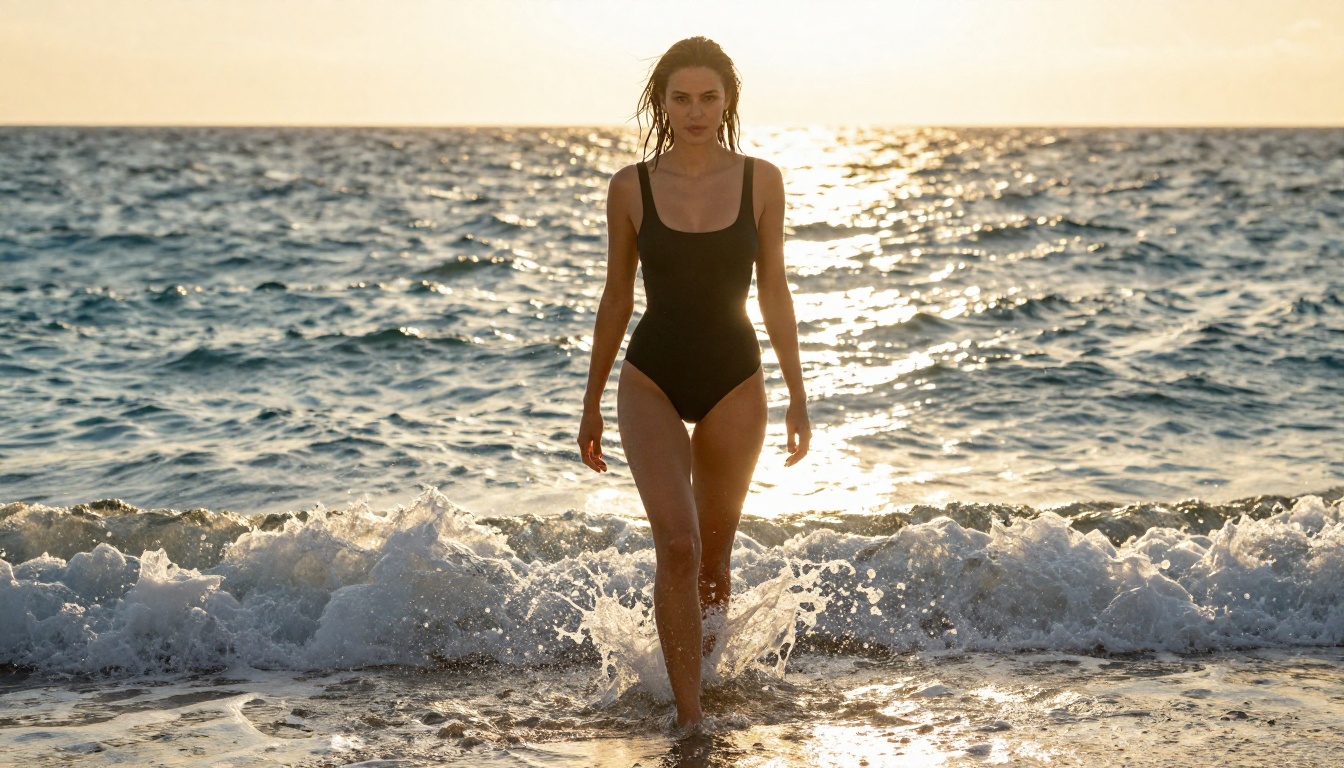
Both Qwen Image and Nano Banana are free AI image models with NSFW capabilities, but they perform very differently. This article puts them head-to-head with real prompts, showing which one delivers better image quality, fewer content restrictions, and more realistic results in 2025.
If you've spent time looking for a free NSFW AI image generator that actually works without constant blocks and blurred outputs, you've probably landed on two names: Qwen Image and Nano Banana. Both are free. Both claim to handle adult content. And both fall short in ways that matter if you care about actual image quality.
This article runs a direct, no-frills comparison between the two using identical prompts and documented real outputs. You'll see where each model excels, where each one breaks, and why most serious users end up switching to a more capable platform once they see what's actually available.
What Qwen Image Actually Is
Qwen Image is a multimodal image generation model developed by Alibaba Cloud. It was designed primarily as a general-purpose visual generator, with image quality and detail resolution as its main selling points. When it launched, the generation speed impressed people immediately. At full-free tier access, it generates images in a few seconds, and the results are sharper than most models at the same price point: free.
The model was trained on a large, broadly curated dataset. That breadth shows up in two ways. First, it handles diverse prompt types well, including architecture, product photography, and text-heavy compositions where other models fail completely. Second, that same breadth means it was not specifically optimized for human figure rendering, which is exactly what NSFW work requires most.
The Fast Free Tier
Qwen Image gives you a reasonable number of daily free generations, though the exact limit varies depending on which platform you access it through. On most testing runs, you get between 50 and 80 generations before hitting the rate wall. That's enough to experiment with prompts but not enough for a professional workflow or any extended creative session.
The model runs well on standard portrait and landscape prompts. Text rendering is stronger than average, which matters for anyone who wants captions or labels in generated images. Color grading out of the box leans toward oversaturated, vivid palettes that look polished but can come across as artificial for photorealistic work.
NSFW Handling Out of the Box
This is where things get interesting. Qwen Image applies content filters that are inconsistent in their application. Some suggestive prompts pass without friction. Others trigger refusals with no clear pattern you can predict in advance. The model doesn't distinguish well between artistic nudity and explicit content, which means it both over-blocks and under-delivers.
For free NSFW testing, the biggest frustration is not knowing which prompts will work before you spend a generation credit. You can run a prompt that should pass easily and get a censored result, then rerun the same prompt with a minor word change and it goes through. That inconsistency wastes credits and breaks creative momentum entirely.
Nano Banana in Plain Terms
Nano Banana is a compact image generation model that became popular in NSFW-focused communities for one simple reason: its content filter is lighter than most competing models. It's fast, small, and it doesn't ask many questions about what you're trying to create.
Why It Got Popular
The model gained significant traction in 2024 when several free hosting platforms added it to their model catalogs. Users found that it passed prompts that Stable Diffusion-based checkpoints refused outright. The name itself became a kind of inside reference in adult AI communities: if you want something quick and less restricted, Nano Banana was the shortcut everyone mentioned.
At its best, the model generates images with reasonable composition. Faces aren't great. Hands are inconsistent in the usual AI ways. The resolution ceiling is lower than competitors. But for quick NSFW iterations where quality is secondary to getting something out fast, it served the purpose well enough to build a loyal following.
What It Actually Allows
Nano Banana has fewer hardcoded refusals than Qwen Image. It passes explicitly suggestive prompts more consistently across sessions. However, the image quality tradeoff is real and visible at full resolution. Skin textures look plastic when zoomed in. Lighting is flat and directional in ways that don't match real photography. Backgrounds fall apart quickly when you move beyond simple solid-color settings.
The model was never designed for photorealism. It generates images that look like what they are: outputs from a small, fast model with limited training data and no real-world photographic grounding. For casual, quick-iteration use, that's acceptable. For anyone who needs the image to actually look like a photograph, it falls short in obvious ways.
💡 The real test isn't which model passes more prompts. It's which model produces images worth keeping.
The Real Comparison Test
To run a fair head-to-head evaluation, three distinct prompt types were used: a standard beauty portrait, a suggestive outdoor scene, and an artistic implied-nudity composition. Each prompt was identical across both models, submitted five times each to average out generation variance across sessions.
Same Prompt, Two Results
Metric
Qwen Image
Nano Banana
Beauty portrait quality
High
Medium
NSFW pass rate
~55%
~80%
Skin texture realism
Good
Poor
Face accuracy
Strong
Inconsistent
Background detail
Moderate
Weak
Generation speed
Fast
Very Fast
Free daily limit
~60 gens
~40 gens
Output resolution
1024px
768px
The numbers tell a partial story. Nano Banana passes more NSFW prompts on the first attempt. Qwen Image, when it does pass a prompt, returns a noticeably better image across every quality metric in the table.
Where Quality Falls Apart
Nano Banana's main failure point is skin texture. In close-up crops of any generated image, the skin surface looks like painted plastic rather than biological tissue. There's no visible pore structure, no micro-hair, no natural sheen variation across different lighting zones on the body. The model simply hasn't seen enough high-quality photographic data to reproduce those details accurately.
Qwen Image handles skin better in portrait compositions, particularly for faces. The problem is getting it to produce anything beyond a simple face shot. Full-body compositions often produce anatomical errors: disproportionate limbs, merged fingers, impossible body joint angles that look fine at thumbnail size and wrong when examined closely.
Content Filters Side by Side
Neither model is fully uncensored in any meaningful sense. Qwen Image uses a probabilistic filter that sometimes trips on specific words in the prompt rather than on the actual semantic content of what's being requested. Nano Banana uses a lighter classification approach that blocks fewer prompts but still refuses anything its classifier categorizes as explicitly sexual.
For users who need truly unrestricted, high-quality NSFW image generation, neither model fully solves the problem. Each one trades quality for permissiveness or permissiveness for quality, but not both simultaneously.
Speed, Cost, and Free Limits
Both models offer free access, but how they structure that access differs in ways that affect daily usability for anyone doing serious creative work.
Generations Per Day
Qwen Image's free tier runs between 50 and 80 generations per day on most platforms. Some API-based access points give unlimited generation attempts with rate limiting rather than hard daily caps. Nano Banana caps around 40 generations per day on most free-tier implementations, though a few platforms host it without daily limits.
Neither model requires account registration on every platform that hosts it. However, the platforms with the most open access often have the weakest infrastructure and the most unstable uptime. You'll hit daily caps right when you're in the middle of finding a prompt that works.
For anyone doing iterative NSFW prompt work, 40 to 80 generations per day is a real constraint. Finding a single good prompt can take 20 to 30 variations alone. Add upscaling, aspect ratio adjustments, and lighting tweaks, and you've used your daily limit before you have one finished image.
Output Resolution
Qwen Image generates at 1024 x 1024 by default, with some platform implementations supporting 16:9 and portrait ratios at equivalent resolution. Nano Banana peaks at 768 pixels on most implementations, which is borderline for displaying photorealistic human figures at any meaningful size.
Resolution matters more for NSFW content than for other image types because low resolution hides the detail failures that make AI images look artificial. At 768 pixels, plastic skin and merged fingers are less visible at a glance. Scale the image up and they become the dominant visual element, ruining the output.
💡 Always generate at the highest available resolution before upscaling. Starting from 768px and scaling to 1024px adds artifacts. Starting from 1024px and scaling to 2048px adds genuine photographic detail.
What PicassoIA Does Better
Both Qwen Image and Nano Banana solve half the problem. The platform PicassoIA solves it fully: better models, no generation caps on the Pro tier, and direct access to the best NSFW-capable models currently available anywhere.
Seedream 4.5 for NSFW Images
Seedream 4.5 is the model that changes the comparison entirely. Built by ByteDance, it generates photorealistic human figures with a level of skin texture accuracy that neither Qwen Image nor Nano Banana approaches, even at their best outputs.
The model handles NSFW content without the inconsistent filter behavior that makes Qwen Image frustrating to use. Prompts pass or fail based on their actual semantic content rather than on keyword detection within the prompt string. Outputs at high resolution show visible skin pores, natural lighting variation across body surfaces, and realistic fabric-to-skin interaction that reads as photographic.
For portrait-focused NSFW work, Seedream 4.5 is the current benchmark. It produces images that read like editorial photography rather than AI approximations of it.
Why it beats both free models:
Consistent photorealistic skin rendering at full resolution
Predictable content handling without phantom keyword blocks
1024px native output with 16:9 ratio support
Faster generation than Qwen Image at comparable quality levels
No daily generation cap on the Pro tier
PicassoIA Image Editor Pro
PicassoIA Image Editor Pro gives members unlimited generations without daily caps. This is the practical difference between hobbyist use and a viable creative workflow. When you're iterating through prompt variations to find the right lighting, body position, and background combination, running out of daily credits after 60 attempts kills all momentum.
With unlimited access, you can run 300 variations in a session if your creative work demands it. For NSFW prompt work specifically, that iteration room is essential. Small changes in prompt wording produce dramatically different results, and finding the right version often takes more attempts than any free-tier daily cap allows.
Top NSFW Models Worth Trying
PicassoIA hosts over 90 text-to-image models, and several beyond Seedream 4.5 are relevant for NSFW and artistic work:
Seedream 4.5 on PicassoIA requires no technical setup whatsoever. No API keys to manage. No local installation. No model weights to download or configure on your hardware.
Select your target ratio: 1:1 for portraits, 16:9 for landscape or full-body compositions
Set quality to High for photorealistic NSFW work
Click Generate and wait 4 to 8 seconds for the result
No model configuration required. Negative prompts are optional but improve results when used correctly. No local hardware requirements at any point.
Writing Prompts That Actually Work
Seedream 4.5 responds well to structured prompts that include specific physical descriptions, lighting source information, and camera specifications. The model reads scene context deeply, so adding specifics improves output quality substantially compared to vague descriptors.
Effective prompt structure:
[Subject + clothing/state] + [pose/action] + [environment] + [lighting direction and quality] + [camera and lens] + [film grain reference]
Example that works consistently:
Woman in black satin lingerie, seated at bed edge facing camera, morning light through sheer curtains from the left, Sony A7R V 85mm f/1.8, natural skin texture, Kodak Portra 400
What to avoid in prompts:
Abstract descriptors like "beautiful" or "perfect" without physical specifics to back them up
Conflicting lighting sources (e.g., both "golden hour sun" and "studio softbox" in the same prompt)
More than five unrelated scene elements competing for the model's attention in a single generation
💡 Add "natural skin texture, visible pores, film grain" to any Seedream 4.5 portrait prompt. These three modifiers consistently produce better skin realism than any other single change.
Upscaling Your Best Results
Even Seedream 4.5 produces outputs that benefit from upscaling when you need print-ready or large-display-resolution images for any serious use.
Best Free Upscaling Tools
PicassoIA's super-resolution section gives you several options that perform well on photorealistic NSFW content:
Crystal Upscaler: Designed specifically for portrait work. It adds skin detail micro-texture that AI generators typically miss at base resolution. Best choice for face and upper-body close-ups generated by Seedream 4.5.
Real ESRGAN: Classic 4x upscaling with strong artifact removal built in. Works reliably on any Seedream 4.5 output where background detail is soft or unresolved.
Image Upscale by Topaz: Up to 6x enlargement without visible quality loss. Ideal for outputs you plan to use at large print sizes or in high-resolution display environments.
Clarity Pro Upscaler: Goes beyond simple resolution increase. It adds perceptual detail that makes photorealistic images read even more like actual photographs when examined at full zoom.
For NSFW content specifically, Crystal Upscaler and Clarity Pro produce the best skin texture results after upscaling. Real ESRGAN is the fastest option and works reliably across all image types without requiring specific model knowledge or setup.
Stop Settling for Limited Models
Qwen Image and Nano Banana both do something right. Qwen delivers better image quality at its best. Nano Banana offers fewer content restrictions on average. But neither model gives you both at the same time, and neither one approaches what Seedream 4.5 produces on PicassoIA.
The comparison between these two free models matters for understanding where the free market currently sits. But the real picture only appears when you put those results next to what a properly trained, uncapped, photorealistic-first model actually produces.
What this test showed clearly:
Nano Banana passes more prompts but produces inferior images at every quality metric
Qwen Image produces better images but blocks more prompts with inconsistent, unpredictable behavior
Seedream 4.5 on PicassoIA produces higher-quality images than both, and handles NSFW content more consistently than either model combined
If you've been cycling through free models looking for the one that actually works, the search ends when you try Seedream 4.5 on PicassoIA. Generate your first images without spending anything, iterate without hitting daily caps through PicassoIA Image Editor Pro, and upscale your best results using Crystal Upscaler or Clarity Pro.
The full model library, including every tool referenced in this article, is waiting at picassoia.com/en/all-models.