Both Reve AI and Ideogram have carved out serious reputations in the text-to-image space, but they serve different creative needs. Picking the wrong one costs you time, money, and frustration. This breakdown puts both tools head-to-head on the metrics that actually matter: output quality, text rendering accuracy, speed, pricing structure, and real-world usability for designers, marketers, and content creators who need images that work.
What Sets These Two Apart
Reve AI and Ideogram share the same basic promise — type a prompt, get an image. But the philosophy behind each tool is fundamentally different, and that difference shapes everything from the output aesthetic to which workflows each platform actually fits.
Reve AI at a Glance
Reve AI is a newer entrant that has rapidly built a following for its photorealistic output quality. Its core strength is producing images with natural detail, coherent composition, and strong adherence to complex, multi-element prompts. The interface is clean and approachable, and the generation speed is competitive with the top models currently available.
Where Reve AI shines is in portrait work, lifestyle photography aesthetics, and detailed scene construction. If your prompt involves a person, a setting, and a specific atmosphere, Reve AI tends to render all three coherently without sacrificing one for the other. The model seems particularly well-calibrated for spatial relationships and lighting logic.
Reve AI also handles stylistic variety well. Whether you are prompting for editorial fashion, street photography, interior design, or nature photography, the outputs carry a consistent filmic quality that distinguishes them from the generic, over-sharpened look that plagues older diffusion-based tools.
Ideogram at a Glance
Ideogram built its reputation almost entirely on one thing other text-to-image tools struggled with for years: text rendering inside images. Logos, posters, t-shirt designs, social media graphics with readable copy, typographic art, and branded visuals — Ideogram handles these with a precision that made designers take notice when the platform launched.
Beyond typography, Ideogram V2 and its successor models have improved substantially in photorealism and prompt following. It now competes across categories, not just the typography niche it dominated early on. The platform has added features for style reference, character consistency, and aspect ratio control that expand its usefulness well beyond the original text-in-image use case.

Image Quality Face-Off
Raw output quality is the starting point for any comparison like this. Both tools have trained on massive datasets, but their aesthetic fingerprints are distinct, and knowing those differences before you commit to a workflow saves significant back-and-forth.
Reve AI Output: Natural and Filmic
Reve AI images tend to carry a filmic quality that sets them apart from most AI-generated visuals. The color grading leans toward natural tones rather than oversaturated, punchy results. Skin textures in portraits look believable. Background elements maintain proportional realism without the generic look that plagues older diffusion models.
For prompts requiring volumetric lighting, photographic composition, and lifelike material surfaces, Reve AI consistently delivers strong results without heavy prompt engineering. This is a significant practical advantage. Less time spent on prompt iteration means faster workflows, particularly for creators who are not AI-specialist but still want professional-grade outputs.
The model also handles complex indoor and outdoor scenes well. Architectural interiors, crowd scenes, and environmental storytelling images all resolve with a sense of physical plausibility that makes the outputs usable without extensive touchup.
Ideogram Output: Polished and Versatile
Ideogram produces images with a slightly more polished, commercial aesthetic. Colors tend to be vibrant and contrast-forward. Edges are clean. The overall visual impression is "ready for production" in a graphic design sense, which works exceptionally well for marketing assets, product mockups, and social media content where a clean, professional look matters more than raw photorealism.
Note: Ideogram's default color palette tends toward vibrancy. If your workflow requires muted, cinematic tones, you need to be specific in your prompt to override the default aesthetic direction.
The versatility of Ideogram has improved significantly across recent model versions. It is no longer just a typography tool with mediocre image quality. For commercial creative work — particularly anything that will be printed, used in advertising, or placed on branded materials — the output quality is genuinely strong.
Side by Side: What Each Does Better
| Category | Reve AI | Ideogram |
|---|
| Portrait realism | Excellent | Good |
| Lifestyle scenes | Excellent | Good |
| Typography in images | Weak | Excellent |
| Logo and graphic design | Poor | Strong |
| Product photography | Good | Strong |
| Abstract and artistic | Good | Good |
| Consistent characters | Good | Excellent |
| Prompt adherence | Strong | Strong |
| Default color palette | Natural, filmic | Vibrant, commercial |

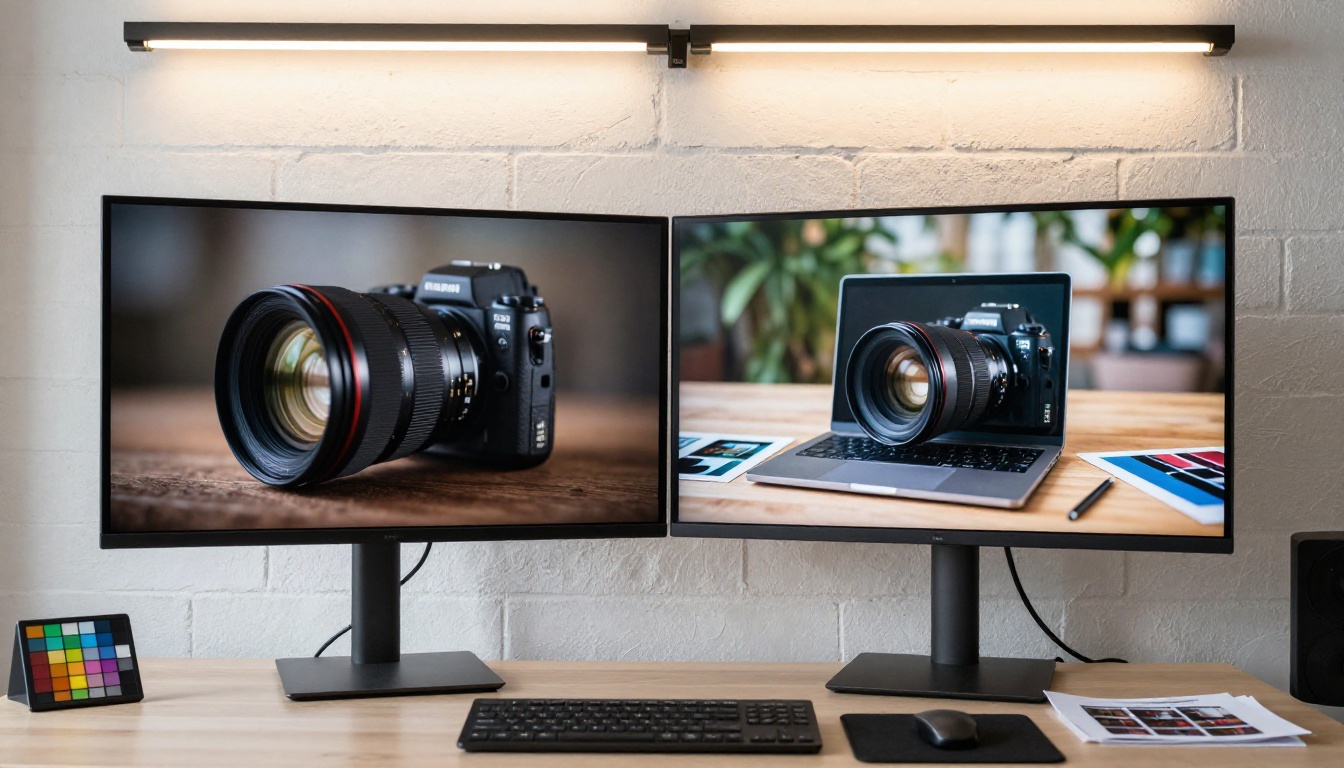
How Each Handles Text in Images
This is where the gap between these two tools becomes most pronounced. For many professionals, this single capability determines which tool they reach for by default.
Ideogram's Text Rendering is Still the Standard
No tool in the text-to-image space handles embedded typography as reliably as Ideogram. Spell a word in your prompt, and Ideogram renders it accurately. This sounds simple, but it remains a persistent weakness across most competing models, including those built on Stable Diffusion or Flux architectures.
Poster designs with multiple lines of copy, business card mockups, book covers with title and author name, product packaging with brand copy — Ideogram handles all of these with a reliability that was impossible to find in AI image generation tools even two years ago.
The Ideogram Character model extends this into character consistency. It lets you maintain the same styled character or visual persona across multiple images — something that is genuinely difficult to achieve with prompt-only approaches in other platforms. For brands running serialized content, storyboards, or illustrated campaigns, this capability is a significant practical advantage.
Reve AI's Text: Work in Progress
Reve AI's text rendering is notably weaker. Simple, short words displayed in large fonts can produce acceptable results, but anything involving multi-word phrases, small-scale typography, or stylized lettering tends to introduce errors. Misspellings, garbled characters, inconsistent spacing, and letterform distortions are common enough to be a real workflow problem.
If readable text is a requirement for your output, Ideogram is not just better in this regard — it operates in a different category entirely. Reve AI has not prioritized this capability in the same way, and the output reflects that.
When Text Rendering Actually Matters
It is worth being clear about the use cases where text in images is a hard requirement versus a nice-to-have.
Requires accurate text: Posters, flyers, social graphics, book covers, album art, product labels, event banners, typographic art, branded templates, signage mockups.
Text is optional: Editorial photography, scene illustrations, portrait work, lifestyle visuals, background images, environmental storytelling.
If your work sits predominantly in the second category, Reve AI's text limitation is largely irrelevant. If you regularly produce assets from the first category, Ideogram is the clear operational choice.

Speed and Pricing Compared
Both tools offer free tiers with generation limits, plus paid plans for heavier usage. The economics are similar enough that the decision rarely comes down to price alone.
Reve AI Pricing
Reve AI's free plan is generous by current standards, offering daily generation credits that reset automatically. No account creation is required to try the platform, which lowers the barrier to testing it. Paid plans scale based on monthly credit volume, with faster queue priority for premium subscribers. The paid tier is priced competitively against comparable tools.
Ideogram Pricing
Ideogram operates on a similar freemium model. The free tier includes a set number of daily images at standard resolution. Paid plans add priority generation, private mode to keep your prompts and outputs confidential, higher resolution outputs, and larger monthly generation volumes. For teams and agencies, the business tier adds collaboration features.
Speed Comparison
Both platforms generate images in roughly 5 to 15 seconds under normal load conditions. Neither has a significant edge on raw generation time for standard 1:1 or landscape prompts. Under high platform load, premium subscribers on both tools get queue priority, which can make a practical difference during peak usage windows.
Tip: If you need to generate high volumes quickly, tools like Flux Schnell and Flux Fast are specifically optimized for generation speed, often delivering results in under 3 seconds per image, which adds up to significant time savings at scale.

Who Should Use Reve AI
Reve AI is the stronger pick in specific, well-defined scenarios where photorealism and scene coherence take priority over typography and commercial polish.
Portrait and People Photography
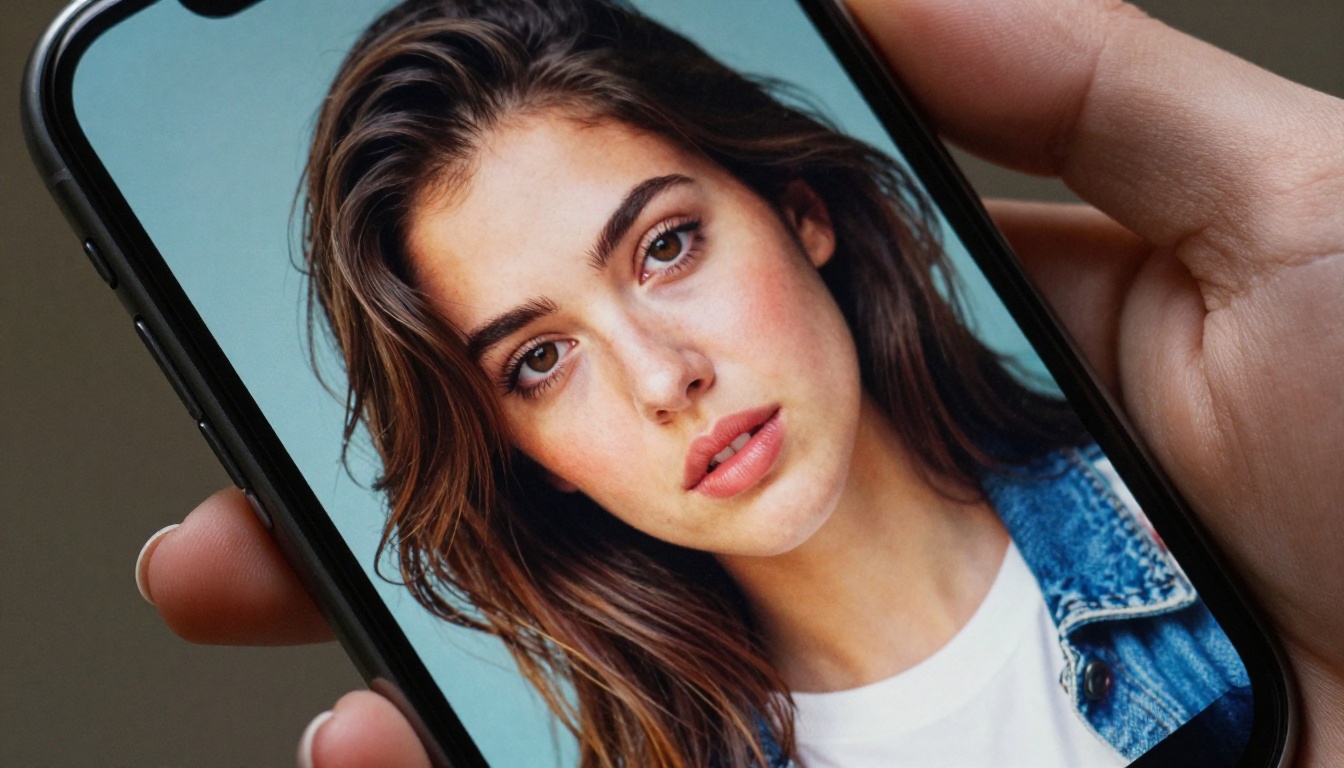
If your workflow centers on generating realistic images of people — whether for editorial content, social media visuals, character concept work, or stock-style photography — Reve AI's photorealism gives it a consistent edge. The skin texture, hair detail, and facial coherence in Reve AI outputs are noticeably stronger than what most competing models produce by default.
Complex Scene Construction
Prompts describing intricate environments with multiple interacting elements tend to resolve more cohesively in Reve AI. A specific lighting condition, a detailed foreground subject, defined mid-ground objects, and a contextually appropriate background — Reve AI keeps these elements spatially coherent where other models lose track of the prompt's logical structure.
Lifestyle and Cinematic Aesthetics
For brands and creators working in a filmic, editorial, or lifestyle photography aesthetic, Reve AI's natural output quality means fewer post-generation adjustments. The images land closer to "finished" for this use case. The muted, natural color palette is an asset rather than a limitation when the intended mood is authenticity over polish.
Rapid Photorealistic Prototyping
For creative directors and visual strategists who need quick photorealistic reference imagery for presentations, mood boards, or client concepts, Reve AI's output quality makes it practical to use generated images directly without the "obviously AI" look that undermines creative presentations.

Who Should Use Ideogram
Ideogram wins clearly in its own set of scenarios, particularly anywhere that visual communication depends on readable text or polished commercial output.
Designers Working with Typography
Anyone creating posters, flyers, social media templates, book covers, album art, merchandise designs, or any image where readable text is part of the visual composition should be using Ideogram. This is its defining strength and the reason it built such a strong following among graphic designers who were previously forced to hand-add text in Photoshop after every AI generation.
The Ideogram Character model also addresses one of the harder problems in AI image generation: keeping a character or visual persona consistent across a series of images without needing to train a custom LoRA or work with complex reference image systems.
Marketing and Commercial Assets
Polished product mockups, branded social graphics, commercial promotional images, and advertising visuals sit squarely in Ideogram's wheelhouse. The cleaner, more commercial aesthetic translates directly to assets that can move into production without heavy retouching or visual corrections.
Brand Consistency Workflows
If you are building a visual brand system where consistency across image sets matters, Ideogram's character and style control features provide more practical control than Reve AI currently offers. For agencies managing multiple client brands simultaneously, this consistency matters operationally.
Social Media at Scale
Content teams producing high volumes of social media imagery benefit from Ideogram's ability to include copy directly in the image, eliminating the separate typography step. This speeds up the content pipeline significantly for teams running always-on social content programs.
Top Alternatives Worth Trying
Neither Reve AI nor Ideogram is the only serious option in this space. Several other models offer compelling capabilities depending on your specific creative requirements.
Flux Models for Speed and Control
The Flux Kontext Dev and Flux Kontext Fast models have become serious competitors in the editing and rewriting space. Flux Kontext lets you modify specific elements of an existing image through text instruction without inpainting masks. This represents a significant workflow improvement over traditional image editing approaches, particularly for iterative refinement.
Flux Schnell and the newer Flux 2 Klein 9B specifically target speed and volume, making them useful when turnaround time matters more than maximum detail fidelity.
GPT Image for Instruction-Following
GPT Image 1 and GPT Image 2 from OpenAI have demonstrated strong prompt adherence, particularly for complex, multi-condition instructions. If your prompts involve specific logical conditions — a particular object arrangement, conditional color rules, or scene elements that depend on each other — GPT Image models handle this reasoning well in ways that diffusion-only models sometimes miss.
Gemini Flash for Volume
Gemini 2.5 Flash Image offers competitive generation quality at high speed. For workflows where generation volume is the primary concern, it is worth testing alongside the Flux speed-optimized variants.
For Custom Style Training
If neither Reve AI nor Ideogram fits your specific style requirements, training a custom model with Flux Redux Dev or using Flux Pro Finetuned gives you full control over the aesthetic output for a specific brand, character, or creative direction.
| Tool | Best For | Speed | Text in Images |
|---|
| Reve AI | Photorealism, portraits | Fast | Weak |
| Ideogram | Typography, design assets | Fast | Excellent |
| Flux Kontext Fast | Image editing, rewriting | Very Fast | Good |
| GPT Image 1 | Complex prompt logic | Moderate | Good |
| Gemini 2.5 Flash | Volume generation | Very Fast | Moderate |
| Flux Schnell | Speed at scale | Very Fast | Moderate |

The Real Verdict
Reve AI and Ideogram are not direct competitors trying to be the same thing. They solve different problems, and the gap between them in their respective strengths is wide enough that choosing the wrong tool for a task creates real friction in your workflow.
Choose Reve AI if your primary output is photorealistic scenes, lifestyle imagery, or portrait work where natural, filmic results matter and text rendering is not a requirement.
Choose Ideogram if readable text inside images is any part of your output requirement, or if you are building polished commercial assets where a clean, professional aesthetic translates directly to usable work.
For most creators and teams, the practical answer is to use both. Neither platform costs much to start, the use cases are distinct enough that switching based on the task type is a rational workflow decision, and testing both side by side on the same prompt is genuinely informative about which model fits your aesthetic preferences.
Where Prompt Quality Matters
One thing both tools have in common: prompt quality still matters. A vague prompt produces mediocre results regardless of which platform you use. Specific details about lighting, composition, subject, and atmosphere consistently improve outputs in both Reve AI and Ideogram.
Tip: For photorealistic results in either tool, describe the lighting source and direction explicitly ("soft morning window light from the left"), specify the camera angle ("low angle, 35mm wide shot"), and include surface texture details ("matte skin texture, linen fabric").
Try It on PicassoIA
PicassoIA gives you access to over 90 text-to-image models in one place, including Ideogram Character, Flux Kontext Fast, GPT Image 1, GPT Image 2, Flux Schnell, and the full Flux Kontext suite. You can run the same prompt across multiple models and directly compare outputs in one workflow, without maintaining separate accounts across different platforms.
Pick a prompt that represents your actual use case, run it on several models, and let the outputs tell you which tool fits your work. The difference between a good and great AI image generator almost always comes down to matching the right model to the specific task — and having all of them in one place makes that comparison fast, practical, and immediately actionable.